Archive
Ephemeris: 04/07/2025 – Does the nearest star to our Sun have a habitable planet?
This is Ephemeris for Monday, April 7th. Today the Sun will be up for 13 hours and 6 minutes, setting at 8:18, and it will rise tomorrow at 7:10. The Moon, 3 days past first quarter, will set at 5:38 tomorrow morning.
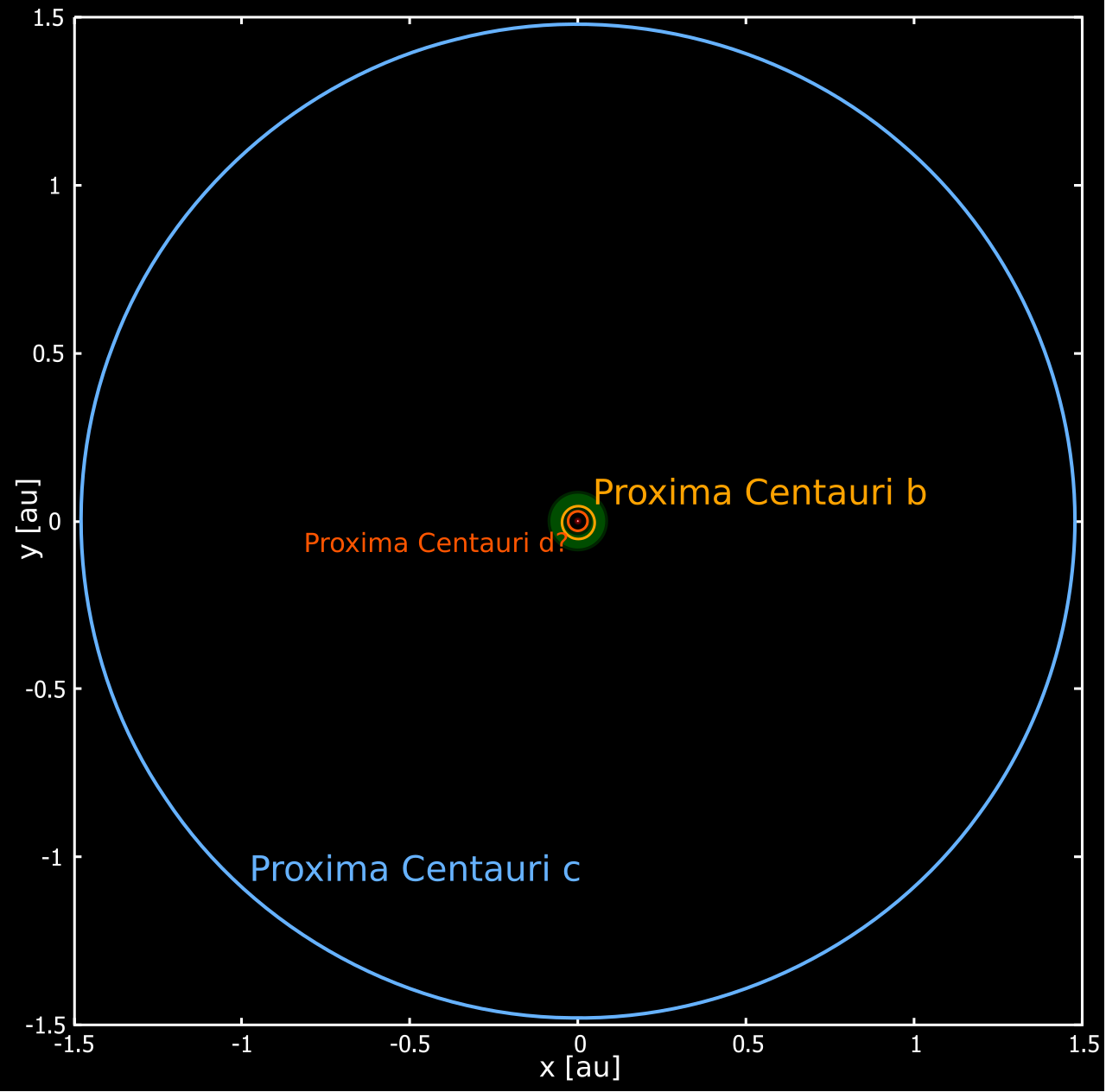
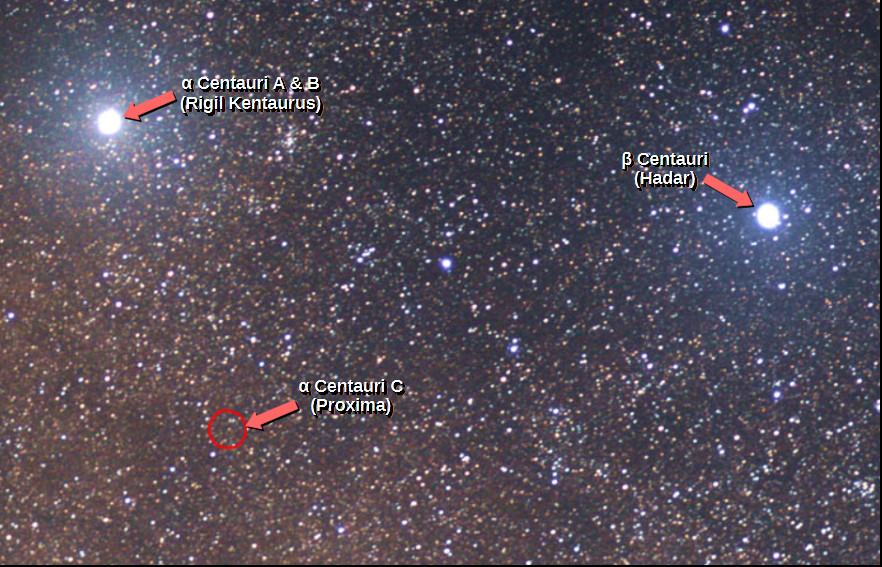
The closest star to our sun is Proxima Centauri which is a small member of the Alpha Centauri star system. It is a red dwarf star and has, we think, at least three planets. They are designated b, c and d. And right now “c” is questionable. At least one of these planets is in the habitable zone of the star, based on the amount of heat this little star gives off. So these planets all quite close to the star, and the problem with Proxima and with most red dwarf stars is that they create a great number of what we call solar flares. When the Earth gets hit by a solar flare from 93 million miles it causes the Northern Lights and causes X-rays to flood the Earth which is mostly shielded by the ozone in our atmosphere. These planets are much closer to their star.
The astronomical event times given are for the Traverse City/Interlochen area of Michigan (EDT, UT – 4 hours). Times will be different for other locations.
Addendum
 Bob Moler's Ephemeris Blog