Ephemeris: 05/02/2025 – GTAS meeting ~ Deep sky wonders for the small telescope
This is Ephemeris for Friday, May 2nd. Today the Sun will be up for 14 hours and 18 minutes, setting at 8:49, and it will rise tomorrow at 6:29. The Moon, 2 days before first quarter, will set at 2:47 tomorrow morning.
The Grand Traverse Astronomical Society will host its May meeting tonight at 9 PM at Northwestern Michigan College’s Joseph H Rogers Observatory. The talk for the evening will be given by Mary Gribbin presenting the program titled Exploring Deep Space Objects with Small Telescopes by Season. Deep Space Objects, better known as Deep Sky Objects or DSOs, are things that reside beyond the solar system which are generally only visible in telescopes, like star clusters, galaxies and nebulae, which are clouds. After the meeting, weather permitting, there will be viewing of the Moon and whatever we can find in the twilight. The observatory is located south of Traverse City on Birmley Rd. The meeting will also be available via Zoom, with instructions for joining the meeting on the society’s website, http://www.gtastro.org.
The astronomical event times given in this blog are for the Traverse City/Interlochen area of Michigan (Lat 44.7° N, Long 85.7° W; EDT, UT – 4 hours) unless stated otherwise. Times will be different for other locations.
Addendum
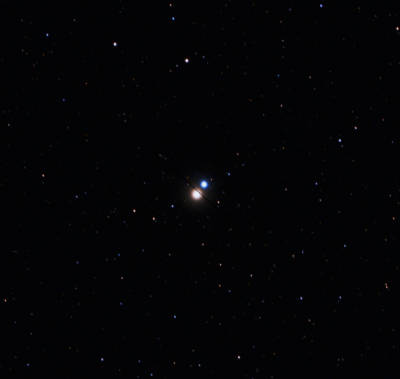
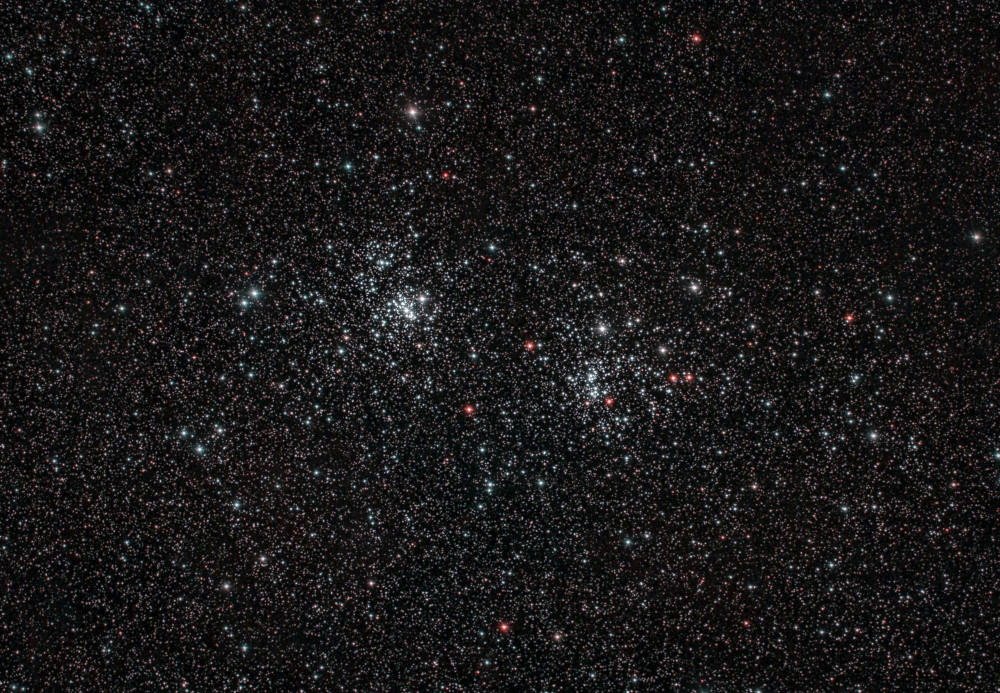
The above are two of the many wonders for owners of a small telescope.
 Bob Moler's Ephemeris Blog