Archive
Ephemeris Extra: Star Party Tomorrow night, 10/21/2023, if it’s clear
Update: 10/21/2023 The Star Party has been canceled due to weather (clouds)
This was the last planned star party at the Sleeping Bear Dunes this year. Look for star parties in 2024. Also, there will be a star party after the Grand Traverse Astronomical Society meetings, November 3rd and December 1st, of course weather permitting, at Northwestern Michigan College’s Joseph H. Rogers Observatory. The observatory is located south of Traverse City on Birmley Road. Meetings start at 8 pm, and are not weather dependent, with observing after (approximately 9 pm) if it’s clear. Topic of the meeting programs: November: A documentary video Jack Newton’s Journey to the Stars. Jack Newton (1942-) is a Canadian amateur astronomer and pioneering astrophotographer. December: Ancient Greek astronomy.
Original Post Below
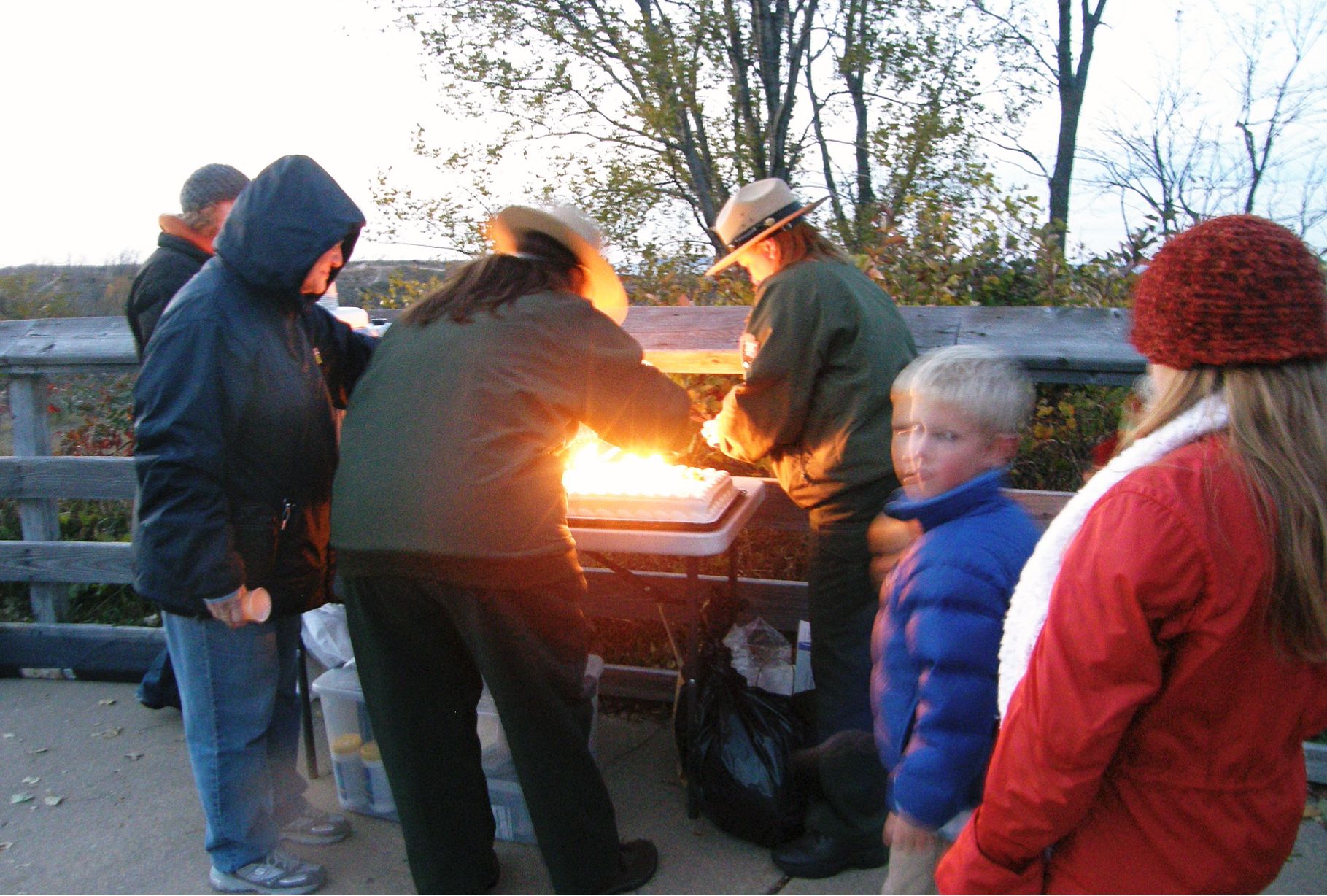
Members of the Grand Traverse Astronomical Society will team up with the park rangers of the Sleeping Bear Dunes National Lakeshore for the last star party of the year celebrating the park’s 53rd anniversary. It will take place at the Dune Climb. Of course, it will only occur if it is clear or partly cloudy. It starts at 4 pm with solar observing using personal and the society’s solar telescopes. Starting at 7 pm it will be dark enough to view the first quarter Moon, followed a bit later with Saturn, and still later with Jupiter. The brighter wonders beyond the solar system will be also be visible later.
Ephemeris: 10/20/2023 – Halley’s Comet is back! Sort of.
This is Ephemeris for Friday, October 20th. Today the Sun will be up for 10 hours and 45 minutes, setting at 6:50, and it will rise tomorrow at 8:05. The Moon, 1 day before first quarter, will set at 10:42 this evening.
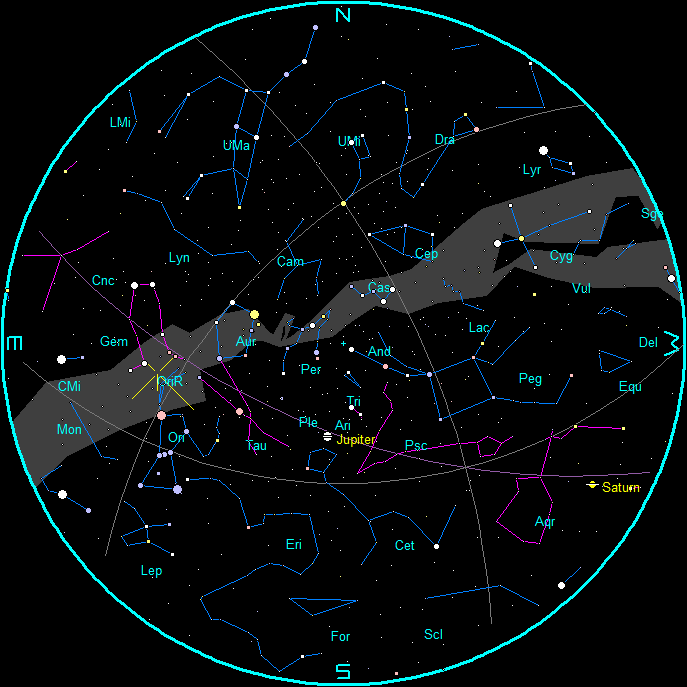
Halley’s Comet is back! (Pronounced Hall-ey’s) Well sorta. In the form of the Orionid meteor shower. Bits of Halley’s Comet from previous passes by the Earth’s orbit make their twice-yearly show in our skies as these bits collide with the Earth’s atmosphere. Halley’s orbit passes close to the earth’s orbit at points where the Earth is around May 6th and again near October 21st. Light dust and ionized gas get blown back into the tail of the comet. Heavier particles, still affected by the pressure of sunlight and the gravitational pull of the Sun and planets end up roughly following the comet’s orbit. In the morning after the Moon sets (11:55 pm on the 21st) should be the best time to see them. They will seem to come from a spot above Orion and below Gemini.
The astronomical event times given are for the Traverse City/Interlochen area of Michigan (EDT, UT –4 hours). They may be different for your location.
Addendum
 Bob Moler's Ephemeris Blog