Ephemeris: 11/10/2023 – The Northern Taurid Meteor Shower reaches its peak Sunday night
This is Bob Moler with Ephemeris for Friday, November 10th. Today the Sun will be up for 9 hours and 47 minutes, setting at 5:20, and it will rise tomorrow at 7:34. The Moon, 3 days before new, will rise at 5:38 tomorrow morning.
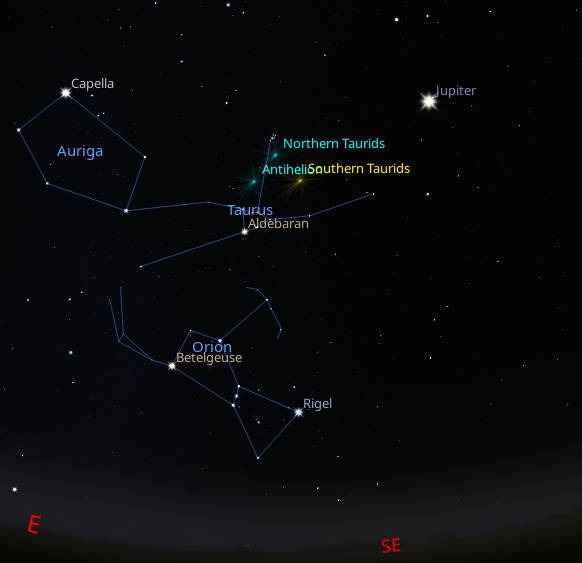
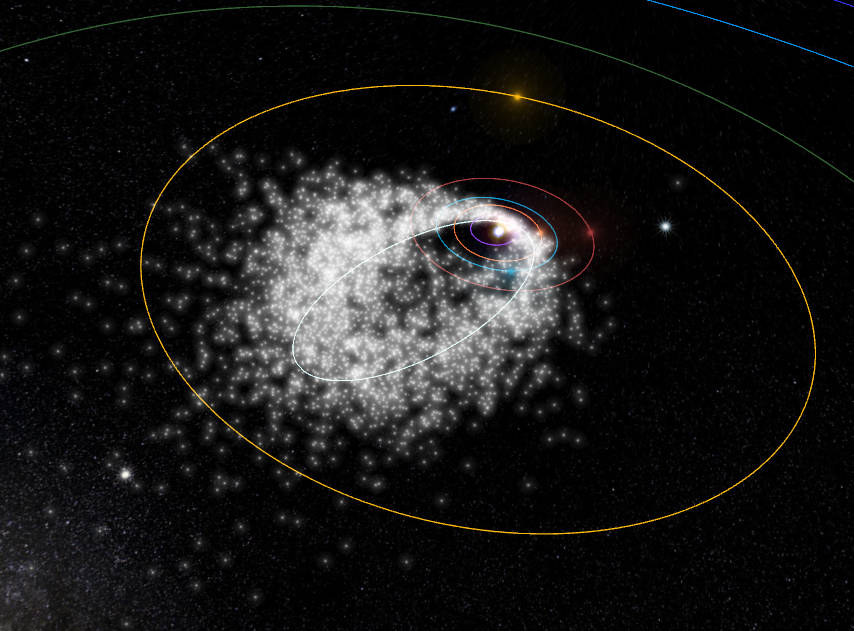
On Sunday night the North Taurid Meteor shower will reach its peak of about 15 meteors an hour. That’s not very many. However, there are reports that they are rather slow meteors and quite bright. They’re related to Encke’s comet. That comet has the shortest period of any comet of 3.3 years. So the meteoroid debris are not falling in from very far away from the Sun to reach us, so they’re moving rather slowly. The South Taurid meteor shower reached its peak last weekend with about the same number of meteors, and from the same comet. They’re also tangled up with something called the Antihelion meteor source, which is an ill-defined source of meteors which is directly opposite the Sun. Their radiant is near the Pleiades.
The astronomical event times given are for the Traverse City/Interlochen area of Michigan (EST, UT –5 hours). They may be different for your location.
 Bob Moler's Ephemeris Blog