Ephemeris: 11/17/2023 – Observing this weekend’s Leonid meteor shower
This is Ephemeris for Friday, November 17th. Today the Sun will be up for 9 hours and 30 minutes, setting at 5:12, and it will rise tomorrow at 7:43. The Moon, 3 days before first quarter, will set at 8:45 this evening.
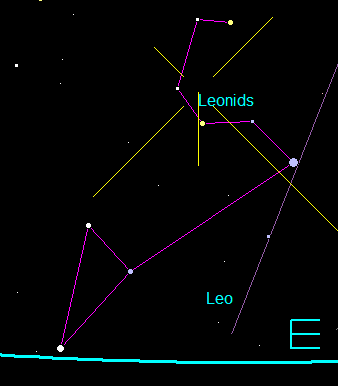
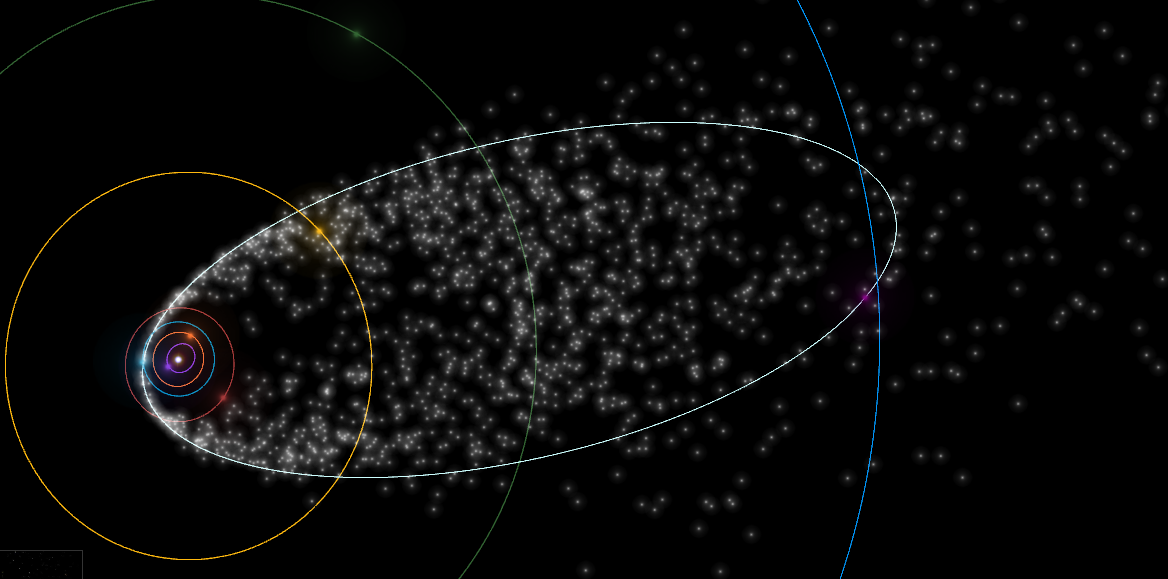
The Leonid meteor shower will reach peak this weekend. The normal peak will be actually this evening before the radiant, where the meteors seem to come from, rise which they will do at 11 pm. So tomorrow morning it would be a good time to see them. We only expect about 15 meteors an hour at peak. There is a possibility of another peak on the 21st which is Tuesday morning just before dawn composed of supposedly bright meteors from the passage of the comet crossed Earth’s orbit in 1767. So if it’s clear, and you’re willing to go outdoors and see what you can see of the Leonid meteor shower. The Leonids get really spectacular about every 33 years, and we’re about 8 or 9 years from now.
The astronomical event times given are for the Traverse City/Interlochen area of Michigan (EST, UT –5 hours). They may be different for your location.
Addendum
 Bob Moler's Ephemeris Blog