Archive
Ephemeris: 08/06/2024 – Looking toward the Perseid Meteor Shower
This is Ephemeris for Tuesday, August 6th. Today the Sun will be up for 14 hours and 25 minutes, setting at 9:01, and it will rise tomorrow at 6:36. The Moon, 2 days past new, will set at 10:15 this evening.
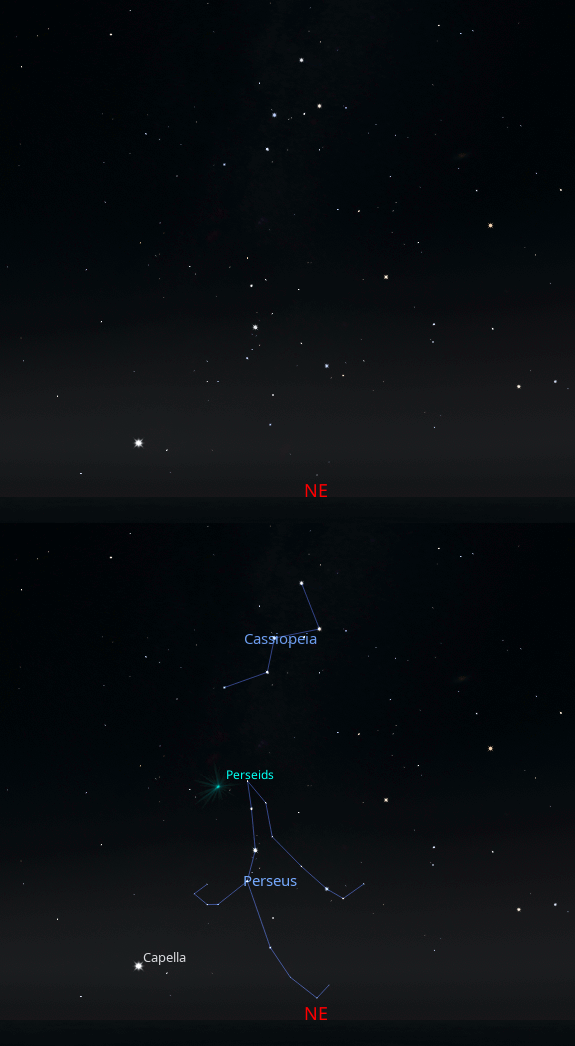
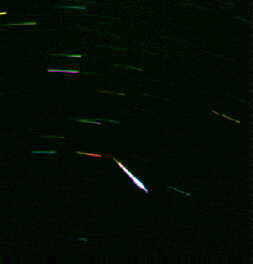
Next Monday morning we’ll see the peak of the Perseid meteor shower. They’re called the Perseids because they seem to come from the constellation of Perseus the hero which is below the W shaped constellation of Cassiopeia in the northeast in the evenings now. The reason they appear to come from the same direction is that they were shed by a comet whose name is Swift-Tuttle discovered in 1862 it’s been around many times before that, though not recognized as such. The first mention of the Perseids in history comes from the year 36 CE, though they were assuredly visible but unrecognized before that. In the past they’ve been known as the Tears of Saint Lawrence because their peak is near the feast date of that martyr. Perseids can be seen now, though not in peak numbers.
The astronomical event times given are for the Traverse City/Interlochen area of Michigan (EDT, UT–4 hours). Times will be different for other locations.
Addendum
 Bob Moler's Ephemeris Blog