Archive
Ephemeris: 12/20/2024 – Winter is coming tomorrow!
Dec 20. This is Bob Moler with Ephemeris for Friday, December 20th. Today the Sun will be up for 8 hours and 48 minutes, setting at 5:04, and it will rise tomorrow at 8:17. The Moon, 2 days before last quarter, will rise at 10:55 this evening.
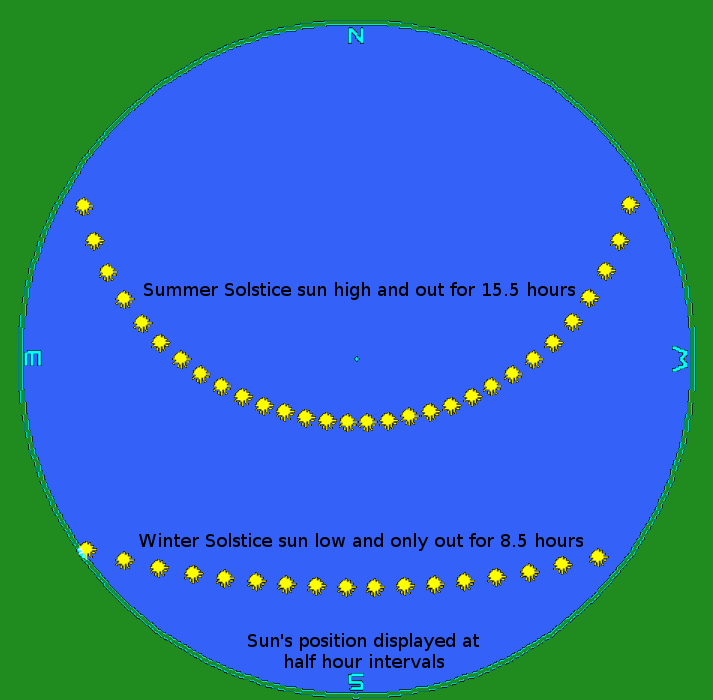
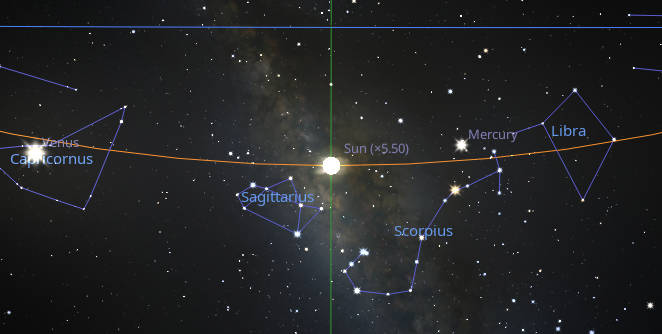
Today is the last full day of autumn. Tomorrow at 4:40 a.m. winter will begin as the Sun passes the winter solstice and stops its southward movement in the sky. Immediately it will slowly climb northward again. It will lengthen the daytime hours and increase the power of the Sun as it gets higher in our sky. The cooling of the Northern Hemisphere will continue until late January, on average, until the lengthening days and increased solar altitude will finally overcome it. Ancient cultures weren’t all that sure that the Sun would come back, since they didn’t understand what was really happening. So when the solstice finally arrived it was a time for great celebrations which survive to this day.
The astronomical event times given are for the Traverse City/Interlochen area of Michigan (EST, UT – 5 hours). Times will be different for other locations.
Addendum
 Bob Moler's Ephemeris Blog