Ephemeris: 01/07/25 – Lights in the sky: Sirius, the brightest star
This is Bob Moler with Ephemeris for Tuesday, January 7th. Today the Sun will be up for 8 hours and 59 minutes, setting at 5:19, and it will rise tomorrow at 8:19. The Moon, 1 day past first quarter, will set at 2:45 tomorrow morning.
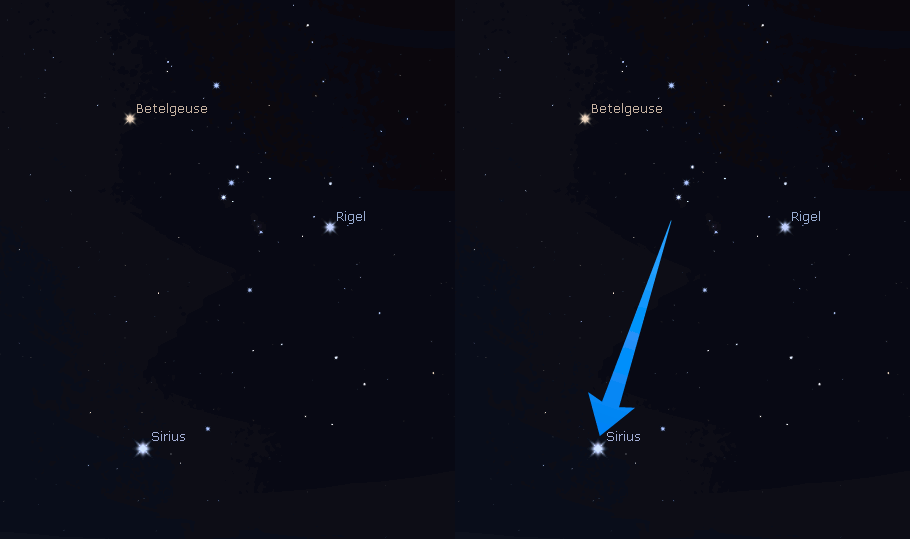
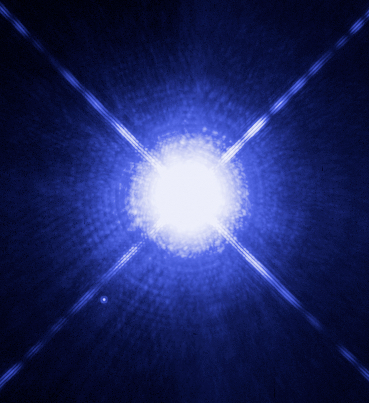
The brightest star in the nighttime sky, Sirius, will rise about 7:30 this evening in the east-southeast. By 9 PM it will be low in the southeast. It is also known as the Dog Star because it’s located in Orion’s greater hunting dog, Canis Major. However, its name Sirius means Dazzling One, or Scorcher, alluding to its great brightness. Sirius is about twice as massive as the Sun, but 25 times brighter, It is one of the nearer stars, being about 8.7 light years away, about twice the distance of Alpha Centauri. Sirius is a pure white star as opposed to the sun’s somewhat yellowish cast. It seems to really sparkle in a pair of binoculars. The sparkling or the twinkling of Sirius or of any star is not due to the star itself but by turbulence in Earth’s atmosphere.
The astronomical event times given are for the Traverse City/Interlochen area of Michigan (EST, UT – 5 hours). Times will be different for other locations.
Addendum
 Bob Moler's Ephemeris Blog