Archive
Ephemeris: 02/23/2026 – The Moon passes the Pleiades tonight
This is Ephemeris for Monday, February 23rd. Today the Sun will be up for 10 hours and 52 minutes, setting at 6:22, and it will rise tomorrow at 7:28. The Moon, 1 day before first quarter, will set at 2:18 tomorrow morning.
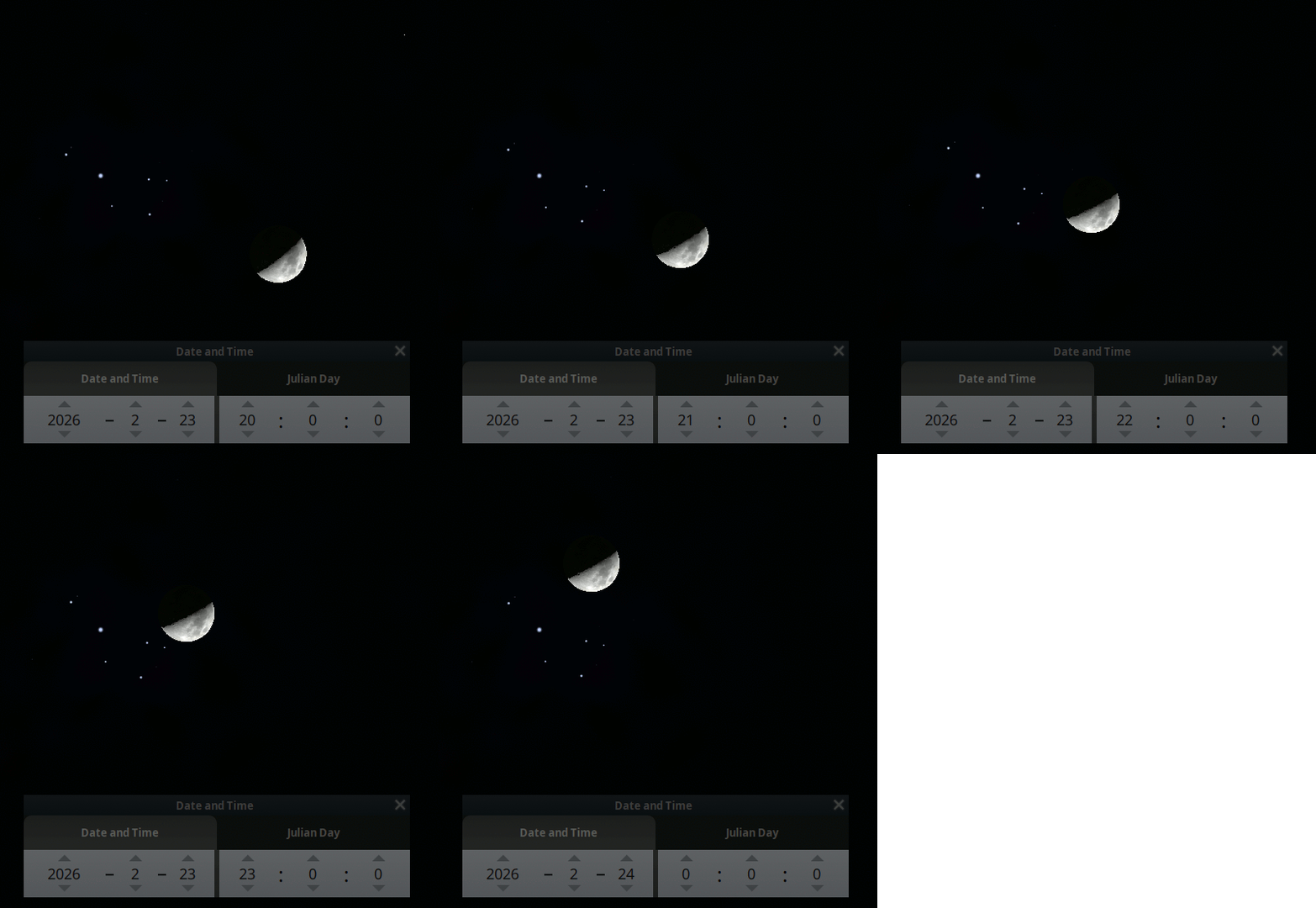
Tonight around 11o’clock the Pleiades star cluster will be just to the lower left of the nearly first quarter Moon. It will be very hard to spot them near the bright Moon, however they might be spotted with binoculars. Tonight the Moon will not occult or pass in front of the Pleiades’ brightest stars. The best time to see the Moon near or occulting the Pleiades is when it’s a crescent, and doesn’t overwhelm them, which will be later on this spring. However, the Moon passes by the Pleiades about a month apart, but they occur either in the afternoon or the morning hours so it won’t be as spectacular. The moon will also have close passages of the planet Venus this spring . The closest approach will be on May 18th.
The astronomical event times given in this blog are for the Traverse City/Interlochen area of Michigan (Lat 44.7° N, Long 85.7° W; EST, UT – 5 hours) unless stated otherwise. Times will be different for other locations.
Addendum
 Bob Moler's Ephemeris Blog