Archive
Ephemeris: 03/23/2026 – Looking out beyond the spring stars
This is Ephemeris for Monday, March 23rd. Today the Sun will be up for 12 hours and 19 minutes, setting at 7:59, and it will rise tomorrow at 7:38. The Moon, 2 days before first quarter, will set at 2:23 tomorrow morning.
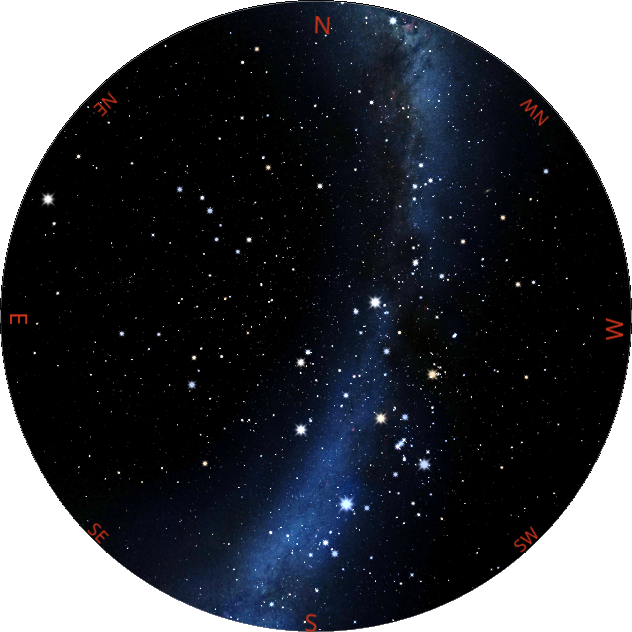
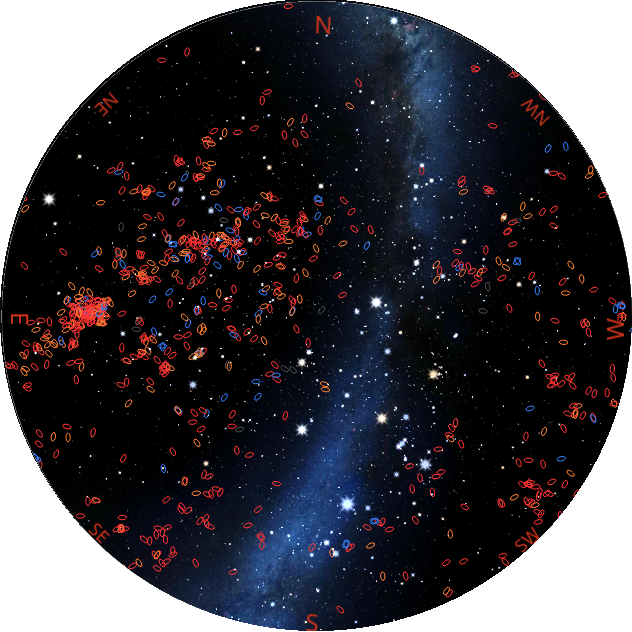
It is becoming more obvious as the Moon waxes, that there’s more bright stars in the south and southwestern part of the sky than there are in the southeastern sky. That’s because the Milky Way runs through the winter part of the sky. It’s not as bright as the Milky Way appears in the summer since we are looking away from the center of our Galaxy. The disk of our galaxy causes stars to congregate near that Milky band, whether we can see it well or not. That is the main reason the winter stars are so bright. In the southeast we are looking at the spring sky. Leo the lion and of course the Great Bear with the Big Dipper are there, but we are mostly looking outside the disk or galaxy to the universe beyond. So we’re looking through fewer nearby stars, so the spring sky seems somewhat lackluster compared to the crazy chaos of the winter sky.
The astronomical event times given in this blog are for the Traverse City/Interlochen area of Michigan (Lat 44.7° N, Long 85.7° W; EST, UT – 5 hours) unless stated otherwise. Times will be different for other locations.
Addendum
 Bob Moler's Ephemeris Blog