Archive
Ephemeris: 05/23/2025 – M13, The Great Hercules Star Cluster
This is Ephemeris for Friday, May 23rd. Today the Sun will be up for 15 hours and 6 minutes, setting at 9:13, and it will rise tomorrow at 6:05. The Moon, halfway from last quarter to new, will rise at 4:13 tomorrow morning.
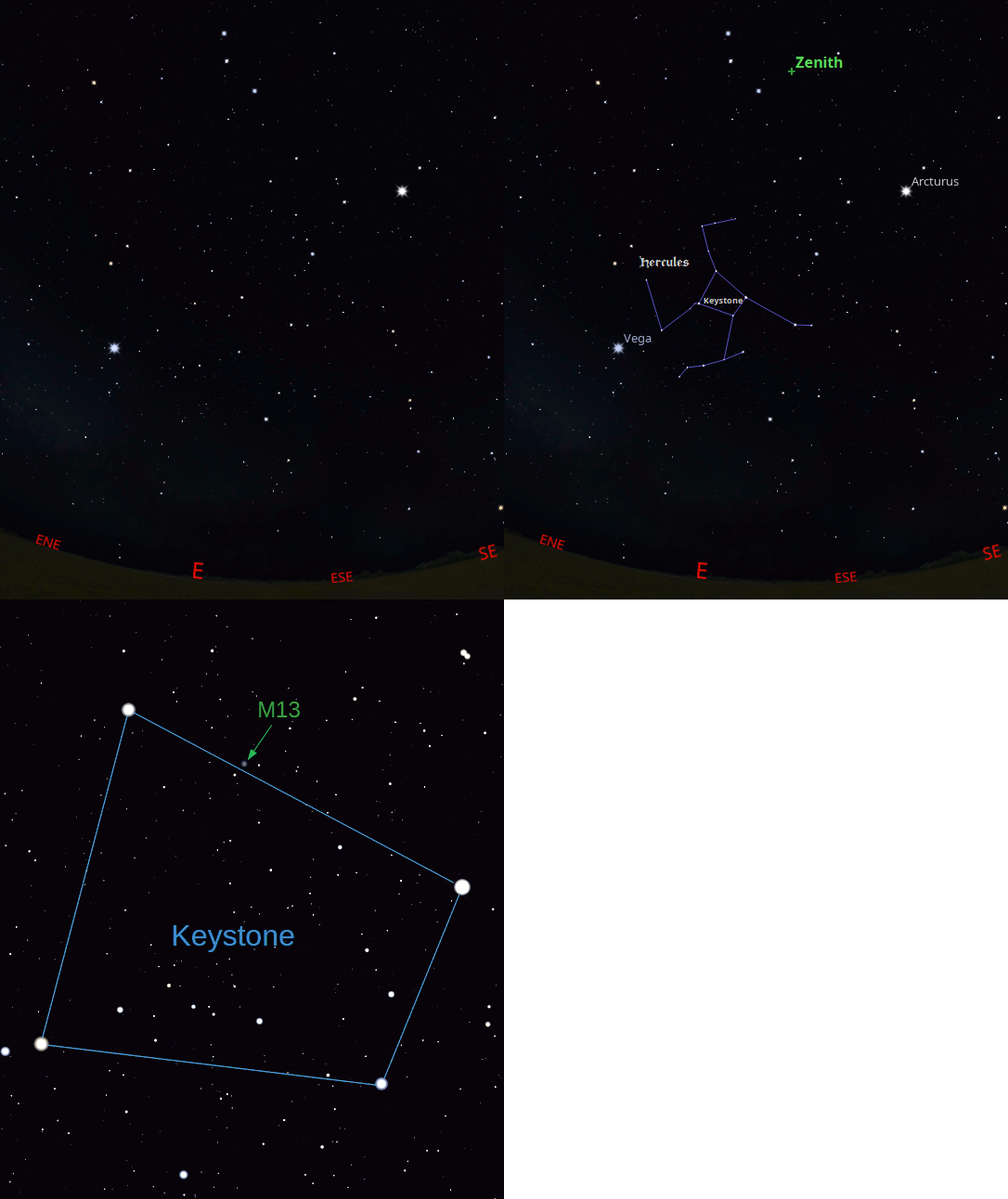
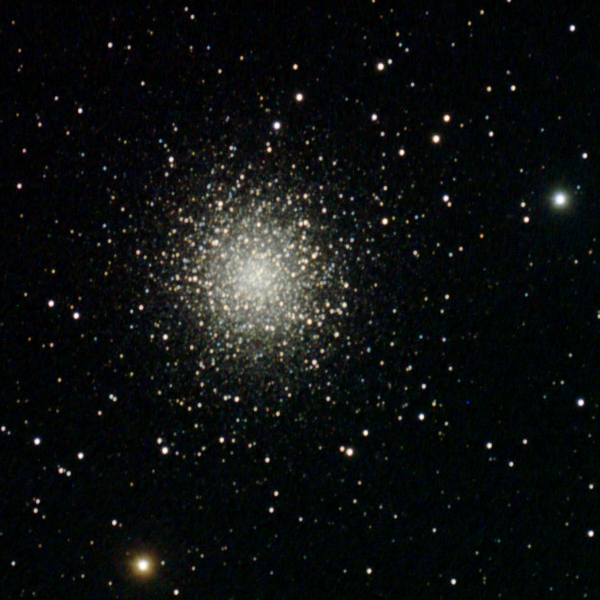
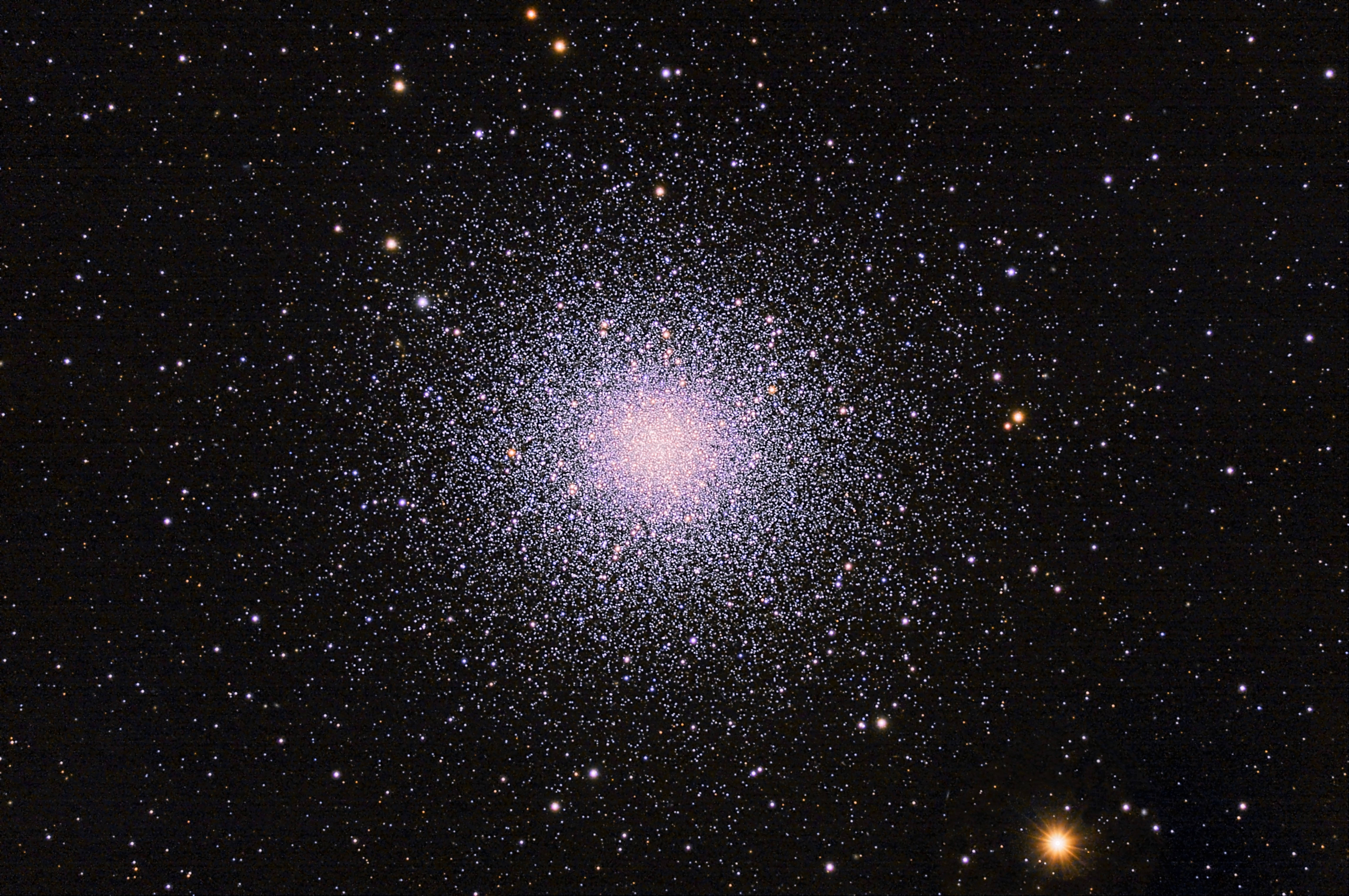
The constellation Hercules the hero can be found between the bright stars Vega which is fairly low in the east northeast and Arcturus high in the southeast. It’s about 1/3 of the way from Vega to Arcturus. His most distinctive feature is the keystone a box of four stars wider at the top than the bottom. Along the western edge of the keystone can be seen, sometimes with the naked eye, but better with binoculars as a small spot about 1/3 of the way down from the top star to the bottom star. It looks like a fuzzy spot. In telescopes smaller than 8 inch diameter, at least with my eyes, it stays fuzzy, but in larger telescopes it begins to crystallize out into a myriad of stars. It is the Great Hercules Globular Star Cluster. Number 13 on late 18th century astronomer Charles Messier’s catalog of fuzzy objects that weren’t the comets he was looking for. We know it as Messier 13, or M13.
The astronomical event times given in this blog are for the Traverse City/Interlochen area of Michigan (Lat 44.7° N, Long 85.7° W; EDT, UT – 4 hours) unless stated otherwise. Times will be different for other locations.
Addendum
 Bob Moler's Ephemeris Blog