Archive
Ephemeris: 11/13/2023 – Betelgeuse is acting weird again
This is Ephemeris for Monday, November 13th. Today the Sun will be up for 9 hours and 40 minutes, setting at 5:16, and it will rise tomorrow at 7:38. The Moon is new today, and won’t be visible.
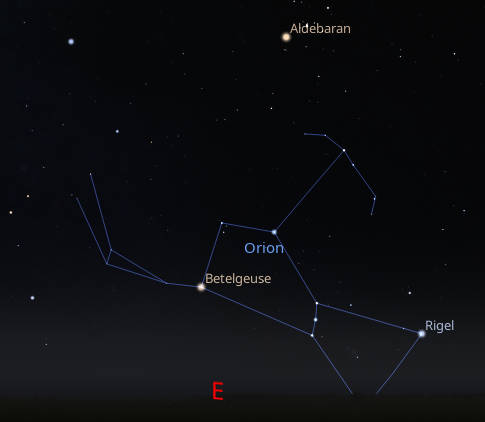
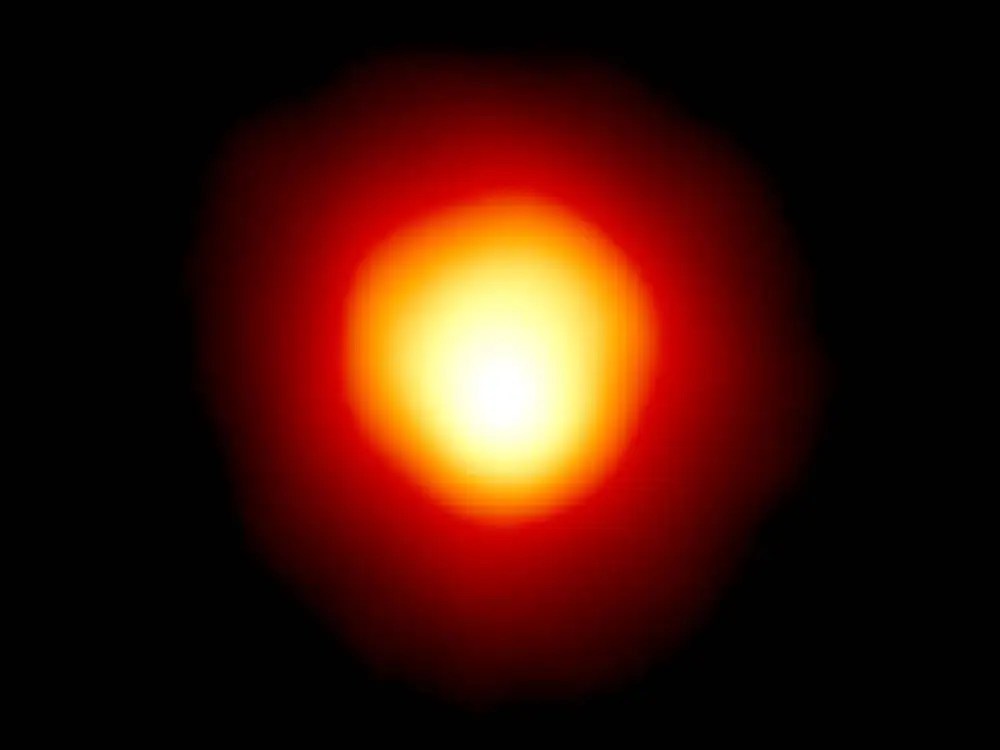
The constellation Orion is rising early in the evening now so what’s up with Betelgeuse. Betelgeuse is the bright reddish upper leftmost star of the torso of Orion the hunter, it’s in his shoulder. Betelgeuse has been acting up lately. In 2019 and 2020 Betelgeuse had dimmed significantly. Astronomers didn’t know why at the time, but found out later that it ejected a large cloud of gas and dust which blocked the light from the star. Now in the last year Betelgeuse has increased its brightness significantly, so it’s much brighter than normal. Again, we don’t exactly know why. Some have speculated that Betelgeuse is about ready to go supernova. We’ve known that for a while, but soon is measured within hundreds of thousands of years. So astronomers are keeping an eye on Betelgeuse to see what happens next.
The astronomical event times given are for the Traverse City/Interlochen area of Michigan (EST, UT –5 hours). They may be different for your location.
Addendum

 Bob Moler's Ephemeris Blog