Archive
Ephemeris: 12/08/2023 – Tomorrow has the earliest sunset of the year
This is Ephemeris for Friday, December 8th. Today the Sun will be up for 8 hours and 55 minutes, setting at 5:02, and it will rise tomorrow at 8:08. The Moon, 3 days past last quarter, will rise at 4:28 tomorrow morning.
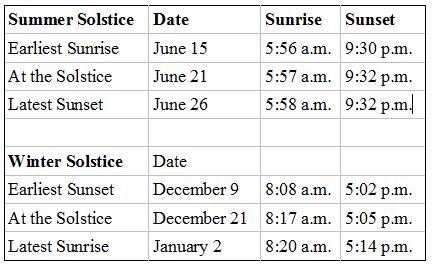
Tomorrow is the date of the earliest sunset, in the middle of a 12-day stretch where the Sun sets within the same minute. We are still 13 days from the winter solstice, the day of the shortest daylight hours, on the 21st. The reason is twofold. The Sun is near its farthest position south of the equator, where the longitude lines are closer together, so it takes less time to cross them. 15 degrees in longitude equals one hour in Earth’s rotation. Add to that we are less than a month from Earth’s perihelion in its orbit of the Sun, that is at its closest, and is moving faster than average. The combined effects delay sunrise and sunset, from what they’d be if the Sun was on the equator and the Earth’s orbit was circular. We will have our latest sunrise on January 2nd.
The astronomical event times given are for the Traverse City/Interlochen area of Michigan (EST, UT –5 hours). They may be different for your location.
Addendum
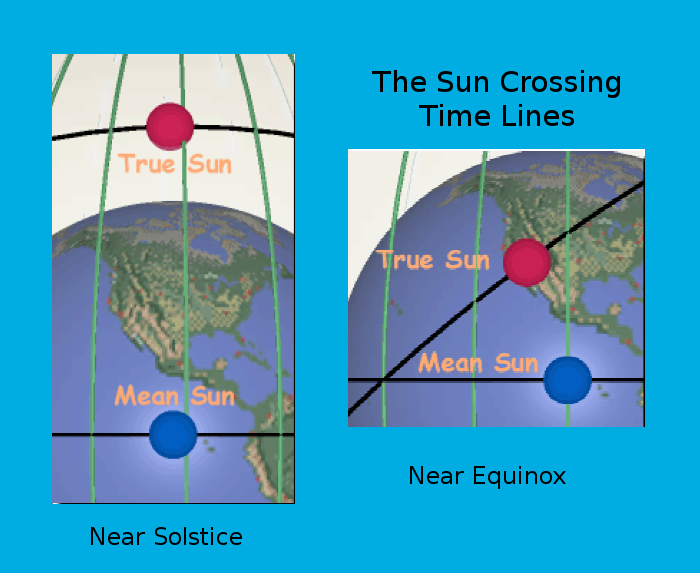
In December the Earth is approaching perihelion, its closest to the Sun, so it moves faster than average. This makes the Sun to appear to move faster eastward against the stars in our sky, and tends to make our sunrises, apparent local noons and sunsets later than they would otherwise be. Sunset bottoms out early and extends the date of the latest sunrise
For the June or summer solstice around here, the Earth is near aphelion, it’s farthest from the Sun where the Earth is at its slowest in its orbit. By reflection, the Sun appears to move its slowest against the stars in our sky. This effect works against the high latitude effect, making the effect smaller. Looking at the table above, the days between the earliest and latest times is shorter for the summer solstice than for the winter solstice.
 Bob Moler's Ephemeris Blog