Archive
Ephemeris: 04/11/2024 – What is the far side of the Moon good for?
This is Ephemeris for Thursday, April 11th. Today the Sun will be up for 13 hours and 19 minutes, setting at 8:23, and it will rise tomorrow at 7:02. The Moon, 3 days past new, will set at 12:40 tomorrow morning.
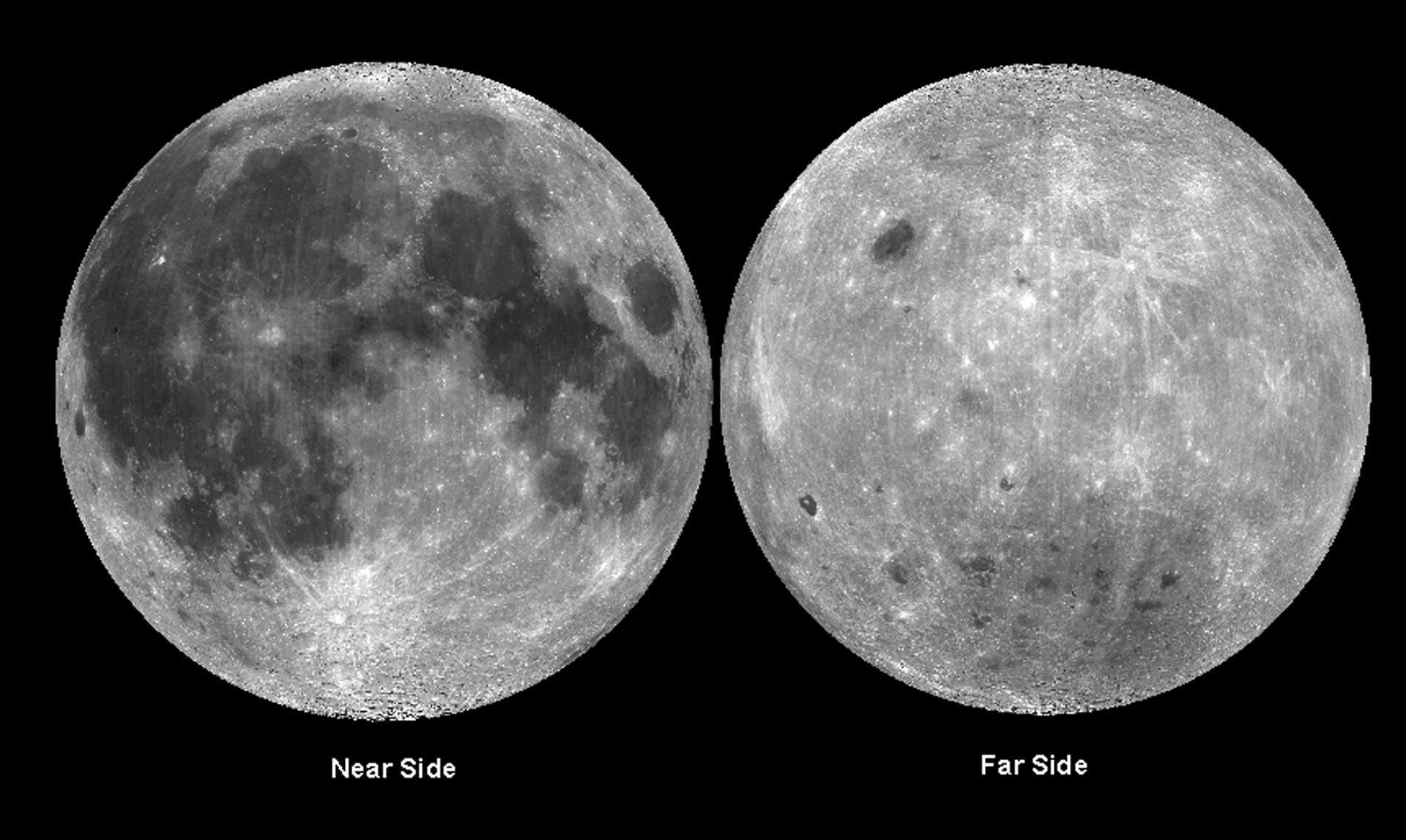
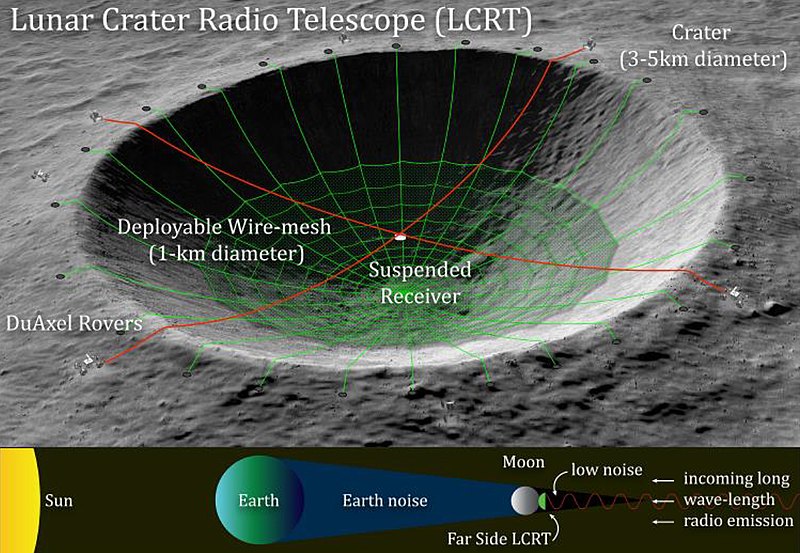
The Last Monday when we were having an eclipse of the Sun, the far side of the Moon was fully illuminated. So it can’t possibly be the dark side of the Moon, not permanently. The dark side of the Moon is the night side and Monday that was the side facing the Earth. But what’s the far side of the Moon good for? The Chinese seem to be very interested in it. They have a lander and a rover on the far side, and they’re going to go back and grab a sample from the far side and bring it back to the Earth. The far side of the Moon is one place in the whole solar system in which the cacophony of radio signals from the Earth cannot be heard so it’s a great place to set up a radio telescope. The craters on the far side of the moon might be used to place a dish antenna.
The astronomical event times given are for the Traverse City/Interlochen area of Michigan (EDT, UT–4 hours). They may be different for your location.
Addendum
 Bob Moler's Ephemeris Blog