Ephemeris: 02/05/2026 – The celestial unicorn
Feb 5. This is Ephemeris for Thursday, February 5th. Today the Sun will be up for 10 hours even, setting at 5:57, and it will rise tomorrow at 7:55. The Moon, halfway from full to last quarter, will rise at 10:34 this evening.
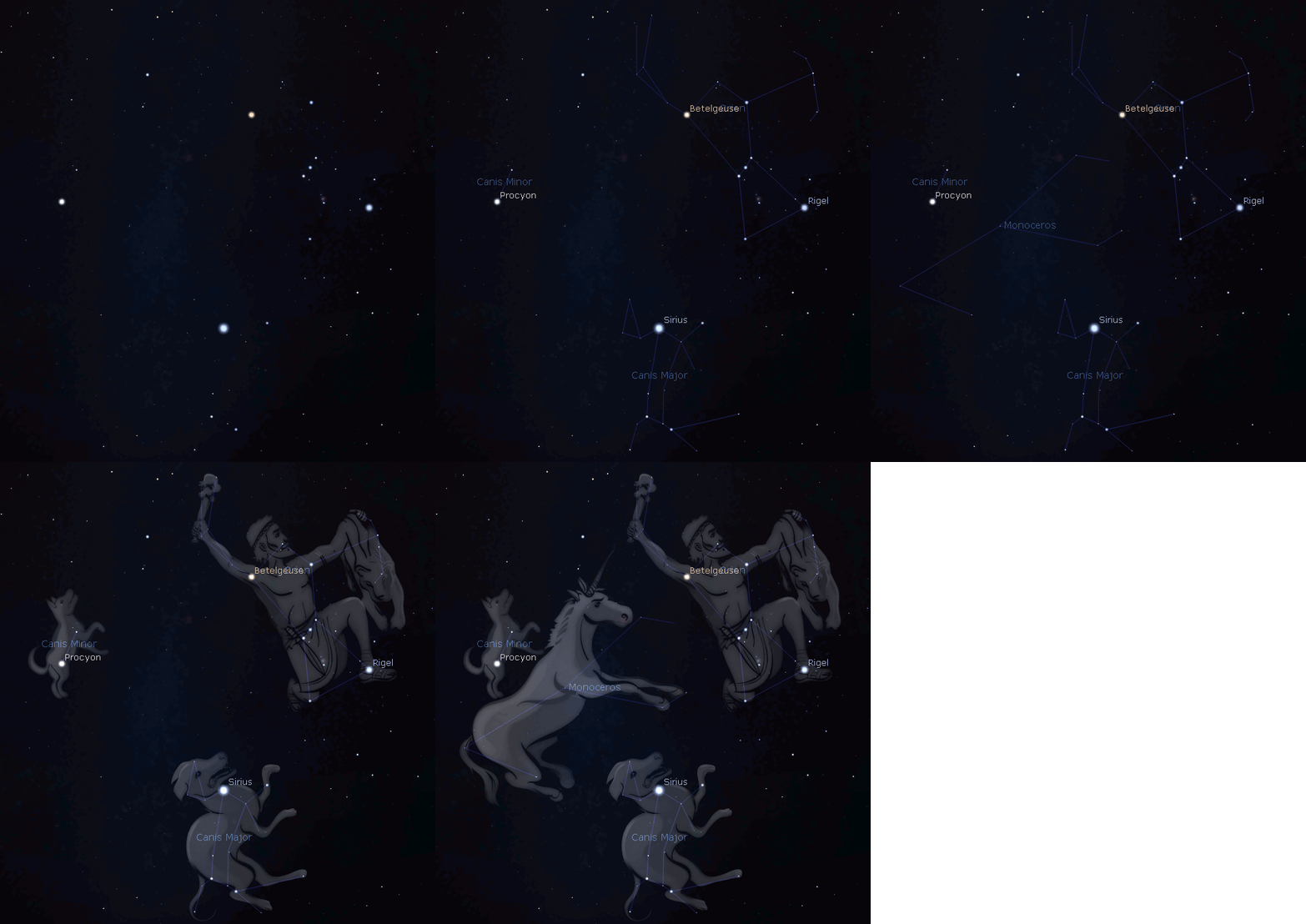
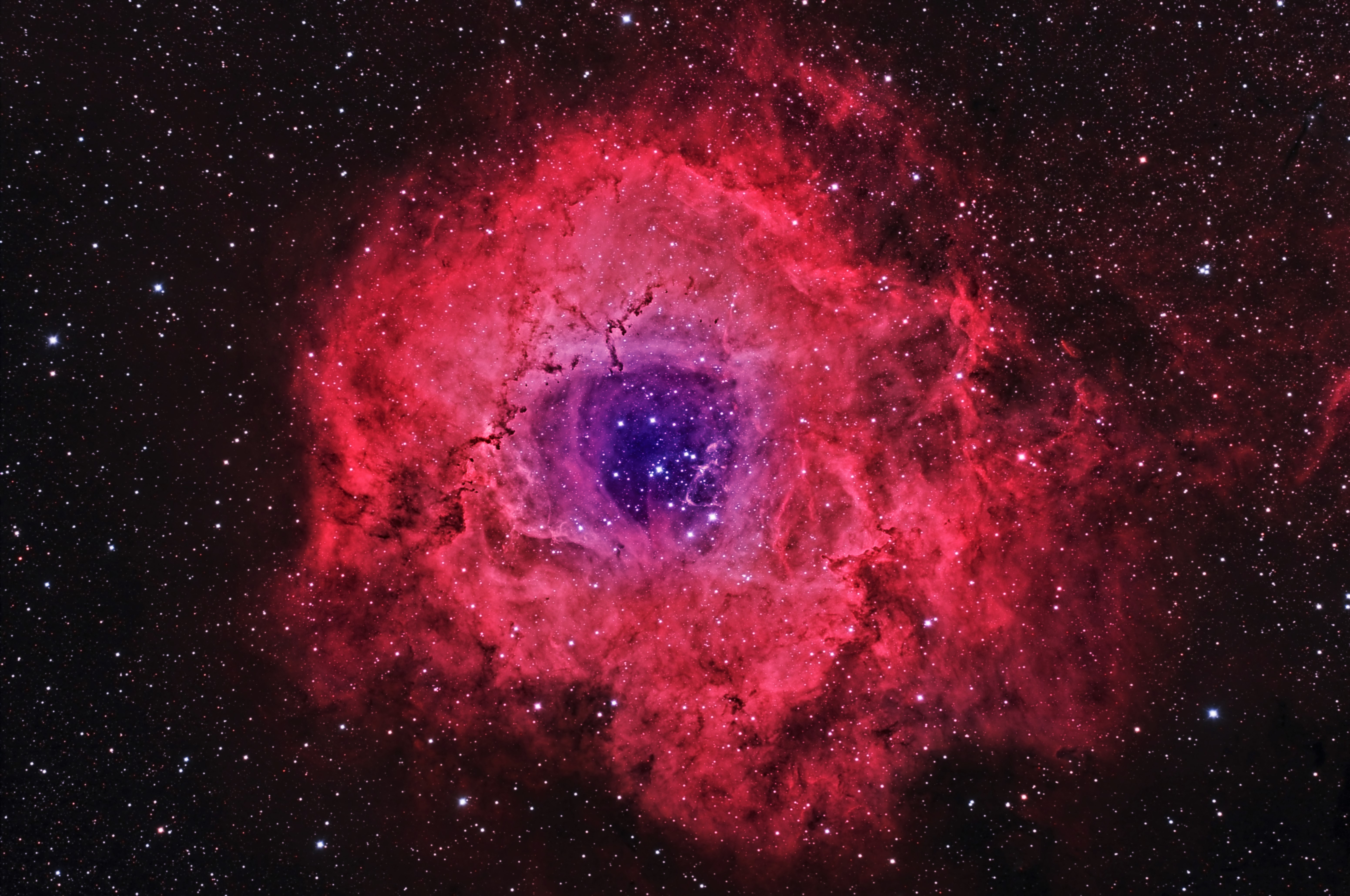
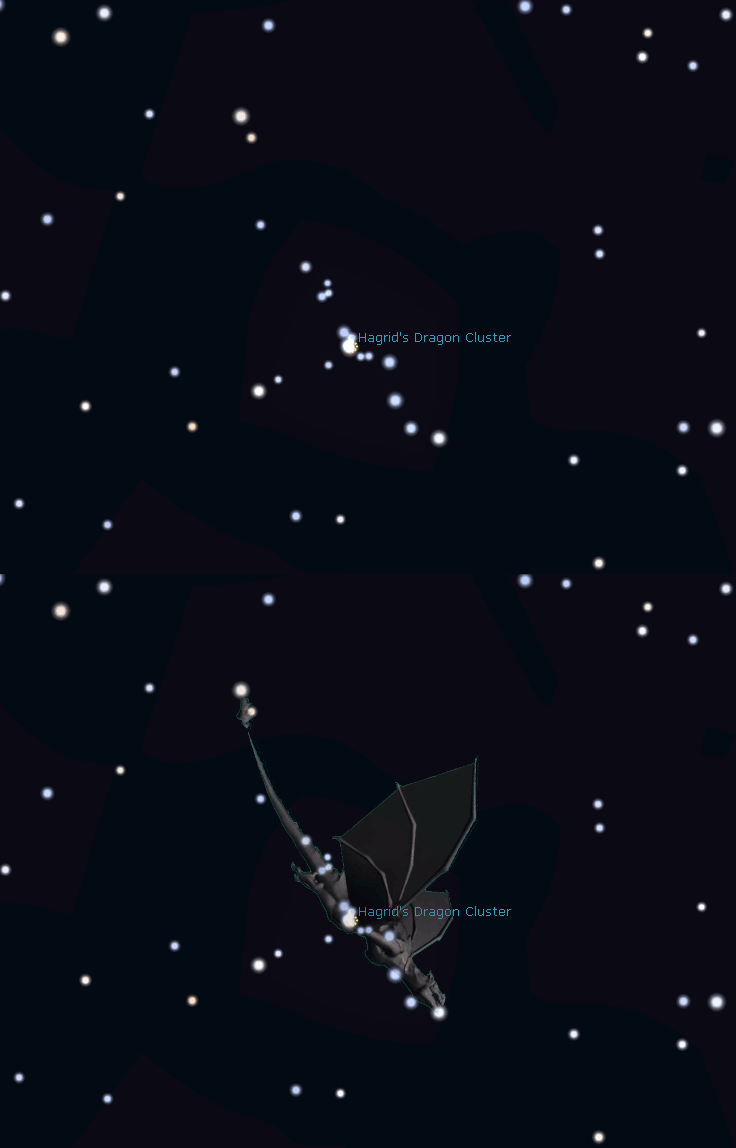
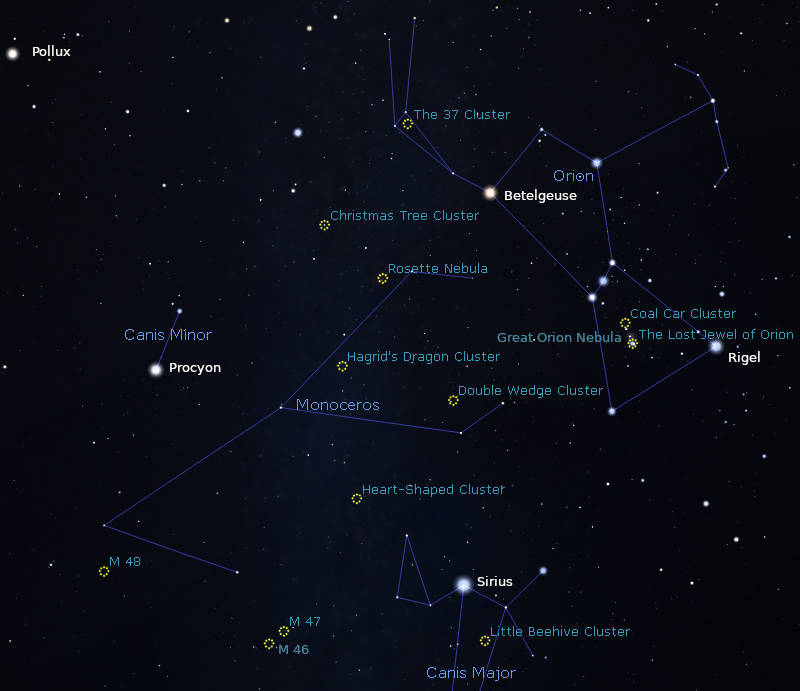
Among all the constellations in the sky of animals real and mythical, there is also a unicorn. It’s called Monoceros, and inhabits the southeastern sky at 8 p.m. mostly bounded by Orion on the right, Canis Major, the great dog below and Canis Minor, the little dog to the left and above. Unfortunately for observers without a telescope Monoceros, is devoid of any but the faintest stars. Maybe that’s why no one sees unicorns anymore. Though it lacks bright stars Monoceros is full of wonders revealed by telescopes and photography. A feast of faint nebulae or clouds of gas and dust, the birthplace of stars, including the red rose of the Rosette Nebula, and the more recently named Hagrid’s Dragon Cluster (NGC 2301).
The astronomical event times given in this blog are for the Traverse City/Interlochen area of Michigan (Lat 44.7° N, Long 85.7° W; EST, UT – 5 hours) unless stated otherwise. Times will be different for other locations.
Addendum
 Bob Moler's Ephemeris Blog