Archive
Ephemeris: 11/14/2024 – SpaceX to deorbit the International Space Station
This is Ephemeris for Thursday, November 14th. Today the Sun will be up for 9 hours and 35 minutes, setting at 5:15, and it will rise tomorrow at 7:40. The Moon, 1 day before full, will set at 7:28 tomorrow morning.
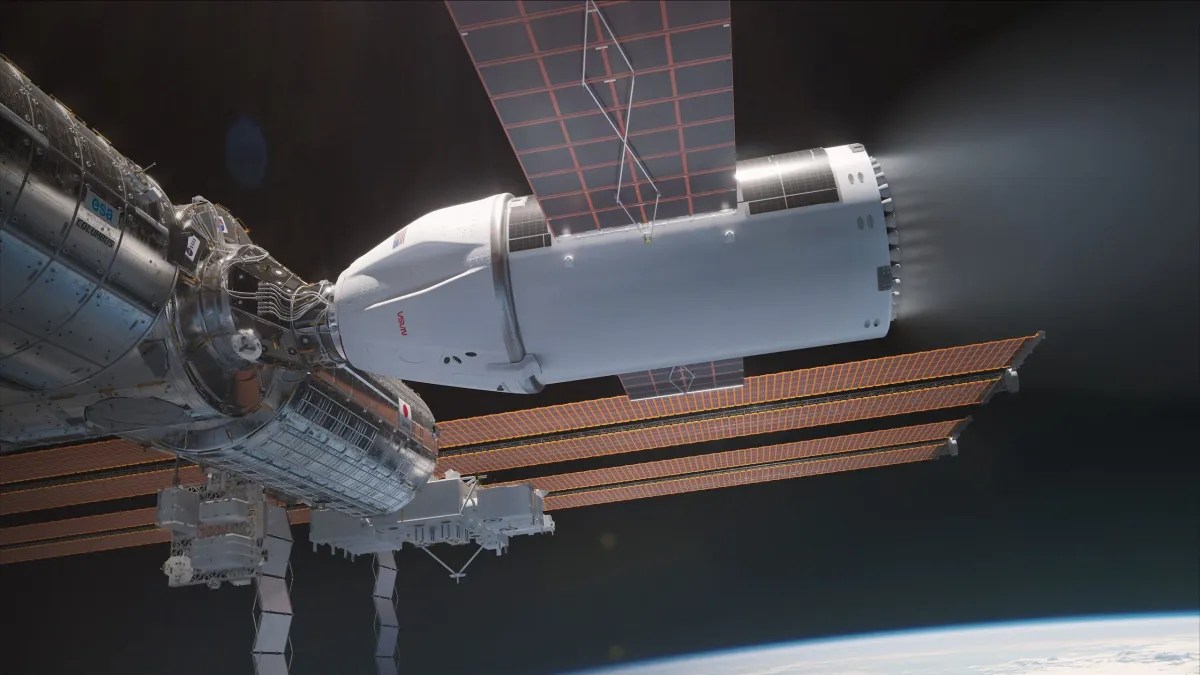
SpaceX has received a contract from NASA to deorbit the International Space Station around the year 2030. The contract is for a little bit less than a billion dollars. SpaceX will develop a special Dragon capsule with enough fuel to deorbit the space station. The idea is to drop the space station’s orbit over a period of months and guided in its final journey to a spot in the South Pacific Ocean called Point Nemo, which is the spot between New Zealand and Chile near longitude 120° W and latitude 50° South. Point Nemo is named after the captain of the fictional submarine Nautilus from the Jules Verne novel 20,000 Leagues Under the Sea. Point Nemo is the farthest point in the South Pacific Ocean from any landmass: island or continent.
The astronomical event times given are for the Traverse City/Interlochen area of Michigan (EST, UT – 5 hours). Times will be different for other locations.
Addendum
Ephemeris: 09/05/2024 – Looking at the center of the Milky Way
This is Ephemeris for Thursday, September 5th. Today the Sun will be up for 13 hours even, setting at 8:11, and it will rise tomorrow at 7:11. The Moon, 3 days past new, will set at 9:09 this evening.
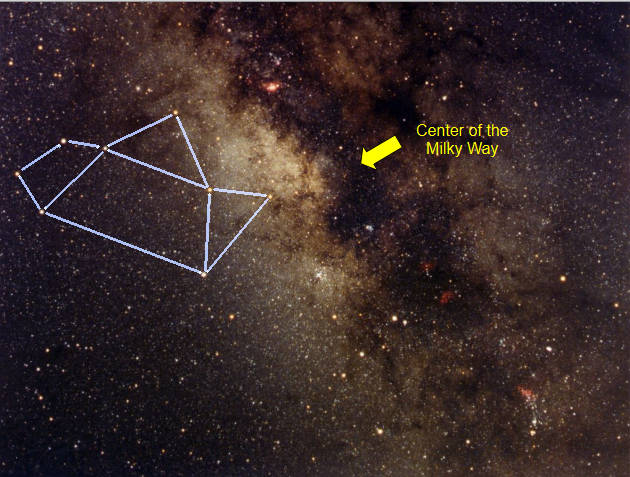
The moon sets in twilight so it will not bother viewing of the Milky Way when it gets dark. Looking to the south and little Teapot asterism of the constellation Sagittarius is the center of the Milky Way. It’s located just off the tip of the spout of that teapot. It’s about 25 to 27,000 light years away and is blocked from our view by clouds of gas and dust. In it lies the Milky Way’s central black hole. Astronomers have found that most galaxies have a black hole in their centers. Ours, it turns out, is a little smallish for our size of galaxy. It has the mass of four million times the mass of the Sun. Imaging of our black hole occurred at the same period of time that the data for the black hole in the galaxy M87. But its image took longer to produce due to the obstruction of that dust and gas.
The astronomical event times given are for the Traverse City/Interlochen area of Michigan (EDT, UT–4 hours). Times will be different for other locations.
Addendum


Ephemeris: 06/07/2024 – GTAS hears from NASA engineer tonight
This is Ephemeris for Friday, June 7th. Today the Sun will be up for 15 hours and 28 minutes, setting at 9:26, and it will rise tomorrow at 5:57. The Moon, 1 day past new, will set at 11:19 this evening.
Tonight’s meeting of the Grand Traverse Astronomical Society will start at 9 pm, at Northwestern Michigan College’s Rogers Observatory. The later start time in June and July will allow the following star party, which will start at the end of the meeting, around 10 pm, to start after sunset. The sky will still be in bright twilight. We are pleased to have Joe Gibson, Principal Flight Software Engineer, from NASA’s Goddard Space Flight Center to speak to us. After the program, at about 10 pm, if it’s clear will be viewing of the skies as it gets dark. The public is always welcome. This meeting also marks the Society’s 42nd anniversary. The observatory is located south of Traverse City on Birmley Road between Garfield and Keystone roads.
The astronomical event times given are for the Traverse City/Interlochen area of Michigan (EDT, UT–4 hours). They may be different for your location.
Addendum

Ephemeris: 02/22/2024 – IM-1, the Odysseus spacecraft lunar landing is today
This is Bob Moler with Ephemeris for Thursday, February 22nd. Today the Sun will be up for 10 hours and 47 minutes, setting at 6:20, and it will rise tomorrow at 7:31. The Moon, 2 days before full, will set at 7:32 tomorrow morning.
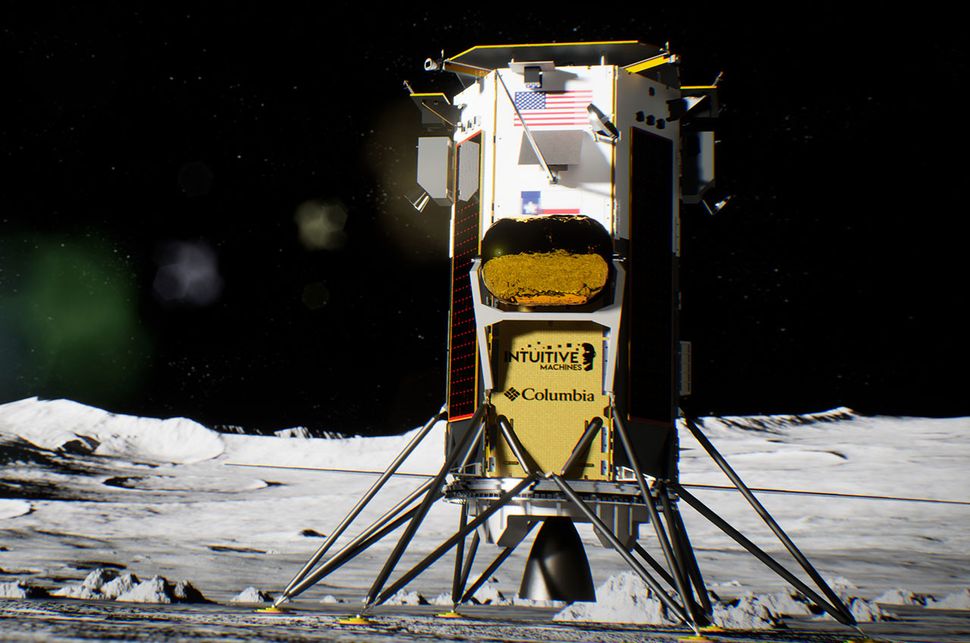
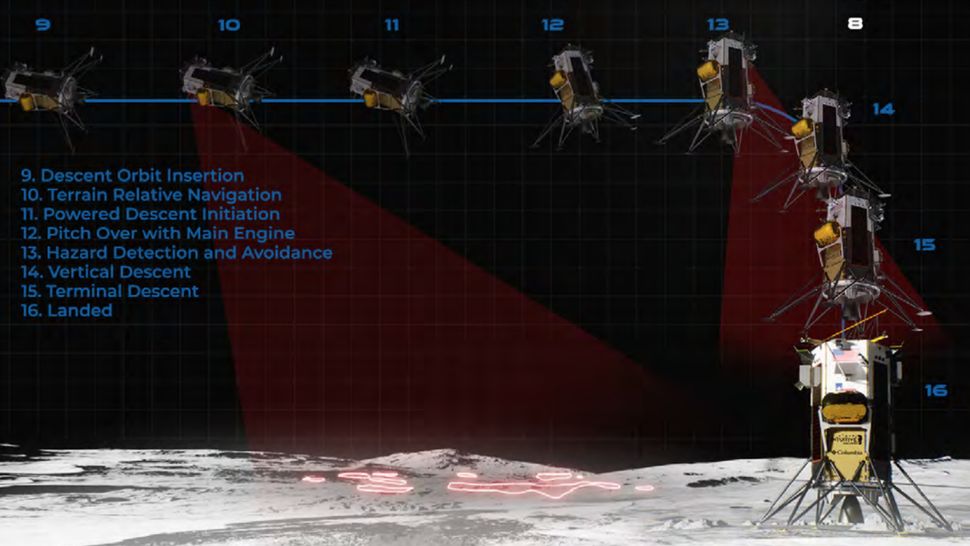
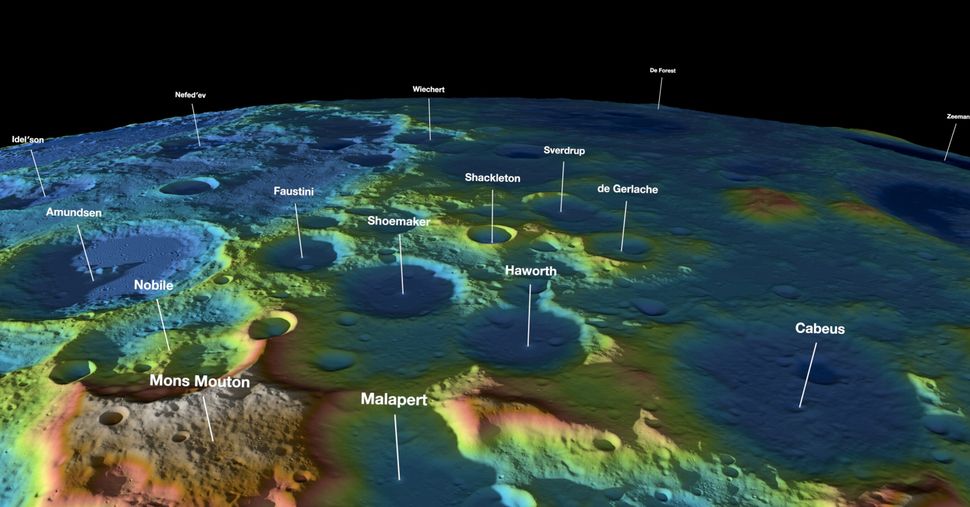
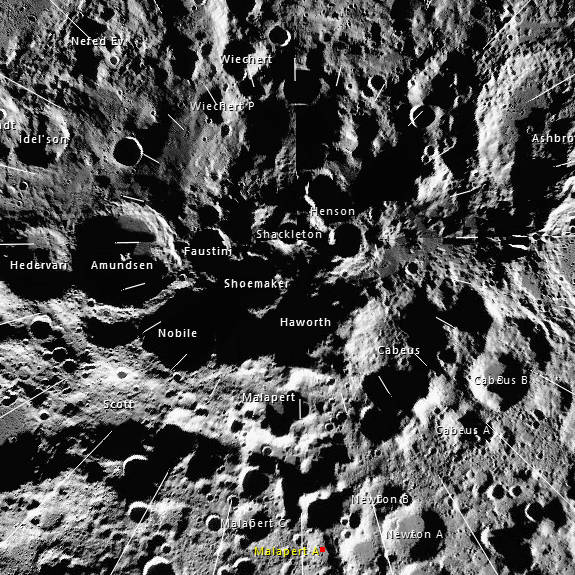
Today is the day the Intuitive Machines’ moon lander called Odysseus is slated to land on the Moon. It was launched a week ago on a SpaceX Falcon 9 rocket. And if successful it will be the first soft landing on the Moon by the United States since Apollo 17 back in 1972. I’m recording this last Sunday, so I don’t know the condition of the spacecraft and a lot can happen between launch and landing on the moon. The last spacecraft sent from the United States, last month, by the inaugural flight of United Launch Alliance’s Vulcan Centaur rocket crashed back on Earth. The spacecraft is supposed to land about 190 miles from the Moon’s South Pole, which is considerably closer to the South Pole than the Indian spacecraft landed last year.
The astronomical event times given are for the Traverse City/Interlochen area of Michigan (EST, UT –5 hours). They may be different for your location.
Addendum
Ephemeris: 11/28/2023 – The new Moon Race
This is Bob Moler with Ephemeris for Tuesday, November 28th. Today the Sun will be up for 9 hours and 8 minutes, setting at 5:05, and it will rise tomorrow at 7:57. The Moon, 1 day past full, will rise at 5:47 this evening.
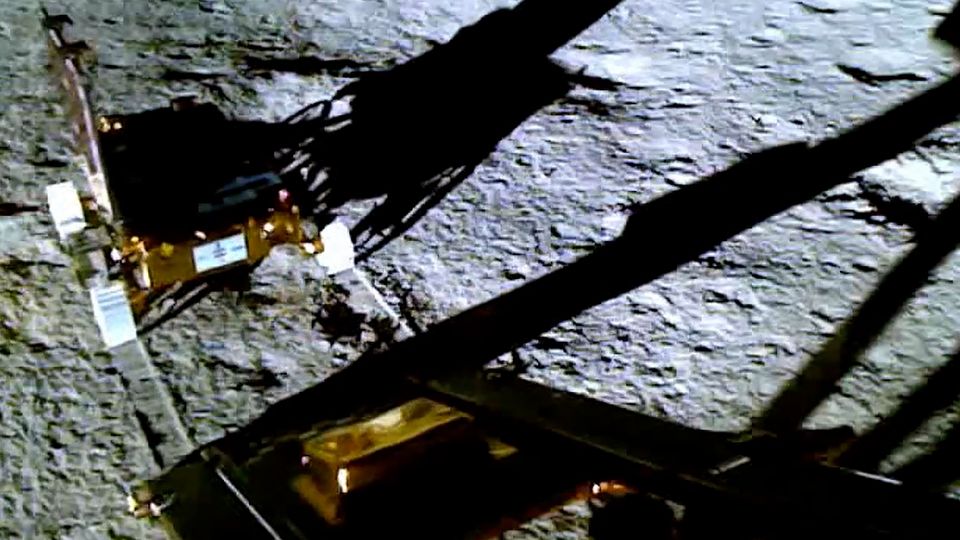
Now, in the third decade of the 21st century, 50 years since Neil Armstrong set foot on the moon, there’s now a big rush by many nations and some private companies to send missions to the moon, with orbiters and landers. The biggest and most expensive project is the United States Artemis project which has launched one of the SLS rockets to the moon and will send another one probably later next year in preparation for a landing, in a year or two after that. Earlier this year India successfully landed a probe on the Moon with a rover for less cost that it would take Hollywood to make a movie about it. They are making noises about sending a manned mission to the moon by 2040. Stay tuned, we have an exciting decade of lunar exploration coming up.
The astronomical event times given are for the Traverse City/Interlochen area of Michigan (EST, UT –5 hours). They may be different for your location.
Addendum

Ephemeris: 11/14/2023 – Lucy sees an asteroid with a double moon
This is Bob Moler with Ephemeris for Tuesday, November 14th. Today the Sun will be up for 9 hours and 37 minutes, setting at 5:15, and it will rise tomorrow at 7:39. The Moon, 1 day past new, will set at 5:48 this evening.
Two years ago a spacecraft called Lucy was sent out towards the Trojan Asteroids of Jupiter. On the way there it was going to pass another small asteroid, but they found another one that Lucy would come close to, the mission planners tweaked its orbit earlier this year. So Lucy can get close to the small asteroid called Dinkinesh. When Lucy got close to Dinkinesh earlier this month, it took photos, and they found that it had a satellite, and they took other photos from a different angle, and they found out that the satellite actually was two satellites in contact, a contact binary, two bodies stuck together. So that was quite a surprise. Neither body looked smooshed, so their collision appears to have been very gentle.
The astronomical event times given are for the Traverse City/Interlochen area of Michigan (EST, UT –5 hours). They may be different for your location.
Addendum
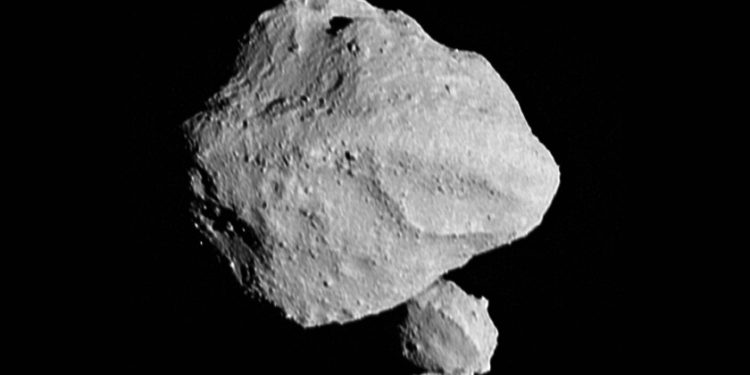
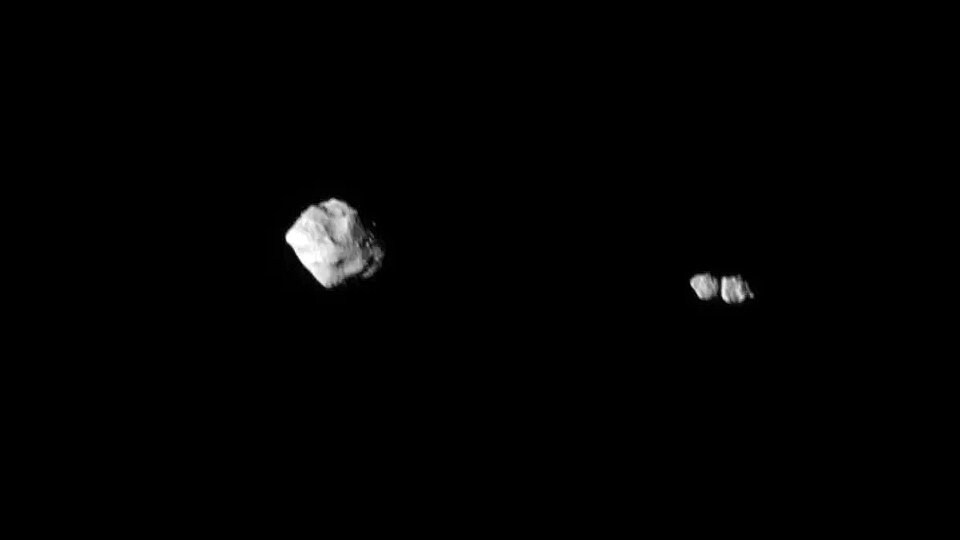
Dinkinesh is the Ethiopian name for the fossil, since it was found in Ethiopia. The name for the fossil given by the discoverers was Lucy, mainly because The Beatles song Lucy in the sky with diamonds was a big hit back then, and it was constantly played in the camp.
The next main belt asteroid that Lucy is going to pass on its way out to Jupiter’s Trojan asteroids is named Donaldjohansson in honor of the discoverer of the Lucy fossil. Jupiter’s Trojan asteroids are two groups of asteroids in the same orbit as Jupiter. One set is 60 degrees ahead of Jupiter in its orbit and the second set is 60 degrees behind Jupiter in its orbit. They’re there because they are at special gravitational points called Lagrangian points. The point ahead of Jupiter is the L4 point and the one trailing is L5. You may have heard me talk about L1 and L2 points having to do with the Earth and Sun system. These are two other Lagrangian points in line with the Sun-Earth axis, that are useful to orbit spacecraft around. There’s another one, but we don’t think there’s anything out there because that’s on the other side of the Sun from us, and none of the other planets have a body opposite to the Sun from them either, so the L3 point is not a viable point.
Ephemeris: 10/26/2023 – A closer look at Jupiter’s moon Io
This is Ephemeris for Thursday, October 26th. Today the Sun will be up for 10 hours and 28 minutes, setting at 6:40, and it will rise tomorrow at 8:13. The Moon, 2 days before full, will set at 6:36 tomorrow morning.
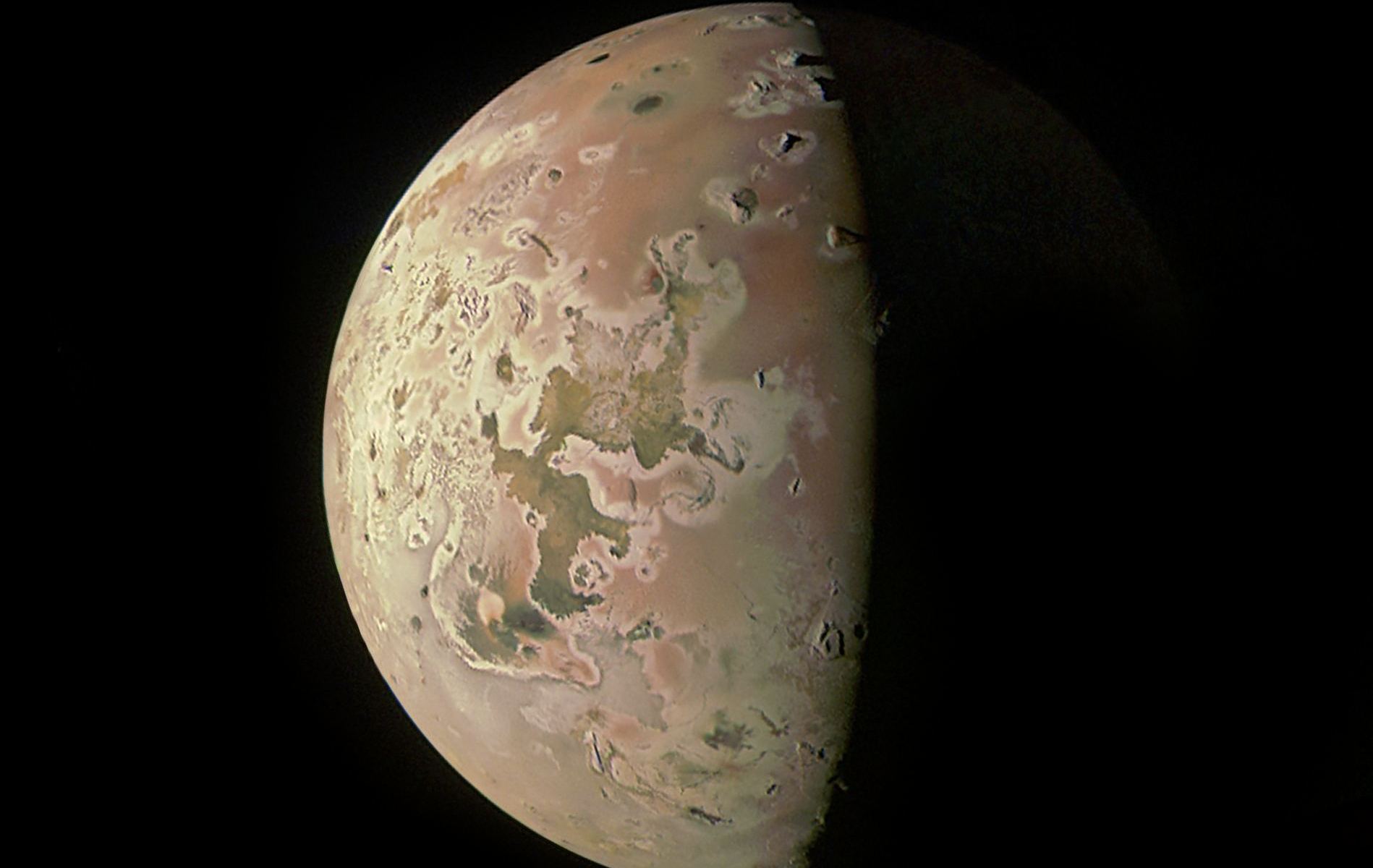
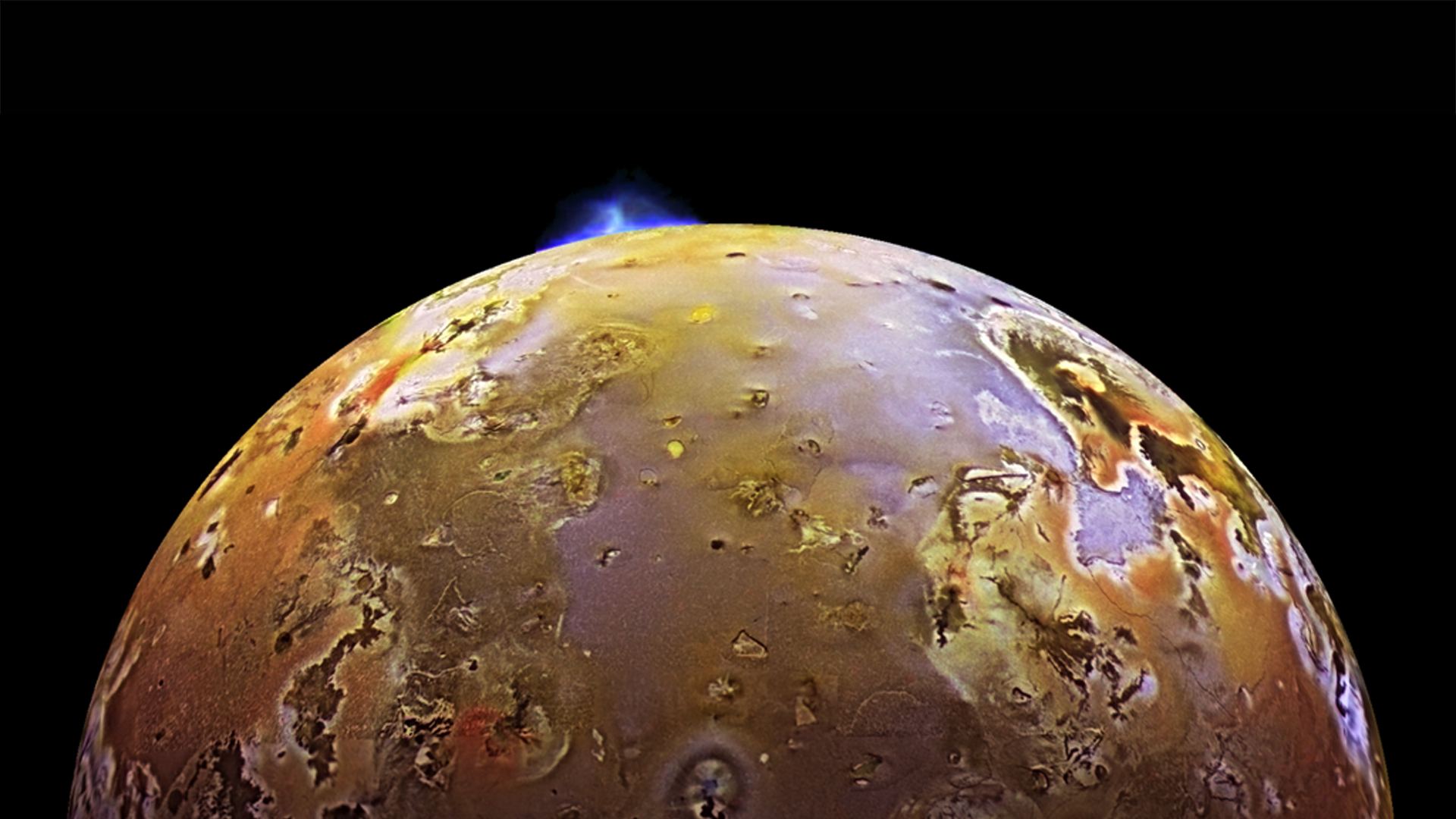
My favorite moon of Jupiter has been Io ever since the Voyager 1 spacecraft discovered volcanoes on it. It turns out that Io is the most volcanic body in the solar system and perhaps the least studied of the Galilean moons of Jupiter. Most of the probes that have swung by or orbited Jupiter never got very close to Io, so we never really got a good close look at it. Well, now we are getting that closer look. The Juno spacecraft, which was sent to Jupiter to work out the interior of Jupiter using gravitational effects on its orbit, has now completed its main mission and its orbit has precessed so that now comes close to Io. The Juno spacecraft has a camera, mainly there for the public, which is showing amazing closeups of this moon.
The astronomical event times given are for the Traverse City/Interlochen area of Michigan (EDT, UT –4 hours). They may be different for your location.
Addendum
Ephemeris: 10/02/2023 – This week: Launch to Psyche
This is Bob Moler with Ephemeris for Monday, October 2nd. Today the Sun will be up for 11 hours and 40 minutes, setting at 7:21, and it will rise tomorrow at 7:42. The Moon, 3 days past full, will rise at 9:00 this evening.
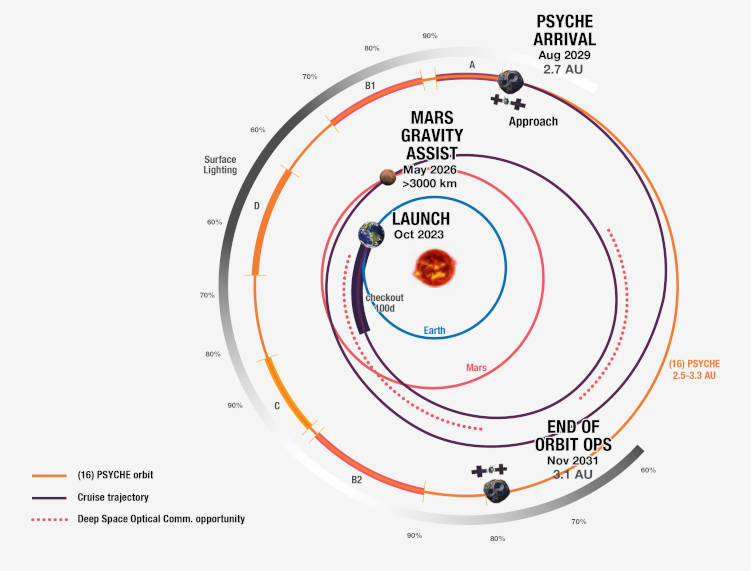
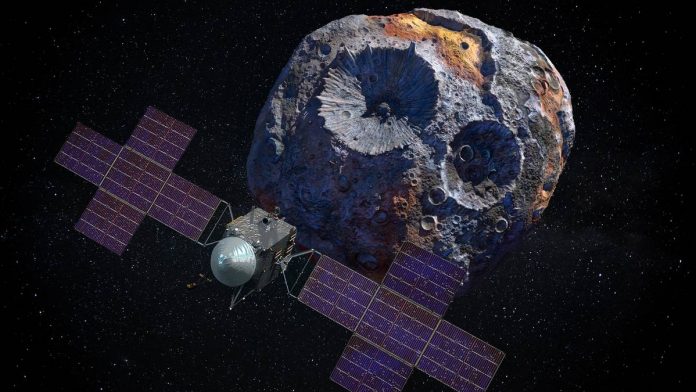
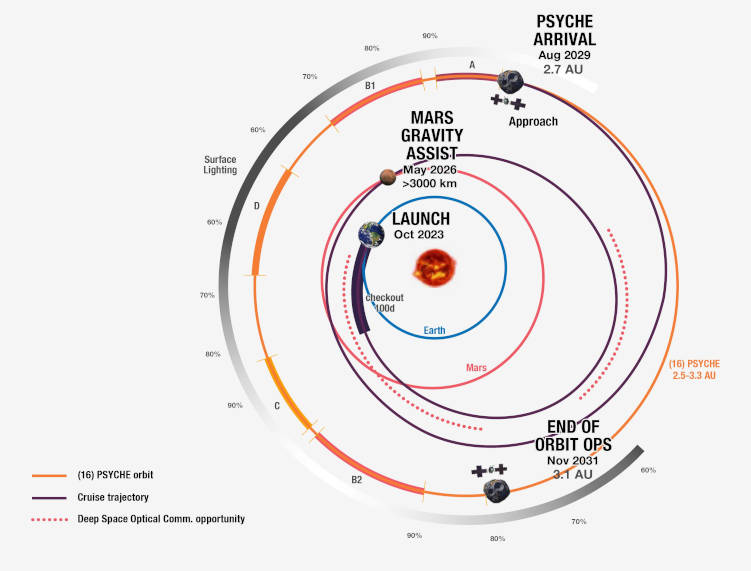
This Thursday, October 5th at 10:38 AM will be the first opportunity to launch a SpaceX Falcon Heavy rocket with the Psyche spacecraft to the asteroid 16 Psyche. It’ll be a nearly 5 1/2 year trip to this asteroid, which is metal rich, and quite unlike any asteroid that we’ve ever studied before with a spacecraft. There is a 20 day launch window starting October 5th with lunch possibilities during the 10 o’clock hour each day. Due to the design of SpaceX Falcon rockets there is only one time a day they can launch, due to the fact that they super chill their fuel and oxidizer to make them more dense to squeeze the most fuel and oxidizer into the rocket. They need to load them immediately prior to launch. Any hold in the countdown will allow them to expand and in the case of the liquid oxygen, to boil off.
The astronomical event times given are for the Traverse City/Interlochen area of Michigan (EDT, UT –4 hours). They may be different for your location.
Addendum

Ephemeris: 09/26/2023 – I’ve got some asteroid news today
This is Ephemeris for Tuesday, September 26th. Today the Sun will be up for 11 hours and 58 minutes, setting at 7:33, and it will rise tomorrow at 7:35. The Moon, 3 days before full, will set at 4:59 tomorrow morning.
I’ve got some asteroid news today. It’s good news. Two days ago, Sunday the 24th the OSIRIS REx return capsule landed in Utah with its precious cargo of rock and dust from the asteroid Bennu. And as of the time I’m recording this, I don’t know what was in the capsule. Although when they captured the material from Bennu they actually captured much more than they thought they would get, and had trouble closing the cover on the collection device.
Today is the one-year anniversary of the DART spacecraft’s collision with the small asteroid satellite Dimorphos. The latest news is that the original increase in the period of the orbit around Didymos by 33 minutes increased by another minute since. Nobody seems to know exactly why.
The astronomical event times given are for the Traverse City/Interlochen area of Michigan (EDT, UT –4 hours). They may be different for your location.
Addendum

07/04/2023 – Ephemeris – The Bicentennial space mission
This is Bob Moler with Ephemeris for Independence Day, Tuesday, July 4th. Today the Sun will be up for 15 hours and 28 minutes, setting at 9:31, and it will rise tomorrow at 6:03. The Moon, 1 day past full, will rise at 11:14 this evening.
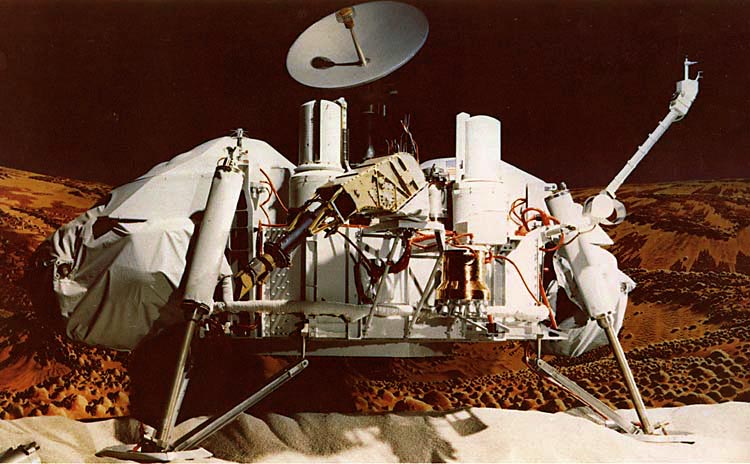
To celebrate our nation’s 200th birthday, NASA attempted to land the Viking 1 lander on the planet Mars on July 4th, 1976. The Viking was a combination orbiter and lander and had a twin spacecraft arriving almost two months later. Viking 1 entered orbit on June 19th and began to survey the prime landing area, that radar from the Earth suggested would be smooth, to land on the day of the Bicentennial. However, images from orbit showed too many obstructions, so another area was surveyed. The mission planners from JPL found a spot and sent the Viking lander down to land on Mars on another historic date, July 20, 1976, the 7th anniversary of the Apollo 11 landing on the Moon.
The astronomical event times given are for the Traverse City/Interlochen area of Michigan (EDT, UT –4 hours). They may be different for your location.
Addendum

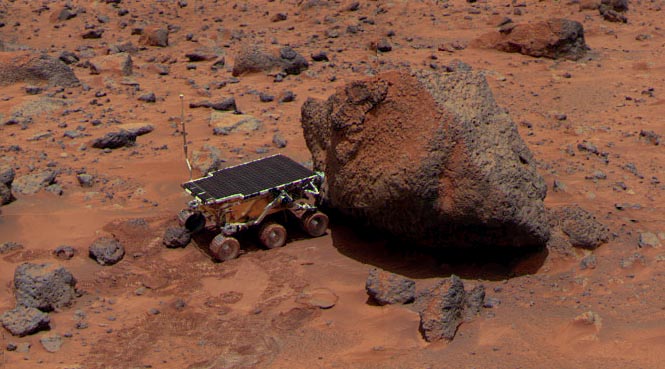
NASA did finally make a historic landing on July 4th,
the Mars Pathfinder mission, with the first rover to operate on Mars, the Sojourner rover, landed on July 4, 1997. It was a microwave sized rover. The mission on the surface lasted 85 days.