Archive
Ephemeris: 02/05/2026 – Artemis 3 isn’t going to the Moon
This is Ephemeris for Thursday, March 5th. Today the Sun will be up for 11 hours and 22 minutes, setting at 6:36, and it will rise tomorrow at 7:11. The Moon, 2 days past full, will rise at 9:22 this evening.
Late last week NASA announced that the Artemis 3 mission was not going to land on the Moon. It wasn’t even going to the Moon. It would be a low earth orbit test of docking and operations of the Human Landing System or lunar landers, either the SpaceX Starship Lander or Blue Origin’s Blue Moon Lander. This reminds me of the Apollo 9 mission which came after the spectacular Apollo 8 mission which orbited the Moon. Apollo 9 was a checkout of the Lunar Lander in low earth orbit. Several Months later, Apollo 10 flew to the Moon to a checkout of the Lunar Lander in lunar orbit. They couldn’t land, but it was a test of the operations in preparation for Apollo 11 which successfully landed on the Moon.
The astronomical event times given in this blog are for the Traverse City/Interlochen area of Michigan (Lat 44.7° N, Long 85.7° W; EST, UT – 5 hours) unless stated otherwise. Times will be different for other locations.
Addendum
Ephemeris: 02/10/2026 – Artemis 2 is delayed until at least March
This is Ephemeris for Tuesday, February 10th. Today the Sun will be up for 10 hours and 14 minutes, setting at 6:04, and it will rise tomorrow at 7:48. The Moon, 1 day past last quarter, will rise at 4:03 tomorrow morning.
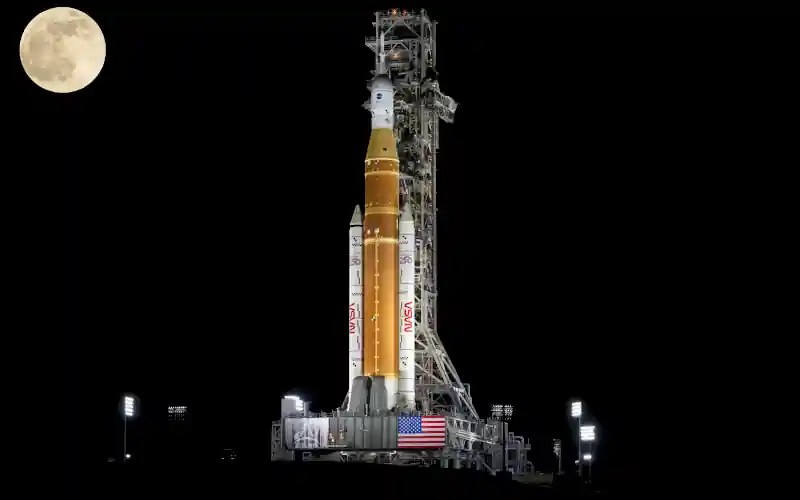
The next attempt to launch Artemis 2 and its crew around the moon will be in March. During the wet dress rehearsal, which involves filling the tanks of the huge core stage of the rocket with liquid hydrogen and oxygen, and counting down almost to the point of ignition. They discovered a greater than expected leak with the hydrogen quick disconnect fitting at the base of the core stage. They can’t test for hydrogen leaks while the spacecraft is sitting in the vertical assembly building because as cavernous as it is, it’s still a closed space and hydrogen is a notoriously leaky substance, being the smallest molecule. A little leakage is to be expected, but what they found was over the limit.
The astronomical event times given in this blog are for the Traverse City/Interlochen area of Michigan (Lat 44.7° N, Long 85.7° W; EST, UT – 5 hours) unless stated otherwise. Times will be different for other locations.
Addendum
Ephemeris: 01/26/2026 – Artemis, not just flags and footprints
This is Ephemeris for Monday, January 26th. Today the Sun will be up for 9 hours and 35 minutes, setting at 5:43, and it will rise tomorrow at 8:07. The Moon, 1 day past first quarter, will set at 3:10 tomorrow morning.
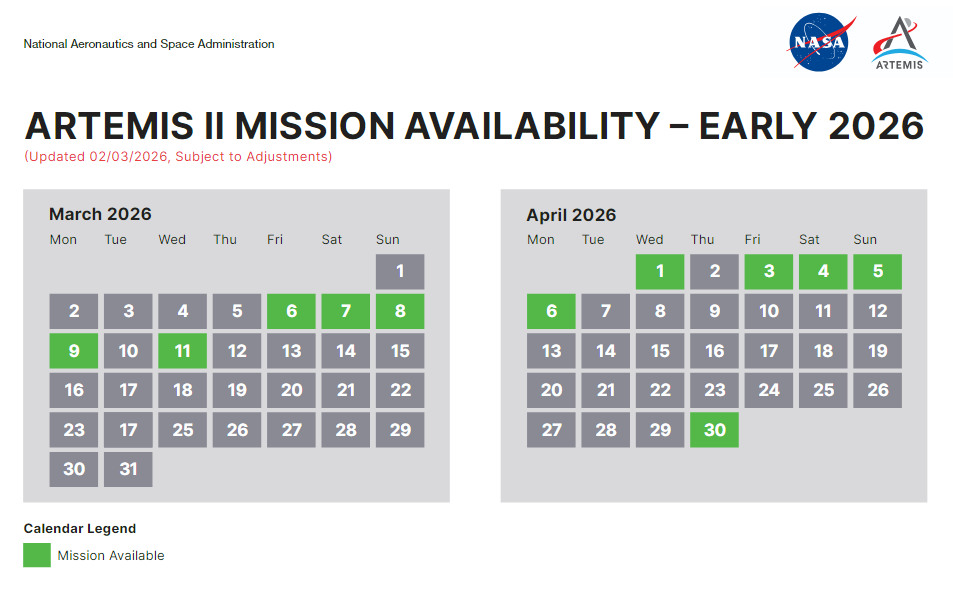
The current space race or I might say more properly, Moon race, is more than it was in the 1960s this race is not simply what is called a flag and footprints race get there first and go home. We already did that 57 years ago. But to set up permanent settlements on the moon to explore and extract the Moon’s resources like water. Water is not for export. Whatever water we find on the Moon would still be fairly scarce and probably rationed. There’s also an unknown amount of helium 3, which is a useful fuel for fusion reactors. Something we don’t have on the Earth, but would be the Holy Grail for clean energy production. We don’t know the Moon’s mineral potential, but whatever we find won’t have to be hauled up a quarter of a million miles from the Earth.
The astronomical event times given in this blog are for the Traverse City/Interlochen area of Michigan (Lat 44.7° N, Long 85.7° W; EST, UT – 5 hours) unless stated otherwise. Times will be different for other locations.
Addendum
Ephemeris: 10/02/2025 – The Artemis 2 mission may launch early next year
This is Bob Moler with Ephemeris for Thursday, October 2nd. Today the Sun will be up for 11 hours and 38 minutes, setting at 7:20, and it will rise tomorrow at 7:43. The Moon, 3 days past first quarter, will set at 3:10 tomorrow morning.
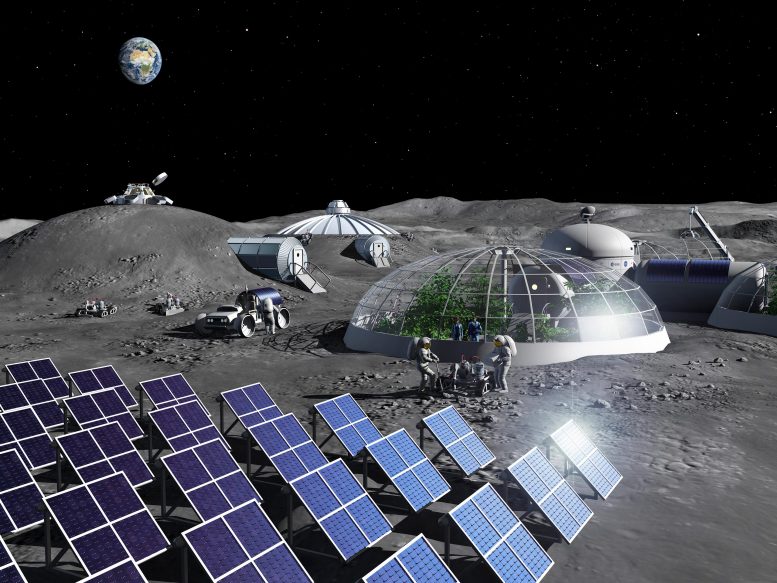
The Artemis 2 mission to send the crew around the moon and back is slated for early next year, which surprised me a bit because the launch window was moved up to earlier next year to between February 5th and April 26 about 2 1/2 months. That doesn’t mean that the mission could slip to later in the year, recalling the delays of the Artemis 1 mission. This mission is to send four people in the Orion capsule around the moon. It is crewed by three Americans and a Canadian, three men and a woman, three whites and a black. They’re the same four astronauts. I’m sure the current administration would have screamed DEI, if it wasn’t too late to break up the crew.
The astronomical event times given in this blog are for the Traverse City/Interlochen area of Michigan (Lat 44.7° N, Long 85.7° W; EDT, UT – 4 hours) unless stated otherwise. Times will be different for other locations.
Addendum
Ephemeris: 08/05/2025 – Why space faring nations are fixated on the Moon’s South Pole
This is Ephemeris for Tuesday, August 5th. Today the Sun will be up for 14 hours and 28 minutes, setting at 9:02, and it will rise tomorrow at 6:35. The Moon, halfway from first quarter to full, will set at 3:06 tomorrow morning.
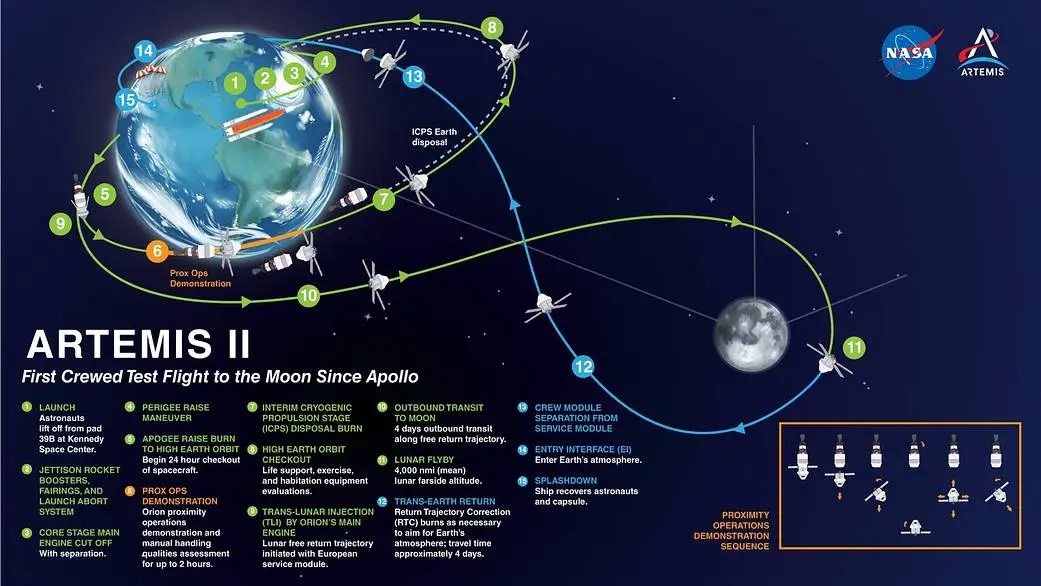
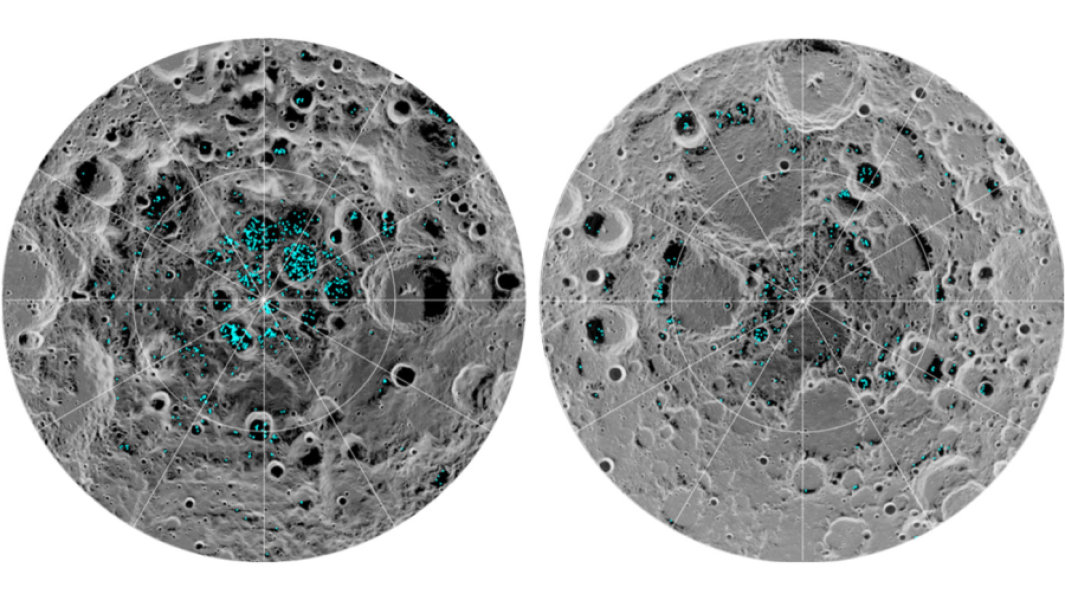
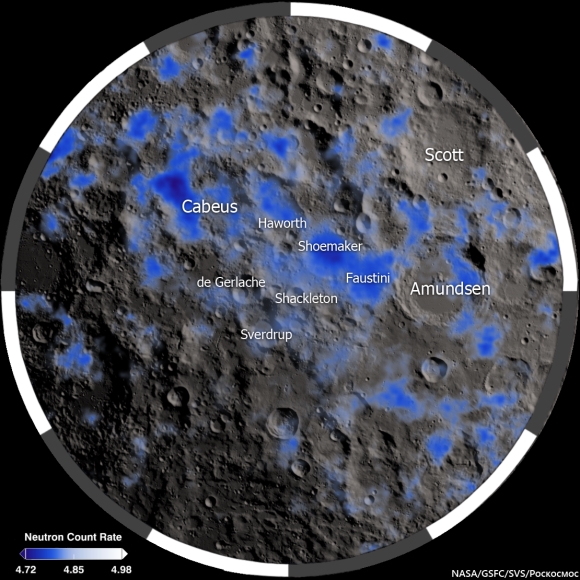
After more than 50 years since the Apollo landings on the Moon, space faring nations are beginning to be interested in one particular place on the Moon for further exploration. That is the lunar South Pole. The reason is the discovery of something more valuable than gold. That there may be water hidden in permanently shadowed craters there. The moon’s North Pole is not as rugged, so there’s probably not as much water there. Water can exist on the Moon but only in its frozen form, ice in permanently shadowed craters. The Moon’s axial tilt is only about 1 1/2° compared to the Earth’s 23 1/2°. The water molecule is the second most abundant in the universe after diatomic hydrogen, but normally cannot exist this close to the Sun.
The astronomical event times given in this blog are for the Traverse City/Interlochen area of Michigan (Lat 44.7° N, Long 85.7° W; EDT, UT – 4 hours) unless stated otherwise. Times will be different for other locations.
Addendum
Ephemeris: 04/03/2025 – Blue Ghost’s two week long cold night
This is Ephemeris for Thursday, April 3rd. Today the Sun will be up for 12 hours and 53 minutes, setting at 8:13, and it will rise tomorrow at 7:17. The Moon, 1 day before first quarter, will set at 3:23 tomorrow morning.
During the last lunar day the Blue Ghost Lander spend its time from little after sunrise until a little after sunset investigating the surface of the Moon at the lunar Sea of Crises or Mare Crisium. It wasn’t expected to survive the two-week-long night. It wasn’t expected to because it had no internal heating and at night the temperatures on the Moon can drop to down to minus 208° F, or a little bit more on the night side. During the day the temperature gets up to 250° which is pretty hot for some of the electronics. But what really kills a Lander is at night where they can’t recharge the batteries and the batteries drop in temperature to 200° below zero for two weeks. They generally do not survive.
The astronomical event times given are for the Traverse City/Interlochen area of Michigan (EDT, UT – 4 hours). Times will be different for other locations.
Addendum
Ephemeris: 03/14/2025 – Viewing today’s eclipse from the Moon
This is Ephemeris for Pi Day, Friday, March 14th. Today the Sun will be up for 11 hours and 51 minutes, setting at 7:48, and it will rise tomorrow at 7:54. The Moon, at full today, will rise at 8:27 this evening.
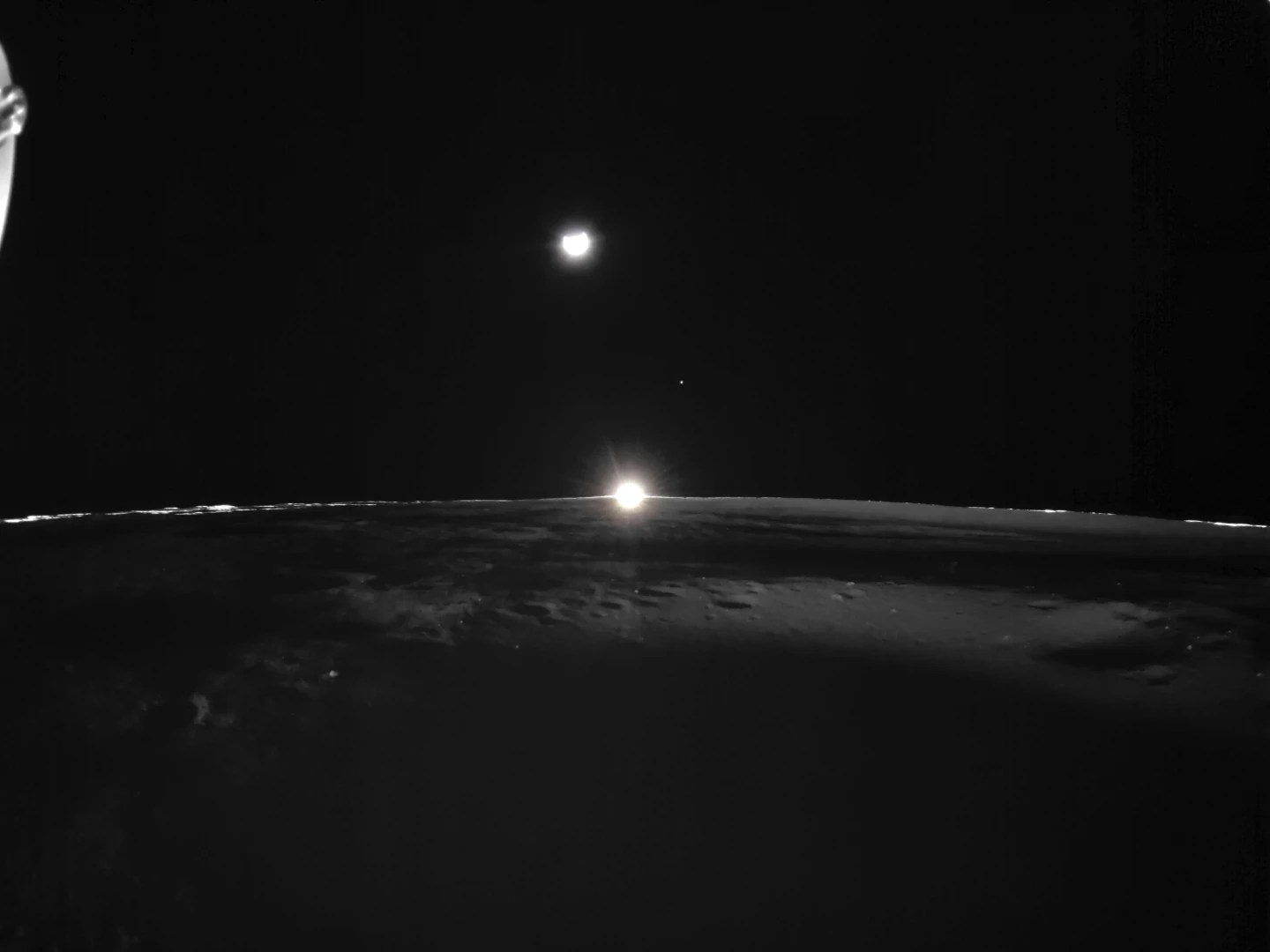
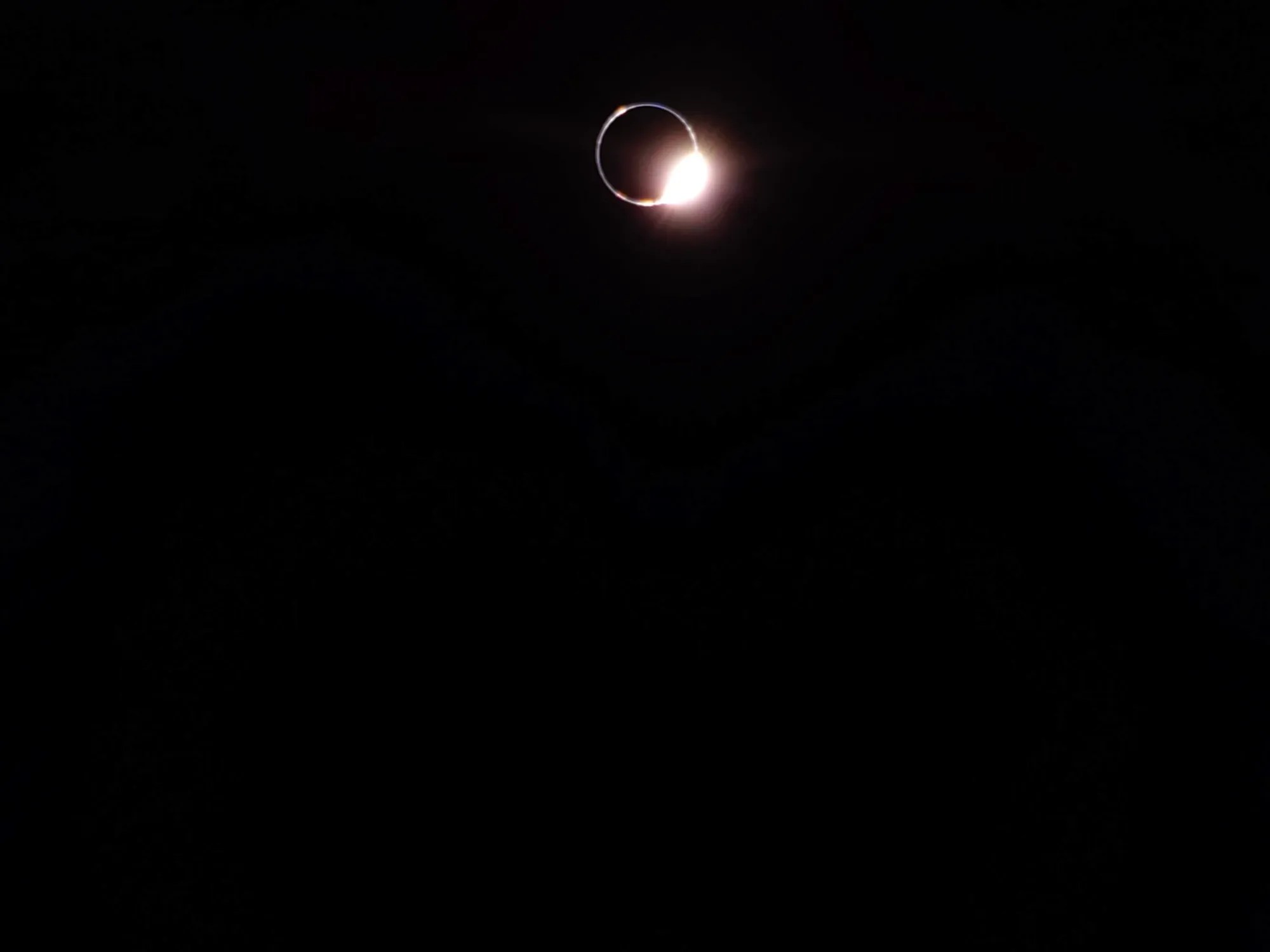
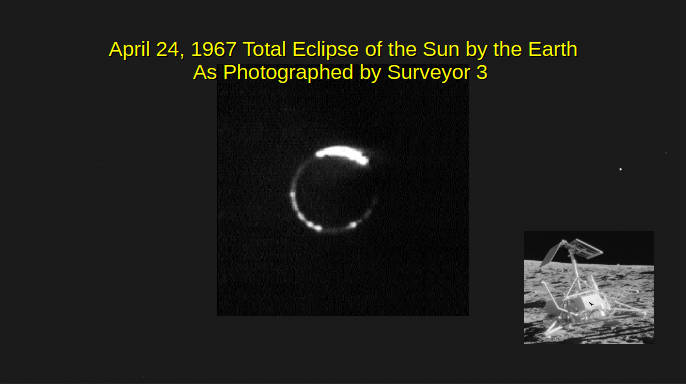
I hope you had a good look at the eclipse this morning I don’t know if it was clear or cloudy because I’m recording this last Sunday night. One entity got a cloudless shot at seeing the eclipse without any obstructions. That was the Blue Ghost lander on Mare Crisium on the Moon. However, it was on the Moon so it was seeing a total eclipse of the Sun. I’ll be really interested to see the photographs coming back from that. There was a satellite and one lander, the Surveyor 3 Lander on the Moon that took pictures of the Earth during the solar eclipse. Of course, we saw a lunar eclipse. It just saw a ring of light around the Earth where the Sun’s light was being bent through the Earth’s atmosphere into it’s shadow to dully illuminate the Moon.
The astronomical event times given are for the Traverse City/Interlochen area of Michigan (EDT, UT – 4 hours). Times will be different for other locations.
Addendum
Sorry, I couldn’t spend any time on the program to celebrate Pi day, so I’ll give it a token appreciation here:

Update
Firefly Aerospace.
Ephemeris: 02/04/2025 – Two Moon landers currently en route
This is Bob Moler with Ephemeris for Tuesday, February 4th. Today the Sun will be up for 9 hours and 58 minutes, setting at 5:56, and it will rise tomorrow at 7:56. The Moon, 1 day before first quarter, will set at 1:55 tomorrow morning.
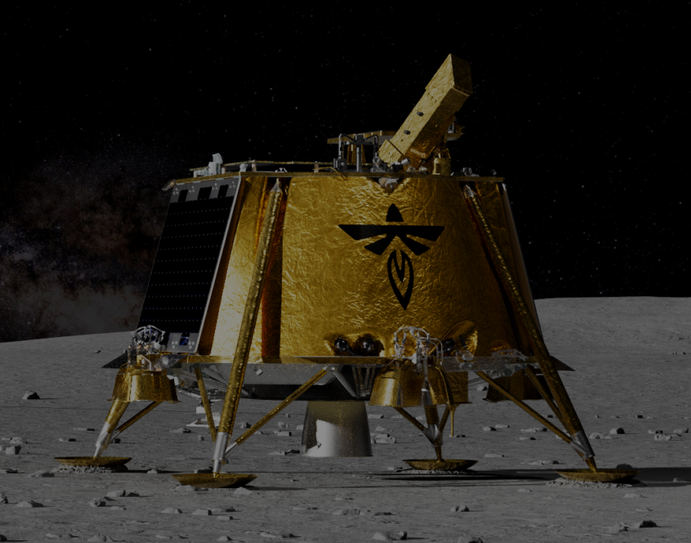
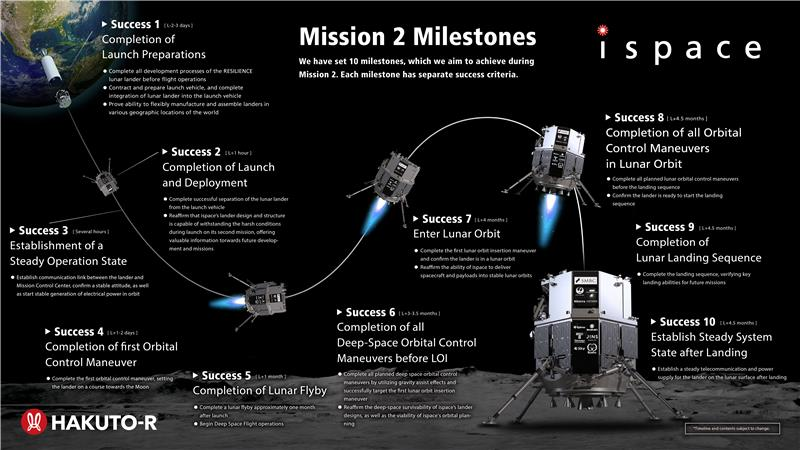
On January 15th a SpaceX Falcon 9 rocket launched 2 missions, at one time, to land on the Moon They will arrive at the Moon months apart. The first to attempt to land is Firefly’s Blue Ghost Lander with a mission called Ghost Riders in the Sky. It is currently spending about a month in Earth orbit before heading out to the Moon, which will take four days and spend another two weeks orbiting the Moon before attempting to land in the small area called Mare Crisium, the Sea of Crises. The second Lander by the Japanese company ispace, called Resilience, will take a more circuitous route to the moon, flying by it later this month and then coming back to the Moon several months later to enter orbit and then finally land on Mare Frigoris, the Cold Sea. So the two missions will not be active on the Moon at the same time.
The astronomical event times given are for the Traverse City/Interlochen area of Michigan (EST, UT – 5 hours). Times will be different for other locations.
Addendum
Ephemeris: 12/12/2024 – Jupiter’s moon Europa
This is Bob Moler with Ephemeris for Thursday, December 12th. Today the Sun will be up for 8 hours and 51 minutes, setting at 5:02, and it will rise tomorrow at 8:12. The Moon, 3 days before full, will set at 6:24 tomorrow morning.
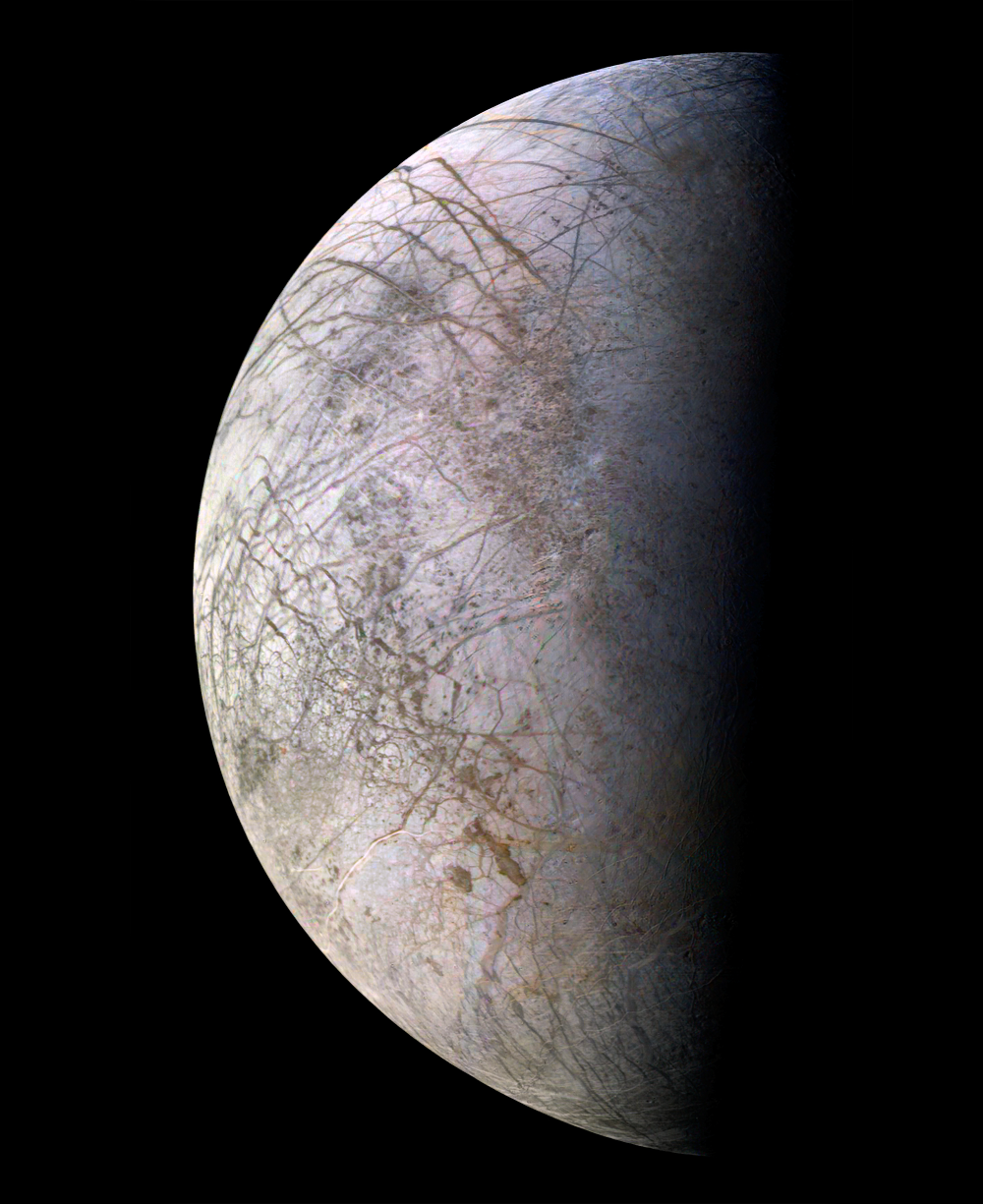
Jupiter’s four bright Galilean moons are nearly planet size. In fact Ganymede, the third one out, is larger than Mercury. But the most interesting moon to NASA and to scientists looking for life in the solar system, is the second moon out, Europa. When the Voyager spacecraft flew past Jupiter in the late 1970s they photographed a rather smooth surface on it with a lot of cracks and grooves, but very few craters. This meant Europa surface is quite young and has been evolving over time kind of like the Earth’s surface. The reason is that it appears Europa has a vast ocean under a thick crust of ice. Europa is heated by both radioactivity in its core and tidal forces caused by Jupiter and the other moon’s gravitational pull on it.
The astronomical event times given are for the Traverse City/Interlochen area of Michigan (EST, UT – 5 hours). Times will be different for other locations.
Addendum
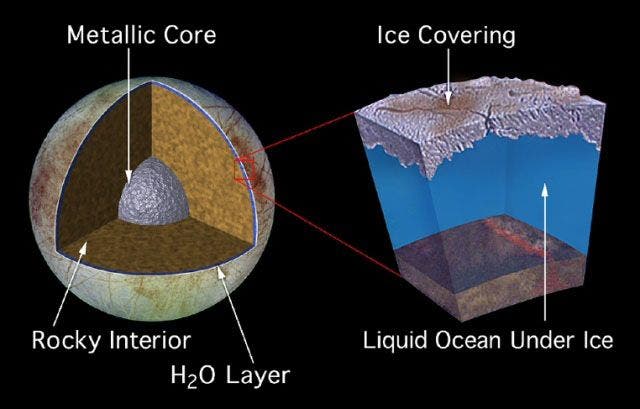
On Earth, wherever there’s water there’s life. Can the same be said of Europa?
Ephemeris: 06/17/2024 – China’s mission to get samples from the far side of the Moon
This is Ephemeris for Monday, June 17th. Today the Sun will be up for 15 hours and 34 minutes, setting at 9:31, and it will rise tomorrow at 5:56. The Moon, 3 days past first quarter, will set at 3:16 tomorrow morning.
Earlier this month the People’s Republic of China’s Chang’e 6 spacecraft landed on the far side of the Moon to collect samples to return them to the Earth. They had put a satellite in orbit of the moon to act as a relay satellite so they can communicate with their Lander. The collection went according to plan and the spacecraft is now headed back to the Earth. It is my understanding that they landed in the crater called Apollo at the edge of the Aitken basin . Being the far side of the moon the Apollo crater is not named for the Greek god but for the American human Moon program of the 1960s and early 70s. The samples are expected to return to Earth on the 25th. These are the first samples from the far side of the Moon to be returned.
The astronomical event times given are for the Traverse City/Interlochen area of Michigan (EDT, UT–4 hours). They may be different for your location.
Addendum
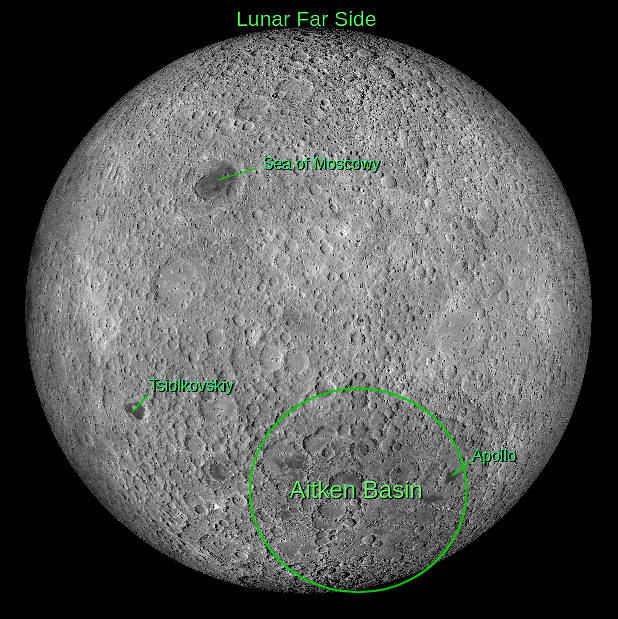
 Bob Moler's Ephemeris Blog