Archive
Ephemeris: 03/27/2026 – Finding life out there
This is Ephemeris for Friday, March 27th. Today the Sun will be up for 12 hours and 31 minutes, setting at 8:04, and it will rise tomorrow at 7:30. The Moon, 2 days past first quarter, will set at 5:39 tomorrow morning.
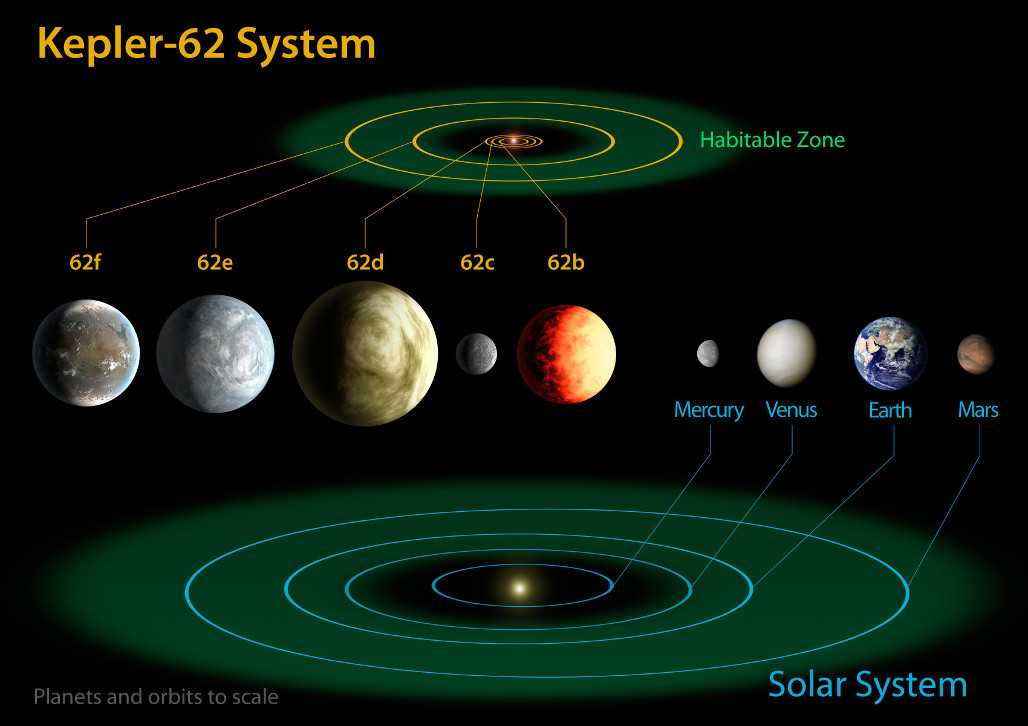
I have often been asked what I thought about life existing in the universe… besides the Earth of course. My answer is yes, I think there is life out there in the universe. There are more galaxies, stars and planets than we can possibly count, though when looking at exoplanets, we’re not finding much in the way of habitable planets. We have one example of life: the Earth and that’s what we look for. Our detection methods are too crude to be able to detect anything as small as the earth unless it’s orbiting a small red dwarf star. We seem to find a lot of large planets, that orbit extremely close to their stars because our detection methods depend on what they do to either block the light of a star or affect it gravitationally. The earth is almost too small to do either.
The astronomical event times given in this blog are for the Traverse City/Interlochen area of Michigan (Lat 44.7° N, Long 85.7° W; EST, UT – 5 hours) unless stated otherwise. Times will be different for other locations.
Addendum
10/31/2018 – Ephemeris – The bright planets tonight
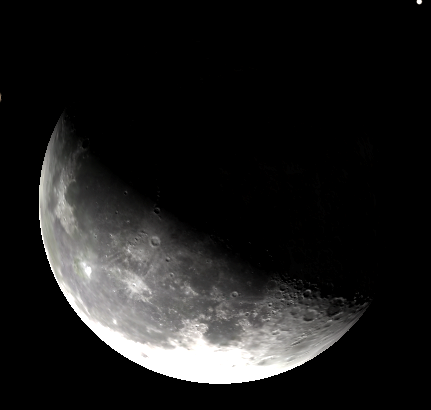
Ephemeris for Halloween, Wednesday, October 31st. The Sun will rise at 8:19. It’ll be up for 10 hours and 13 minutes, setting at 6:32. The Moon, at last quarter today, will rise at 1:02 tomorrow morning.
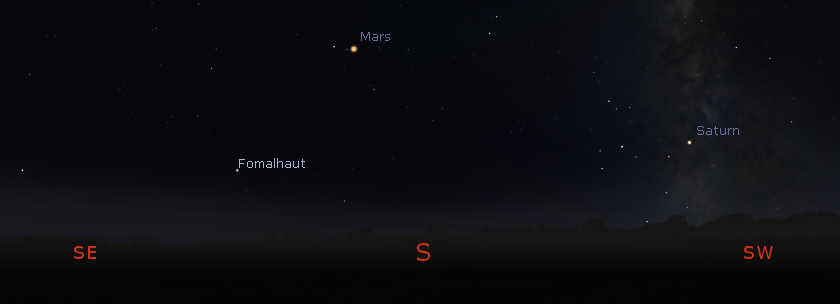
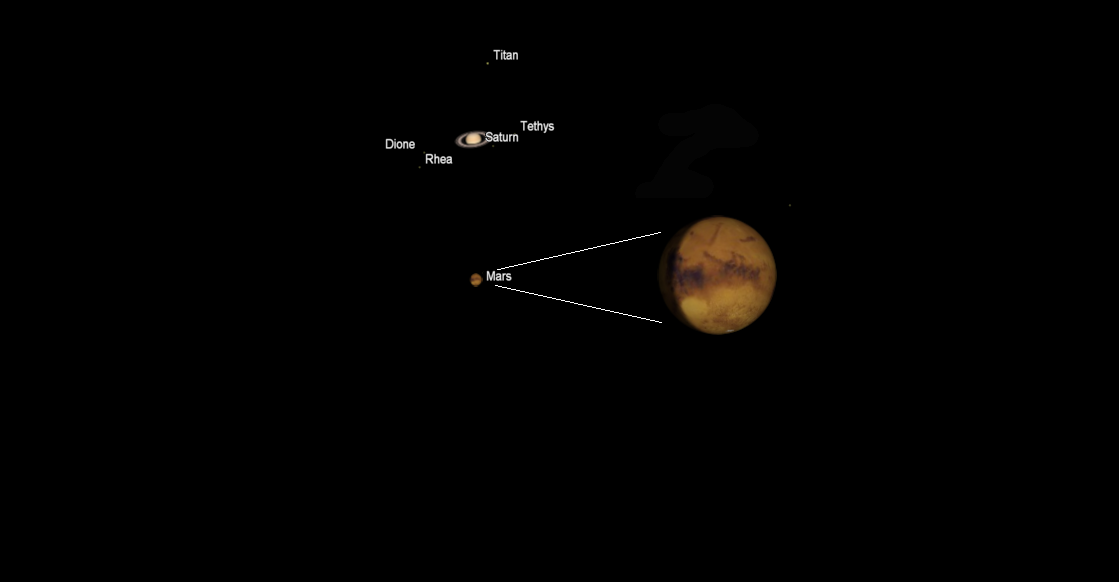
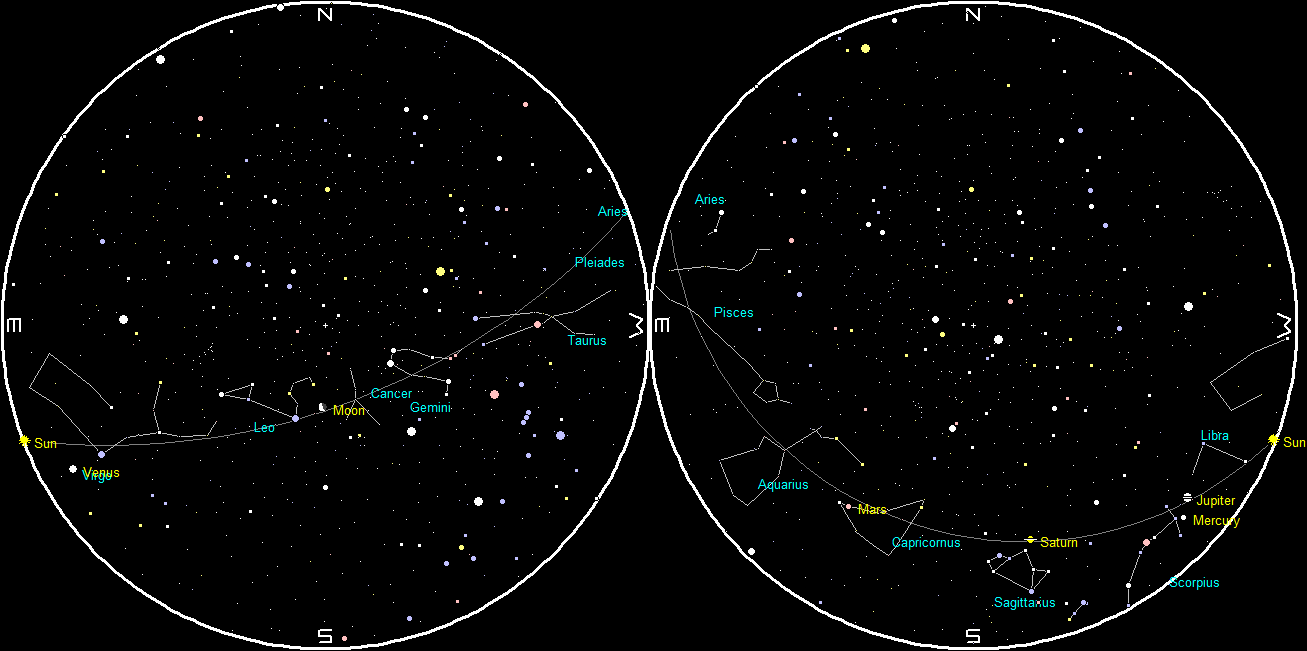
Let’s look at the bright planets for tonight. Three of them are visible in the evening sky. Jupiter will be barely visible very low in the west-southwest after sunset. It will set at 7:30 p.m. Saturn, the ringed planet, will start the evening low in the south-southwestern sky and will set at 9:49 p.m. Mars will be low in the south-southeast as the skies darken tonight. and is now 73.2 million miles (117.9 million km) away. Mars will be due south at 8:39 p.m., and it will set at 1:33a.m. Mars is picking up speed moving eastward, crossing the constellation of Capricornus this month. It’s currently in eastern Capricornus. Venus, now a morning planet, will rise at 7:45 tomorrow morning, 34 minutes after the Sun.
The times given are for the Traverse City/Interlochen area of Michigan. They may be different for your location.
Addendum
Update
I know, the content above isn’t very spooky for Halloween. However, NASA came to the rescue with their Halloween Special: Universe of Monsters. Fitting with our theme today, it’s about planets… of the Exo variety. Click here!
 Bob Moler's Ephemeris Blog