Archive
Ephemeris: 12/03/2024 – Jupiter begins to dominate the evening sky
This is Ephemeris for Tuesday, December 3rd. Today the Sun will be up for 9 hours even, setting at 5:02, and it will rise tomorrow at 8:03. The Moon, 2 days past new, will set at 6:48 this evening.
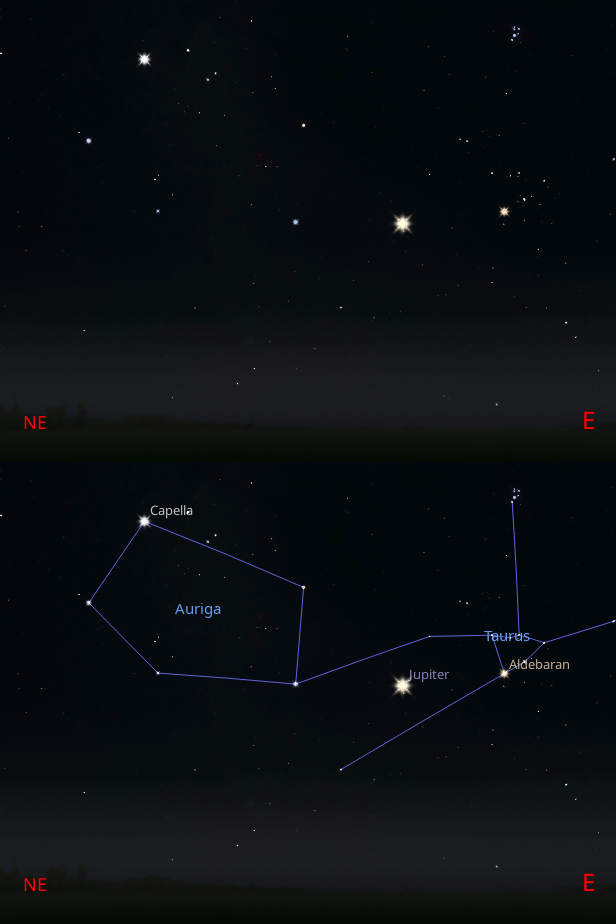
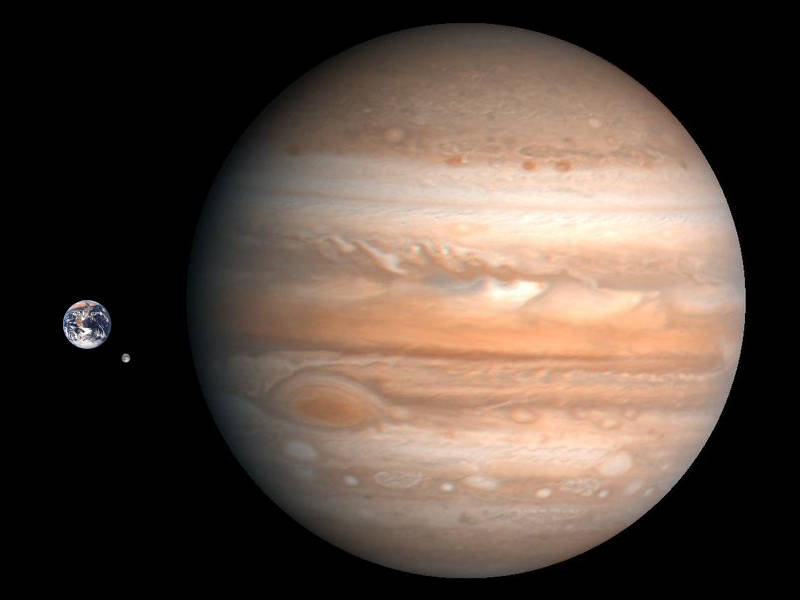
The bright star that’s in the east early in the evenings isn’t a star at all, but the planet Jupiter. This giant planet is moving to be in opposition to the Sun this Saturday, which means that the Earth is directly between Jupiter and the Sun, so it’s the time that it’s closest to us. And so it’s at its largest appearing and brightest. Jupiter is the largest of the planets being about 11 times the Earth’s diameter, its volume would be 11 cubed or about 1,300 times the Earth’s volume. It is the second-brightest planet after Venus. It is also the largest appearing planet in telescopes except for a couple of months around the time when Venus is closest to the Earth. Binoculars will show that Jupiter is not quite star-like, and some of its large satellites can be also seen.
The astronomical event times given are for the Traverse City/Interlochen area of Michigan (EST, UT – 5 hours). Times will be different for other locations.
Addendum
Ephemeris: 12/02/2024 – Orion is rising in the evening
This is Ephemeris for Monday, December 2nd. Today the Sun will be up for 9 hours and 1 minute, setting at 5:03, and it will rise tomorrow at 8:02. The Moon, 1 day past new, will set at 5:47 this evening.
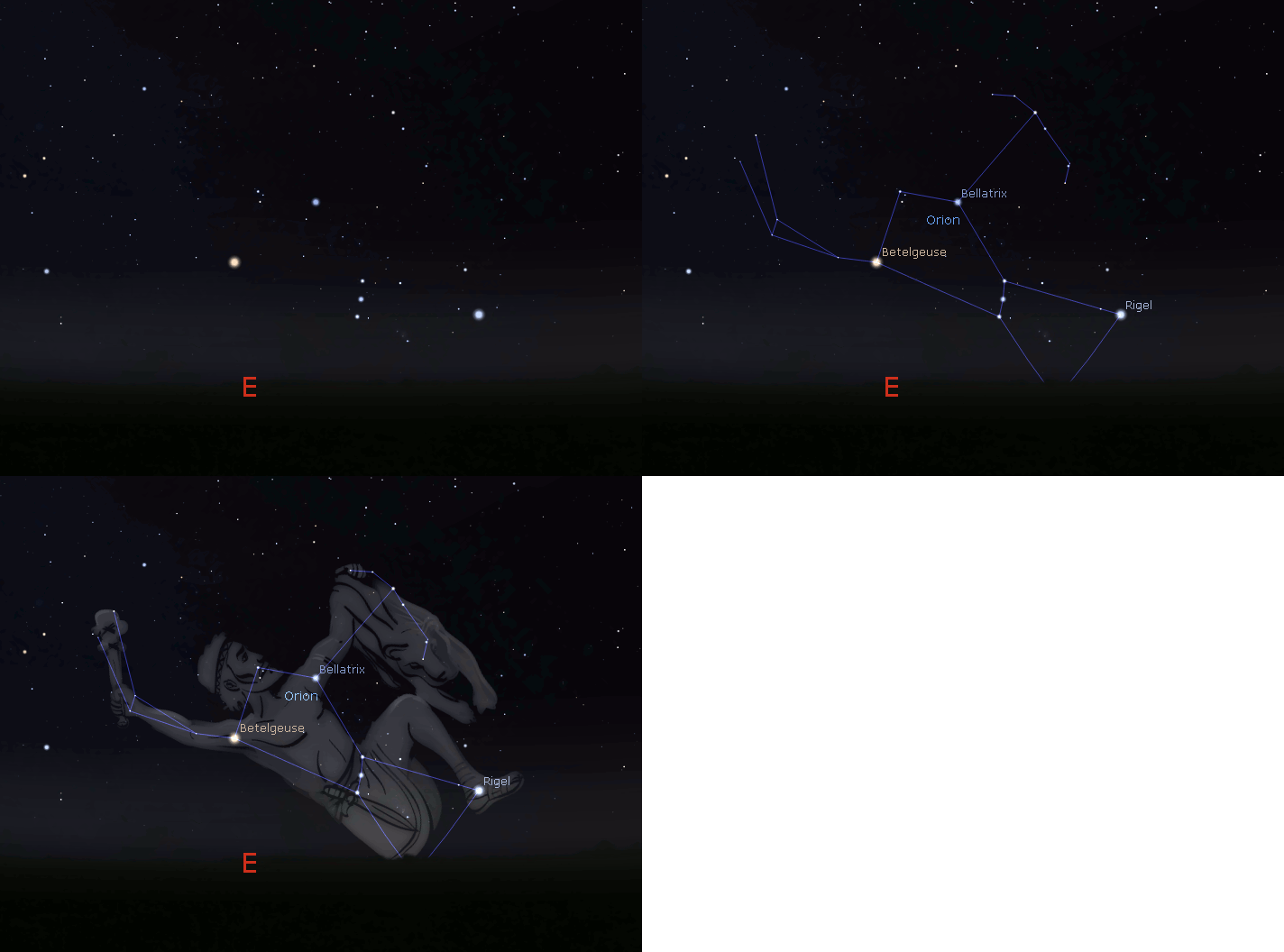
In the east, the central winter constellation Orion the hunter throws a leg over the horizon between 8 and 9 p.m. as Robert Frost told in his poem Star-Splitter. The upright rectangle that is his body on December evenings is tilted to the left as he rises, with a bright red star Betelgeuse at the top left of the rectangle, his shoulder. At the opposite corner is blue-white Rigel, a knee. In the center of the rectangle is a line of three stars nearly vertically aligned as he rises, which represents his belt. The stars of Orion’s belt are how many folks can find him. The Anishinaabek native peoples of this area call him the Wintermaker whose arms are held wide to encompass the winter stars. His rising in the evening heralds the coming of winter.
The astronomical event times given are for the Traverse City/Interlochen area of Michigan (EST, UT – 5 hours). Times will be different for other locations.
Addendum
 Bob Moler's Ephemeris Blog