Ephemeris: 02/09/2026 – Orion’s amazing belt stars
This is Ephemeris for Monday, February 9th. Today the Sun will be up for 10 hours and 11 minutes, setting at 6:02, and it will rise tomorrow at 7:50. The Moon, at last quarter today, will rise at 3:01 tomorrow morning.
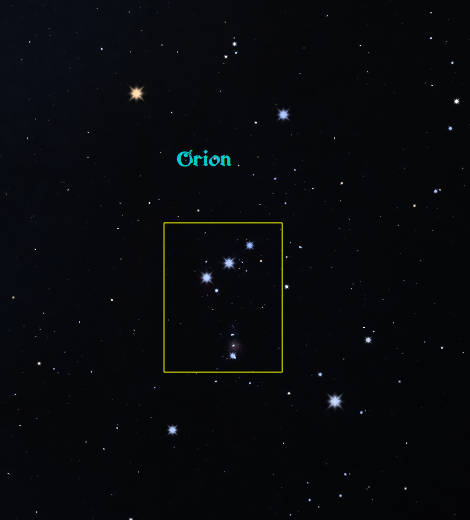
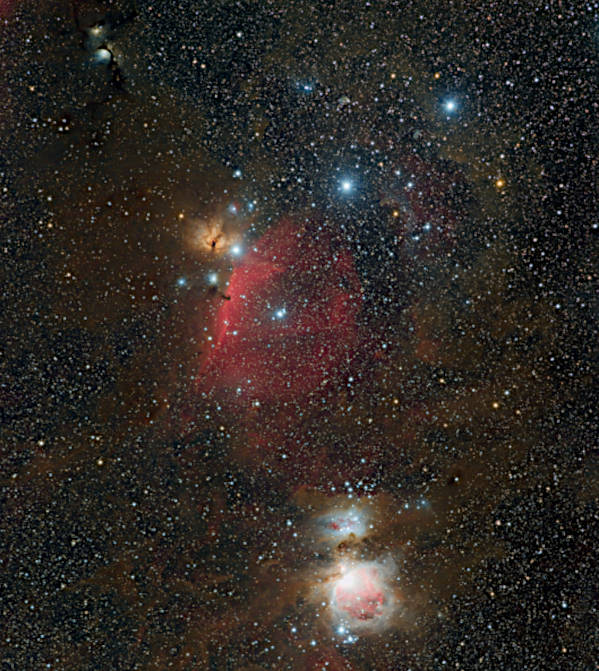
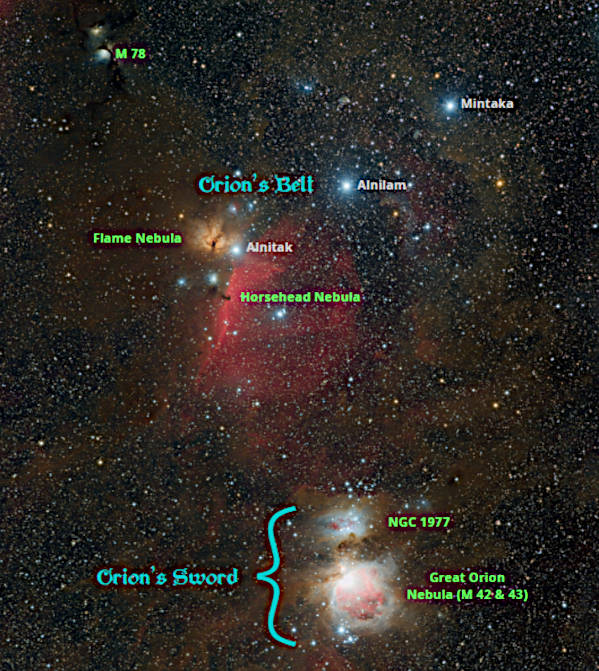
Orion’s belt of three stars is one of the most noticeable star groupings in the sky. There are no other groups of three bright stars in a straight line visible anywhere else in the sky. The star’s names from left to right are Alnitak, Alnilam and Mintaka. They are actually a bit farther away than the other bright stars of Orion. Alnilam, the center star, is over three times the distance of red giant Betelgeuse above them and over twice as far as blue white giant star Rigel below them. Alnilam is 375 thousand times brighter than the Sun. These three stars were also known as Frigga’s Spindle by the Norsemen. Frigga, also known as Freya, is the goddess from which we get the name of the day of the week we call Friday.
The astronomical event times given in this blog are for the Traverse City/Interlochen area of Michigan (Lat 44.7° N, Long 85.7° W; EST, UT – 5 hours) unless stated otherwise. Times will be different for other locations.
Addendum
 Bob Moler's Ephemeris Blog