Archive
Ephemeris: 02/05/2026 – Artemis 3 isn’t going to the Moon
This is Ephemeris for Thursday, March 5th. Today the Sun will be up for 11 hours and 22 minutes, setting at 6:36, and it will rise tomorrow at 7:11. The Moon, 2 days past full, will rise at 9:22 this evening.
Late last week NASA announced that the Artemis 3 mission was not going to land on the Moon. It wasn’t even going to the Moon. It would be a low earth orbit test of docking and operations of the Human Landing System or lunar landers, either the SpaceX Starship Lander or Blue Origin’s Blue Moon Lander. This reminds me of the Apollo 9 mission which came after the spectacular Apollo 8 mission which orbited the Moon. Apollo 9 was a checkout of the Lunar Lander in low earth orbit. Several Months later, Apollo 10 flew to the Moon to a checkout of the Lunar Lander in lunar orbit. They couldn’t land, but it was a test of the operations in preparation for Apollo 11 which successfully landed on the Moon.
The astronomical event times given in this blog are for the Traverse City/Interlochen area of Michigan (Lat 44.7° N, Long 85.7° W; EST, UT – 5 hours) unless stated otherwise. Times will be different for other locations.
Addendum
Ephemeris: 02/10/2026 – Artemis 2 is delayed until at least March
This is Ephemeris for Tuesday, February 10th. Today the Sun will be up for 10 hours and 14 minutes, setting at 6:04, and it will rise tomorrow at 7:48. The Moon, 1 day past last quarter, will rise at 4:03 tomorrow morning.
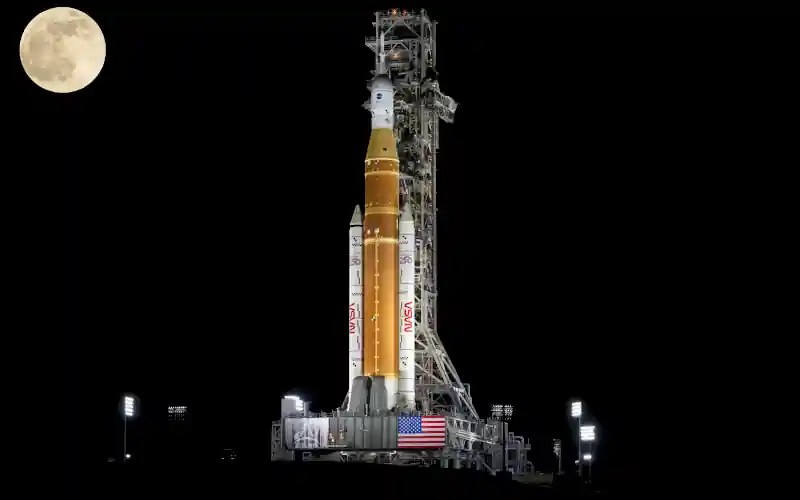
The next attempt to launch Artemis 2 and its crew around the moon will be in March. During the wet dress rehearsal, which involves filling the tanks of the huge core stage of the rocket with liquid hydrogen and oxygen, and counting down almost to the point of ignition. They discovered a greater than expected leak with the hydrogen quick disconnect fitting at the base of the core stage. They can’t test for hydrogen leaks while the spacecraft is sitting in the vertical assembly building because as cavernous as it is, it’s still a closed space and hydrogen is a notoriously leaky substance, being the smallest molecule. A little leakage is to be expected, but what they found was over the limit.
The astronomical event times given in this blog are for the Traverse City/Interlochen area of Michigan (Lat 44.7° N, Long 85.7° W; EST, UT – 5 hours) unless stated otherwise. Times will be different for other locations.
Addendum
Ephemeris: 01/29/2026 – After Artemis 2 comes Artemis 3 and the landing
This is Ephemeris for Thursday, January 29th. Today the Sun will be up for 9 hours and 42 minutes, setting at 5:47, and it will rise tomorrow at 8:04. The Moon, 3 days before full, will set at 6:44 tomorrow morning.
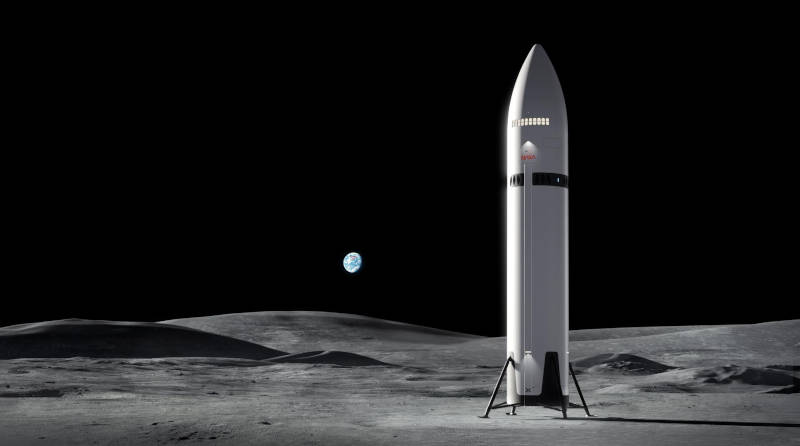
If Artemis 2 is successful in the late winter and early spring of this year, the next mission will be Artemis 3, a mission to land near the South Pole of the Moon. In order for that to happen a lunar Lander will have to be ready and tested. The Starship HLS or human landing system is currently being built by SpaceX. It’s delivery to the Moon, via Superheavy, Starship’s big booster, will require multiple launches and refueling in orbit, which has yet to be tested. There has been some question as to how many refueling trips will be necessary. NASA and SpaceX seem to differ. However, an uncrewed successful landing will have to be made to prove out the system before the Artemis 3 landing will be attempted.
The astronomical event times given in this blog are for the Traverse City/Interlochen area of Michigan (Lat 44.7° N, Long 85.7° W; EST, UT – 5 hours) unless stated otherwise. Times will be different for other locations.
Addendum
Ephemeris: 01/27/2026 – Orion’s heat shield problem
This is Ephemeris for Tuesday, January 27th. Today the Sun will be up for 9 hours and 37 minutes, setting at 5:44, and it will rise tomorrow at 8:06. The Moon, 2 days past first quarter, will set at 4:29 tomorrow morning.
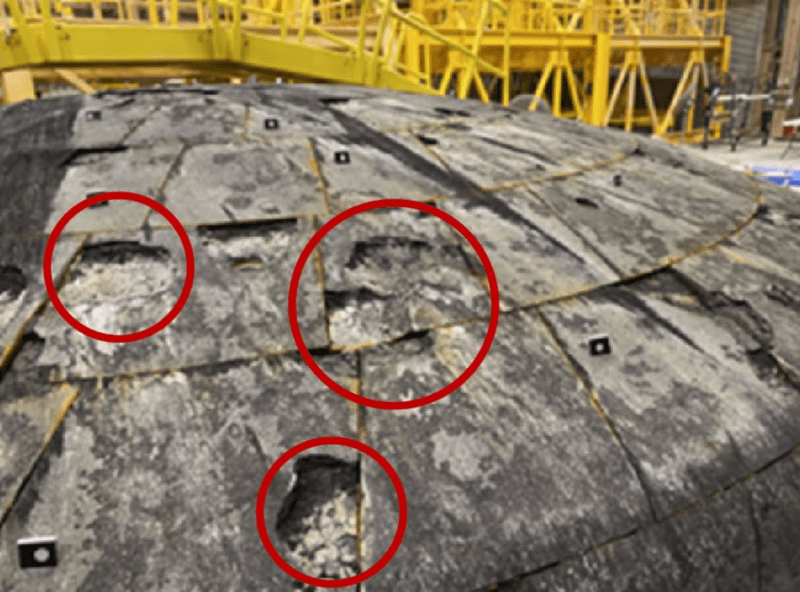
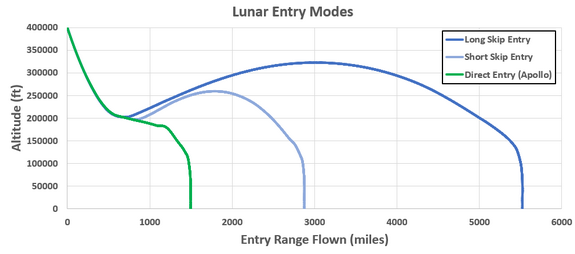
One of the problems that was detected with the reentry of the Artemis 1 mission back in November 2022* was the degradation of the heat shield of the Orion capsule. Chunks of the heat shield actually were breaking off. The technique they use for reentry called the skip reentry was thought to be the culprit. So while they are attempting to redesign the heat shield, Artemis 2 will be using the same type heat shield, but they will not do a skip reentry and come in without a skip off the atmosphere. The reason for using a skip reentry is to lessen the amount of Gs that are pulled by the capsule coming in at 7 miles per second by prolonging the entry and increasing the downrange travel of the capsule. Skip reentry is a proven technique, the Russians have been doing it for decades.
The astronomical event times given in this blog are for the Traverse City/Interlochen area of Michigan (Lat 44.7° N, Long 85.7° W; EST, UT – 5 hours) unless stated otherwise. Times will be different for other locations.
* For the broadcast, I misremembered the date as December 2024. That’s what happens when you’re old.
Addendum
Ephemeris: 01/26/2026 – Artemis, not just flags and footprints
This is Ephemeris for Monday, January 26th. Today the Sun will be up for 9 hours and 35 minutes, setting at 5:43, and it will rise tomorrow at 8:07. The Moon, 1 day past first quarter, will set at 3:10 tomorrow morning.
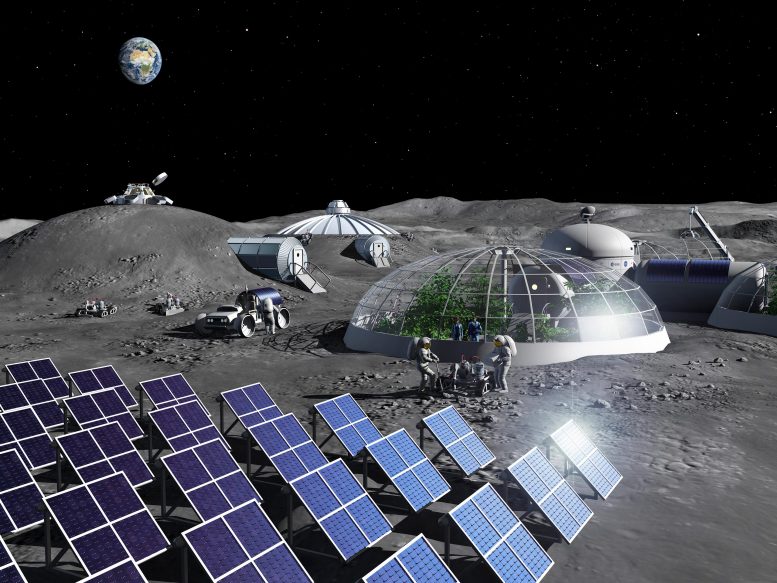
The current space race or I might say more properly, Moon race, is more than it was in the 1960s this race is not simply what is called a flag and footprints race get there first and go home. We already did that 57 years ago. But to set up permanent settlements on the moon to explore and extract the Moon’s resources like water. Water is not for export. Whatever water we find on the Moon would still be fairly scarce and probably rationed. There’s also an unknown amount of helium 3, which is a useful fuel for fusion reactors. Something we don’t have on the Earth, but would be the Holy Grail for clean energy production. We don’t know the Moon’s mineral potential, but whatever we find won’t have to be hauled up a quarter of a million miles from the Earth.
The astronomical event times given in this blog are for the Traverse City/Interlochen area of Michigan (Lat 44.7° N, Long 85.7° W; EST, UT – 5 hours) unless stated otherwise. Times will be different for other locations.
Addendum
Ephemeris: 01/22/2026 – Artemis II launch window opens up in 15 days
This is Ephemeris for Thursday, January 22nd. Today the Sun will be up for 9 hours and 26 minutes, setting at 5:37, and it will rise tomorrow at 8:10. The Moon, 3 days before first quarter, will set at 10:04 this evening.
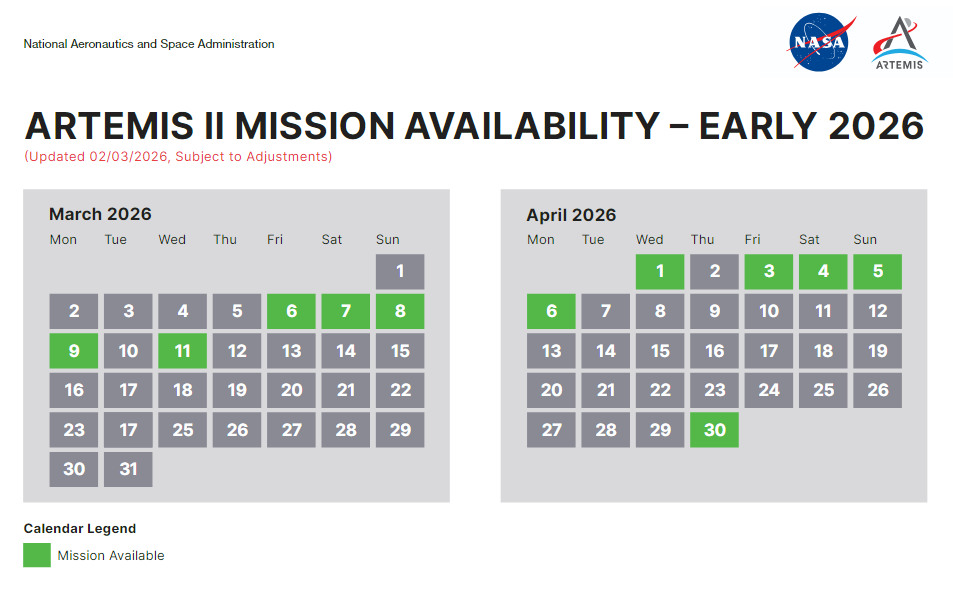
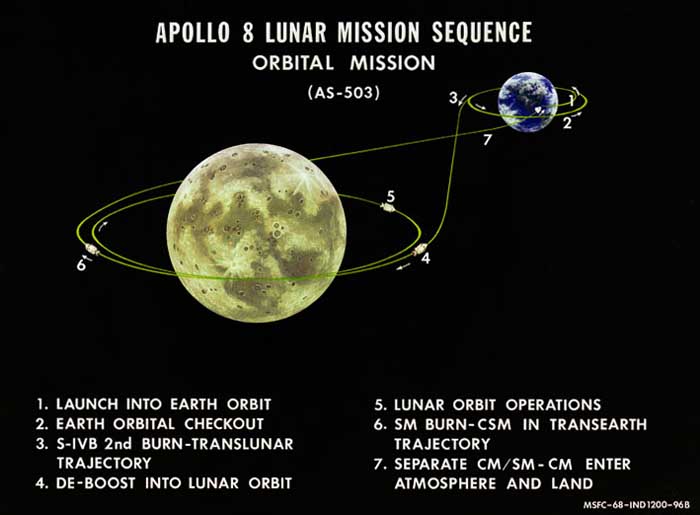
The launch window for the first crewed Artemis mission to the Moon opens up in a bit more than two weeks. It is made-up of 3 approximately 2 week windows containing four or five possible launch dates that extend to April. This mission is a mission to simply loop around the Moon and come back. It is different from the Apollo 8 mission, that actually orbited the Moon 10 times before returning to the Earth. The four astronauts will become the farthest members of humanity to venture from the Earth. One has hoped that NASA has solved the hydrogen leak problem that plagued the Artemis 1 mission a bit more than a year ago. Hydrogen is a small molecule that can leak through just about anything.
The astronomical event times given in this blog are for the Traverse City/Interlochen area of Michigan (Lat 44.7° N, Long 85.7° W; EST, UT – 5 hours) unless stated otherwise. Times will be different for other locations.
Addendum
Ephemeris: 10/07/2025 – Just how close will the Artemis 2 crew actually get to the Moon?
This is Ephemeris for Tuesday, October 7th. Today the Sun will be up for 11 hours and 23 minutes, setting at 7:11, and it will rise tomorrow at 7:49. The Moon, 1 day past full, will rise at 7:15 this evening.
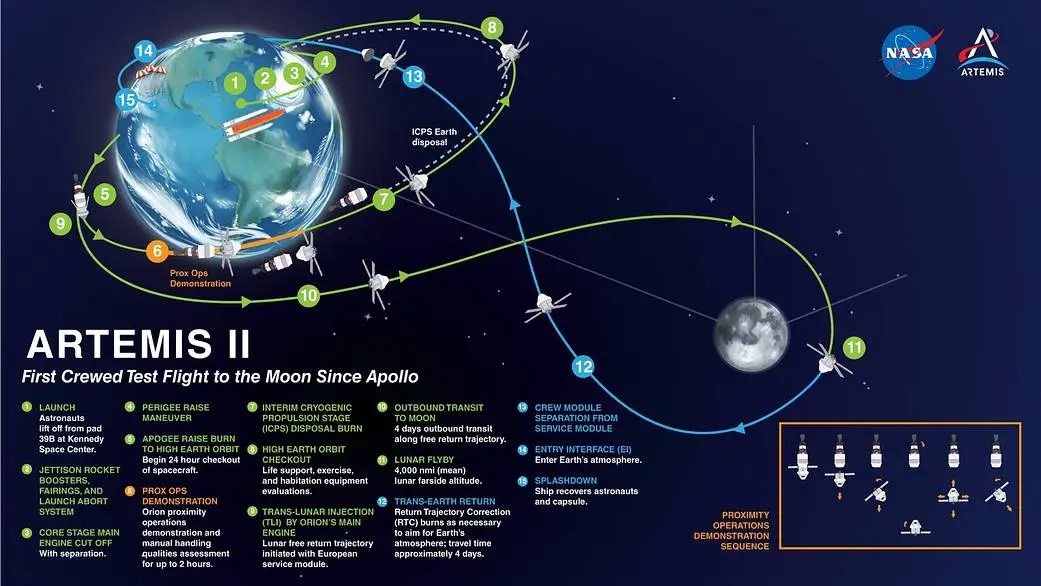
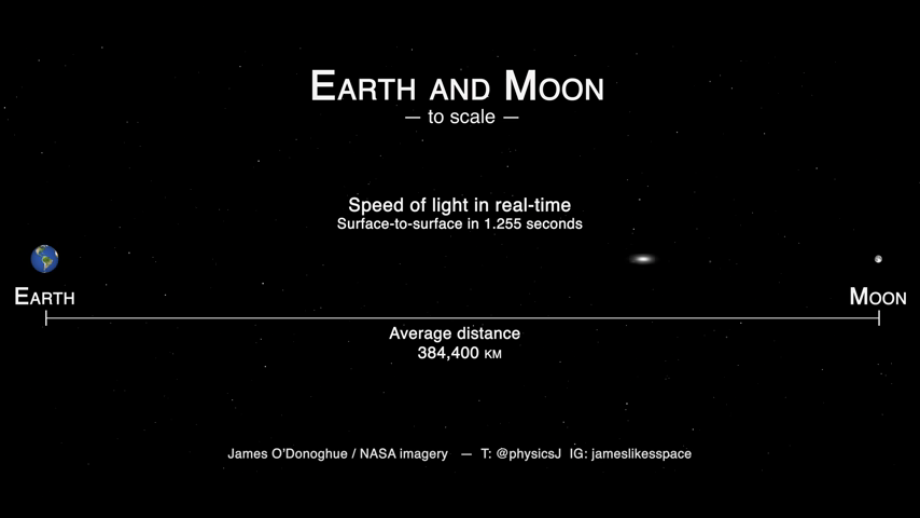
I was thinking about the Artemis 2 mission which is scheduled to go around the Moon and back in the first half of next year. They will be on what’s called a free return trajectory which in a diagram that looks like a big Figure 8 going from the Earth, around the Moon and back again. The closest they will get to the Moon is on the far side, opposite to the Earth, of about 4,800 miles or 7700 kilometers. Dividing that out, that’s about one 50th of the Moon’s distance from the Earth, which is the same thing as observing the Moon with a small telescope using 50 power magnification. Of course the view would be spectacular, of a part of the Moon we never see from the Earth. Of course with binoculars, they will be able to see much closer.
The astronomical event times given in this blog are for the Traverse City/Interlochen area of Michigan (Lat 44.7° N, Long 85.7° W; EDT, UT – 4 hours) unless stated otherwise. Times will be different for other locations.
Addendum
Ephemeris: 02/22/2024 – IM-1, the Odysseus spacecraft lunar landing is today
This is Bob Moler with Ephemeris for Thursday, February 22nd. Today the Sun will be up for 10 hours and 47 minutes, setting at 6:20, and it will rise tomorrow at 7:31. The Moon, 2 days before full, will set at 7:32 tomorrow morning.
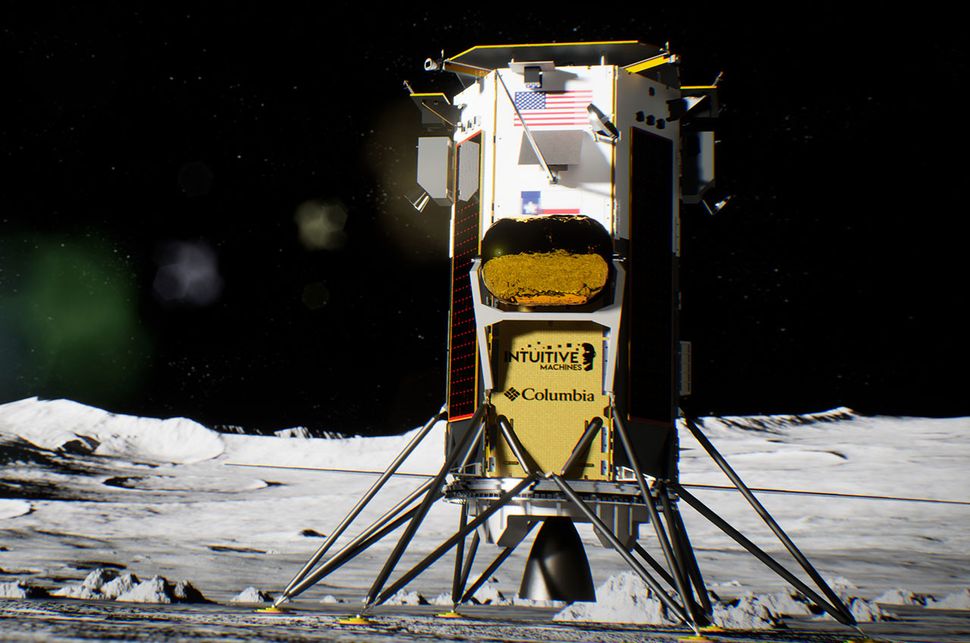
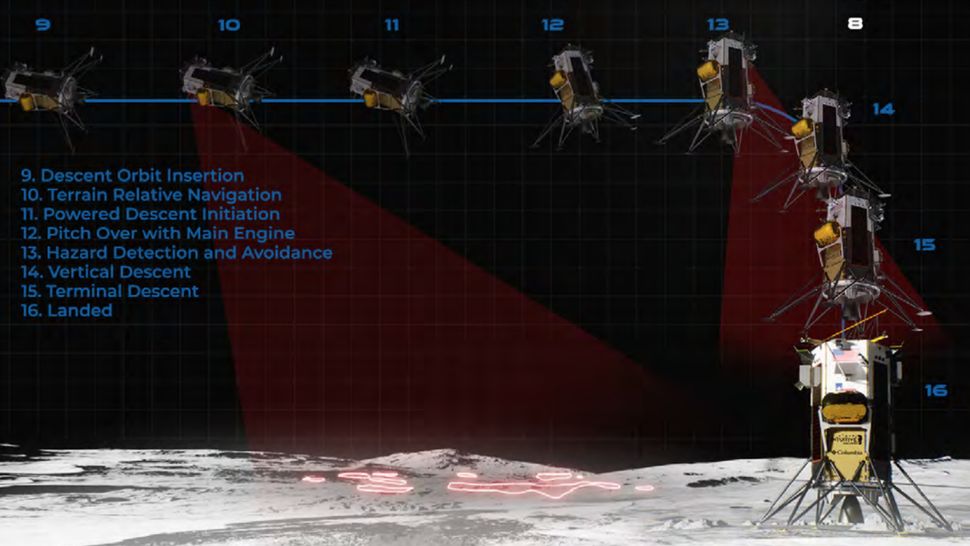
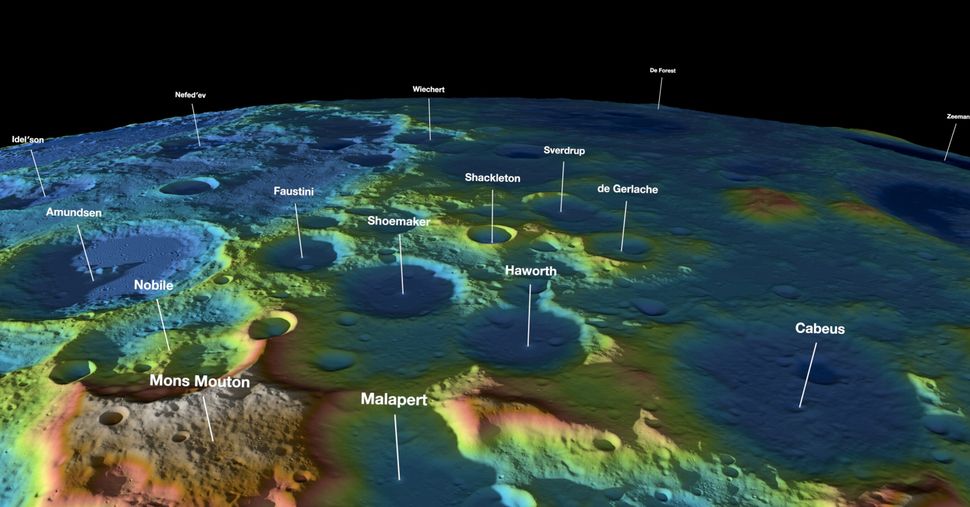
Today is the day the Intuitive Machines’ moon lander called Odysseus is slated to land on the Moon. It was launched a week ago on a SpaceX Falcon 9 rocket. And if successful it will be the first soft landing on the Moon by the United States since Apollo 17 back in 1972. I’m recording this last Sunday, so I don’t know the condition of the spacecraft and a lot can happen between launch and landing on the moon. The last spacecraft sent from the United States, last month, by the inaugural flight of United Launch Alliance’s Vulcan Centaur rocket crashed back on Earth. The spacecraft is supposed to land about 190 miles from the Moon’s South Pole, which is considerably closer to the South Pole than the Indian spacecraft landed last year.
The astronomical event times given are for the Traverse City/Interlochen area of Michigan (EST, UT –5 hours). They may be different for your location.
Addendum
05/25/2023 – Ephemeris – NASA awards contracts for a second lunar lander
This is Ephemeris for Thursday, May 25th. Today the Sun will be up for 15 hours and 9 minutes, setting at 9:14, and it will rise tomorrow at 6:04. The Moon, 2 days before first quarter, will set at 2:26 tomorrow morning.
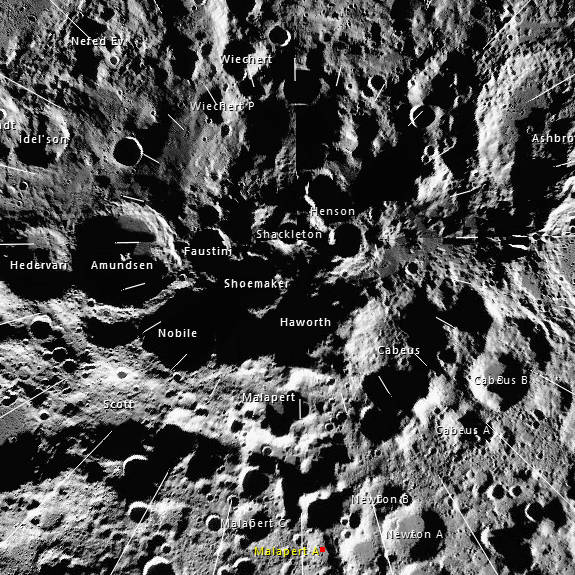
A week ago, NASA announced that the contract for the second Artemis moon lander would go to a group of companies headed by Blue Origin for 3.4 billion dollars. Unlike Apollo, the rocket that sens crews to the Moon will not contain a moon landing craft. It will be sent out separately before the crew. SpaceX’s Lunar Starship will be used on the first two landings, for Artemis III and IV, while the Blue Origin lander will be used for Artemis V, sometime around 2029 or later. Little detail has been released about the lander, except for an artist’s rendering. It appears to be shorter than the Boeing lander first proposed, which would require an astronaut to climb up and down a very long ladder. SpaceX’s Starship would be taller still, but will have an elevator on the side.
The astronomical event times given are for the Traverse City/Interlochen area of Michigan (EDT, UT –4 hours). They may be different for your location.
Addendum
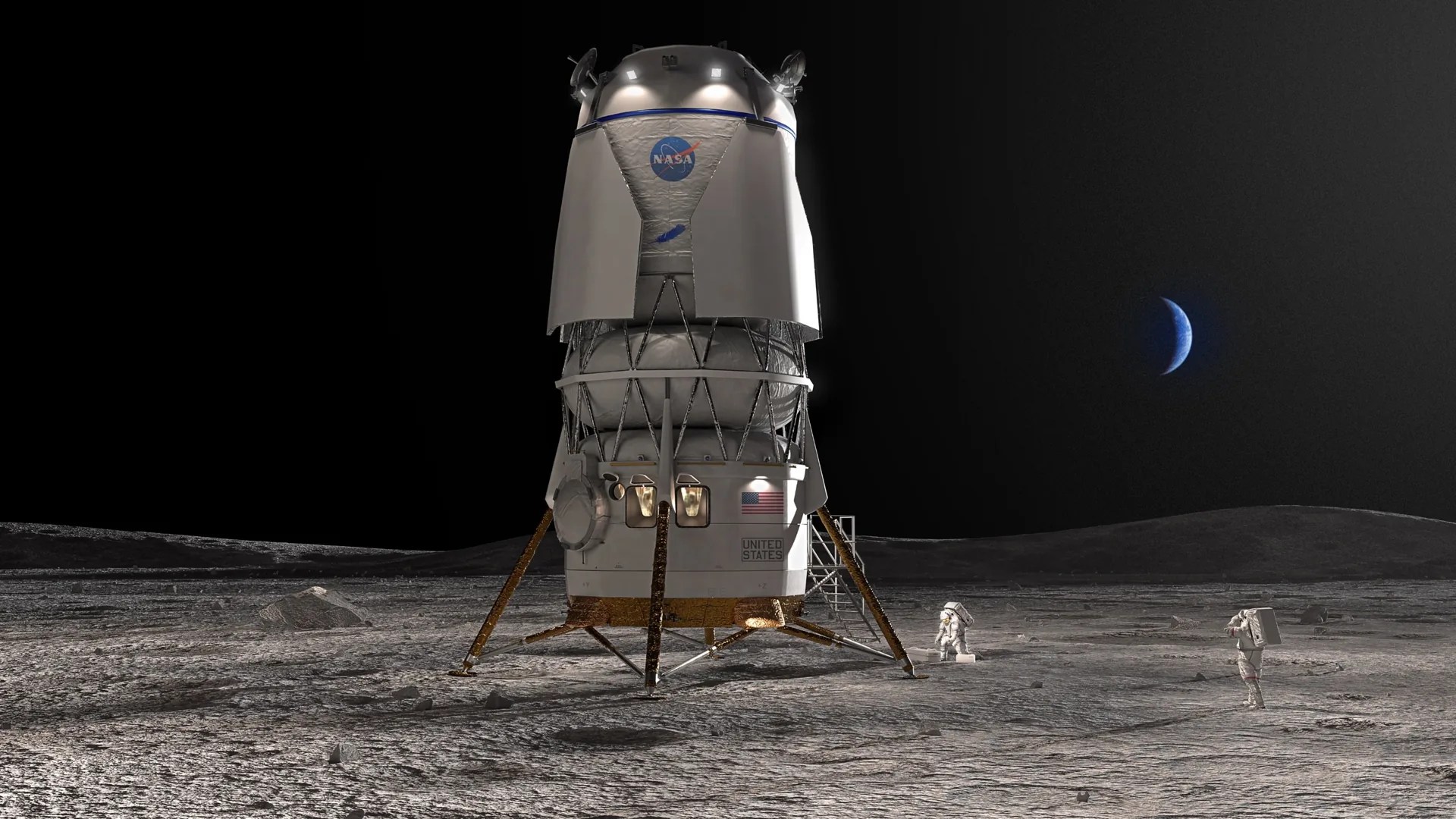
NASA picks Bezos’ Blue Origin to build second lunar lander. The crew compartment is on the bottom, allowing for a shorter ladder to the surface. The liquid oxygen (LOX) and hydrogen (LH) tanks are on top. The LH tank is on top with sun shields, with the LOX tank below. I’m guessing here, since very little information has been released. Credit: NASA.
The craft is officially known as the Human Landing System (HLS).
11/29/2022 – Ephemeris – Observing the Moon tonight
This is Ephemeris for Tuesday, November 29th. Today the Sun will be up for 9 hours and 6 minutes, setting at 5:04, and it will rise tomorrow at 7:58. The Moon, 1 day before first quarter, will set at 11:28 this evening.
The illuminated part of tonight’s Moon will be a fat crescent shape, 12 hours, give or take from first quarter. Besides the lunar seas visible there are some large craters on its terminator, or sunrise line On the upper right are two distinctive craters near each other. The larger is Aristoteles named after the Greek philosopher Aristotle which is 53 miles wide. The smaller is Eudoxus, named after an older Greek philosopher, 41 miles in diameter. Both of these should be visible in small telescopes or even binoculars. They stand out because there are only a few small craters around them in pretty much flat terrain. Meanwhile Artemis 1’s Orion capsule is continuing to make a large lazy loop around the Moon before heading back to the Earth in 12 days.
The astronomical event times given are for the Traverse City/Interlochen area of Michigan (EST, UT –5 hours). They may be different for your location.
Addendum
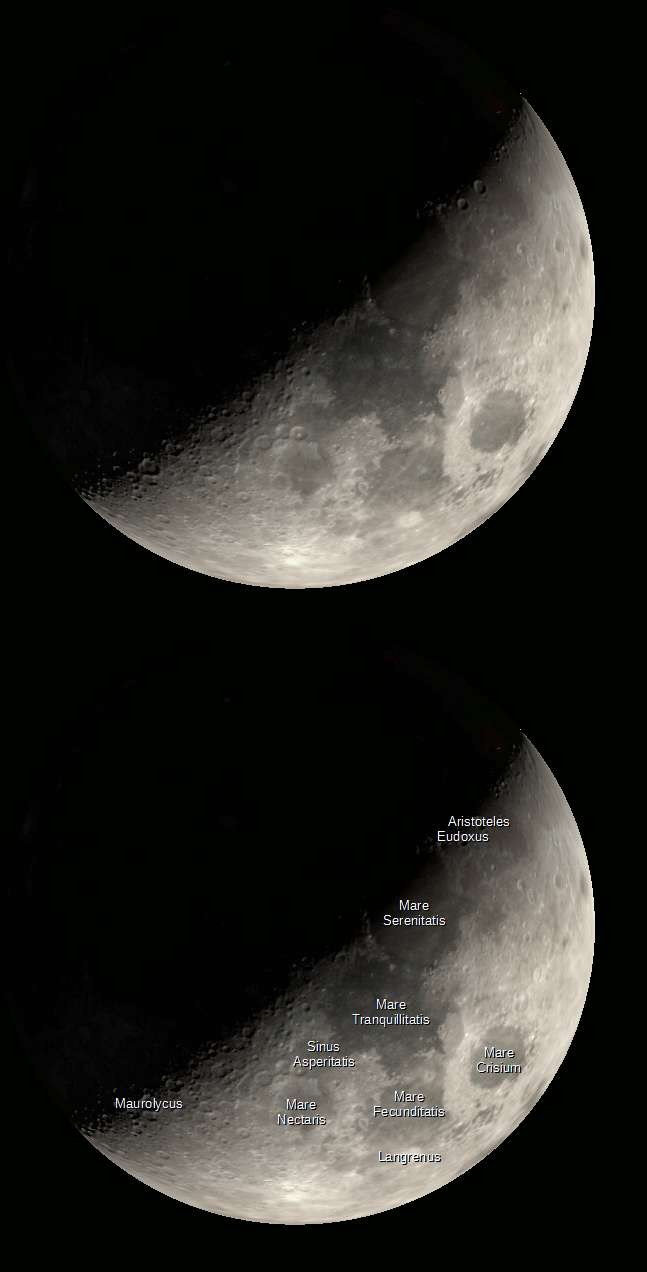
Annotated Moon animation as it might appear tonight at 8 pm, November 29, 2022. Created using Stellarium and GIMP.
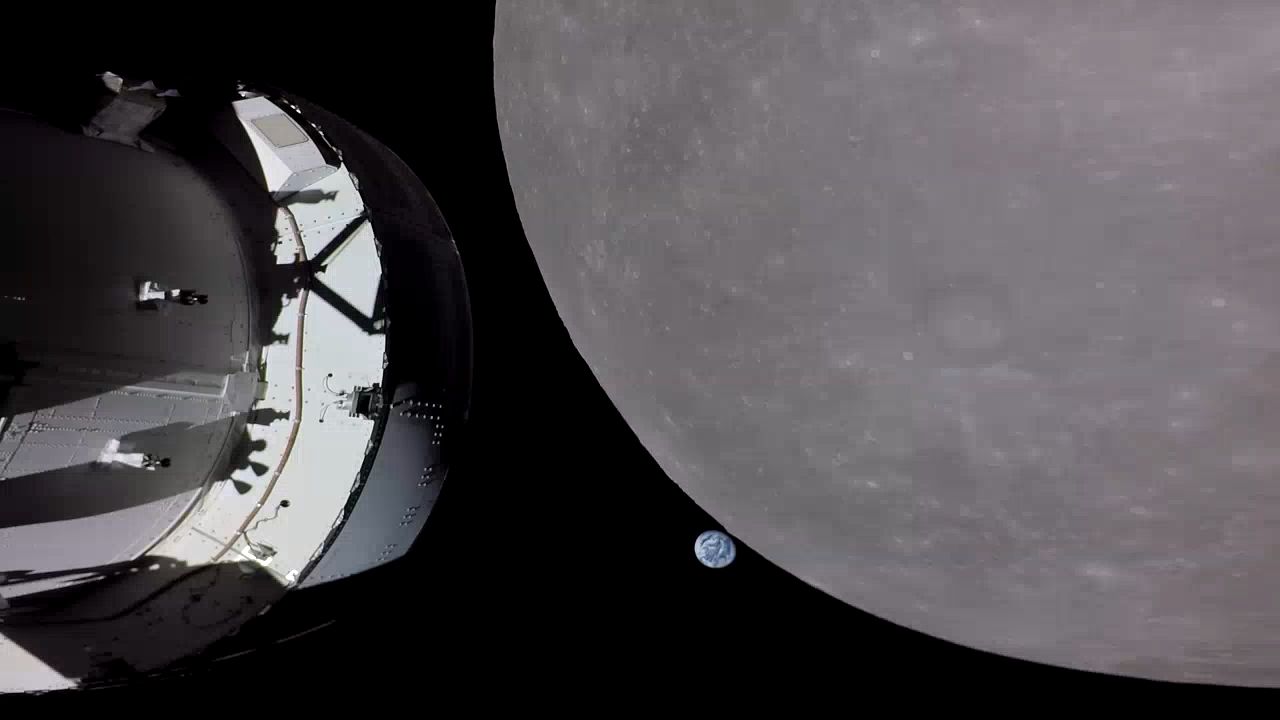
Earthset from Artemis I’s Orion spacecraft, as it moves around to the far side of the Moon. Click on the image to enlarge it. Credit: NASA
 Bob Moler's Ephemeris Blog