Archive
Ephemeris: 01/19/2026 – Follow the drinkin’ gourd!
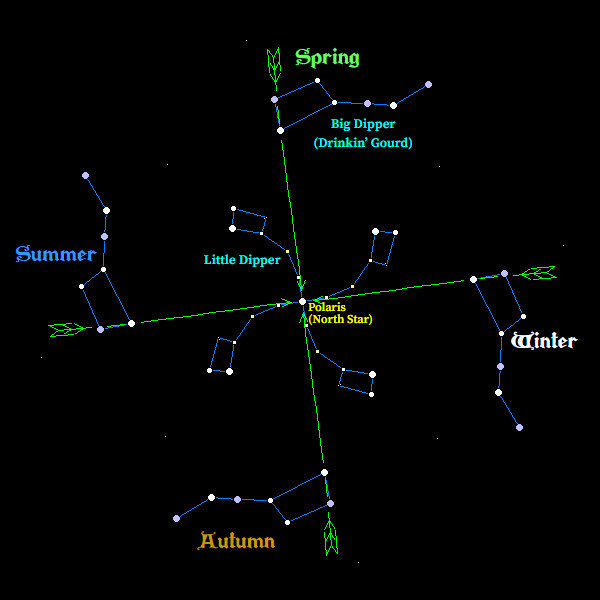
This is Bob Moler with Ephemeris for Martin Luther King Jr. Day, Monday, January 19th. Today the Sun will be up for 9 hours and 19 minutes, setting at 5:33, and it will rise tomorrow at 8:13. The Moon, 1 day past new, will set at 6:30 this evening. | This day is set aside to honor the Reverend Dr. Martin Luther King Jr. who gave his life for the struggle for equality for blacks and other minorities and to end segregation. A struggle that continues to this day. In the decades before the Civil War runaway slaves would travel, often at night, northward from the slave states of the south to the northern free states and Canada over the metaphorical Underground Railroad. They followed the Drinking Gourd, the Big Dipper as their compass. Over the last several millennia the Great Bear, Ursa Major had been that northward pointer. For the past few millennia the North Pole of the sky had been passing near the handle of the Big Dipper or bear’s tail. Though the Big Dipper isn’t always north, the two stars at the front of the bowl, or gourd, point to the star Polaris, which is nearly at the true North Pole of the sky.
The astronomical event times given in this blog are for the Traverse City/Interlochen area of Michigan (Lat 44.7° N, Long 85.7° W; EST, UT – 5 hours) unless stated otherwise. Times will be different for other locations.
Addendum
Ephemeris: 07/04/2025 – Mars, 49 years ago today
This is Ephemeris for Independence Day, Friday, July 4th. Today the Sun will be up for 15 hours and 28 minutes, setting at 9:31, and it will rise tomorrow at 6:03. The Moon, 2 days past first quarter, will set at 1:56 tomorrow morning.
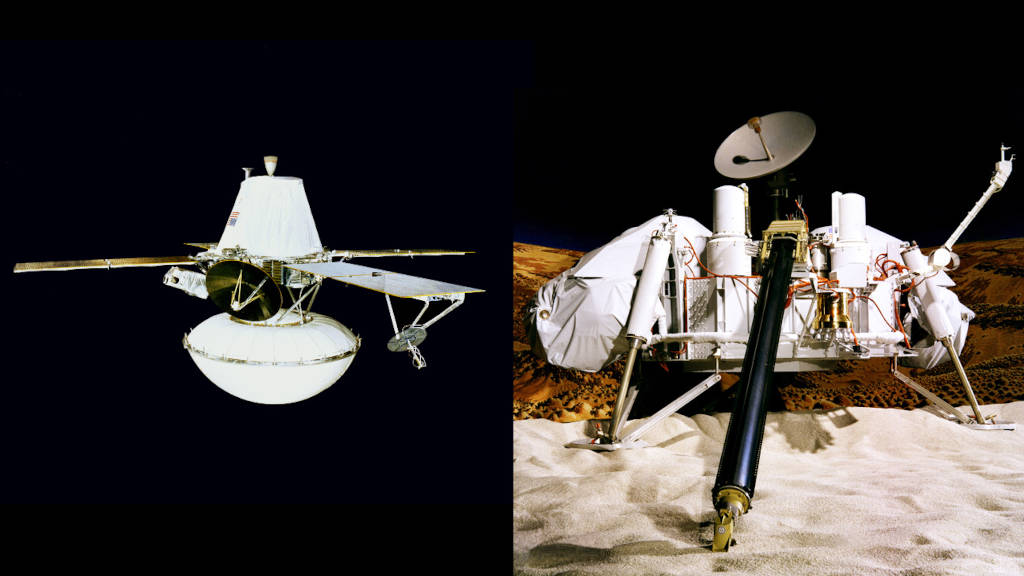
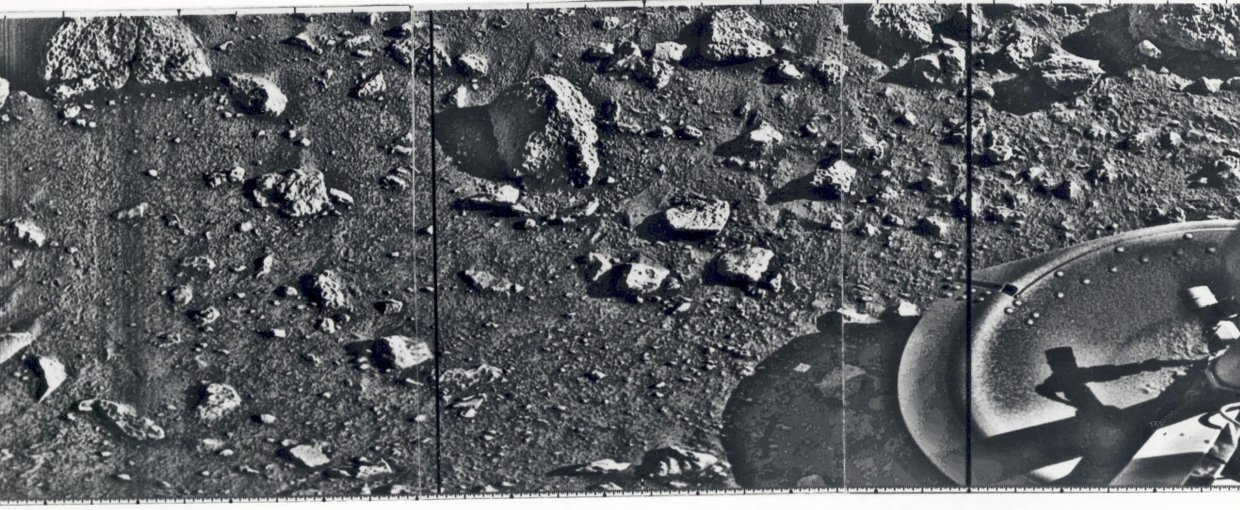
Forty-nine years ago today the Viking 1 spacecraft was orbiting Mars looking for a spot to land. NASA was hoping they could land it on July 4th, of our national Bicentennial, but they were having trouble trying to find a smooth enough spot to land. NASA eventually thought they found a smooth enough spot. The lander part of the spacecraft touched down on July 20th 1976, the 7th anniversary of the Apollo 11 landing on the Moon. Though the landing was successful, the area was a lot rougher than we would consider a safe spot to land today. Currently, The United States has two Rovers on the surface studying Mars. It’s an achievement a scientifically advanced democracy can do. I wonder if we will keep it intact for the two hundred and fifty year mark, only one year away?
The astronomical event times given in this blog are for the Traverse City/Interlochen area of Michigan (Lat 44.7° N, Long 85.7° W; EDT, UT – 4 hours) unless stated otherwise. Times will be different for other locations.
Addendum
Ephemeris: 03/17/2025 – When the largest telescope in the world was in Ireland
This is Ephemeris for St. Patrick’s Day, Monday, March 17th. Today the Sun will be up for 12 hours and 1 minute, setting at 7:51, and it will rise tomorrow at 7:49. The Moon, 3 days past full, will rise at 11:40 this evening.
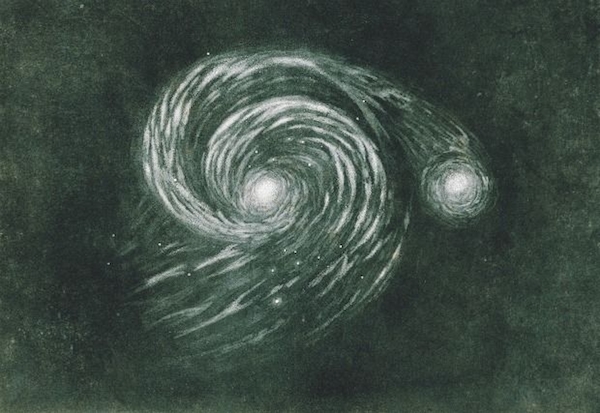
In the 19th century Ireland laid claim to having the largest telescope in the world. It was a reflecting telescope with a mirror diameter of 72 inches. It was built by William Parsons the Third Earl of Rosse. The base of the telescope tube rested in a pit between two massive walls and could only look to either side of a north-south direction. It saw first usage in 1847. The telescope was called the Leviathan of Parsonstown, and was in use until 1890. Mirrors in those days were made of a silvery alloy called speculum. Two mirrors were used alternately because speculum tarnished. The mirror not in use would have to be re-polished and swapped in from time to time. It was the largest telescope until the 100 inch at Mt. Wilson was put in service in 1917.
The astronomical event times given are for the Traverse City/Interlochen area of Michigan (EST, UT – 5 hours). Times will be different for other locations.
Addendum

Ephemeris: 02/10/2025 – How old are the features on the Moon?
This is Ephemeris for Monday, February 10th. Today the Sun will be up for 10 hours and 14 minutes, setting at 6:04, and it will rise tomorrow at 7:48. The Moon, 2 days before full, will set at 7:42 tomorrow morning.
In dating Moon rocks scientists get a range of dates from 4.6 to 3.3 billion years. An age of a rock is determined by the decay of a radioactive element one of which is uranium 238 decaying to lead 206. So the ratios of these two elements gives a date when a rock was last solidified. This clock is reset when a rock was last melted either by volcanism or by asteroid impact. It turns out that the rocks of the highlands, the lighter area on the Moon where most of the craters are, date to close to 4.5 billion years, and are probably the original crust of the Moon. The rocks from the lunar maria or seas are younger from about 4.1 billion years down to 3.8 billion years. So they were thought to be caused by asteroid impacts from the Late Heavy Bombardment.
The astronomical event times given are for the Traverse City/Interlochen area of Michigan (EST, UT – 5 hours). Times will be different for other locations.
Addendum
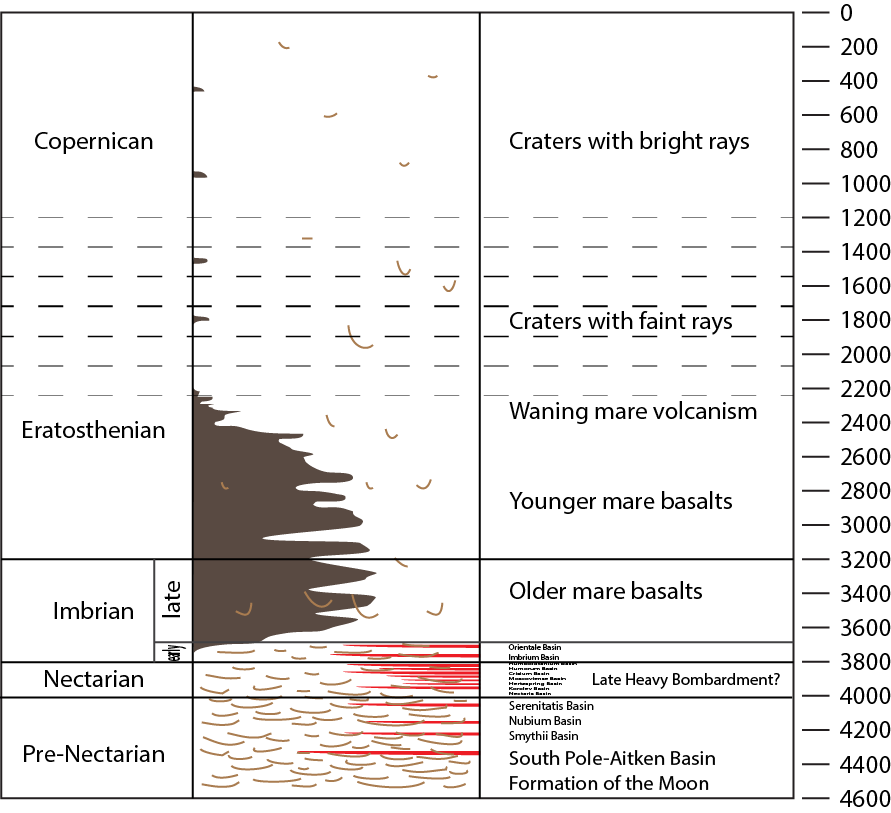
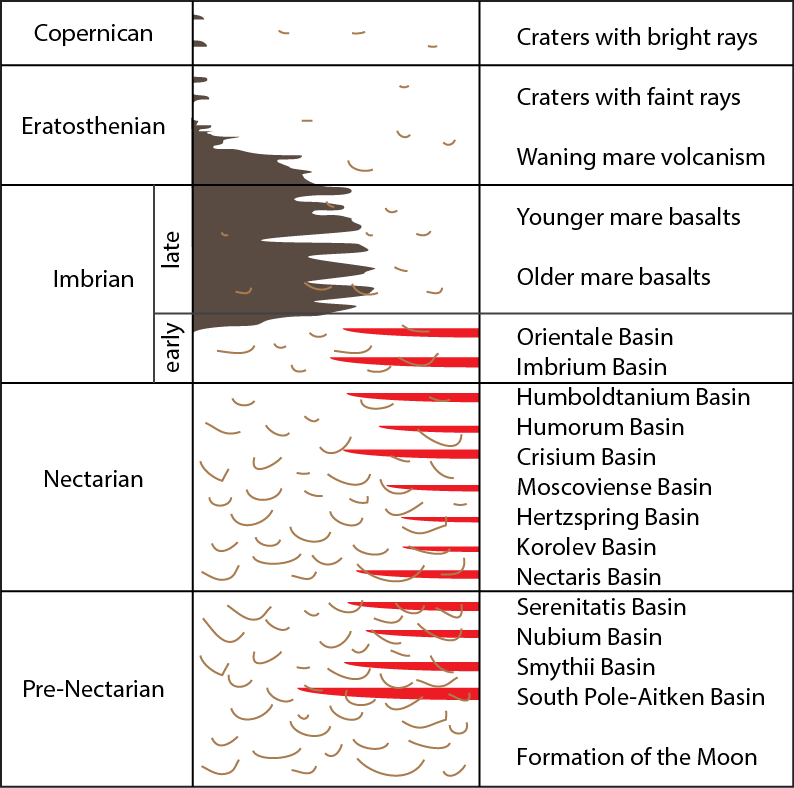
The Late Heavy Bombardment is not accepted by all planetary scientists. The main evidence is the cratering and maria on the Moon.
Ephemeris: 02/07/2025 – GTAS meeting tonight – Earth’s Impact Craters
This is Ephemeris for Friday, February 7th. Today the Sun will be up for 10 hours and 6 minutes, setting at 6:00, and it will rise tomorrow at 7:52. The Moon, 2 days past first quarter, will set at 5:36 tomorrow morning.
The Grand Traverse Astronomical Society will host its February meeting tonight at 8 PM at Northwestern Michigan College’s Joseph H. Rogers Observatory. The talk for the evening will be given by Society President, and Observatory Director, Jerry Dobek on the topic of Earth’s Impact Craters. Unlike the Moon, Earth’s impact craters have been mostly hidden. After the meeting, about 9 PM if it’s clear, there will be viewing of the heavens through the observatory’s telescopes, featuring Jupiter, the Moon and the Great Orion Nebula, which will be hindered a bit by moonlight. The observatory is located on Birmley Road. South of Traverse City between Garfield and Keystone roads. All are welcome, free of charge.
The meeting is also available on Zoom. The link is at gtastro.org
The astronomical event times given are for the Traverse City/Interlochen area of Michigan (EST, UT – 5 hours). Times will be different for other locations.
Addendum

Ephemeris: 09/03/2024 – The constellation of Scutum the shield
This is Ephemeris for Tuesday, September 3rd. Today the Sun will be up for 13 hours and 6 minutes, setting at 8:14, and it will rise tomorrow at 7:09. The Moon, 1 day past new, will set at 8:38 this evening.
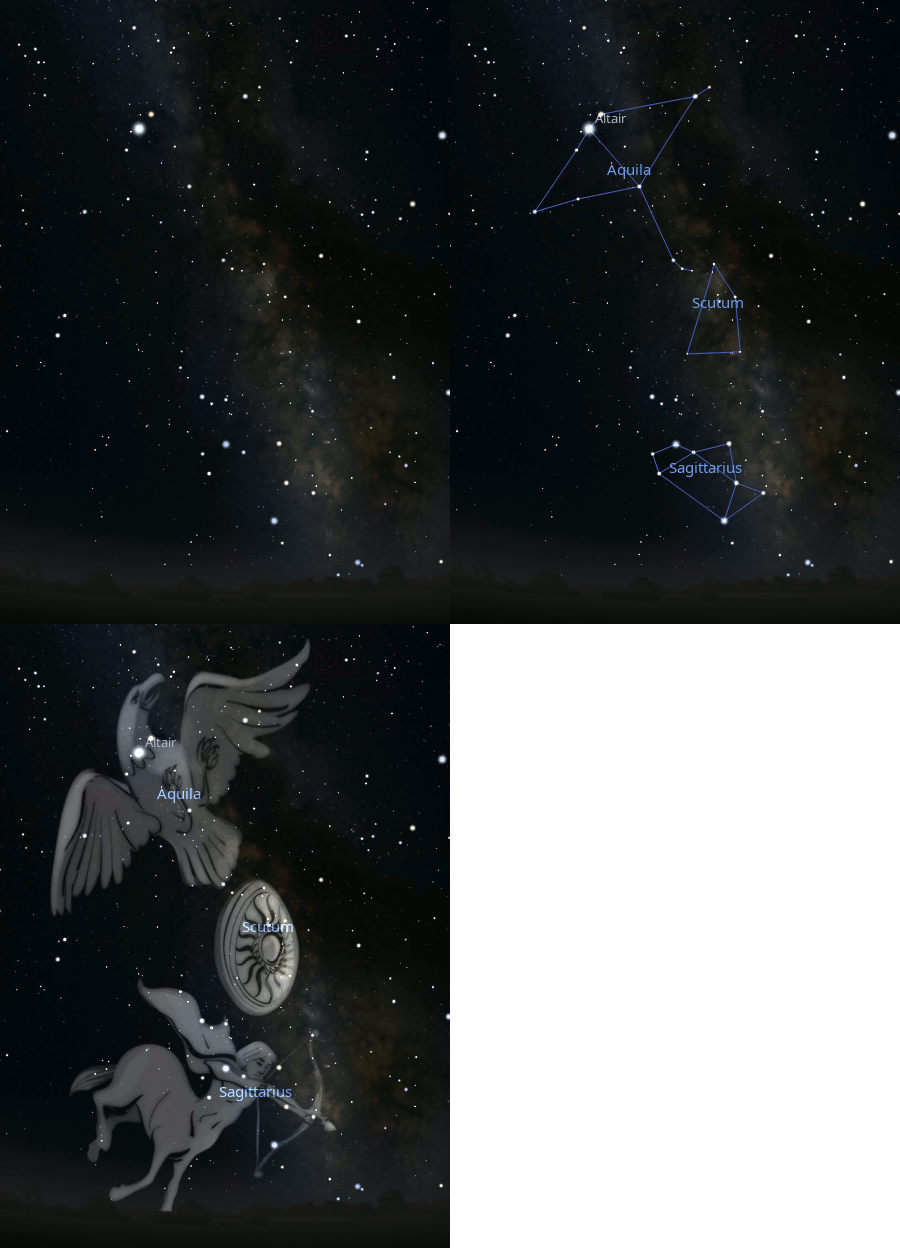
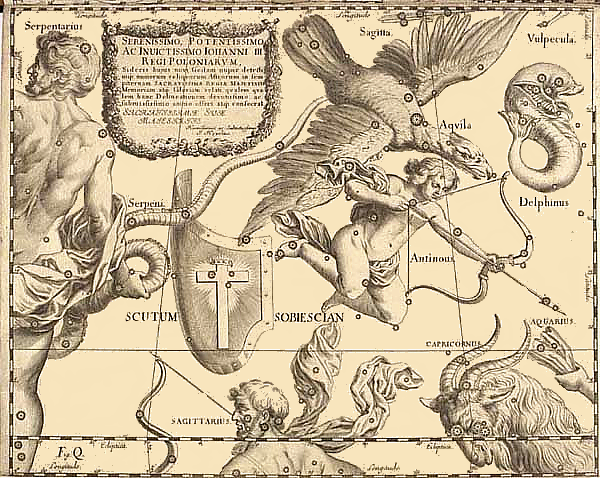
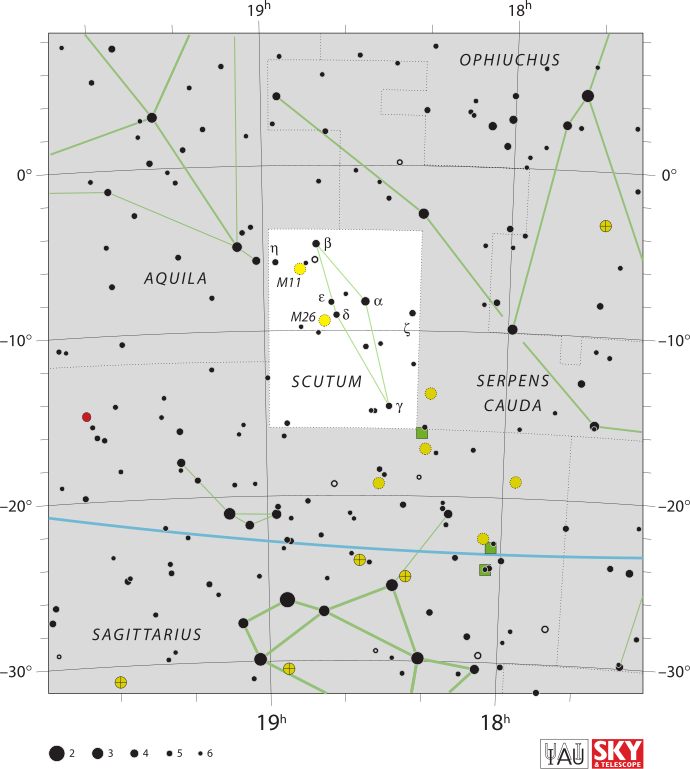
In the southern sky between the Teapot of Sagittarius below and Aquila the Eagle above, with Altair the southernmost star of the Summer Triangle, lies Scutum the shield of John Sobieski the Polish king who stopped the advance of the Turks at Kahlenberg, which lies on a hill overlooking Vienna, in 1683. The Polish half of me is very proud. Scutum is one of two official constellations which are related to real persons. The other one is Coma Berenices, a hank of Egyptian Queen Berenice’s hair. It’s recent as constellations go, to fill up a section of the sky that the ancients couldn’t make out anything, because the stars here are so dim and embedded in the glow of the Milky Way as to be nearly impossible to discern. Scutum lies in one of the richest portions of the Milky Way, wonderful to scan with binoculars and telescopes.
The astronomical event times given are for the Traverse City/Interlochen area of Michigan (EDT, UT–4 hours). Times will be different for other locations.
Addendum

Ephemeris: 06/13/2024 – The Apollo 11 flag
This is Ephemeris for Thursday, June 13th. Today the Sun will be up for 15 hours and 32 minutes, setting at 9:29, and it will rise tomorrow at 5:56. The Moon, 1 day before first quarter, will set at 2:06 tomorrow morning.
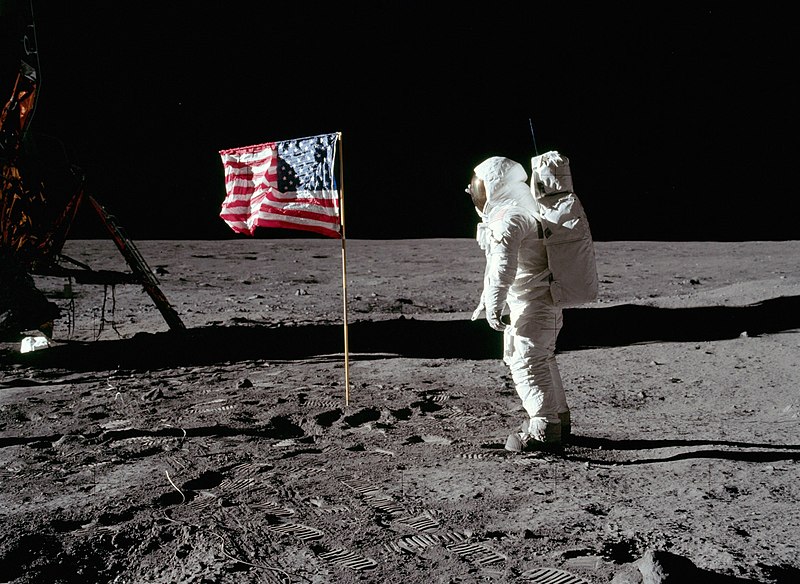
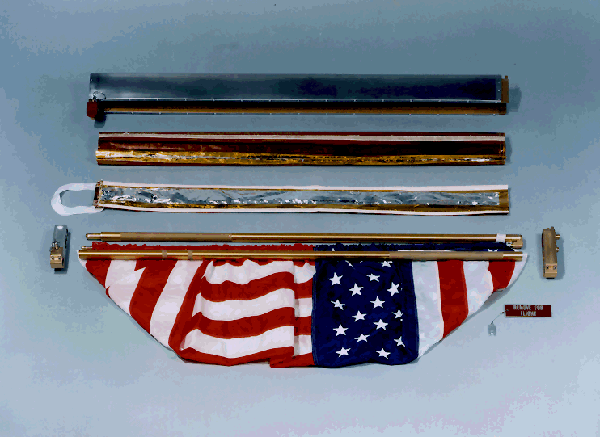
Tomorrow is Flag Day. That got me to thinking about the flags that the Apollo astronauts planted on the Moon and what state they are in. We know the Apollo 11 flag was blown down by the blast of the ascent stage engine when they left the Moon because it was planted too close to the lunar module. The other five flags are still standing. However, there’s some speculation as to what color they are. Are the colors bleached out by the ultraviolet of the sun’s light, which is unimpeded on the Moon? The flags may be bleached completely white. There was nothing really special about the flags that NASA used for the Apollo mission so they weren’t especially prepared to withstand the rigors of being out and undiluted sunlight.
The astronomical event times given are for the Traverse City/Interlochen area of Michigan (EDT, UT–4 hours). They may be different for your location.
Addendum
Ephemeris: 03/15/2024 – The Ides of March
This is Ephemeris for Ides of March, Friday, March 15th. Today the Sun will be up for 11 hours and 55 minutes, setting at 7:49, and it will rise tomorrow at 7:52. The Moon, 2 days before first quarter, will set at 3:01 tomorrow morning.
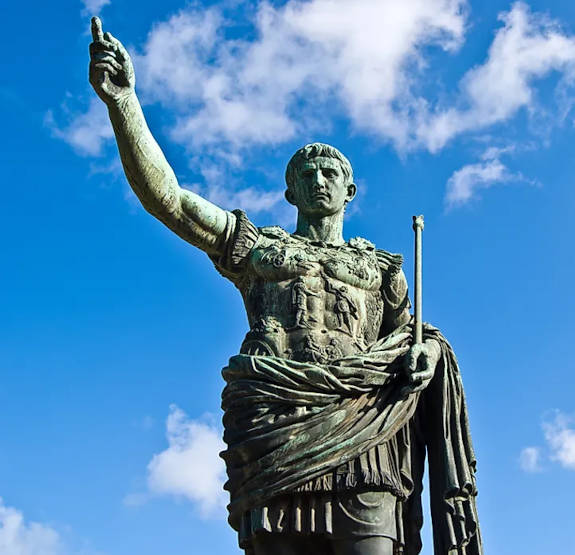
Our calendar is derived from the Roman calendar. The Ides is the only named day ion the Roman calendar that we’re familiar with today, the Ides of March. On this day in 44 BCE Roman Emperor Julius Caesar was assassinated. The Ides of a month is the 13th of the month except for March, May, July, and October when it’s the 15th. The Roman calendar has two other named days. The 1st of the month is called Kalend, from which we get our word calendar. The other day is Nones which is the 5th day of the month except for March, May, July, and October when it’s on the 7th. The other days are countdown days to those dates so tomorrow will be the 17th day before the Kalend of April. The countdown is to 1 not 0, if you’re counting.
My source: https://www.slideserve.com/jonah/roman-calendar
The astronomical event times given are for the Traverse City/Interlochen area of Michigan (EDT, UT–4 hours). They may be different for your location.
Addendum
This being a leap year, I will spend more time on these programs talking about the calendar. As you may know, we no longer use the Julian calendar for our normal calendar keeping functions. We use the Gregorian Calendar which is a modification of the Julian Calendar that was first made in the year 1582 CE. As we get closer to Easter I will delve into the Gregorian Calendar because it has everything to do with the date of Easter.
Ephemeris: 01/01/2024 – Why does the year start on January 1st?
Happy New Year! This is Ephemeris for New Year’s Day, Monday, January 1st 2024. The Sun will rise at 8:20. It’ll be up for 8 hours and 52 minutes, setting at 5:12. The Moon, 2 days before last quarter, will rise at 10:58 this evening.
Here we are January 1st the start of a new year. So why does the year start on January 1st? For a long time the Romans started their year in the middle of March near the vernal equinox, the Ides of March to be specific. The Hebrew calendar was the lunar calendar of either 12 or 13 months in a year so that 19 years in their lunar calendar was exactly 19 years on the Roman or Julian solar calendar. The Greeks until Roman times had a lunar calendar dictated haphazardly by every city state. Their year started with the summer solstice around mid-June. The Romans initially had a 10-month calendar. When they finally added those two months, the first they named after the god Janus the god of beginnings and endings, who had two faces, looking backward to the past and forward to the future.
The astronomical event times given are for the Traverse City/Interlochen area of Michigan (EST, UT –5 hours). They may be different for your location.
Addendum

Ephemeris: 10/10/2023 – The first computer programmer
This is Ephemeris for Ada Lovelace Day, Tuesday, October 10th. Today the Sun will be up for 11 hours and 15 minutes, setting at 7:07, and it will rise tomorrow at 7:52. The Moon, halfway from last quarter to new, will rise at 4:31 tomorrow morning.
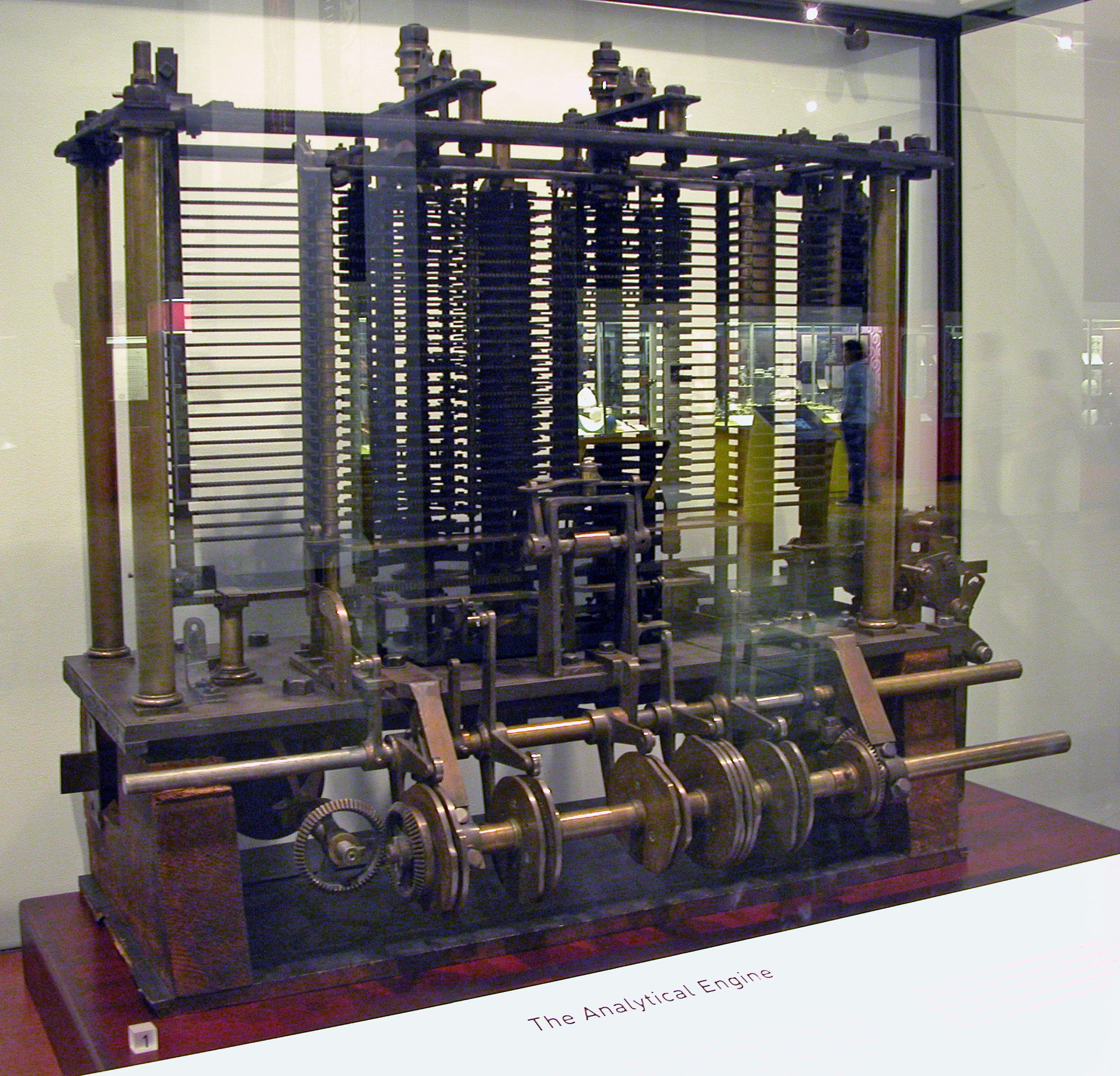
Ada Lovelace (1815-1852), or more properly Augusta Ada King, Countess of Lovelace, was the daughter of Lord Byron and worked for Charles Babbage, a brilliant mechanical engineer and mathematician in the early 19th century. She is considered the first computer programmer. She devised a way to use the same punch cards that were used on the Jacquard loom to store and run her programs, even though Babbage was unable to complete his mechanical computer the Analytical Engine in the mid 1800s. This day is set aside to celebrate the accomplishments of all the women of Science, Technology, Engineering and Math, (STEM). The computer language, Ada, was named after her, and was created for the US Department of Defense.
The astronomical event times given are for the Traverse City/Interlochen area of Michigan (EDT, UT –4 hours). They may be different for your location.
Addendum


 Bob Moler's Ephemeris Blog