Archive
Ephemeris: 11/14/2024 – SpaceX to deorbit the International Space Station
This is Ephemeris for Thursday, November 14th. Today the Sun will be up for 9 hours and 35 minutes, setting at 5:15, and it will rise tomorrow at 7:40. The Moon, 1 day before full, will set at 7:28 tomorrow morning.
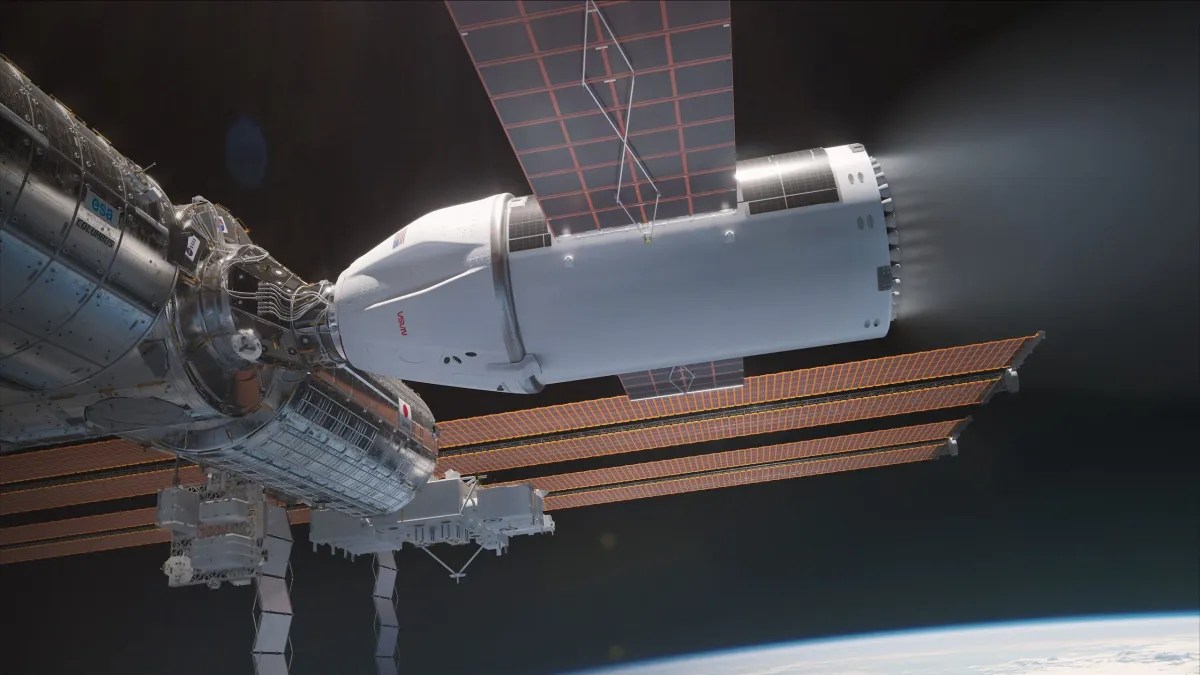
SpaceX has received a contract from NASA to deorbit the International Space Station around the year 2030. The contract is for a little bit less than a billion dollars. SpaceX will develop a special Dragon capsule with enough fuel to deorbit the space station. The idea is to drop the space station’s orbit over a period of months and guided in its final journey to a spot in the South Pacific Ocean called Point Nemo, which is the spot between New Zealand and Chile near longitude 120° W and latitude 50° South. Point Nemo is named after the captain of the fictional submarine Nautilus from the Jules Verne novel 20,000 Leagues Under the Sea. Point Nemo is the farthest point in the South Pacific Ocean from any landmass: island or continent.
The astronomical event times given are for the Traverse City/Interlochen area of Michigan (EST, UT – 5 hours). Times will be different for other locations.
Addendum
Ephemeris: 11/12/2024 – SpaceX uses Cargo Dragon to change orbit of the ISS
This is Bob Moler with Ephemeris for Tuesday, November 12th. Today the Sun will be up for 9 hours and 40 minutes, setting at 5:17, and it will rise tomorrow at 7:37. The Moon, halfway from first quarter to full, will set at 4:39 tomorrow morning.
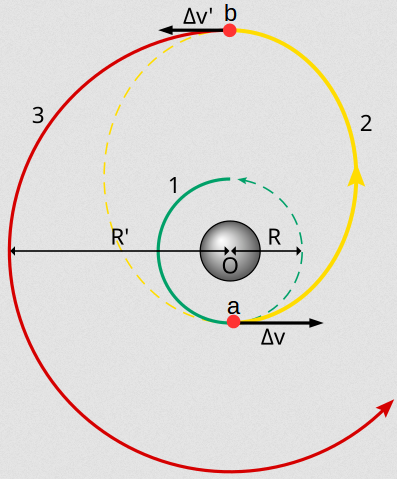
After the last SpaceX cargo mission arrived at the International Space Station, they used the thrusters on the SpaceX capsule to raise the orbital space station a little bit as a test. SpaceX capsules dock at the forward end of the space station according to direction of travel so in order to boost the station’s orbit they had to flip the station around so that the docking port was at the rear before they could apply the needed thrust. When thrust is applied to an object in orbit the effect of the change occurs mostly at the opposite side of the orbit. In order to permanently raise or lower an object’s circular orbit one must make 2 adjustments 180° away from each other. This is the essence of the Hohmann Transfer Orbit, proposed by German scientist Walter Hohmann in 1925.
The astronomical event times given are for the Traverse City/Interlochen area of Michigan (EST, UT – 5 hours). Times will be different for other locations
Addendum
Ephemeris: 08/27/2024 – Space news
Sorry, about posting this late. I was working on our astronomical society article and newsletter. The article will be posted as an Ephemeris Extra in a couple of weeks. For a preview see my August 22nd post.
This is Ephemeris for Tuesday, August 27th. Today the Sun will be up for 13 hours and 27 minutes, setting at 8:27, and it will rise tomorrow at 7:01. The Moon, 1 day past last quarter, will rise at 12:55 tomorrow morning.
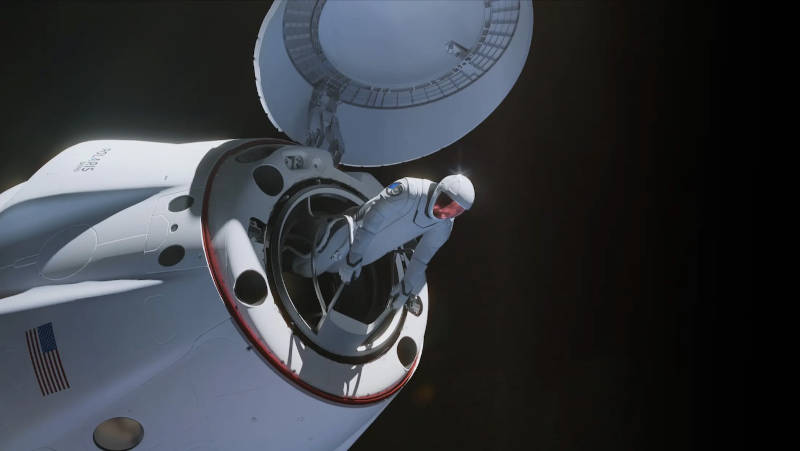
Let’s take a look at some space news. Today is the first day of the launch window for the SpaceX commercial mission Polaris Dawn where 4 private astronauts will ride a SpaceX Dragon capsule to the highest point astronauts have been since the Apollo days, some 1400 kilometers or 870 miles above the Earth. They will also perform the first commercial EVA or space walk. Two of the astronauts will take turns poking their body out the hatch capsule for a short period of time. They will not be free floating, but they will be connected to the capsule by foot or hand restraints.
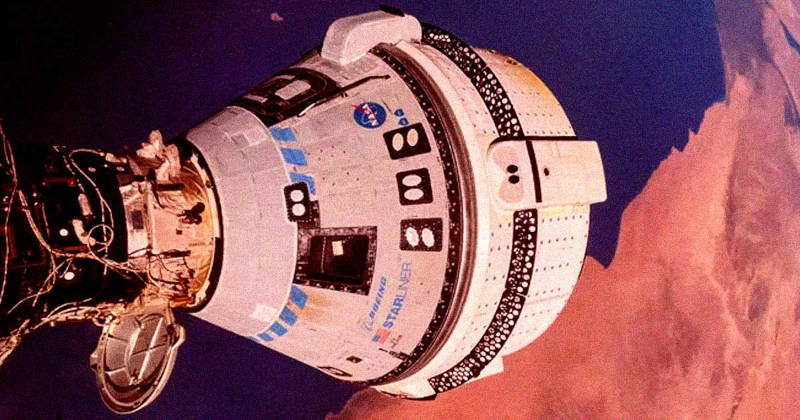
In other news NASA has decided to bring Suni Williams and Butch Wilmore, the Boeing Starliner test astronauts, back to Earth on a Dragon capsule in February due to safety concerns.
The astronomical event times given are for the Traverse City/Interlochen area of Michigan (EDT, UT–4 hours). Times will be different for other locations.
Addendum
Ephemeris: 07/28/2023 – Sun and Star Party scheduled for tomorrow at the Sleeping Bear Dunes
This is Ephemeris for Friday, July 28th. Today the Sun will be up for 14 hours and 49 minutes, setting at 9:13, and it will rise tomorrow at 6:25. The Moon, 3 days past first quarter, will set at 2:19 tomorrow morning.
Tomorrow, the Sleeping Bear Dunes National Lakeshore and the Grand Traverse Astronomical Society will host a Sun and Star Party at the Dune Climb area of the park. There will be a solar viewing period from 5 pm to about 7 pm. The society has two hydrogen alpha solar telescopes to view the Sun’s chromosphere and prominences. Plus, some members also have solar scopes and white light filtered telescopes to view sunspots on the face of the Sun. Night viewing will start at 9 pm with the Moon featured, along with the brighter telescopic wonders of summer. The park rangers will leave at 11 pm, but society members will stay later to get a good view of Saturn as it moves higher in the sky. All this will happen only if clouds permit.
The astronomical event times given are for the Traverse City/Interlochen area of Michigan (EDT, UT –4 hours). They may be different for your location.
Addendum
There will be a pass of the International Space Station starting in the WNW at 9:48 pm, reaching maximum altitude at 9:52 pm of 63o in the SW, entering the Earth’s shadow at 9:55 pm. Note, these are specific times to the nearest minute for the Dune Climb, but close for the Grand Traverse area of Michigan. For other locations, go to: heavens-above.com.
05/26/2023 – Ephemeris – Sun & Star Party tomorrow at the Sleeping Bear Dunes National Lakeshore
This is Bob Moler with Ephemeris for Friday, May 26th. Today the Sun will be up for 15 hours and 11 minutes, setting at 9:15, and it will rise tomorrow at 6:03. The Moon, 1 day before first quarter, will set at 2:48 tomorrow morning.
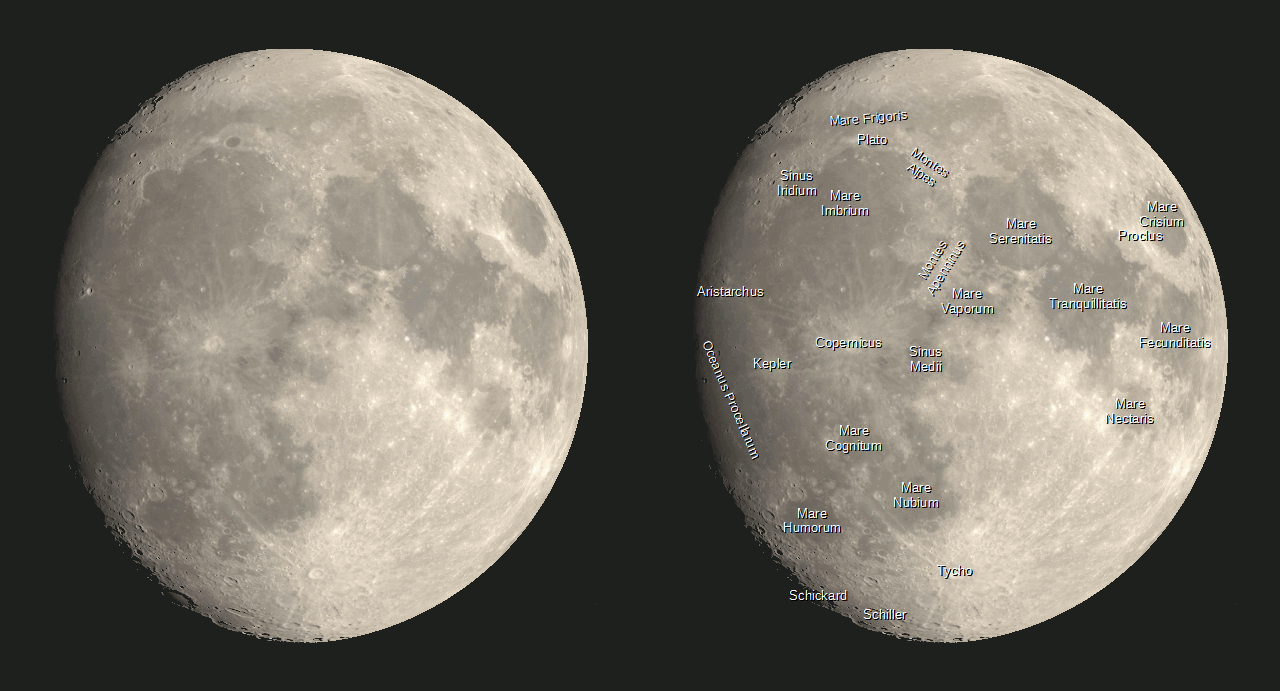
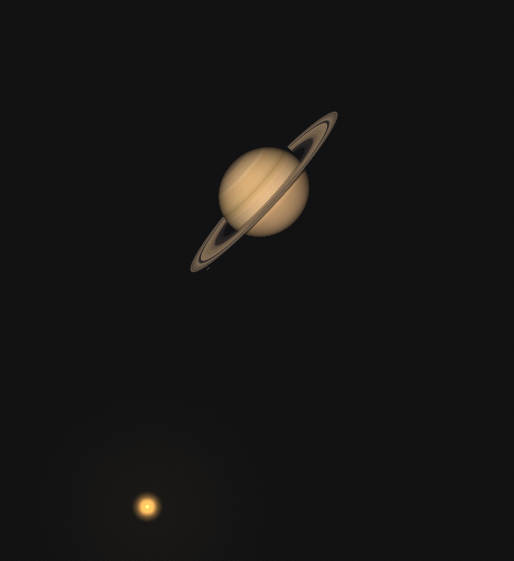
Tomorrow, the Sleeping Bear Dunes National Lakeshore and the Grand Traverse Astronomical Society will host a Sun and Star Party at the Dune Climb area of the park. There will be a solar viewing period from 5 pm to about 7 pm. The society has two hydrogen alpha solar telescopes to view the Sun’s chromosphere and prominences. Plus, some members also have solar scopes and white light filtered telescopes to view sunspots on the face of the Sun. Night viewing will start at 9 pm, with the Moon and Venus featured, along with the brighter telescopic wonders of late spring. There will be a pass of the International Space Station from 10:11 to 10:18 pm. The rangers will have an alternate program if it’s cloudy.
The astronomical event times given are for the Traverse City/Interlochen area of Michigan (EDT, UT –4 hours). They may be different for your location.
Addendum
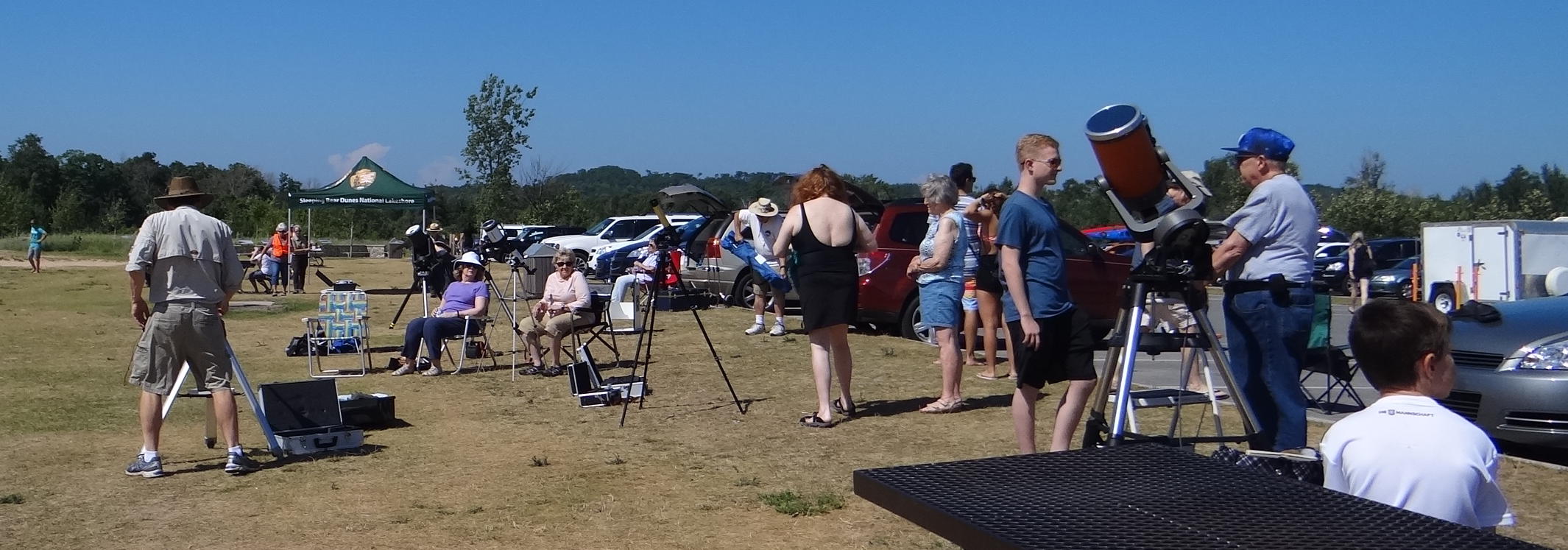
A Sun Party at the Dune Climb. Credit: Eileen Carlisle.
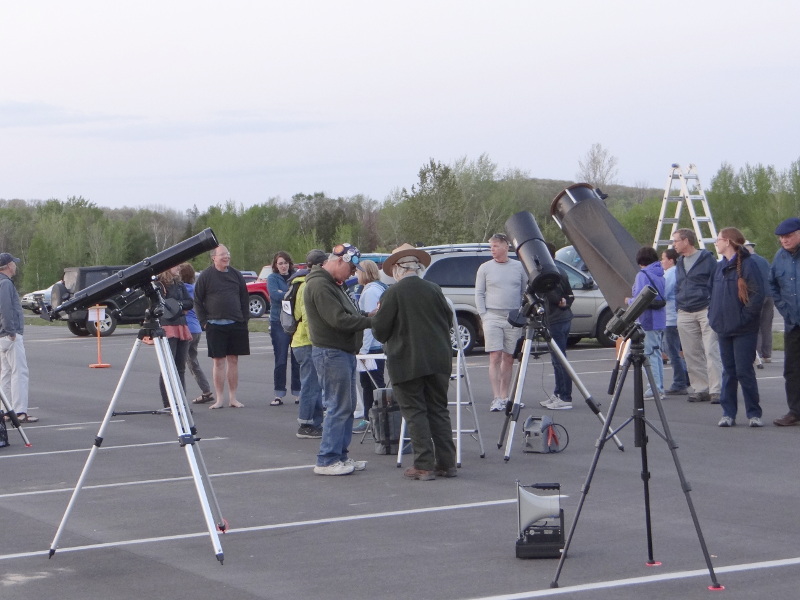
Preparing to start the May star party, several years ago at the Dune Climb. A few of the telescopes are visible, including the GTAS 25″ “Emmettron” telescope at the far right background. Credit: Eileen Carlisle.
09/13/2022 – Ephemeris – SpaceX Crew-5 flight to the ISS will be commanded by first Native American female astronaut
This is Ephemeris for Tuesday, September 13th. Today the Sun will be up for 12 hours and 37 minutes, setting at 7:57, and it will rise tomorrow at 7:20. The Moon, 3 days past full, will rise at 9:38 this evening.
On or around October 3rd a SpaceX Crew Dragon capsule will be launched to the International Space Station with an international crew of four with the first female Native American astronaut Nicole Mann as commander, pilot Josh Cassada, both NASA astronauts, Japanese astronaut Koichi Wakata, and Russian cosmonaut Anna Kikina. Nicole Mann, a member of the Round Valley Indian Tribes of northern California, is also the first female commander of a Commercial Crew spacecraft. She was originally assigned to the Boeing CST-100 Starliner, but was transferred to the SpaceX Dragon due to the prolonged problems with the former vehicle. Crew 5 will be a part of Expeditions 67 and 68 on the International Space Station.
The astronomical event times given are for the Traverse City/Interlochen area of Michigan (EDT, UT – 4 hours). They may be different for your location.
Addendum
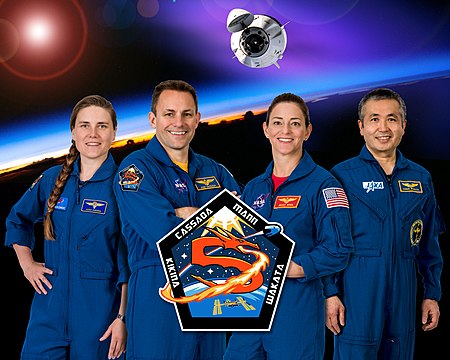
SpaceX Crew-5 Official Crew Portrait – Left to right: Anna Kikina, Josh Cassada, Nicole Mann and Koichi Wakata.
04/05/2022 – Ephemeris – The first Axiom Space mission to the ISS amid a busy April
This is Bob Moler with Ephemeris for Tuesday, April 5th. Today the Sun will be up for 12 hours and 59 minutes, setting at 8:15, and it will rise tomorrow at 7:14. The Moon, halfway from new to first quarter, will set at 1:15 tomorrow morning.
One of the commercial entities working to launch their own space station is Axiom Space, founded in 2016. The first Axiom mission is Ax-1, an 8-day mission to the International Space Station that, as of when I am recording this last Sunday night, is scheduled for tomorrow on a SpaceX Falcon 9/Crew Dragon from launch pad 39A at Cape Canaveral. The Artemis-1 wet dress rehearsal was halted earlier Sunday due to a pressurization problem with the mobile launch tower. That’s on pad 39B, a bit over a mile and a half away. I’m assuming that Artemis-1 has priority over the Axiom mission. Plus, there’s the SpaceX Crew-5 launch later this month to the space station, which also has president. It could be an interesting time at the Cape.
The astronomical event times given are for the Traverse City/Interlochen area of Michigan (EDT, UT – 4 hours). They may be different for your location.
Addendum
April 4, 2022: The SpaceX Axiom-1 launch is now scheduled for no earlier than Friday, April 8, for an 8-day mission to the International Space Station (ISS). The SpaceX Crew-4 launch had previously been pushed back to April 20. The Crew-3 return from the ISS was to be 5 days later.
The Artemis-1 Wet Dress Rehearsal was scrubbed April 4th with a malfunctioning vent valve. A successful test will have fuel and oxidizer loaded and all prelaunch functions completed, and counted down to a bit over 9 seconds to launch.
Axiom Space: space station plan
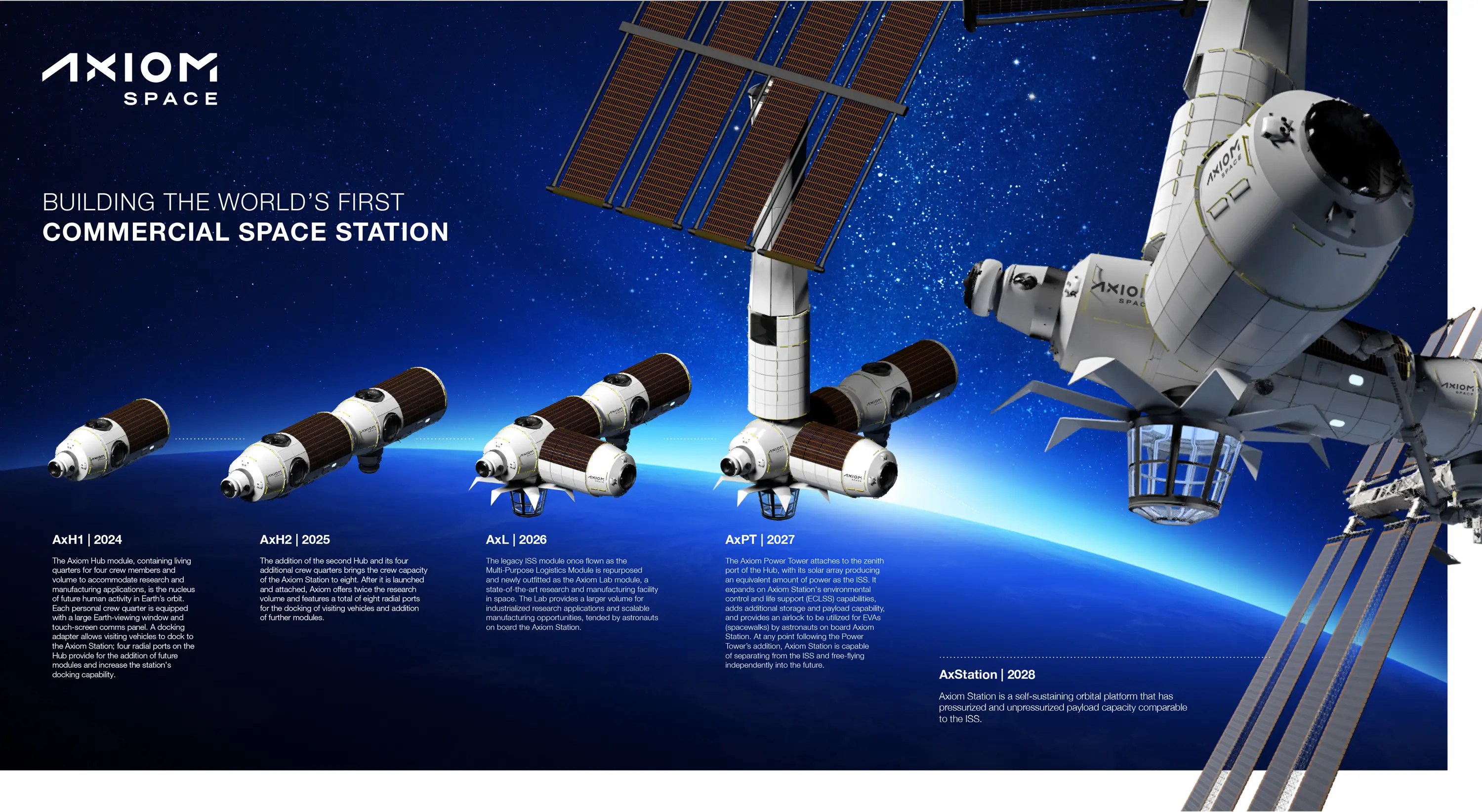
The planned evolution of the Axiom commercial space station. It will start being a module attached to the ISS starting in 2024, according to the current plan. Various modules will be attached. After the power tower containing solar panels is attached, it can be detached from the ISS to fly free. Click on the image to enlarge. Credit: Axiom Space.
09/28/2017 – Ephemeris – View the Moon and Saturn tonight at the library
Ephemeris for Thursday, September 28th. The Sun will rise at 7:37. It’ll be up for 11 hours and 51 minutes, setting at 7:28. The Moon, 1 day past first quarter, will set at 1:05 tomorrow morning.
Tonight the Grand Traverse Astronomical Society will set up their telescopes at the Traverse Area District Library Central Library on Woodmere Avenue in Traverse City from 7 to 9 p.m. weather permitting for a star party, though it won’t actually feature stars. It will feature the Moon in its gibbous phase and the planet Saturn probably after 8 p.m. We might also catch a glimpse of the Sun, since the event starts before sunset. The Sun’s sunspot activity has picked up a bit in the last month or so, since just before August’s solar eclipse. We’ve had a pretty sunspot-less early summer.
There will be a visible pass of the International Space Station, which will be high in the south at 8:30 p.m. It will rise above the southwestern horizon at 8:25, and disappear into earth’s shadow at 8:33 p.m. in the south-southeast. It will be visible from anywhere in Michigan, though the times may vary by a minute or so. It’s traveling at 5 miles per second (8 km/s).
The library has a telescope, donated by the society and Enerdyne that they lend out, which has been in heavy demand. See the library for details.
The times given are for the Traverse City/Interlochen area of Michigan. They may be different for your location.
04/21/2016 – Ephemeris – Up up and a way my beautiful balloon*
Ephemeris for Thursday, April 21st. The Sun rises at 6:47. It’ll be up for 13 hours and 48 minutes, setting at 8:36. The Moon, 1 day before full, will set at 7:16 tomorrow morning.
The successful launch of the SpaceX Falcon 9 spacecraft and the Dragon module marked the returned SpaceX to supplying the International Space Station after its failure last June. Besides the great achievement of landing the first stage of the Falcon on a barge, it delivered the Bigelow Aerospace BEAM inflatable module to the ISS. It’s already been attached to the station and will be inflated next month. Bigelow already has two inflatable satellites in orbit: Genesis I and II launched in 2006 and 2007 and though retired, are still in orbit. Inflatable spacecraft offer maximum volume for minimum weight. If the tests on the space station prove the concept, the Mars manned spacecraft may feature an inflatable living module.
Times are for the Traverse City/Interlochen area of Michigan. They may be different for your location.
*Apologies to the 5th Dimension and Bigelow Aerospace.
Addendum
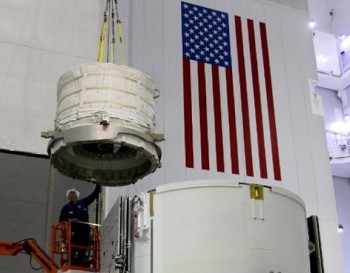
The BEAM module being loaded in the Dragon Trunk. Credit NASA / SpaceX.
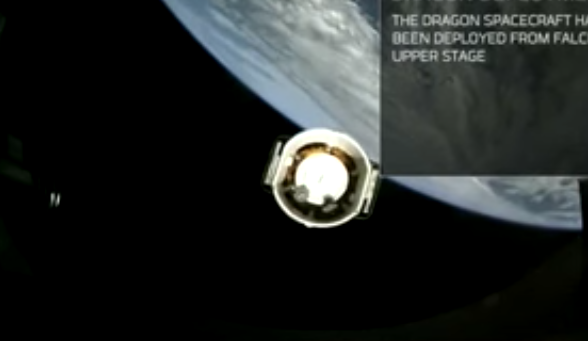
Dragon separating from the Falcon second stage with the BEAM module seen in the Dragon trunk. From a SpaceX/NASA video.
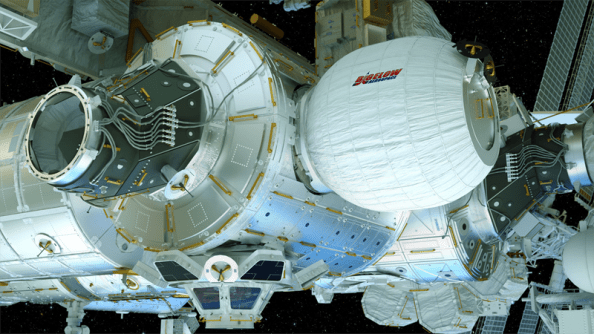
What the BEAM module will look like when attached to the ISS and inflated. Credit NASA.
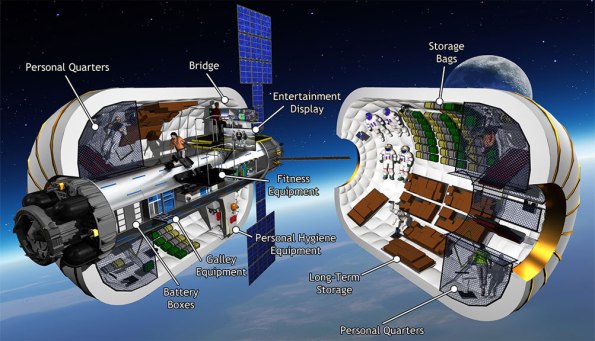
Cutaway view of the Bigelow Aerospace B330 Expandable Space Habitat. They are contracting with United Launch Alliance to send it into orbit. It will have 330 cubic meters of volume. Credit Bigelow Aerospace.
 Bob Moler's Ephemeris Blog