Archive
03/08/2017 – Ephemeris – Bright planet Wednesday
Ephemeris for Wednesday, March 8th. The Sun will rise at 7:07. It’ll be up for 11 hours and 32 minutes, setting at 6:39. The Moon, 3 days past first quarter, will set at 5:24 tomorrow morning.
Let’s check out the bright planets for this week. Venus and Mars are in the evening sky. At 7:30 p.m. these planets will be seen in the western sky. Venus is unmistakable as the brilliant evening star, Mars will be left and above it and much dimmer. Venus exhibits a dazzling crescent in small telescopes and binoculars now. It looks like a tiny Cheshire Cat grin. Telescopes, however can turn that grin into a frown. It will set at 9:01 p.m. while Mars will set at 10:12. Jupiter will rise in the east at 9:22 p.m. It will also be seen in the morning in the southwest above the star Spica. Saturn can be glimpsed this and tomorrow mornings in the south-southeast before 6:30 a.m. It will rise tomorrow at 2:53 a.m. in the east-southeast.
Times are for the Traverse City/Interlochen area of Michigan. They may be different for your location.
Addendum
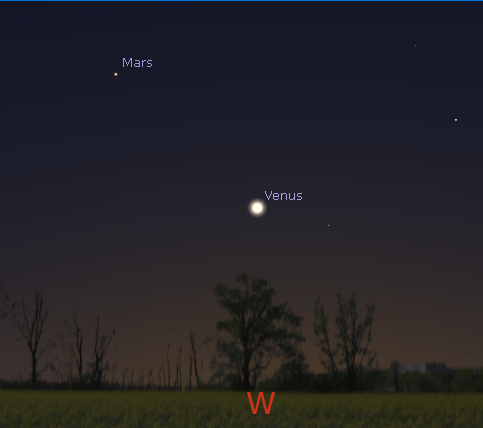
Venus and Mars in the west at 7:30 p.m. March 8, 2017. Created using Stellarium.
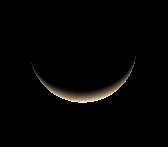
The thin sliver of Venus as it might appear in a telescope tonight March 8, 2017. I processed the image to overexpose it as it would appear in a telescope. Created using Stellarium.
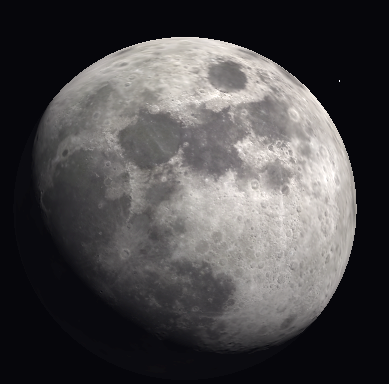
The gibbous Moon as it might look in binoculars. 7:30 p.m. March 8, 2017. Created using Stellarium.
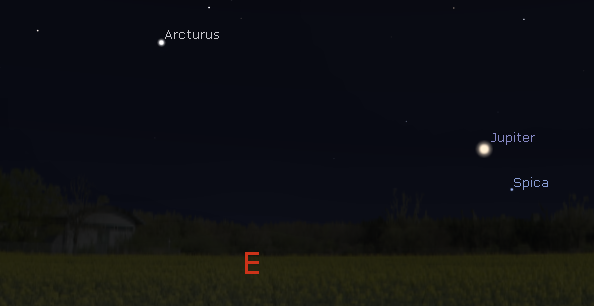
Jupiter rising in the east at 10:30 p.m. near the star Spica. Created using Stellarium.
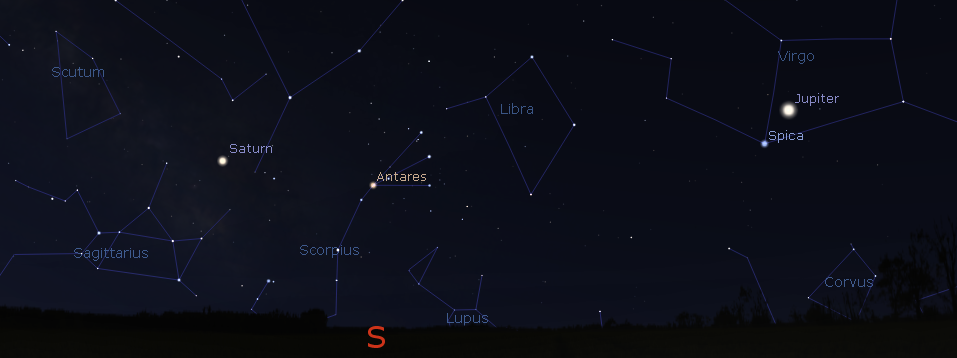
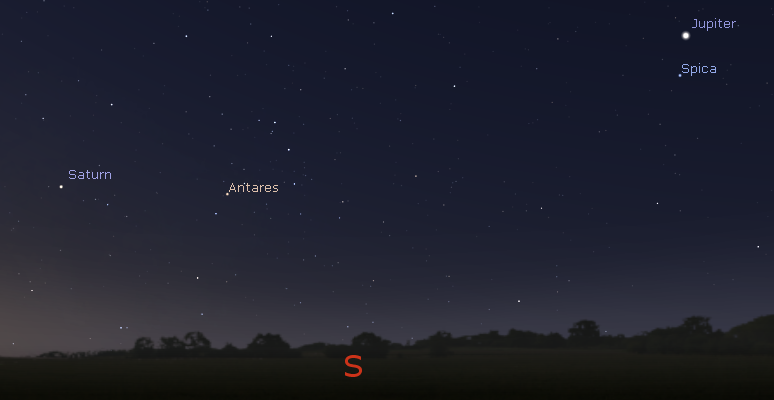
Jupiter in the southwest above the star Spica with Saturn the south-southeast at a.m. tomorrow morning, March 9, 2017. Created using Stellarium.
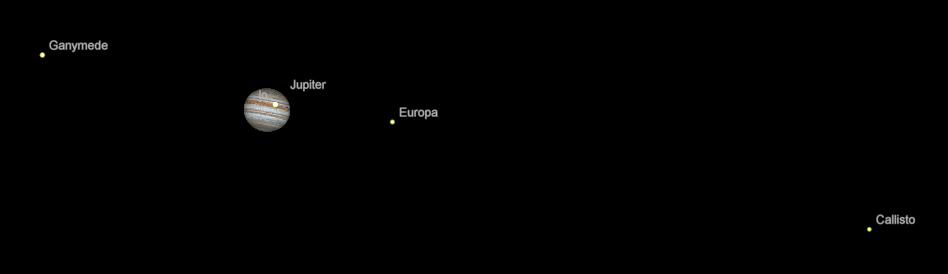
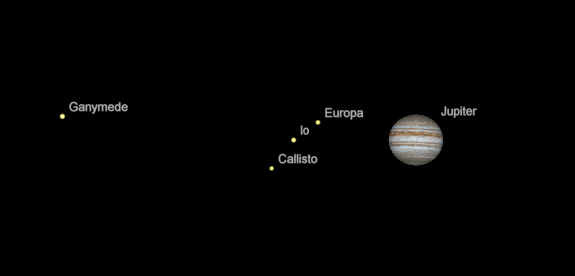
Jupiter and its moons at 6 a.m. (11:00 UT) March 9, 2017. Note that Io is transiting the planet at that time. See the list of events for it below. Created using Cartes du Ciel (Sky Charts).
Events related to the Io transit in the early morning of March 9, 2017
Io’s shadow starts to cross the face of Jupiter: 9 Mar 2017 8:54 UT or 3:54 a.m. EST
Io’s transit of Jupiter starts: 9 Mar 2017 9:35 UT or 4:54 a.m. EST
Io’s shadow leaves the face of Jupiter: 9 Mar 2017 11:05 UT or 6:05 a.m. EST
Io’s transit of Jupiter ends: 9 Mar 2017 11:44 UT or 6:44 a.m. EST
Above times are from Project Pluto: https://www.projectpluto.com/jevent.htm. Shadow crossings and transits are difficult to observe. The beginnings and endings of transits are visible as the satellite disappears and reappears at the edge of the planet.
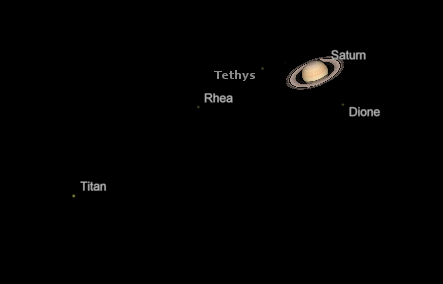
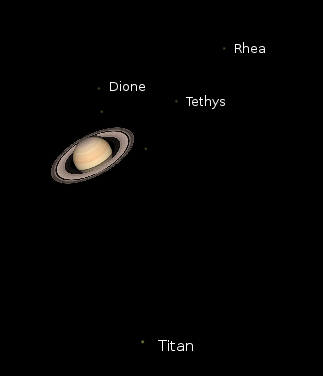
Saturn and its brightest moons as they might appear in telescopes tomorrow morning at 6 a.m. March 9, 2017. Created using Cartes du Ciel (Sky Charts).
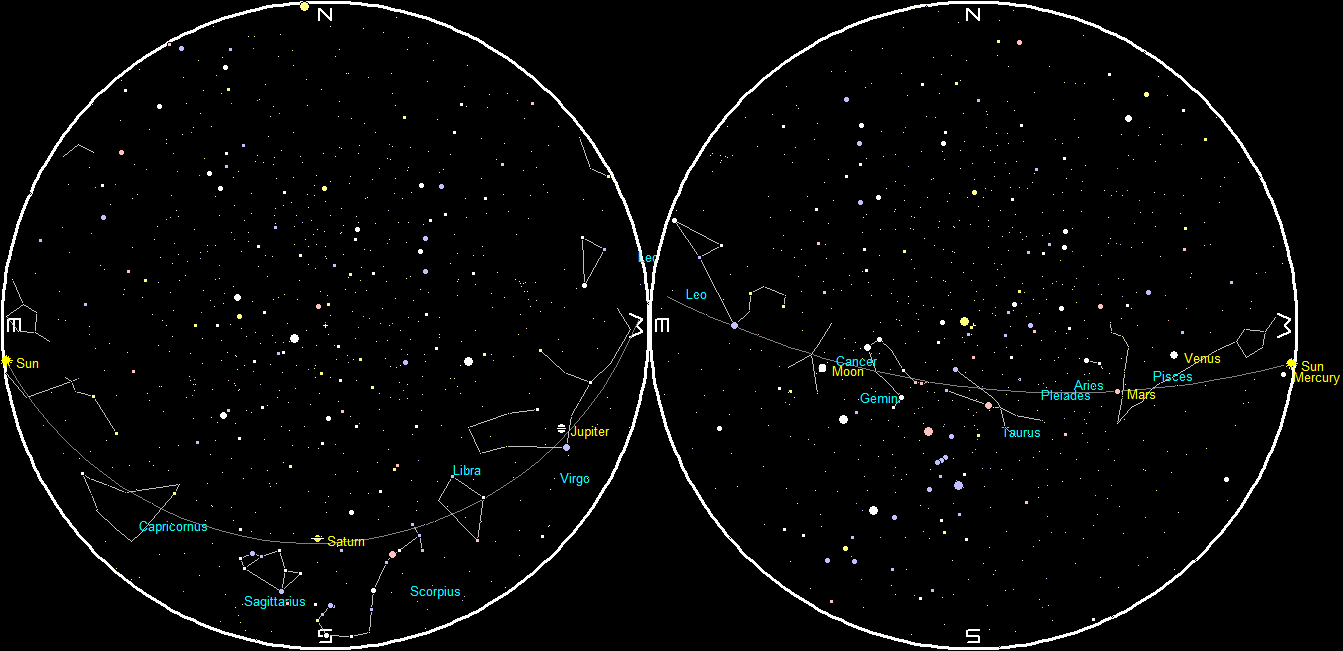
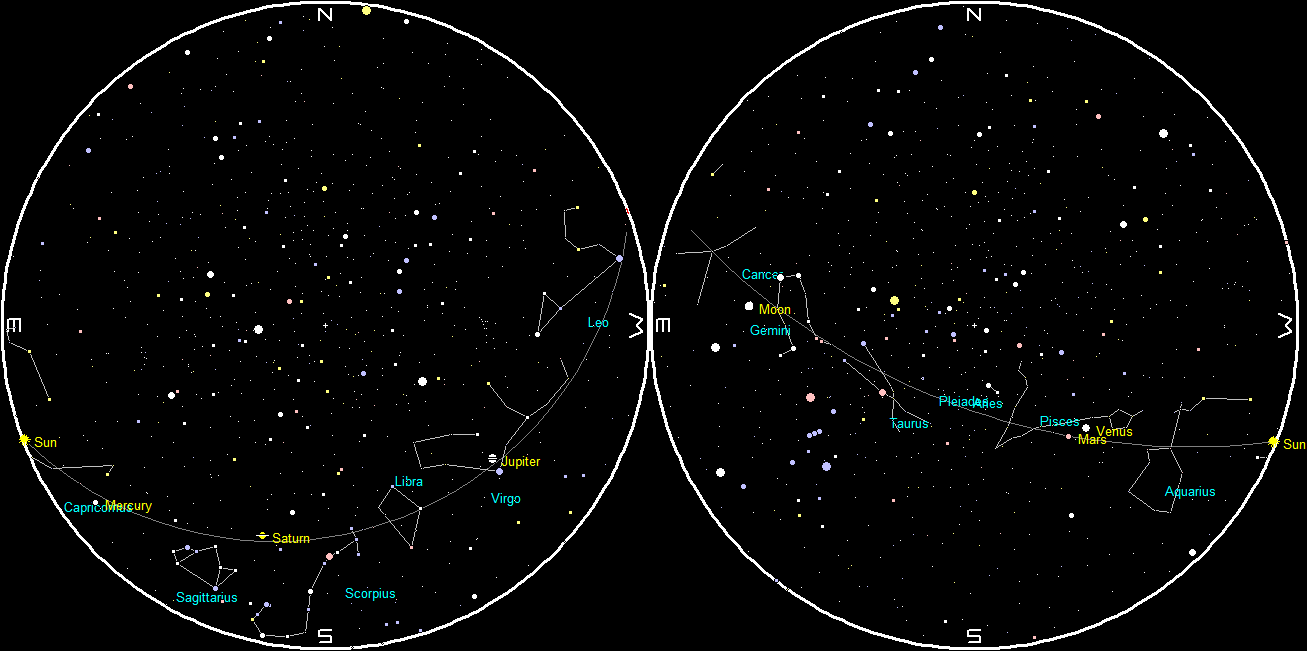
Planets and the Moon at sunset and sunrise of a single night starting with sunset on the right on March 8, 2017. The night ends on the left with sunrise on March 9. Click on image to enlarge. Created using my LookingUp program.
03/01/2017 – Ephemeris – It’s Bright Planet Wednesday!
Ephemeris for Ash Wednesday, Wednesday, March 1st. The Sun will rise at 7:19. It’ll be up for 11 hours and 11 minutes, setting at 6:30. The Moon, 3 days past new, will set at 10:14 this evening.
Let’s check out the bright planets for this week. Saturn can be glimpsed this and tomorrow mornings in the southeast before 6:30 a.m. It will rise tomorrow at 3:19 a.m. in the east-southeast. Jupiter can be seen in the southwest these mornings above the star Spica, and later tonight. The giant planet will rise in the east at 9:52 p.m. Venus and Mars are in the evening sky. At 7:30 p.m. these planets will be seen in the western sky. Venus is unmistakable as the brilliant evening star, Mars will be left and above it and much dimmer. The Moon will be left of it tonight.. Venus will set at 9:26 p.m. while Mars will set at 10:13. Venus exhibits a dazzling crescent in small telescopes and binoculars now.
Times are for the Traverse City/Interlochen area of Michigan. They may be different for your location.
Addendum
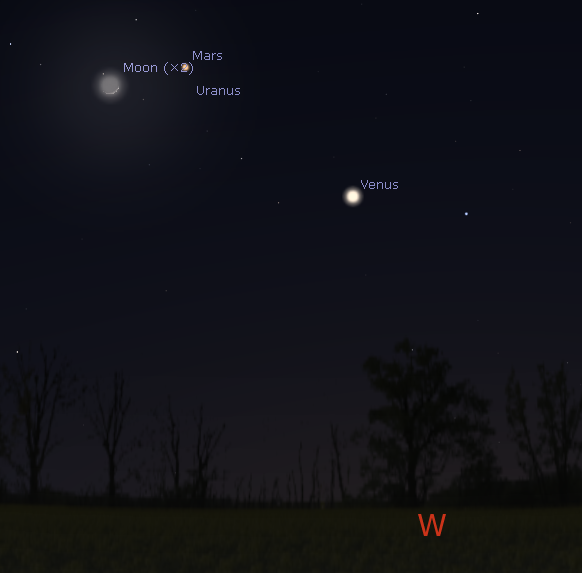
Venus. Mars and the Moon in the west at 7:30 p.m. March 1, 2017. The Moon is twice its actual size for clarity. Created using Stellarium.
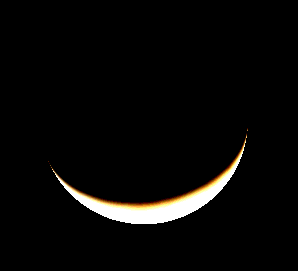
Venus as it might appear in a telescope tonight March 1, 2017. I processed the image to overexpose it as it would appear in a telescope. Created using Stellarium.
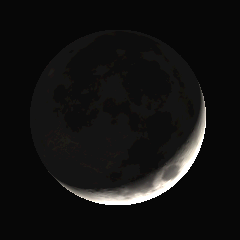
The crescent Moon with earth shine as it might look in binoculars. 7:30 p.m. March 1, 2017. Created using Stellarium.
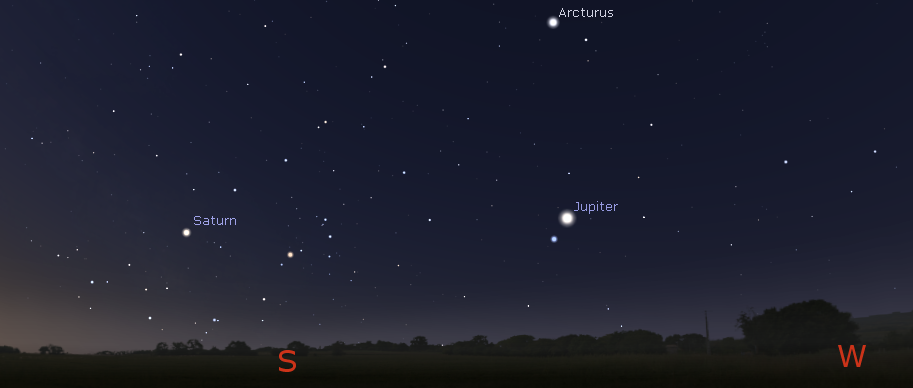
Jupiter in the southwest above the star Spica with Saturn in the south at 6:30 a.m. tomorrow morning, Match 2, 2017. Created using Stellarium.
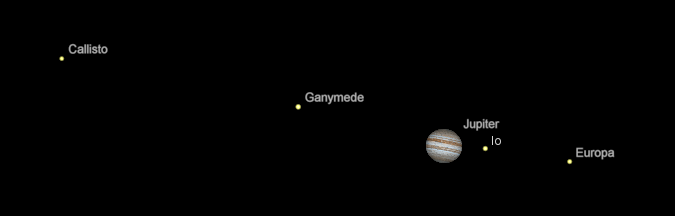
Jupiter and its moons as they might appear in telescopes tomorrow morning at 6:30 a.m. March 2, 2017. Created using Cartes du Ciel (Sky Charts).
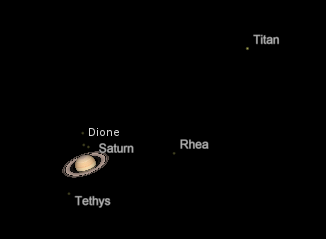
Saturn and its brightest moons as they might appear in telescopes tomorrow morning at 6:30 a.m. March 2, 2017. Created using Cartes du Ciel (Sky Charts).
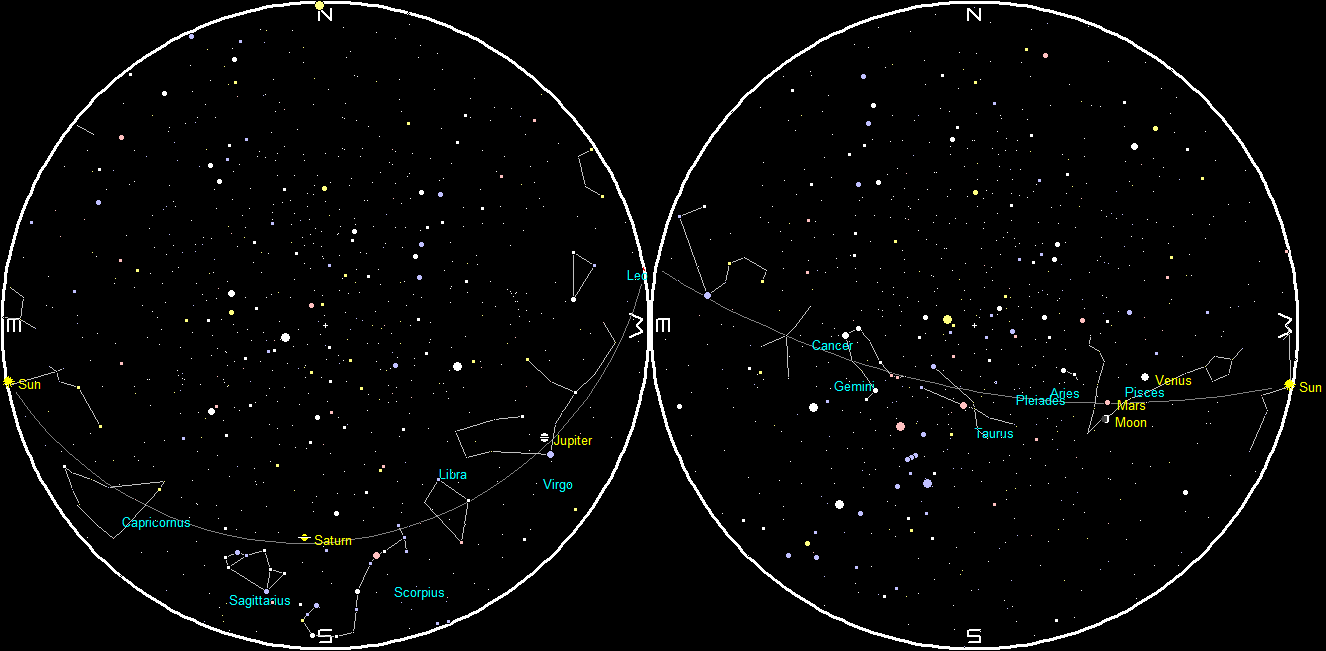
Planets and Moon at sunset and sunrise of a single night starting with sunset on the right on March 1, 2017. The night ends on the left with sunrise on March 2. Click on image to enlarge. Created using my LookingUp program.
02/22/2017 – Ephemeris – The planets this morning and tonight
Ephemeris for Wednesday, February 22nd. The Sun will rise at 7:31. It’ll be up for 10 hours and 50 minutes, setting at 6:21. The Moon, half way from last quarter to new, will rise at 5:33 tomorrow morning.
Let’s check out the bright planets for this week. Saturn can be glimpsed this morning in the southeast before 7 a.m. It will rise tomorrow at 3:45 a.m. in the east-southeast. Jupiter can be seen in the south-southwest this morning above the star Spica. The giant planet will rise tonight in the east at 10:22 p.m. Venus and Mars are in the evening sky. At 7 p.m. these planets will be seen in the western sky. Venus is unmistakable as the brilliant evening star, Mars will be left and above it and much dimmer. Venus will set at 9:45 p.m. while Mars will set at 10:13. Venus exhibits a dazzling crescent in small telescopes now, but a month from now it will be too close to the Sun to be seen.
Times are for the Traverse City/Interlochen area of Michigan. They may be different for your location.
Addendum
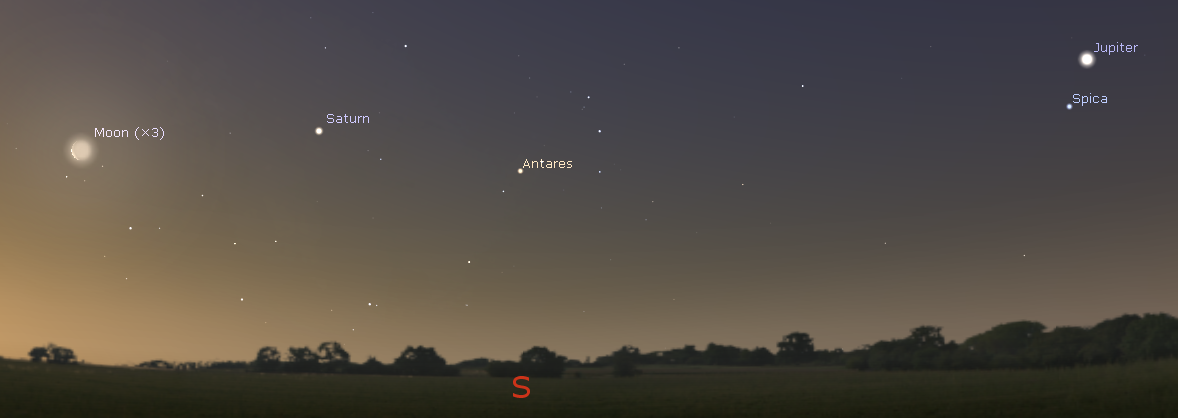
Jupiter in the south above the star Spica with Saturn in the southeast and the crescent Moon further to the left at 7 a.m. this morning, February 22, 2017. Created using Stellarium.
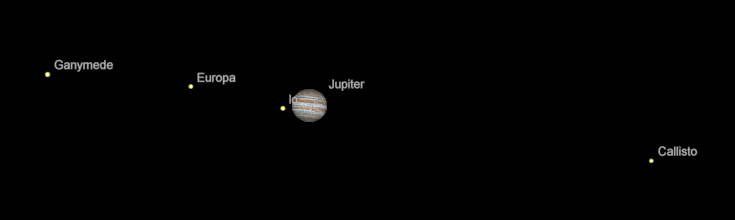
Jupiter and its moons as they might appear in telescopes this morning at 6:30 a.m. February 22, 2017. Created using Cartes du Ciel (Sky Charts).
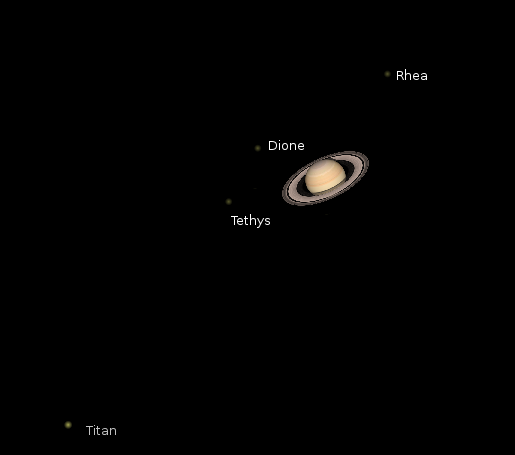
Saturn and its brightest moons as they might appear in telescopes this morning at 6:30 a.m. February 22, 2017. Created using Cartes du Ciel (Sky Charts).
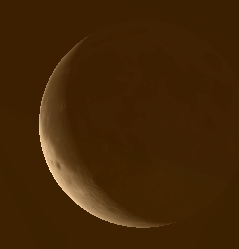
The Moon as it might appear in binoculars at 6:30 a.m. this morning February 22, 2017. Created using Stellarium.
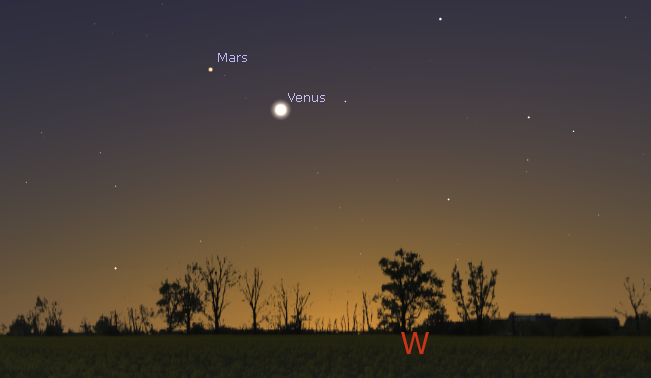
Venus and Mars in the evening twilight of about an hour after sunset. at 7 p.m. tonight February 22, 2017. Venus is now drawing away from Mars as it heads toward and north of the Sun. Their apparent paths won’t cross again until October in the morning sky. Created using Stellarium.
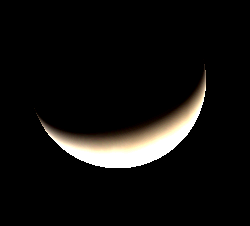
Venus as it might appear in a telescope tonight February 22, 2017. I processed the image to overexpose it as it would appear in a telescope. Created using Stellarium.
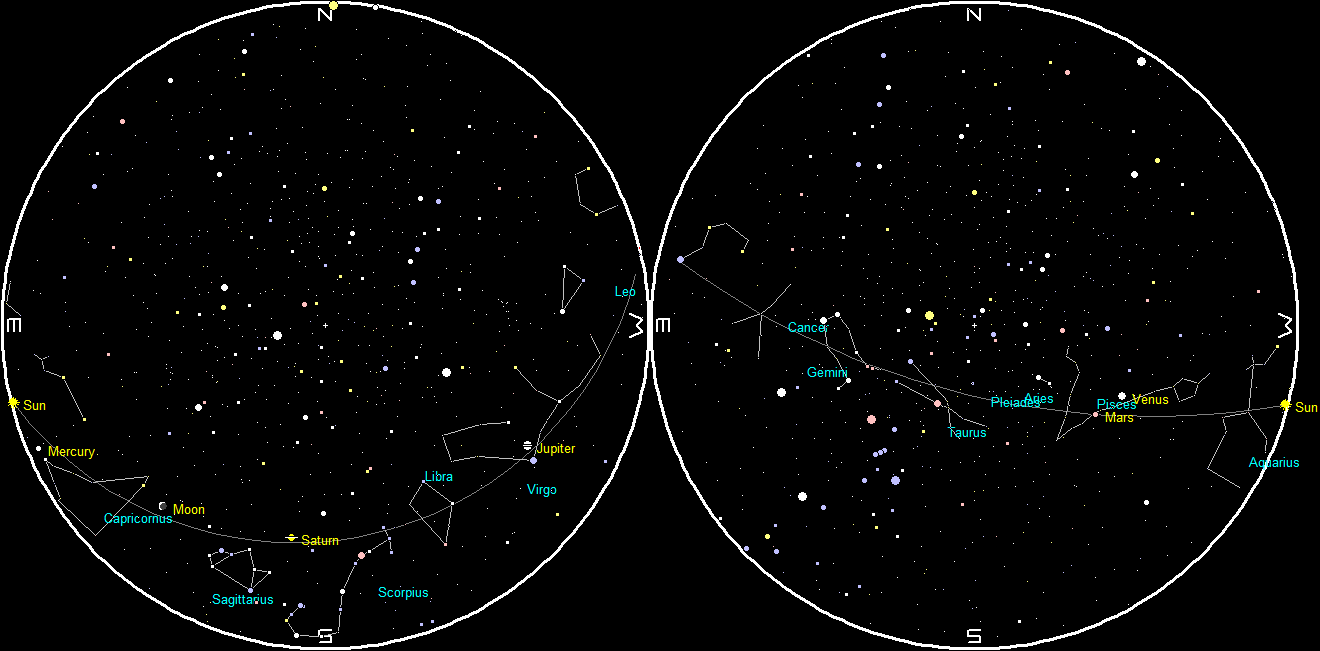
Planets and Moon at sunset and sunrise of a single night starting with sunset on the right on February 22, 2017. The night ends on the left with sunrise on February 23. Click on image to enlarge. Created using my LookingUp program.
02/15/2017 – Ephemeris – Your weekly look at the bright planets
Ephemeris for Wednesday, February 15th. The Sun will rise at 7:42. It’ll be up for 10 hours and 29 minutes, setting at 6:11. The Moon, 3 days before last quarter, will rise at 11:18 this evening.
Let’s check out the bright planets for this week. Saturn can be glimpsed this morning in the southeast at 7 a.m. It will rise tomorrow at 4:10 a.m. in the east-southeast. Jupiter can be seen in the south-southwest this morning above the star Spica in Virgo and below left of the Moon. Jupiter will rise tonight in the east at 10:47 p.m. Venus and Mars are in the evening sky. At 7 p.m. these planets will be seen in the west-southwestern sky. Venus is unmistakable as the brilliant evening star, Mars will be left and above it and much dimmer. Venus will set at 9:52 p.m. while Mars will set at 10:14. Venus exhibits a dazzling crescent in small telescopes now, but a month from now as it gets closer to Earth the thinning crescent will be big enough to be seen in binoculars.
Times are for the Traverse City/Interlochen area of Michigan. They may be different for your location.
Addendum
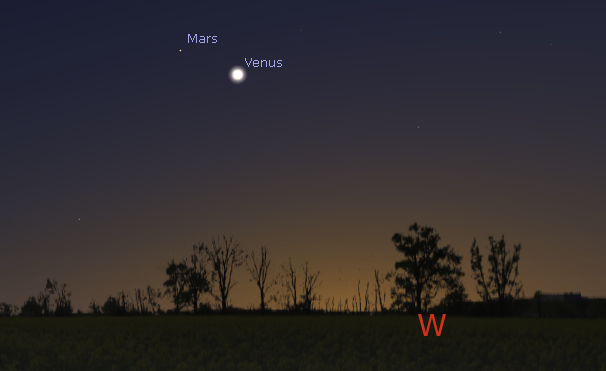
Venus and Mars in the evening twilight of about an hour after sunset. 7 p.m. February 15, 2017. Venus is now drawing away from Mars as it heads toward the Sun faster than Mars. Their apparent paths won’t cross again until October in the morning sky. Created using Stellarium.
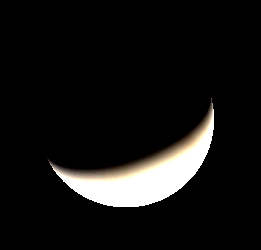
Venus as it might appear in a telescope tonight February 15, 2017. I processed the image to overexpose it as it would appear in a telescope. Venus is getting closer to the Earth at 40.5 million miles, 65.2 million km. It is 38.3″ (arc seconds) in diameter, slightly smaller that Jupiter’s apparent diameter. Created using Stellarium.
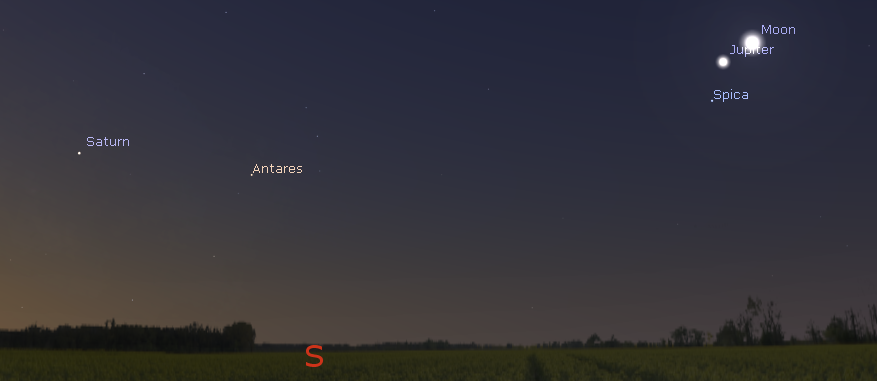
Jupiter in the south above the star Spica and the waning gibbous Moon to the right with Saturn in the southeast at 7 a.m. this morning, February 15, 2017. Created using Stellarium.
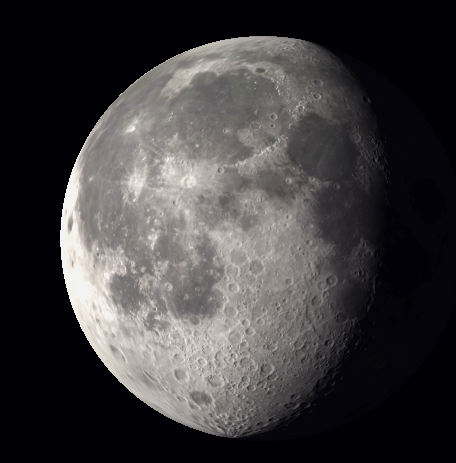
What the waning gibbous Moon might look like in binoculars this morning at 7 a.m. February 15, 2017. Created using Stellarium.
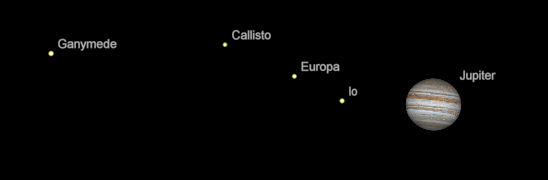
Jupiter and its moons hanging on the east side of the planet as they might appear in telescopes this morning at 7 a.m. February 15, 2017. Created using Cartes du Ciel (Sky Charts).
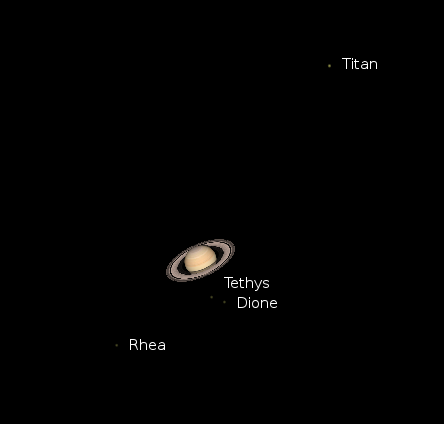
Saturn and its brightest moons as they might appear in telescopes this morning at 7 a.m. February 15, 2017. Created using Cartes du Ciel (Sky Charts).
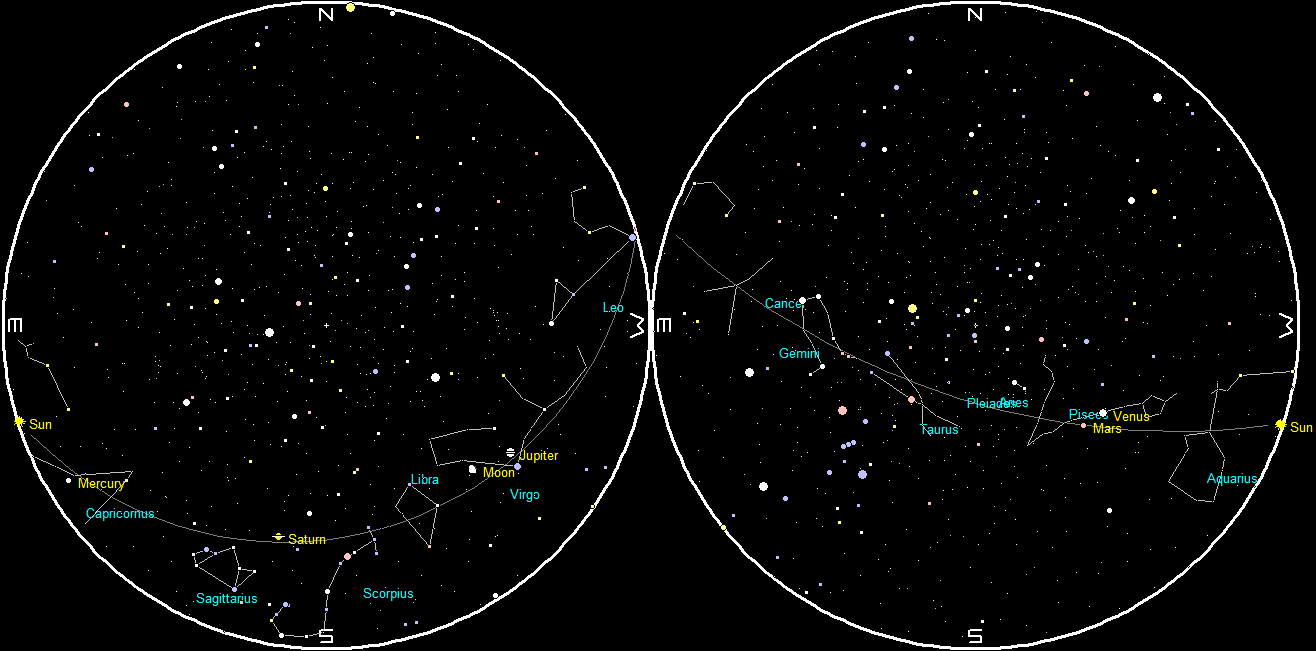
Planets and Moon at sunset and sunrise of a single night starting with sunset on the right on February 15, 2017. The night ends on the left with sunrise on February 16. Click on image to enlarge. Created using my LookingUp program.
02/08/2017 – Ephemeris – Four bright planets are visible, two each in the evening and morning
Ephemeris for Wednesday, February 8th. The Sun will rise at 7:52. It’ll be up for 10 hours and 9 minutes, setting at 6:01. The Moon, 2 days before full, will set at 6:44 tomorrow morning.
Let’s check out the bright planets for this week. Saturn can be glimpsed this morning in the southeast at 7 a.m. It will rise tomorrow at 4:35 a.m. in the east-southeast. Jupiter can be seen in the south-southwest this morning above the star Spica in Virgo. Jupiter will rise tonight at 11:19 p.m. Venus and Mars are in the evening sky. At 7 p.m. these planets will be seen in the west-southwestern sky. Venus is unmistakable as the brilliant evening star, Mars will be left and above it and much dimmer. Mars will set at 10:14. Venus itself will set at 9:52 p.m. Venus exhibits a dazzling fat crescent in small telescopes now, but a month from now as it gets closer to Earth the thinning crescent will be big enough to be seen in binoculars.
Times are for the Traverse City/Interlochen area of Michigan. They may be different for your location.
Addendum
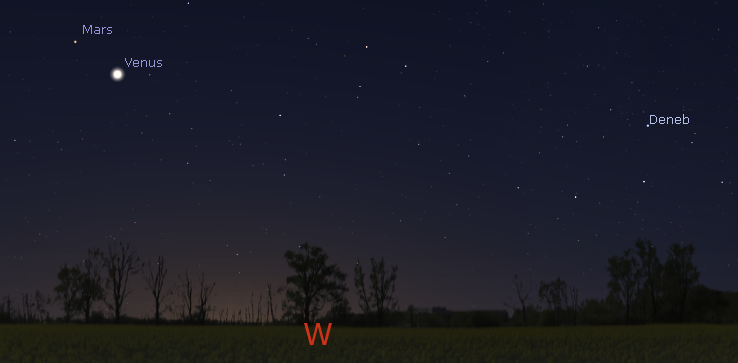
Venus and Mars in the evening twilight of about an hour after sunset. 7 p.m. February 8, 2017. Venus is now drawing away from Mars as it heads toward the Sun faster than Mars. Their apparent paths won’t cross again until October in the October sky. Created using Stellarium.
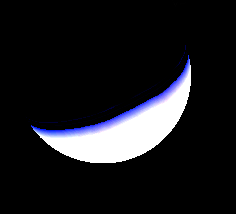
Venus as it might appear in a telescope tonight February 8, 2017. I processed the image to overexpose it as it would appear in a telescope. Created using Stellarium.
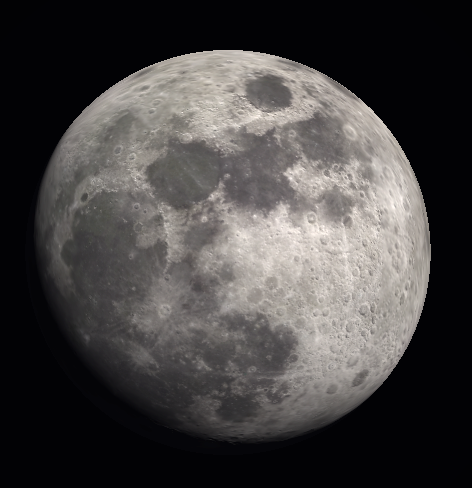
What the Moon might look like in binoculars tonight at 7 p.m. February 8, 2017. Created using Stellarium.
Jupiter in the south above the star Spica with Saturn the southeast at 7 a.m. this morning, February 9, 2017. Created using Stellarium.
Jupiter and its moon in a compact arrangement as they might appear in telescopes this morning at 7 a.m. February 8, 2017. Created using Stellarium.
Saturn and its brightest moons as they might appear in telescopes this morning at 7 a.m. February 8, 2017. Created using Cartes du Ciel (Sky Charts).
The planets and Moon at sunset and sunrise of a single night starting with sunset on the right on February 8, 2017. The night ends on the left with sunrise on February 9. Click on image to enlarge. Created using my LookingUp program.
02/01/2017 – Ephemeris – February’s first look at the planets
Ephemeris for Wednesday, February 1st. The Sun will rise at 8:00. It’ll be up for 9 hours and 50 minutes, setting at 5:51. The Moon, 2 days before first quarter, will set at 11:15 this evening.
Let’s check out the bright planets for this week. Saturn can be glimpsed this morning in the southeast at 7 a.m. It will rise tomorrow at 5 a.m. in the east-southeast. Jupiter can be seen in the south-southwest this morning above the star Spica in Virgo. Jupiter will rise tonight at 11:43 p.m. Venus and Mars are in the evening sky. At 7 p.m. these planets will be seen in the southwestern sky. Venus is unmistakable as the brilliant evening star, Mars will be above and left of it and much dimmer, the Moon higher still and in line. Mars will set at 10:14. Venus itself will set at 9:52 p.m. Venus exhibits a dazzling fat crescent in small telescopes now, but a month from now as it gets closer to Earth the thinning crescent will be big enough to be seen in binoculars.
Times are for the Traverse City/Interlochen area of Michigan. They may be different for your location.
Note: If you are looking for the February Preview post check out yesterday’s post.
Addendum
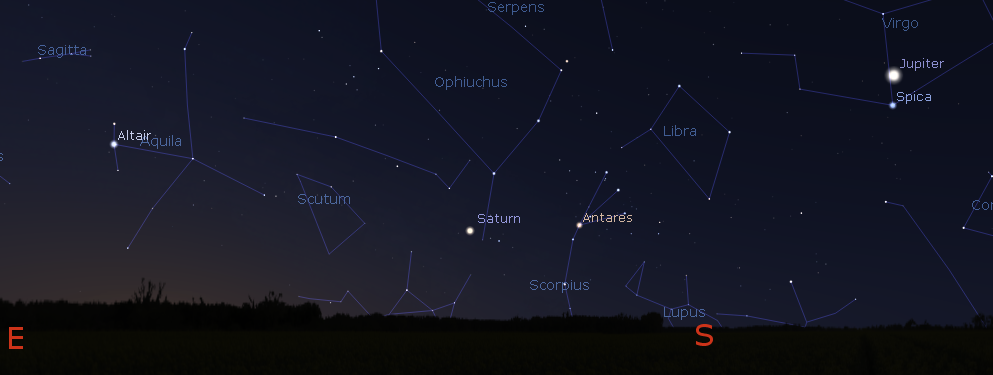
Jupiter in the south above the star Spica with Saturn the southeast at 7 a.m. this morning, February 2, 2017. Created using Stellarium.
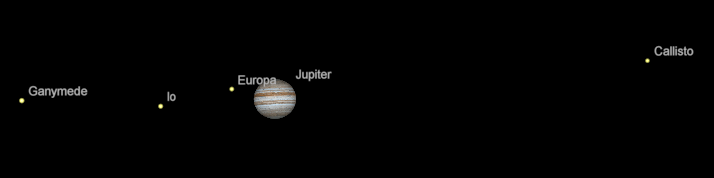
Jupiter as it might appear in telescopes this morning at 7 a.m. February 1, 2017. Created using Cartes du Ciel (Sky Charts).
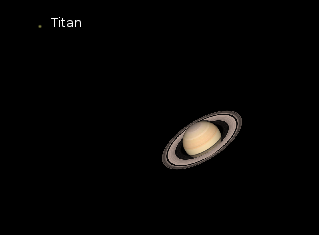
Saturn and Titan as they might appear in telescopes this morning at 7 a.m. February 1, 2017. Created using Cartes du Ciel (Sky Charts).
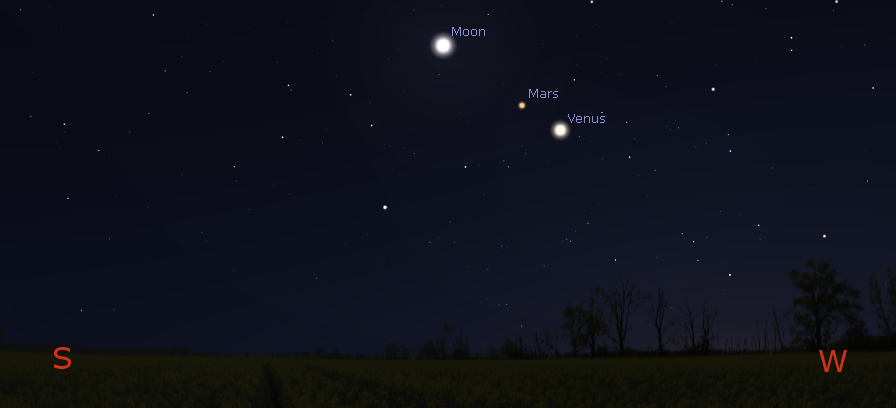
Venus, Mars and the Moon in the evening twilight of about an hour after sunset, 7 p.m. February 1, 2017. Click on the image to enlarge. Created using Stellarium.
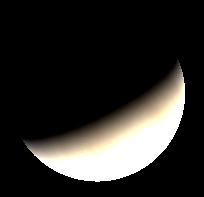
Venus as it might appear in a telescope tonight February 1, 2017. I processed the image to overexpose it as it would appear in a telescope. Created using Stellarium.
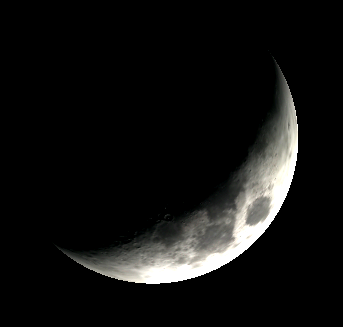
What the Moon might look like in binoculars tonight at 7 p.m. February 1, 2017. Created using Stellarium.
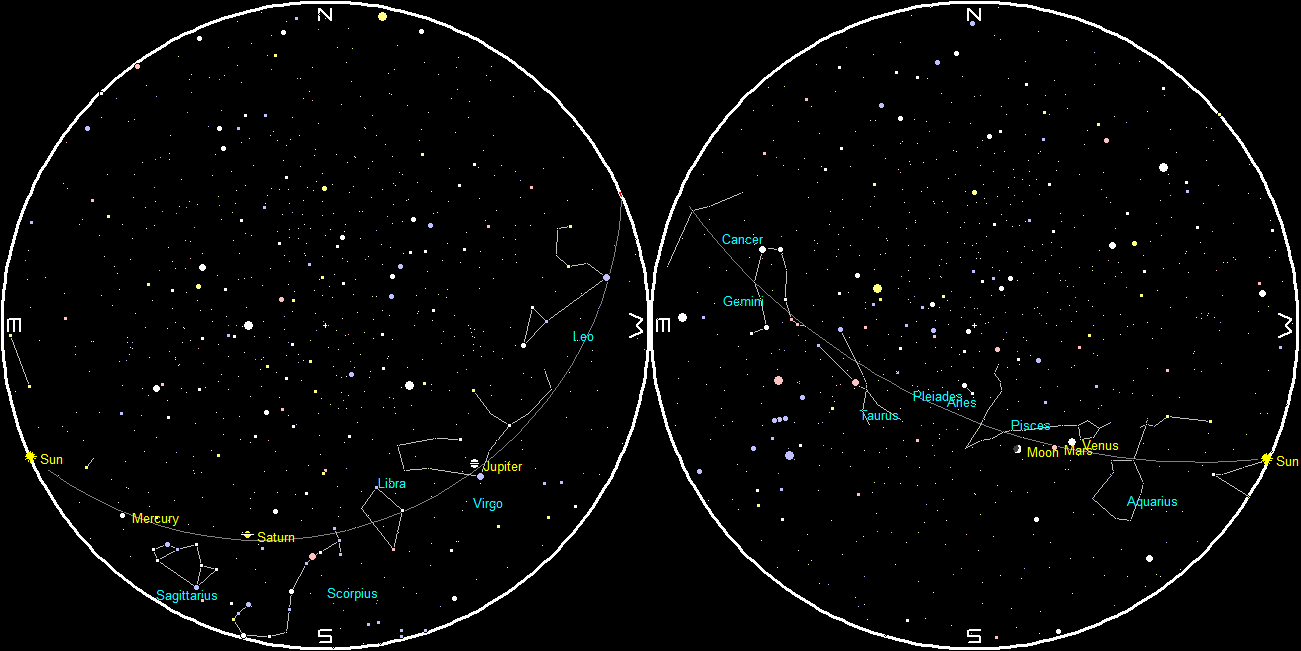
Planets and Moon at sunset and sunrise of a single night starting with sunset on the right on February 1, 2017. The night ends on the left with sunrise on February 2. Click on image to enlarge. Created using my LookingUp program.
01/25/2017 – Ephemeris – Two planets on the morning and two in the evening
Ephemeris for Wednesday, January 25th. The Sun will rise at 8:08. It’ll be up for 9 hours and 33 minutes, setting at 5:42. The Moon, 2 days before new, will rise at 6:56 tomorrow morning.
Let’s check out the bright planets for this week. Saturn can be glimpsed this morning at 7 a.m. It will rise tomorrow at 5:25 in the east-southeast. Jupiter can be seen in the south-southwest this morning above the star Spica in Virgo. Jupiter will rise tomorrow at 12:14 a.m. Venus and Mars are in the evening sky. At 6:30 p.m. these planets will be seen in the southwestern sky. Venus is unmistakable as the brilliant evening star, Mars will be above and left of it and much dimmer and will set at 10:14. Venus itself will set at 9:47 p.m. Venus exhibits a dazzling fat crescent in small telescopes now, but a month from now as it gets closer to Earth the thinning crescent will be big enough to be seen in binoculars.
Times are for the Traverse City/Interlochen area of Michigan. They may be different for your location.
Addendum
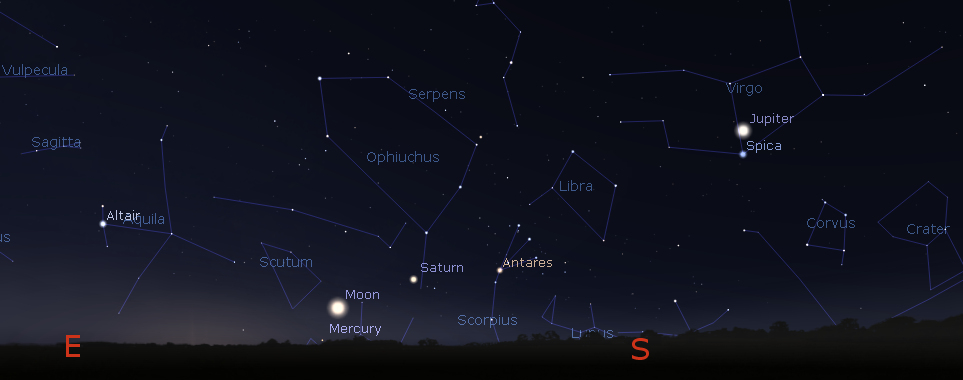
Jupiter in the south above the star Spica with Saturn and Mercury peeking over the horizon in the southeast at 7 a.m. this morning, January 25, 2017. The Moon shows as a big blob when it’s really a very thin crescent. Click on image to enlarge. Created using Stellarium.
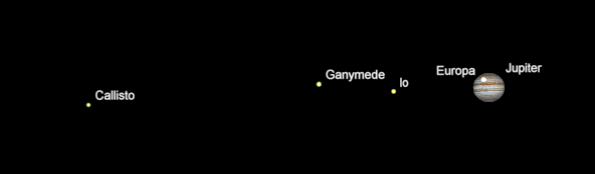
Jupiter and its moons as they might be seen in a telescope at 7 a.m. this morning January 25, 2016. Though Europa is transiting the face of Jupiter it will not really be visible against the face of Jupiter. Created using Cartes du Ciel (Sky Charts).
Jupiter satellite events for 2017 can be fund here: http://www.projectpluto.com/jevent.htm.
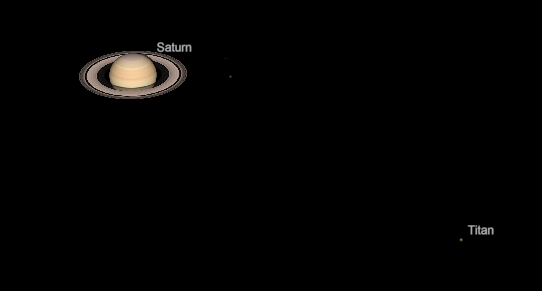
Saturn and its moon Titan as they might be seen in a telescope at 7 a.m. this morning, January 25, 2016. Created using Cartes du Ciel (Sky Charts).
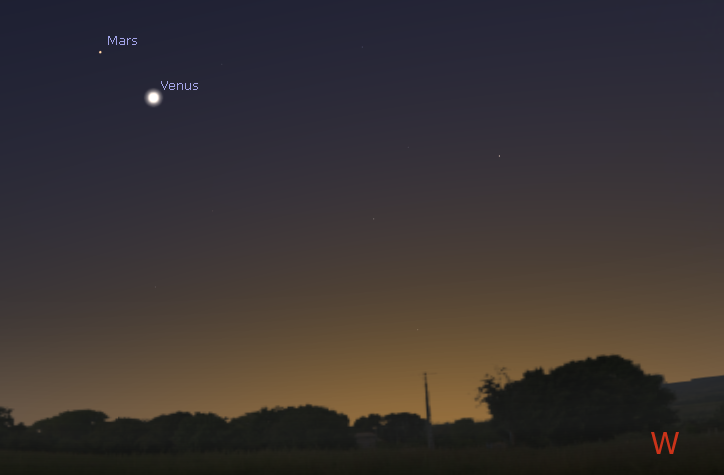
Venus, and Mars in the evening twilight of about 50 minutes after sunset. 6:30 p.m. January 25, 2017. Click on image to enlarge. Created using Stellarium.
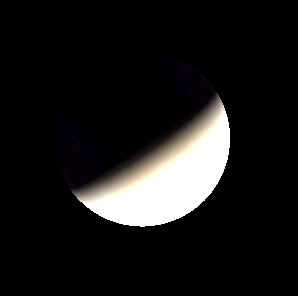
Venus as it might appear in a telescope tonight January 25, 2016. I processed the image to overexpose it as it would appear in a telescope. Created using Stellarium.
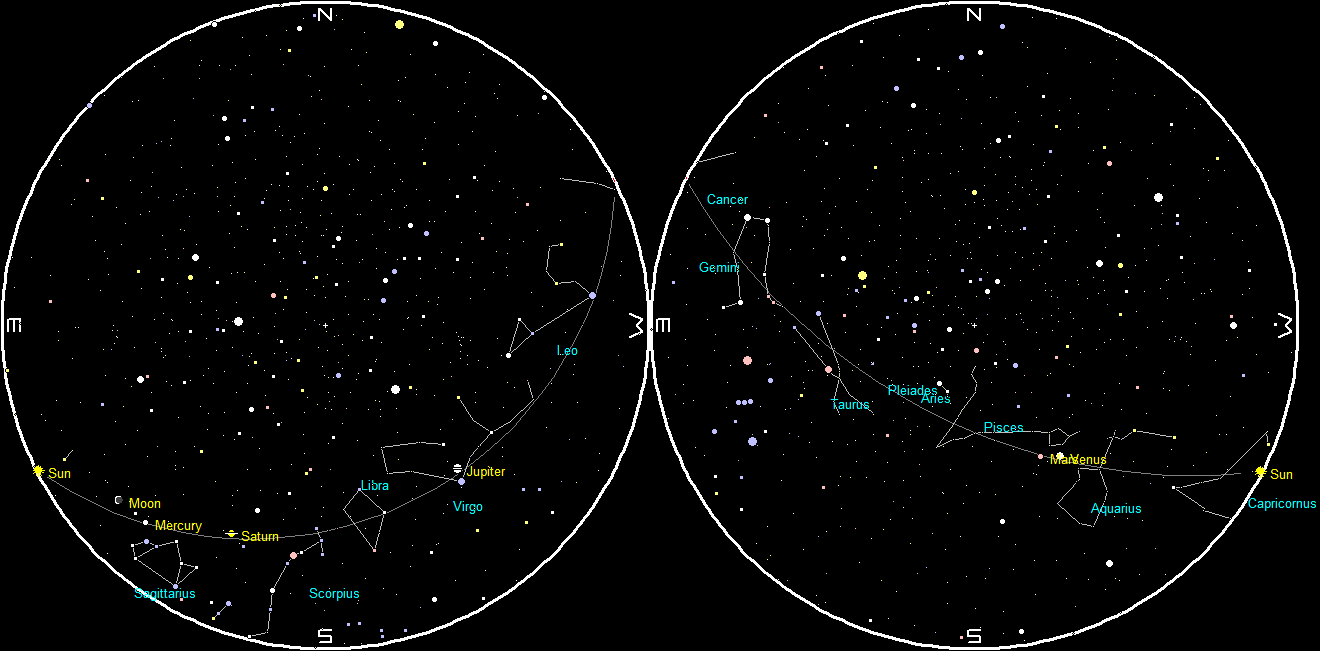
Planets and Moon at sunset and sunrise of a single night starting with sunset on the right on January 25, 2017. The night ends on the left with sunrise on January 26. Click on image to enlarge. Created using my LookingUp program.
01/18/2017 – Ephemeris – Where are the bright planets this week?
Ephemeris for Wednesday, January 18th. The Sun will rise at 8:13. It’ll be up for 9 hours and 18 minutes, setting at 5:32. The Moon, 1 day before last quarter, will rise at 12:32 tomorrow morning.
Let’s check out the bright planets for this week. Saturn can be glimpsed this morning at 7 a.m. It will rise tomorrow at 5:49 in the east-southeast. Jupiter can be seen in the south-southwest this morning above the star Spica in Virgo. Jupiter will rise tomorrow at 12:40 a.m. Tomorrow the last quarter Moon will appear near Jupiter. Venus and Mars are in the evening sky. At 6:30 p.m. these planets will be seen in the southwestern sky. Venus is unmistakable as the brilliant evening star, Mars will be above and left of it and much dimmer and will set at 10:14. Venus itself will set at 9:39 p.m. Venus exhibits a fat crescent in small telescopes now, but next month as it gets closer the thinning crescent will be big enough to be seen in binoculars.
Times are for the Traverse City/Interlochen area of Michigan. They may be different for your location.
Addendum
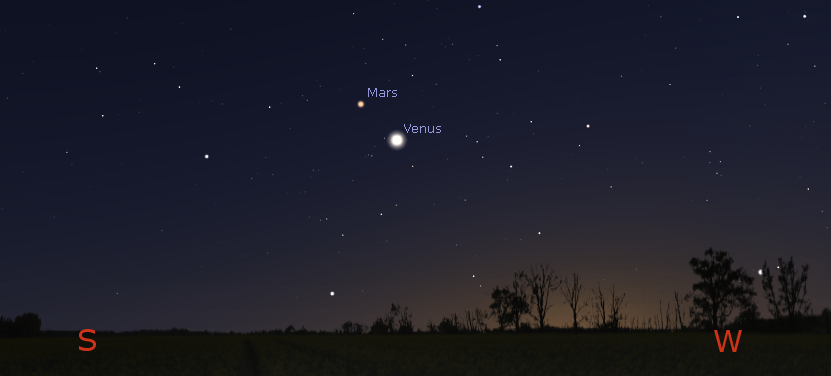
Venus, and Mars in the evening twilight of about an hour after sunset. 6:30 p.m. January 18, 2017. Created using Stellarium. Click image to enlarge.
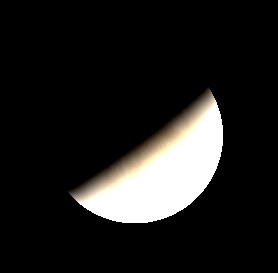
Venus as it might appear in a telescope tonight January 18, 2016. I processed the image to overexpose it as it would appear in a telescope. Created using Stellarium.
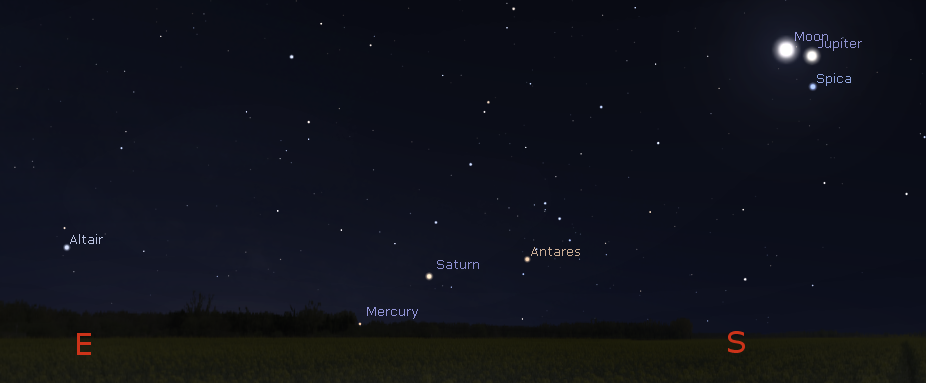
The Moon and Jupiter in the south above the star Spica with Saturn and Mercury peeking over the horizon in the southeast at 7 a.m. tomorrow morning, January 19, 2017. Created using Stellarium. Click image to enlarge.
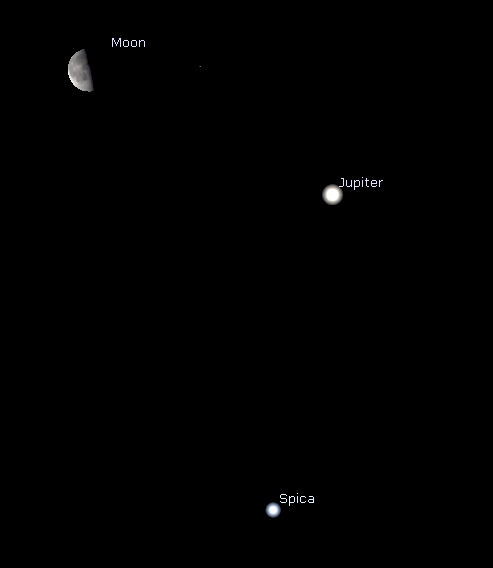
The Moon, Jupiter, and the star Spica tomorrow at 7 a.m., January 19, 2017. Created using Stellarium.
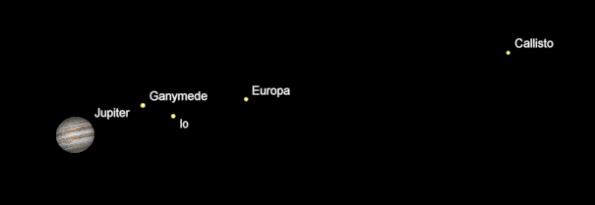
Jupiter and its moons tomorrow morning at 7 a.m., January 19, 2017. Created using Stellarium.
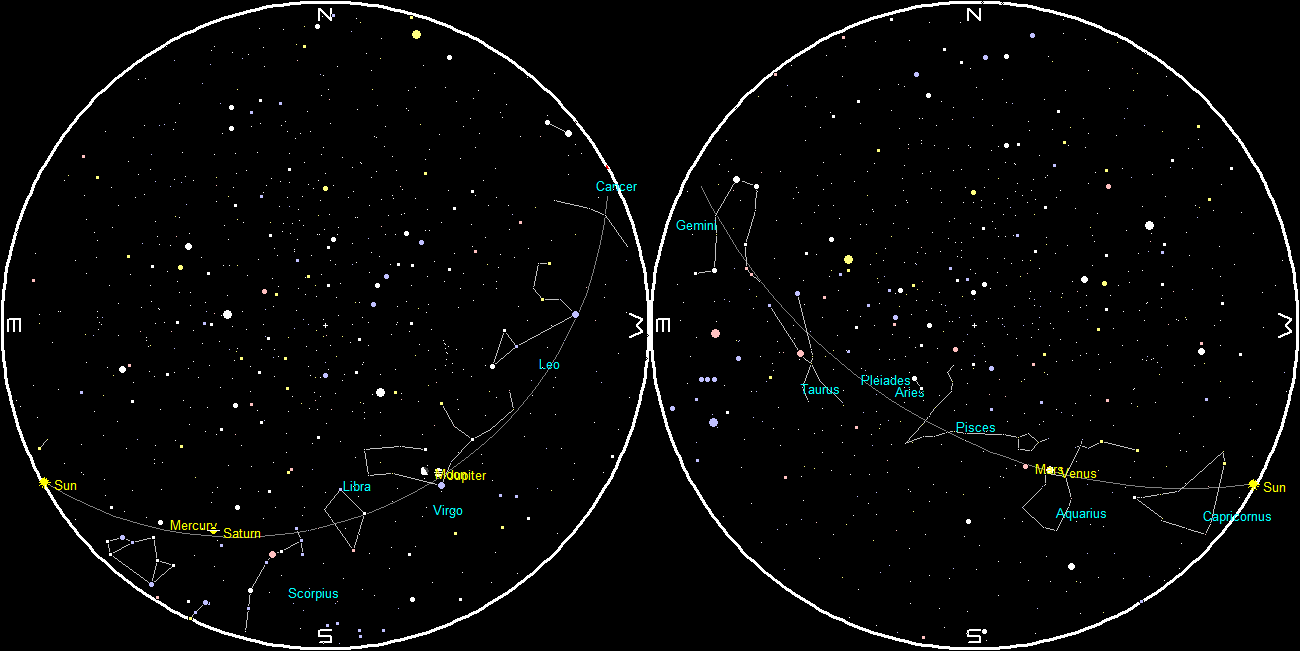
Planets and Moon at sunset and sunrise of a single night starting with sunset on the right on January 18, 2017. The night ends on the left with sunrise on January 19. Click on image to enlarge. Created using my LookingUp program.
In Memorium
Yesterday we lost the 11th man to set foot on the Moon and the last one to leave it. Eugene Cernan, the commander of Apollo 17 hated the title of “The last man to walk on the Moon”, and hoped before he died that another would walk on the Moon, lifting that title from his shoulders. Of the 12 men who walked on the Moon, half are now gone. The way things are going the next person to walk on the Moon will probably be Chinese. Godspeed Eugene Cernan.
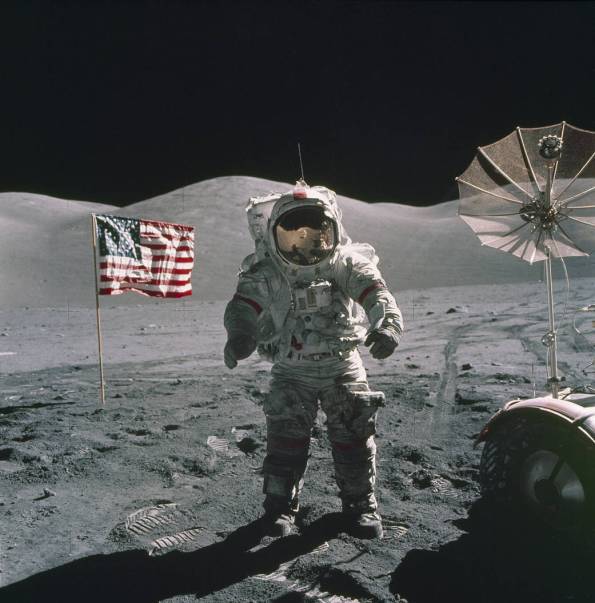
Eugene Cernan with the American Flag and the lunar rover. Credit: NASA/Harrison Schmitt

The first and last men on the Moon. Neil Armstrong, left and Eugene Cernan. File photo.
01/11/2017 – Ephemeris – Three bright planets in the morning, two in the evening
Ephemeris for Wednesday, January 11th. The Sun will rise at 8:17. It’ll be up for 9 hours and 6 minutes, setting at 5:23. The Moon, 1 day before full, will set at 8:06 tomorrow morning.
Let’s check out the bright planets for this week. Saturn can be glimpsed now in the morning, rising at 6:13 in the east-southeast. Mercury is following Saturn and very hard to spot, rising at 6:40 this morning. Jupiter can be glimpsed even as the sky brightens at 7 a.m. this morning when it’s in the south above the star Spica in Virgo. Jupiter will rise tomorrow at 1:05 a.m. Venus and Mars are in the evening sky. At 6:30 p.m. these planets will be seen in the southwestern sky. Venus is unmistakable as the brilliant evening star, Mars will be above and left of it and much dimmer and will set at 10:13.. Venus itself will set at 9:28 p.m. Venus is slowly heading northward for the rest of it’s evening appearance, and is moving higher in the sky, and will reach its greatest eastern elongation or separation from the Sun tomorrow.
Times are for the Traverse City/Interlochen area of Michigan. They may be different for your location.
Addendum
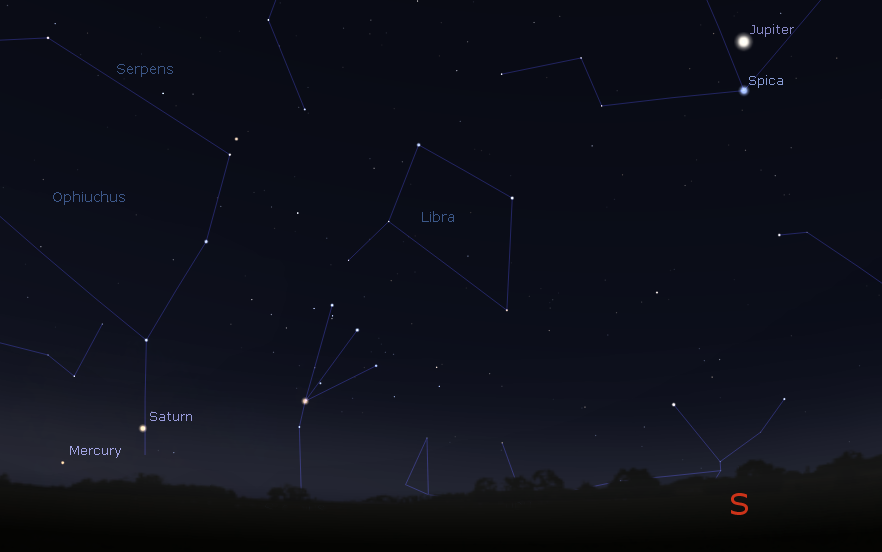
Jupiter in the south above the star Spica with Saturn and Mercury peeking over the horizon in the southeast at 7 a.m. this morning, January 11, 2017. Created using Stellarium.
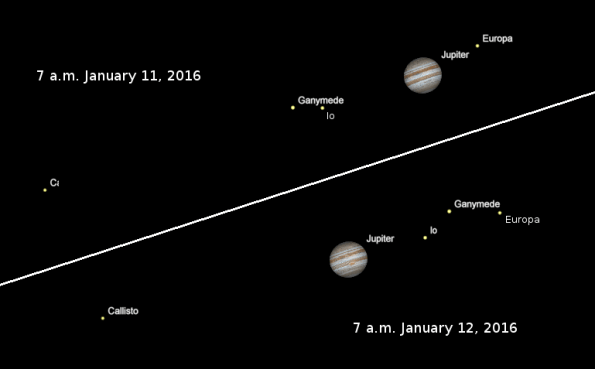
Jupiter and its moons this morning and tomorrow morning, Created using Stellarium.
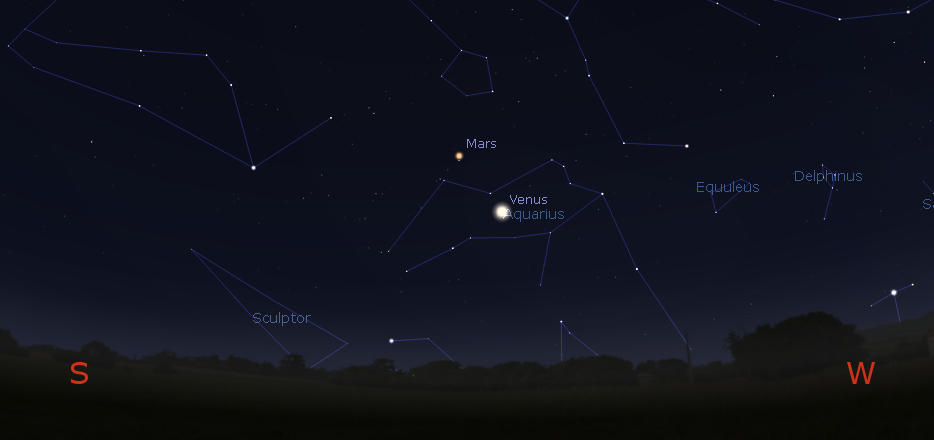
Venus, and Mars in the evening twilight of about an hour and three-quarters after sunset. 7 p.m. January 11, 2017. The Moon is out of the frame in the east. Created using Stellarium.
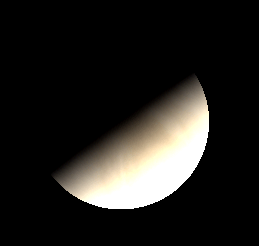
Venus in a telescope a few hours before its greatest apparent separation from the Sun. Tonight at 7 p.m. January 11, 2017. Created using Stellarium.
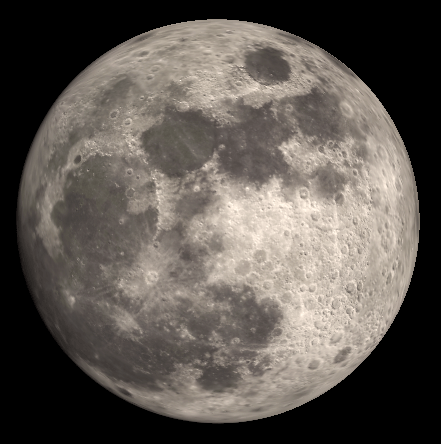
The Moon as it might be seen tonight, January 11, 2017. Created using Stellarium.
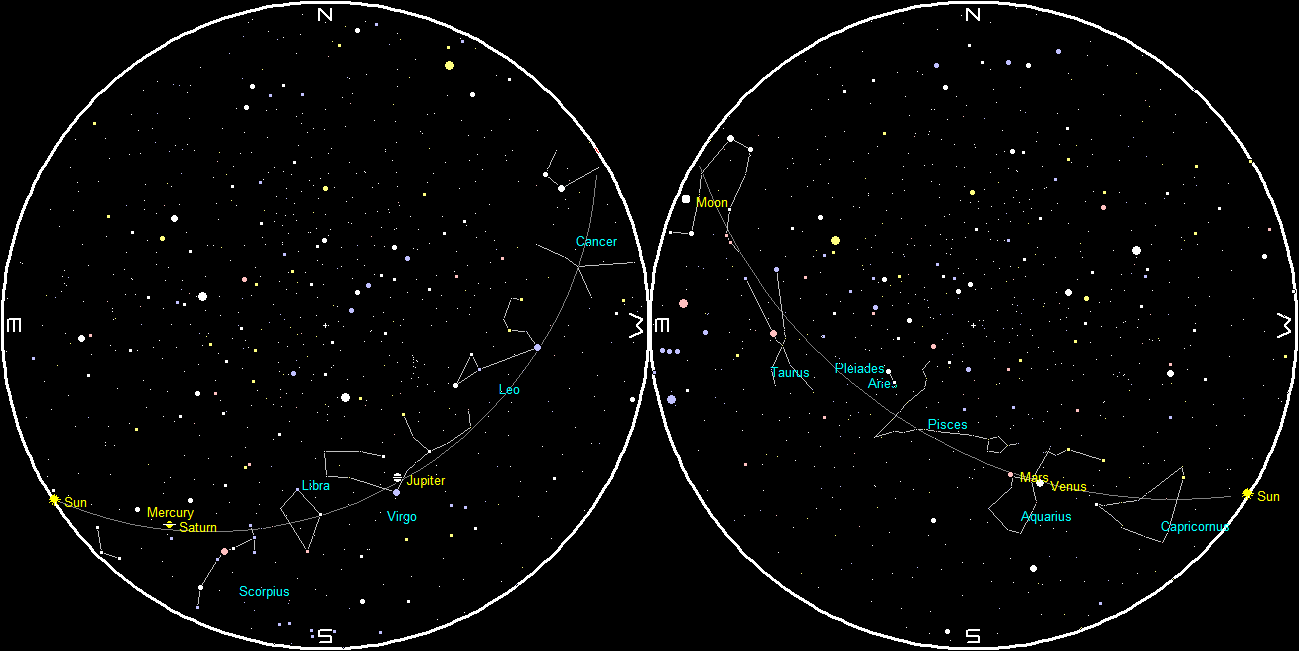
Planets and Moon at sunset and sunrise of a single night starting with sunset on the right on January 11, 2017. The night ends on the left with sunrise on January 12. Click on image to enlarge. Created using my LookingUp program.
01/04/17 – Ephemeris – Saturn is poking its head up into the morning twilight
Ephemeris for Wednesday, January 4th. The Sun will rise at 8:19. It’ll be up for 8 hours and 56 minutes, setting at 5:16. The Moon, 1 day before first quarter, will set at 12:14 tomorrow morning.
Let’s take our first look at the bright planets for 2017. Saturn can be glimpsed now in the morning, rising at 6:40 in the east-southeast. Jupiter can be glimpsed even as the sky brightens. It’s in the south at 7 a.m.. Jupiter will rise tomorrow at 1:29 a.m. Venus and Mars are in the evening sky. At 6:30 p.m. these planets will be seen in the southwestern sky. Venus is unmistakable as the brilliant evening star, Mars will be above and left of it and much dimmer and will set at 10:13.. Venus will set at 9:15 p.m. Venus is slowly heading northward for the rest of it’s evening appearance, and is moving higher in the sky, and is only 8 days from reaching it’s greatest eastern elongation or separation from the Sun.
Times are for the Traverse City/Interlochen area of Michigan. They may be different for your location.
Addendum
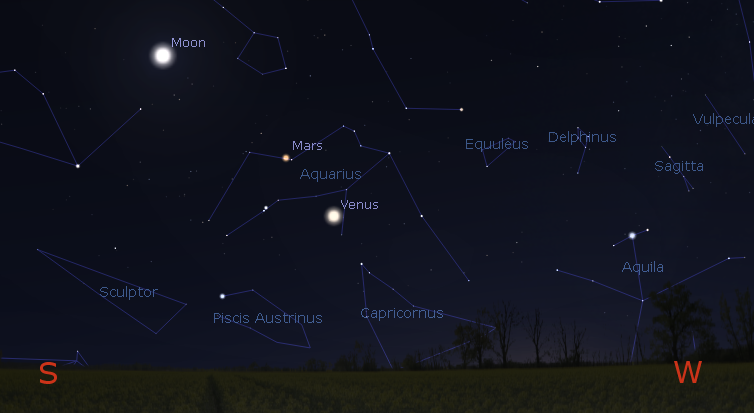
Venus, Mars and the Moon in the evening twilight of about an hour and three-quarters after sunset. 7 p.m. January 4, 2017. Created using Stellarium.
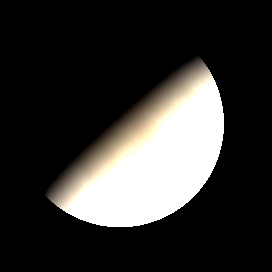
Venus in a telescope at near half phase as it approaches its greatest apparent separation from the Sun, tonight January 4, 2017. Created using Stellarium.
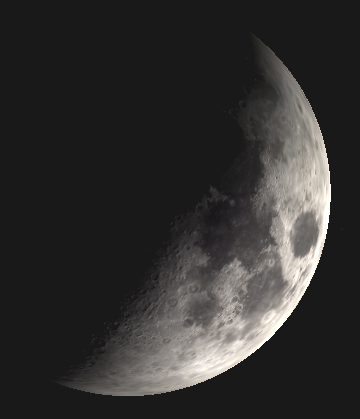
The Moon as it might be seen tonight through binoculars, January 4, 2017. Created using Stellarium.
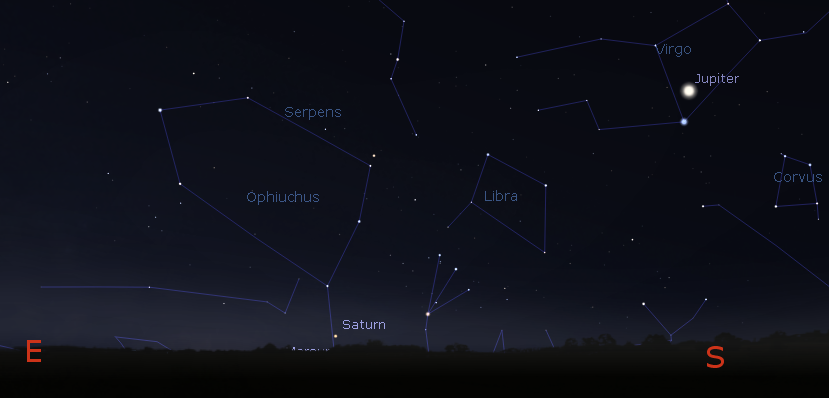
Jupiter in the south with Saturn peeking over the horizon in the southeast at 7 a.m. this morning, January 4, 2017. Created using Stellarium.
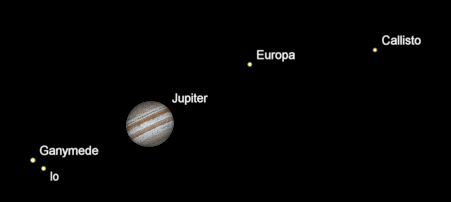
Jupiter and its moons this morning, January 4, 2017. Created using Stellarium.
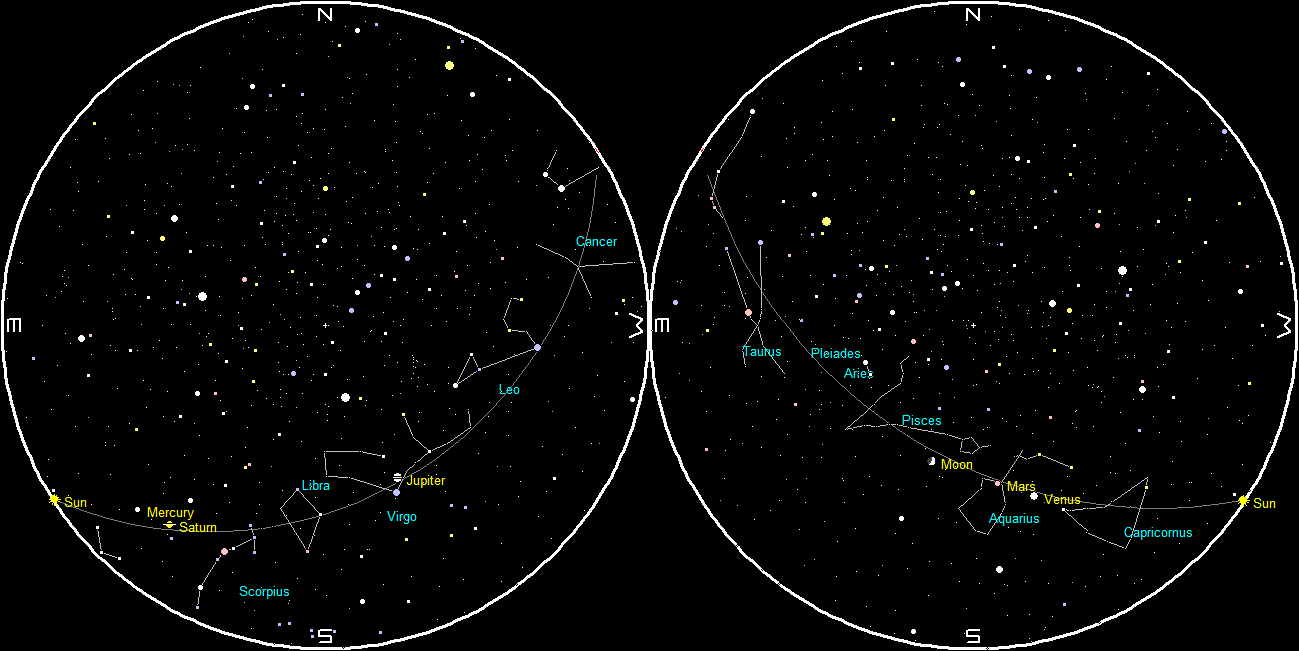
Planets and Moon at sunset and sunrise of a single night starting with sunset on the right on January 4, 2017. The night ends on the left with sunrise on January 5. Click on image to enlarge. Created using my LookingUp program.
 Bob Moler's Ephemeris Blog