Archive
Ephemeris: 05/18/2026 – Earth shines on the Moon
This is Bob Moler with Ephemeris for Monday, May 18th. Today the Sun will be up for 14 hours and 56 minutes, setting at 9:07, and it will rise tomorrow at 6:10. The Moon, 2 days past new, will set at 12:07 tomorrow morning.
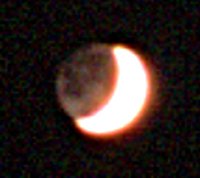
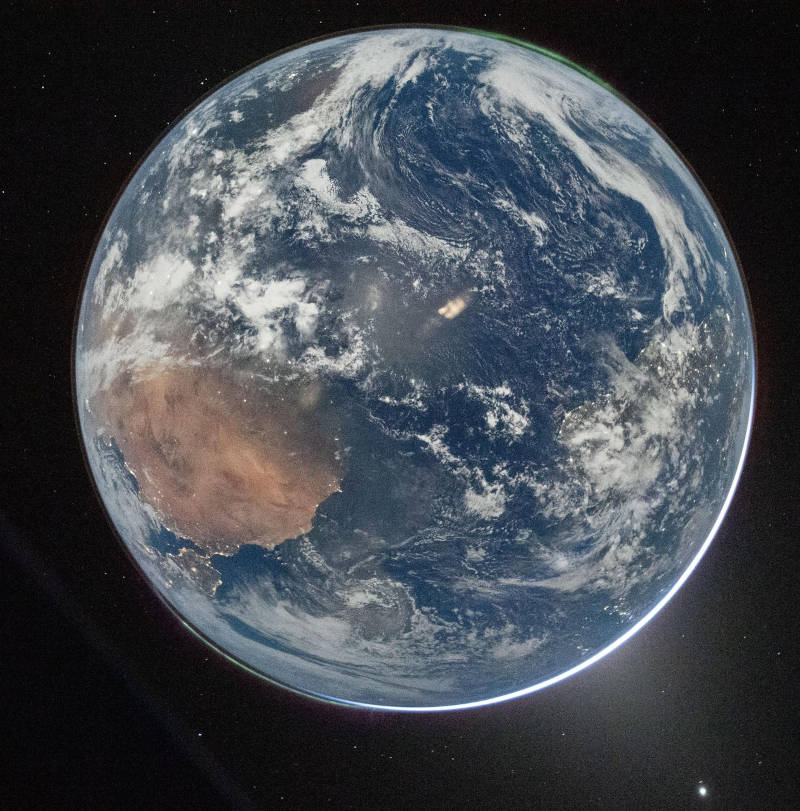
The Moon tonight will appear as a thin sliver, with Venus below and left of it. However, if as you look at the Moon closely tonight you may have the funny feeling that the whole moon is actually visible, you would be right. It’s easily confirmed with a pair of binoculars or a small telescope. What is illuminating the dark part of the Moon is earthshine. The Earth is big and bright in the Moon’s sky, as a fat waning gibbous orb from its vantage point. From the Moon the Earth has the opposite phase that we see of the Moon from the Earth. The effect used to be called by the term “Old moon in the new moon’s arms”. The effect was first explained by Leonardo da Vinci some 500 years ago. The effect will disappear in a few days as the Moon gets brighter and the Earth less so in the Moon’s sky. Earthshine will appear again when the Moon appears as a waning crescent in the morning. But not many of us are up to see it at that hour.
The astronomical event times given in this blog are for the Traverse City/Interlochen area of Michigan (Lat 44.7° N, Long 85.7° W; EDT, UT – 4 hours) unless stated otherwise. Times will be different for other locations.
Addendum