Archive
Ephemeris: 02/05/2026 – Artemis 3 isn’t going to the Moon
This is Ephemeris for Thursday, March 5th. Today the Sun will be up for 11 hours and 22 minutes, setting at 6:36, and it will rise tomorrow at 7:11. The Moon, 2 days past full, will rise at 9:22 this evening.
Late last week NASA announced that the Artemis 3 mission was not going to land on the Moon. It wasn’t even going to the Moon. It would be a low earth orbit test of docking and operations of the Human Landing System or lunar landers, either the SpaceX Starship Lander or Blue Origin’s Blue Moon Lander. This reminds me of the Apollo 9 mission which came after the spectacular Apollo 8 mission which orbited the Moon. Apollo 9 was a checkout of the Lunar Lander in low earth orbit. Several Months later, Apollo 10 flew to the Moon to a checkout of the Lunar Lander in lunar orbit. They couldn’t land, but it was a test of the operations in preparation for Apollo 11 which successfully landed on the Moon.
The astronomical event times given in this blog are for the Traverse City/Interlochen area of Michigan (Lat 44.7° N, Long 85.7° W; EST, UT – 5 hours) unless stated otherwise. Times will be different for other locations.
Addendum
Ephemeris: 10/02/2025 – The Artemis 2 mission may launch early next year
This is Bob Moler with Ephemeris for Thursday, October 2nd. Today the Sun will be up for 11 hours and 38 minutes, setting at 7:20, and it will rise tomorrow at 7:43. The Moon, 3 days past first quarter, will set at 3:10 tomorrow morning.
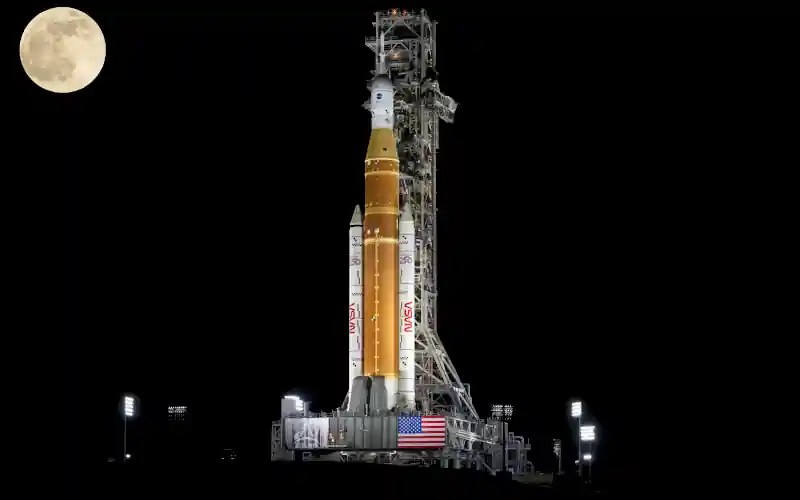
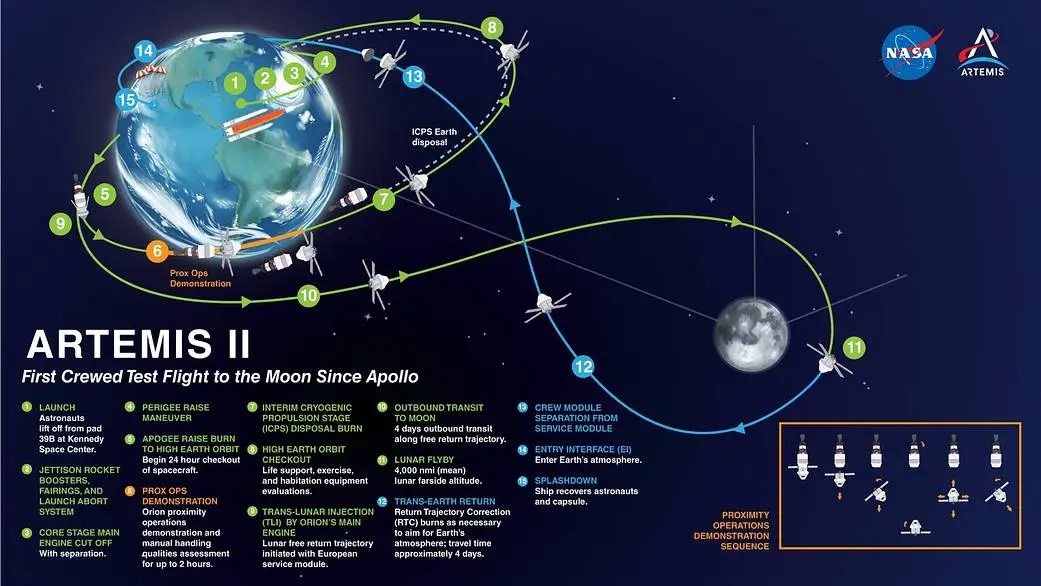
The Artemis 2 mission to send the crew around the moon and back is slated for early next year, which surprised me a bit because the launch window was moved up to earlier next year to between February 5th and April 26 about 2 1/2 months. That doesn’t mean that the mission could slip to later in the year, recalling the delays of the Artemis 1 mission. This mission is to send four people in the Orion capsule around the moon. It is crewed by three Americans and a Canadian, three men and a woman, three whites and a black. They’re the same four astronauts. I’m sure the current administration would have screamed DEI, if it wasn’t too late to break up the crew.
The astronomical event times given in this blog are for the Traverse City/Interlochen area of Michigan (Lat 44.7° N, Long 85.7° W; EDT, UT – 4 hours) unless stated otherwise. Times will be different for other locations.
Addendum
Ephemeris: 09/16/2025 – NASA’s announcement of discovery that might be evidence for past life on Mars
This is Ephemeris for Tuesday, September 16th. Today the Sun will be up for 12 hours and 27 minutes, setting at 7:50, and it will rise tomorrow at 7:24. The Moon, 2 days past last quarter, will rise at 2:29 tomorrow morning.
Turning from the current crisis last week, NASA last Thursday, announced the detection of Martian elements and minerals that could have been associated with life, when Mars was more hospitable for life billions of years ago. This was discovered by the Perseverance Rover in a dry (of course) river valley in the delta, where the river once flowed into Jezero crater. Further chemical analysis will have to wait until samples of the rock are returned to the earth. Perseverance has made core samples of the rock in question, but the problem is the mission to retrieve the samples has yet to be fully defined and may be canceled. This is due to a change in strategy for NASA for the de-emphasis of science by the current US administration.
The astronomical event times given in this blog are for the Traverse City/Interlochen area of Michigan (Lat 44.7° N, Long 85.7° W; EDT, UT – 4 hours) unless stated otherwise. Times will be different for other locations.
Addendum
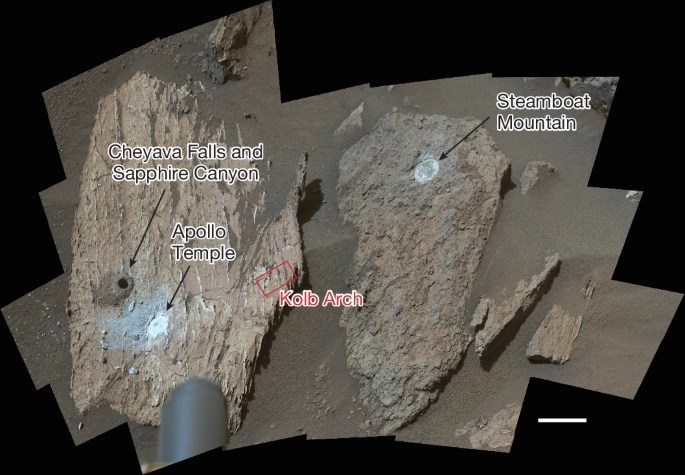
Falls workspace on sol 1217. The light-toned layered block contains the Cheyava
Falls natural surface target, the Apollo Temple abrasion and the Sapphire
Canyon core sample location. The Sapphire Canyon sample was collected
from approximately the same location as Cheyava Falls after analysis of the
target was completed. The darker-toned granular block contains
the Steamboat Mountain abrasion. Downhill is to the left on this image.
Mastcam-Z enhanced color RGB vertical projection mosaic from sol 1217,
sequence zcam09264, acquired at 110-mm focal length. Scale bar, 10 cm.
Credit: NASA/JPL-Caltech/ASU/MSSS. Caption edited from the September 11, 2025 Nature Article Redox-driven mineral and organic associations in Jezero Crater, Mars.
Link to the article: Redox-driven mineral and organic associations in Jezero Crater, Mars https://www.nature.com/articles/s41586-025-09413-0
Link to the paper: Hurowitz, J.A., Tice, M.M., Allwood, A.C. et al. Redox-driven mineral and organic associations in Jezero Crater, Mars. Nature 645, 332–340 (2025). https://doi.org/10.1038/s41586-025-09413-0
Ephemeris: 02/14/2025 – A Valentine’s Day Rendezvous
This is Ephemeris for St Valentine’s Day, Friday, February 14th. Today the Sun will be up for 10 hours and 26 minutes, setting at 6:10, and it will rise tomorrow at 7:42. The Moon, 2 days past full, will rise at 8:34 this evening.
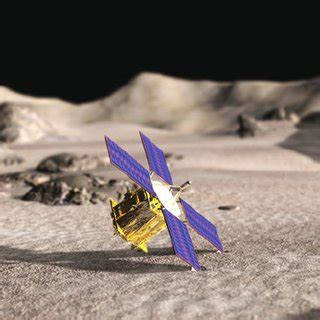
Twenty-five years ago to the day, the NEAR-Shoemaker* spacecraft entered into orbit of the near Earth asteroid 433 Eros. It wasn’t originally planned to enter orbit of the asteroid named after the Greek god of love on Valentine’s Day, 2000. It arose after an aborted course correction a year earlier. After solving the problem, a new course was plotted and NEAR-Shoemaker was gently inserted into orbit of this 21 mile long asteroid, shaped like a bent bread stick with a bite taken out of the center of it. The spacecraft spent almost a year orbiting Eros at various altitudes. The spacecraft ended its mission by gently dropping onto the middle of the asteroid, where it stayed alive for ten days before succumbing to the cold.
The astronomical event times given are for the Traverse City/Interlochen area of Michigan (EST, UT – 5 hours). Times will be different for other locations.
* The spacecraft was launched as NEAR for Near Earth Asteroid Rendezvous. It was renamed en route NEAR-Shoemaker after Eugene Shoemaker’s death in 1997. Shoemaker was a geologist who trained Apollo astronauts and proved that the Barringer Meteor Crater was indeed an impact site and not a volcanic caldera, and that most of the Moon’s craters were also caused by impacts. He with his wife Carolyn and David Levy discovered Comet Shoemaker-Levy 9, which crashed into Jupiter in 22 pieces in July 1994, gaining worldwide attention.
Addendum
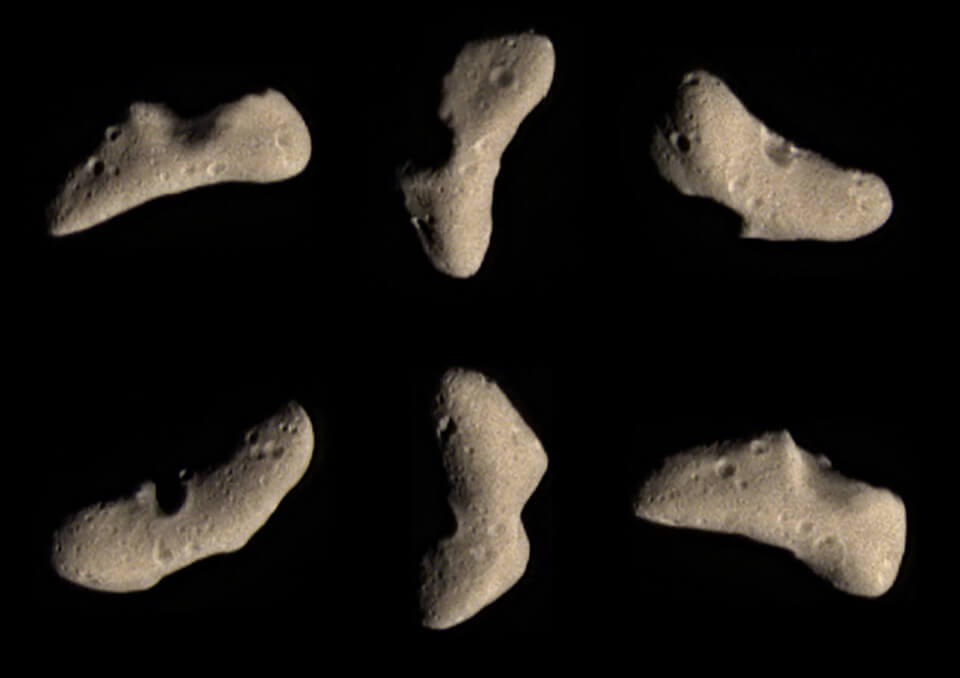
NASA/JPL/JHUAPL. Caption from: https://eros2019.imcce.fr/eros.html via Google Translate.
Ephemeris: 12/17/2024 – A closeup look at Ganymede
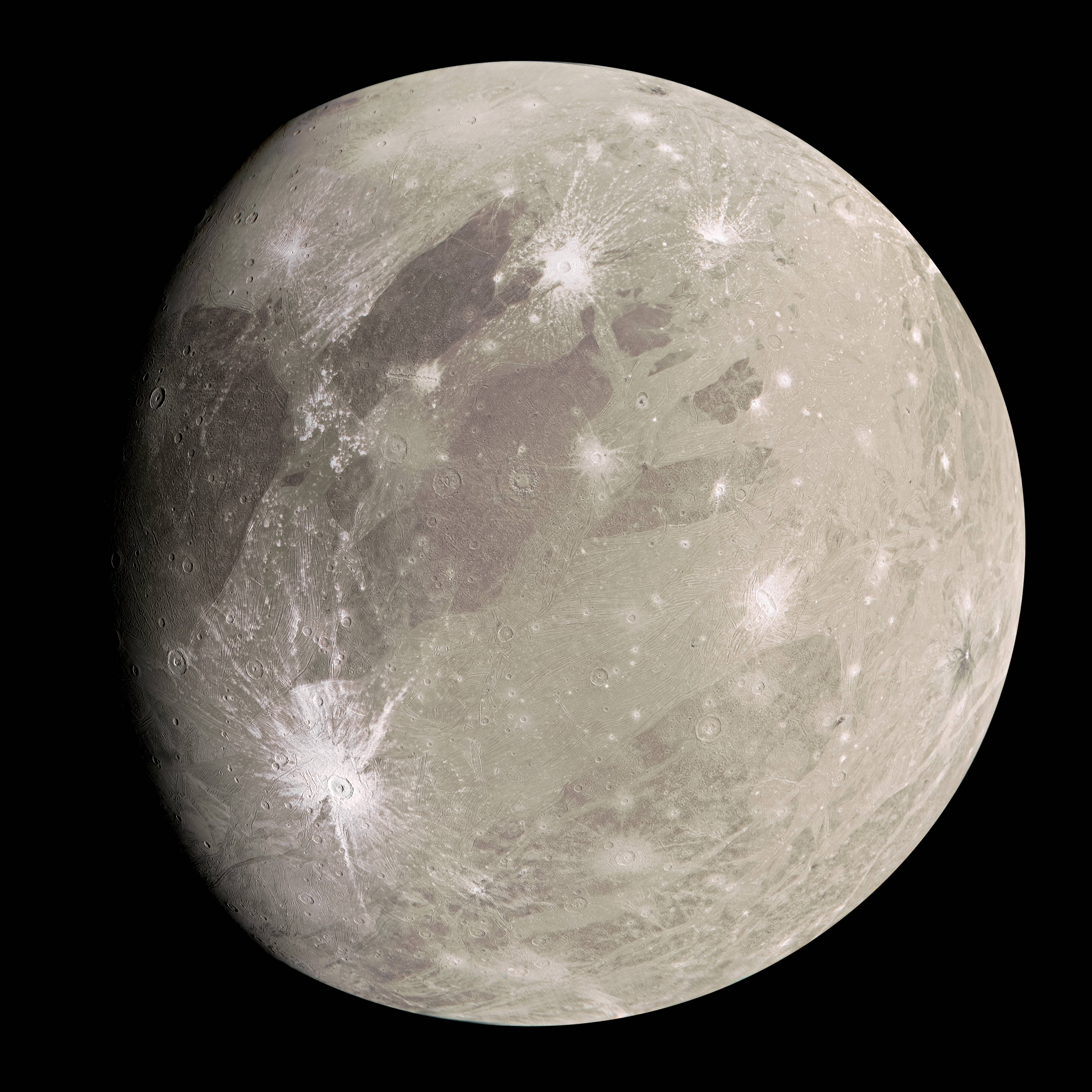
This is Bob Moler with Ephemeris for Tuesday, December 17th. Today the Sun will be up for 8 hours and 48 minutes, setting at 5:03, and it will rise tomorrow at 8:15. The Moon, 2 days past full, will rise at 7:23 this evening. | Ganymede is the largest satellite in the solar system orbiting the largest planet in the solar system, Jupiter. It is 1 1/2 times the diameter of our Moon, and slightly larger than the planet Mercury. It is an icy moon, being about half made-up of water ice and silica. Ganymede appears to have a below surface ocean of water like Europa. And its surface appears to be quite smooth, not as smooth as Europa’s but parts of it are literally devoid of craters for the most part, and many of the craters it does appear to have inner craters in the center which looks quite weird. The Juno spacecraft, still orbiting Jupiter, took some very close images of Ganymede back in 2021 using its relatively simple camera. These were some of the best images of it.
The astronomical event times given are for the Traverse City/Interlochen area of Michigan (EST, UT – 5 hours). Times will be different for other locations.
Addendum
Ephemeris: 12/16/2024 – The Europa Clipper mission
This is Bob Moler with Ephemeris for Monday, December 16th. Today the Sun will be up for 8 hours and 48 minutes, setting at 5:03, and it will rise tomorrow at 8:14. The Moon, 1 day past full, will rise at 6:09 this evening.
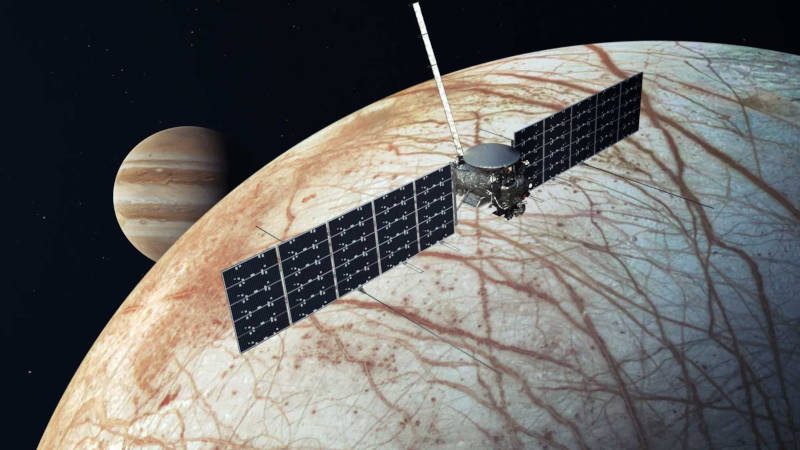
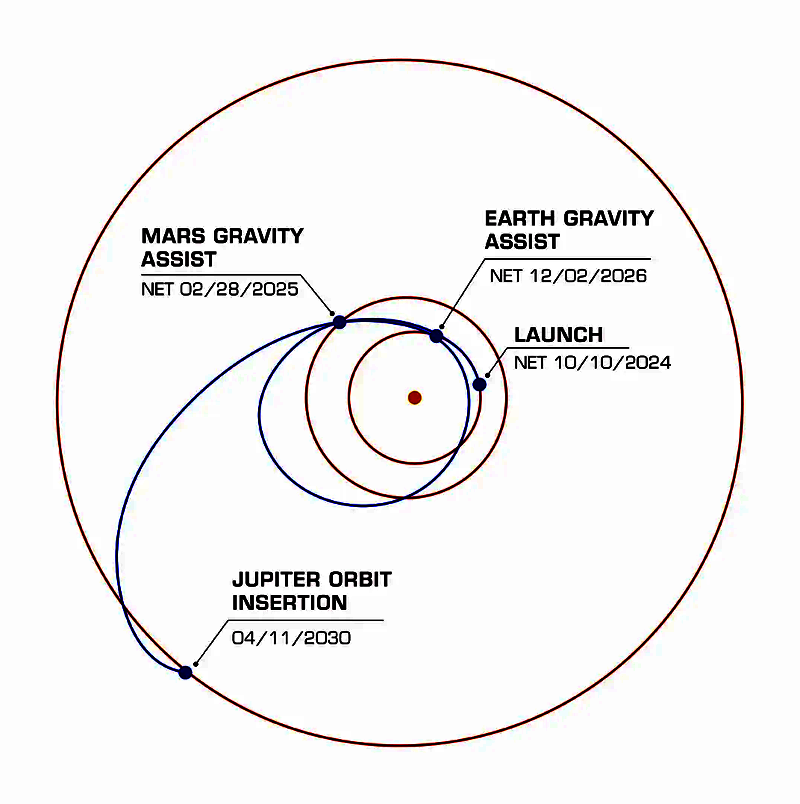
Just two months ago the satellite to closely study Jupiter’s second Galileo moon Europa was launched from Cape Canaveral on a Falcon Heavy rocket. The satellite’s name is Europa Clipper. It was originally scheduled to be launched by the SLS rocket but this rocket which is used for the Artemis program was not going to be ready for the mission so they dropped back to the somewhat less powerful SpaceX Falcon Heavy rocket. Europa Clipper will take 5 1/2 years to travel out to Jupiter with first a gravitational boost from a flyby of Mars and then another one a flyby of Earth to gain enough speed to make it to Jupiter. There it would orbit Jupiter in such a way as to fly by Europa multiple times. Jupiter’s radiation is harsh at Europa’s distance, so the satellite has to get in and get out quickly.
The astronomical event times given are for the Traverse City/Interlochen area of Michigan (EST, UT – 5 hours). Times will be different for other locations.
Addendum
Ephemeris: 11/14/2024 – SpaceX to deorbit the International Space Station
This is Ephemeris for Thursday, November 14th. Today the Sun will be up for 9 hours and 35 minutes, setting at 5:15, and it will rise tomorrow at 7:40. The Moon, 1 day before full, will set at 7:28 tomorrow morning.
SpaceX has received a contract from NASA to deorbit the International Space Station around the year 2030. The contract is for a little bit less than a billion dollars. SpaceX will develop a special Dragon capsule with enough fuel to deorbit the space station. The idea is to drop the space station’s orbit over a period of months and guided in its final journey to a spot in the South Pacific Ocean called Point Nemo, which is the spot between New Zealand and Chile near longitude 120° W and latitude 50° South. Point Nemo is named after the captain of the fictional submarine Nautilus from the Jules Verne novel 20,000 Leagues Under the Sea. Point Nemo is the farthest point in the South Pacific Ocean from any landmass: island or continent.
The astronomical event times given are for the Traverse City/Interlochen area of Michigan (EST, UT – 5 hours). Times will be different for other locations.
Addendum

Ephemeris: 09/05/2024 – Looking at the center of the Milky Way
This is Ephemeris for Thursday, September 5th. Today the Sun will be up for 13 hours even, setting at 8:11, and it will rise tomorrow at 7:11. The Moon, 3 days past new, will set at 9:09 this evening.
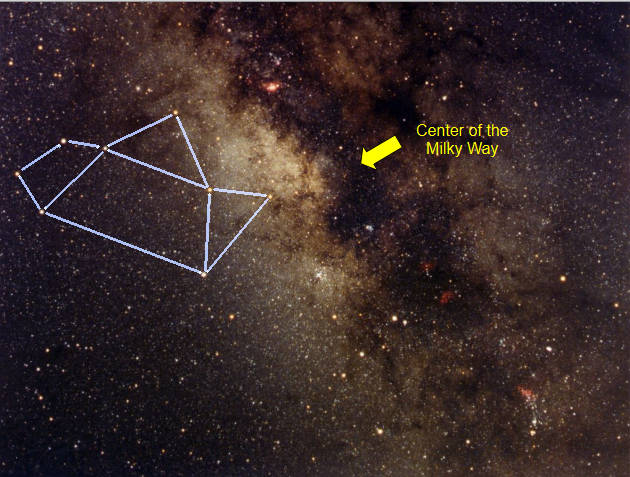
The moon sets in twilight so it will not bother viewing of the Milky Way when it gets dark. Looking to the south and little Teapot asterism of the constellation Sagittarius is the center of the Milky Way. It’s located just off the tip of the spout of that teapot. It’s about 25 to 27,000 light years away and is blocked from our view by clouds of gas and dust. In it lies the Milky Way’s central black hole. Astronomers have found that most galaxies have a black hole in their centers. Ours, it turns out, is a little smallish for our size of galaxy. It has the mass of four million times the mass of the Sun. Imaging of our black hole occurred at the same period of time that the data for the black hole in the galaxy M87. But its image took longer to produce due to the obstruction of that dust and gas.
The astronomical event times given are for the Traverse City/Interlochen area of Michigan (EDT, UT–4 hours). Times will be different for other locations.
Addendum


Ephemeris: 06/07/2024 – GTAS hears from NASA engineer tonight
This is Ephemeris for Friday, June 7th. Today the Sun will be up for 15 hours and 28 minutes, setting at 9:26, and it will rise tomorrow at 5:57. The Moon, 1 day past new, will set at 11:19 this evening.
Tonight’s meeting of the Grand Traverse Astronomical Society will start at 9 pm, at Northwestern Michigan College’s Rogers Observatory. The later start time in June and July will allow the following star party, which will start at the end of the meeting, around 10 pm, to start after sunset. The sky will still be in bright twilight. We are pleased to have Joe Gibson, Principal Flight Software Engineer, from NASA’s Goddard Space Flight Center to speak to us. After the program, at about 10 pm, if it’s clear will be viewing of the skies as it gets dark. The public is always welcome. This meeting also marks the Society’s 42nd anniversary. The observatory is located south of Traverse City on Birmley Road between Garfield and Keystone roads.
The astronomical event times given are for the Traverse City/Interlochen area of Michigan (EDT, UT–4 hours). They may be different for your location.
Addendum

Ephemeris: 02/22/2024 – IM-1, the Odysseus spacecraft lunar landing is today
This is Bob Moler with Ephemeris for Thursday, February 22nd. Today the Sun will be up for 10 hours and 47 minutes, setting at 6:20, and it will rise tomorrow at 7:31. The Moon, 2 days before full, will set at 7:32 tomorrow morning.
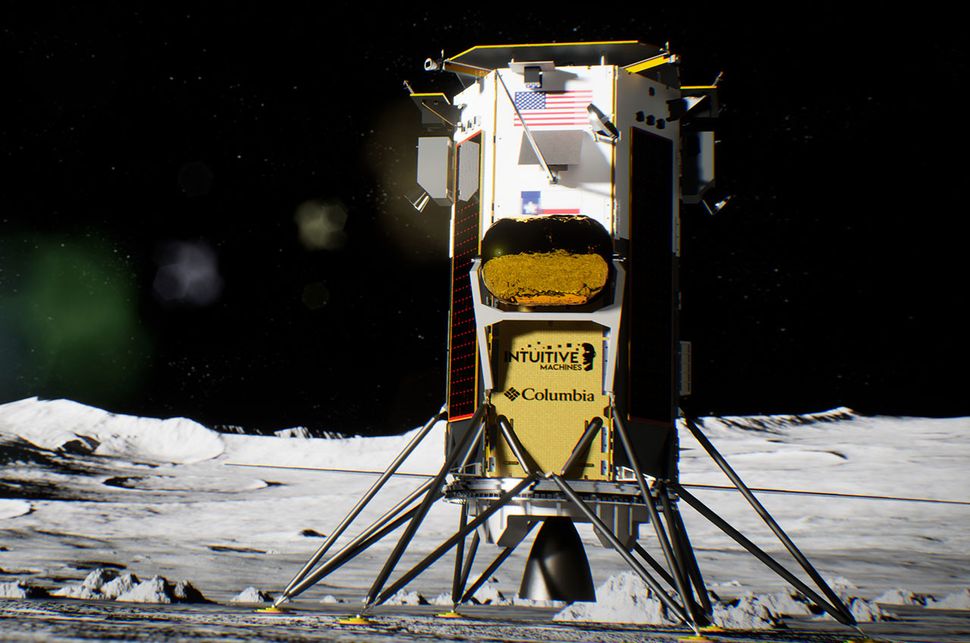
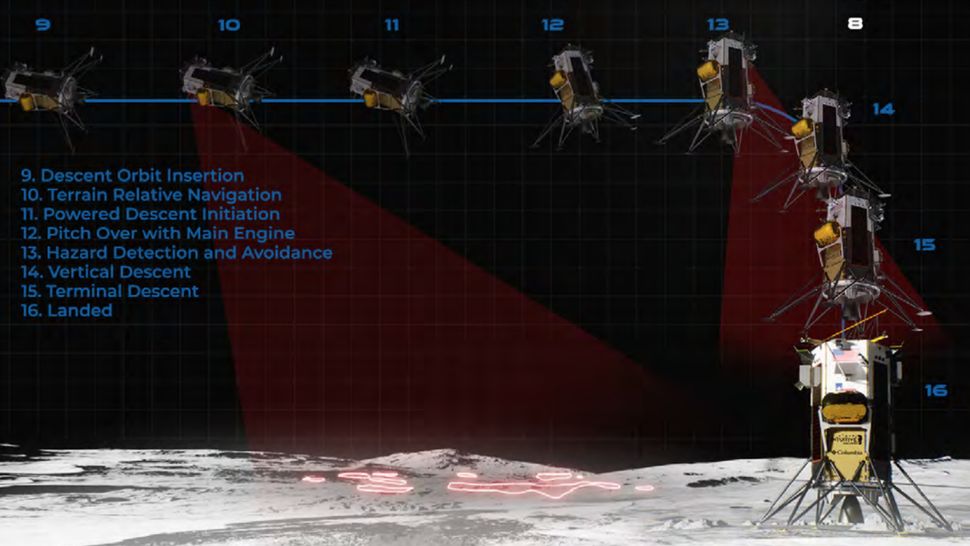
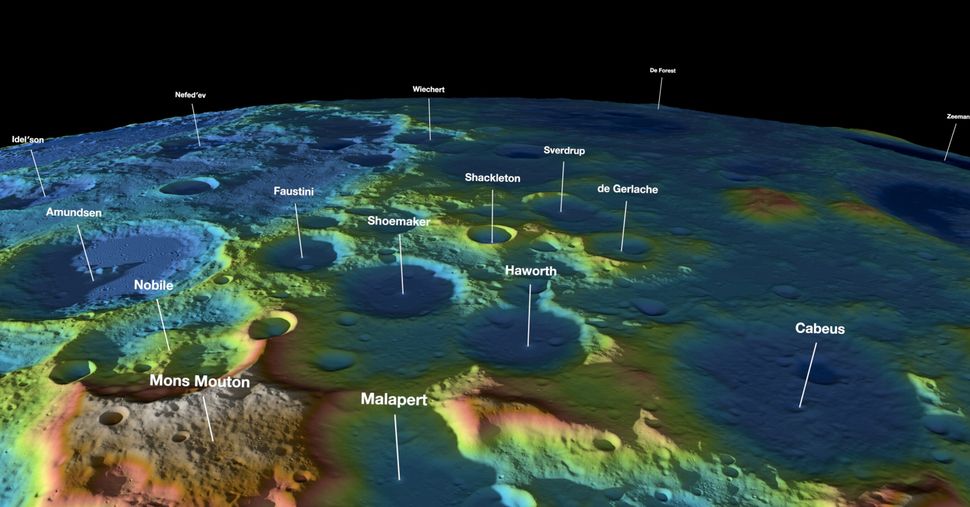
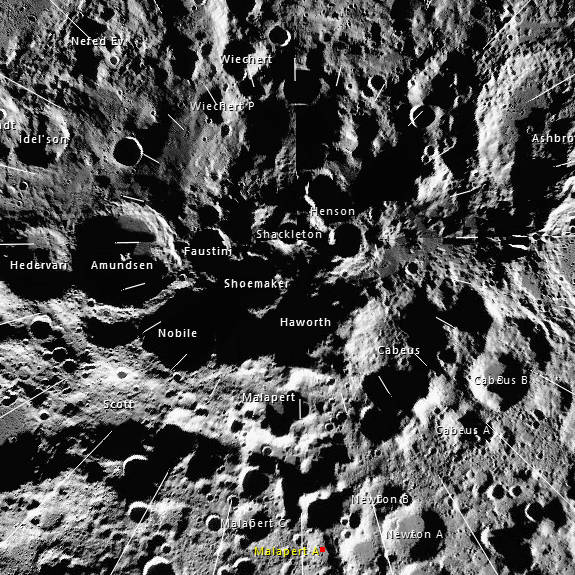
Today is the day the Intuitive Machines’ moon lander called Odysseus is slated to land on the Moon. It was launched a week ago on a SpaceX Falcon 9 rocket. And if successful it will be the first soft landing on the Moon by the United States since Apollo 17 back in 1972. I’m recording this last Sunday, so I don’t know the condition of the spacecraft and a lot can happen between launch and landing on the moon. The last spacecraft sent from the United States, last month, by the inaugural flight of United Launch Alliance’s Vulcan Centaur rocket crashed back on Earth. The spacecraft is supposed to land about 190 miles from the Moon’s South Pole, which is considerably closer to the South Pole than the Indian spacecraft landed last year.
The astronomical event times given are for the Traverse City/Interlochen area of Michigan (EST, UT –5 hours). They may be different for your location.
Addendum
 Bob Moler's Ephemeris Blog