Archive
Ephemeris: 02/16/2026 – The Dog Star
This is Bob Moler with Ephemeris for President’s Day, Monday, February 16th. Today the Sun will be up for 10 hours and 31 minutes, setting at 6:12, and it will rise tomorrow at 7:39. The Moon, 1 day before new, will rise at 7:51 tomorrow morning.
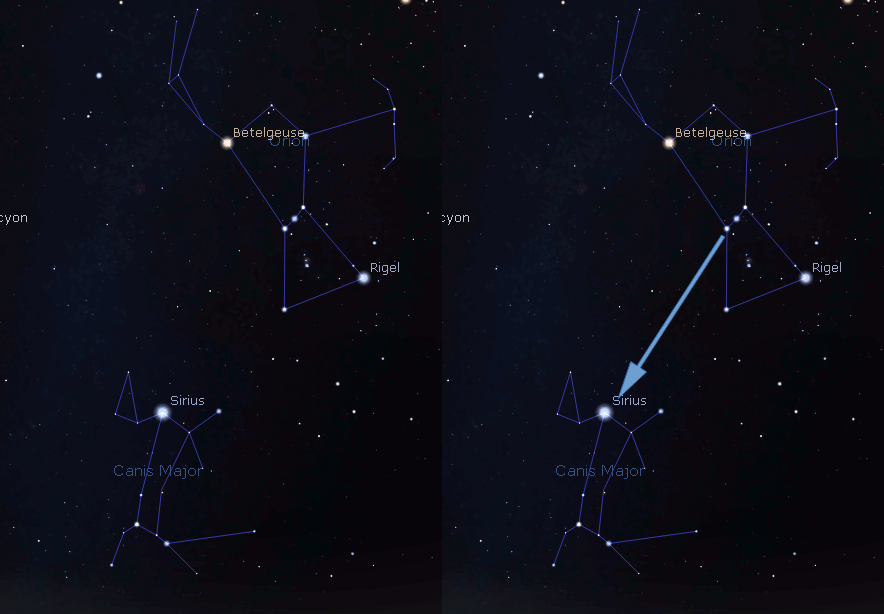
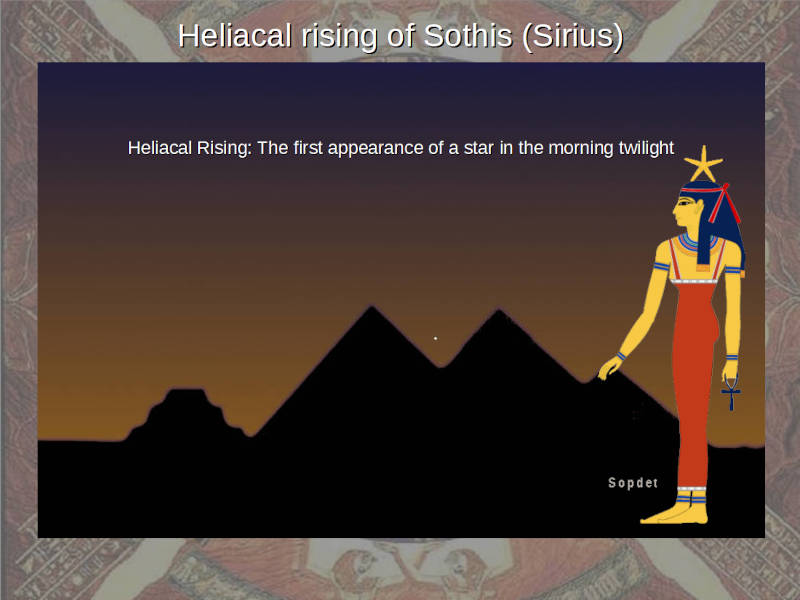
The second-brightest star-like object in the evening sky is Sirius, also known as the Dog Star. It also is the brightest nighttime star in our skies period. Tonight at 9 p.m. it’s located in the southern sky. The Dog Star name comes from its position at the heart of the constellation Canis Major, the great dog of Orion the hunter. The three stars of Orion’s belt tilt to the lower left to Sirius. Sirius means ‘Dazzling One’, because of its great brilliance and twinkling. Its Egyptian name was Sopdet, and its first appearance in the dawn skies around July 20th signaled the flooding of the Nile, and the beginning of the agricultural year. The relationship of the heliacal rising of Sirius and the seasonal or tropical year lasted from about 2900 BCE to the start of the Common Era. Sirius owes much of its brilliance to the fact that it lies close to us, only 8.6 light years away.
The astronomical event times given in this blog are for the Traverse City/Interlochen area of Michigan (Lat 44.7° N, Long 85.7° W; EST, UT – 5 hours) unless stated otherwise. Times will be different for other locations.
Addendum
Trivia Note
The Greeks invented the term “Dog days of summer” for the hottest days of July because they thought that Sirius added its intensity to the heat of the Sun to make it hotter out. So why doesn’t Sirius help warm our winter nights? Just asking.
Ephemeris: 02/03/2026 – Canis Major, Orion’s greater hunting dog
This is Ephemeris for Tuesday, February 3rd. Today the Sun will be up for 9 hours and 55 minutes, setting at 5:54, and it will rise tomorrow at 7:58. The Moon, 2 days past full, will rise at 8:14 this evening.
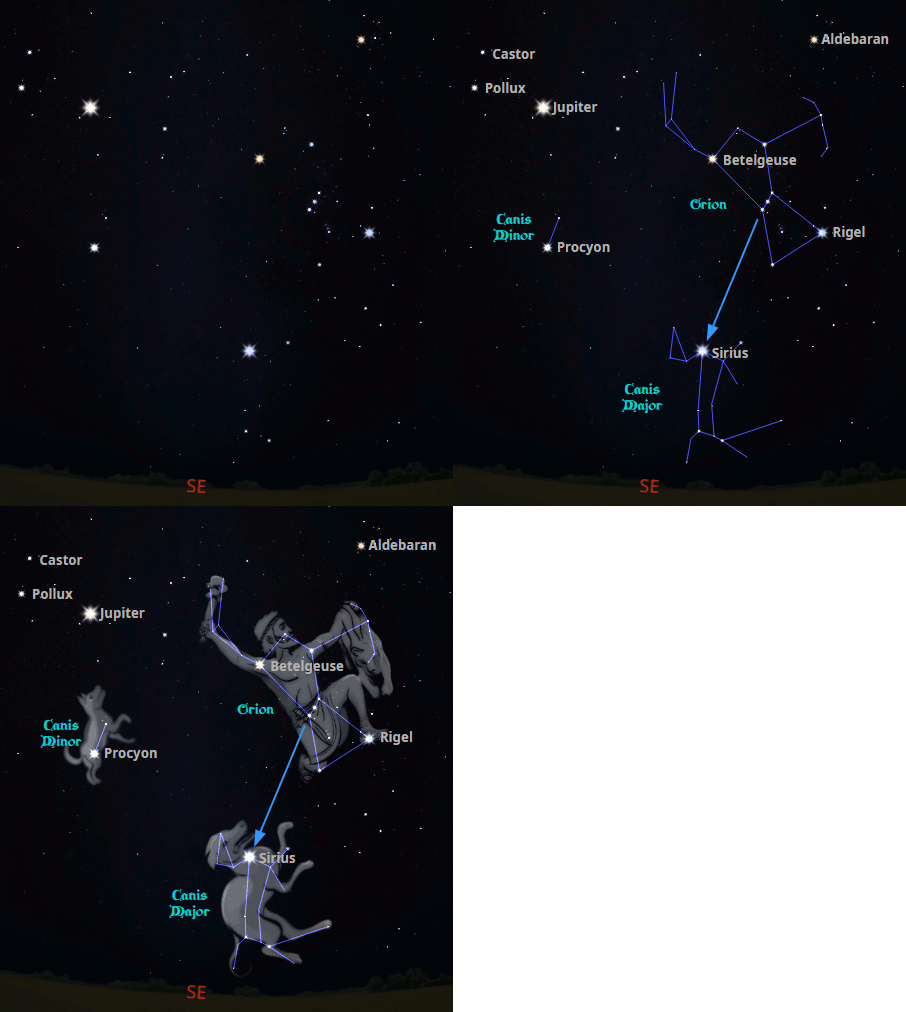
What kind of hunter would the constellation Orion be without his trusty hunting dogs. The larger of his two dogs is Canis Major which can be found if you extend Orion’s belt stars down to the left. There in the southeast by 8 PM, will appear the brightest nighttime star Sirius the Dog Star. It is in the heart of the dog, which appears to be begging. Well it’s tilted funny. Other than that it’s a pretty good representation of a dog as a stick figure. The name Sirius doesn’t mean Dog Star, but means Dazzling One due to its great brightness. It outshines all other nighttime stars, only to be out shown by the planets Venus, Jupiter and occasionally, Mars. Binoculars will show a nice little star cluster a short ways below Sirius known as M41.
The astronomical event times given in this blog are for the Traverse City/Interlochen area of Michigan (Lat 44.7° N, Long 85.7° W; EST, UT – 5 hours) unless stated otherwise. Times will be different for other locations.
Addendum
Ephemeris: 02/18/2025 – Finding Orion’s greater hunting dog
This is Ephemeris for Tuesday, February 18th. Today the Sun will be up for 10 hours and 37 minutes, setting at 6:15, and it will rise tomorrow at 7:36. The Moon, 2 days before last quarter, will rise at 12:52 tomorrow morning.
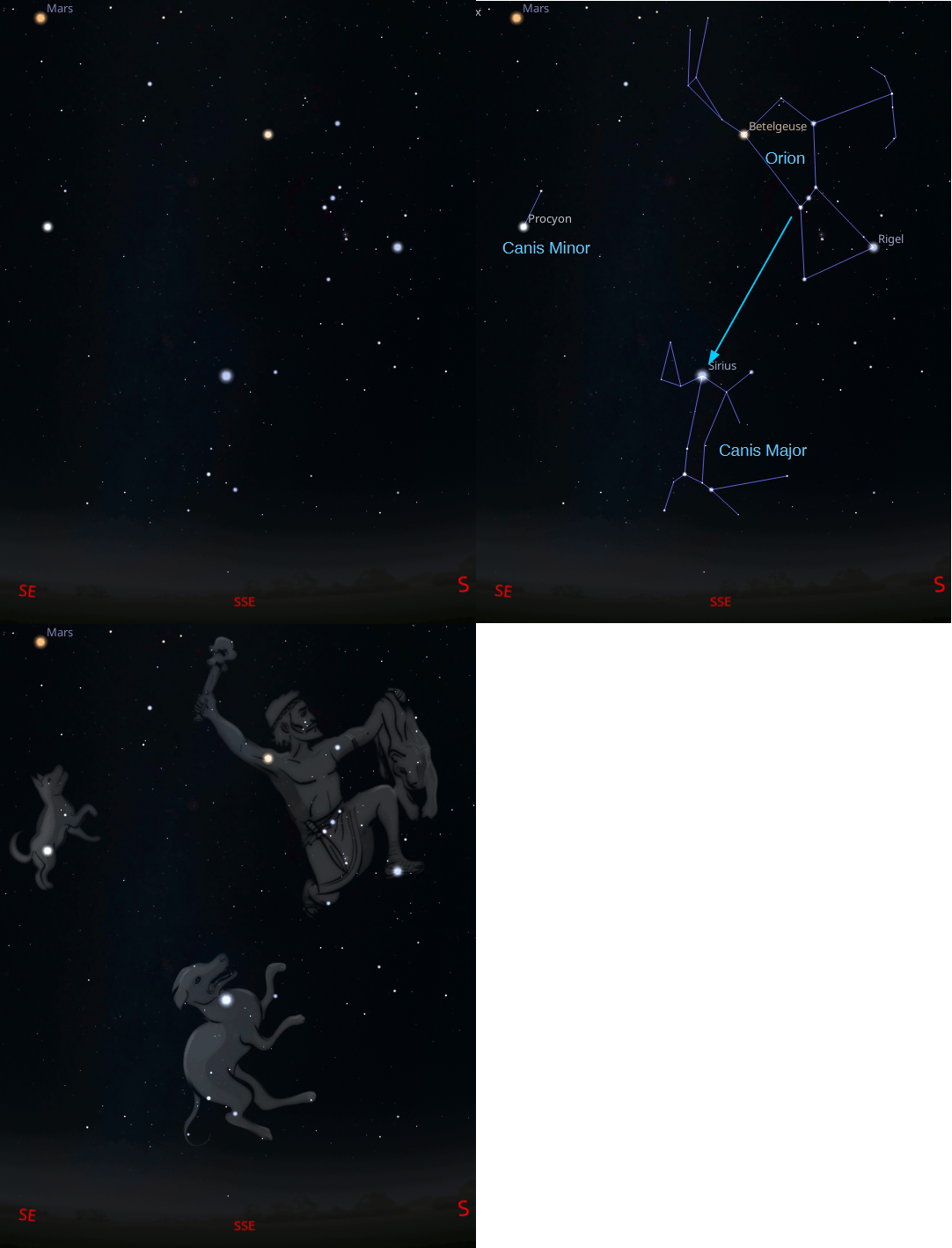
The great winter constellation or star group Orion the Hunter, is located in the south-southeastern sky at 8 p.m. His elongated rectangle of a torso is almost vertical. In the center of the rectangle are three stars in a line that mark his belt. As a hunter, especially one of old, he has two hunting dogs. The larger, Canis Major can be found by following the three belt stars of Orion down and to the left. There lies the brilliant star called Sirius, also known as the Dog Star. It’s in the heart of a stick figure dog low in the southeast, facing Orion, that appears to be begging. There’s a fine star cluster, called M41, at the 5 o’clock position from Sirius, easily visible in binoculars or a small telescope.
The astronomical event times given are for the Traverse City/Interlochen area of Michigan (EST, UT – 5 hours). Times will be different for other locations.
Addendum
Ephemeris: 01/23/2025 – Conflict in the heavens
This is Ephemeris for Thursday, January 23rd. Today the Sun will be up for 9 hours and 28 minutes, setting at 5:39, and it will rise tomorrow at 8:09. The Moon, 2 days past last quarter, will rise at 4:15 tomorrow morning.
There are several instances in the Greek heavens where constellations appear to interact with one another. This is true with Orion the hunter and Taurus the bull. Taurus, whose face is the letter V of stars, near Jupiter this year. The orangish star Aldebaran as his angry bloodshot eye is charging down on Orion, who has raised a lion skin shield on one arm and an upraised club in the other, ready to strike. They have been frozen in this pose for millennia. Stars below and right of the letter V of the Bull’s face suggest the front part of his body and his front legs charging at Orion. Orion also has two hunting dogs, Canis Major and Canis Minor. Canis Major with its dazzling star Sirius will rise around 6:21 on a line extending down from Orion’s belt.
The astronomical event times given are for the Traverse City/Interlochen area of Michigan (EST, UT – 5 hours). Times will be different for other locations.
Addendum
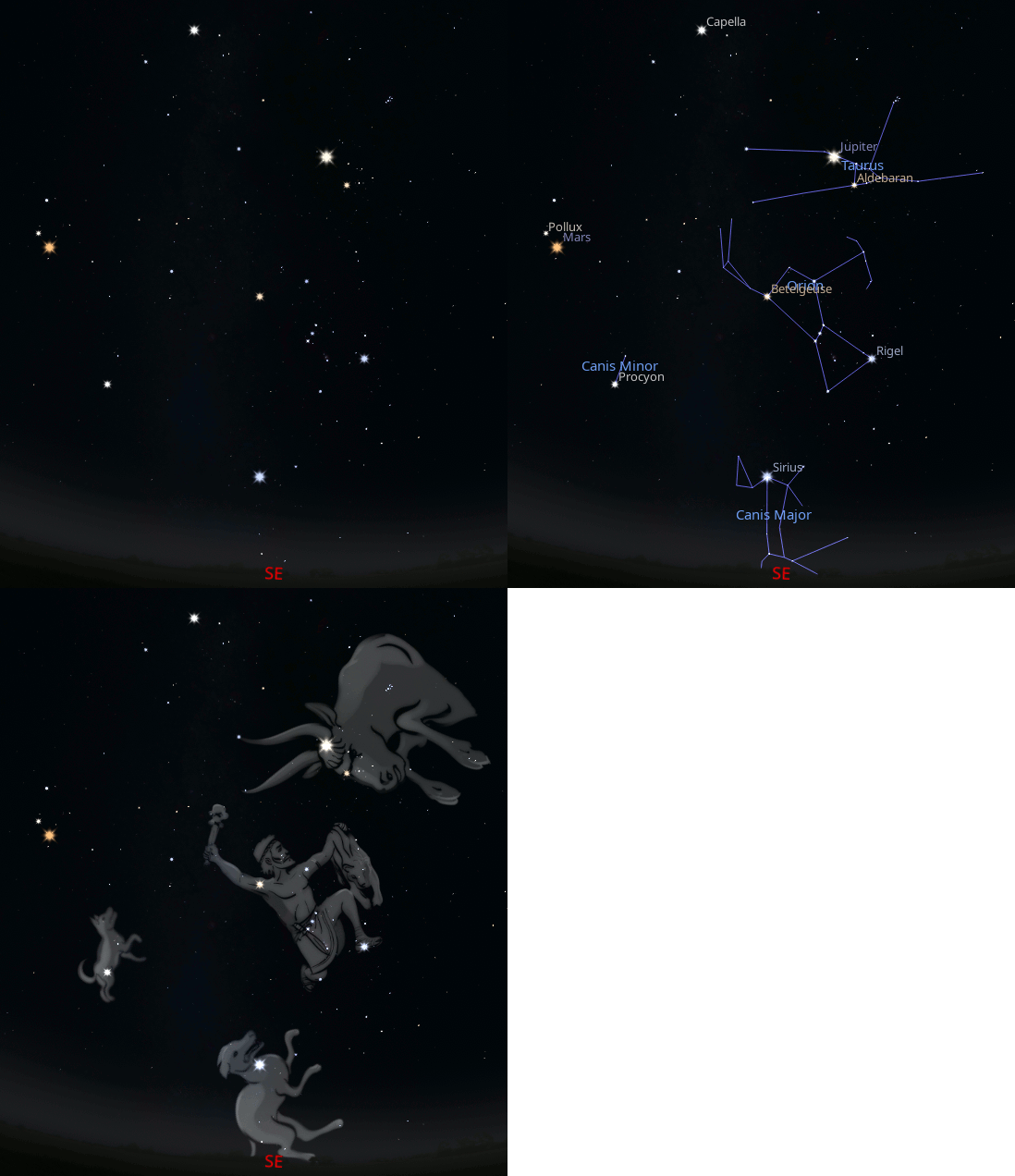
Perhaps Jupiter is not intruding, because the Roman god Jupiter is the Greek god Zeus, who turned himself into a bull to carry off the maiden Europa. And Europa is with him still as Jupiter’s moon, and target of NASA’s recently launched Europa Clipper spacecraft.
Ephemeris: 03/07/2024 – There’s a unicorn in there somewhere
This is Bob Moler with Ephemeris for Thursday, March 7th. Today the Sun will be up for 11 hours and 30 minutes, setting at 6:39, and it will rise tomorrow at 7:06. The Moon, 3 days before new, will rise at 6:35 tomorrow morning.
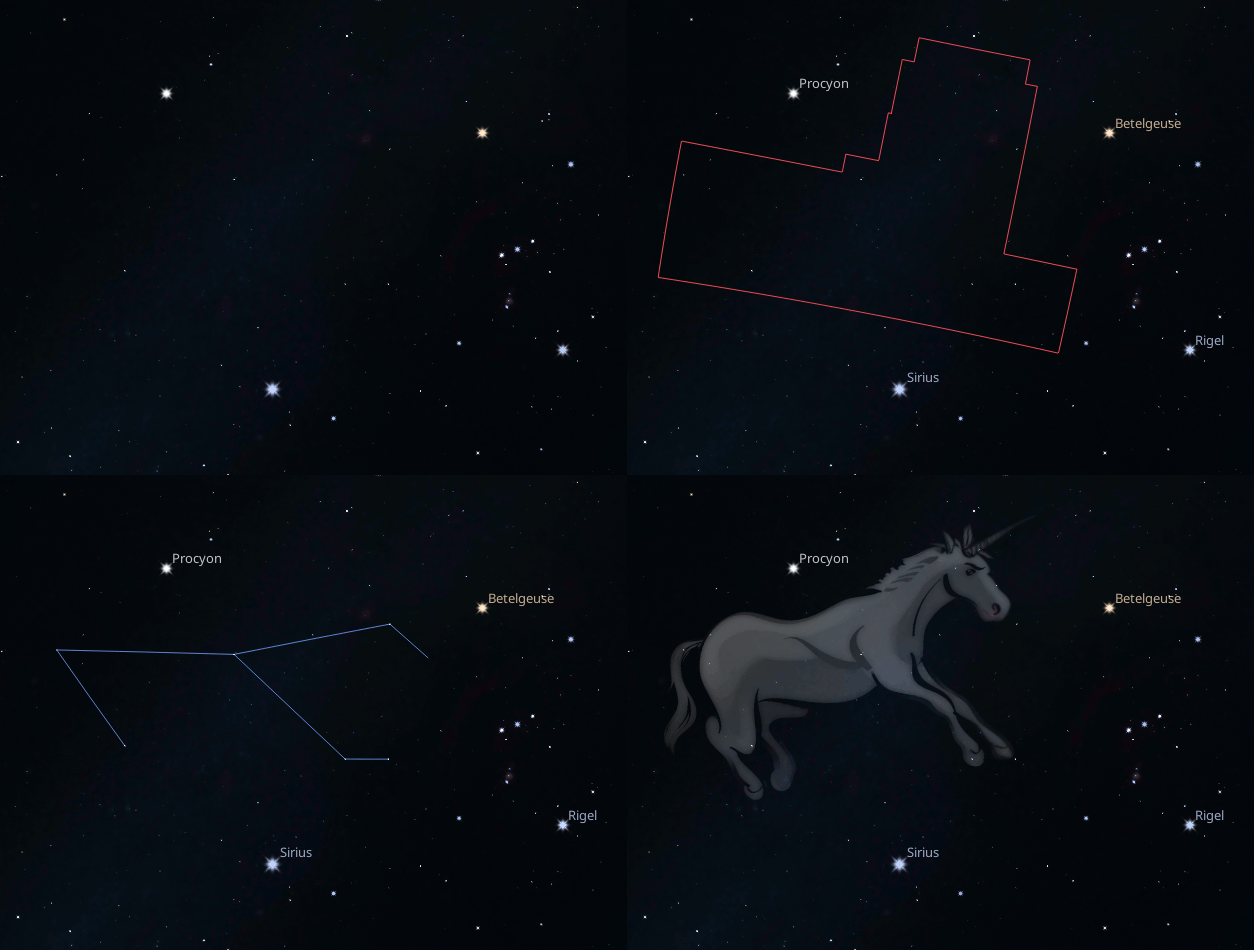
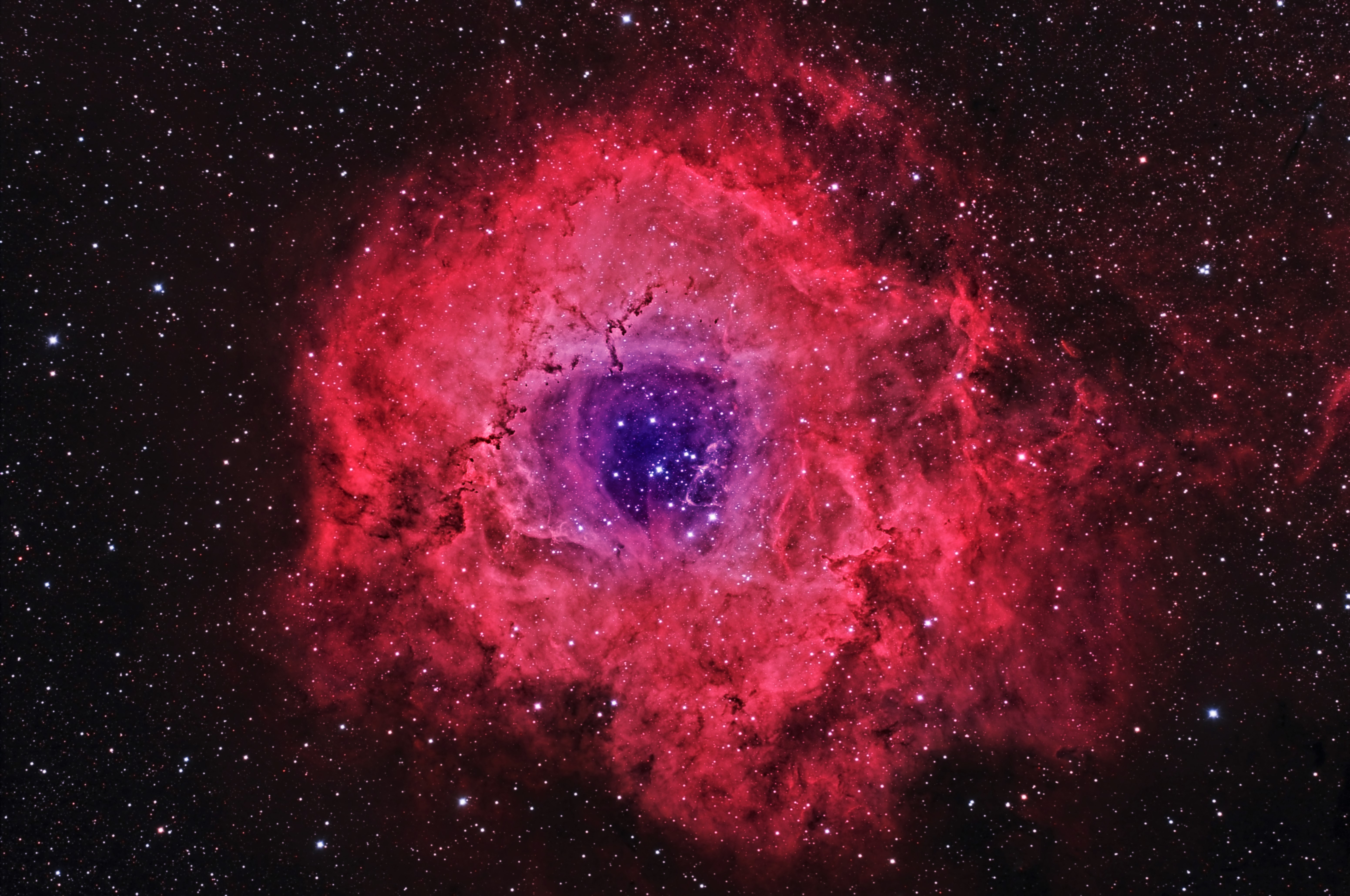
The constellation of Monoceros the unicorn is located in an area of sky to the left of Orion so it’s in the south at 8 pm, inside the Winter Triangle of stars, Betelgeuse in Orion; Sirius in the Great Dog, Canis Major; and Procyon in Canis Minor. If you don’t see anything there, it’s OK. Nobody sees real unicorns any more anyway. Are there any real unicorns? Anyway, there’s a great number of nebulae here in the Milky Way that runs through it, which unfortunately are too faint to be seen with amateur telescopes. However, it is a gold mine for amateur astronomers who are also astrophotographers using time exposures to record the faint nebulae here, including the famous Rosette Nebula!
The astronomical event times given are for the Traverse City/Interlochen area of Michigan (EST, UT –5 hours). They may be different for your location.
Addendum
Ephemeris: 02/04/2024 – The rabbit at the feet of Orion
This is Ephemeris for Tuesday, February 6th. Today the Sun will be up for 10 hours and 1 minute, setting at 5:57, and it will rise tomorrow at 7:55. The Moon, 3 days before new, will rise at 6:44 tomorrow morning.
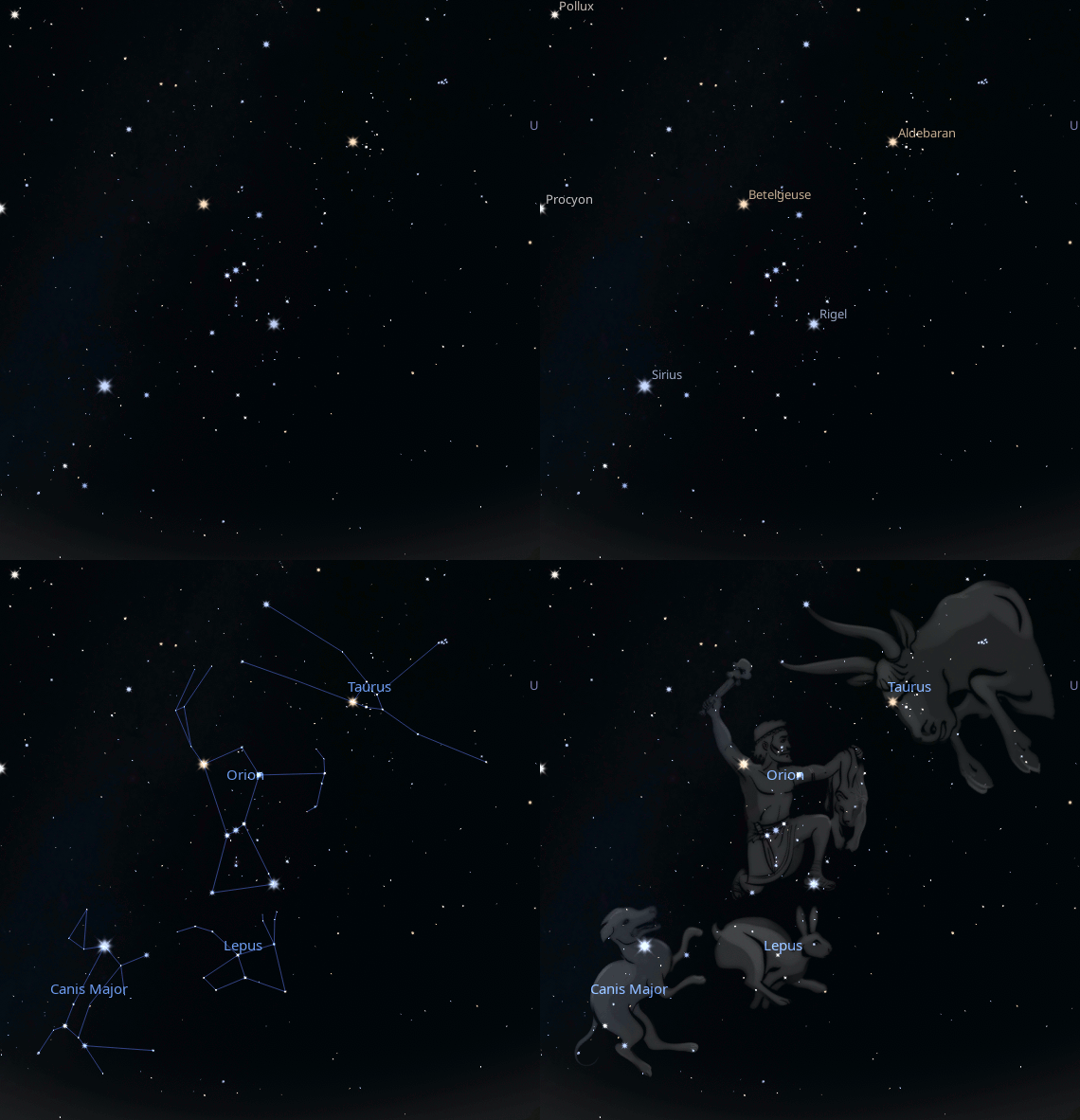
The constellation of Orion the hunter is in the south in the evening, and he seems to be preoccupied with the charge of Taurus the bull to his upper right. Unnoticed by him and below him is a small constellation called Lepus the hare, made of very dim stars. Good luck trying to make a rabbit out of those stars. In the constellation art that comes with the free application Stellarium. It displays the sky like a planetarium. The artistic constellation of the figure of Canis Major, Orion’s large hunting dog seems to be taking notice of Lepus and is beginning to chase it Lepus the hare is a nice addition to the tableau presented in the winter sky. Stellarium-web.org is a web based version of Stellarium that doesn’t have to be installed on your device.
The astronomical event times given are for the Traverse City/Interlochen area of Michigan (EST, UT –5 hours). They may be different for your location.
Addendum
Ephemeris: 02/05/2024 – Looking at the star Procyon
This is Ephemeris for Monday, February 5th. Today the Sun will be up for 9 hours and 59 minutes, setting at 5:56, and it will rise tomorrow at 7:56. The Moon, 3 days past last quarter, will rise at 5:44 tomorrow morning.
The star Procyon is in Orion’s little hunting dog Canis Minor, which contains only one other star. It can be found by using the shoulder stars of Orion, Bellatrix and Betelgeuse, pointing to the left and down a bit to Procyon in the evening. The word Procyon appears to mean “Before the Dog” meaning that rises before the Dog Star, Sirius, even though it is east of it. Procyon is also north of Sirius, which for observers above 30° north latitude does indeed rise before the Dog Star. It is a star like Sirius, though it’s not as bright, or white. Procyon is 11.5 light years away while Sirius is 8.4 light years away. Both have tiny white dwarf companion stars.
The astronomical event times given are for the Traverse City/Interlochen area of Michigan (EST, UT –5 hours). They may be different for your location.
Addendum
Ephemeris: 01/29/2024 – Canis Major, Orion’s larger hunting dog
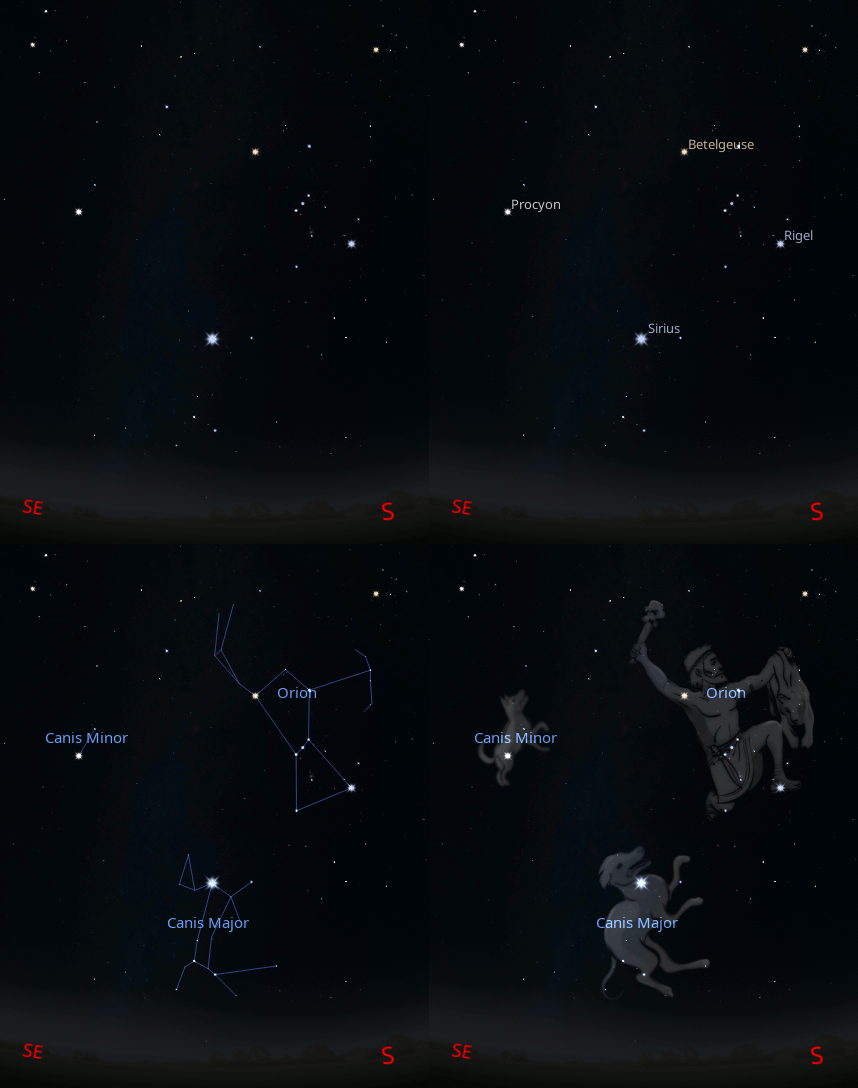
This is Ephemeris for Monday, January 29th. Today the Sun will be up for 9 hours and 41 minutes, setting at 5:46, and it will rise tomorrow at 8:04. The Moon, halfway from full to last quarter, will rise at 9:50 this evening.
The great winter constellation or star group, Orion the hunter, is located in the south-southeastern sky at 9 p.m. His elongated rectangle of a torso is nearly vertical. In the center of the rectangle are three stars in a line that make his belt. As a hunter, especially one of old, he has two hunting dogs. The larger, Canis Major, can be found by following the three belt stars of Orion down and to the left. They point to Sirius, the brightest nighttime star, also known as the Dog Star. It’s in the heart of a stick figure dog low in the southeast facing Orion that appears to be begging. There’s a fine star cluster, called Messier 41, or M41, the Little Beehive Cluster, at the 5 o’clock position from Sirius. It’s easily visible in binoculars or a small telescope.
The astronomical event times given are for the Traverse City/Interlochen area of Michigan (EST, UT –5 hours). They may be different for your location.
Addendum
Ephemeris: 01/08/2024 – Orion vs Taurus: conflict for the ages
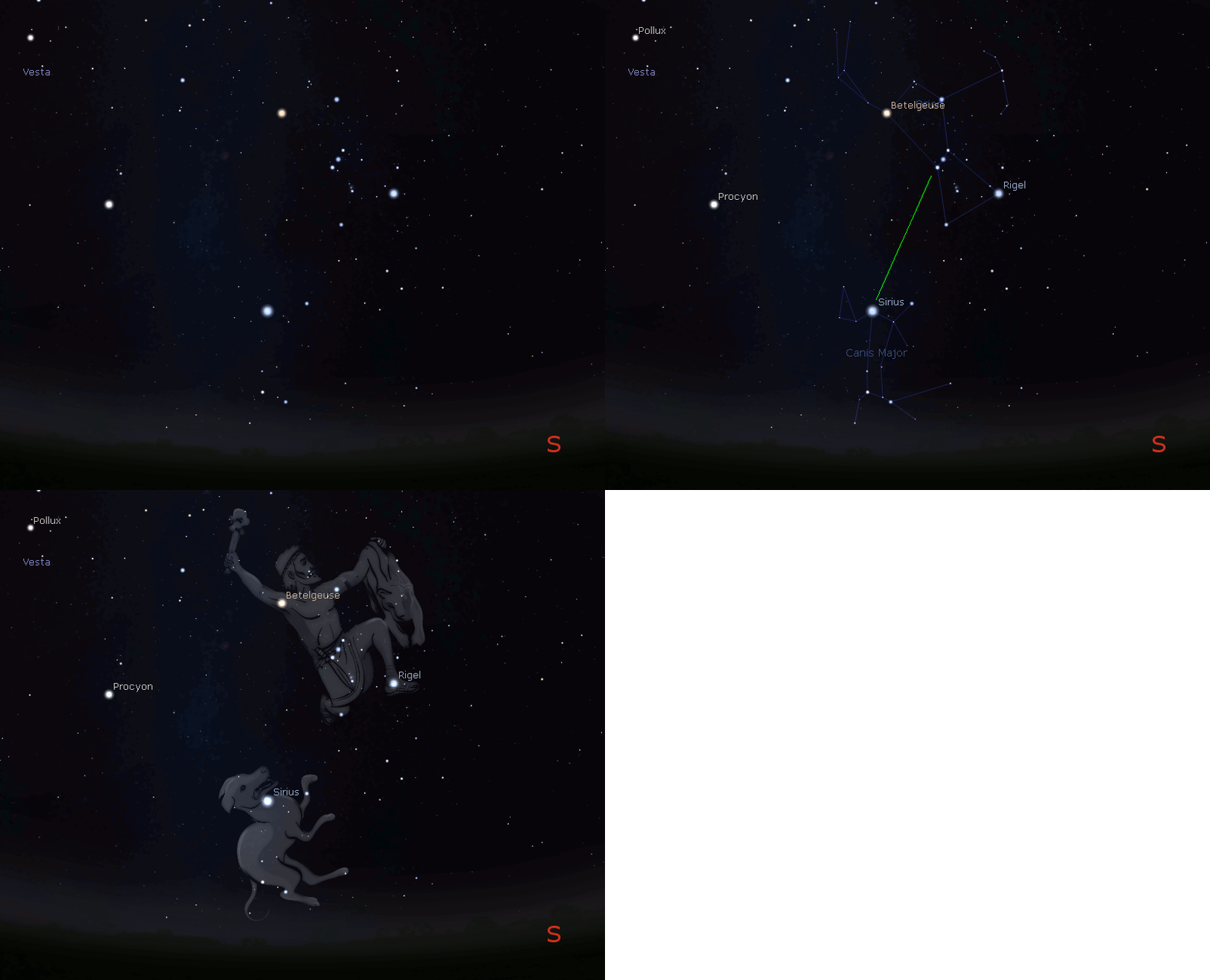
This is Ephemeris for Monday, January 8th. Today the Sun will be up for 9 hours even, setting at 5:19, and it will rise tomorrow at 8:19. The Moon, 3 days before new, will rise at 6:58 tomorrow morning.
There are several instances in the Greek heavens where constellations appear to interact with one another. This is true with Orion the hunter and Taurus the bull. Taurus, whose face is the letter V of stars with orangish Aldebaran as his angry bloodshot eye is charging down on Orion, who has raised a lion skin shield on one arm and an upraised club in the other, ready to strike. They have been frozen in this pose for millennia. Stars below and right of the letter V of the Bull’s face suggest the front part of his body and his front legs charging at Orion. Orion also has two hunting dogs, Canis Major and Canis Minor. Canis Major with its dazzling star Sirius will rise around 7:30 on a line extended down from Orion’s belt.
The astronomical event times given are for the Traverse City/Interlochen area of Michigan (EST, UT –5 hours). They may be different for your location.
Addendum
02/10/2023 – Ephemeris – Finding Orion’s greater hunting dog, Canis Major
This is Bob Moler with Ephemeris for Friday, February 10th. Today the Sun will be up for 10 hours and 13 minutes, setting at 6:04, and it will rise tomorrow at 7:49. The Moon, 3 days before last quarter, will rise at 11:14 this evening.
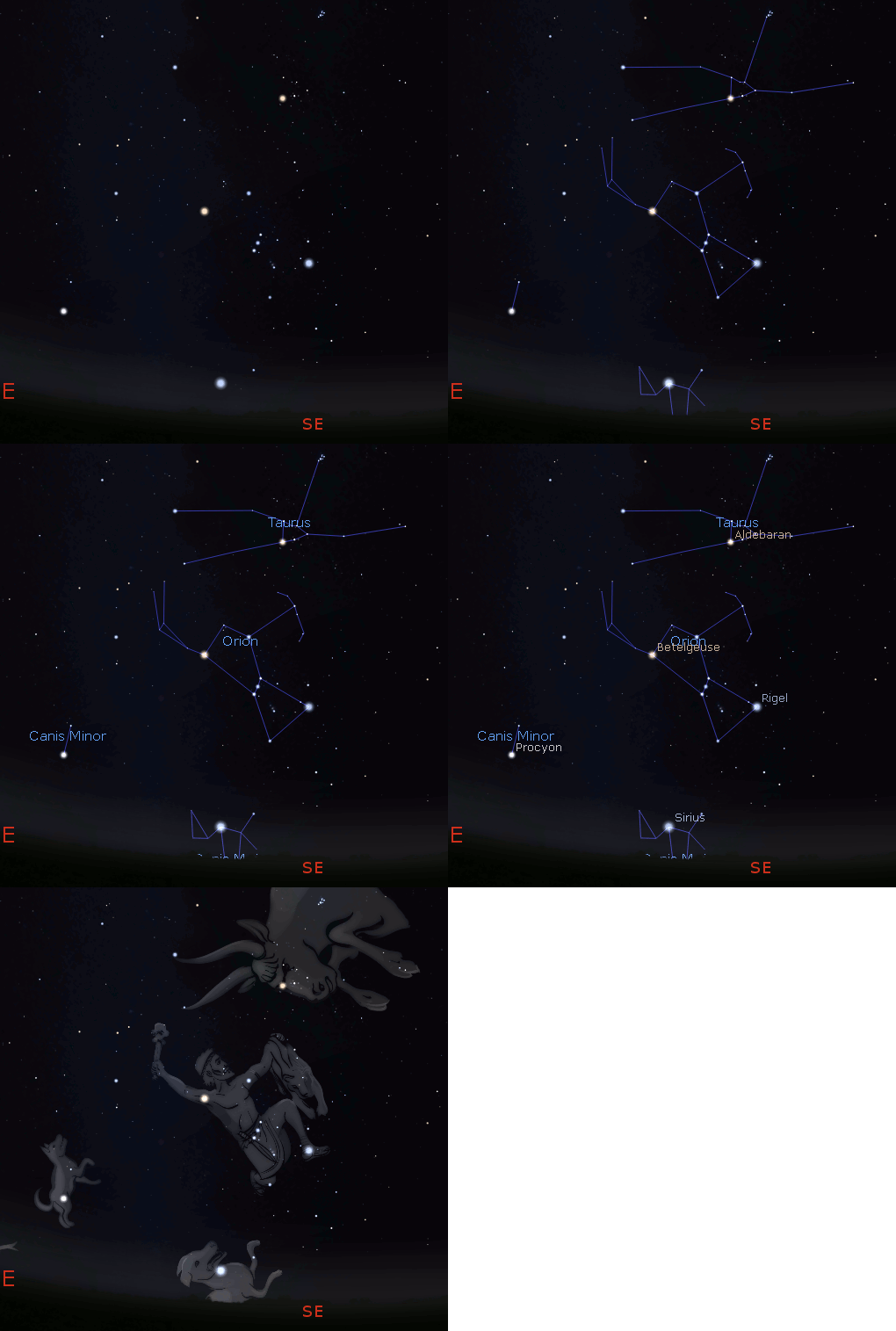
The great winter constellation or star group, Orion the hunter, is located in the southern sky at 9 p.m. His elongated rectangle of a torso is vertical. In the center of the rectangle are three stars in a line that make his belt. As a hunter, especially one of old, he has two hunting dogs. The larger, Canis Major, can be found by following the three belt stars of Orion down and to the left. They point to Sirius, the brightest nighttime star, also known as the Dog Star. It’s in the heart of a stick figure dog low in the southeast facing Orion that appears to be begging. There’s a fine star cluster, called Messier, or M 41, at the 5 o’clock position from Sirius. It’s easily visible in binoculars or a small telescope.
The astronomical event times given are for the Traverse City/Interlochen area of Michigan (EST, UT –5 hours). They may be different for your location.
Addendum
Orion and Canis Major animation for earlier than 9 in the evening. Created using Stellarium and GIMP.
 Bob Moler's Ephemeris Blog