Archive
09/20/2017 – Ephemeris – Looking for the bright planets
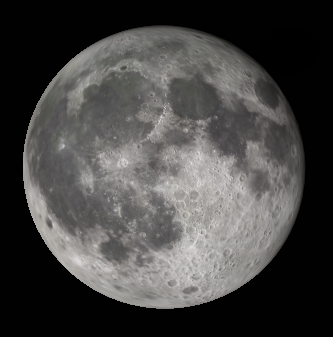
Ephemeris for Wednesday, September 20th. The Sun will rise at 7:27. It’ll be up for 12 hours and 15 minutes, setting at 7:43. The Moon is new today, and won’t be visible.
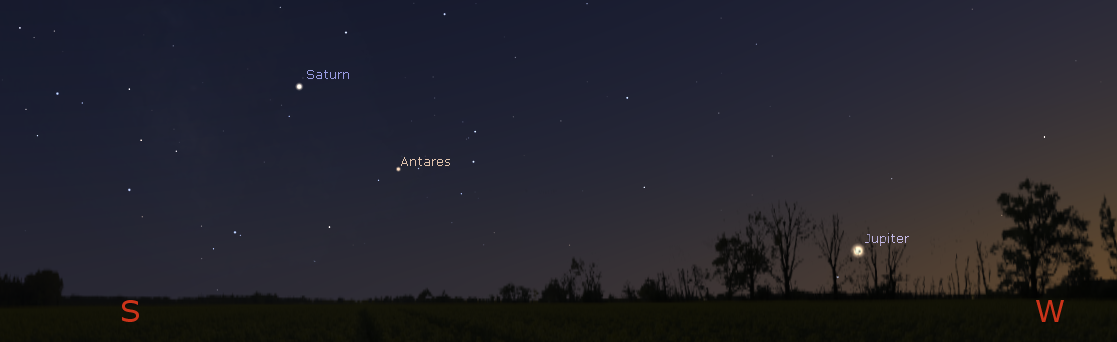
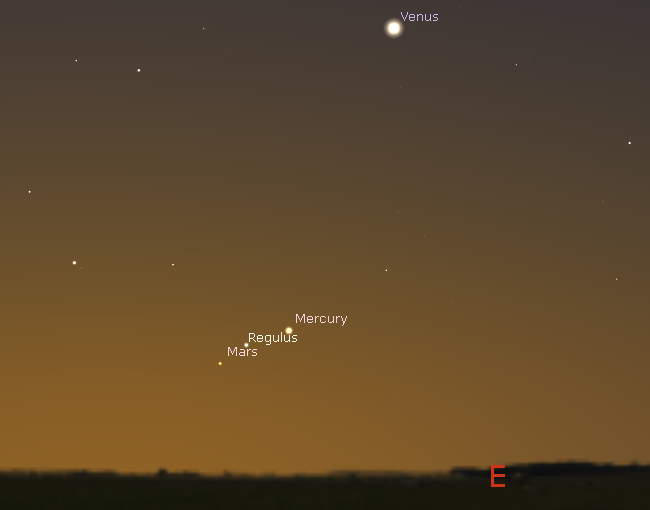
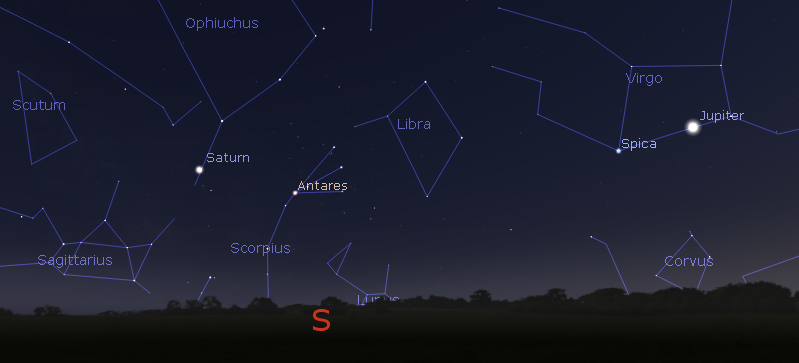
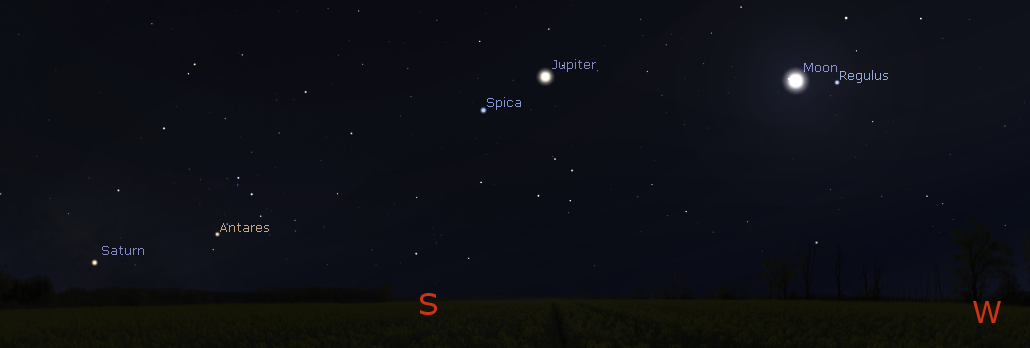
Let’s take our weekly look at the bright planets. Jupiter is really low in the west-southwest after sunset setting in twilight at 8:47 p.m. Saturn can be seen low in the southwest tonight. The reddish star Antares is below and right of Saturn before it sets at 10:18 p.m. Saturn’s rings are spectacular in telescopes. With the demise of the Cassini spacecraft orbiting Saturn for the last 13 years, there is no telescope closer to Saturn than yours. The planet will set at 11:35 p.m. In the morning sky, brilliant Venus will rise at 5:03 a.m. in the east-northeast. The first magnitude star Regulus in Leo the lion will be to the upper right of it. Dim Mars will rise in the east-northeast at 5:50 a.m. followed by the brighter Mercury which will rise at 6:12 a.m.
The times given are for the Traverse City/Interlochen area of Michigan. They may be different for your location.
Addendum
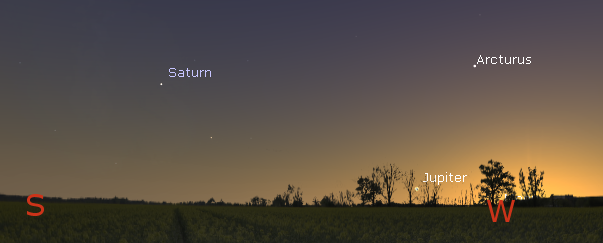
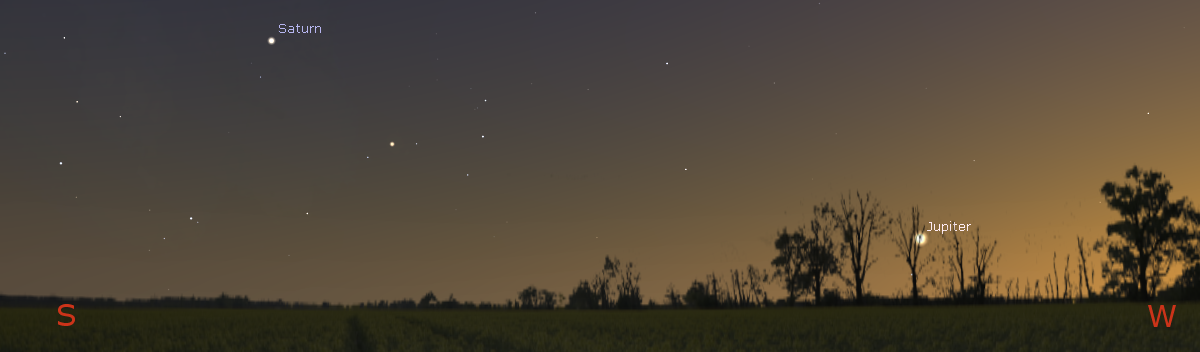
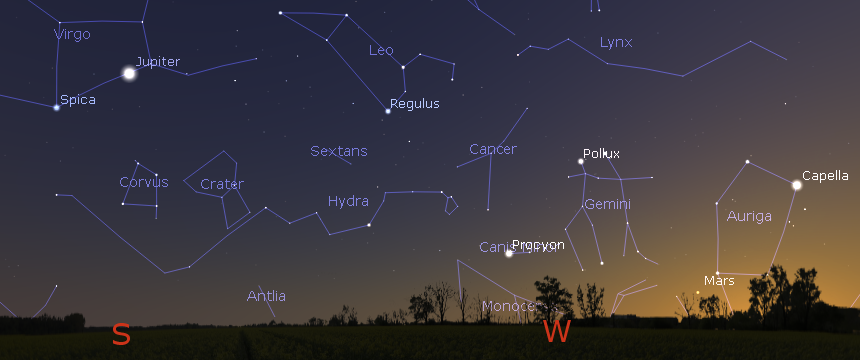
The setting Jupiter and Saturn at 8:15 p.m., September 20, 2017. Created using Stellarium. Click on the image to enlarge.
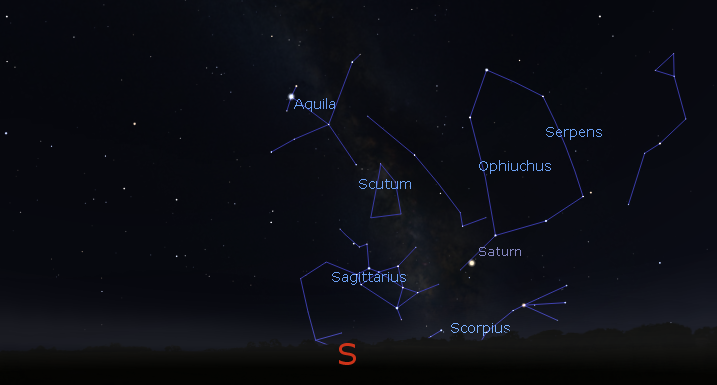
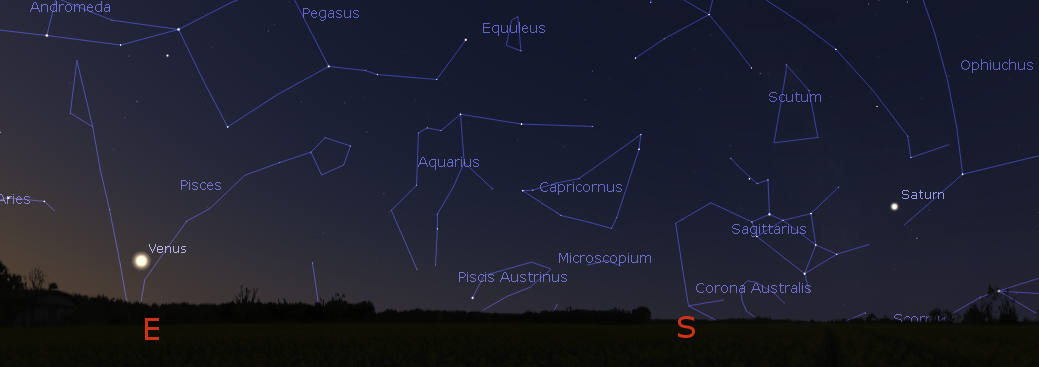
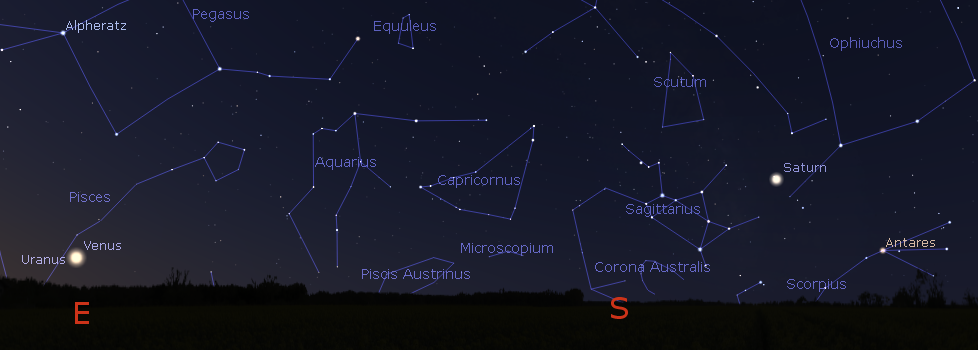
Saturn and constellations in dark skies at 9 p.m. September 20, 2017. Created using Stellarium. Click on the image to enlarge.
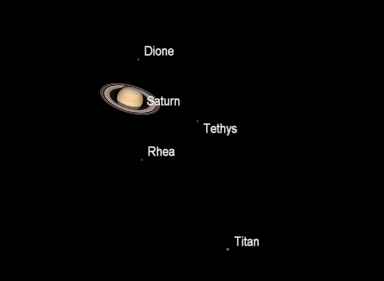
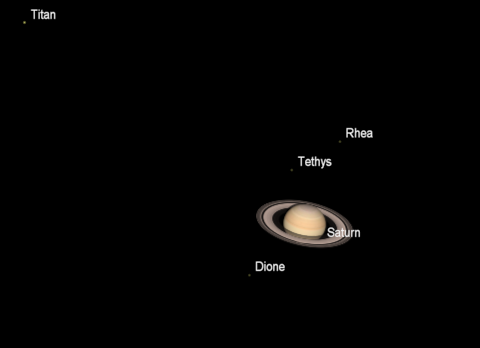
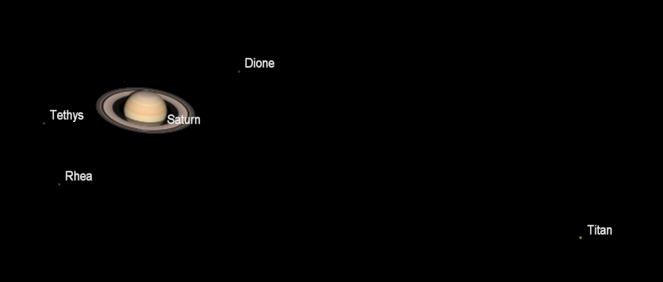
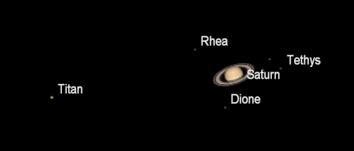
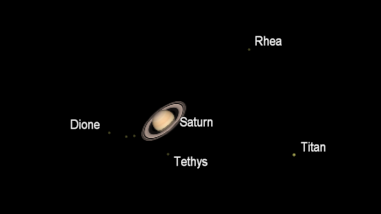
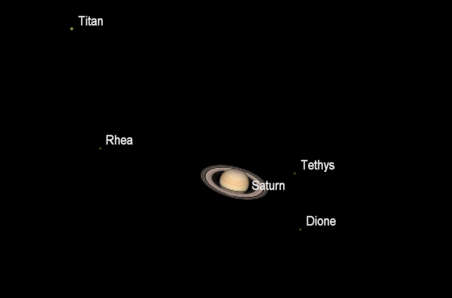
Saturn and its brightest moons overnight September 20/21, 2017. Created using Cartes du Ciel (Sky Charts).
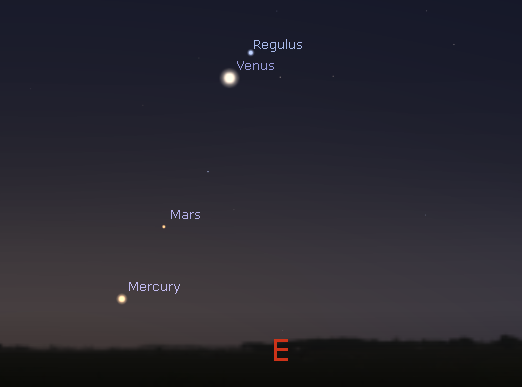
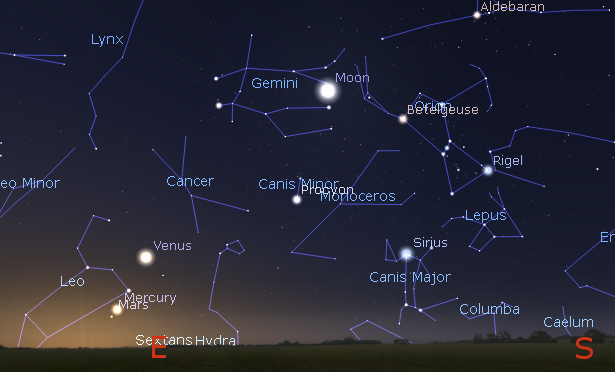
Morning planets close up at 6:30 a.m. September 21, 2017. Created using Stellarium.
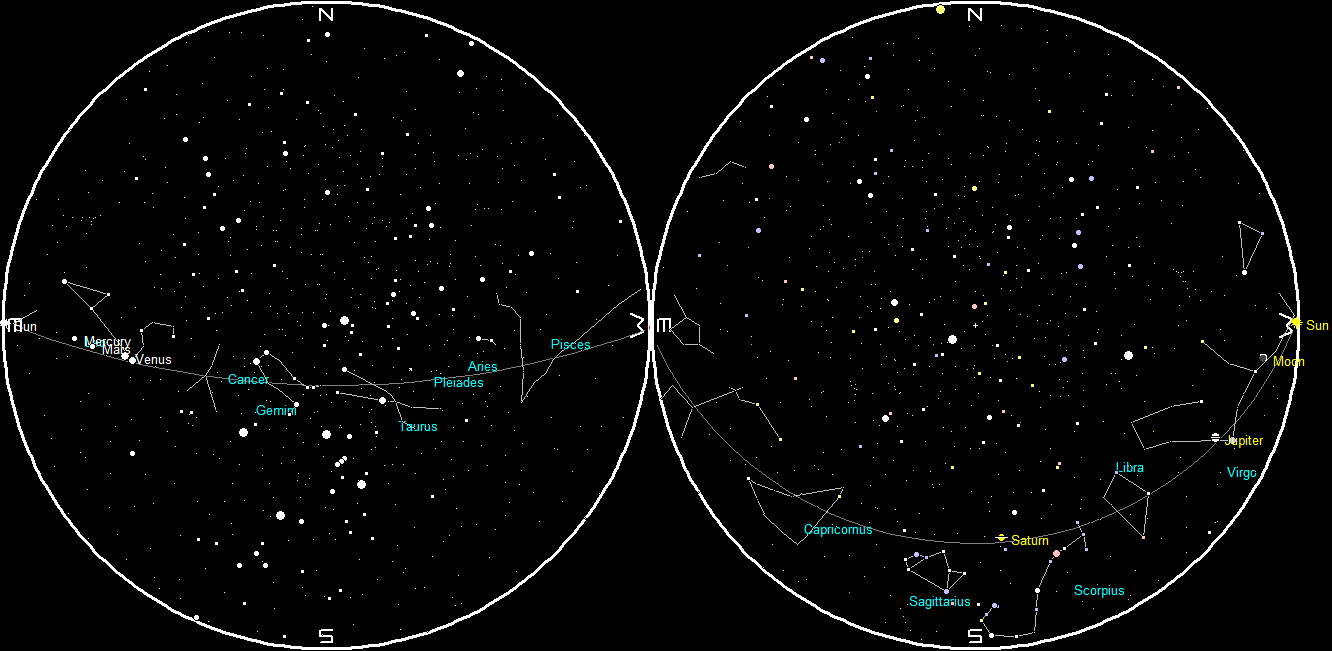
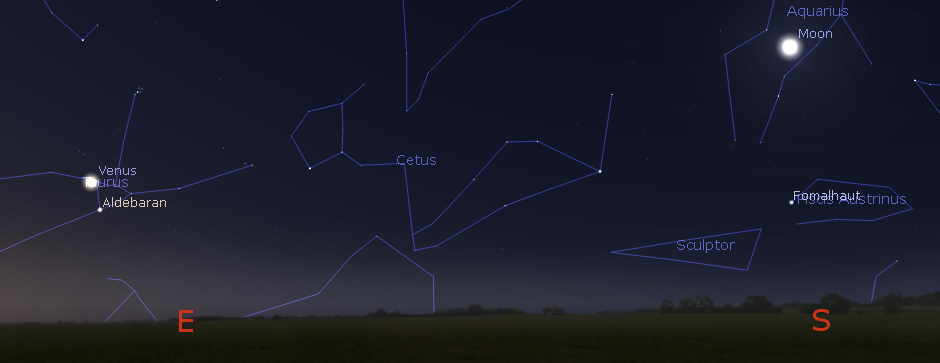
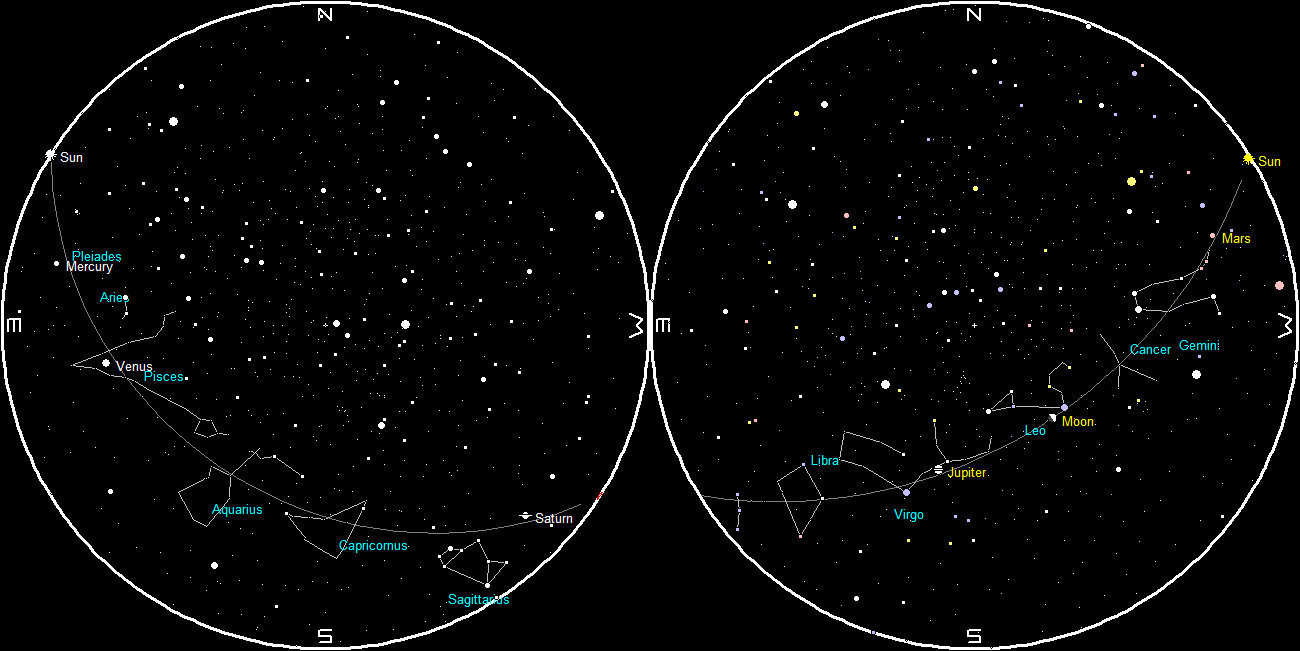
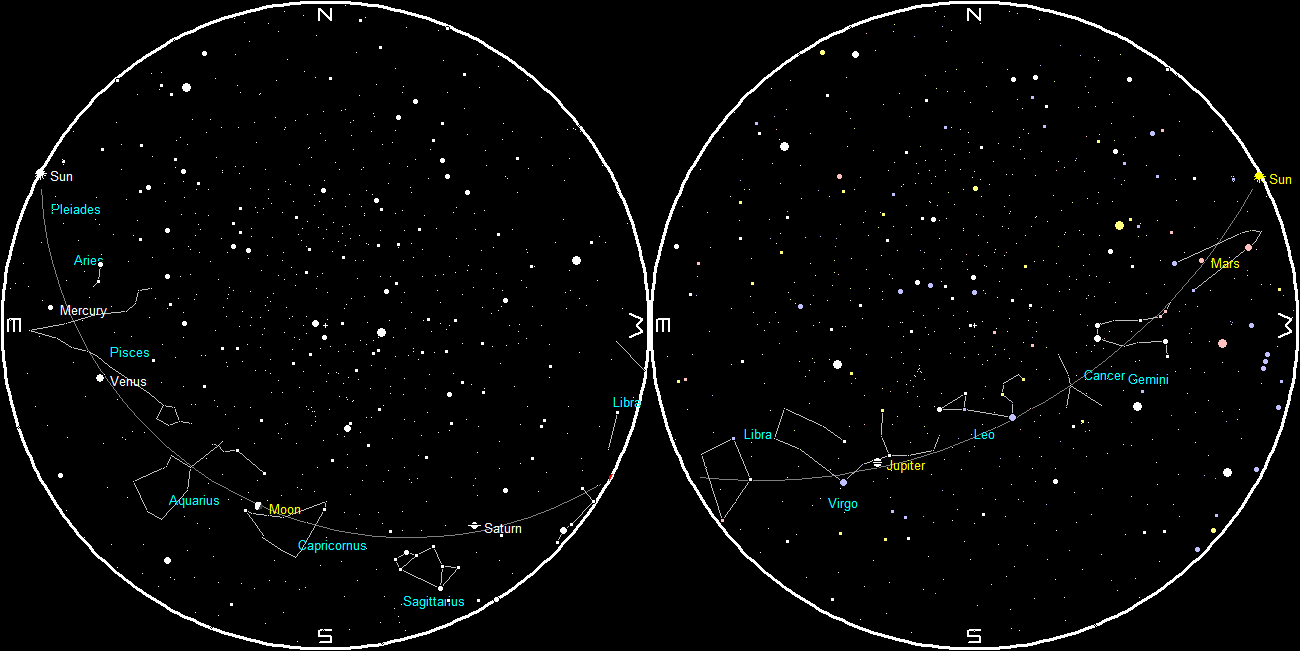
Planets at sunset and sunrise of a single night starting with sunset on the right on September 20, 2017. The night ends on the left with sunrise on the 21st. Click on the image to enlarge. Created using my LookingUp program.
09/13/2017 – Ephemeris – Looking for the bright planets this week
Ephemeris for Wednesday, September 13th. The Sun will rise at 7:19. It’ll be up for 12 hours and 36 minutes, setting at 7:56. The Moon, at last quarter today, will rise at 1:05 tomorrow morning.
Let’s take our weekly look at the bright planets. Jupiter is sinking really low in the west-southwest setting before the end of twilight. Jupiter will set at 9:11 p.m. Saturn can be seen moving from the south-southwest to the southwest tonight. The reddish star Antares is below and right of Saturn. Saturn’s rings are spectacular in telescopes. The planet will set at midnight. In the morning sky, brilliant Venus will rise at 4:48 a.m. Mercury will rise at 5:46 and Mars will rise at 5:54 a.m.
The times given are for the Traverse City/Interlochen area of Michigan. They may be different for your location.
Addendum
The setting Jupiter and Saturn at 8:30 p.m., September 13, 2017. Created using Stellarium. Click on image to enlarge.
Saturn and its brightest moons overnight September 13/14, 2017. Created using Cartes du Ciel (Sky Charts).
Planets in the morning sky at 6:30 a.m. September 14, 2017. Created using Stellarium. Click on the image to enlarge.
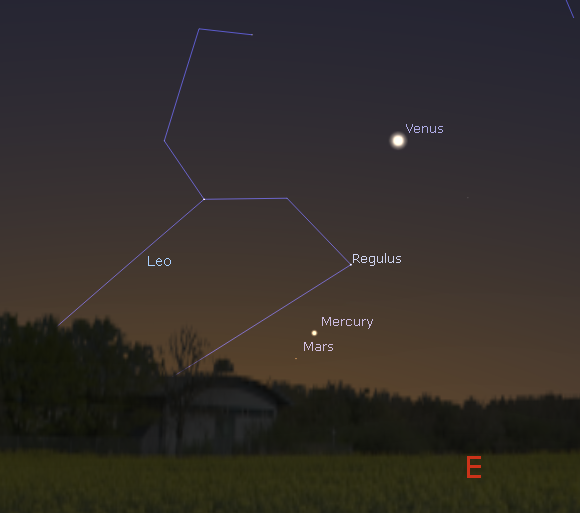
Morning planets close up at 6:30 a.m. September 14, 2017. Created using Stellarium.
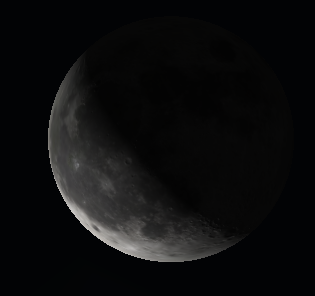
The fat crescent Moon as it might be seen in binoculars at 6:30 a.m. September 14, 2017. Created using Stellarium.
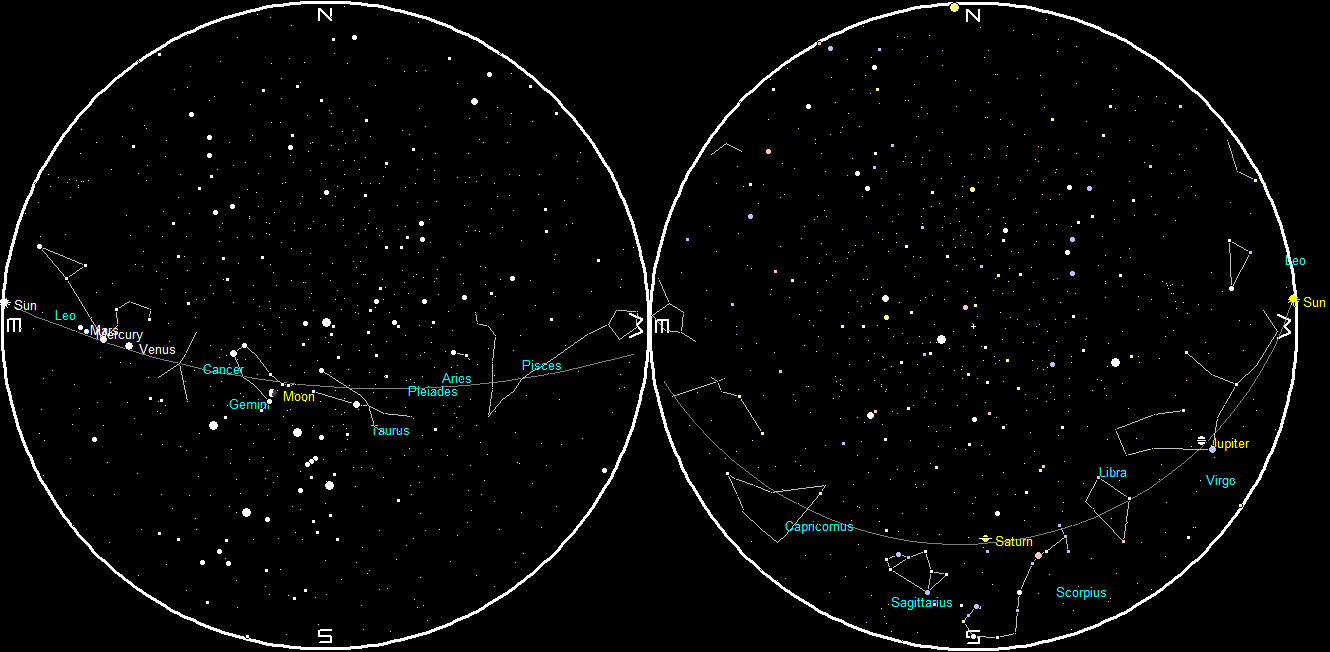
Planets at sunset and sunrise of a single night starting with sunset on the right on September 13, 2017. The night ends on the left with sunrise on the 14th. Click on the image to enlarge. Created using my LookingUp program.
09/08/2017 – Ephemeris – Dance of the planets in the morning
Ephemeris for Friday, September 8th. The Sun will rise at 7:13. It’ll be up for 12 hours and 52 minutes, setting at 8:05. The Moon, 2 days past full, will rise at 9:39 this evening.
In clear skies after 6:15 or so in the morning two planets and a star can be spotted below Venus in the east. This may take binoculars to spot. Brightest of the two highest stars will be the planet Mercury, which will reach its greatest elongation from the Sun next Tuesday. The star Regulus is a bit to the left of it, and dimmer. Hardest of all to spot will be Mars, below, left of them. On the 16th Mercury and Mars will be in a very close conjunction, about one fifth of the Moon’s diameter apart. Mars, now is very far away, and is as dim as a Big Dipper star, which though bright, fares poorly in twilight. Next July when Mars is close to us, it will be brighter than Jupiter. The positions of Mercury, Regulus and Mars will change rapidly in the next week or so.
The times given are for the Traverse City/Interlochen area of Michigan. They may be different for your location.
Addendum
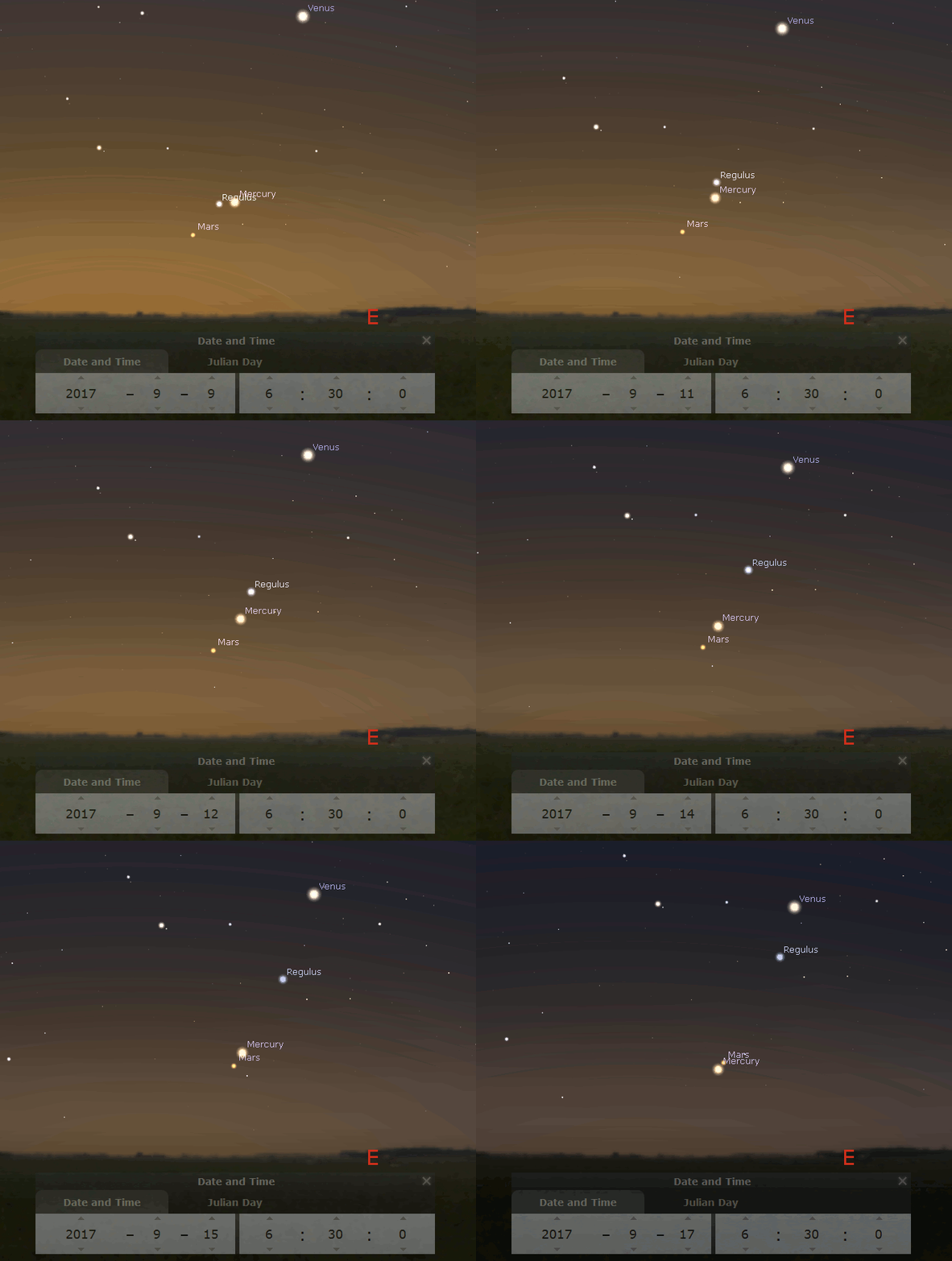
Dance of the morning planets Mercury, Mars, Venus with the star Regulus at 6:30 a.m. (about 45 minutes before sunrise) on the mornings of September 9 through 17, 2017. Created using Stellarium and GIMP.
09/06/2017 – Ephemeris – A look at the bright planets known from antiquity
Wednesday, September 6th. The Sun will rise at 7:11. It’ll be up for 12 hours and 58 minutes, setting at 8:09. The Moon, at full today, will rise at 8:38 this evening.
Let’s take our weekly look at the bright planets. Jupiter is sinking really low in the west-southwest setting before the end of twilight. The bright blue-white star Spica, which pales in comparison to Jupiter, is seen below it dimly in the twilight. It will pass north of Spica on September 11th. Jupiter will set at 9:36 p.m. Saturn can be seen moving from the south-southwest to the southwest tonight. The reddish star Antares is below and right of Saturn. Saturn’s rings are spectacular in telescopes. The planet will set at 12:29 a.m. In the morning sky, brilliant Venus will rise at 4:31 a.m. and be visible until about 6:45 tomorrow morning. Mars and Mercury follow Venus up in the east rising just before 6 a.m.
The times given are for the Traverse City/Interlochen area of Michigan. They may be different for your location.
Addendum
The setting Jupiter and Saturn near the Moon at 9 p.m., September 6, 2017. Created using Stellarium. Click on image to enlarge.
The moon as it might be seen in binoculars at 10 p.m.. Created using Stellarium.
Saturn and its brightest moons overnight September 6/7, 2017. Created using Cartes du Ciel (Sky Charts).
Venus with Mercury and Mars at 6:30 a.m. September 7, 2017. Created using Stellarium.
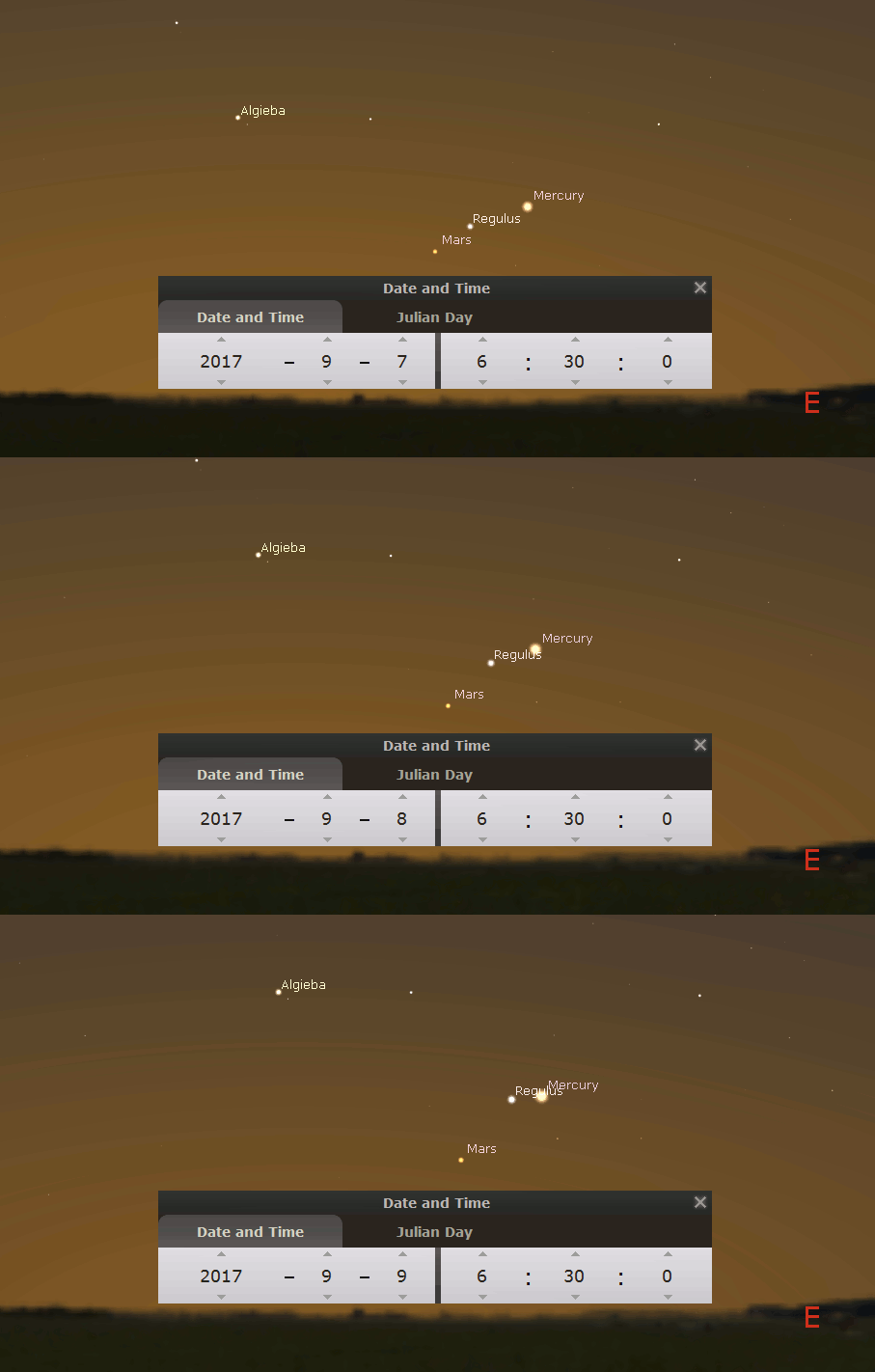
A 3 day animation od Mercury, te star Regulus and Mars starting September 7, 2017 at 6:30 a.m. Created using Stellarium and GIMP. Click on image to enlarge.
On Friday I’ll have an animation that will take these planets further.
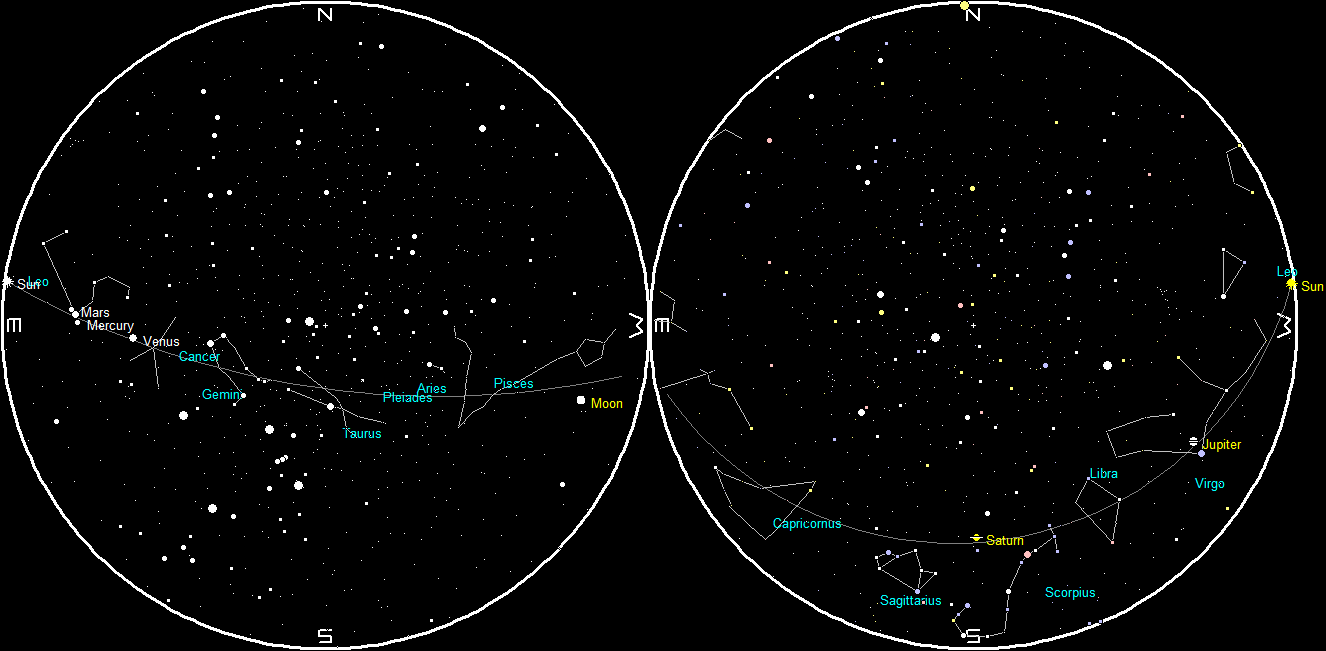
Planets at sunset and sunrise of a single night starting with sunset on the right on September 6, 2017. The night ends on the left with sunrise on the 7th. Click on the image to enlarge. Created using my LookingUp program.
08/09/2017 – Ephemeris – Where are the bright planets tonight?
Ephemeris for Wednesday, August 9th. The Sun rises at 6:38. It’ll be up for 14 hours and 18 minutes, setting at 8:56. The Moon, 2 days past full, will rise at 10:06 this evening.
Let’s take our weekly look at the bright planets. Jupiter is sinking in the west-southwest as it gets dark in the evening. The bright blue-white star Spica, which pales in comparison to Jupiter, is seen left of it. In even the smallest telescopes Jupiter’s four largest moons can be seen. They shift positions from night to night. Jupiter will set at 11:15 p.m. Saturn can now be seen in the south as evening as twilight fades. The reddish star Antares is off to the right of Saturn. Saturn’s rings are spectacular in telescopes. It will set at 2:20 a.m. In the morning sky, brilliant Venus will rise at 3:38 a.m. and be visible until about 6 tomorrow morning. Mars and Mercury are now too close to the Sun for us to see.
The times given are for the Traverse City/Interlochen area of Michigan. They may be different for your location.
Addendum
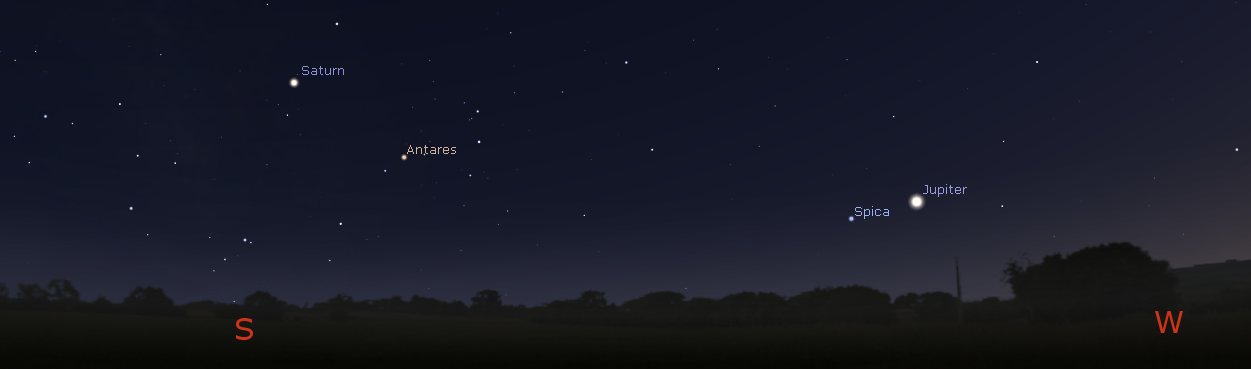
Jupiter and Saturn at 10 p.m. August 9, 2017. Jupiter is slowly approaching Saturn in our skies and will pass Saturn on December 21, 2020, and every 20 years for the rest of this century. Created using Stellarium. Click on the image to enlarge.
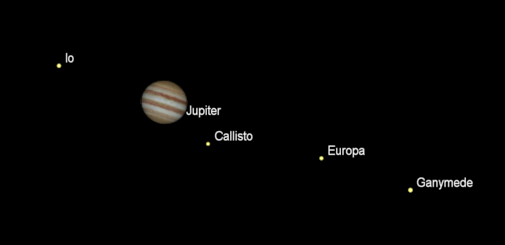
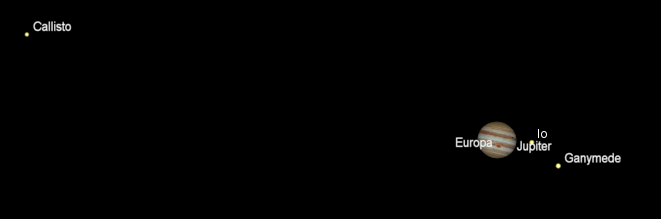
Jupiter and its moons at 10 p.m. August 9, 2017. Created using Cartes du Ciel (Sky Charts).
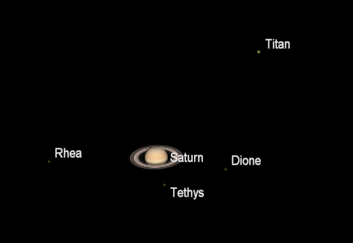
Saturn and its brightest moons overnight August 9/10, 2017. Created using Cartes du Ciel (Sky Charts).
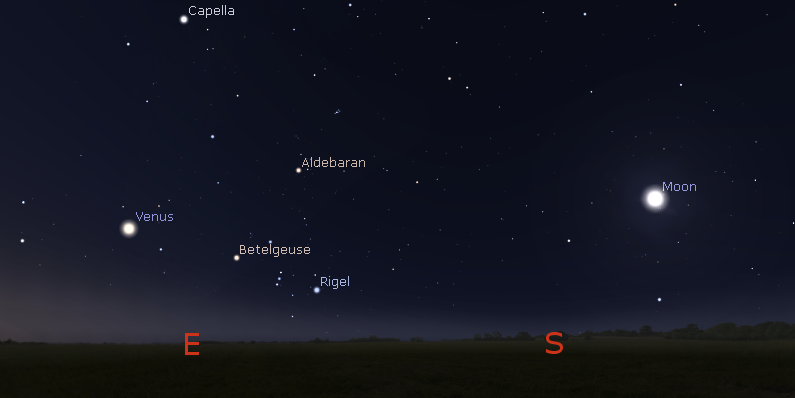
The Moon and Venus at 5:30 a.m. August 10, 2017. Created using Stellarium.
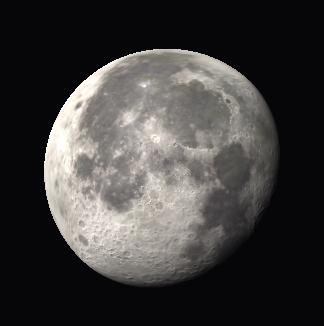
The Moon as it might be seen in binoculars at 5:30 p.m. August 10, 2017. Created using Stellarium.
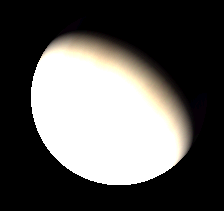
Venus in a telescope on the morning of August 10, 2017. It is greatly enlarged here to show its phase. Created using Stellarium.
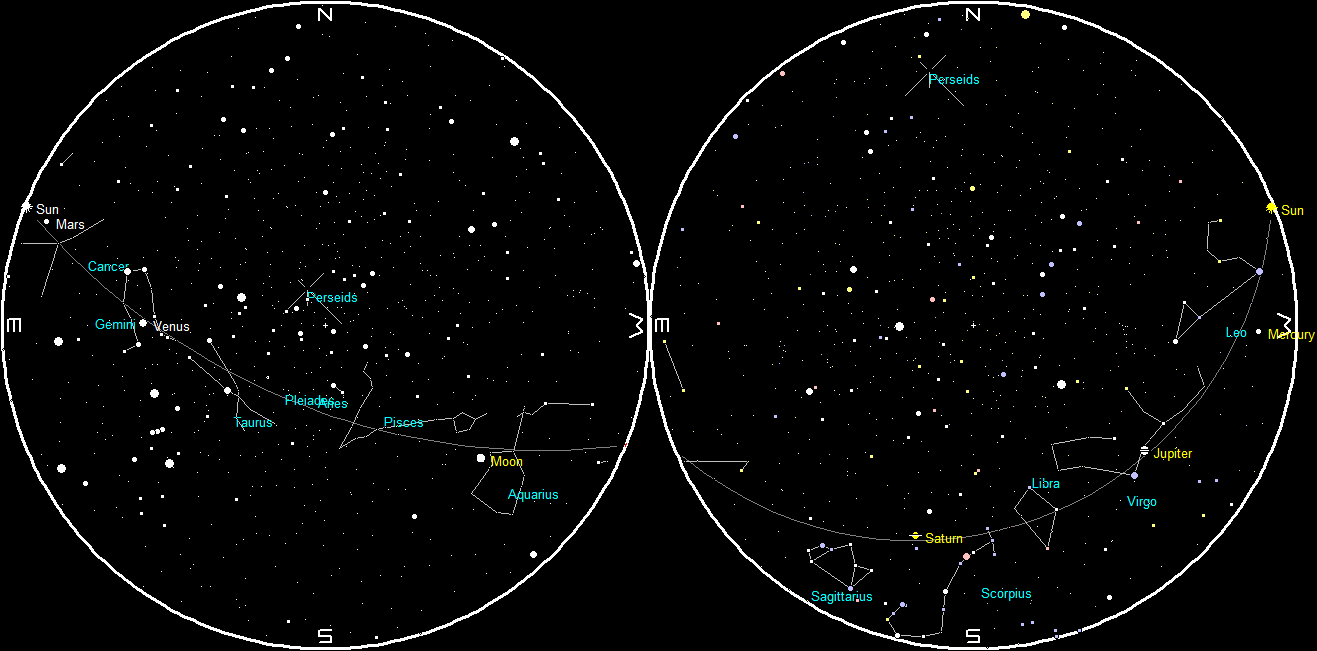
Planets at sunset and sunrise of a single night starting with sunset on the right on August 9, 2017. The night ends on the left with sunrise on August 10. Click on the image to enlarge. Created using my LookingUp program.
07/26/2017 – Ephemeris – Let’s check out the bright planets for this week
Ephemeris for Wednesday, July 26th. The Sun rises at 6:22. It’ll be up for 14 hours and 51 minutes, setting at 9:14. The Moon, 3 days past new, will set at 11:20 this evening.
Let’s take our weekly look at the bright planets. Jupiter is sinking in the west-southwest as it gets dark in the evening. The bright blue-white star Spica, which pales in comparison to Jupiter, is seen left of it. In even the smallest telescopes Jupiter’s four largest moons can be seen. They shift positions from night to night. Jupiter will set at 12:06 a.m. Saturn can now be seen in the south as evening as twilight fades. The reddish star Antares is off to the right of Saturn. Saturn’s rings are spectacular in telescopes. Saturn will set at 3:17 a.m. In the morning sky, brilliant Venus will rise at 3:25 a.m. and be visible until about quarter to 6 tomorrow morning. Mars is in conjunction with the Sun today, that is it’s almost directly behind the Sun, For the last week and the next, no commands will be sent to the orbiters and rovers on Mars due to the radio interference of the Sun.
The times given are for the Traverse City/Interlochen area of Michigan. They may be different for your location.
Addendum
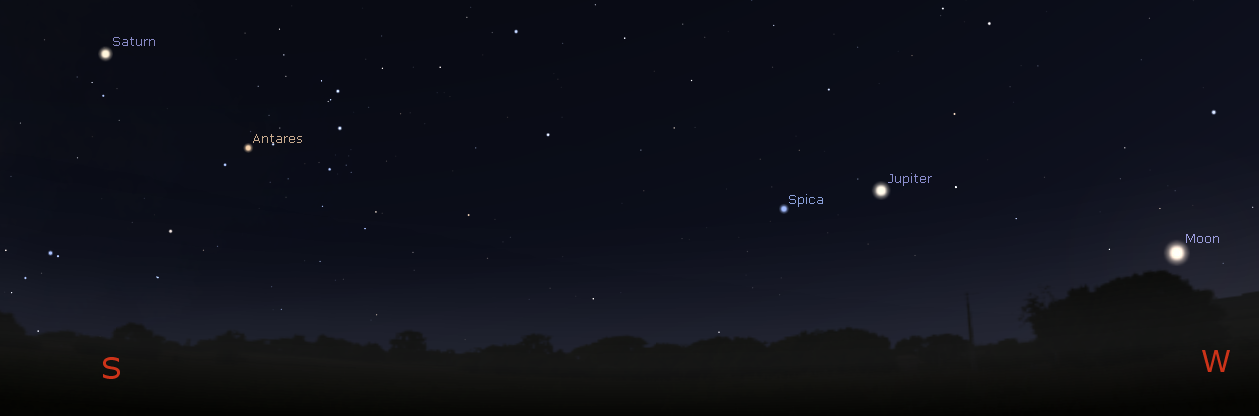
Jupiter and Saturn with the southern summer constellations and the crescent Moon at 10:30 p.m., July 26, 2017. Created using Stellarium. Click on image to enlarge.
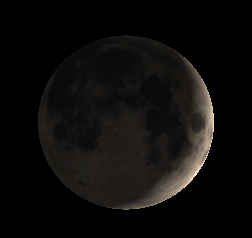
The Moon as it might be seen in binoculars showing also Earth shine at 10:30 p.m. July 26, 2017. Created using Stellarium.
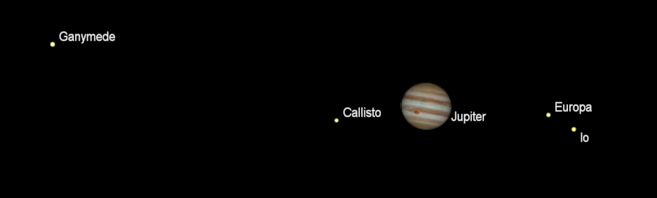
Jupiter and its moons at 10:30 p.m. July 26, 2017. The Great Red Spot will cross the planet’s central meridian at 11:39 p.m. Created using Cartes du Ciel (Sky Charts).
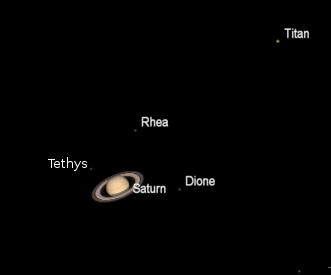
Saturn and its brightest moons overnight July 26/27, 2017. Created using Cartes du Ciel (Sky Charts).
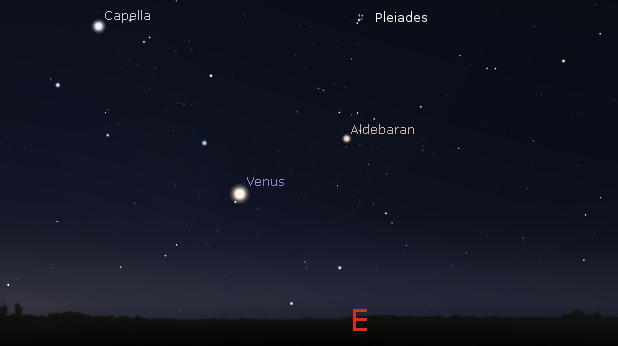
Venus with the stars of autumn at 5 a.m. July 27, 2017. Created using Stellarium.
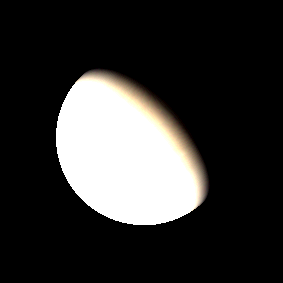
Venus as it might be seen through a telescope at 5 a.m. July 27, 2017. This is displayed at a larger scale/magnification than the Jupiter or Saturn images above. Created using Stellarium.
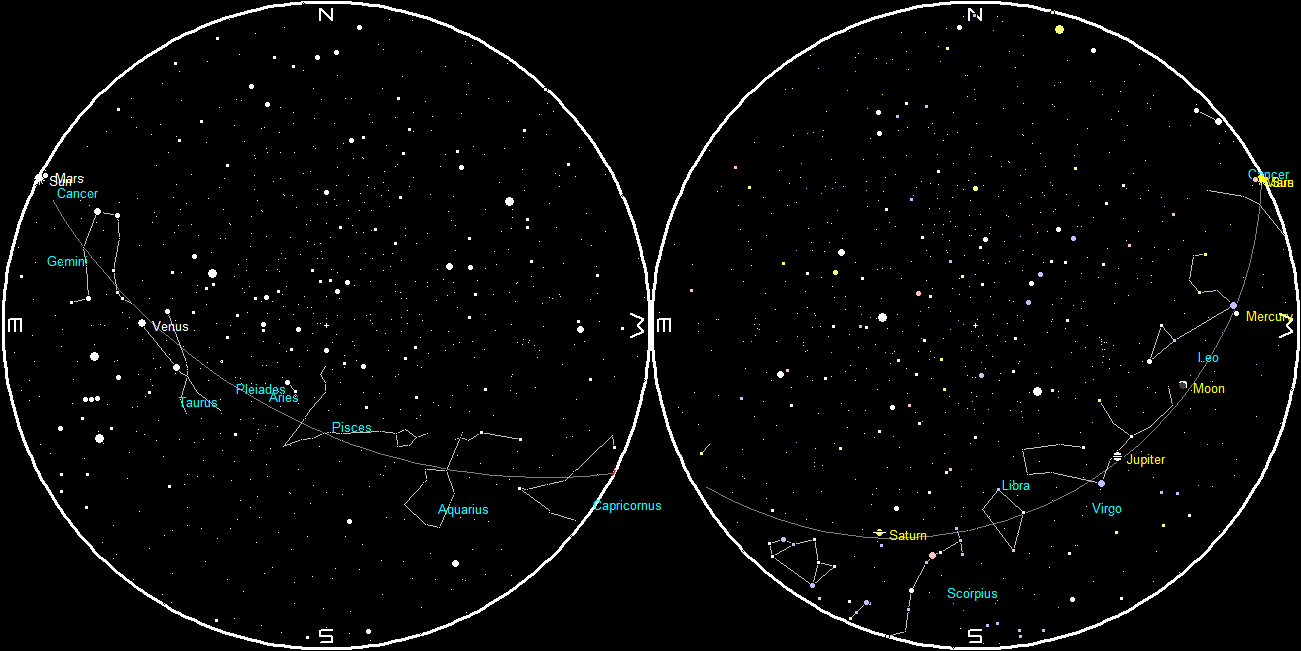
Planets at sunset and sunrise of a single night starting with sunset on the right on July 26, 2017. The night ends on the left with sunrise on July 27. Click on the image to enlarge. Created using my LookingUp program.
07/12/2017 – Ephemeris – Let’s check out the whereabouts of the bright planets
Ephemeris for Wednesday, July 12th. Today the Sun will be up for 15 hours and 17 minutes, setting at 9:26, and it will rise tomorrow at 6:10. The Moon, 3 days past full, will rise at 11:32 this evening.
Let’s take our weekly look at the bright planets. Jupiter is in the southwest as it gets dark in the evening. The bright blue-white star Spica, which pales in comparison to Jupiter, is seen left of it. In even the smallest telescopes Jupiter’s four largest moons can be seen. They shift positions from night to night. Jupiter will set at 12:58 a.m. Saturn can now be seen in the evening as twilight fades in the south. The reddish star Antares is off to the right of Saturn. Saturn’s rings are spectacular in telescopes. Saturn will set at 4:15 a.m. In the morning sky, brilliant Venus will rise at 3:23 a.m. and be visible until about quarter to 6 tomorrow morning. Mercury sets too close to sunset to be easily seen now.
The times given are for the Traverse City/Interlochen area of Michigan. They may be different for your location.
Addendum
Jupiter and Saturn with the southern summer constellations at 10:30 p.m., July 12, 2017. Created using Stellarium.
Jupiter and three of its moons. Europa is behind the planet at 10:30 p.m,. July 12, 2017. Created using Cartes du Ciel (Sky Charts).
Project Pluto has the following events for the 12/13th:
Time is UT. Events prior to 13 July 1:47 UT (9:47 p.m. 12 July EDT) will not be visible from Northern Michigan. Data from Project Pluto: https://www.projectpluto.com/jevent.htm#jun. The website also has a link to a list of Great Red Spot transits.
I : Tra start: 12 Jul 2017 23:25
I : Sha start: 13 Jul 2017 0:41
I : Tra end : 13 Jul 2017 1:36
II : Occ start: 13 Jul 2017 1:47
I : Sha end : 13 Jul 2017 2:51
II : Occ end : 13 Jul 2017 4:16
II : Ecl start: 13 Jul 2017 4:20
II : Ecl end : 13 Jul 2017 6:42
III: Occ start: 13 Jul 2017 7:10
III: Occ end : 13 Jul 2017 9:45
III: Ecl start: 13 Jul 2017 12:29
III: Ecl end : 13 Jul 2017 14:40
Satellites: I = Io, II = Europa, and III = Ganymede
Tra = Transit of a satellite across the face of Jupiter, Sha = Transit of a moon’s shadow, Ecl = Eclipse (In Jupiter’s shadow), Occ = Occultation (Moon behind the planet).
The Great Red Spot transit: 13 Jul 2017 02:01 (10:01 p.m. 12 July EDT).
Saturn and its brightest moons overnight July 12/13, 2017. Created using Cartes du Ciel (Sky Charts).
Venus and the Moon at 5 a.m. July 13, 2017. Created using Stellarium. Click on the image to expand.

Venus as it might be seen through a telescope at 5 a.m. July 13, 2017. This is displayed at a larger scale/magnification than the Jupiter or Saturn images above. Created using Stellarium.
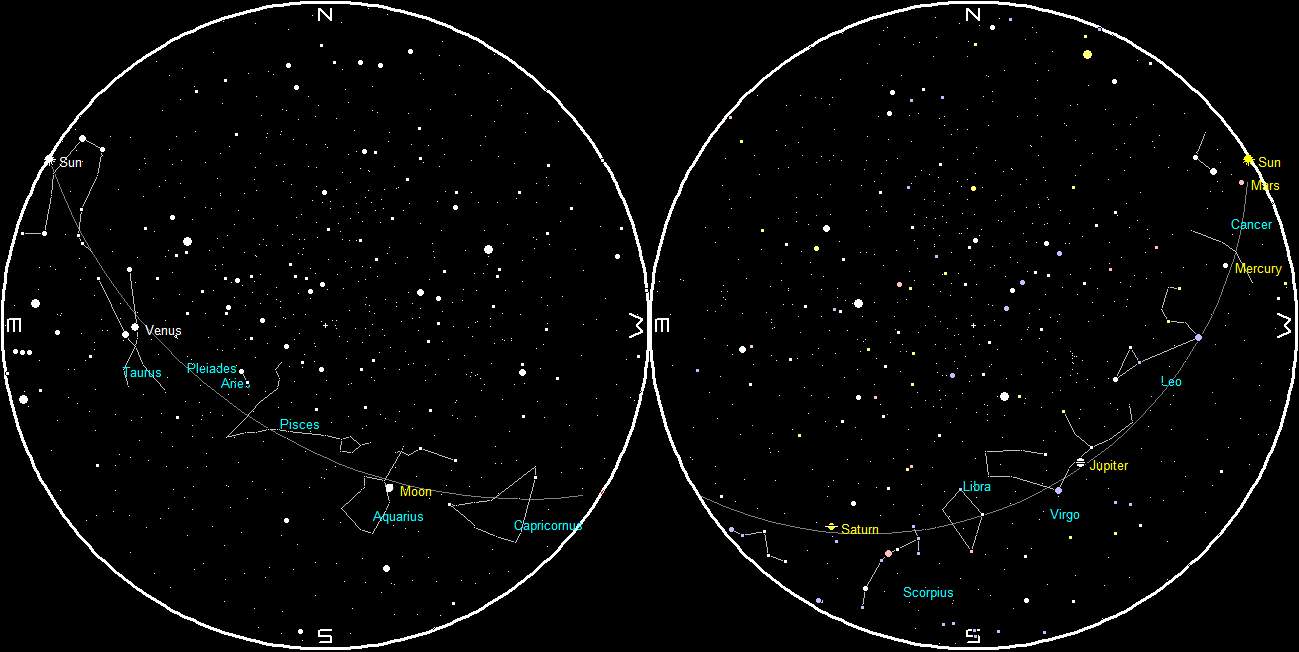
Planets at sunset and sunrise of a single night starting with sunset on the right on July 12, 2017. The night ends on the left with sunrise on July 13. Click on the image to enlarge. Created using my LookingUp program.
05/31/2017 – Ephemeris – Wednesday is bright planets day on Ephemeris
Ephemeris for Wednesday, May 31st. Today the Sun will be up for 15 hours and 19 minutes, setting at 9:19, and it will rise tomorrow at 6:00. The Moon, 1 day before first quarter, will set at 2:19 tomorrow morning.
Let’s take our weekly look at the bright planets. Mars is still in the west-northwest after sunset and fading. It appears left of the bottom edge of the constellation Auriga. It will set at 10:43 p.m. Dominating the evening sky now is Jupiter in the south. The bright blue-white star Spica is seen below and left of it. In even the smallest telescopes Jupiter’s four largest moons can be seen. They shift positions night from to night and sometimes even as you watch. Jupiter will set at 4:09 a.m. Saturn can now be seen late in the evening after it rises in the east-southeast at 10:15 p.m. At 5 a.m. both Saturn and Venus will be in the morning twilight. Brilliant Venus will be low in the east tomorrow morning after rising at 4:05 a.m.
The times given are for the Traverse City/Interlochen area of Michigan. They may be different for your location.
Addendum
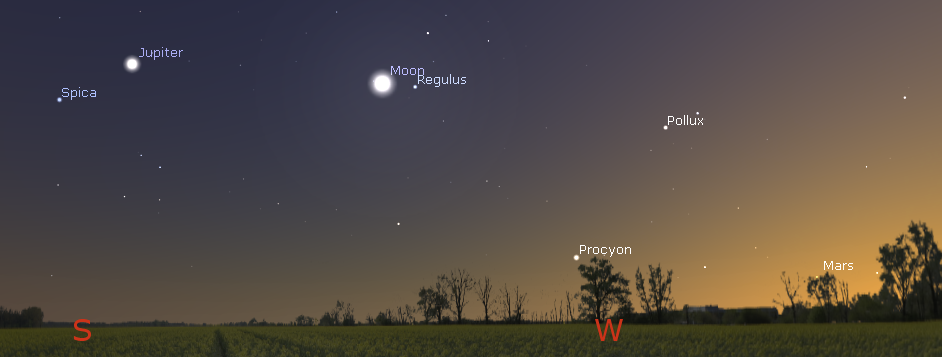
Mars, Jupiter and the Moon in twilight at 10 p.m., May 31, 2017. Created using Stellarium. Click on the image to enlarge.
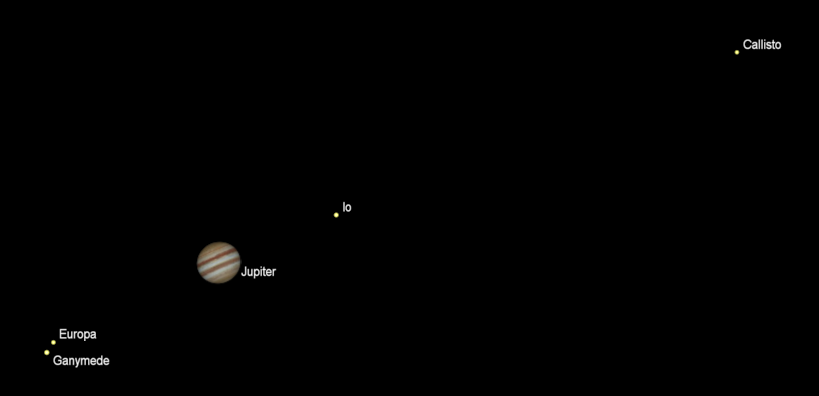
Jupiter and its four Galilean moons as they might be seen in a telescope at 10 p.m,. May 31, 2017. Created using Cartes du Ciel (Sky Charts).
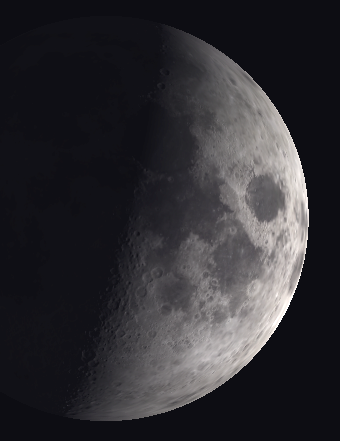
The moon as seen in binoculars, tonight at 10 p.m., May 31, 2017. Created using Stellarium.
At 11 p.m., May 31, 2017 Saturn can be seen low in the southeast. Created using Stellarium.
Saturn and its brightest moons overnight May 31/June 1, 2017. Created using Cartes du Ciel (Sky Charts).
Venus and Saturn at 5 a.m. June 1, 2017. Created using Stellarium. Click on the image to expand.

Venus as seen through a telescope at 5 a.m. June 1, 2017. This is displayed at a larger scale/magnification than the Jupiter or Saturn images above. Created using Stellarium.
Planets at sunset and sunrise of a single night starting with sunset on the right on May 31, 2017. The night ends on the left with sunrise on June 1. Click on the image to enlarge. Created using my LookingUp program.
05/24/2017 – Ephemeris – Let’s take our weekly look at the bright naked eye planets
Ephemeris for Wednesday, May 24th. Today the Sun will be up for 15 hours and 7 minutes, setting at 9:13, and it will rise tomorrow at 6:04. The Moon, 1 day before new, will rise at 6:20 tomorrow morning.
Let’s take our weekly look at the bright planets. Mars is still in the west-northwest after sunset and fading. It appears near the left edge of the constellation Auriga. It will set at 10:49 p.m. Dominating the evening sky now is Jupiter in the south. The bright blue-white star Spica is seen below and left of it. In even the smallest telescopes Jupiter’s four largest moons can be seen. They shift positions night from to night and sometimes even as you watch. Jupiter will set at 4:09 a.m. At 5 a.m. both Saturn and Venus will be in the morning twilight. Saturn will be low in the south-southwest. It will rise in the east-southeast at 10:45 p.m. Brilliant Venus will be low in the east tomorrow morning after rising at 4:16 a.m.
The times given are for the Traverse City/Interlochen area of Michigan. They may be different for your location.
Addendum
Mars and Jupiter with the spring constellations in the fading twilight at 10 p.m., May 24, 2017. Created using Stellarium.
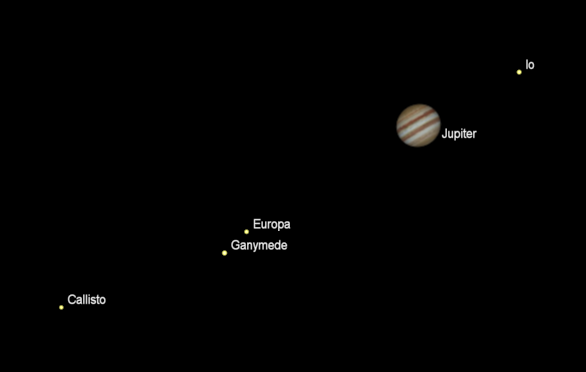
Jupiter and its four Galilean moons as they might be seen in a telescope at 10 p.m,. May 24, 2017. Created using Cartes du Ciel (Sky Charts).
Venus and Saturn at 5 a.m. May 25, 2017. Created using Stellarium. Click on the image to expand.
Saturn and its brightest moons at 5 a.m. May 25, 2017. Created using Cartes du Ciel (Sky Charts).
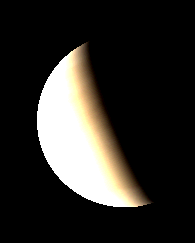
Venus as seen through a telescope at 5 a.m. May 25, 2017. This is displayed at a larger scale/magnification than the Jupiter or Saturn images above. Created using Stellarium.
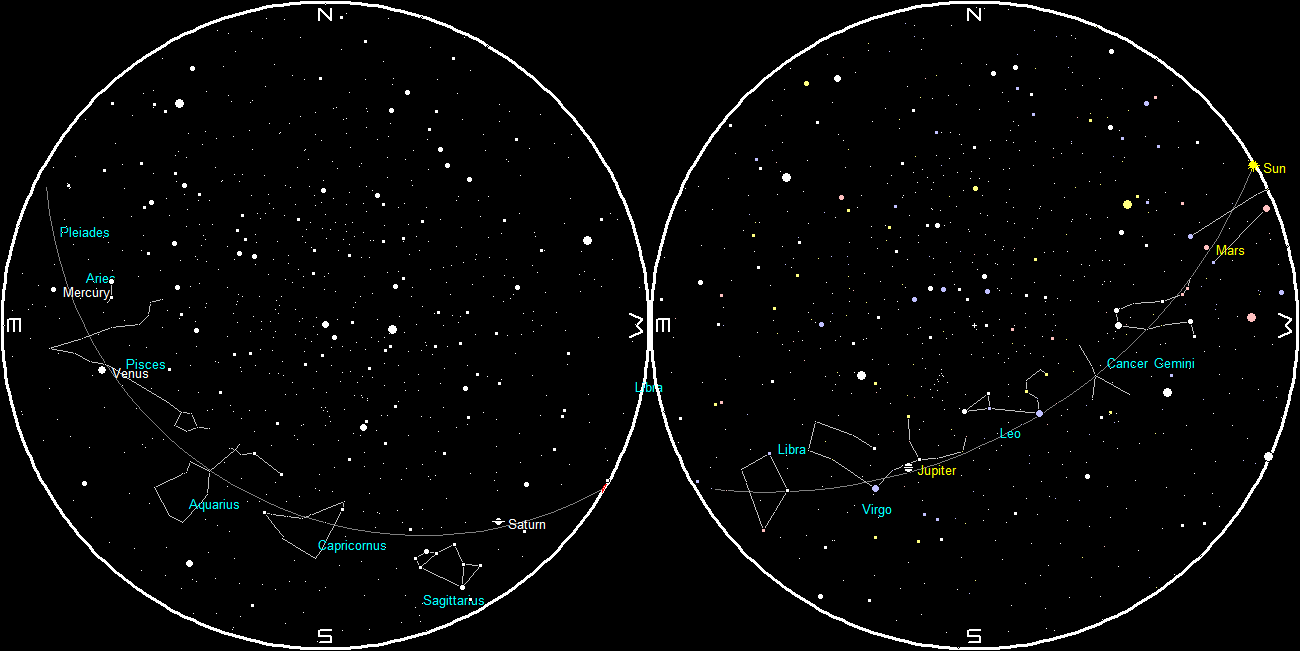
Planets at sunset and sunrise of a single night starting with sunset on the right on May 24, 2017. The night ends on the left with sunrise on May 25. Click on the image to enlarge. Created using my LookingUp program.
05/17/2017 – Ephemeris – Let’s look at the bright planets for this week
Ephemeris for Wednesday, May 17th. Today the Sun will be up for 14 hours and 54 minutes, setting at 9:06, and it will rise tomorrow at 6:11. The Moon, 1 day before last quarter, will rise at 2:20 tomorrow morning.
Let’s take our weekly look at the bright planets. Mars is still in the west-northwest after sunset and fading. It appears under the left edge of the constellation Auriga. It will set at 10:54 p.m. Dominating the evening sky now is Jupiter in the south-southeast. The bright blue-white star Spica is seen below and left of it. In even the smallest telescopes Jupiter’s four largest moons can be seen. They shift positions night from to night and sometimes even as you watch. Jupiter will set at 4:42 a.m. At 5:30 a.m. both Saturn and Venus will be in the morning twilight. Saturn will be low in the south-southwest. It will rise in the east-southeast at 11:14 p.m. Brilliant Venus will be low in the east tomorrow morning after rising at 4:27 a.m.
For us Mercury, at greatest western elongation of 25.8°will be on the horizon at 5:30, but those south of the equator it will be well placed for viewing in the morning.
The times given are for the Traverse City/Interlochen area of Michigan. They may be different for your location.
Addendum
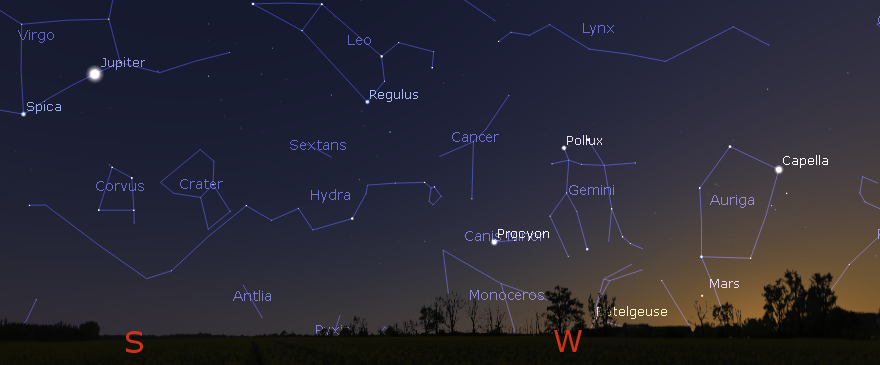
Mars and Jupiter with the spring constellations in the fading twilight at 10 p.m., May 17, 2017. Created using Stellarium.
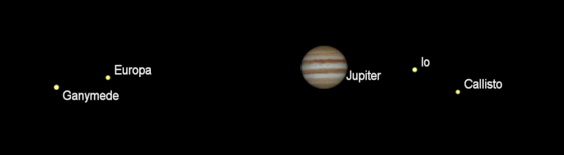
Jupiter and its four Galilean moons as they might be seen in a telescope at 10 p.,. May 17, 2017. Created using Cartes du Ciel (Sky Charts).
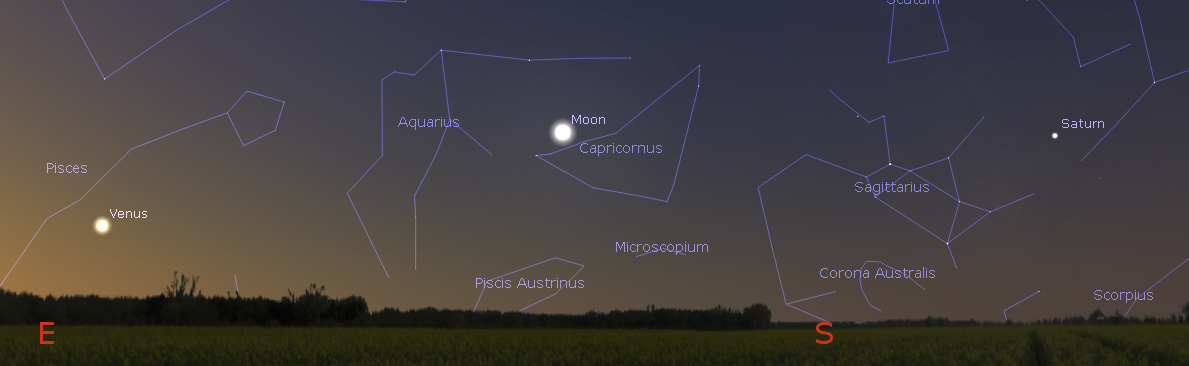
Venus, Saturn and the Moon at 5:30 a.m. May 18, 2017. Created using Stellarium. Click on the image to expand.
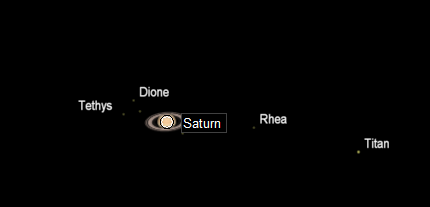
Saturn and its brightest moons at 5:30 a.m. May 18, 2017. This is displayed at the same scale/magnification as the Jupiter image above. Created using Cartes du Ciel (Sky Charts).
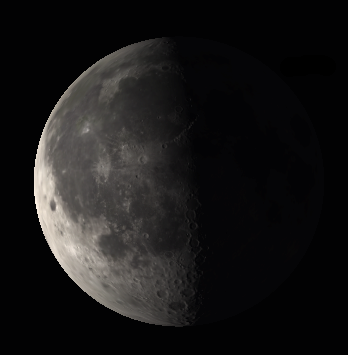
The Moon as it might be seen in binoculars at 5:30 a.m., May 18, 2017. Created using Stellarium.
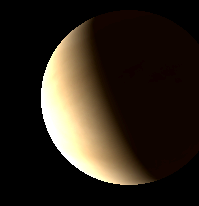
Venus as seen through a telescope at 5:30 a.m. May 18, 2017. This is displayed at a larger scale/magnification than the Jupiter and Saturn images above. Created using Stellarium.
Planets and the Moon at sunset and sunrise of a single night starting with sunset on the right on May 17, 2017. The night ends on the left with sunrise on May 18. Click on the image to enlarge. Created using my LookingUp program.
 Bob Moler's Ephemeris Blog