Archive
Ephemeris: 07/20/2026 – Important space anniversaries
This is Ephemeris for Monday, July 20th. Today the Sun will be up for 15 hours and 5 minutes, setting at 9:21, and it will rise tomorrow at 6:17. The Moon, 1 day before first quarter, will set at 12:17 tomorrow morning.
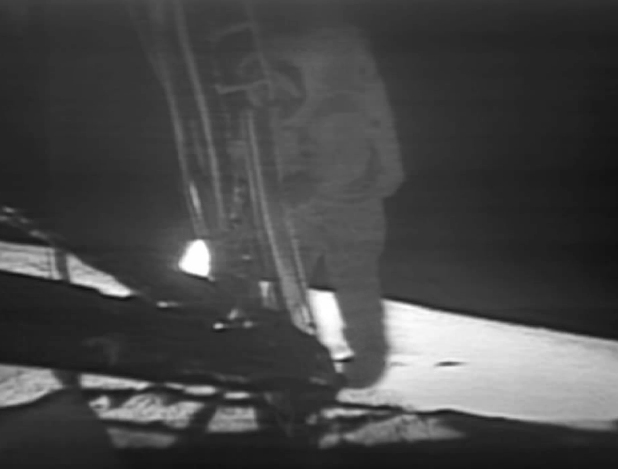
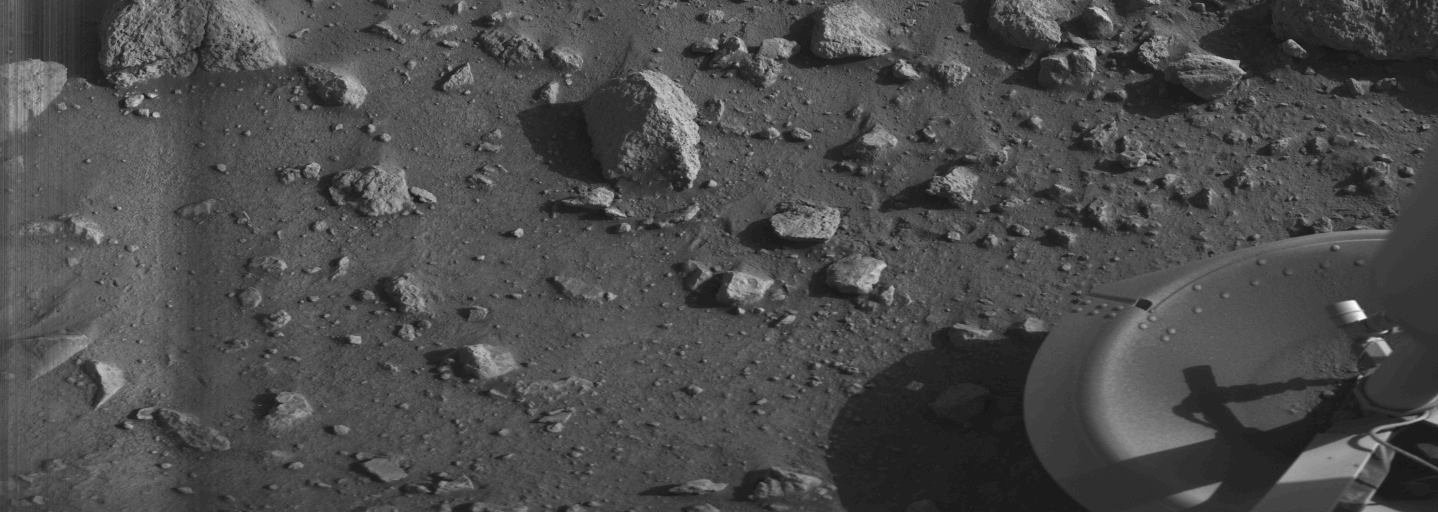
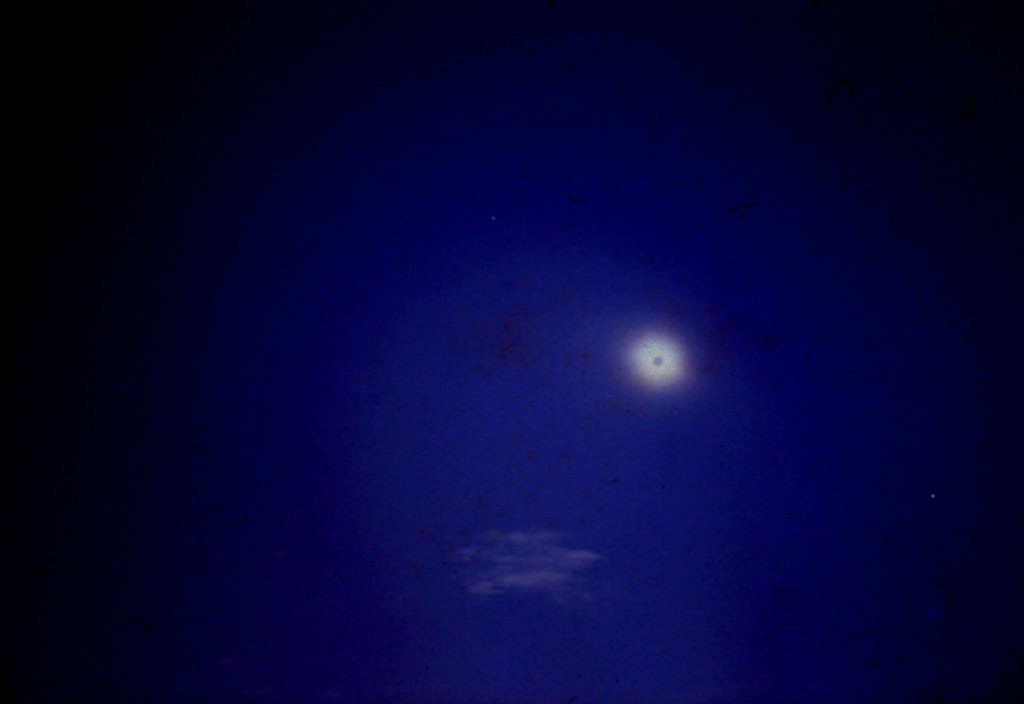
July 20th is a special date for this country’s space program and a personal one for me. 57 years ago in 1969 Apollo 11 landed on the Moon, the greatest achievement in the history of space flight. Seven years later the robot lander Viking 1 landed on Mars. NASA wanted it to be July 4th, 1976, the Bicentennial, but couldn’t find a smooth landing site in time. My own connection to the date came in 1963, my first total solar eclipse. We traveled to Quebec province along side the St. Maurice River to view about 60 seconds of totality. It was the first of six total solar eclipses I’ve seen, all from the U.S. or Canada. In each case it was clear or clear enough to see the sun’s corona, a feature only visible from the earth during totality.
The astronomical event times given in this blog are for the Traverse City/Interlochen area of Michigan (Lat 44.7° N, Long 85.7° W; EDT, UT – 4 hours) unless stated otherwise. Times will be different for other locations.
Addendum
Ephemeris:06/02/2026 – Mapping the Moon for Apollo
This is Ephemeris for Tuesday, June 2nd. Today the Sun will be up for 15 hours and 22 minutes, setting at 9:22, and it will rise tomorrow at 5:59. The Moon, 2 days past full, will rise at 11:54 this evening.
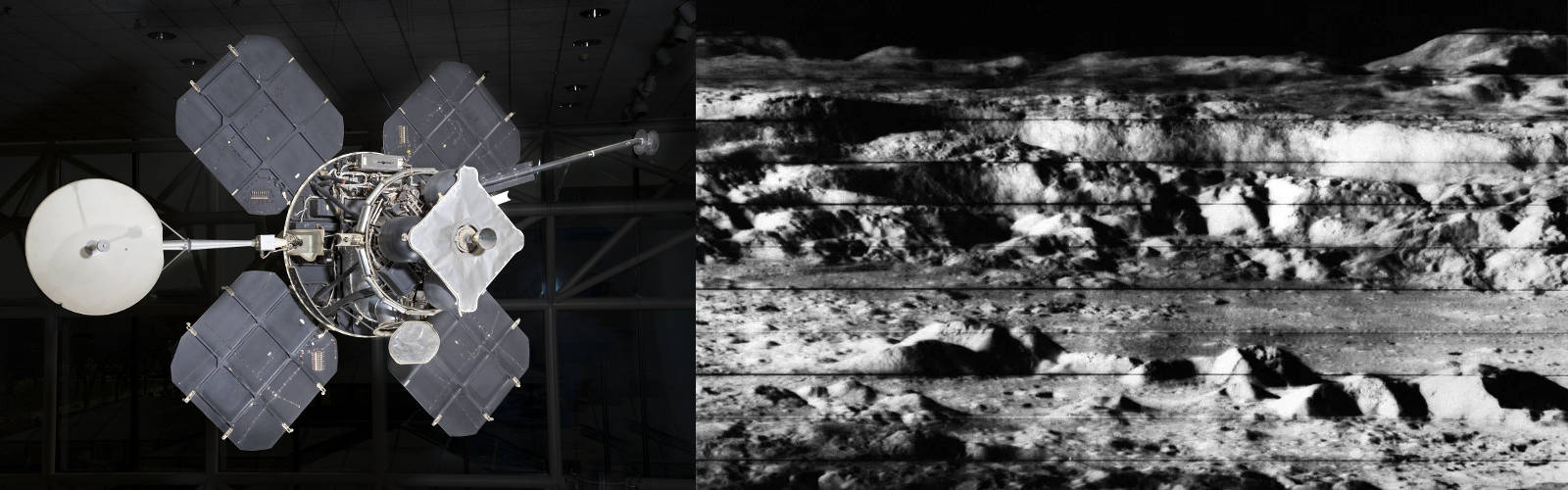
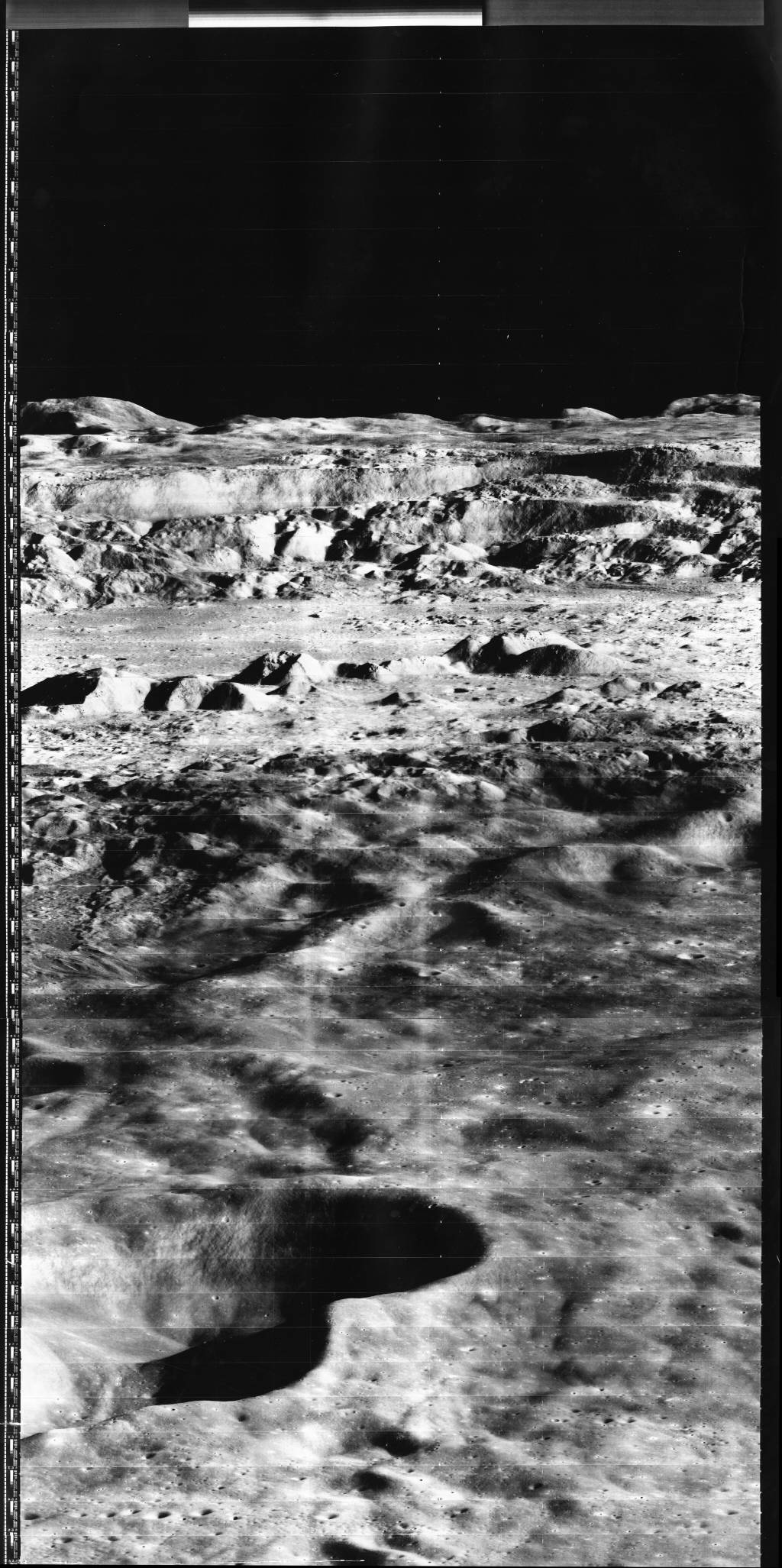
The last unmanned missions to the moon before the Apollo landings was the Lunar Orbiter program. Five spacecraft were sent to the moon to photograph, in great detail, the proposed landing sites for Apollo, and then to map the moon completely. They had 100% coverage of the near side and 95% of the far side. Unmentioned at the time was that the spacecraft used the same camera that was used on the reconnaissance or spy satellites of the era. Five orbiters were launched between 1966 and 1967, and all 5 were able to complete their mission successfully, photographing on film, developing and scanning the images to be radioed back. They then were crashed onto to the moon, so their radio signals would not interfere with Apollo moon communications.
The astronomical event times given in this blog are for the Traverse City/Interlochen area of Michigan (Lat 44.7° N, Long 85.7° W; EDT, UT – 4 hours) unless stated otherwise. Times will be different for other locations.
Addendum
Ephemeris: 05/29/2026 – NASA’s second moon program – soft landers
This is Ephemeris for Friday, May 29th. Today the Sun will be up for 15 hours and 16 minutes, setting at 9:18, and it will rise tomorrow at 6:01. The Moon, 2 days before full, will set at 5:01 tomorrow morning.
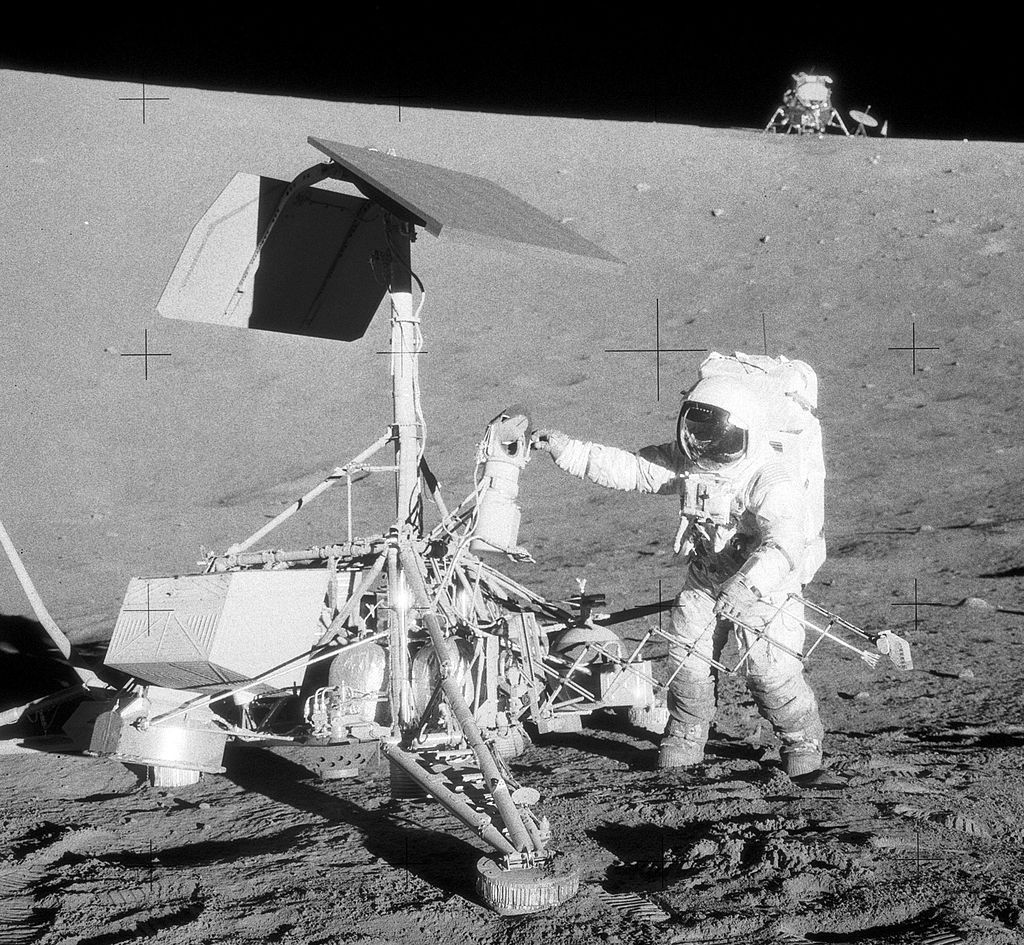
The United States second unmanned moon program in the 1960s was the Surveyor program, to soft land spacecraft on the moon. This was the Surveyor program, which launched 5 Surveyor spacecraft to the moon from 1966 through 1968, three of which were successful, including the very first one. It showed that the moon’s surface was solid enough to support spacecraft landings. There was some speculation earlier that moon dust would be electrostatically charged and suspended above the solid surface of the moon preventing a landing on the surface. The moon’s surface proved to be solid enough, paving the way for the Apollo landings to come. Apollo 12 landed near Surveyor 3 and took a souvenir back to earth, the camera.
The astronomical event times given in this blog are for the Traverse City/Interlochen area of Michigan (Lat 44.7° N, Long 85.7° W; EDT, UT – 4 hours) unless stated otherwise. Times will be different for other locations.
Addendum
Ephemeris: 05/28/2026 – NASA’s first Moon program
This is Ephemeris for Thursday, May 28th. Today the Sun will be up for 15 hours and 15 minutes, setting at 9:17, and it will rise tomorrow at 6:02. The Moon, 3 days before full, will set at 4:32 tomorrow morning.
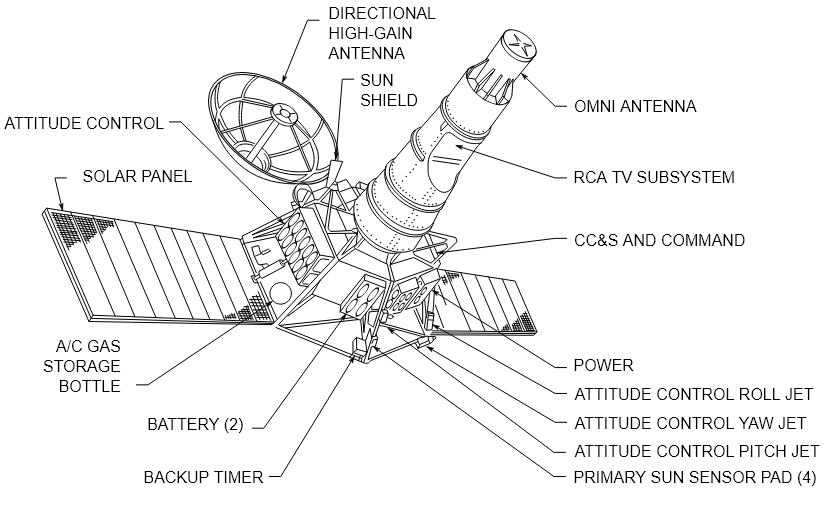
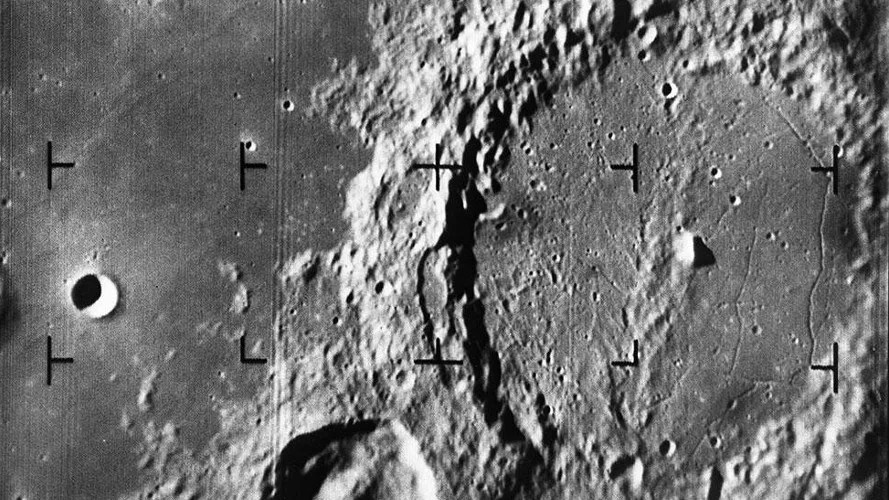
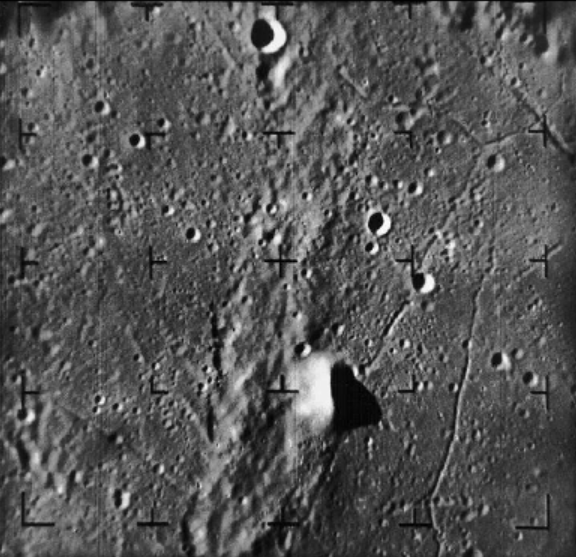
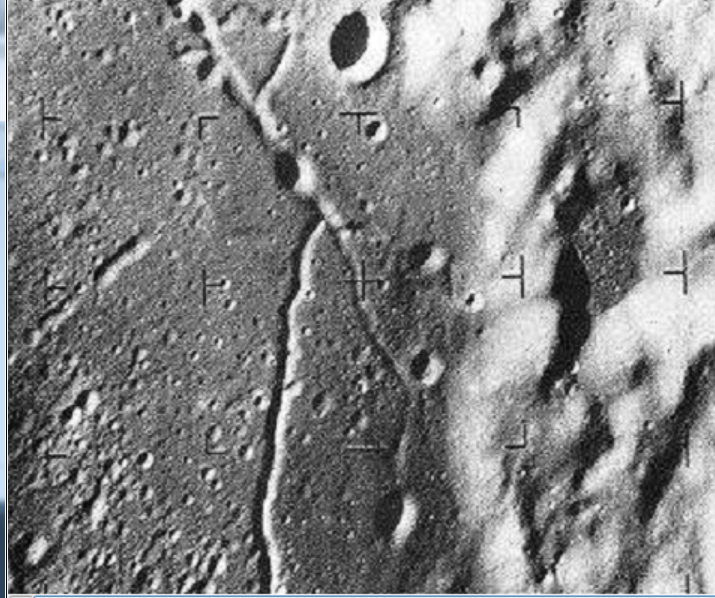
The United States first lunar mission to the moon was the Ranger Program of moon impactors, to televise pictures all the way to impact to see what the moon looked like up close and personal, so to speak. The program actually started before President Kennedy announced plans to send humans to the moon, although the first launch was made several months after that announcement. The program consisted of nine launches of three different variations of the spacecraft. The first two launches failed Then in the next four launches, the spacecraft either missed the moon or were dead on arrival. However, the last three were successful, showing that the moon was indeed mostly smooth enough to land a spacecraft.
The astronomical event times given in this blog are for the Traverse City/Interlochen area of Michigan (Lat 44.7° N, Long 85.7° W; EDT, UT – 4 hours) unless stated otherwise. Times will be different for other locations.
Addendum
Ephemeris: 05/26/2026 – The Soviet Union’s Luna 3 provided first look at the far side of the Moon
This is Bob Moler with Ephemeris for Tuesday, May 26th. Today the Sun will be up for 15 hours and 11 minutes, setting at 9:16, and it will rise tomorrow at 6:03. The Moon, 3 days past first quarter, will set at 3:48 tomorrow morning.
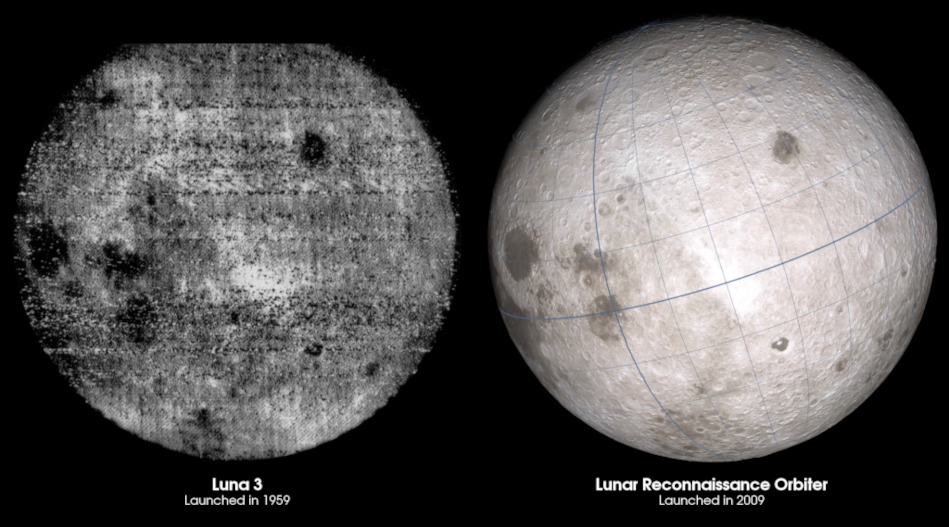
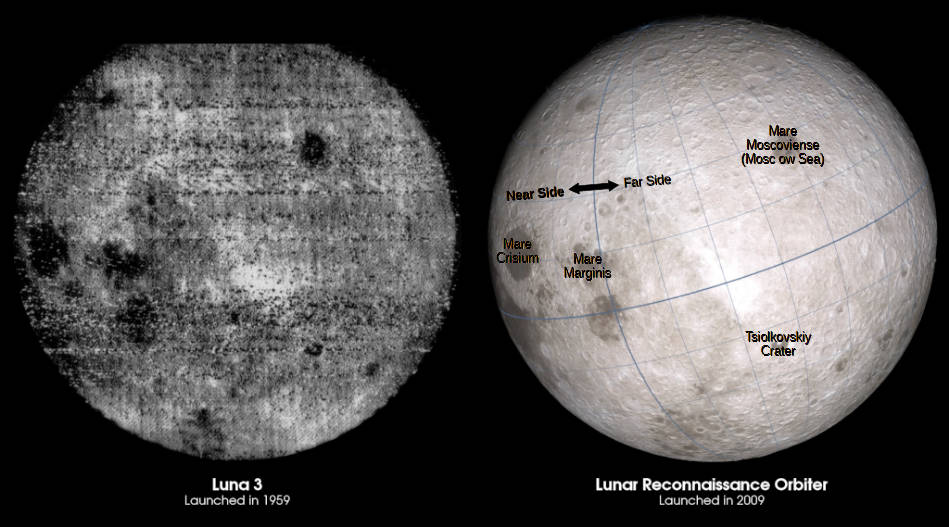
The space race with the Soviet Union started with the launch of Sputnik one in October 1957. The Soviets won the early milestones of the race, including less than two years after Sputnik 1, a flyby of Luna 3 around the moon, and taking the first photographs of the far side. Back then before CCDs, the best quality images from space were photographed onto film and then developed, then scanned on the satellite and the data is sent down to the earth. The images were rather crude and grainy. I was a senior in high school at the time and as interested in astronomy as I am today. We thought that the Far Side of the moon would be more of the same. The Far Side was completely different.
The astronomical event times given in this blog are for the Traverse City/Interlochen area of Michigan (Lat 44.7° N, Long 85.7° W; EDT, UT – 4 hours) unless stated otherwise. Times will be different for other locations.
Addendum
Ephemeris: 05/25/2026 – Remembering the fallen astronauts also
This is Ephemeris for Memorial Day, Monday, May 25th. Today the Sun will be up for 15 hours and 10 minutes, setting at 9:15, and it will rise tomorrow at 6:04. The Moon, 2 days past first quarter, will set at 3:30 tomorrow morning.
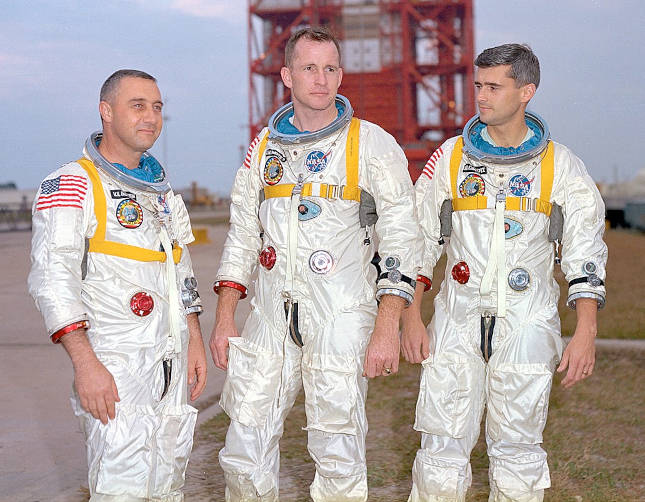
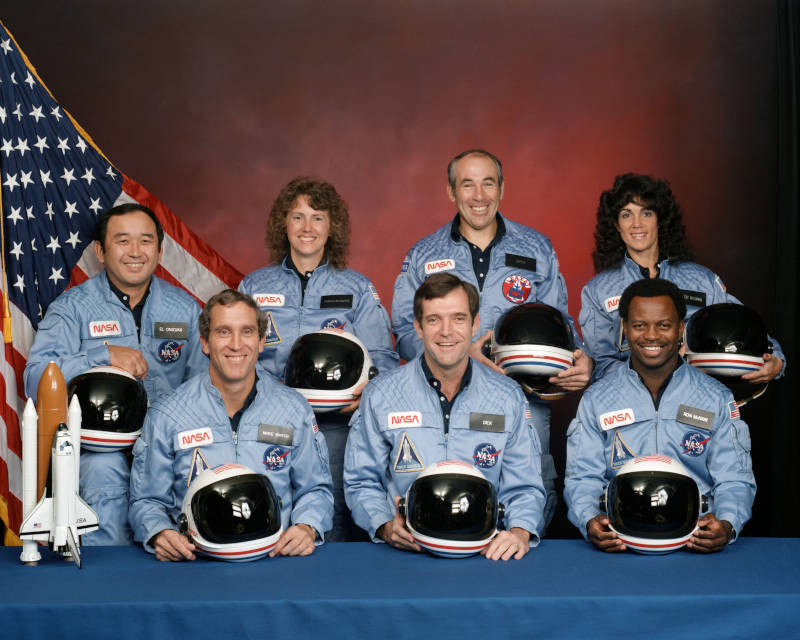
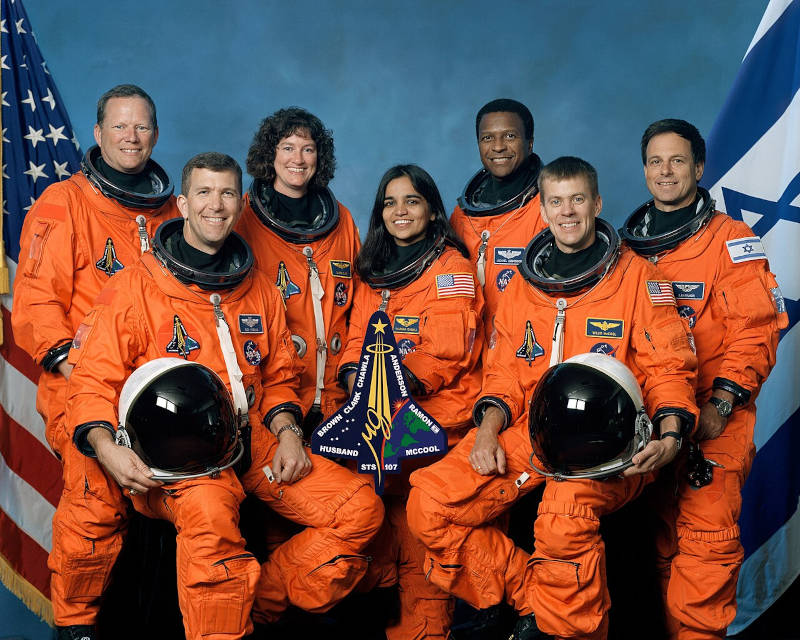
Today we pause to remember those who gave their lives for our country. For purposes of this program that includes those courageous enough to sit on top of or beside a million pounds of explosives to be launched into space. From the three astronauts who died in the Apollo one file in 1967, the explosion of the Space Shuttle Challenger in 1986, to the disintegration of the Columbia in 2003, 17 Americans and other nationals have died in NASA space accidents. The Russians too have lost cosmonauts in the exploration of space. Brothers and sisters in the quest for knowledge and to expand the horizons of human habitation. Per aspera, ad astra, Through difficulties to the stars
The astronomical event times given in this blog are for the Traverse City/Interlochen area of Michigan (Lat 44.7° N, Long 85.7° W; EDT, UT – 4 hours) unless stated otherwise. Times will be different for other locations.
Addendum
12/26/2022 – Ephemeris – Some space firsts this year
This is Ephemeris for Monday, December 26th. Today the Sun will be up for 8 hours and 49 minutes, setting at 5:08, and it will rise tomorrow at 8:19. The Moon, halfway from new to first quarter, will set at 9:10 this evening.
I hope we all survived the holiday season so far. We now have one more to go, New Year’s Eve. The Moon will pass the planet Saturn later this morning. By this evening, Saturn will be to the right of the Moon in the southwestern sky. Now that we’re ending the year, we can look back at some space firsts. The James Webb Space Telescope was launched last Christmas. It became operational late spring of this year and presented its first 5 spectacular images in July. The DART spacecraft, also launched last year, collided with the small asteroid Dimorphos, orbiting the larger Didymos in a 12-hour orbit produced an amazing effect on its orbit. And late this year Artemis I finally launched, making a nearly flawless orbit of the Moon with its Orion space capsule, and returned.
The astronomical event times given are for the Traverse City/Interlochen area of Michigan (EST, UT –5 hours). They may be different for your location.
Addendum
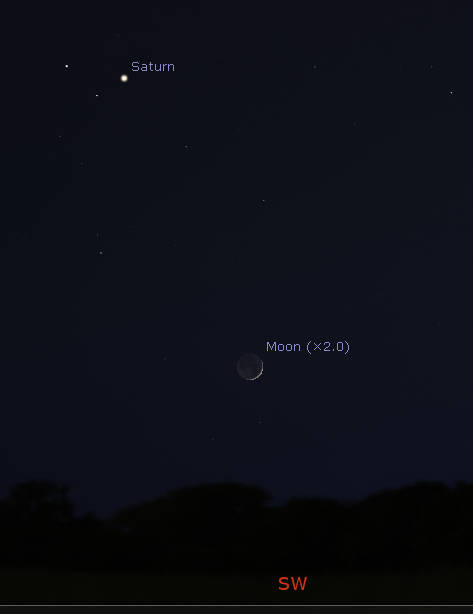
The Moon and Saturn at 6:30 pm tonight, December 26, 2022. Note that the Moon is shown at twice its apparent size to better show its phase. Created using Stellarium.
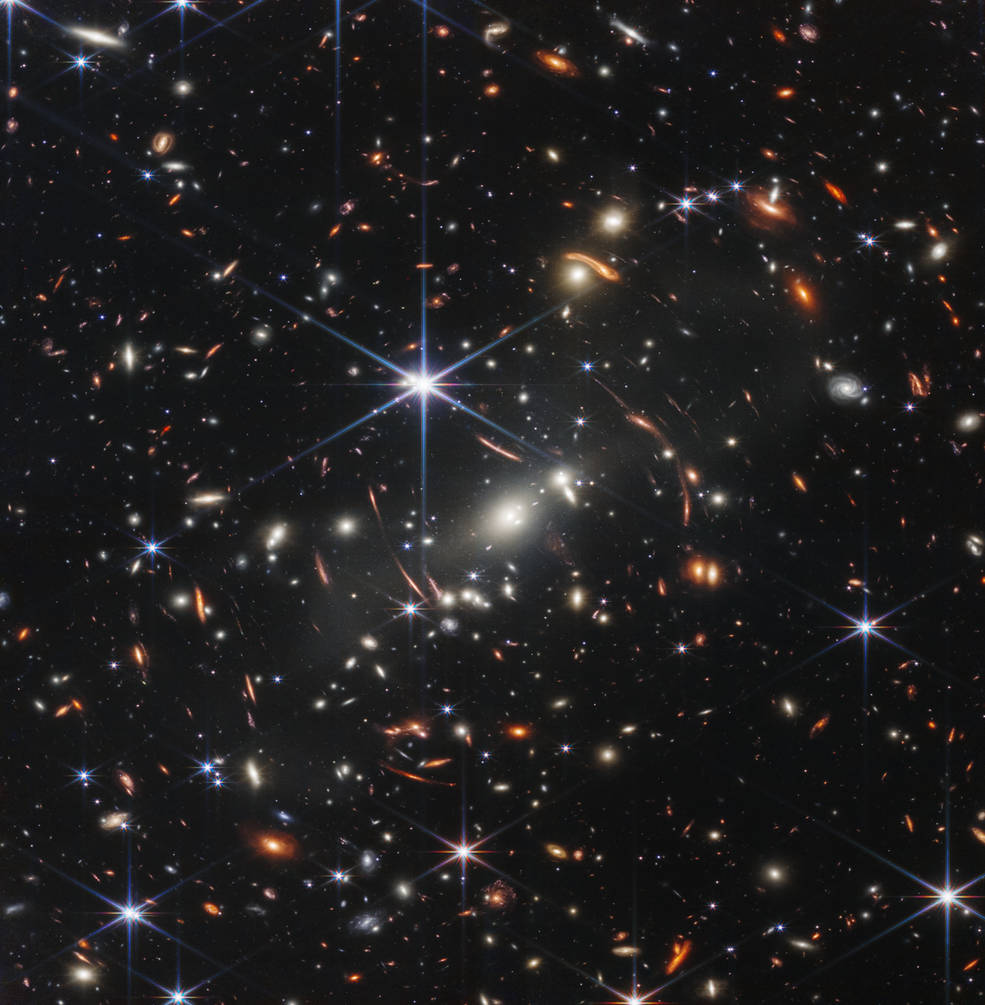
The James Webb Space Telescope teaser deep field image from President Biden’s July 11th presentation. Credit: NASA, ESA, CSA, JWST, STScI.
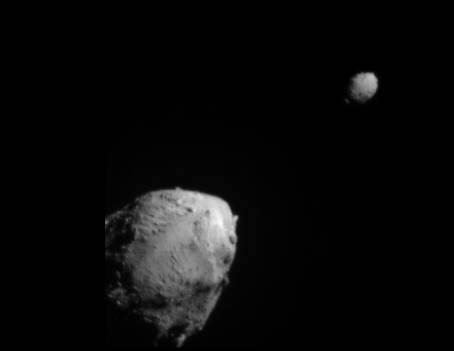
DART images of both Didymos, the big one, and Dimorphos, on approach. Dimorphos is the target. Credit NASA / JHAPL.
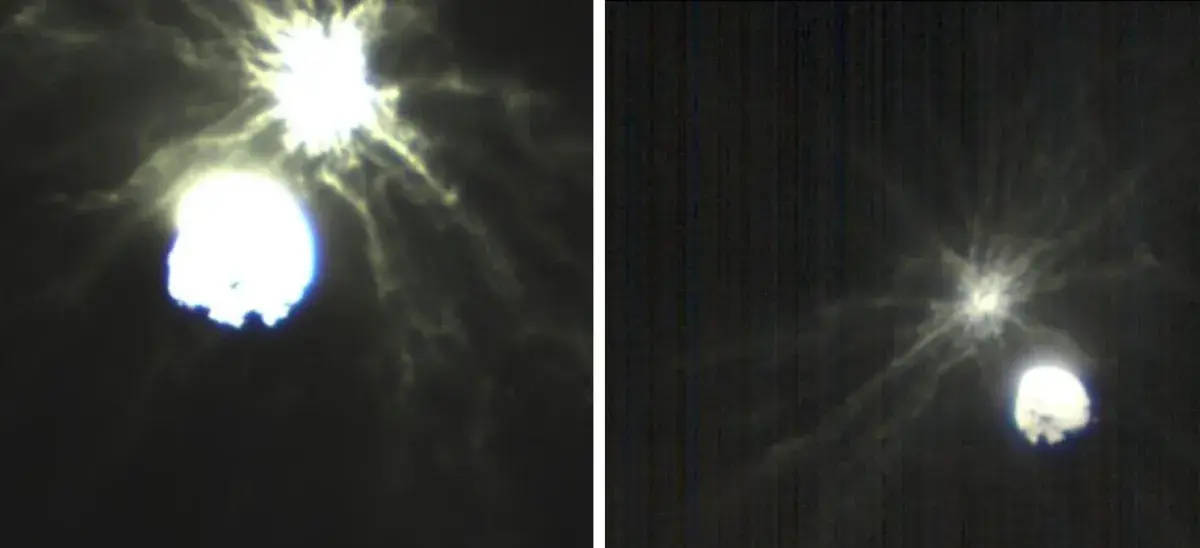
Two images from the LiciaCube satellite launched from the DART spacecraft 15 days before the impact, and trailing it to record the collision with its wide and narrow angle imagers. Dimorphos does appear to be a rubble pile asteroid from its appearance and the amount of ejecta caused by the impact. The ejecta adds to the effect of the spacecraft’s kinetic energy by pushing away from the asteroid by Newton’s third law of motion.
Credit Italian Space Agency.
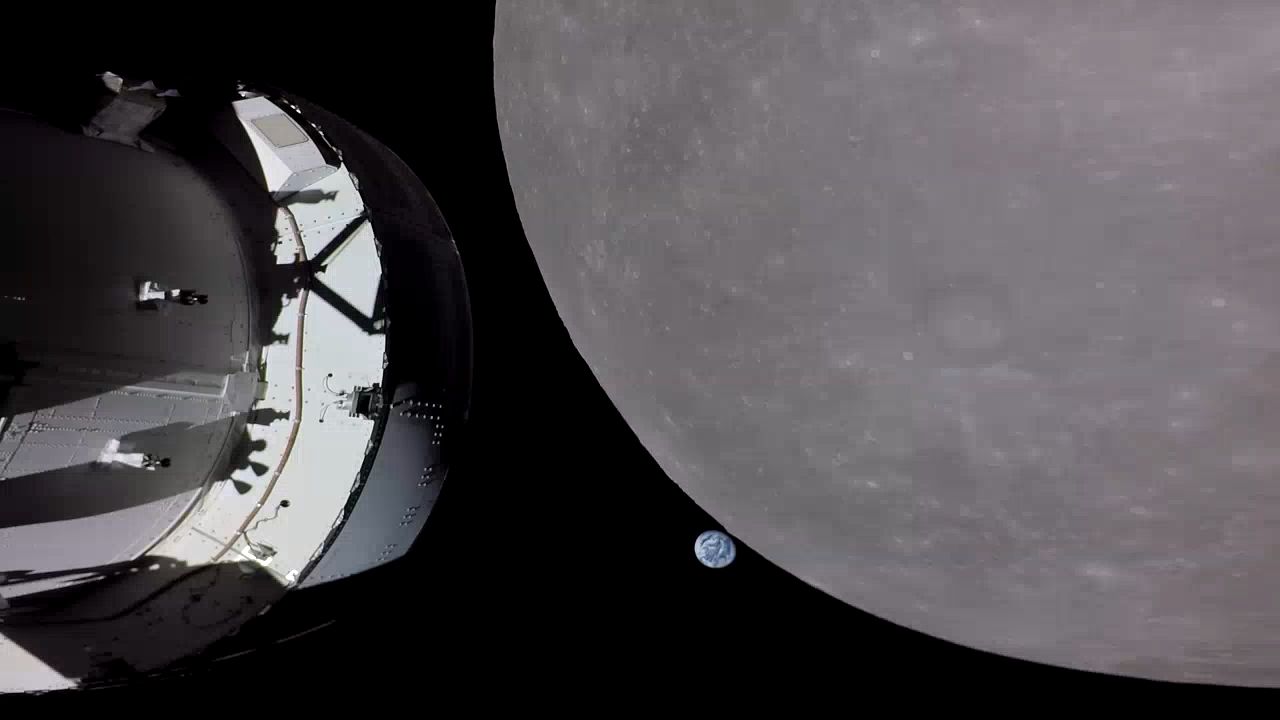
Earthset from Artemis I’s Orion spacecraft, as it moves around to the far side of the Moon. Click on the image to enlarge it. Credit: NASA.
10/02/2022 – Ephemeris Extra – NASA goes on the offensive
DART images of both Didymos, the big one, and Dimorphos, on approach. Credit NASA / JHAPL
This is a slightly revised version of my article in the Stellar Sentinel, the newsletter of the Grand Traverse Astronomical Society. Educators may receive a free PDF copy of this monthly publication via email, which covers astronomical topics and events visible from Northwest Lower Michigan. Send your request, stating your affiliation, to info@gtastro.org.
The score is: Asteroids-billions, NASA-1. It’s a bit unfair, since asteroids have been hitting the Earth for 4.567 billion years or so, and NASA has been around for 64 years before DART spacecraft collided with the asteroid Dimorphos. Hey, this was their first attempt at a small asteroid. As far as the 21st century destructive asteroid score is 1 to NASA’s 1, as far as I know.
That strike was in Chelyabinsk, Russia. That was February 15, 2013. We were all waiting on another asteroid making a close pass of the Earth, when the Chelyabinsk meteoroid exploded 14 miles above the city. Over a thousand people were injured by the blast wave. They saw the bright flash and rushed to the windows to see what it was. Then the blast wave hit, shattering the windows, causing glass cuts for over a thousand people. One building’s wall collapsed, and a fragment fell into a lake outside of town.
NASA’s record in attempting to hit a planetary object dates back to the early 1960s and the nine Pioneer missions to crash a probe on the Moon, sending back pictures all the way down. Back in the early 60s, just hitting a 2,100-mile (3380 kilometer) wide object a quarter of a million miles away was a dicey prospect. It’s one thing to miss the Moon on one side or the other, but to not have enough oomph to even make it all the way is downright embarrassing. NASA did much better by the end of the decade with the Apollo manned landings and bombarding the Moon with used space vehicles for seismic studies of its interior.
NASA actually collided a spacecraft into a comet. That was July 4, 2005, when the impactor part of the Deep Impact spacecraft hit Comet Tempel 1’s nucleus, attempting to study part of its subsurface. The non-impactor part was later renamed EPOXI and went on to fly by the dog-bone shaped Hartley 2 comet nucleus. Another reused comet explorer spacecraft Stardust after collecting cometary dust from Comet Wild 2 (pronounced Vilt 2), and possible interstellar dust penetrating the solar system, and after dropping the sample re-entry capsule back on Earth it ended in solar orbit. Later it was repurposed as the Stardust-NexT mission and flew by Tempel 1 six years later to study the crater the Deep Impact Impactor made in the comet.
To study the effect of a collision of a spacecraft from the Earth despite the fact that Dimorphos cannot be seen is a trick. However, the pair is an eclipsing binary from our point of view, so the brightness of the unresolved pair changes as they eclipse each other.
Before the collision, Dimorphos had an 11.9 hour orbit of Didymos. Dimorphos is a fifth the size of Didymos orbiting it at three times the primary’s radius. If the orbit is near circular, Dimorphos’ orbital velocity is only 0.39 mph (0.63 kph). It should be relatively easy to see a tiny change in Dimorphos’ orbital period.
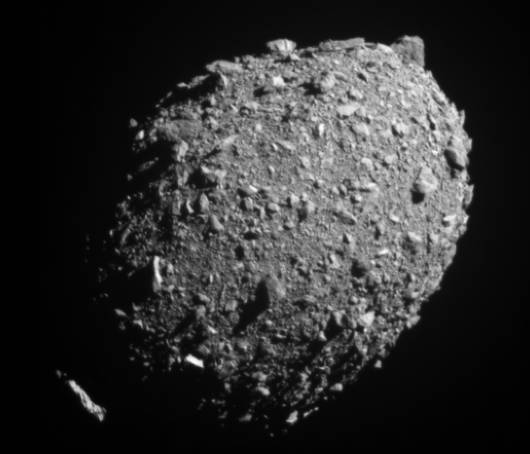
Last frame Dimorphos fit in from DART. Credit NASA / JHAPL.
Two images from the LiciaCube satellite launched from the DART spacecraft 15 days before the impact, and trailing it to record the collision with its wide and narrow angle imagers. Dimorphos does appear to be a rubble pile asteroid from its appearance and the amount of ejecta caused by the impact. The ejecta adds to the effect of the spacecraft’s kinetic energy by pushing away from the asteroid by Newton’s third law of motion. Credit: Italian Space Agency.
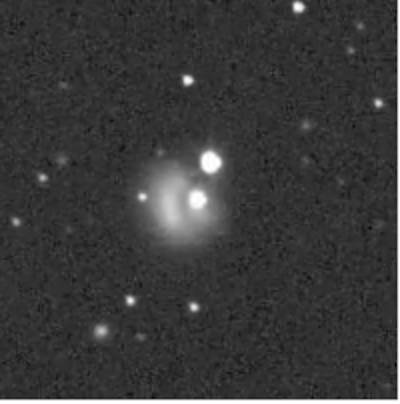
A frame from a time-lapse video taken from the ATLAS Project’s South African observatory of the unresolved Didymos – Dimorphos pair and the expanding ejecta cloud. The asteroid pair developed a dust tail like a comet for a while.
ATLAS is an acronym for a rather apocalyptic title “Asteroid Terrestrial-impact Last Alert System”. Developed by the University of Hawai’i and funded by NASA. It has two telescopes in Hawai’i, one in Chile, and one in South Africa. Credit: NASA/UH.
Days later, Dimorphos was exhibiting a thin dust tail, like a comet.
Now we wait on Earth’s observatories to observe of the period of Dimorphos’ orbit. It should decrease the orbital time.
04/12/2021 – Ephemeris – Human space flight began 60 years ago today
This is Bob Moler with Ephemeris for Monday, April 12th. Today the Sun will be up for 13 hours and 21 minutes, setting at 8:24, and it will rise tomorrow at 7:01. The Moon, 1 day past new, will set at 9:05 this evening.
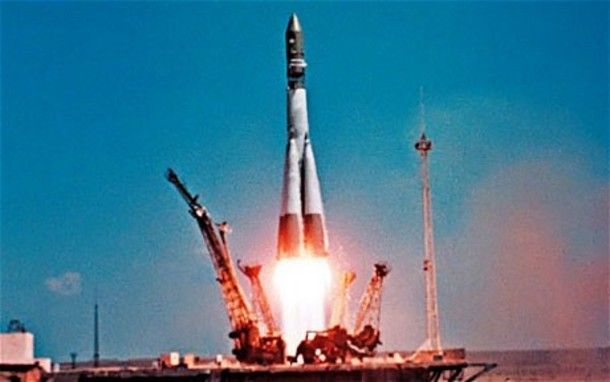
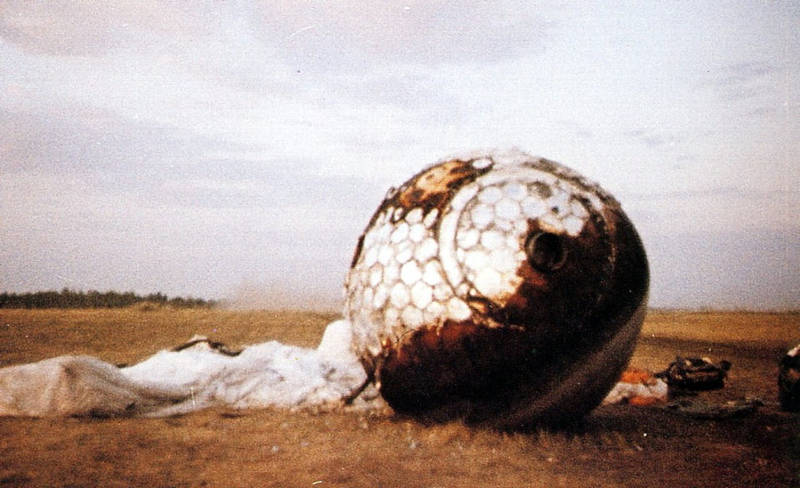
60 years ago today Yuri Gagarin a Soviet Air Force pilot became the first cosmonaut and first person to orbit the Earth in his Vostok-1 spacecraft. The event has been celebrated around the world since 2001 as Yuri’s Night. Gagarin was strictly a passenger on his flight, but was given a key to override the automated functions of the spacecraft to take over manually if needed. He ejected from the capsule as planned to land by parachute. His flight came three weeks before the United States and NASA launched Alan Shepard on his sub-orbital flight in his Freedom 7 Mercury Capsule on May 5th 1961. It wasn’t until February 20th the next year that John Glenn made three orbits of the Earth in his Friendship 7 Capsule to match Gagarin’s feat.
The astronomical event times given are for the Traverse City/Interlochen area of Michigan. They may be different for your location.
Addendum