Archive
Ephemeris: 07/18/2024 The brightest spot on the Moon
This is Ephemeris for Thursday, July 18th. Today the Sun will be up for 15 hours and 7 minutes, setting at 9:22, and it will rise tomorrow at 6:15. The Moon, 3 days before full, will set at 3:40 tomorrow morning.
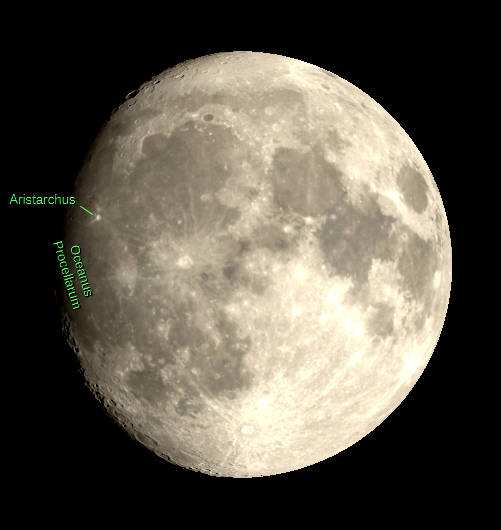
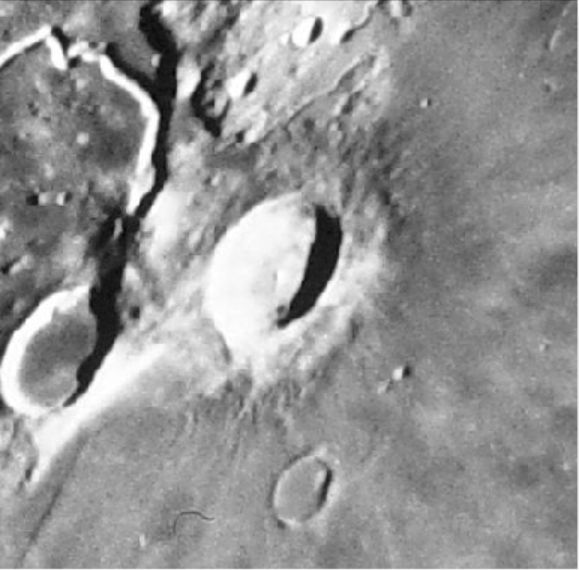
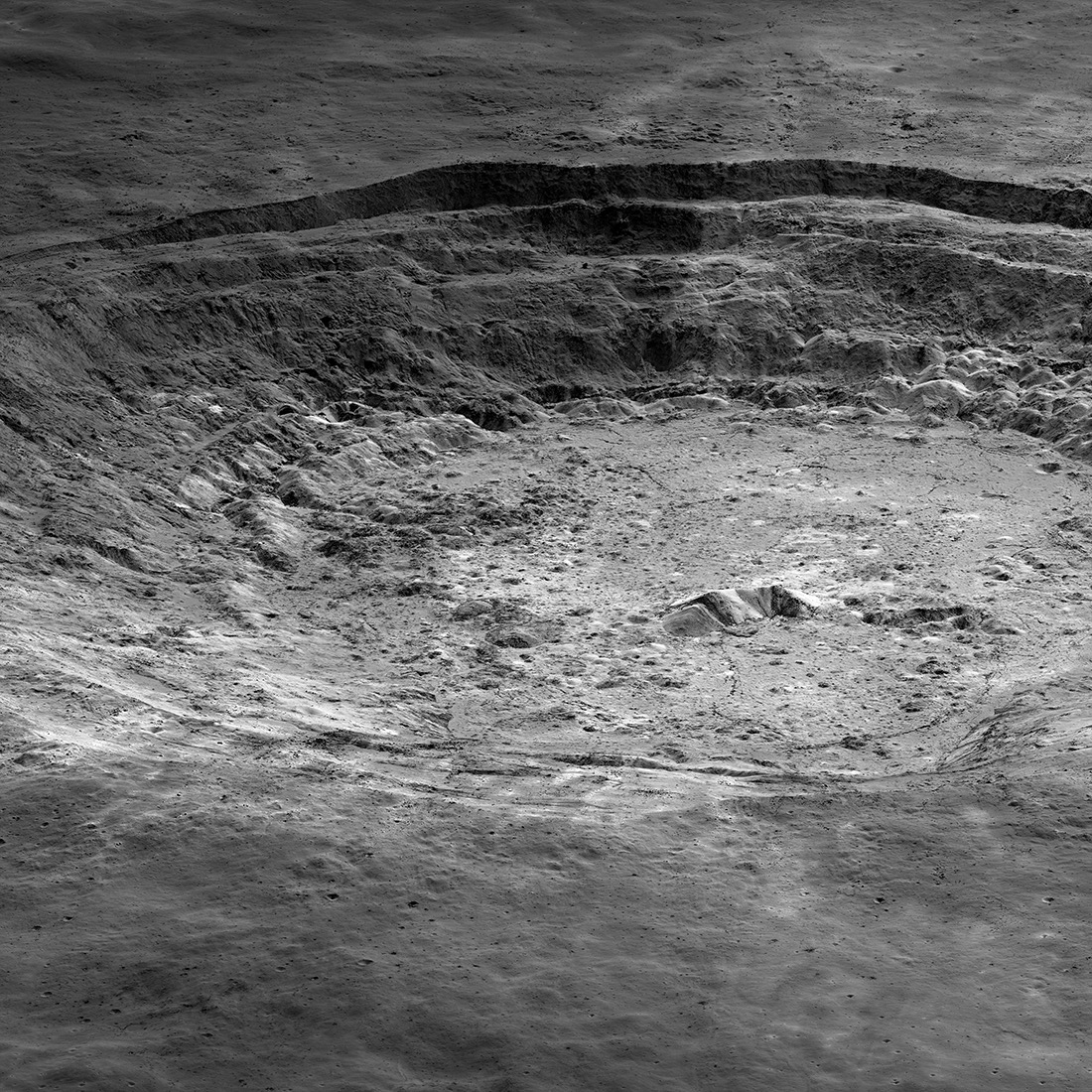
The moon tonight is bright. The sunrise line or terminator on the moon is crossing the large gray plain called Oceanus Procellarum, the largest of the moon’s seas. These seas were figments of the first telescopic observer’s imagination. They are really huge impact basins into which interior lava flowed. On the left side of the Moon is a bright spot in the gray expanse of Oceanus Procellarum visible in binoculars. In a telescope it is a crater called Aristarchus. It is a fairly new crater in lunar terms, probably less than a billion years old. As a rule the brighter the crater the newer it is. Aristarchus is the brightest spot on the Moon. Over the years visual astronomers have seen hazes and bright spots from time to time in and near Aristarchus.
The astronomical event times given are for the Traverse City/Interlochen area of Michigan (EDT, UT–4 hours). They may be different for your location.
Addendum
Ephemeris: 07/16/2024 – Find the rabbit in the Moon
This is Ephemeris for Tuesday, July 16th. Today the Sun will be up for 15 hours and 11 minutes, setting at 9:24, and it will rise tomorrow at 6:13. The Moon, 3 days past first quarter, will set at 2:10 tomorrow morning.
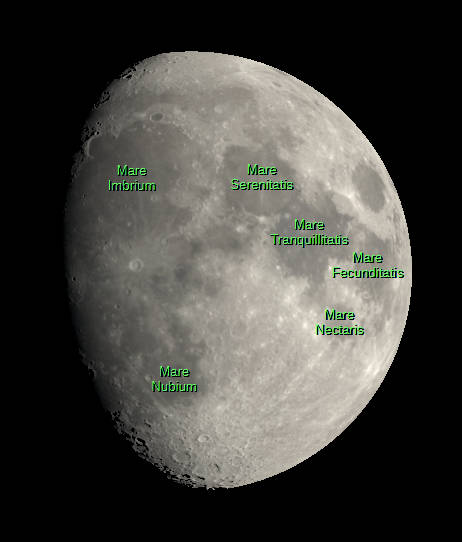
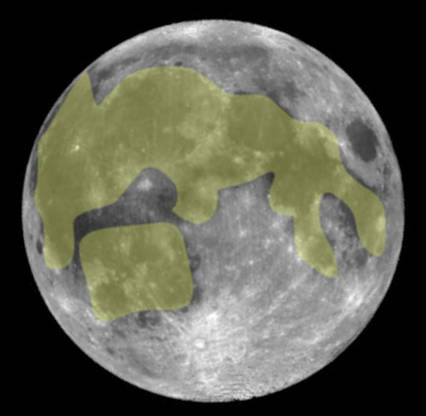
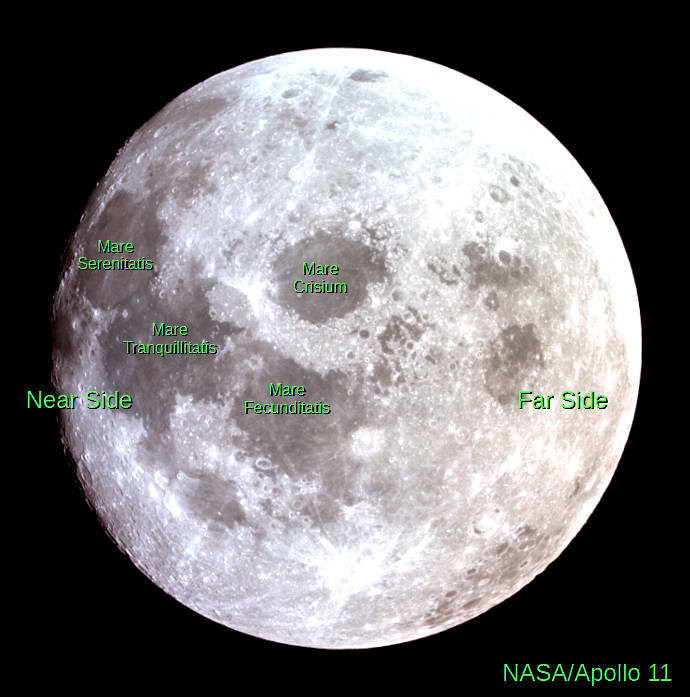
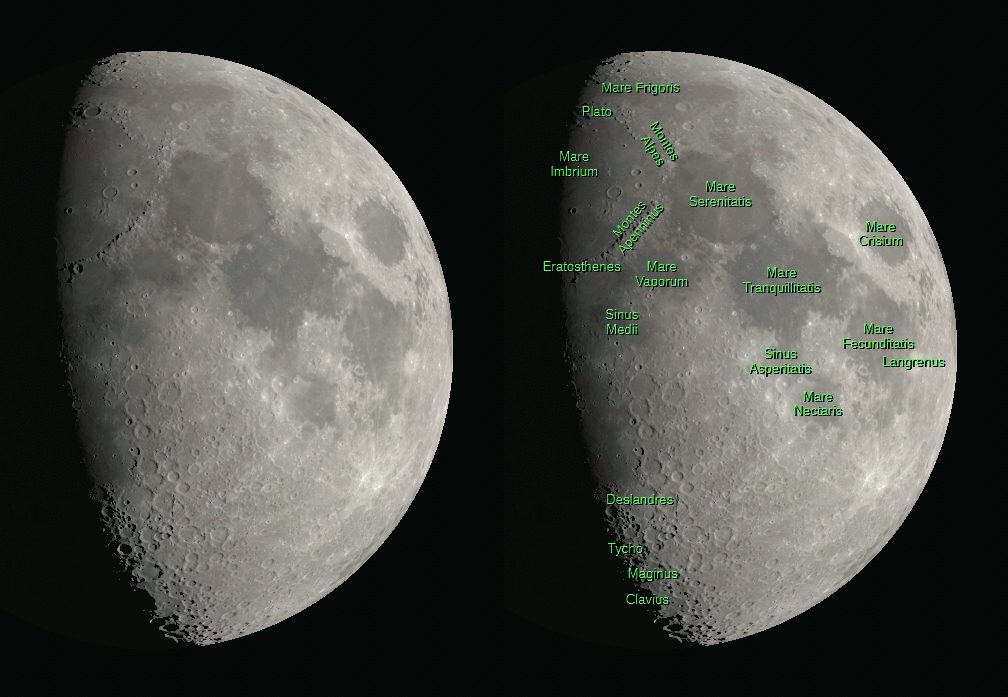
The Moon tonight is a gibbous phase which is between first quarter and full. The sunrise line we call the terminator is moving across the lunar sea Oceanus Procellarum, or Ocean of Storms. As I look at the Moon more and more, I’m beginning to appreciate what the Chinese saw in the pattern of the lunar seas, that of a rabbit. A very particular rabbit named Yutu, belonging to the moon goddess Ching’e. He’s curled up head down towards the right. His two rabbit ears, his head and part of his body is displayed in the five connected seas of Fecunditatis (Fruitfulness), Nectaris (Nectar), Tranquillitatis (Tranquility), Serenitatis (Serenity), and Imbrium (Showers). The rest of his body is slowly being revealed by the advancing terminator to the left. He is shown with a mortar, the sea Nubium (Clouds) and pestle pounding out medicine according to Chinese mythology.
The astronomical event times given are for the Traverse City/Interlochen area of Michigan (EDT, UT–4 hours). They may be different for your location.
Addendum
The Chinese lunar landers have been named Chang’e, and the rovers named Yutu.
Ephemeris: 07/12/2024 – Star Party tomorrow night at Sleeping Bear Dunes National Lakeshore
This is Bob Moler with Ephemeris for Friday, July 12th. Today the Sun will be up for 15 hours and 17 minutes, setting at 9:27, and it will rise tomorrow at 6:10. The Moon, 1 day before first quarter, will set at 12:42 tomorrow morning.
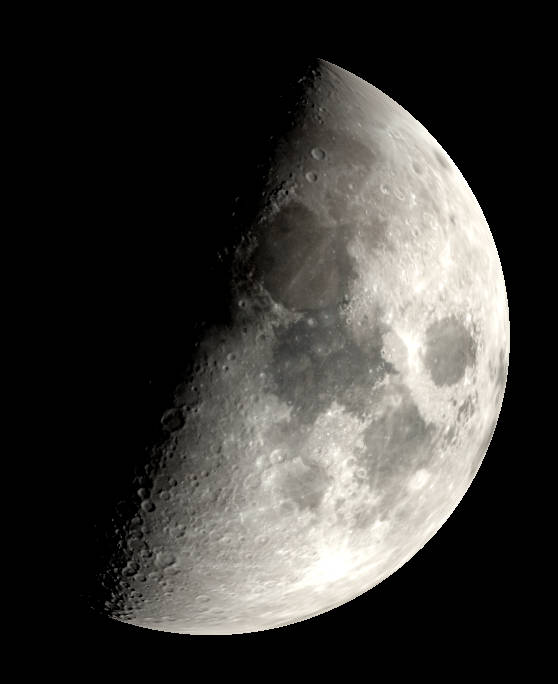
Tomorrow night, Saturday, July 13th, the Sleeping Bear Dunes National Lakeshore will team up with the Grand Traverse Astronomical Society to host a star party at the Dune Climb from 9 to 11 PM or later. It won’t be a star party only, because the featured attraction will be the first quarter Moon. To my mind, this is the best time to view the Moon, showing its craters with deep shadows near the terminator or sunrise line which crosses the Moon slowly over the month. There are no planets out in the evening, but we do have some interesting stars to look at besides the Moon. And the bright International Space Station will be seen moving from west to northeast, passing through the bowl of the Big Dipper around 10:28 pm.
The astronomical event times given are for the Traverse City/Interlochen area of Michigan (EDT, UT–4 hours). They may be different for your location.
Addendum
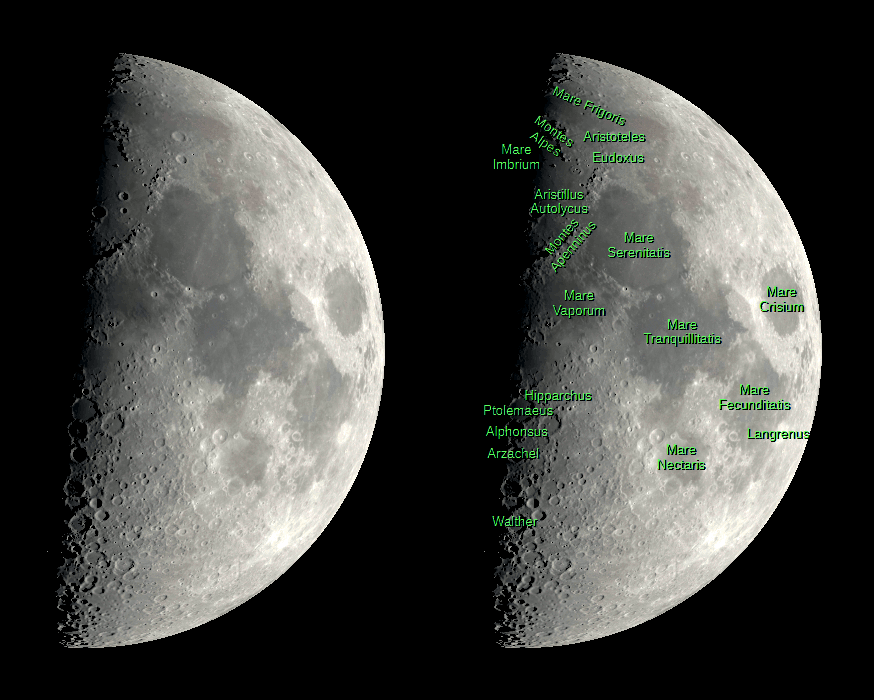
Translations of some lunar feature names according to Virtual Moon Atlas
Mare Crisium – Sea of Crises
Mare Fecunditatis – Sea of Fruitfulness
Mare Frigoris – Sea of Cold
Mare Imbrium – Sea of Showers
Mare Nectaris – Sea of Nectar
Mare Serenitatis – Sea of Serenity
Mare Tranquillitatis – Sea of Tranquility
Mare Vaporum – Sea of Vapors
Montes Alpes – Alps Mountains
Montes Apenninus – Apennines Mountains
Craters are named for persons, real or otherwise.
Ephemeris: 07/11/2024 – Low energy routes to get to the Moon
This is Ephemeris for Thursday, July 11th. Today the Sun will be up for 15 hours and 19 minutes, setting at 9:27, and it will rise tomorrow at 6:09. The Moon, 2 days before first quarter, will set at 12:26 tomorrow morning.
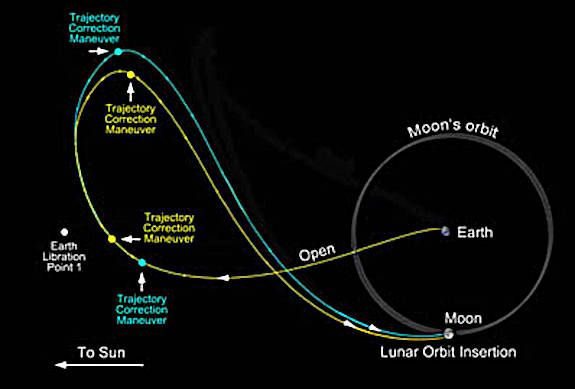
Back in the Apollo days when we sent people to the Moon, the trip out was only three days. The latest generation of unmanned probes to the Moon sent by the United States and other countries can take days, weeks, or even months to reach the Moon, so what’s going on? These are robot probes, needing little power. Humans however are high maintenance. Even when they’re doing nothing they are breathing, eating, and using resources. So when humans are aboard you have got to get there fast. Also, many of these probes are CubeSats, no bigger than a breadbox*. They must get into orbit of the Moon with very little thrust other than that of the rocket that launched them. They can go out as far as a million miles away before falling back to the Moon.
The astronomical event times given are for the Traverse City/Interlochen area of Michigan (EDT, UT–4 hours). They may be different for your location.
* OK, I’m an old guy, the modern size comparison would be a microwave.
Addendum
Ephemeris: 07/09/2024 – The Moon Tonight – Mare Crisium
This is Ephemeris for Tuesday, July 9th. Today the Sun will be up for 15 hours and 22 minutes, setting at 9:29, and it will rise tomorrow at 6:07. The Moon, halfway from new to first quarter, will set at 11:53 this evening.
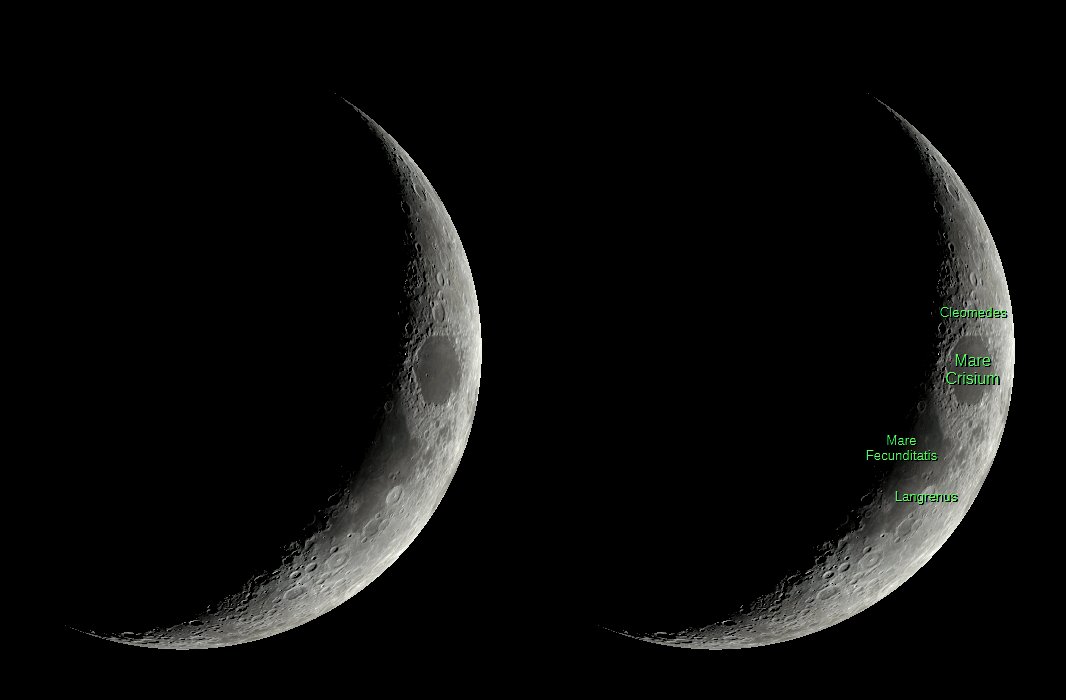
Tonight’s four-day old crescent Moon will be seen in the west at about 10:30 PM, though it’s visible much earlier than that. Binoculars will show a small gray round area near the right edge of the Moon which is seen in the full moon as the eye of the Man in the Moon. The feature is called Mare Crisium or the Sea of Crises. And is an Oval 385 by 354 miles in extent. However, it is elongated east to west rather than what it appears to be, north to south. That is due to foreshortening because it is near the limb of the Moon and thus curved away from us. So we are looking at it at an oblique angle. Mare Crisium is thought to be the result of an impact of an asteroid that occurred nearly 4 billion years ago during the Late Heavy Bombardment.
The astronomical event times given are for the Traverse City/Interlochen area of Michigan (EDT, UT–4 hours). They may be different for your location.
Addendum
Ephemeris: 06/18/2024 – Are we in a space race with China?
This is Ephemeris for Tuesday, June 18th. Today the Sun will be up for 15 hours and 34 minutes, setting at 9:31, and it will rise tomorrow at 5:56. The Moon, 3 days before full, will set at 3:41 tomorrow morning.
Back in the late 1950s and early 1960s The United States and Russia were in a space race, attempting to outdo each other in space. The Russians had the lead to begin with. Their rockets were bigger because they were unable to miniaturize their atomic weapons. So they needed rockets large enough to launch them, and had rockets large enough, off the shelf so to speak, to be able to launch satellites and even humans into orbit. Sixty years later the old Soviet Union has disappeared and Russia is still using rocket technology that was developed in the 1960s. The Chinese however, were nowhere in the 1960s, and have now ascended to be our number one competitor in space. Considering their latest progress, China may beat us back to the Moon.
The astronomical event times given are for the Traverse City/Interlochen area of Michigan (EDT, UT–4 hours). They may be different for your location.
Addendum
Ephemeris: 06/17/2024 – China’s mission to get samples from the far side of the Moon
This is Ephemeris for Monday, June 17th. Today the Sun will be up for 15 hours and 34 minutes, setting at 9:31, and it will rise tomorrow at 5:56. The Moon, 3 days past first quarter, will set at 3:16 tomorrow morning.
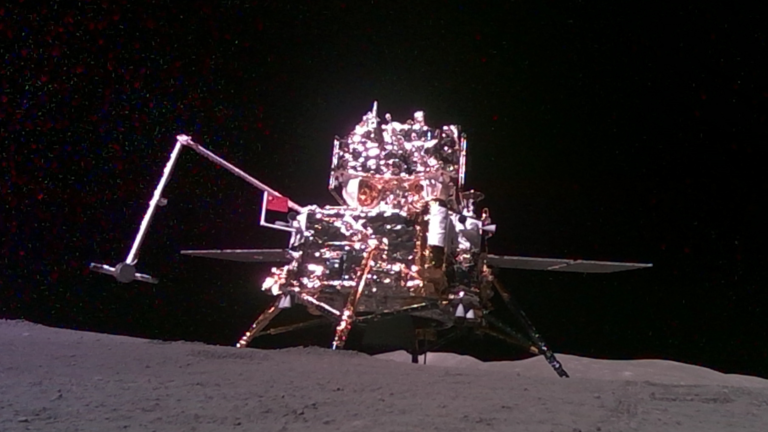
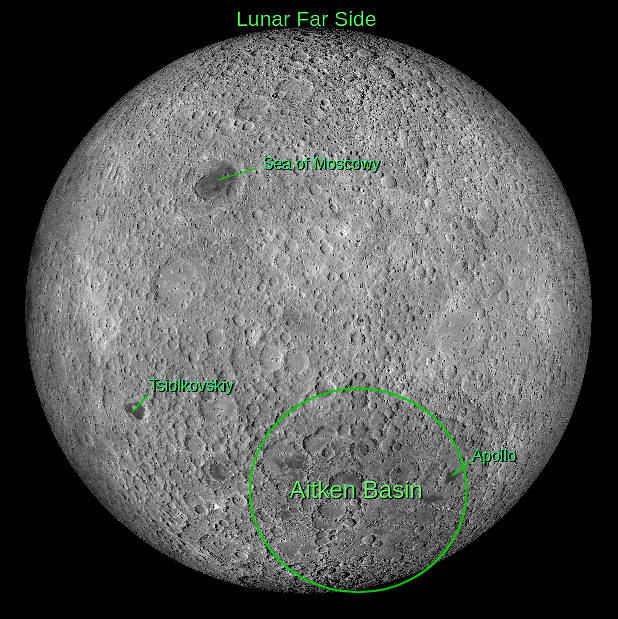
Earlier this month the People’s Republic of China’s Chang’e 6 spacecraft landed on the far side of the Moon to collect samples to return them to the Earth. They had put a satellite in orbit of the moon to act as a relay satellite so they can communicate with their Lander. The collection went according to plan and the spacecraft is now headed back to the Earth. It is my understanding that they landed in the crater called Apollo at the edge of the Aitken basin . Being the far side of the moon the Apollo crater is not named for the Greek god but for the American human Moon program of the 1960s and early 70s. The samples are expected to return to Earth on the 25th. These are the first samples from the far side of the Moon to be returned.
The astronomical event times given are for the Traverse City/Interlochen area of Michigan (EDT, UT–4 hours). They may be different for your location.
Addendum
Ephemeris: 06/11/2024 – The man who first mapped the Moon
This is Bob Moler with Ephemeris for Tuesday, June 11th. Today the Sun will be up for 15 hours and 31 minutes, setting at 9:28, and it will rise tomorrow at 5:56. The Moon, 3 days before first quarter, will set at 1:31 tomorrow morning.
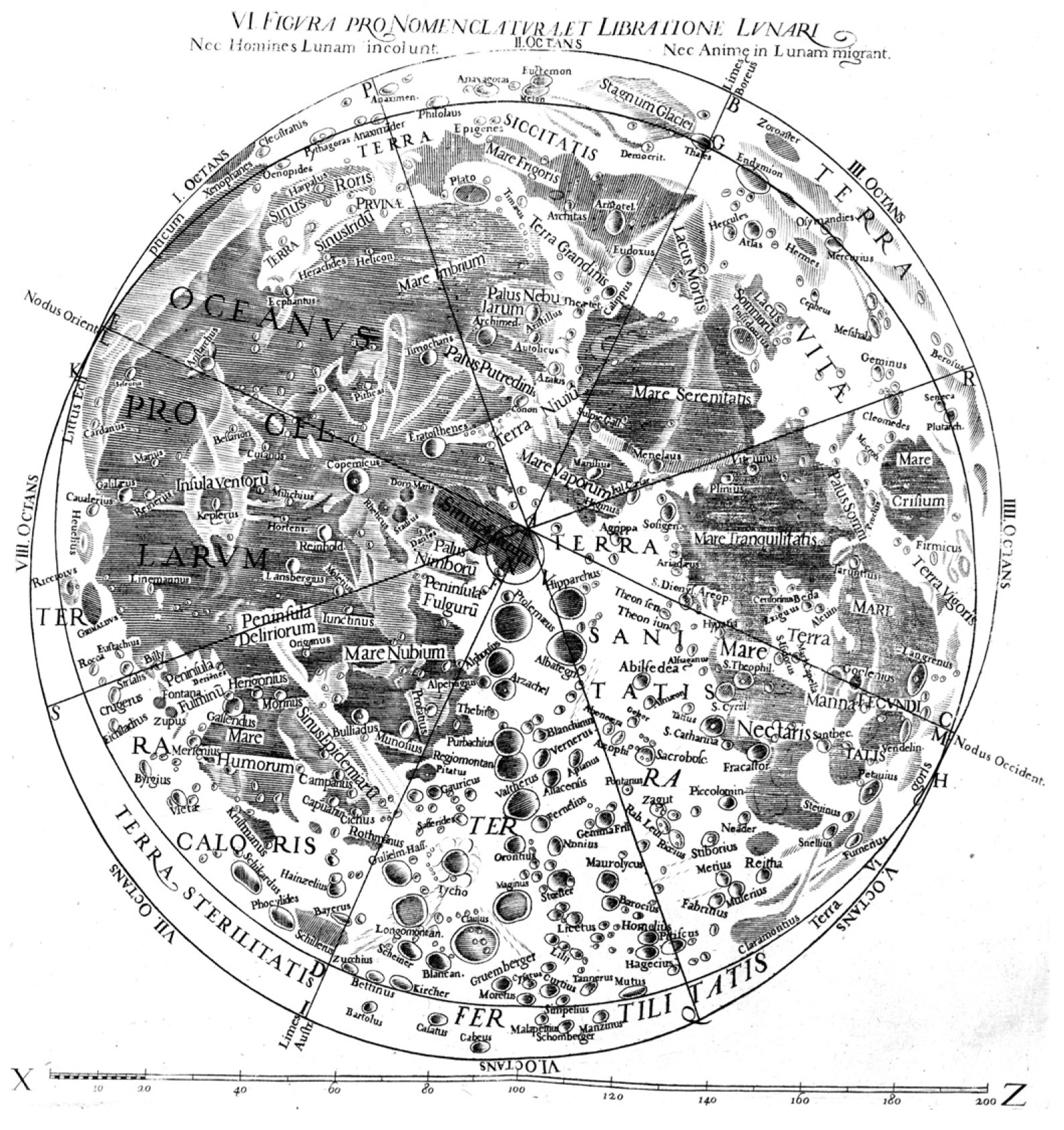
Ever wonder where the names of the features of the Moon come from? Most of the large features on the Moon were named by Giovanni Battista Riccioli, a Jesuit priest of the 17th century. He created the first accurate map of the Moon in 1651, and he named the features he drew including the Sea of Tranquility (Mare Tranquillitatis), the craters Tycho, Plato, Clavius and many others that I talk about. Even though he professed the Earth centered universe, he gave the heliocentrists Copernicus, Kepler and Aristarchus prominent craters, but in the Ocean of Storms, Oceanus Procellarum, denoting the controversy of the day. Riccioli’s nomenclature became the standard for the Moon and other planets and moons.
The astronomical event times given are for the Traverse City/Interlochen area of Michigan (EDT, UT–4 hours). They may be different for your location.
Addendum

Ephemeris: 05/15/2024 – Getting reacquainted with the Moon
This is Ephemeris for Thursday, May 16th. Today the Sun will be up for 14 hours and 53 minutes, setting at 9:06, and it will rise tomorrow at 6:11. The Moon, 1 day past first quarter, will set at 3:45 tomorrow morning.
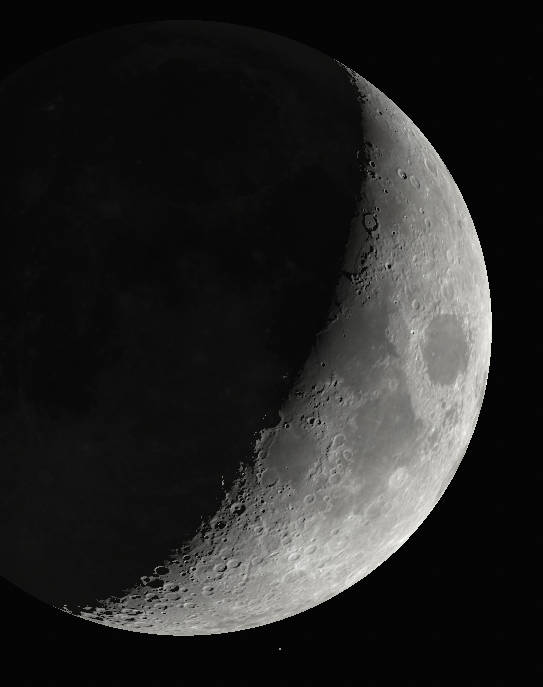
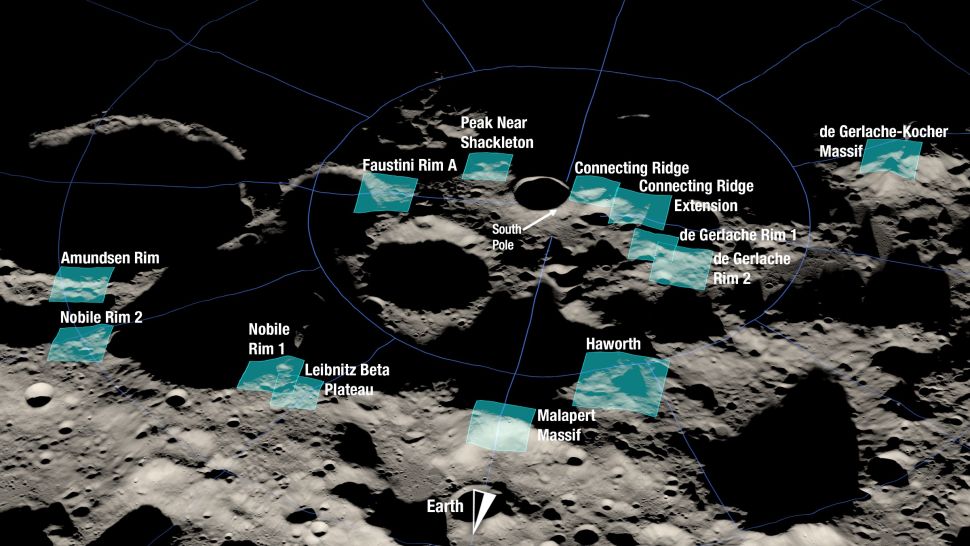
My interest in astronomy has always tended to be in deep sky, that is the part of astronomy having to do with objects beyond the solar system. This was probably mainly due to the fact that my first telescope was the reflecting telescope and not really that good at viewing the planets. My opinion of the Moon has normally been that of being a big streetlight that kept me from viewing the faint things in the sky. However, as the Apollo program was ramping up in the 1960s, I began to get more interested in the Moon. And so it is, again, now that the Artemis program is beginning to ramp up. Unfortunately the landing zones that are being planned are at the South Pole of the Moon, which we can barely see from the Earth.
The astronomical event times given are for the Traverse City/Interlochen area of Michigan (EDT, UT–4 hours). They may be different for your location.
Addendum
Ephemeris: 05/13/2024 – Viewing the Moon tonight
This is Bob Moler with Ephemeris for Monday, May 13th. Today the Sun will be up for 14 hours and 46 minutes, setting at 9:02, and it will rise tomorrow at 6:15. The Moon, 2 days before first quarter, will set at 2:44 tomorrow morning.
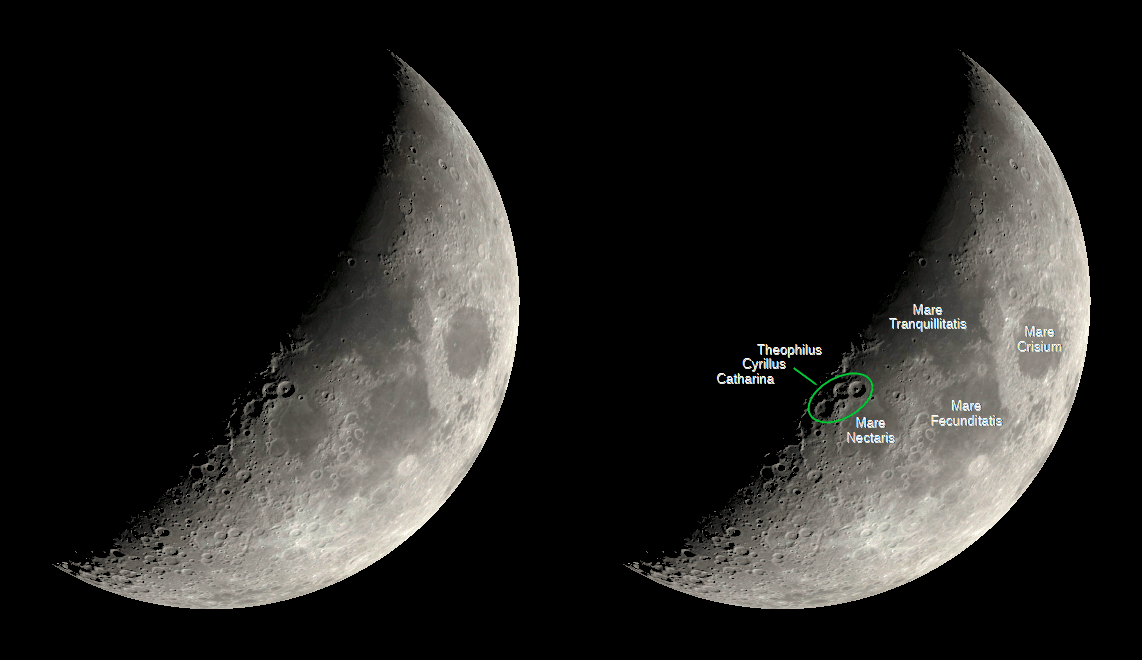
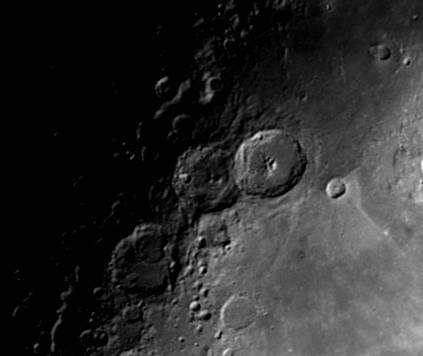
The crescent Moon tonight has what looks like a chain of three large craters near the terminator, visible in a low power telescope. The terminator is the line between day and night. Before the full moon, it’s the sunrise line. On closer inspection, these craters are of different ages. The north crater Theophilus, 63 miles in diameter and one of my favorite craters with a prominent central peak, looks relatively fresh. It’s not, it’s somewhat older than a billion years. The crater just south or below-left of it is Cyrillus, about the same size, which is almost 4 billion years old. Theophilus slightly overlaps Cyrillus. A bit farther south is Catharina, which again is about the same size and age range as Cyrillus, but seems more broken down than the other.
The astronomical event times given are for the Traverse City/Interlochen area of Michigan (EDT, UT–4 hours). They may be different for your location.
Addendum
 Bob Moler's Ephemeris Blog