Archive
Ephemeris: 02/11/2026 – Taking our weekly look at the whereabouts of the naked-eye planets
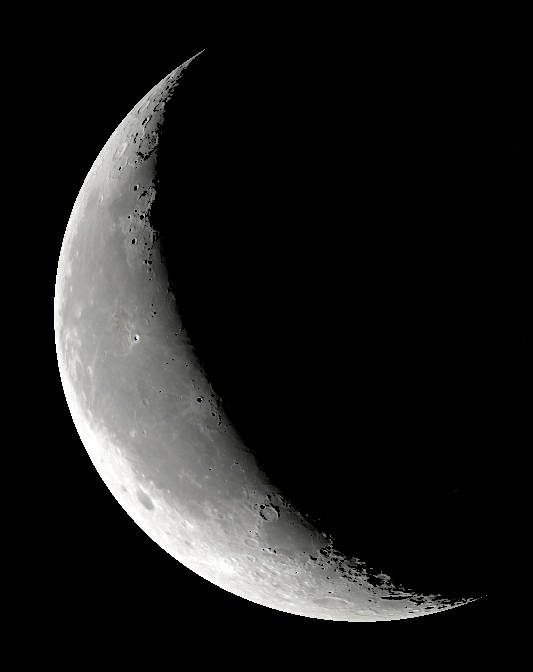
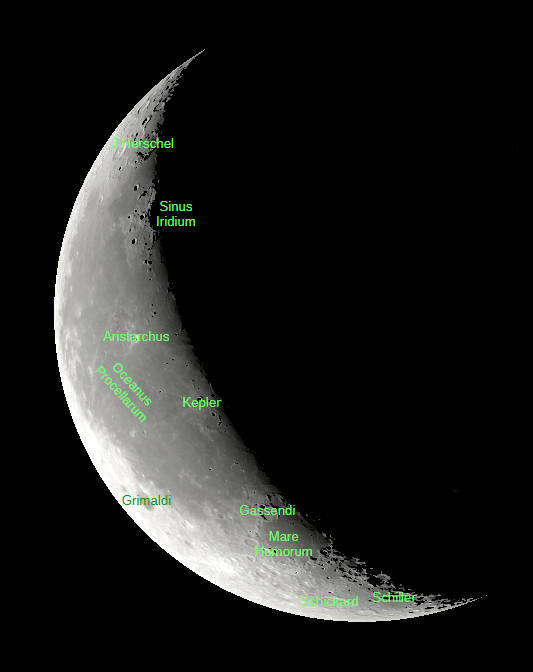
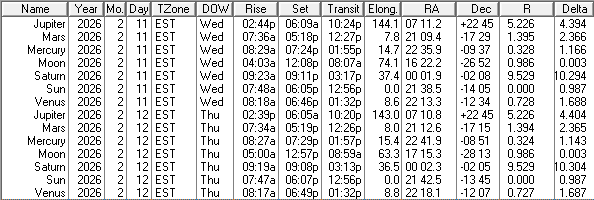
This is Ephemeris for Wednesday, February 11th. Today the Sun will be up for 10 hours and 16 minutes, setting at 6:05, and it will rise tomorrow at 7:47. The Moon, 2 days past last quarter, will rise at 5:00 tomorrow morning.
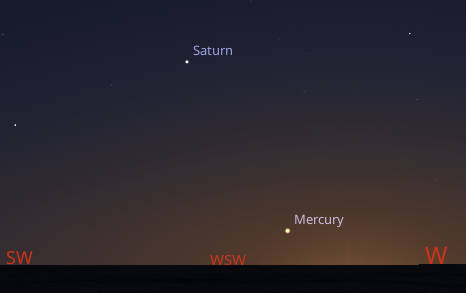
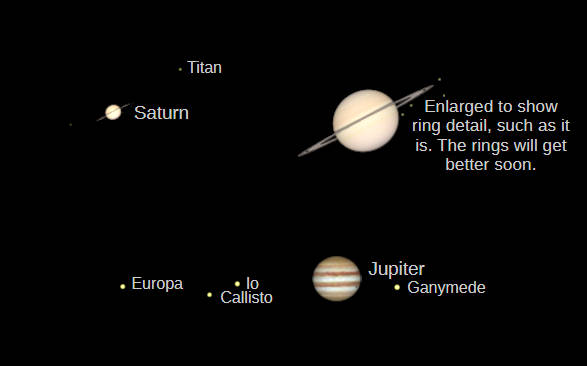
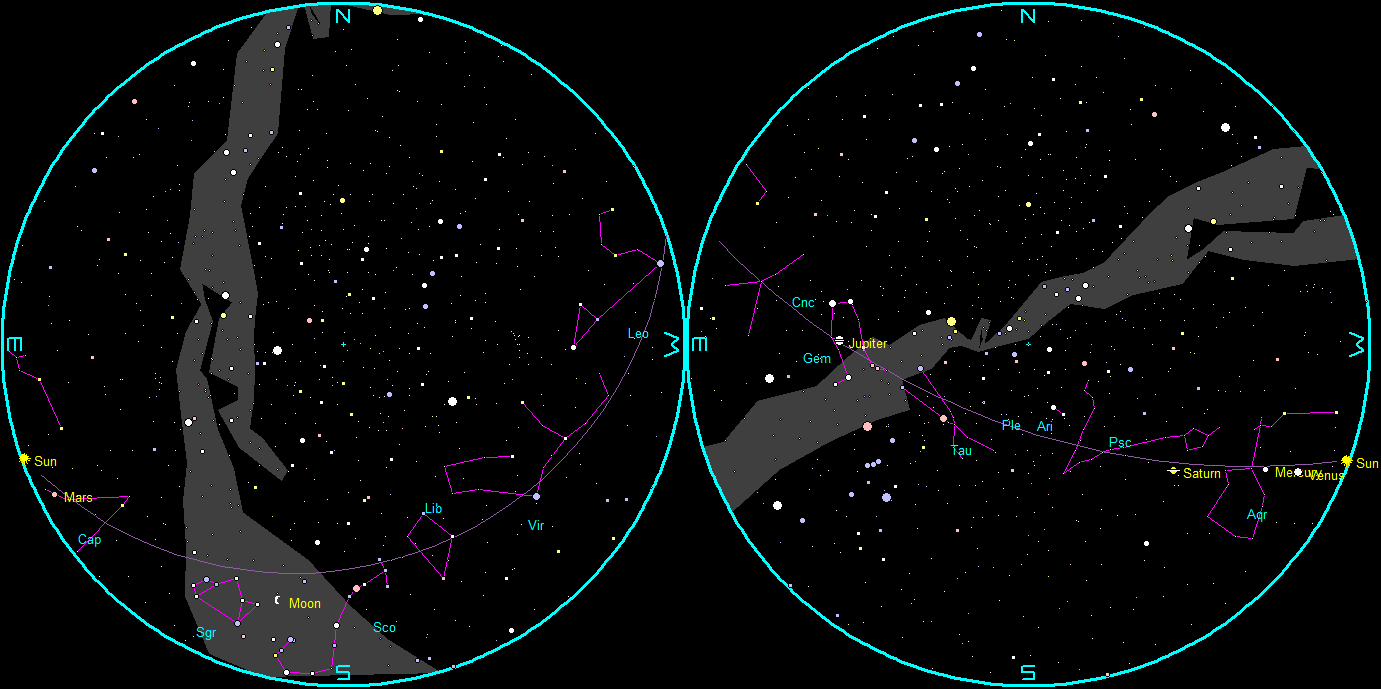
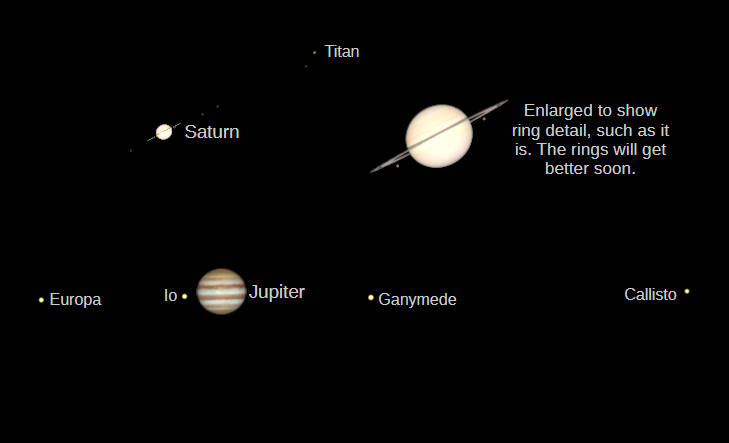
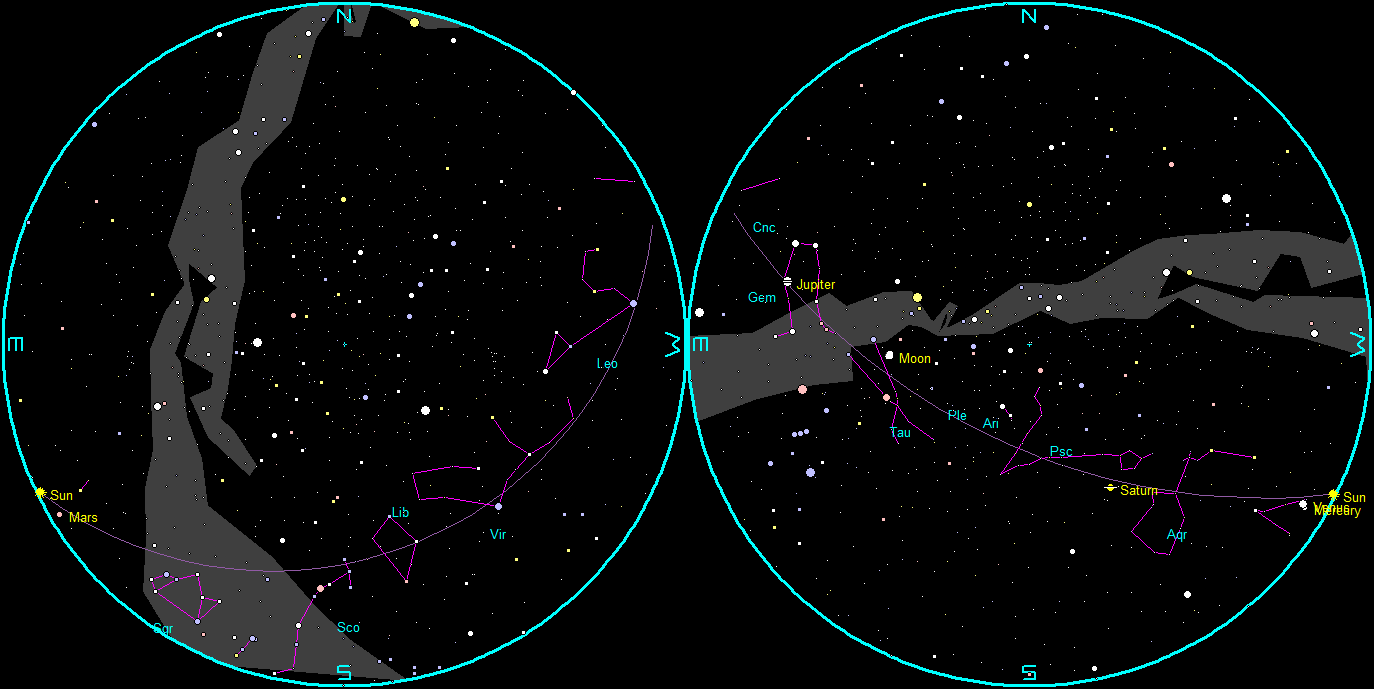
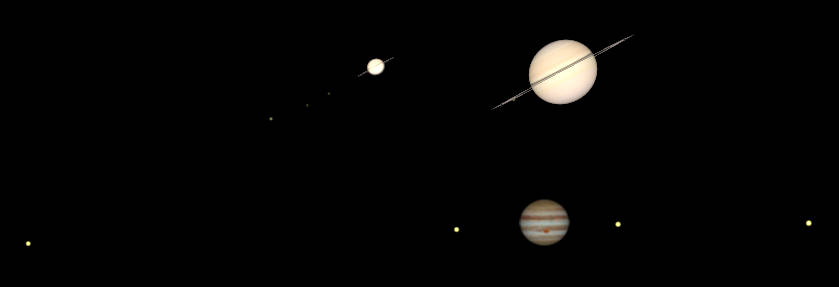
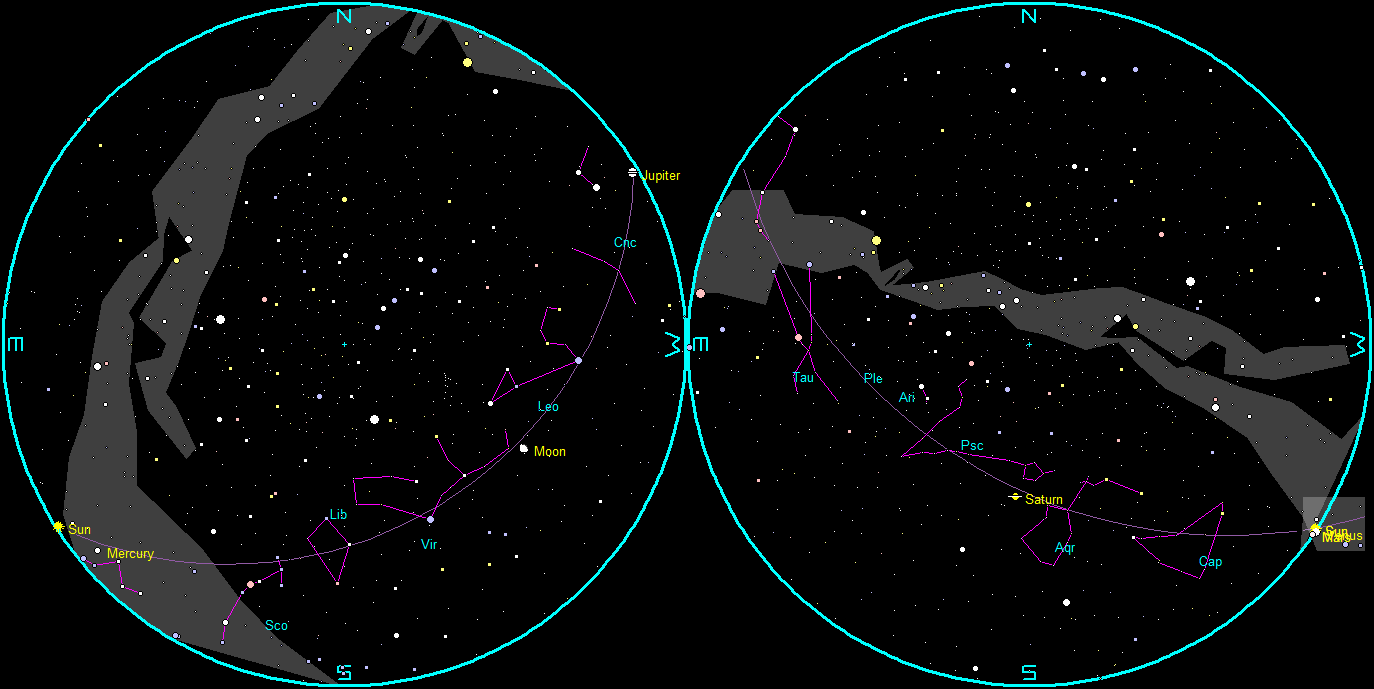
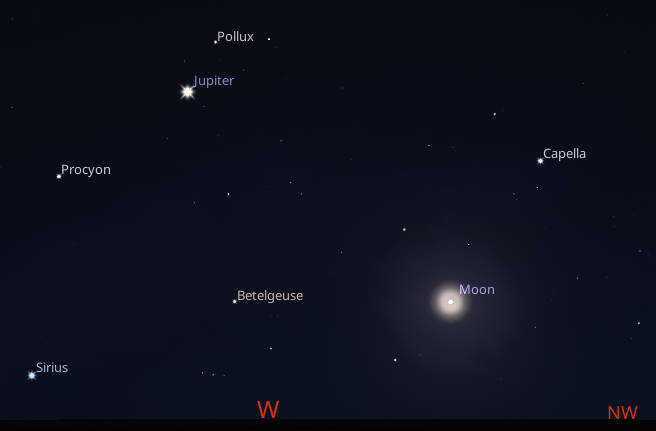
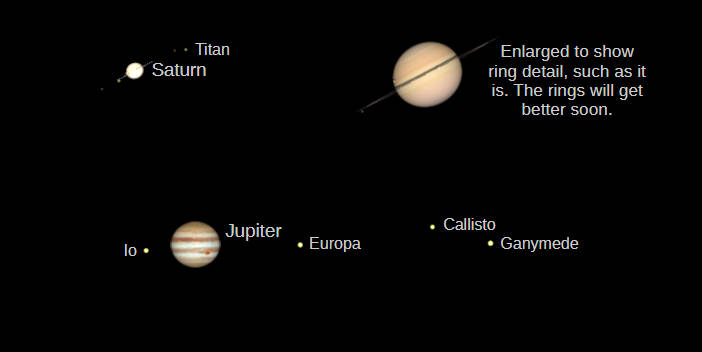
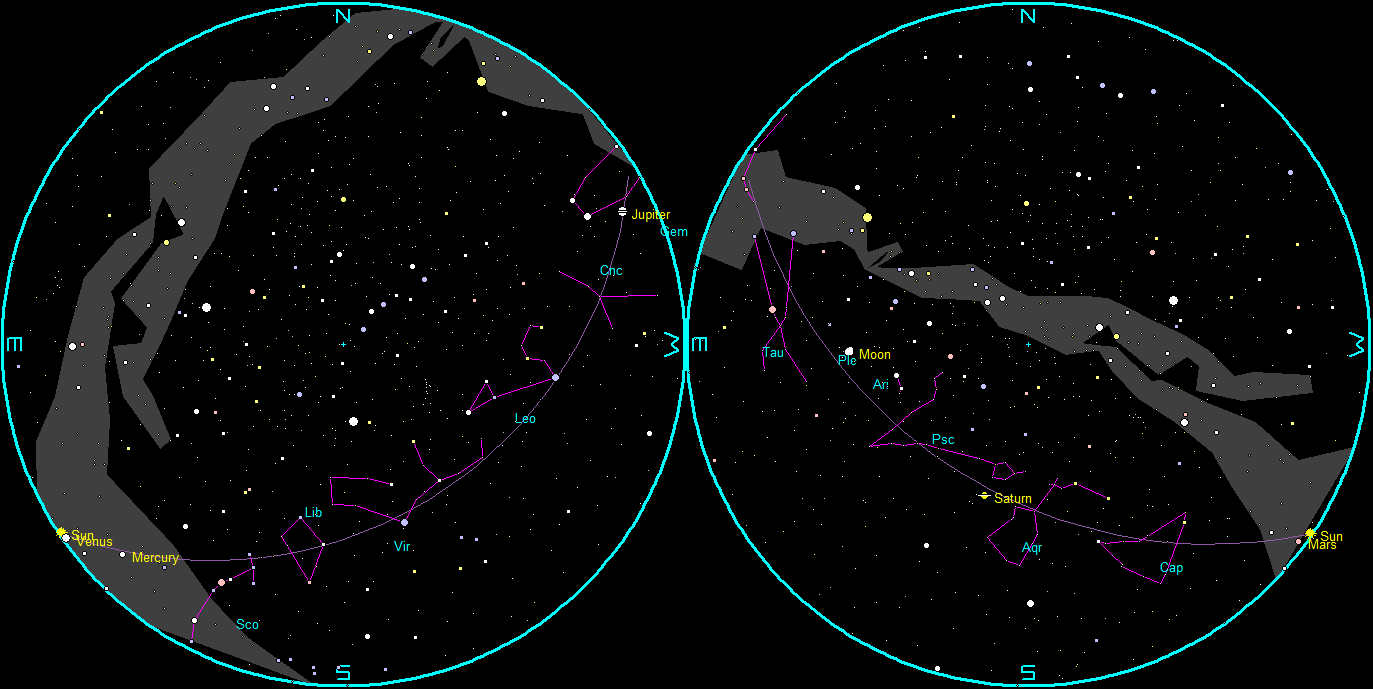
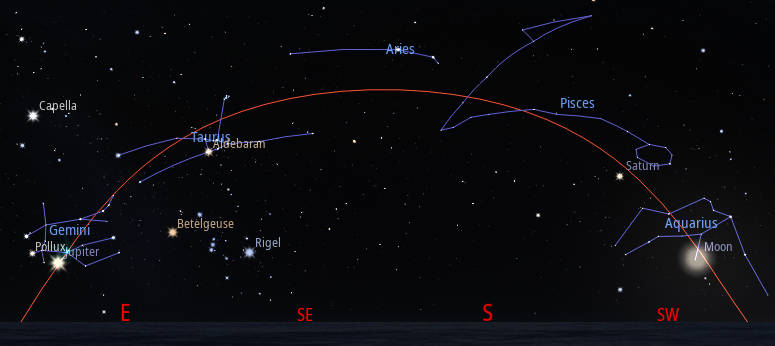
Let’s take our weekly look at the whereabouts of the naked-eye planets. Before twilight fades, Mercury may be spotted low in the west below and right of Saturn. Binoculars may help in finding it. Saturn is the brightest star-like object low in the west southwestern sky as soon as it gets dark, and it will set before 9:30. In a telescope Saturn sports a very thin ring, 2.6 degrees from being edge on and is slowly opening. Jupiter is the brilliant star-like object more than halfway up in the east-southeastern sky. It’s the brightest star-like object in the sky. It is still moving to the west, but is slowing down and will stop and reverse its course a month from now. Jupiter’s 4 brightest moons can be seen even in binoculars, if held steadily enough. They shift position night to night. At 8 PM tonight, all four Galilean moons can be seen.
The astronomical event times given in this blog are for the Traverse City/Interlochen area of Michigan (Lat 44.7° N, Long 85.7° W; EST, UT – 5 hours) unless stated otherwise. Times will be different for other locations.
Addendum
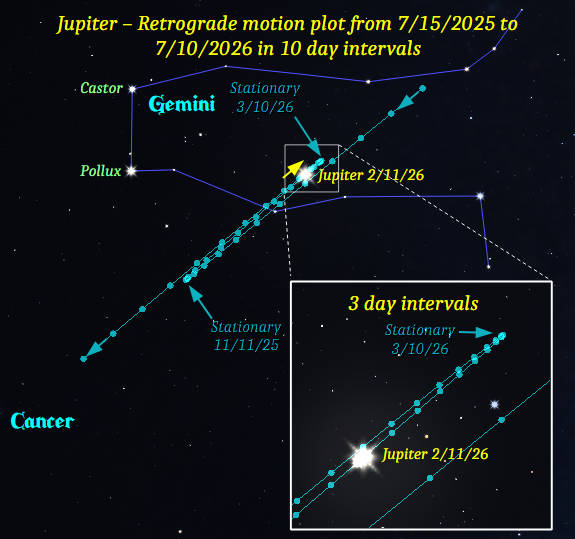
Tomorrow, I’ll discuss, more fully, why planets are seen to move in retrograde motion.
R
Ephemeris: 02/04/2026 – Taking our weekly look at the whereabouts of the naked-eye planets
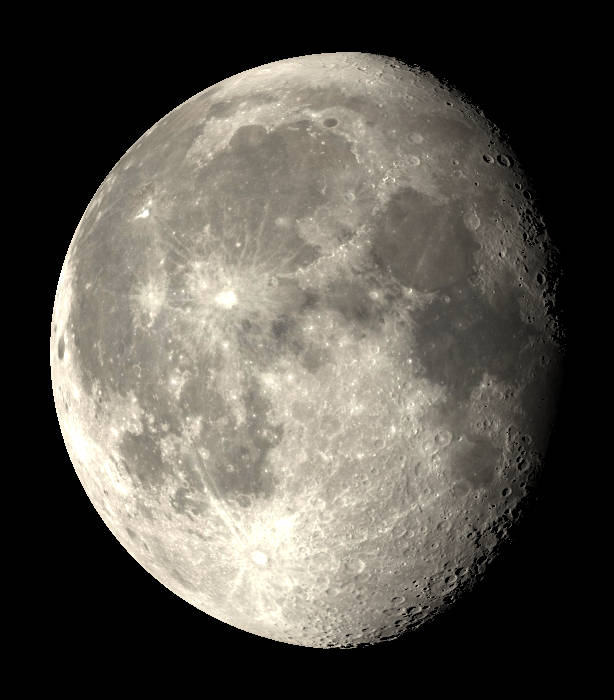
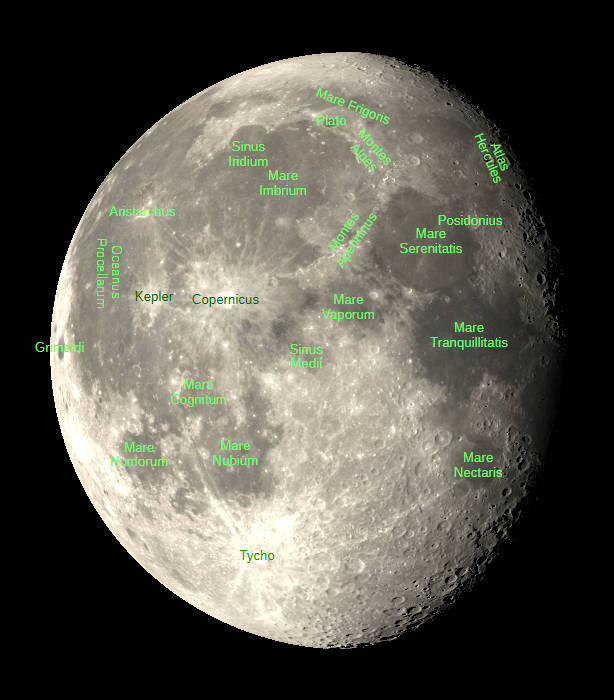
This is Ephemeris for Wednesday, February 4th. Today the Sun will be up for 9 hours and 57 minutes, setting at 5:55, and it will rise tomorrow at 7:56. The Moon, 3 days past full, will rise at 9:25 this evening.
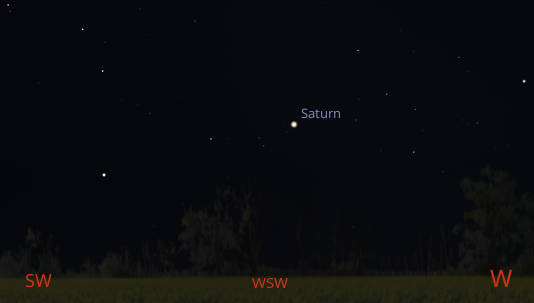
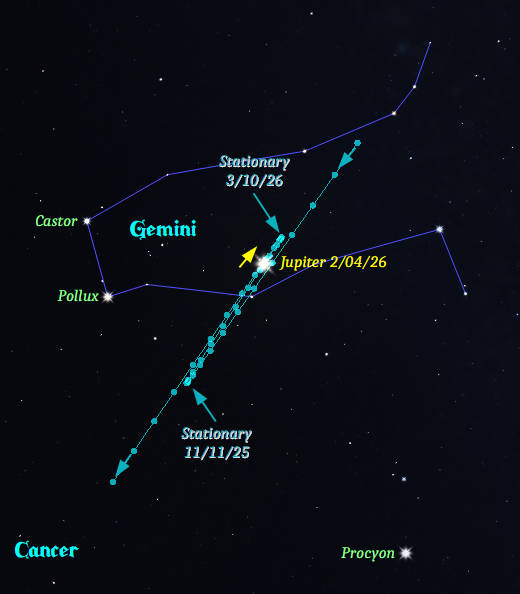
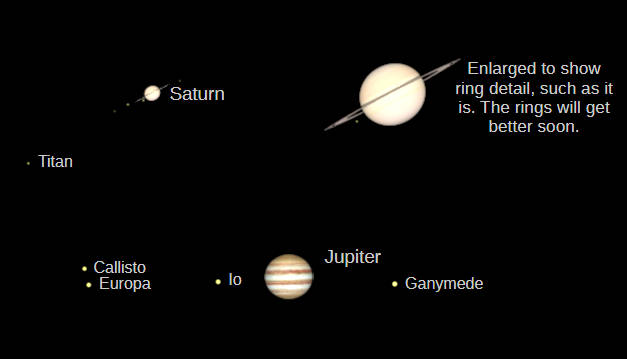
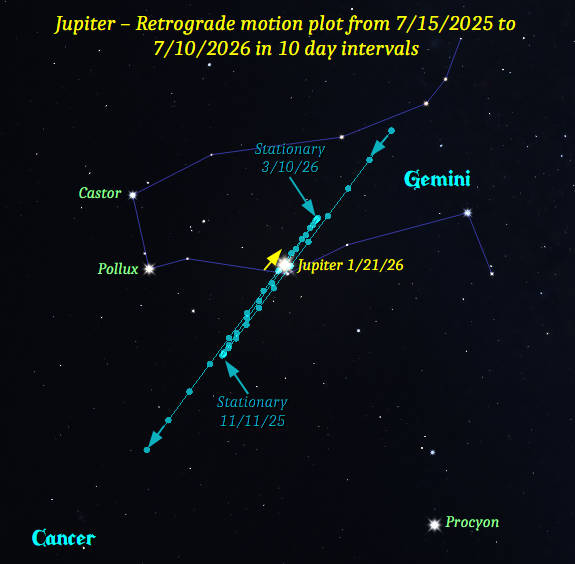
Let’s take our weekly look at the whereabouts of the naked-eye planets. Saturn is the brightest star-like object low in the west southwestern sky as soon as it gets dark. In a telescope Saturn sports a very thin ring, 2.4 degrees from being edge on and is slowly opening. Jupiter is the brilliant star-like object in the eastern sky, to the right of Pollux in the pair Castor and Pollux, the bright stars of Gemini. It is still moving slowly to the west, and will, until it stops and reverses its track on March 10th. Jupiter’s four brightest moons can be seen even in binoculars, if held steadily enough. They shift position night to night. At 8 PM tonight, all four Galilean moons can be seen, though two may too close together to be picked out separately in binoculars.
The astronomical event times given in this blog are for the Traverse City/Interlochen area of Michigan (Lat 44.7° N, Long 85.7° W; EST, UT – 5 hours) unless stated otherwise. Times will be different for other locations.
Addendum
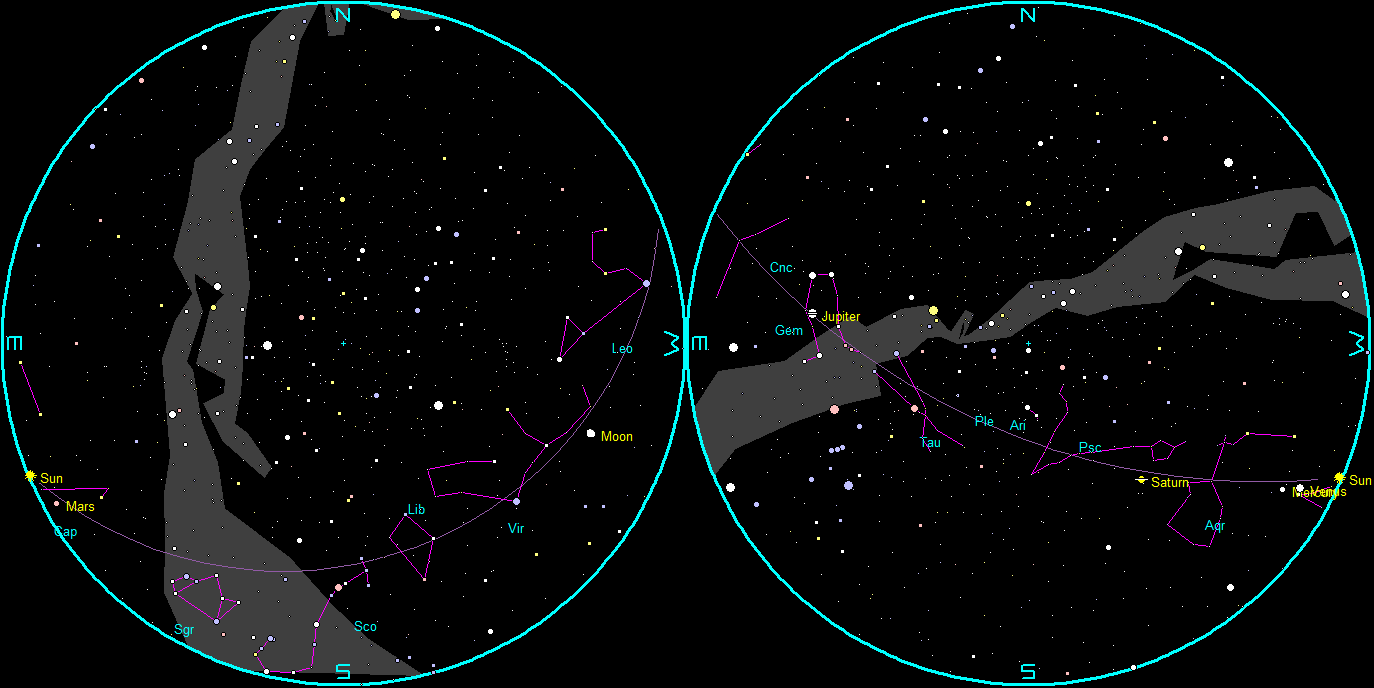
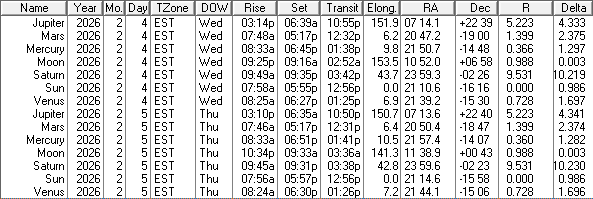
Ephemeris: 01/28/2026 – Taking our weekly look at the whereabouts of the naked-eye planets
This is Ephemeris for Wednesday, January 28th. Today the Sun will be up for 9 hours and 39 minutes, setting at 5:45, and it will rise tomorrow at 8:05. The Moon, 3 days past first quarter, will set at 5:43 tomorrow morning.
Let’s take our weekly look at the whereabouts of the naked-eye planets. Saturn is the brightest star-like object in the southwestern sky as soon as it gets dark. In a telescope Saturn sports a very thin ring, 2 degrees from being edge on and is slowly opening. Jupiter is the brilliant star-like object in the eastern sky, to the right of Pollux in the pair Castor and Pollux, the bright stars of Gemini. It is still moving slowly to the west, and will, until it stops and reverses its track on March 10th. Jupiter’s 4 brightest moons can be seen even in binoculars, if held steadily enough. They shift position night to night. At 8 PM tonight, all four Galilean moons can be seen, though two may too close to the planet to be picked out in binoculars.
The astronomical event times given in this blog are for the Traverse City/Interlochen area of Michigan (Lat 44.7° N, Long 85.7° W; EST, UT – 5 hours) unless stated otherwise. Times will be different for other locations.
Addendum
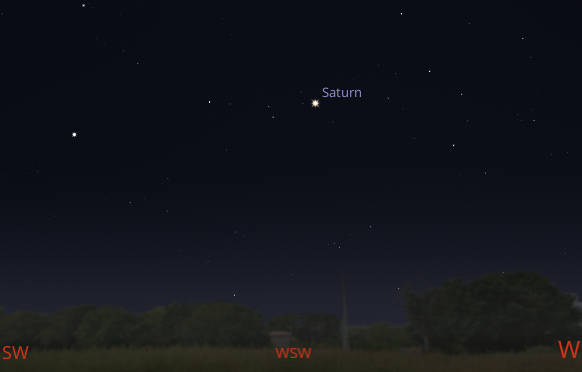
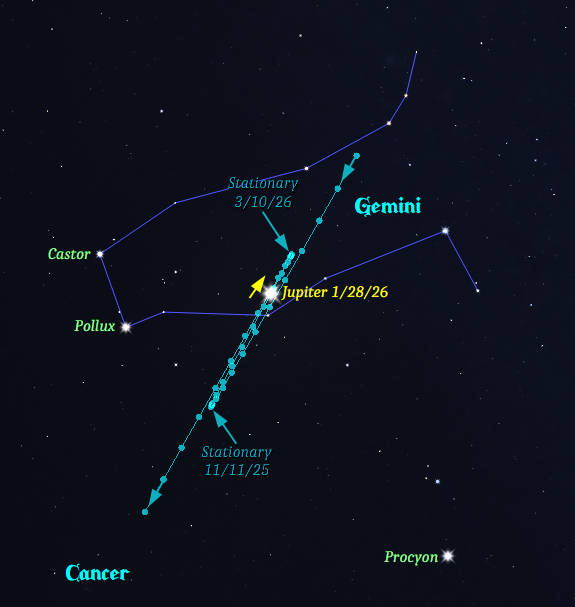
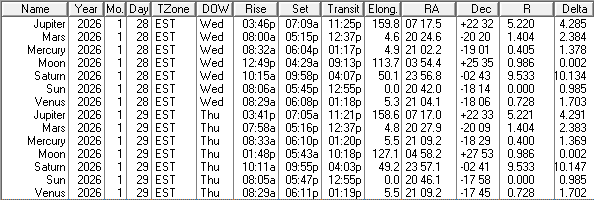
Ephemeris: 01/23/2026 – The new space race
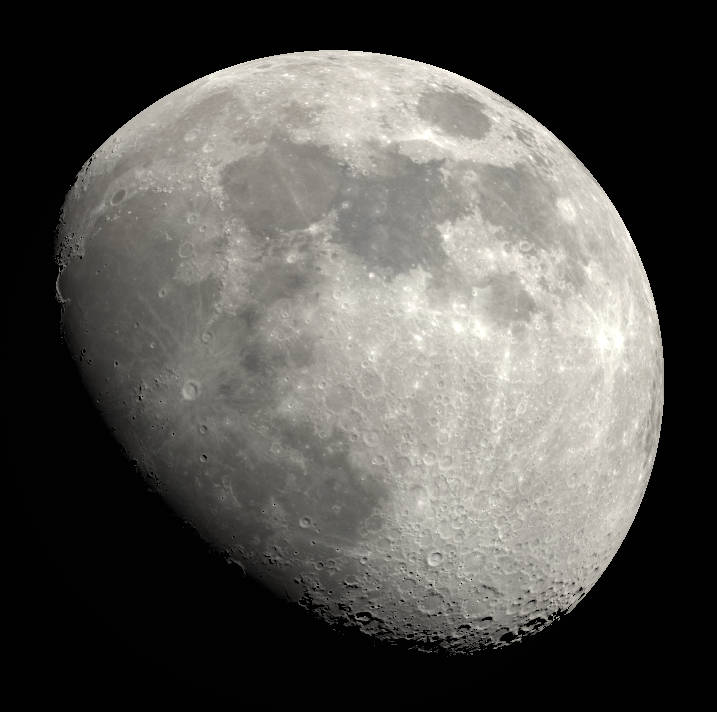
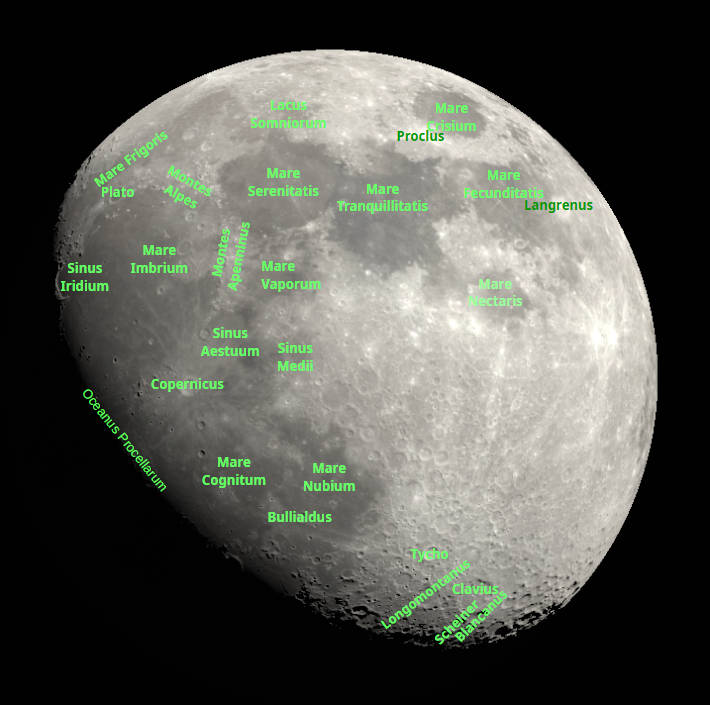
This is Ephemeris for Friday, January 23rd. Today the Sun will be up for 9 hours and 28 minutes, setting at 5:39, and it will rise tomorrow at 8:09. The Moon, 2 days before first quarter, will set at 11:17 this evening.
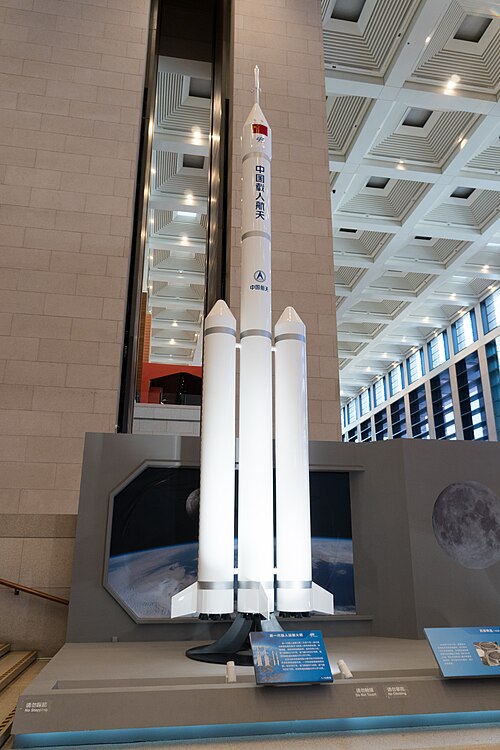
In the 1960s The United States and the Soviet Union engaged into what was called the space race. A race that was essentially to be the first nation to set foot on the Moon. It was a race the United States won when Neil Armstrong set foot on the Moon on July 20th 1969. We are now engaged in another space race, this time with China. It looks like Russia is sitting this one out, or are helping the Chinese, though it looks like the Chinese are out innovating them with their own reusable rockets. The stakes are higher this time. There is a place on the Moon in which everyone is interested. That being the Moon’s South Pole which has water in the form of ice in permanently shadowed craters, which would be worth its weight in gold.
The astronomical event times given in this blog are for the Traverse City/Interlochen area of Michigan (Lat 44.7° N, Long 85.7° W; EST, UT – 5 hours) unless stated otherwise. Times will be different for other locations.
Addendum
Ephemeris: 01/22/2026 – Artemis II launch window opens up in 15 days
This is Ephemeris for Thursday, January 22nd. Today the Sun will be up for 9 hours and 26 minutes, setting at 5:37, and it will rise tomorrow at 8:10. The Moon, 3 days before first quarter, will set at 10:04 this evening.
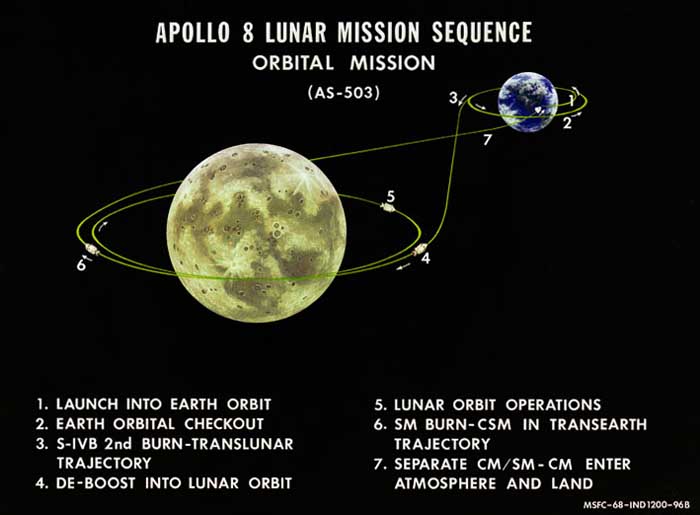
The launch window for the first crewed Artemis mission to the Moon opens up in a bit more than two weeks. It is made-up of 3 approximately 2 week windows containing four or five possible launch dates that extend to April. This mission is a mission to simply loop around the Moon and come back. It is different from the Apollo 8 mission, that actually orbited the Moon 10 times before returning to the Earth. The four astronauts will become the farthest members of humanity to venture from the Earth. One has hoped that NASA has solved the hydrogen leak problem that plagued the Artemis 1 mission a bit more than a year ago. Hydrogen is a small molecule that can leak through just about anything.
The astronomical event times given in this blog are for the Traverse City/Interlochen area of Michigan (Lat 44.7° N, Long 85.7° W; EST, UT – 5 hours) unless stated otherwise. Times will be different for other locations.
Addendum

Ephemeris: 01/21/2026 – Taking our weekly look at the whereabouts of the naked-eye planets
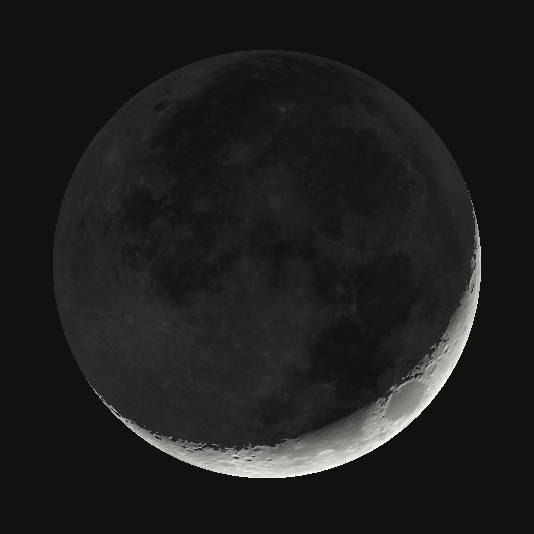
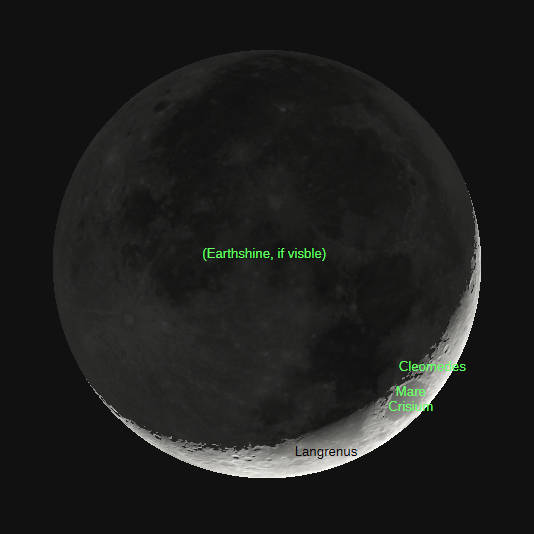
This is Ephemeris for Wednesday, January 21st. Today the Sun will be up for 9 hours and 23 minutes, setting at 5:36, and it will rise tomorrow at 8:11. The Moon, 3 days past new, will set at 8:53 this evening.
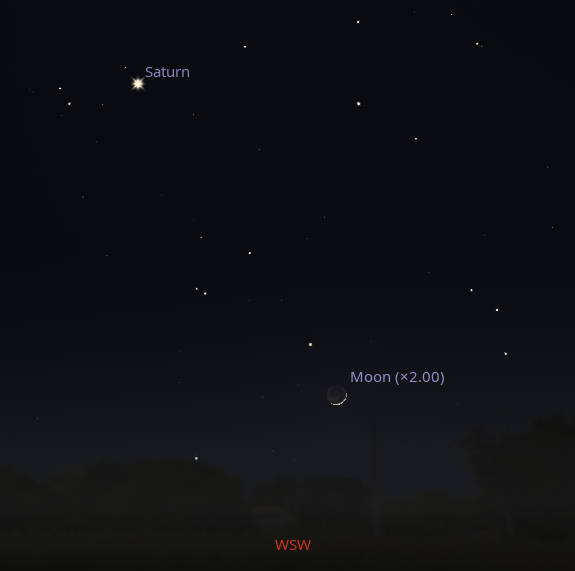
Let’s take our weekly look at the whereabouts of the naked-eye planets. Saturn is the brightest star-like object in the west-southwestern sky as soon as it gets dark. At 8 PM, it is in roughly in the same direction as the Moon, but a good deal higher in the sky. In a telescope Saturn sports a very thin ring, 1.8 degrees from being edge on and is slowly opening. Jupiter is the brilliant star-like object in the eastern sky, to the right of Pollux in the pair Castor and Pollux, the bright stars of Gemini. Jupiter’s 4 brightest moons can be seen even in binoculars, if held steady enough. They shift position night to night. At 8 PM tonight, only three will be visible, but the 4th will be appearing from in front of Jupiter later this evening.
The astronomical event times given in this blog are for the Traverse City/Interlochen area of Michigan (Lat 44.7° N, Long 85.7° W; EST, UT – 5 hours) unless stated otherwise. Times will be different for other locations.
Addendum
Ephemeris: 01/14/2026 – Only two naked-eye planets are visible this week, both in the evening
This is Ephemeris for Wednesday, January 14th. Today the Sun will be up for 9 hours and 10 minutes, setting at 5:27, and it will rise tomorrow at 8:16. The Moon, halfway from last quarter to new, will rise at 6:14 tomorrow morning.
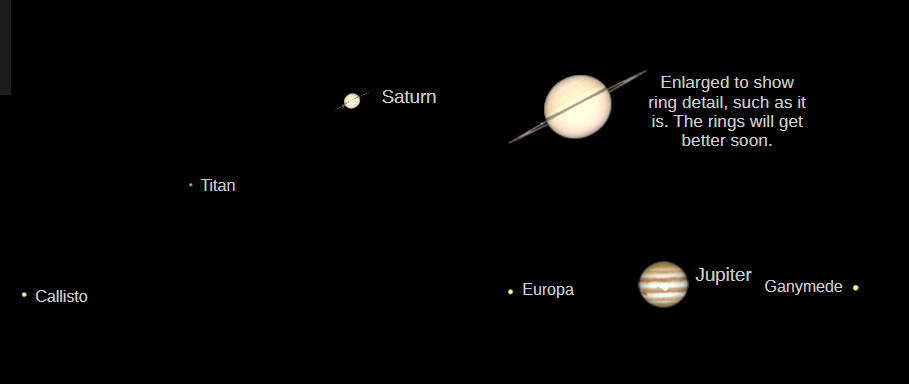
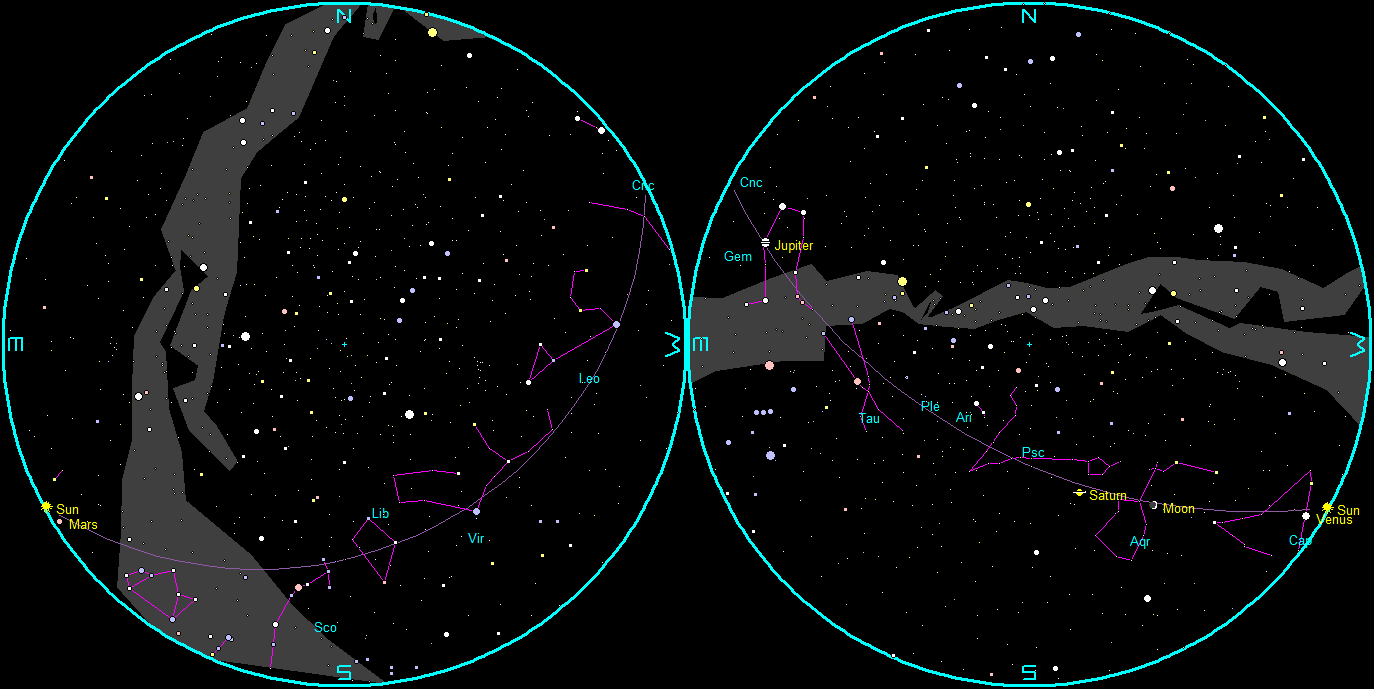
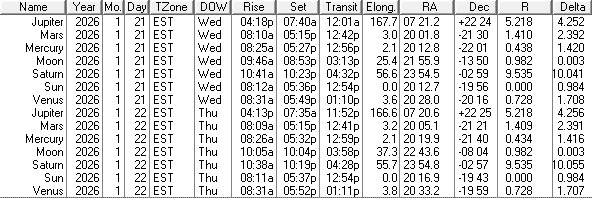
Let’s take our weekly look at the whereabouts of the naked-eye planets. Saturn is the brightest star-like object in the southwestern sky as soon as it gets dark. In a telescope Saturn sports a very thin ring, 1½ degrees from being edge on and is slowly opening. Jupiter is now officially an evening planet, rising before sunset. It’s seen in the evening to the right of Pollux in the pair Castor and Pollux, the bright stars of Gemini. Jupiter’s four brightest moons can be seen even in binoculars, and shift position night to night. Jupiter can still be seen in the morning sky. At 7 AM it will be low in the western sky. Venus, Mercury and Mars are too close to the direction of the Sun to be seen.
The astronomical event times given in this blog are for the Traverse City/Interlochen area of Michigan (Lat 44.7° N, Long 85.7° W; EST, UT – 5 hours) unless stated otherwise. Times will be different for other locations.
Addendum
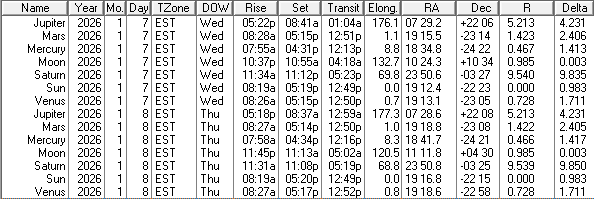
Ephemeris: 01/07/2026 – Taking our first weekly look at the whereabouts of the naked-eye planets for 2026
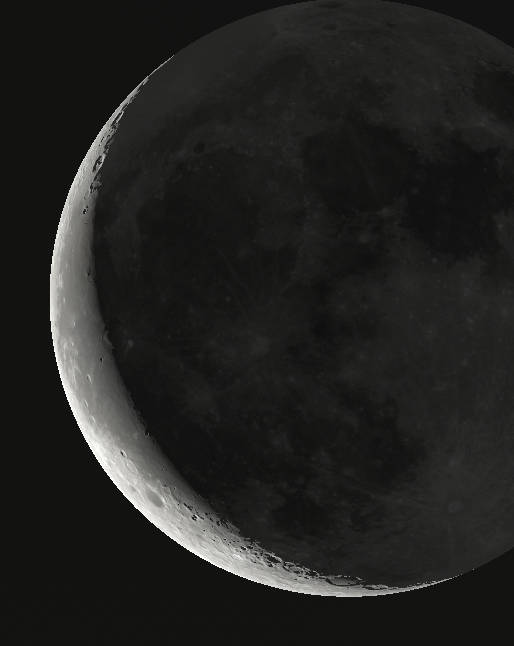
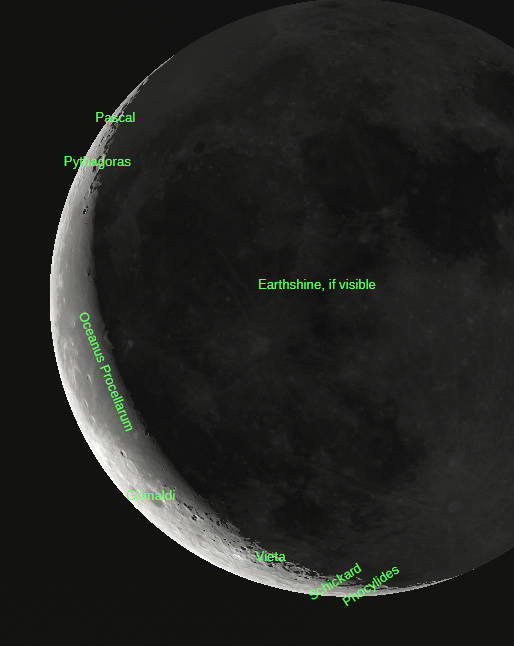
This is Ephemeris for Wednesday, January 7th. Today the Sun will be up for 8 hours and 59 minutes, setting at 5:19, and it will rise tomorrow at 8:19. The Moon, 3 days before last quarter, will rise at 10:37 this evening.
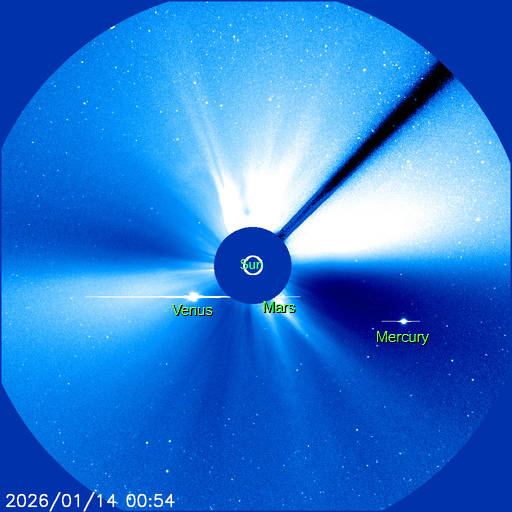
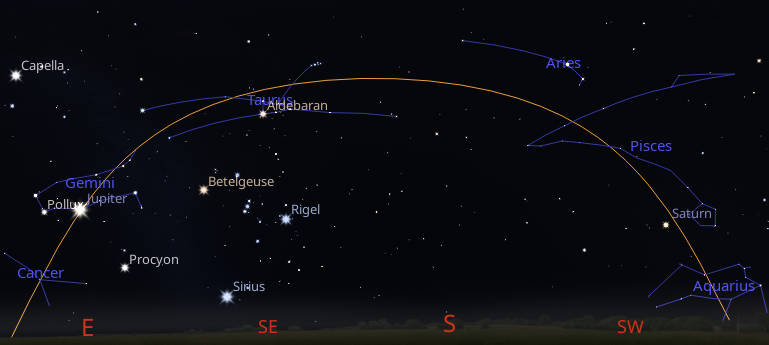
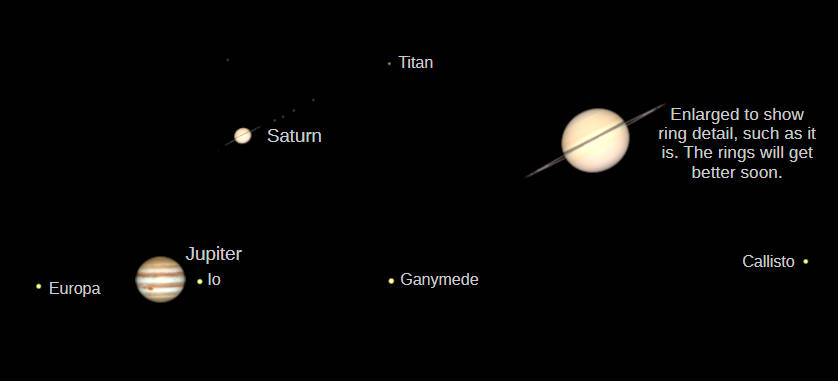
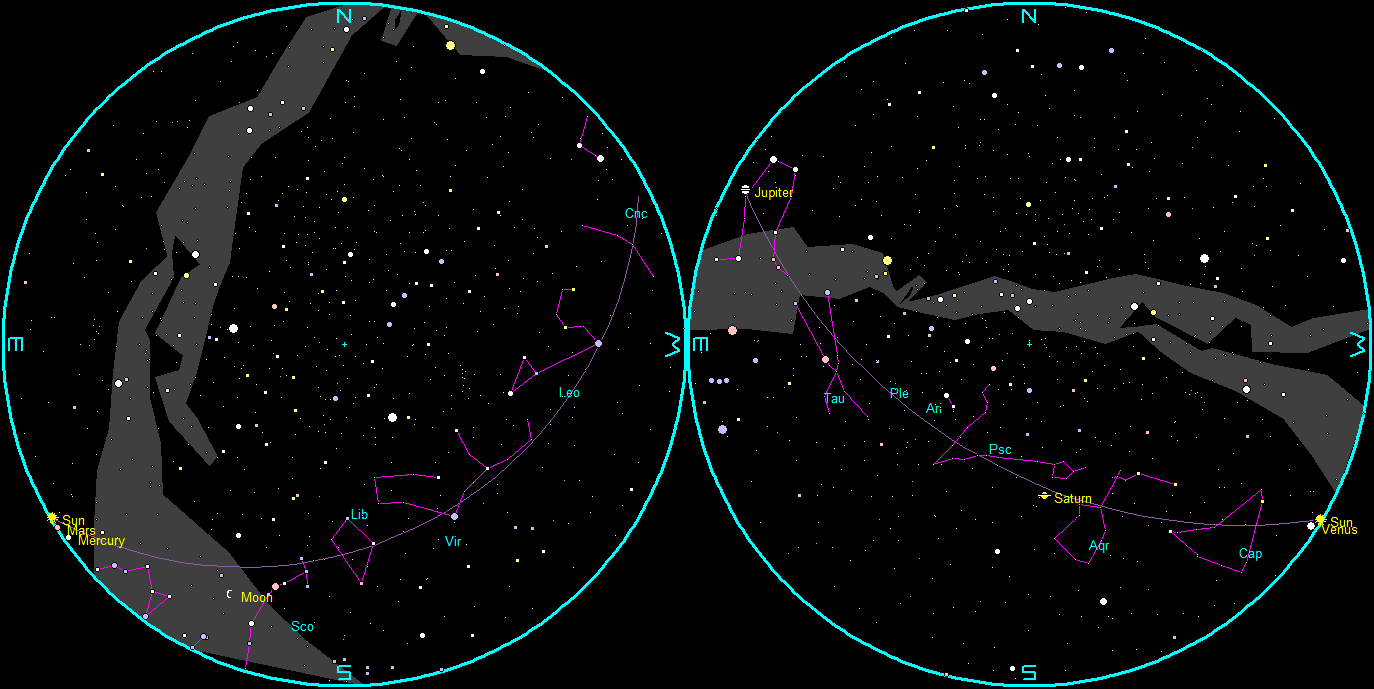
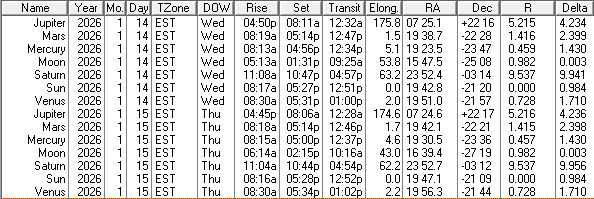
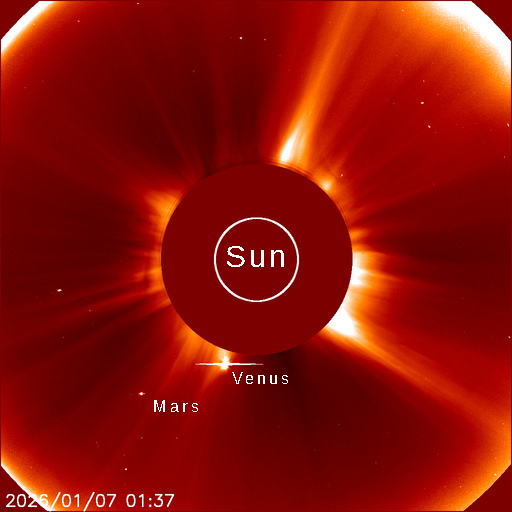
Let’s take our first weekly look at the whereabouts of the naked-eye planets for 2026. Saturn is the brightest star-like object in the southwestern sky as soon as it gets dark. In a telescope Saturn sports a very thin ring, 1.2 degrees from being edge on and is slowly opening. Jupiter will rise just after sunset. It is seen in the evening right of Pollux in the pair Castor and Pollux, the bright stars of Gemini. The giant planet is slowly moving westward with its retrograde motion. Jupiter’s 4 brightest moons can be seen even in binoculars, and shift position night to night. In the morning sky, only Jupiter can be seen. It will leave the morning sky, become an official evening planet Saturday. Venus crossed behind the Sun yesterday to become an evening planet. Mars will also cross behind the Sun Friday to become a morning planet.
The astronomical event times given in this blog are for the Traverse City/Interlochen area of Michigan (Lat 44.7° N, Long 85.7° W; EST, UT – 5 hours) unless stated otherwise. Times will be different for other locations.
Addendum
Ephemeris: 12/31/2025 – A last look at the naked-eye planets for 2025
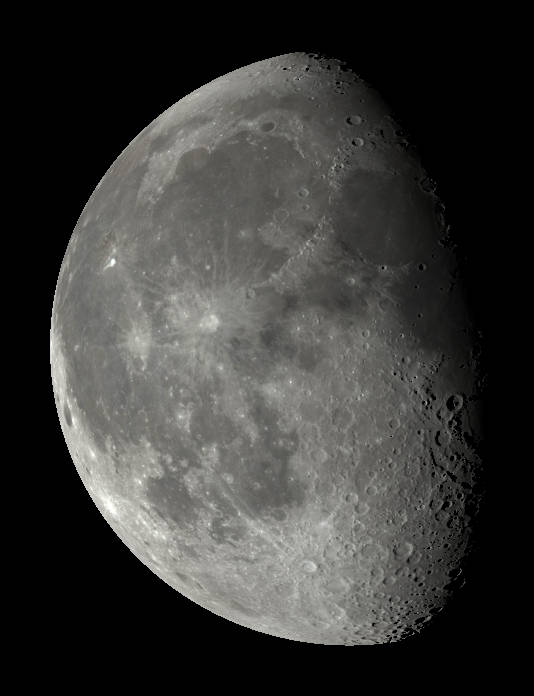
This is Ephemeris for New Year’s Eve, Wednesday, December 31st. The Sun will rise at 8:20. It’ll be up for 8 hours and 52 minutes, setting at 5:12. The Moon, 3 days before full, will set at 6:49 tomorrow morning.
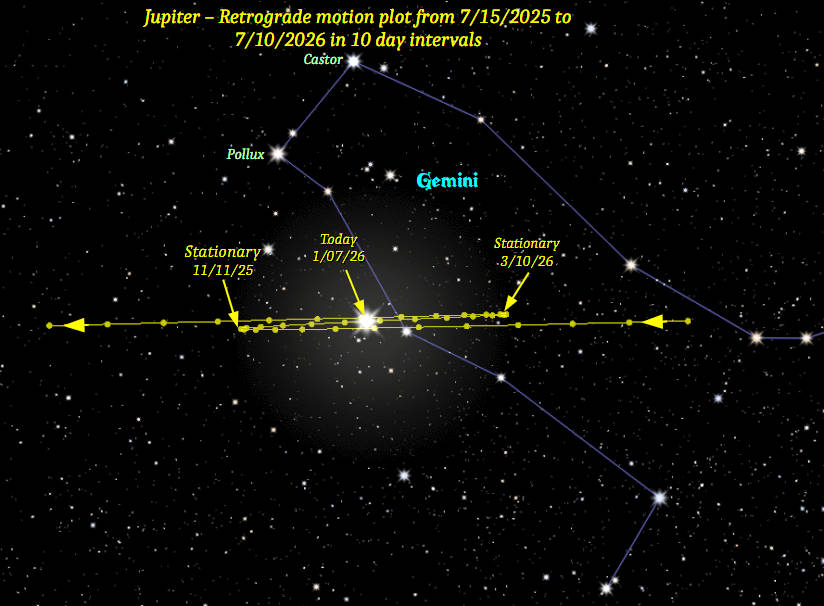
Let’s take our last weekly look at the whereabouts of the naked-eye planets for 2025. Saturn is the brightest star-like object in the southwestern sky as soon as it gets dark. In a telescope Saturn sports a very thin ring, one degree from being edge on and is slowly opening. Jupiter will rise at 5:54 PM in the east-northeast, below and right of Castor and Pollux, the bright stars of Gemini. The giant planet is slowly moving westward with its retrograde motion. Jupiter’s 4 brightest moons can be seen even in binoculars, and shift position night to night. In the morning sky, only Jupiter can be seen, descending in the western sky. It will leave the morning sky, officially on January 10th, as it reaches opposition with the Sun.
The astronomical event times given in this blog are for the Traverse City/Interlochen area of Michigan (Lat 44.7° N, Long 85.7° W; EST, UT – 5 hours) unless stated otherwise. Times will be different for other locations.
Addendum
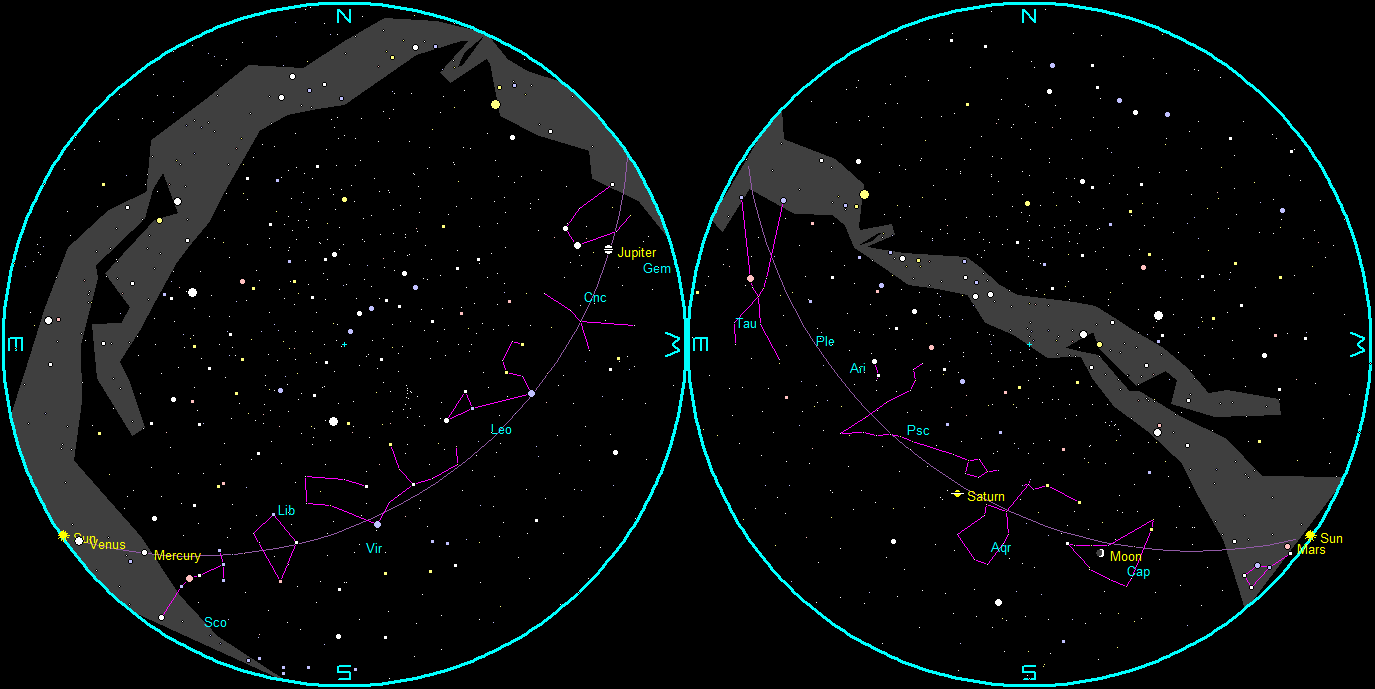
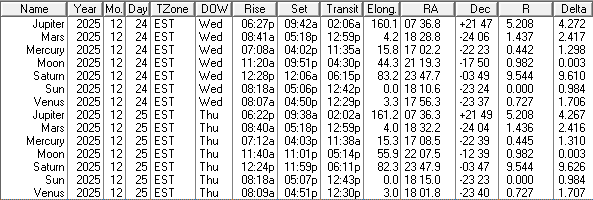
Ephemeris: 12/24/2025 – Taking our weekly look at the whereabouts of the naked-eye planets
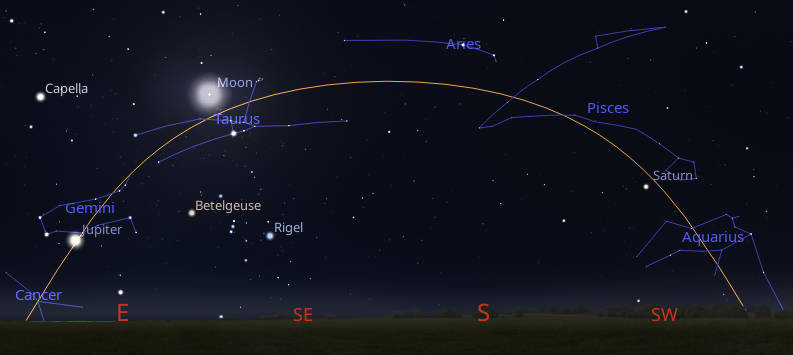
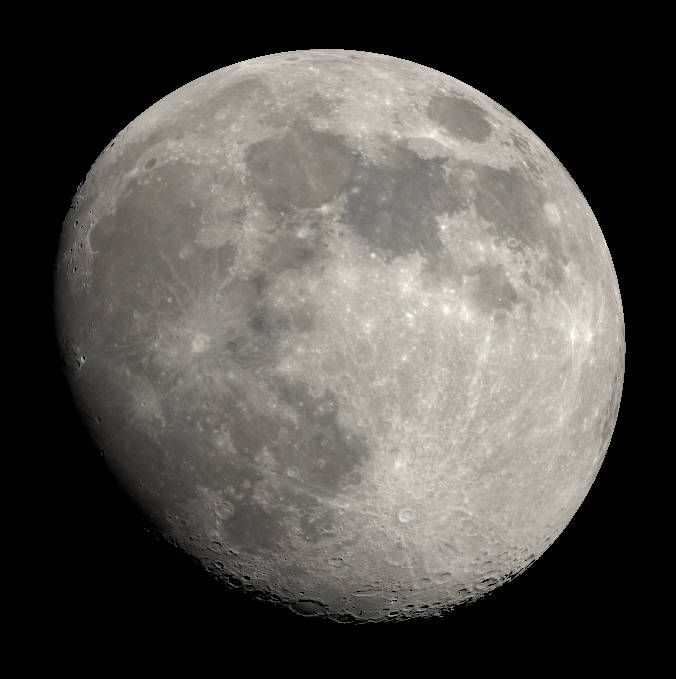
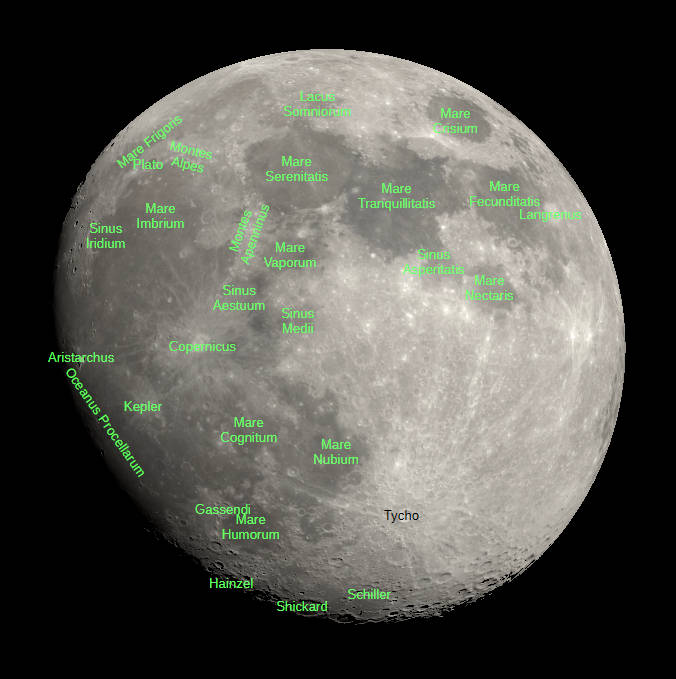
This is Ephemeris for Christmas Eve, Wednesday, December 24th. Today the Sun will be up for 8 hours and 48 minutes, setting at 5:06, and it will rise tomorrow at 8:18. The Moon, 3 days before first quarter, will set at 9:51 this evening.
Let’s take our weekly look at the whereabouts of the naked-eye planets. Saturn is the brightest star-like object in the southwestern sky as soon as it gets dark. In a telescope Saturn sports a very thin ring, eight tenths of a degree from being edge on and slowly opening. Jupiter will rise at 6:26 PM in the east-northeast, below Castor and Pollux, the bright stars of Gemini. The giant planet is slowly moving westward with its retrograde motion. Jupiter’s 4 brightest moons can be seen even in binoculars, and shift position night to night. In the morning sky, only Jupiter can be seen, descending in the western sky. It will leave the morning sky, officially on January 10th, as it reaches opposition to the Sun.
The astronomical event times given in this blog are for the Traverse City/Interlochen area of Michigan (Lat 44.7° N, Long 85.7° W; EST, UT – 5 hours) unless stated otherwise. Times will be different for other locations.
Addendum
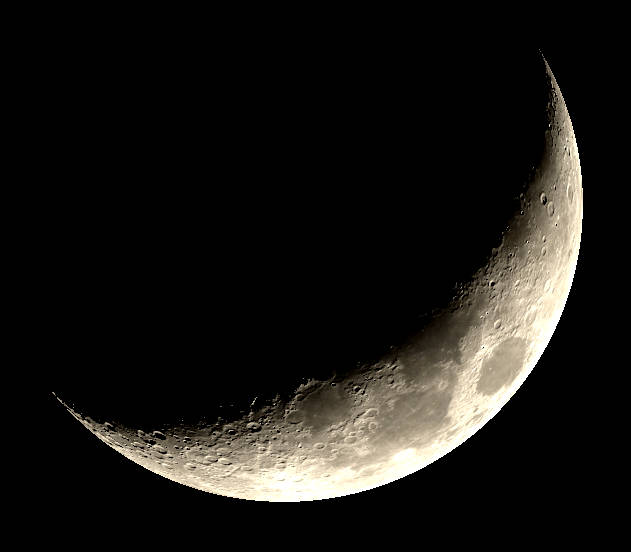
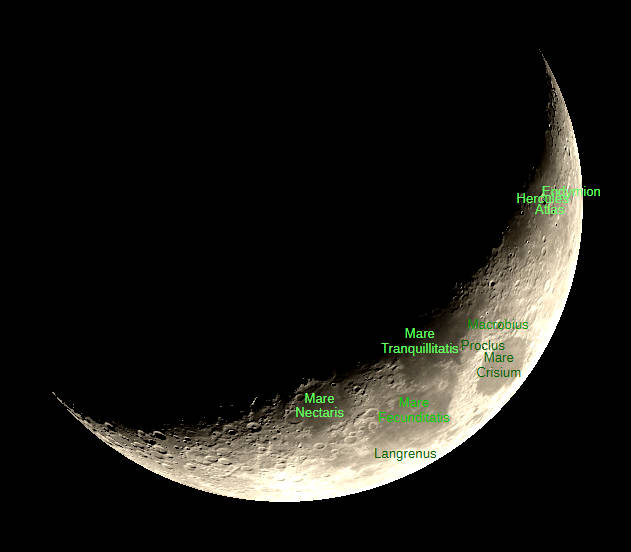
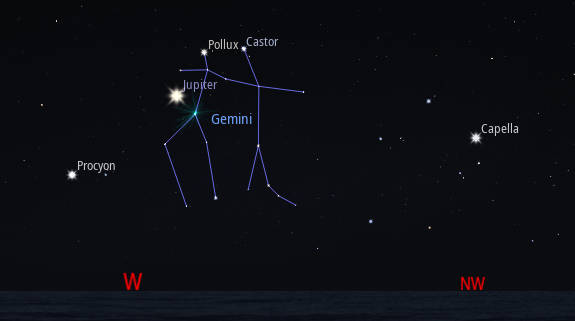
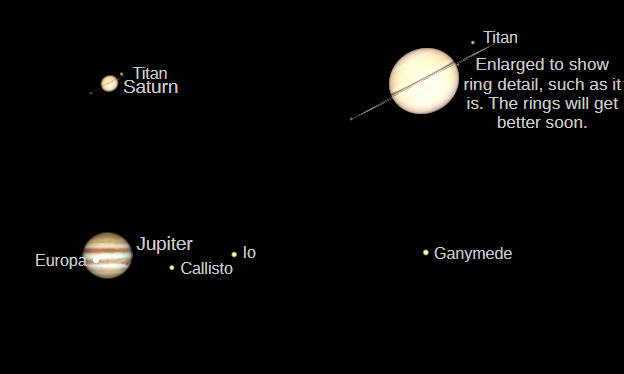
A note about transits of Jovian moons: A transiting moon is extremely difficult to pick up, however the moon’s shadow falling on the planet is much more easily spotted.
 Bob Moler's Ephemeris Blog