Archive
Ephemeris: 12/23/2024 – What was the Star of Bethlehem? Part 1
This is Ephemeris for Monday, December 23rd. Today the Sun will be up for 8 hours and 48 minutes, setting at 5:06, and it will rise tomorrow at 8:18. The Moon, 1 day past last quarter, will rise at 2:05 tomorrow morning.
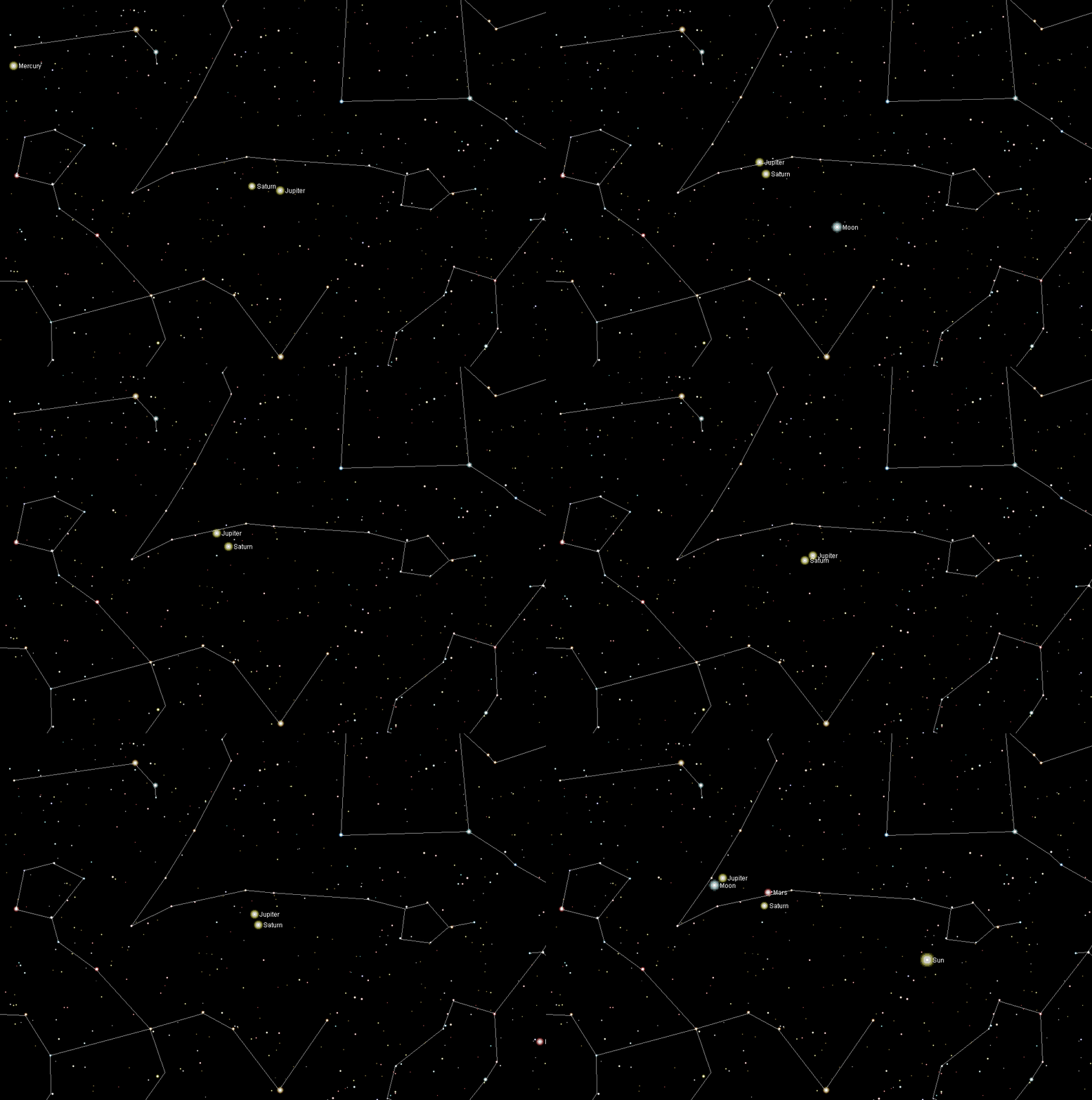
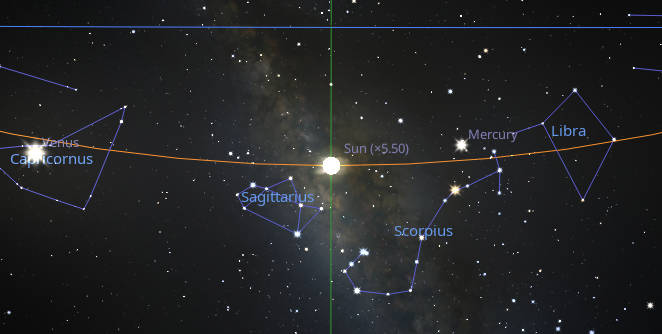
The most popular solution to what the Star of Bethlehem may have been, is a triple conjunction of Jupiter and Saturn that occurred in 7 BCE, where Jupiter passed Saturn three times in a few months time. So the event should more probably be called a celestial sign, rather than a star. The conjunction occurred against the constellation of Pisces the fish which was thought to represent the Jews or whoever lived in that area. Such a series of conjunctions against a particular zodiacal constellation would occur only about once every 800 to 900 years. Triple conjunctions aren’t super rare, if you don’t care which constellation it’s happening in front of. We had one in 1981, but it was against the constellation of Virgo.
The astronomical event times given are for the Traverse City/Interlochen area of Michigan (EST, UT – 5 hours). Times will be different for other locations.
Addendum
Ephemeris: 12/20/2024 – Winter is coming tomorrow!
Dec 20. This is Bob Moler with Ephemeris for Friday, December 20th. Today the Sun will be up for 8 hours and 48 minutes, setting at 5:04, and it will rise tomorrow at 8:17. The Moon, 2 days before last quarter, will rise at 10:55 this evening.
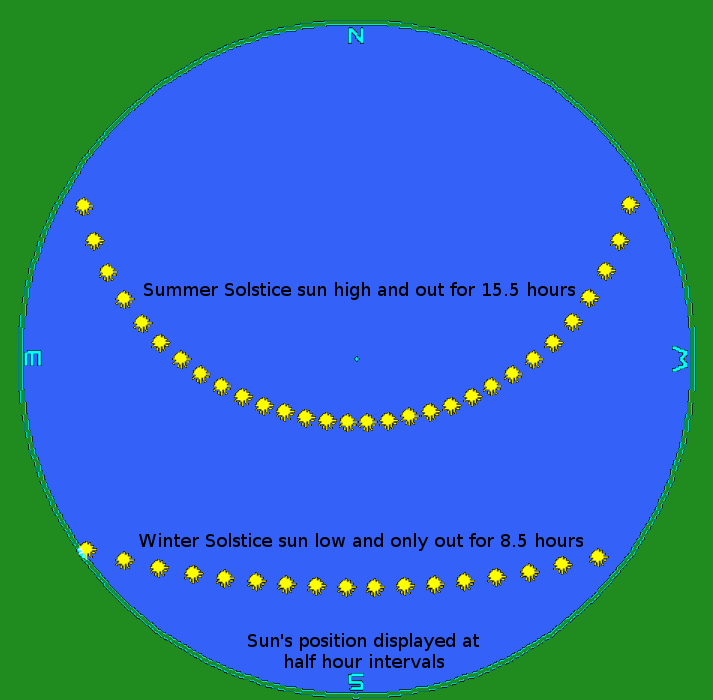
Today is the last full day of autumn. Tomorrow at 4:40 a.m. winter will begin as the Sun passes the winter solstice and stops its southward movement in the sky. Immediately it will slowly climb northward again. It will lengthen the daytime hours and increase the power of the Sun as it gets higher in our sky. The cooling of the Northern Hemisphere will continue until late January, on average, until the lengthening days and increased solar altitude will finally overcome it. Ancient cultures weren’t all that sure that the Sun would come back, since they didn’t understand what was really happening. So when the solstice finally arrived it was a time for great celebrations which survive to this day.
The astronomical event times given are for the Traverse City/Interlochen area of Michigan (EST, UT – 5 hours). Times will be different for other locations.
Addendum
Ephemeris: 12/19/2024 – Jupiter’s dark moon Callisto
This is Bob Moler with Ephemeris for Thursday, December 19th. Today the Sun will be up for 8 hours and 48 minutes, setting at 5:04, and it will rise tomorrow at 8:16. The Moon, 3 days before last quarter, will rise at 9:47 this evening.
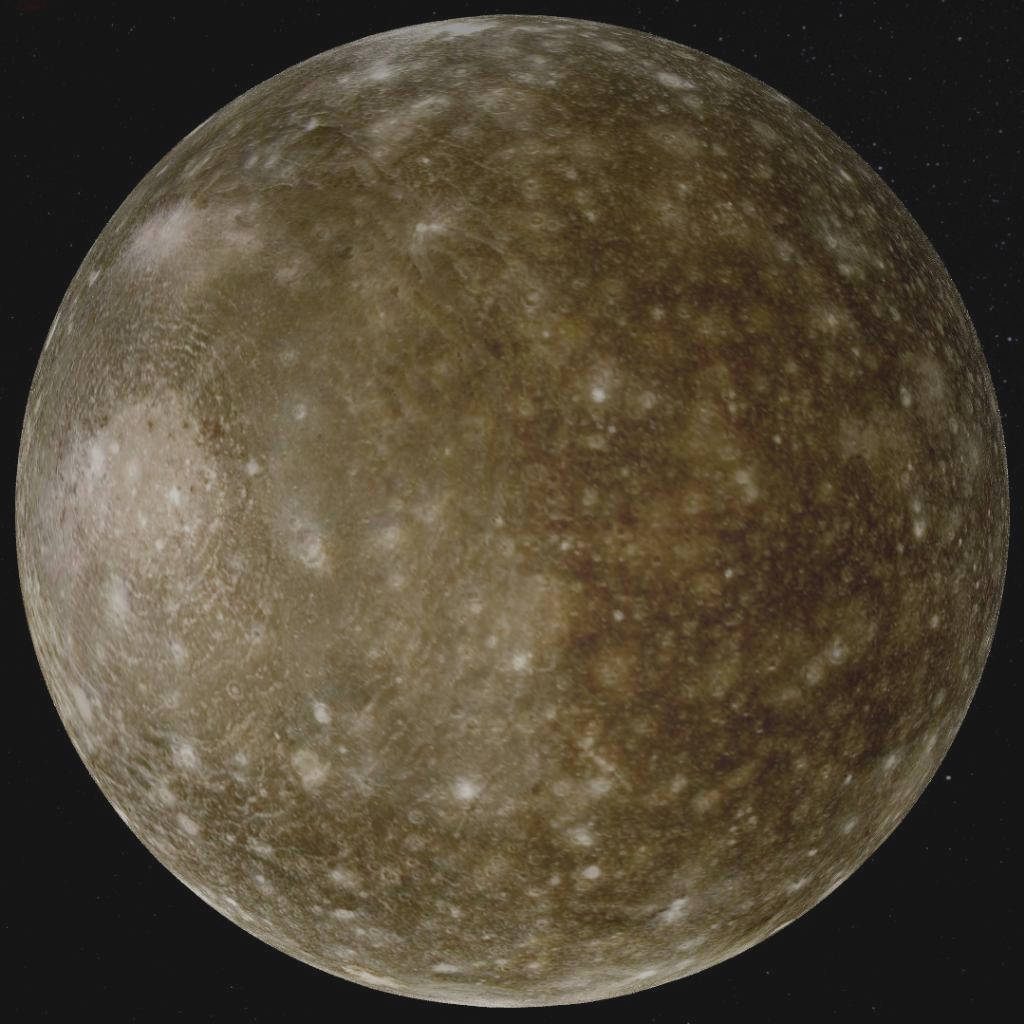
Callisto is the most distant of the Galilean moons from Jupiter, visible in small telescopes or even binoculars. It has the darkest surface of the four moons, and so appears the dimmest, even though it’s the second largest after Ganymede. The largest crater on Callisto is called Valhalla, and it doesn’t look like a crater at all. There’s many concentric, what look like, frozen ripples surrounding it, and it covers a good percentage of the moon’s surface. It is probably the only moon of Jupiter that we could send a crew to, since it’s the farthest from the intense radiation belts of Jupiter. Made of approximately equal parts of water mostly in the form of ice and rock, Callisto probably has a liquid water ocean underneath its icy crust, like Ganymede and Europa.
Addendum
Ephemeris: 12/18/2024 – Taking our weekly look at the whereabouts of the naked-eye planets
This is Ephemeris for Wednesday, December 18th. Today the Sun will be up for 8 hours and 48 minutes, setting at 5:03, and it will rise tomorrow at 8:16. The Moon, 3 days past full, will rise at 8:36 this evening.
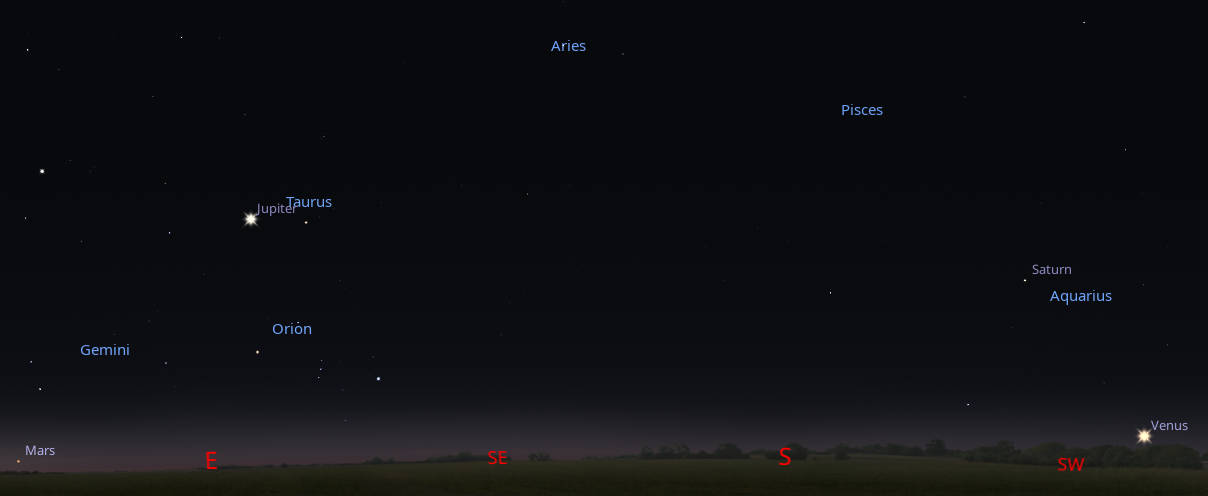
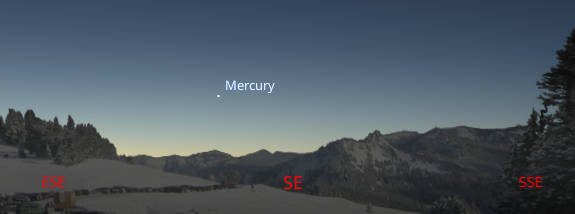
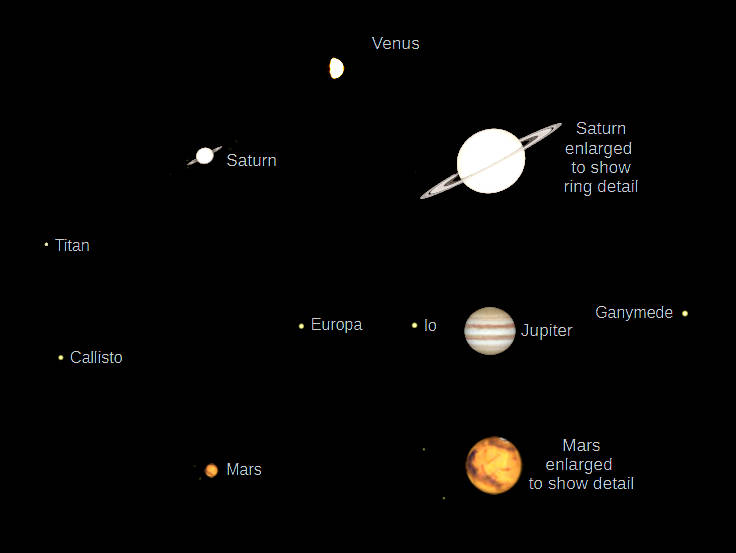
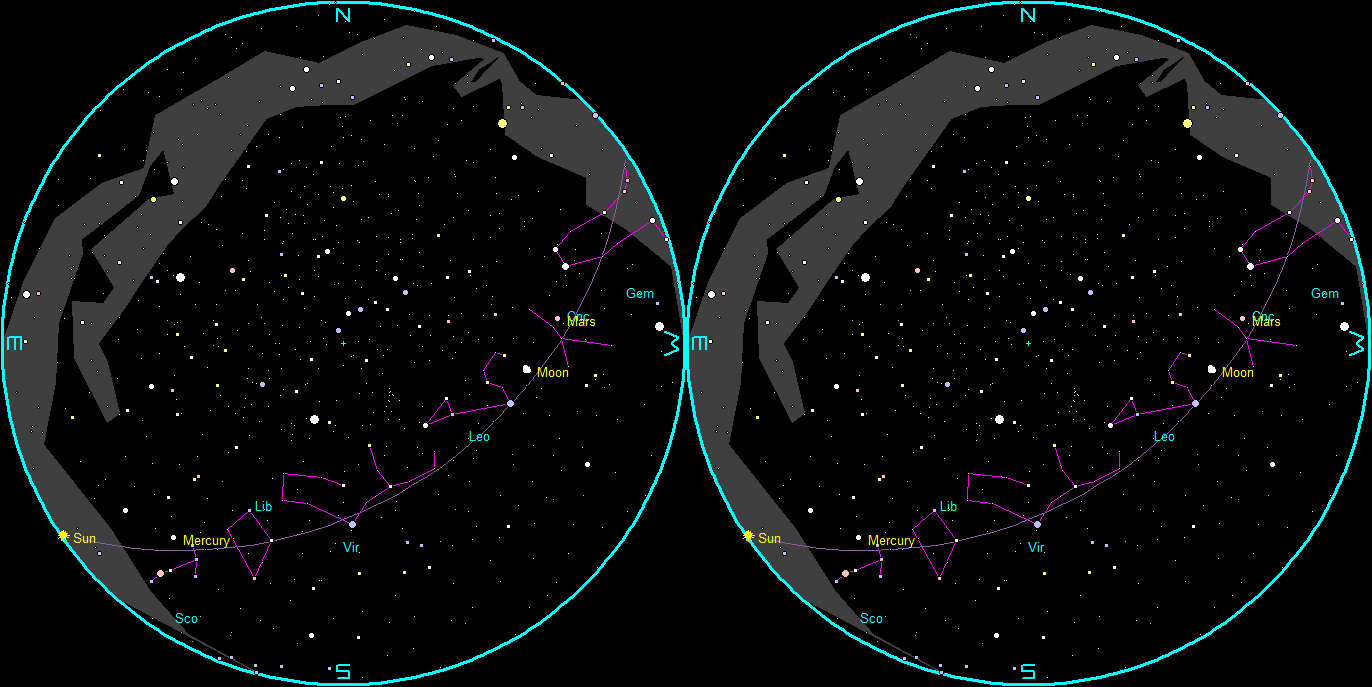
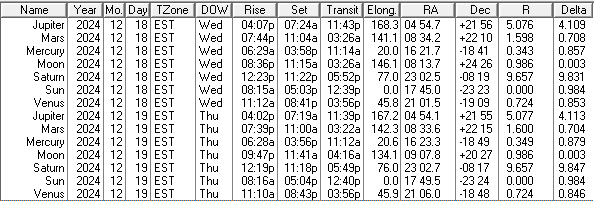
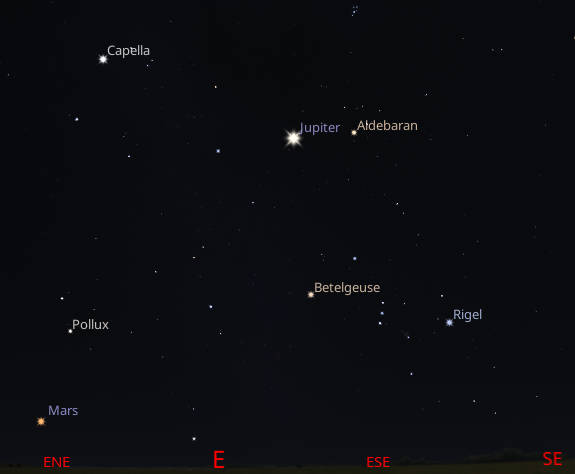
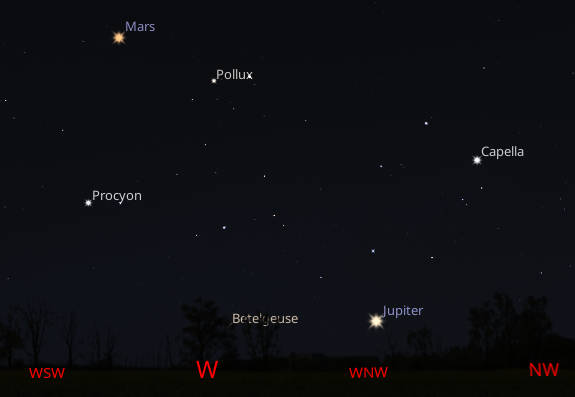
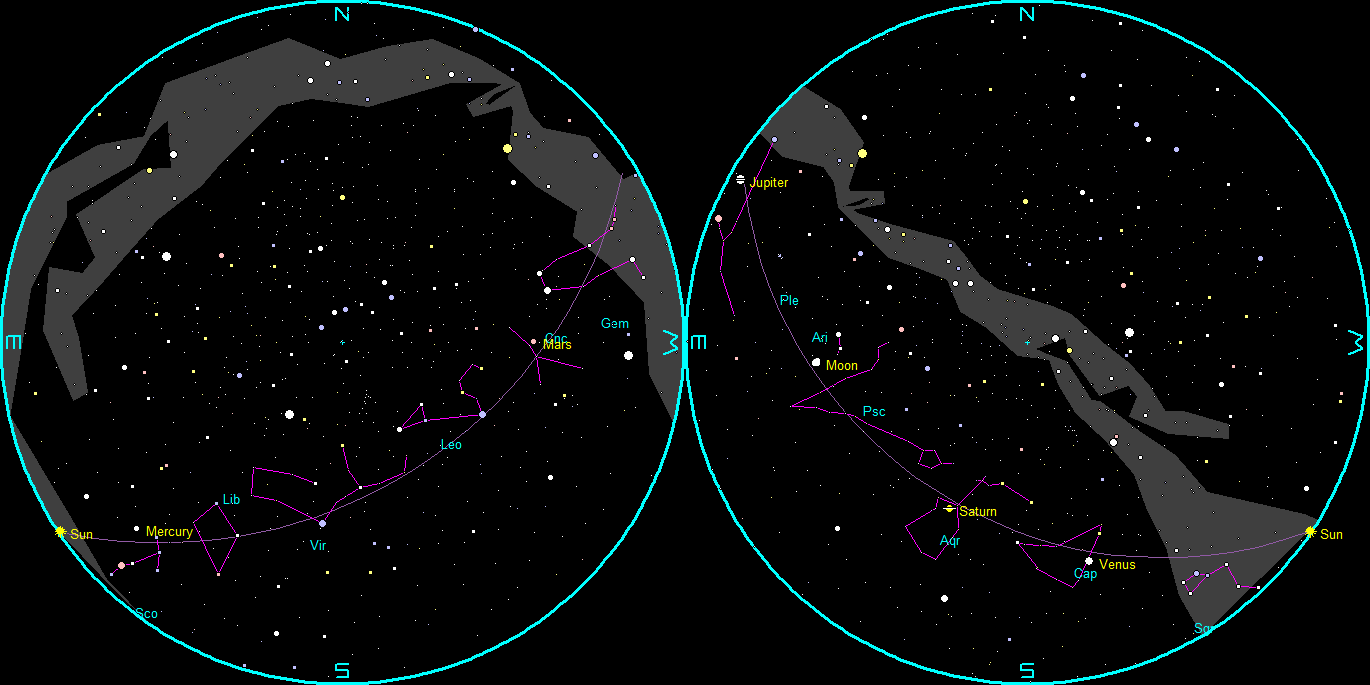
Let’s take our weekly look at the whereabouts of the naked-eye planets. Venus can be spotted in the south-southwestern sky by 5:30 PM, about 30 minutes after sunset. It will set at 8:41 PM. Saturn will be in the south at 6 PM, way above the bright star Fomalhaut. Jupiter is low in the east-northeast, about the same time Venus is first spotted. It will be a good object for the small telescope about an hour later. Mars, rises tonight at 7:44, It will appear above the Moon in the evening. Mars is still considered a morning planet since it is still up at sunrise. By 6:00 AM tomorrow Jupiter will be low in the west-northwest, to the right of the setting Orion, while reddish Mars will be high in the west-southwest.
The astronomical event times given are for the Traverse City/Interlochen area of Michigan (EST, UT – 5 hours). Times will be different for other locations.
Addendum
Ephemeris: 12/17/2024 – A closeup look at Ganymede
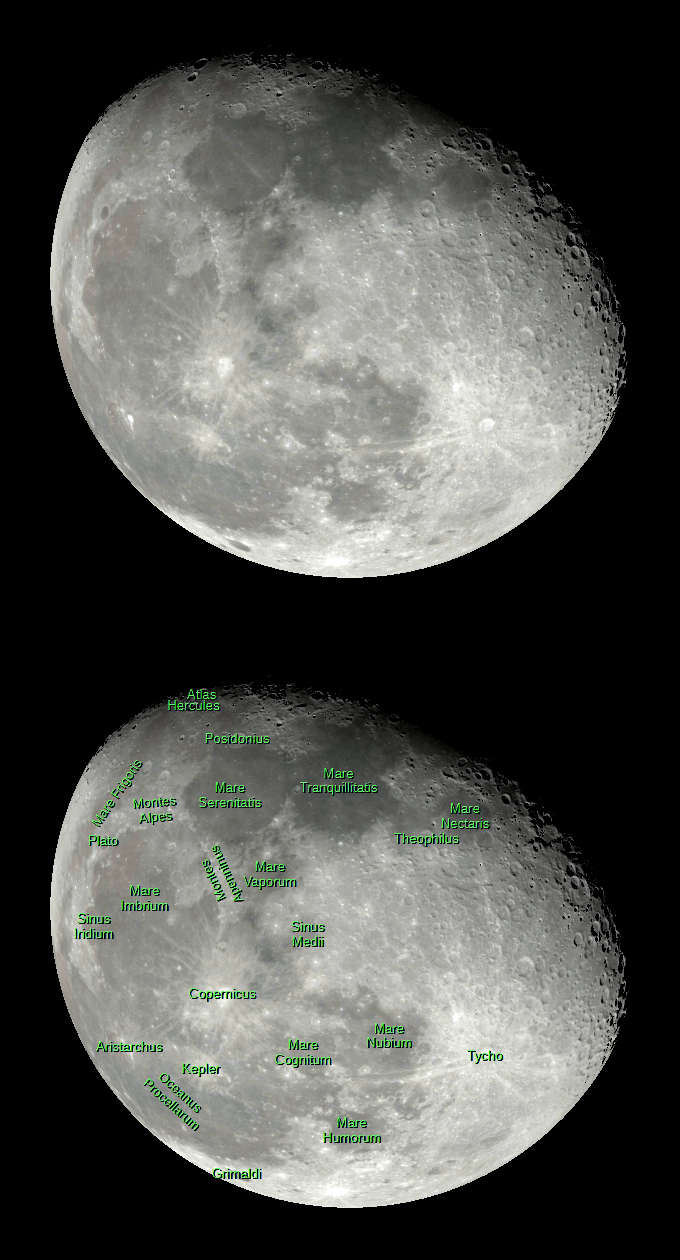
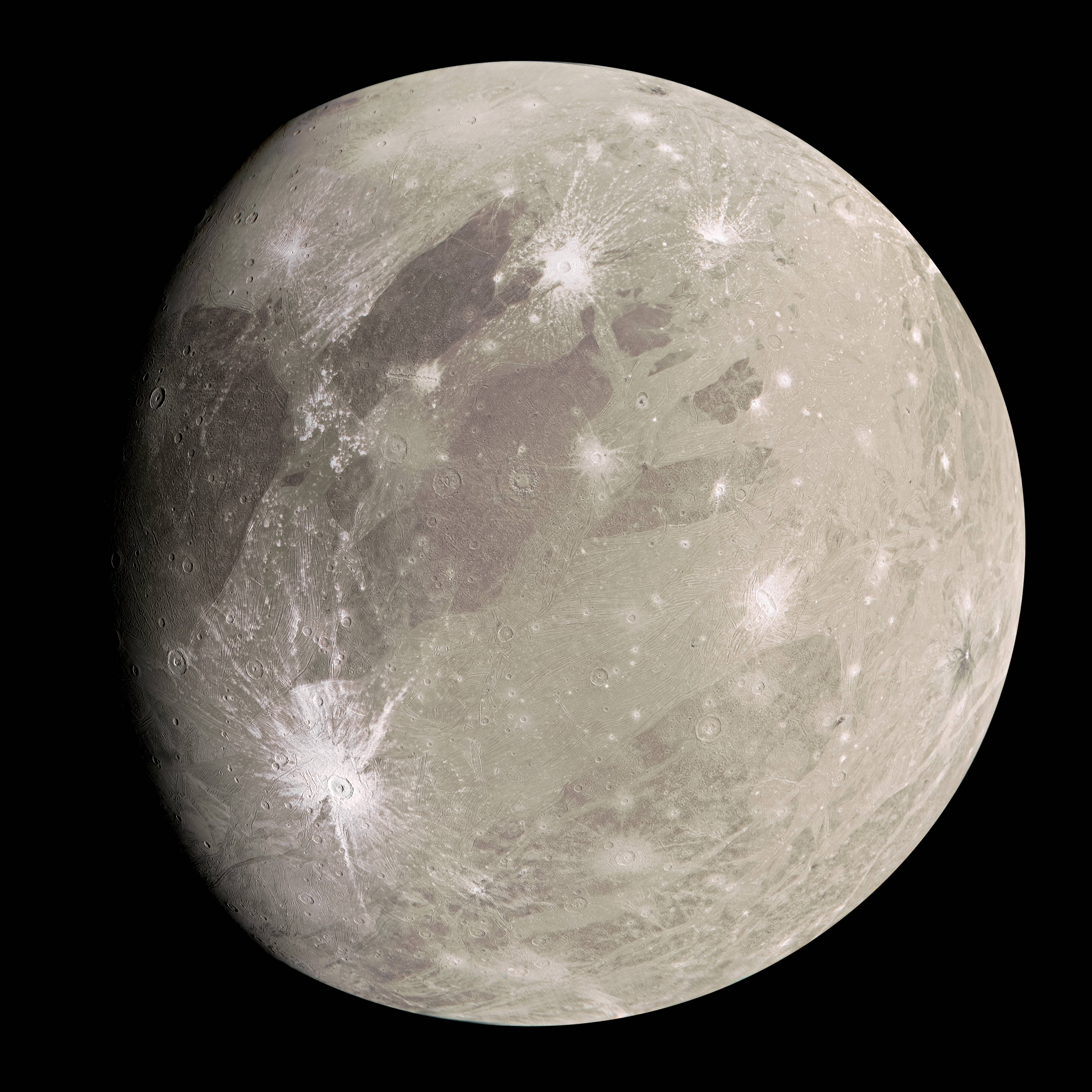
This is Bob Moler with Ephemeris for Tuesday, December 17th. Today the Sun will be up for 8 hours and 48 minutes, setting at 5:03, and it will rise tomorrow at 8:15. The Moon, 2 days past full, will rise at 7:23 this evening. | Ganymede is the largest satellite in the solar system orbiting the largest planet in the solar system, Jupiter. It is 1 1/2 times the diameter of our Moon, and slightly larger than the planet Mercury. It is an icy moon, being about half made-up of water ice and silica. Ganymede appears to have a below surface ocean of water like Europa. And its surface appears to be quite smooth, not as smooth as Europa’s but parts of it are literally devoid of craters for the most part, and many of the craters it does appear to have inner craters in the center which looks quite weird. The Juno spacecraft, still orbiting Jupiter, took some very close images of Ganymede back in 2021 using its relatively simple camera. These were some of the best images of it.
The astronomical event times given are for the Traverse City/Interlochen area of Michigan (EST, UT – 5 hours). Times will be different for other locations.
Addendum
Ephemeris: 12/16/2024 – The Europa Clipper mission
This is Bob Moler with Ephemeris for Monday, December 16th. Today the Sun will be up for 8 hours and 48 minutes, setting at 5:03, and it will rise tomorrow at 8:14. The Moon, 1 day past full, will rise at 6:09 this evening.
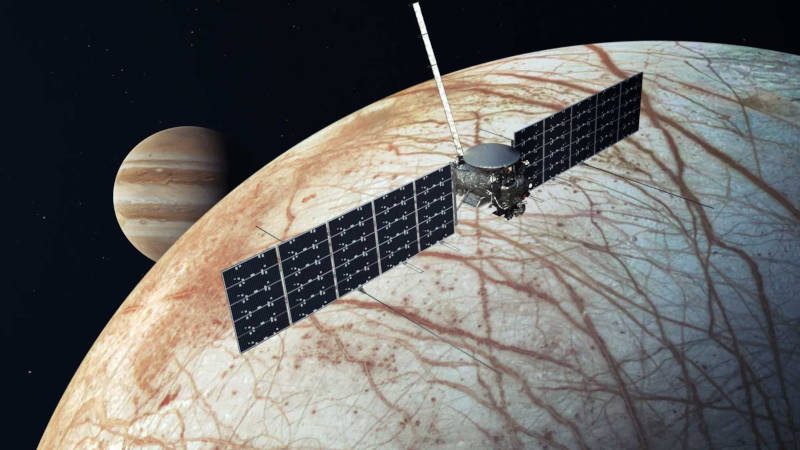
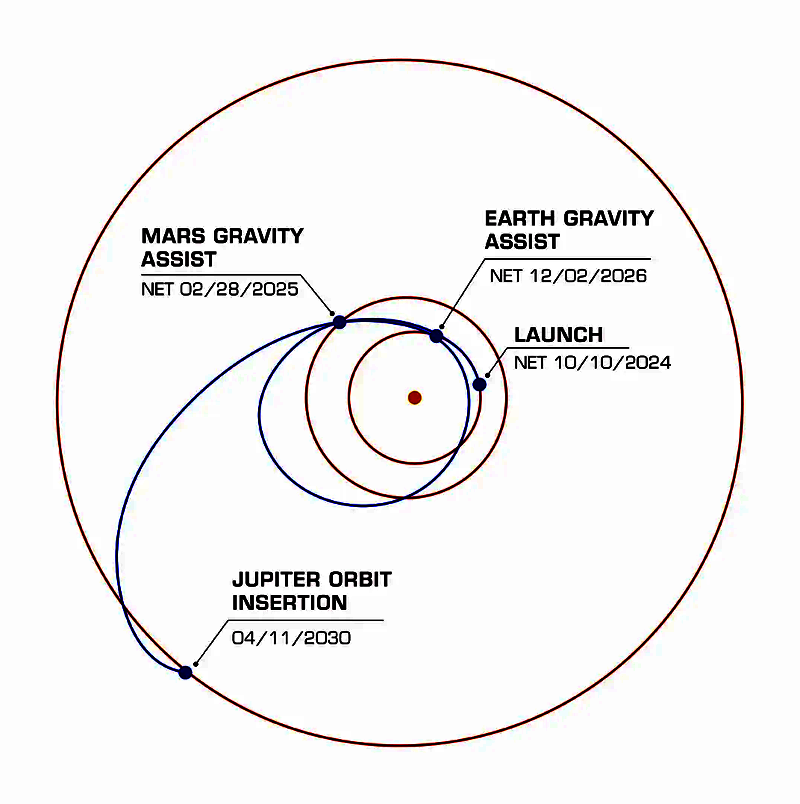
Just two months ago the satellite to closely study Jupiter’s second Galileo moon Europa was launched from Cape Canaveral on a Falcon Heavy rocket. The satellite’s name is Europa Clipper. It was originally scheduled to be launched by the SLS rocket but this rocket which is used for the Artemis program was not going to be ready for the mission so they dropped back to the somewhat less powerful SpaceX Falcon Heavy rocket. Europa Clipper will take 5 1/2 years to travel out to Jupiter with first a gravitational boost from a flyby of Mars and then another one a flyby of Earth to gain enough speed to make it to Jupiter. There it would orbit Jupiter in such a way as to fly by Europa multiple times. Jupiter’s radiation is harsh at Europa’s distance, so the satellite has to get in and get out quickly.
The astronomical event times given are for the Traverse City/Interlochen area of Michigan (EST, UT – 5 hours). Times will be different for other locations.
Addendum
Ephemeris: 12/13/2024 – The Geminid meteor shower peaks tonight
This is Bob Moler with Ephemeris for Friday, December 13th. Today the Sun will be up for 8 hours and 50 minutes, setting at 5:02, and it will rise tomorrow at 8:12. The Moon, 2 days before full, will set at 7:45 tomorrow morning.
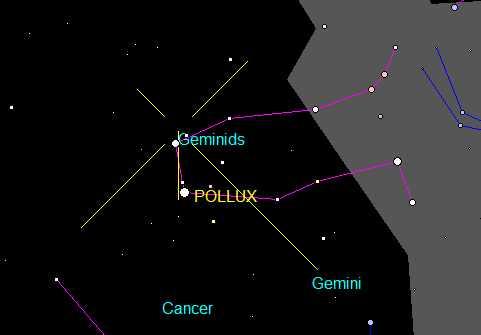
Tonight is the peak of the Geminid meteor shower. Unfortunately this year we’re two days before a full moon so it will cut down their numbers, so only the brightest Geminids will be visible. The radiant for the meteor shower is a point near the star Castor at the head of constellation Gemini, the twins, which is why they’re called the Geminids. This is the most active annual shower of the year right now. The source of the Geminids is the asteroid Phaethon which is probably the core of a dead comet. It is the closest asteroid to the sun at its perihelion in its markedly elliptical orbit like a comet. One of the Stereo Sun observation satellites saw Phaethon shedding material as it moved around at its closest approach to the Sun.
The astronomical event times given are for the Traverse City/Interlochen area of Michigan (EST, UT – 5 hours). Times will be different for other locations.
Addendum
Ephemeris: 12/12/2024 – Jupiter’s moon Europa
This is Bob Moler with Ephemeris for Thursday, December 12th. Today the Sun will be up for 8 hours and 51 minutes, setting at 5:02, and it will rise tomorrow at 8:12. The Moon, 3 days before full, will set at 6:24 tomorrow morning.
Jupiter’s four bright Galilean moons are nearly planet size. In fact Ganymede, the third one out, is larger than Mercury. But the most interesting moon to NASA and to scientists looking for life in the solar system, is the second moon out, Europa. When the Voyager spacecraft flew past Jupiter in the late 1970s they photographed a rather smooth surface on it with a lot of cracks and grooves, but very few craters. This meant Europa surface is quite young and has been evolving over time kind of like the Earth’s surface. The reason is that it appears Europa has a vast ocean under a thick crust of ice. Europa is heated by both radioactivity in its core and tidal forces caused by Jupiter and the other moon’s gravitational pull on it.
The astronomical event times given are for the Traverse City/Interlochen area of Michigan (EST, UT – 5 hours). Times will be different for other locations.
Addendum
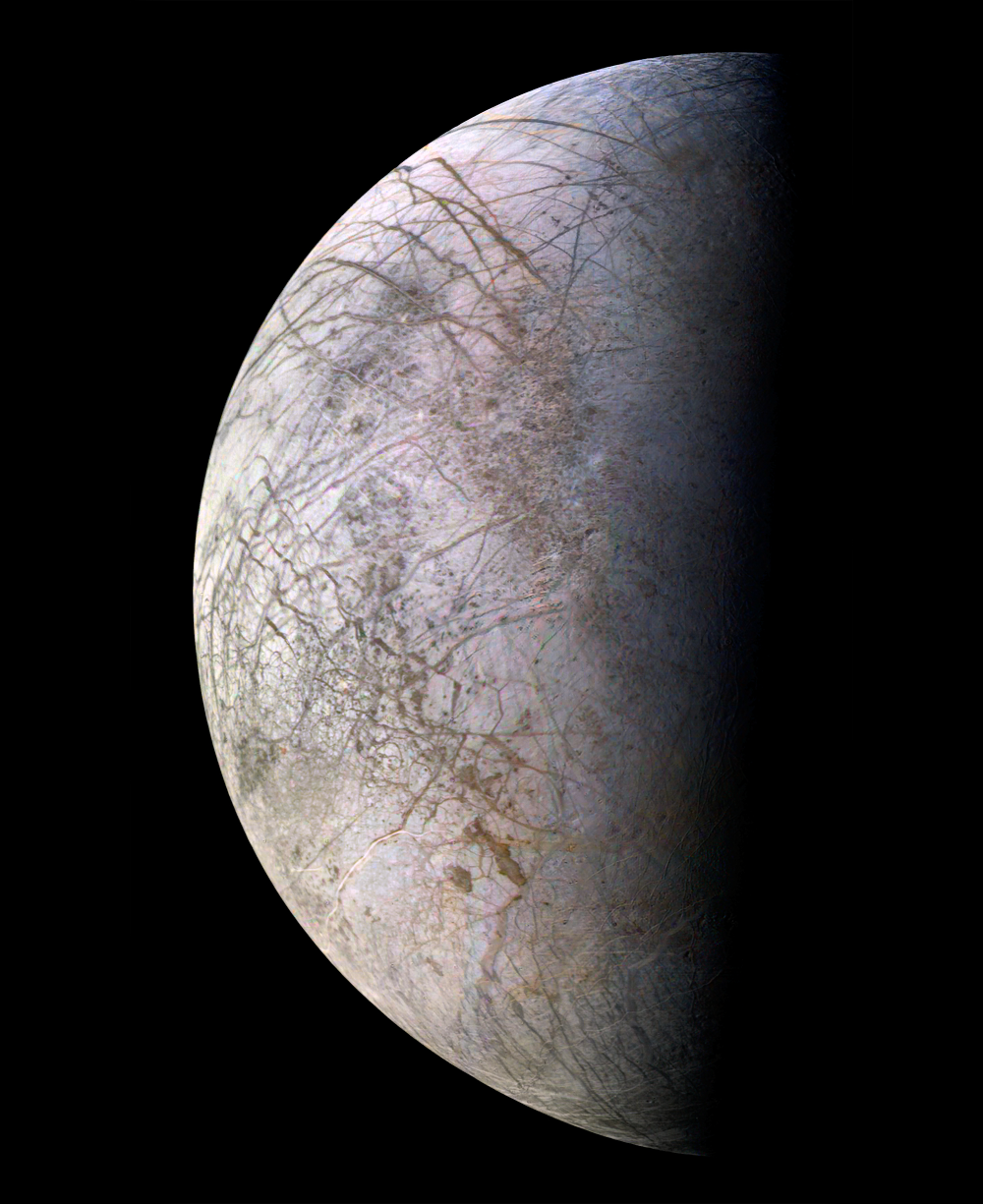
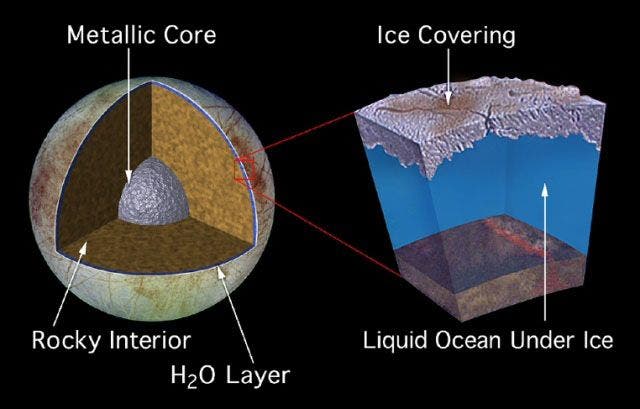
On Earth, wherever there’s water there’s life. Can the same be said of Europa?
Ephemeris: 12/11/2024 – Where are the naked-eye planets this week?
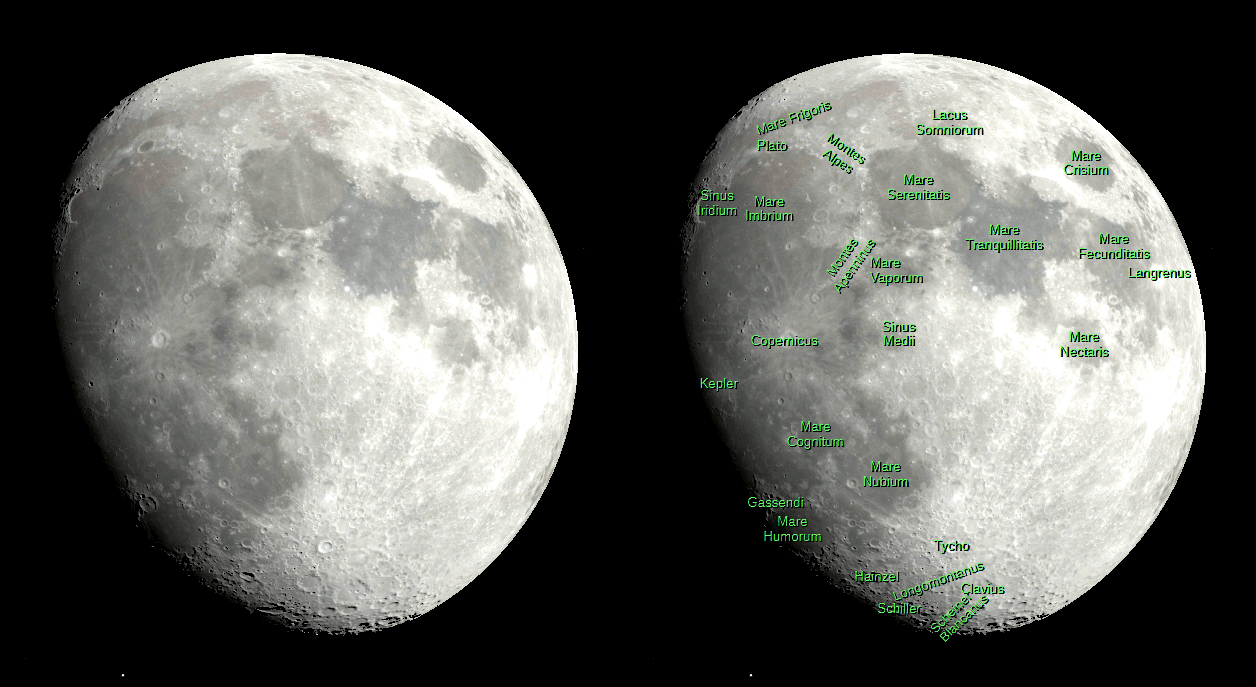
This is Ephemeris for Wednesday, December 11th. Today the Sun will be up for 8 hours and 51 minutes, setting at 5:02, and it will rise tomorrow at 8:11. The Moon, 3 days past first quarter, will set at 5:00 tomorrow morning.
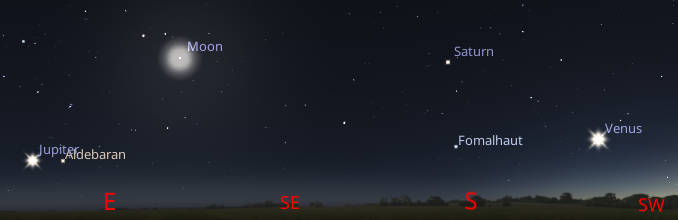
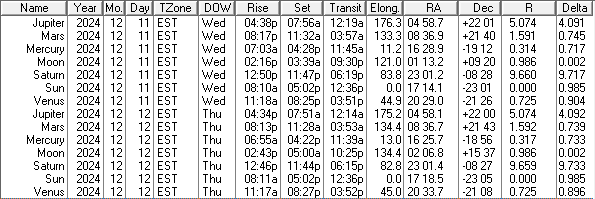
Let’s take our weekly look at the whereabouts of the naked-eye planets. Venus can be spotted in the south-southwestern sky by 5:30 PM, about 30 minutes after sunset. It will set at 8:25 PM. Saturn will be in the south at 6 PM, way above the bright star Fomalhaut. Jupiter is low in the east-northeast, about the same time as when Venus is first spotted. It will be a good object for the small telescope about an hour later. Mars, rises tonight at 8:17, Mars is still considered a morning planet since it is still up at sunrise. By 6:00 AM tomorrow Jupiter will be low in the west-northwest, to the right of the setting Orion, while reddish Mars will be high in the west-southwest.
The astronomical event times given are for the Traverse City/Interlochen area of Michigan (EST, UT – 5 hours). Times will be different for other locations.
Addendum
Ephemeris: 12/10/2024 – Jupiter’s four bright moons
This is Ephemeris for Tuesday, December 10th. Today the Sun will be up for 8 hours and 52 minutes, setting at 5:02, and it will rise tomorrow at 8:10. The Moon, 2 days past first quarter, will set at 3:39 tomorrow morning.
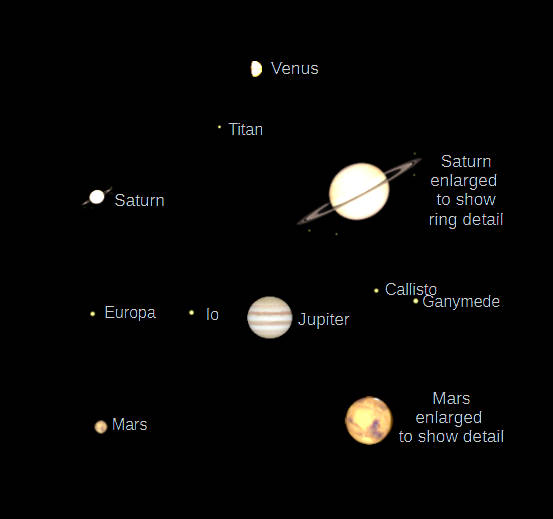
The bright star like object in the east in the evenings is the planet Jupiter. If one were to look at Jupiter through binoculars it would appear somewhat larger than a star would look. It has several dimmer stars from one side to the other of it, and if one looked the next night those little stars would have moved. Those are not stars at all, but the four largest moons of Jupiter. This would be easily apparent in the telescope. These are the four Galilean moons. They were observed by Galileo in either late 1609 or early 1610. Another astronomer, Simon Marius discovered these moons at about the same time, but Galileo was first to publish. So he gets the honor. However, Simon Marius is the one who gave them the names we know them by today. Their names, in order of their distance from Jupiter, are: Io, Europa, Ganymede, and Callisto. Each is a fascinating world in its own right.
The astronomical event times given are for the Traverse City/Interlochen area of Michigan (EST, UT – 5 hours). Times will be different for other locations.
Addendum
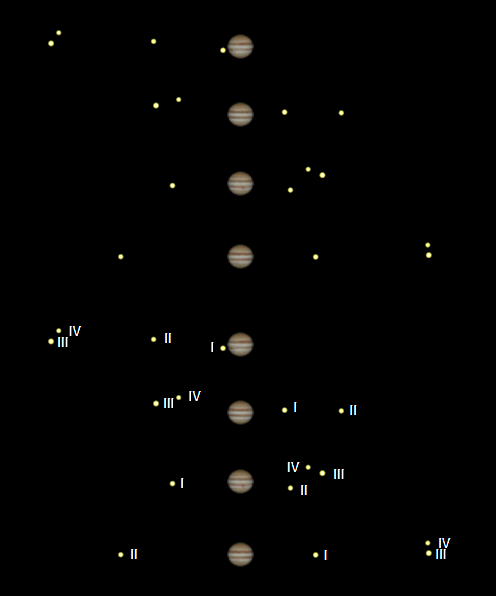
The periods of these satellites is interesting. Io orbits Jupiter in 1.8 days. Europa orbits in 3.6 days twice as long as Io. Ganymede orbits Jupiter in 7.2 days which is twice as long as Europa. Callisto takes 16.7 days to orbit Jupiter, and that is longer than twice Ganymede’s orbital period, and so is not in resonance with Ganymede. So the first three are in a 2:1orbital resonance with each other.