Archive
Ephemeris: 03/23/2026 – Looking out beyond the spring stars
This is Ephemeris for Monday, March 23rd. Today the Sun will be up for 12 hours and 19 minutes, setting at 7:59, and it will rise tomorrow at 7:38. The Moon, 2 days before first quarter, will set at 2:23 tomorrow morning.
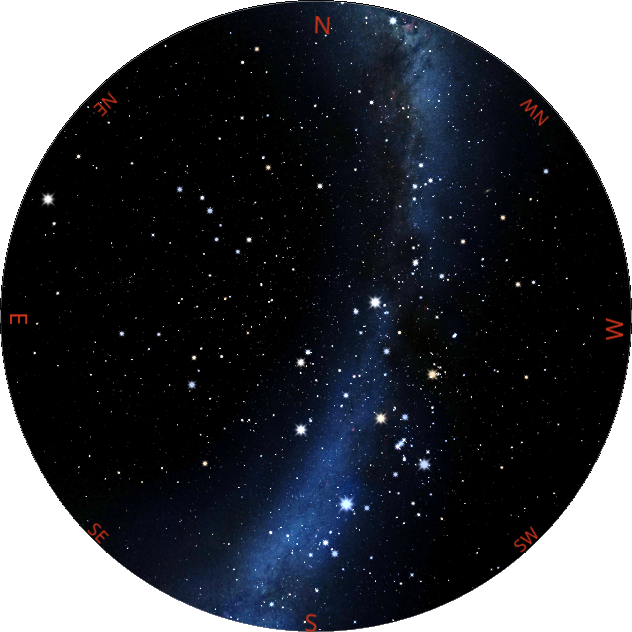
It is becoming more obvious as the Moon waxes, that there’s more bright stars in the south and southwestern part of the sky than there are in the southeastern sky. That’s because the Milky Way runs through the winter part of the sky. It’s not as bright as the Milky Way appears in the summer since we are looking away from the center of our Galaxy. The disk of our galaxy causes stars to congregate near that Milky band, whether we can see it well or not. That is the main reason the winter stars are so bright. In the southeast we are looking at the spring sky. Leo the lion and of course the Great Bear with the Big Dipper are there, but we are mostly looking outside the disk or galaxy to the universe beyond. So we’re looking through fewer nearby stars, so the spring sky seems somewhat lackluster compared to the crazy chaos of the winter sky.
The astronomical event times given in this blog are for the Traverse City/Interlochen area of Michigan (Lat 44.7° N, Long 85.7° W; EST, UT – 5 hours) unless stated otherwise. Times will be different for other locations.
Addendum
Ephemeris: 10/28/2025 – The structure of the universe
This is Ephemeris for Tuesday, October 28th. Today the Sun will be up for 10 hours and 20 minutes, setting at 6:36, and it will rise tomorrow at 8:17. The Moon, 1 day before first quarter, will set at 11:38 this evening.
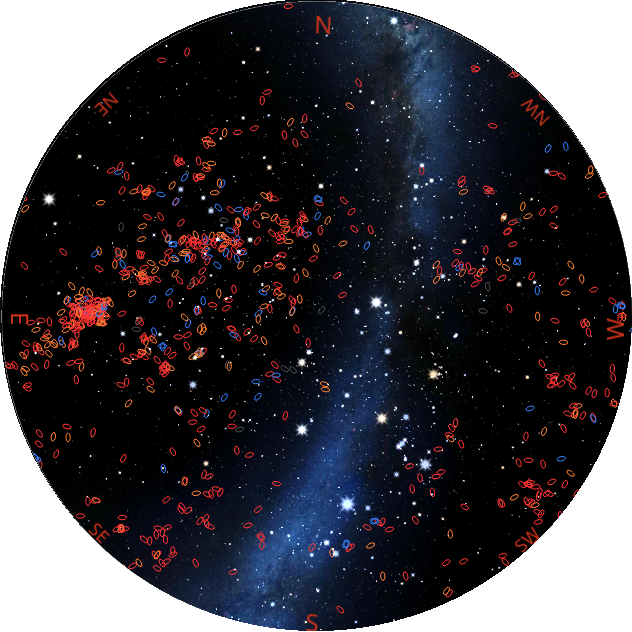
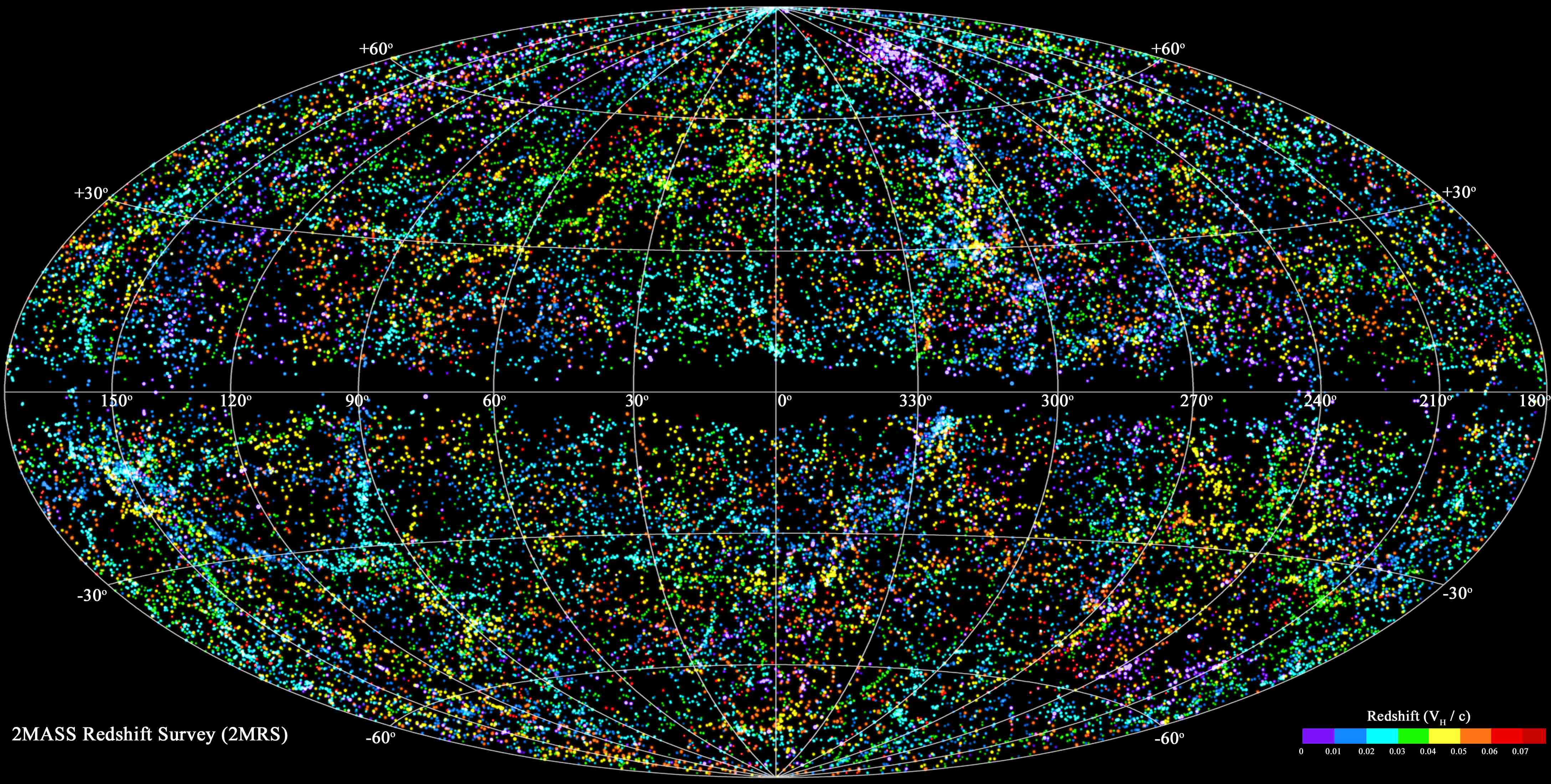
Dark matter makes up about 85% of all the matter in the universe, even though we can’t see it. It creates a kind of lattice on which the galaxies form. In looking out into the universe we see that there is a structure to it, not just random clusters of galaxies. The structure of the universe seems to be like a foam of bubbles where galaxies form along the intersection of these bubbles. The bubbles themselves are called voids. And with the expansion of the universe these voids are growing because space itself is expanding. So it’s not so much that the galaxies are fleeing each other, but that the voids are growing, pushing the galaxies apart. The galaxies are just going along for the ride.
The astronomical event times given in this blog are for the Traverse City/Interlochen area of Michigan (Lat 44.7° N, Long 85.7° W; EDT, UT – 4 hours) unless stated otherwise. Times will be different for other locations.
Addendum
Ephemeris: 10/10/2025 – Could radio noisy galaxies harbor many advanced civilizations?
This is Ephemeris for Friday, October 10th. Today the Sun will be up for 11 hours and 14 minutes, setting at 7:06, and it will rise tomorrow at 7:53. The Moon, 3 days before last quarter, will rise at 9:00 this evening.
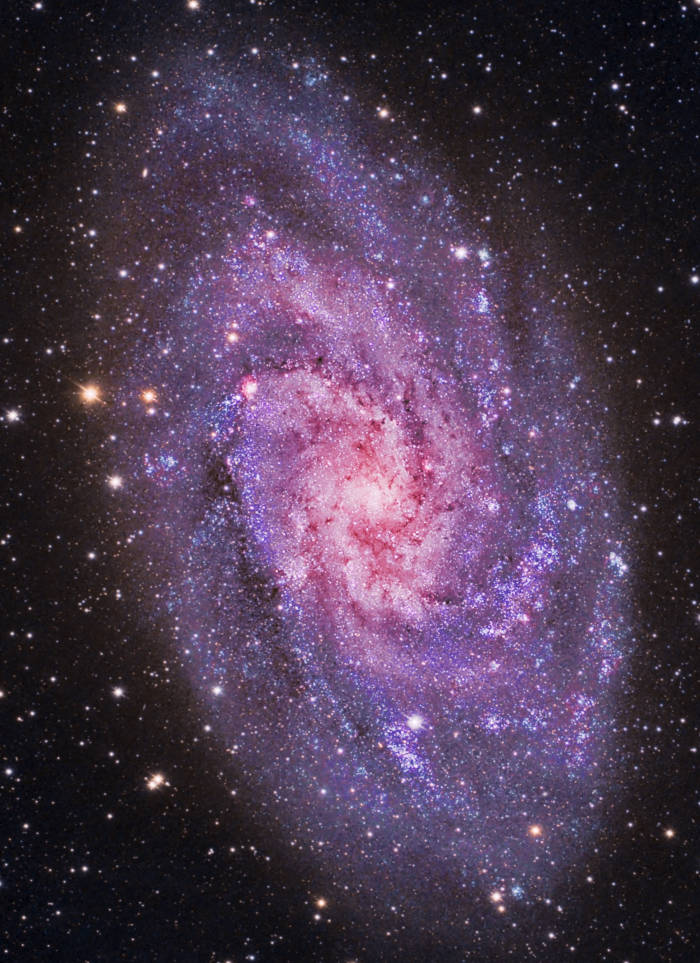
I ran across an article on the Universe Today website a few days ago about galaxies with high radio emissions, that could be home to many advanced civilizations. Some galaxies do emit a lot of radio emissions, mainly because they have a black hole in the center that it was, in the past, active throwing out material from the galaxy that didn’t make it into the black hole. But this would be emissions from the actual disk of the Galaxy, inside which would be the cacophony of many advanced civilizations and their normal transmissions of their version of I Love Lucy. When combined, it enhances the general radio noise, so it can be detected as being out of ordinary. And there are a few galaxies like that. It would make the universe less lonely.
The astronomical event times given in this blog are for the Traverse City/Interlochen area of Michigan (Lat 44.7° N, Long 85.7° W; EDT, UT – 4 hours) unless stated otherwise. Times will be different for other locations.
Addendum
Here’s a link to the Universe Today article: https://www.universetoday.com/articles/galaxies-with-high-radio-emissions-could-be-home-to-many-advanced-civilizations
Ephemeris: 07/21/2025 – When our knowledge of the size of the universe expanded
This is Ephemeris for Monday, July 21st. Today the Sun will be up for 15 hours and 2 minutes, setting at 9:20, and it will rise tomorrow at 6:18. The Moon, 3 days before new, will rise at 3:18 tomorrow morning.
A little over 100 years ago astronomers the Milky Way and the surrounding stars were thought to be the entire universe. A universe which was, apparently, disc shaped. Astronomers photographed examples of objects they called spiral nebulae, which they thought belonged to the Milky Way. Then Edwin Hubble photographed stars in the Andromeda spiral nebula. One star changed brightness in a way like some of the stars we know in our Milky Way. These stars are called Cepheid Variables and the rate of variation in brightness is related to their true brightness. This star that Hubble found was much too dim and much too far away to be in the confines of the Milky Way. Soon we found that we are in a spiral nebula or galaxy, like billions of others.
The astronomical event times given in this blog are for the Traverse City/Interlochen area of Michigan (Lat 44.7° N, Long 85.7° W; EDT, UT – 4 hours) unless stated otherwise. Times will be different for other locations.
Addendum
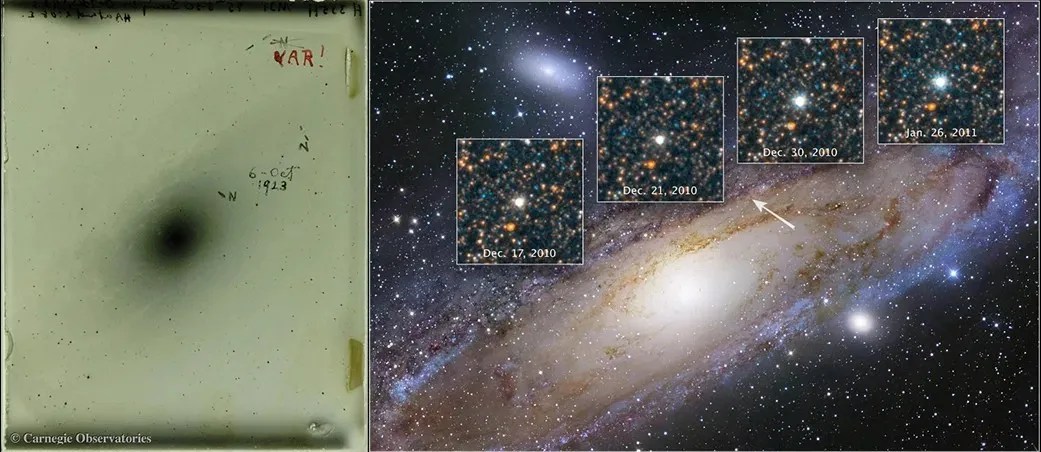
Left: Carnegie Observatories. Right: NASA, ESA, and the Hubble Heritage Team (STScI/AURA); Acknowledgment: R. Gendler
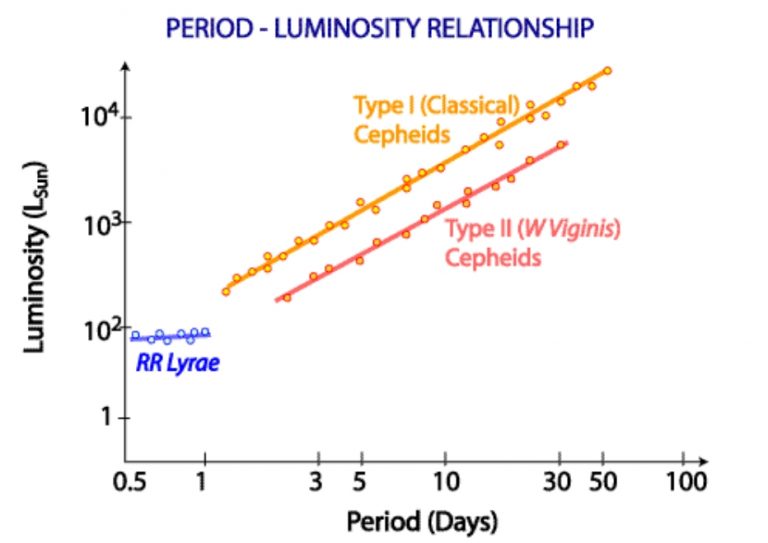
The universe “expanded” again, when astronomers found out there were two types of Cepheids, one 4 times brighter than the other. Using the brighter Type I Cepheids, the measurement doubled the estimated distance*. This was about the time in the early 1950s when I was getting interested in astronomy, so the quoted distance to Andromeda and all the other galaxies doubled from older astronomy books to the newer ones.
* Inverse square law: brightness drops with the square of the distance. Double the distance and the brightness drops by 22 or 4.
Ephemeris: 05/13/2025 – Arcturus, extragalactic visitor?
This is Ephemeris for Tuesday, May 13th. Today the Sun will be up for 14 hours and 45 minutes, setting at 9:02, and it will rise tomorrow at 6:15. The Moon, 1 day past full, will rise at 10:39 this evening.
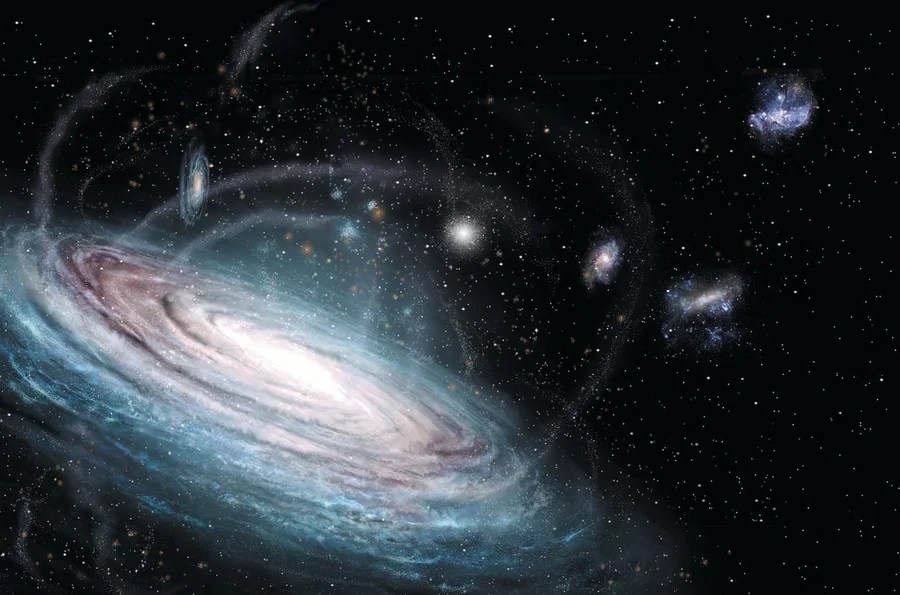
The bright orange star high in the southeast at 10 PM is Arcturus. Remember: Follow the arc of the handle of the Big Dipper to find Arcturus. It is an interesting star in many respects. Arcturus is somewhat more massive than the Sun and a bit older. It is starting its red giant phase having run out of hydrogen in its core and starting to use helium as its heat source, transmuting it into carbon and other elements. It has a very high velocity with respect to the Sun of about 100 kilometers per second. Arcturus is thought to be, by some astronomers, part of the remnants of a dwarf galaxy that collided with the Milky Way, and has now been assimilated. So Arcturus isn’t from around here.
-The astronomical event times given in this blog are for the Traverse City/Interlochen area of Michigan (Lat 44.7° N, Long 85.7° W; EDT, UT – 4 hours) unless stated otherwise. Times will be different for other locations.
Addendum
Ephemeris: 09/30/2024 – Andromeda’s treasure, its great galaxy
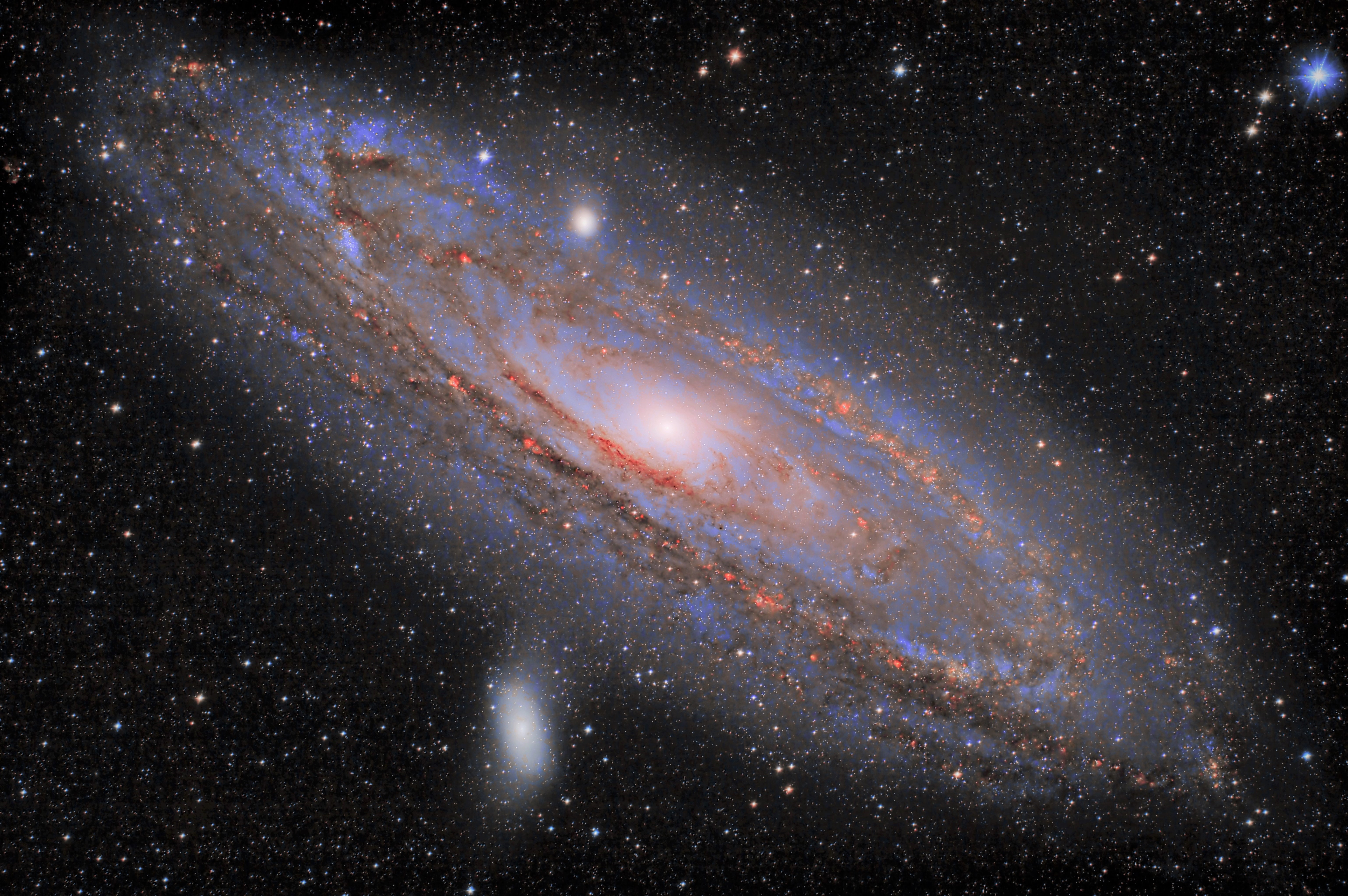
This is Bob Moler with Ephemeris for Monday, September 30th. Today the Sun will be up for 11 hours and 43 minutes, setting at 7:24, and it will rise tomorrow at 7:41. The Moon, 2 days before new, will rise at 6:27 tomorrow morning. | For at least the last thousand or so years a fuzzy spot in the constellation of Andromeda has been known. It was known as the Great Andromeda Nebula until about 100 years ago. Nebula means cloud, and it belonged to the Milky Way. At that time it was finally recognized as another Milky Way just like ours. So the word to call it was galaxy, a word that means Milky Way. It looks to be among the stars of Andromeda, but it’s far beyond the stars that we make of the constellation Andromeda. Current estimates place it at about two and a half million light years away, well beyond the stars that we see in Andromeda that range to only a few thousand light years distance. It will collide with our galaxy in about 4 billion years.
The astronomical event times given are for the Traverse City/Interlochen area of Michigan (EDT, UT – 4 hours). Times will be different for other locations.
Addendum
Ephemeris: 05/30/2024 – Virgo and what’s hidden within
This is Bob Moler with Ephemeris for Thursday, May 30th. Today the Sun will be up for 15 hours and 18 minutes, setting at 9:20, and it will rise tomorrow at 6:00. The Moon, at last quarter today, will rise at 2:52 tomorrow morning.
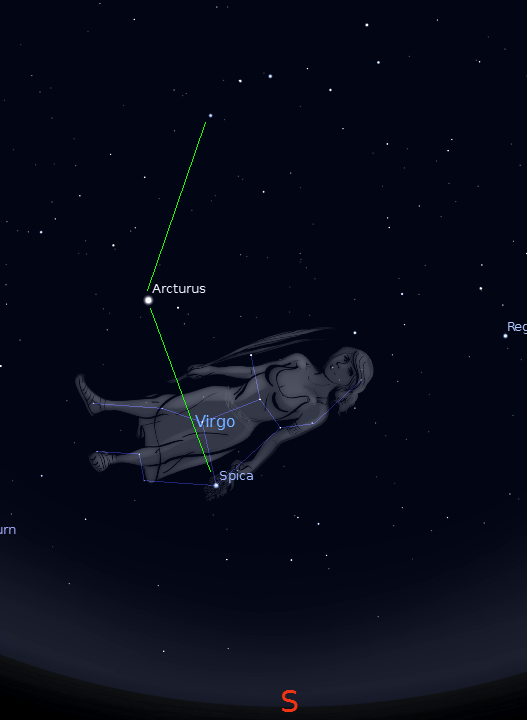
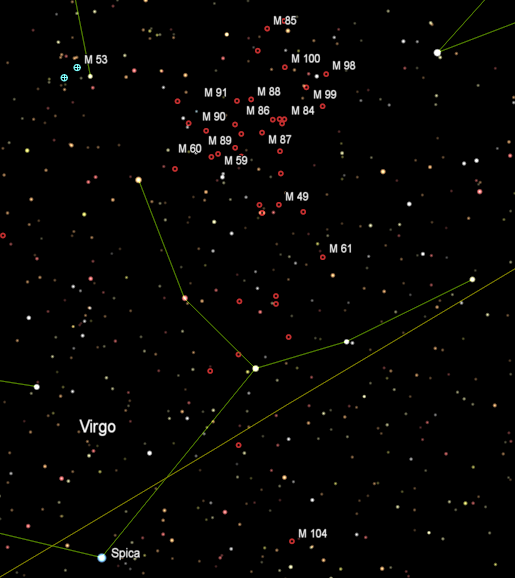
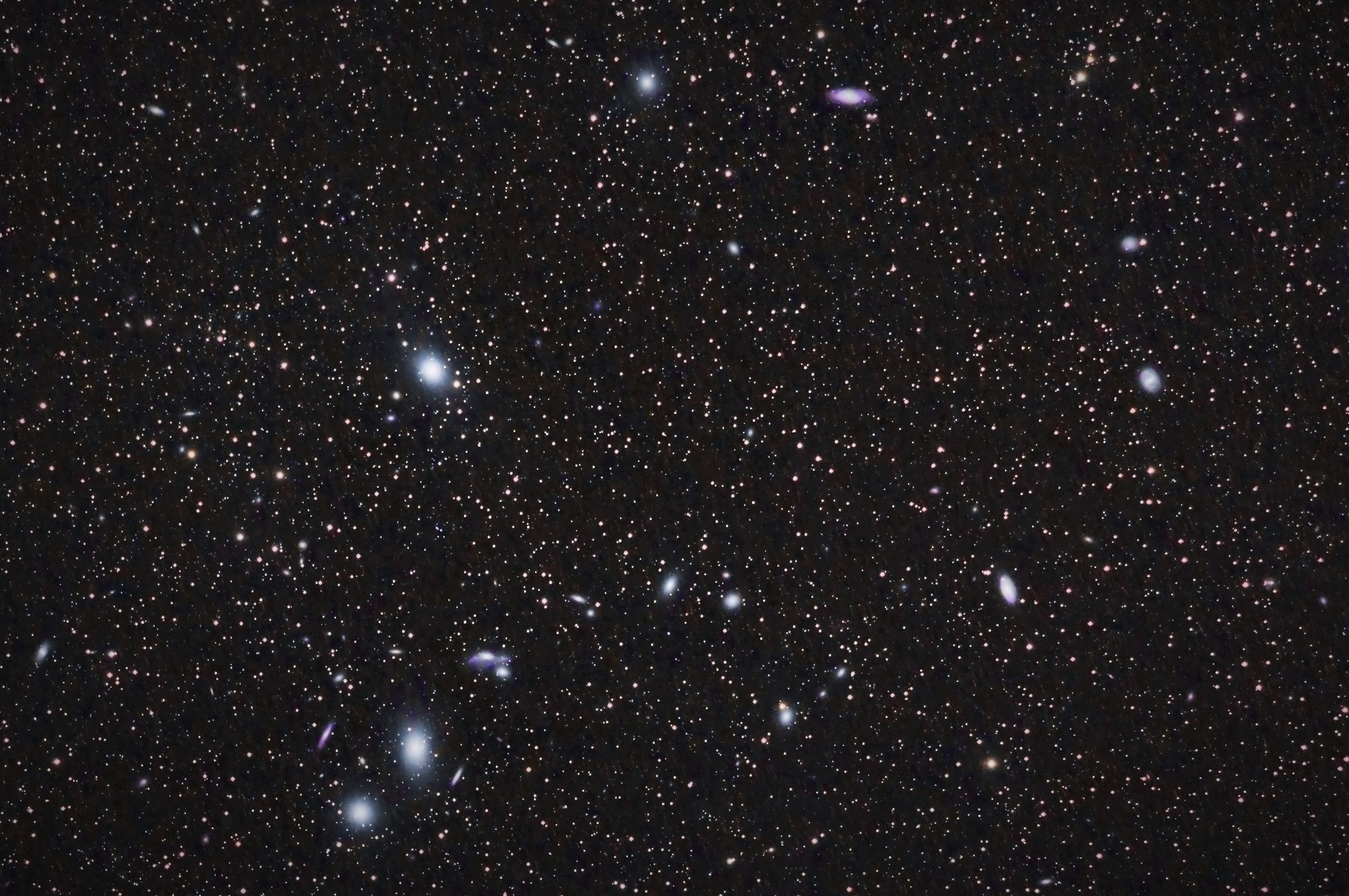
One of the large constellations we see in the south at 11 p.m. can be found using the Big Dipper overhead, follow the arc of the handle to the bright star Arcturus, then straighten the arc to a spike to reach Spica, a bright blue-white star in the south. Spica is the brightest star in the constellation Virgo, the virgin. She represents the goddess of the harvest, Virgo is holding a sheaf of wheat in depictions of her, and Spica is placed at the head of the sheaf. In the space between Spica and Leo the lion to her upper right is, a great cluster of thousands of galaxies just below naked eye visibility. The Virgo Cluster. Inside that cluster is galaxy M87, in whose center lies a black hole with the mass of 6.5 billion suns. The center of the cluster is at about 54 million light years away. The first black hole imaged by the Earth spanning Event Horizon Telescope.
The astronomical event times given are for the Traverse City/Interlochen area of Michigan (EDT, UT–4 hours). They may be different for your location.
Addendum
Ephemeris: 11/09/2023 – The Milky Way will collide with the Great Andromeda Galaxy
This is Bob Moler with Ephemeris for Thursday, November 9th. Today the Sun will be up for 9 hours and 49 minutes, setting at 5:21, and it will rise tomorrow at 7:32. The Moon, halfway from last quarter to new, will rise at 4:31 tomorrow morning.
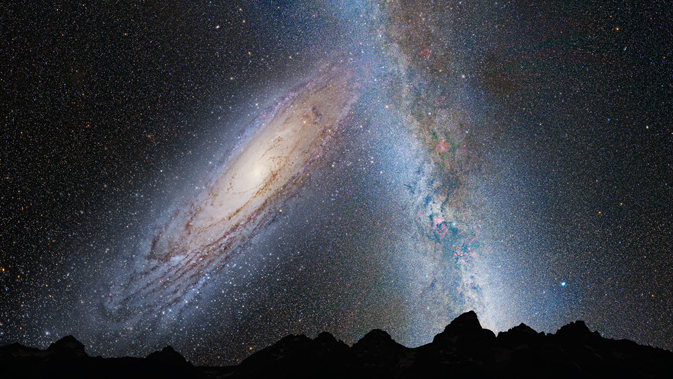
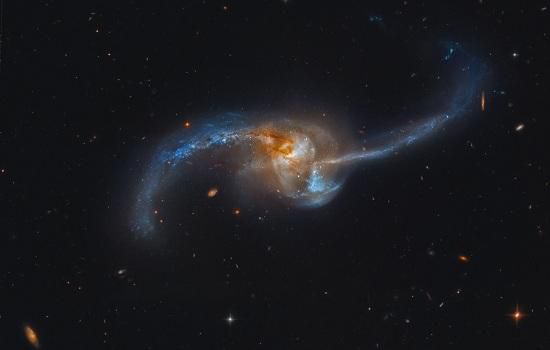
Stars are at extreme distances compared to their sizes, even if one includes their planetary systems. Galaxies in a galaxy cluster are much closer with respect to their size. Astronomers have determined that our Milky Way galaxy will collide with the Great Andromeda Galaxy, some two and a half million light years away, in about four and a half billion years. Don’t worry, it is very unlikely that any stars will collide during the event, though the solar system may be in for a wild ride. As the galaxies approach each other their beautiful spiral structures will begin to distort into tidal tails. Multiple passes of the two will occur before they will coalesce into one large elliptical galaxy. Other galaxies of the Local Group will join in over time.
The astronomical event times given are for the Traverse City/Interlochen area of Michigan (EST, UT –5 hours). They may be different for your location.
Addendum
Ephemeris: 11/07/2023 – How to find the Great Andromeda Galaxy
This is Ephemeris for Election Day for some, Tuesday, November 7th. Today the Sun will be up for 9 hours and 55 minutes, setting at 5:23, and it will rise tomorrow at 7:30. The Moon, 2 days past last quarter, will rise at 2:22 tomorrow morning.
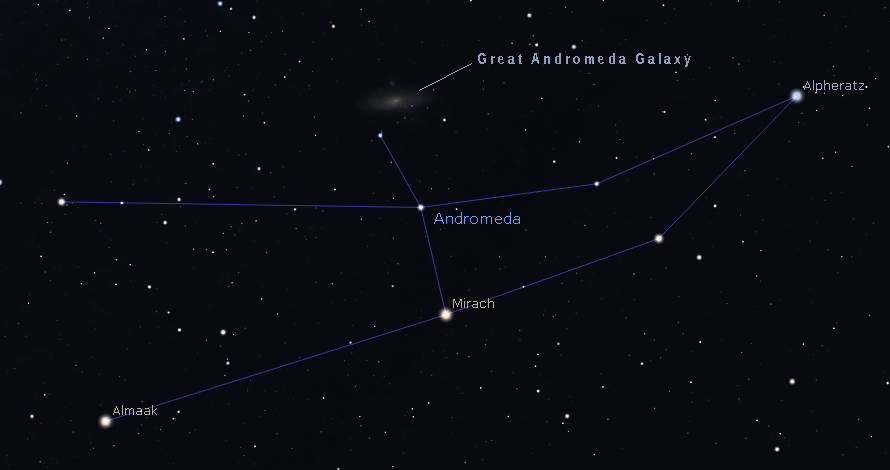
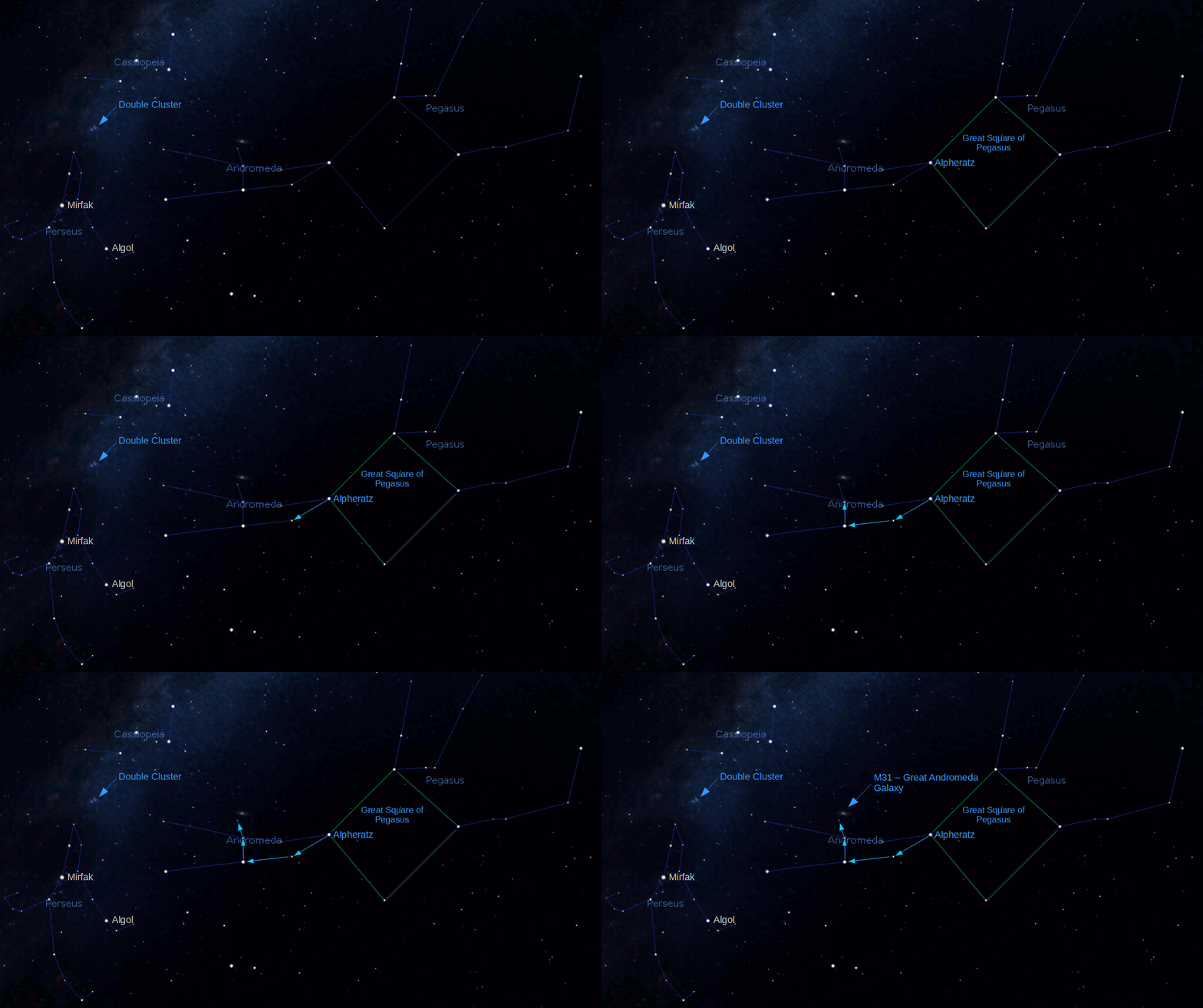
The closest large galaxy to our Milky Way galaxy is the Great Andromeda Galaxy, seen high in the eastern sky when it gets dark. It is barely visible to the naked eye. To locate it, first find a large square of stars high in the east-southeast standing on one corner, the Great Square of Pegasus. The left star of the square is the head of the constellation Andromeda. Follow two stars to the left and a bit downward, then two stars straight up. The galaxy is near that last star as a small smudge of light. Binoculars are the best way to see it as a thin spindle of light. Using a telescope, one can see, besides its nucleus, its two satellite galaxies.
The astronomical event times given are for the Traverse City/Interlochen area of Michigan (EST, UT –5 hours). They may be different for your location.
Addendum
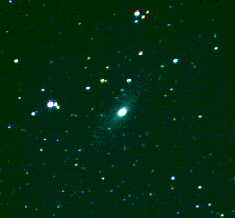
10/18/2022 – Ephemeris – The Great Andromeda Galaxy
Oct 18. This is Bob Moler with Ephemeris for Tuesday, October 18th. Today the Sun will be up for 10 hours and 50 minutes, setting at 6:52, and it will rise tomorrow at 8:03. The Moon, 1 day past last quarter, will rise at 1:22 tomorrow morning.
The closest large galaxy to our Milky Way galaxy is the Great Andromeda Galaxy, seen in the eastern sky when it gets dark. It is barely visible to the naked eye. To locate it, first find the Great Square of Pegasus high in the east, standing on one corner. The left star of the square is the head of the constellation Andromeda. Follow two stars to the left and a bit downward, then two stars straight up. The galaxy is near that last star as a small smudge of light. Binoculars are the best way to see it as a thin spindle of light. Visually through a telescope, one can see only the bright nucleus of the galaxy, that spans six Moon diameters in photographs. M 31* is its most well known catalog designation, and it’s two and a half million light years away.
The astronomical event times given are for the Traverse City/Interlochen area of Michigan (EDT, UT – 4 hours). They may be different for your location.
* M 31 is the 31st entry in French comet hunter Charles Messier’s catalog of fuzzy objects that can be mistaken for comets because they didn’t move in relation to the stars. It is a catalog of some of the brightest, what we call, deep sky objects: star clusters, nebulae, and galaxies. It is not a comprehensive catalog of these objects, since Messier was interested in comets.
Addendum
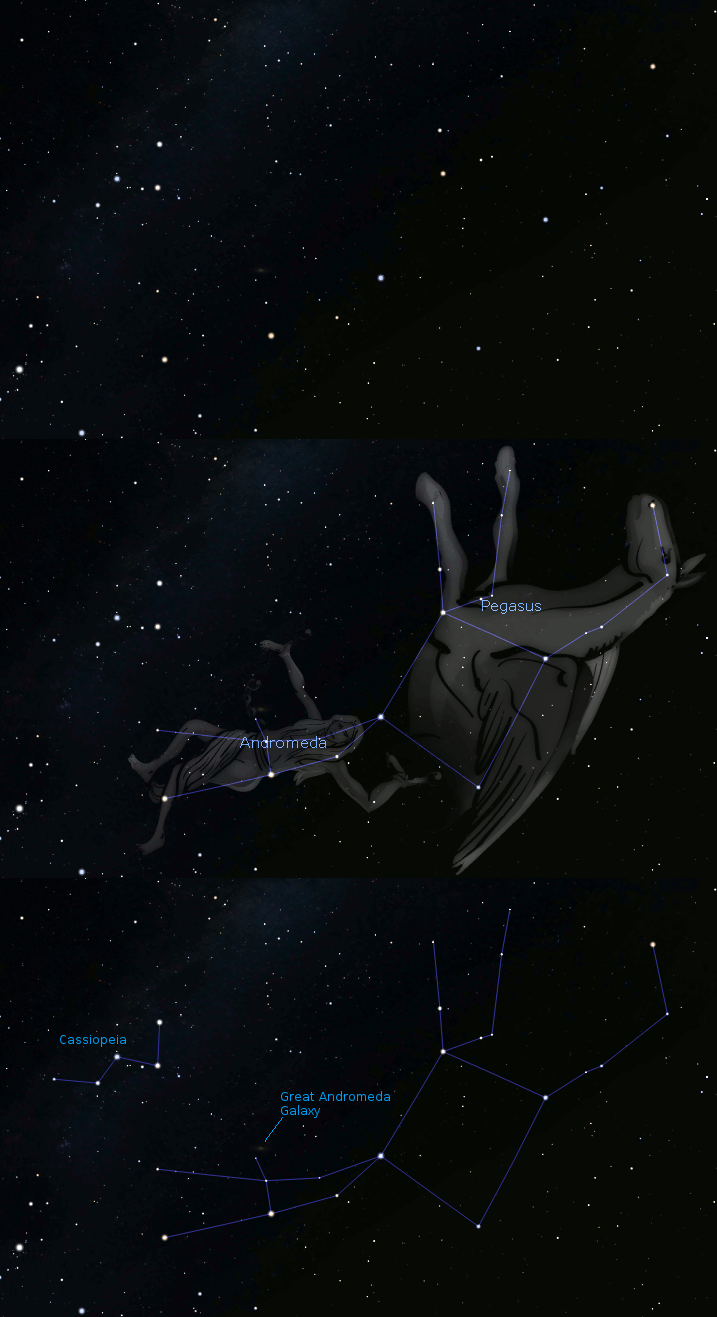
Andromeda animated finder, including the Great Andromeda Galaxy. I’ve added Cassiopeia that some folks use to find the galaxy. I start with the leftmost star of the Great Square of Pegasus that connects to Andromeda. I count off two stars on the lower curve because they are brighter than the upper curve. Then count two stars up. Next to that top star is a little smudge. That is the core of the Great Andromeda Galaxy. Click on the image to enlarge to full size. Created using Stellarium and GIMP.
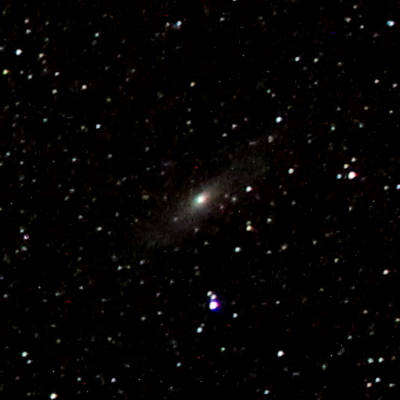
Low resolution and exposure view of M 31, the Great Andromeda Galaxy, simulating what it looks like in binoculars. Credit mine.
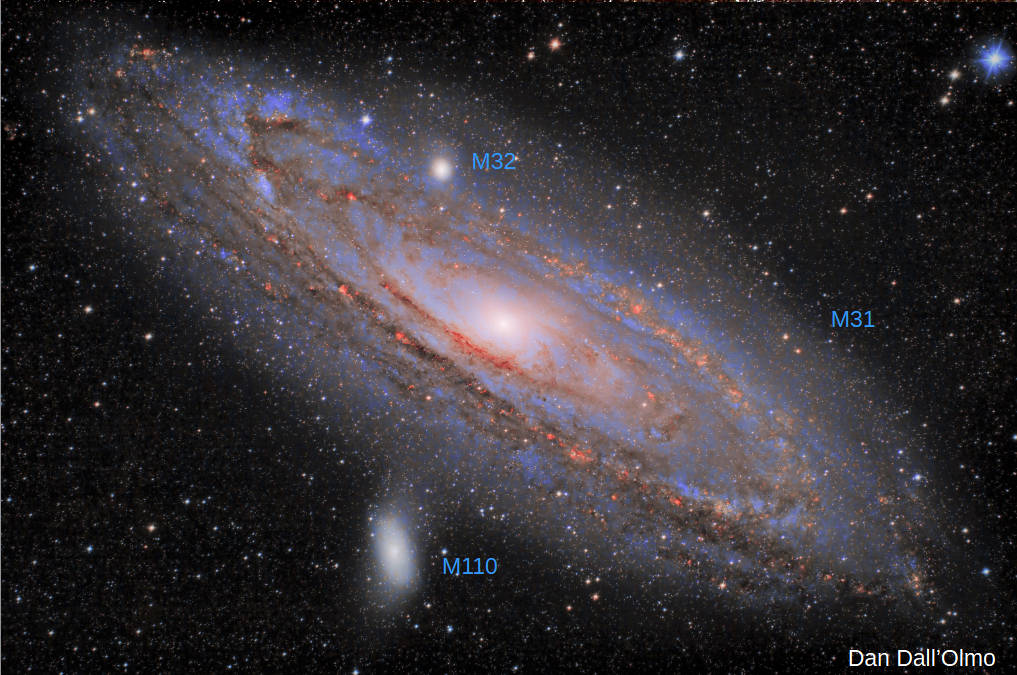
M 31, The Great Andromeda Galaxy. This image really shows the red H II Regions intermixed with the dark dust lanes that delineate the galaxy’s spiral arms. H II or ionized hydrogen regions are illuminated by hot young stars that were born within them. Click on the image to enlarge it. Credit: Dan Dall’Olmo.
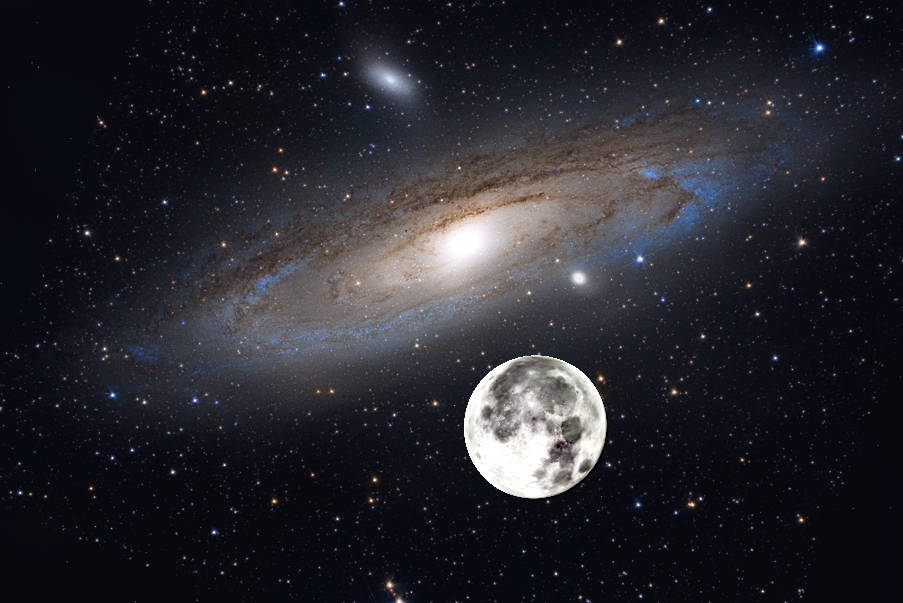
The moon superimposed on the Great Andromeda Galaxy, M31, for apparent size comparison. Created using Stellarium and the embedded image of the galaxy with that of the full Moon of October 31, 2020. M31 Image credit: Herm Perez: http://home.att.net/~hermperez/default.htm License: “Feel free to use these images, if you use them in a commercial setting please attribute the source.”
The Great Andromeda Galaxy is shown with two of its satellite galaxies, both elliptical. The nearly spherical one is M 32. The other one I knew and observed, in the 1950s, as NGC 205**. Even though Messier had described this object in 1773, he didn’t add it to his catalog. The suggestion that it be added as the last entry in Messier’s catalog was made in 1967 by Welsh amateur astronomer Kenneth Glyn Jones***
** NGC is the New General Catalogue of Nebulae and Clusters of Stars, and is not so new. It was published in 1888 by John Louis Emil Dreyer.
*** Source: messier-objects.com
 Bob Moler's Ephemeris Blog