Archive
Ephemeris: 11/06/2024 – Where are the naked eye planets this week?
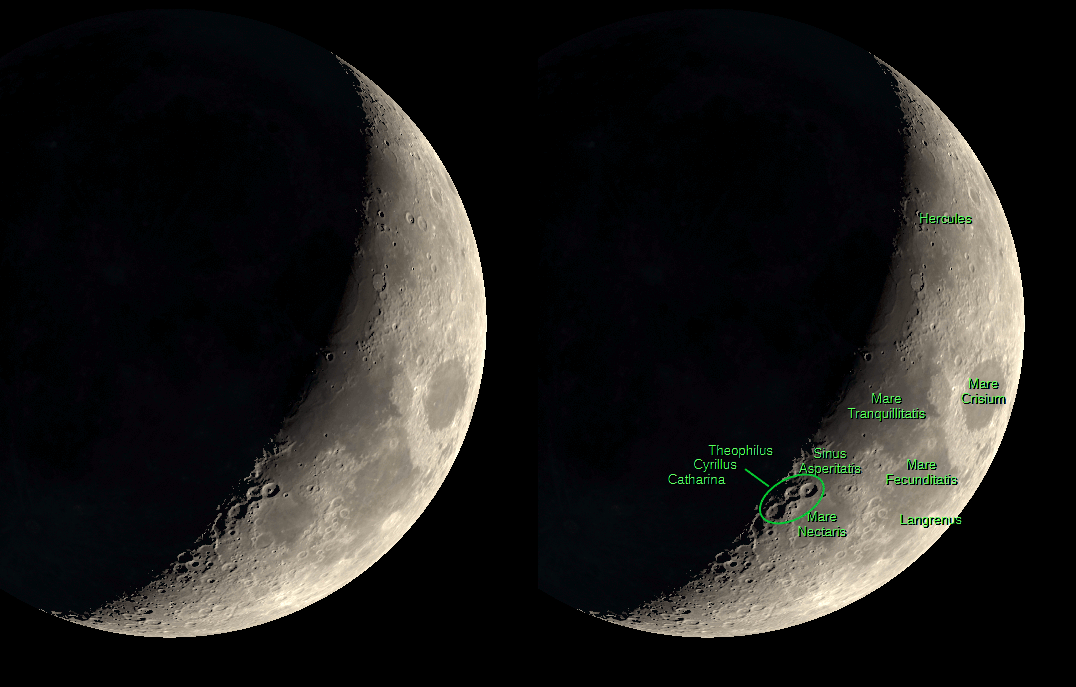
This is Ephemeris for Wednesday, November 6th. Today the Sun will be up for 9 hours and 55 minutes, setting at 5:24, and it will rise tomorrow at 7:29. The Moon, 3 days before first quarter, will set at 8:56 this evening.
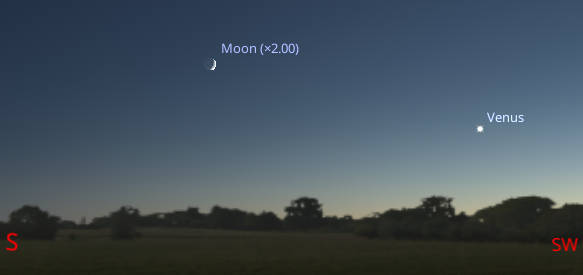
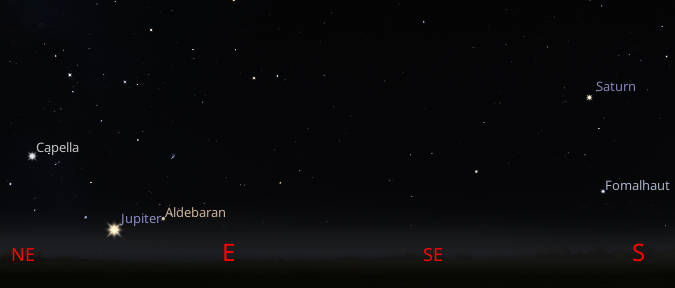
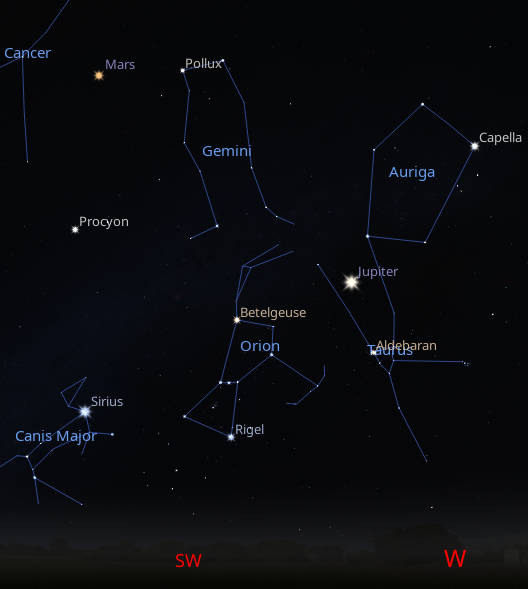
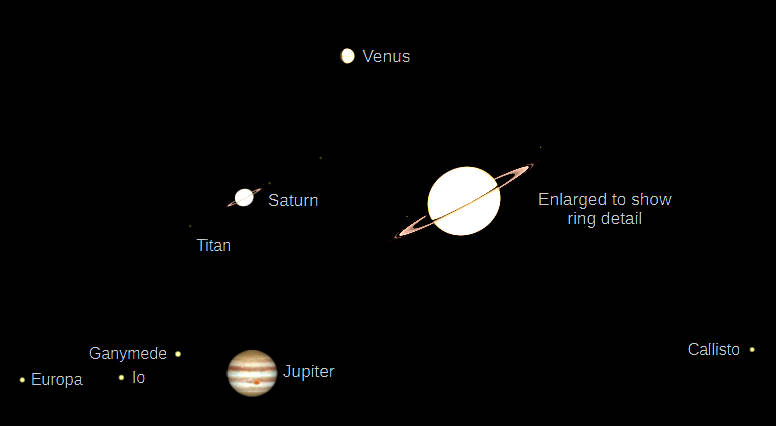
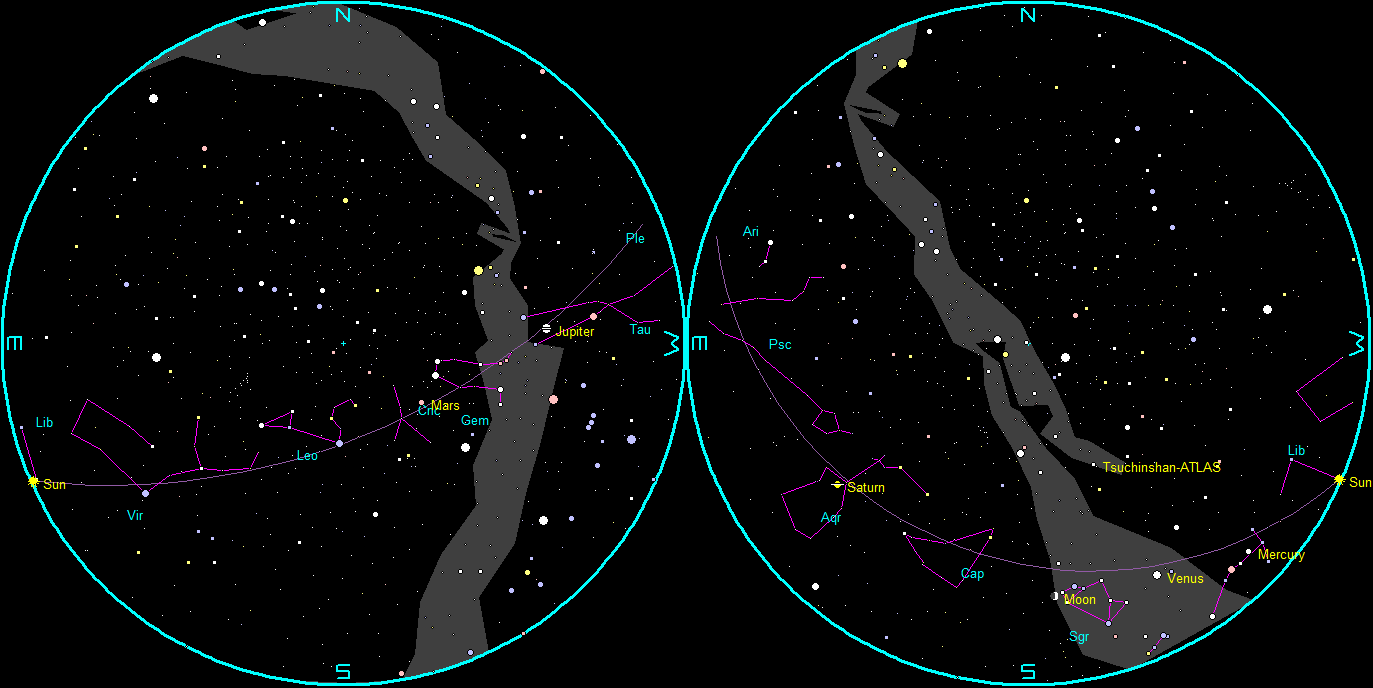
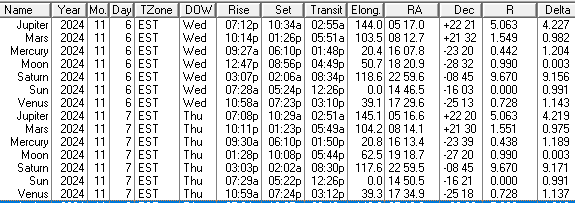
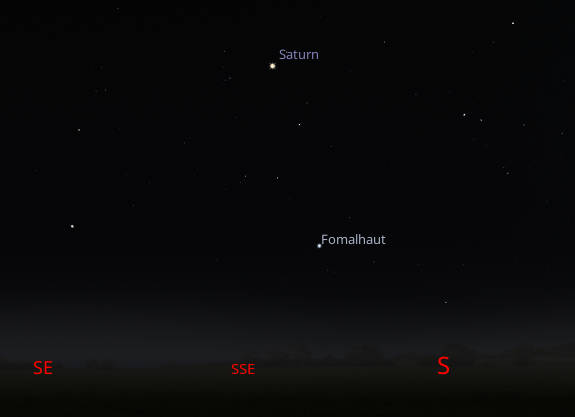
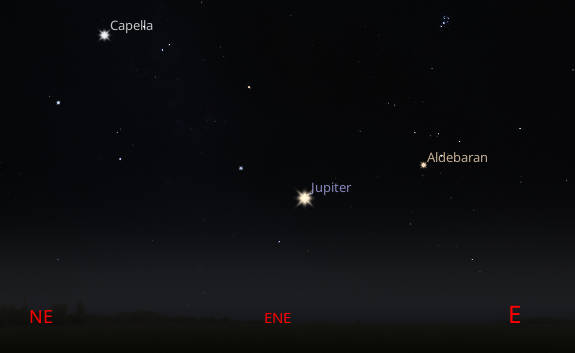
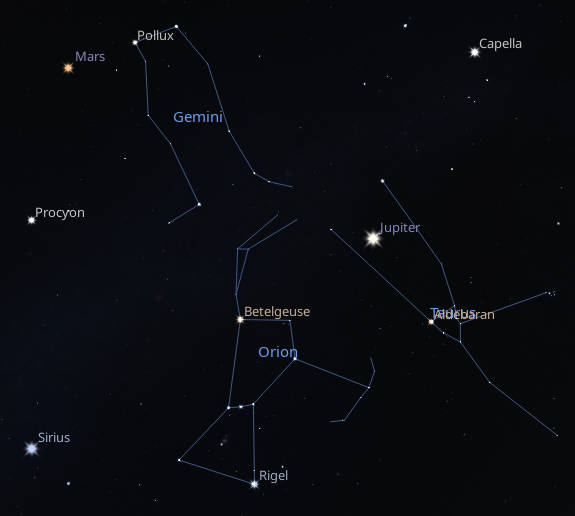
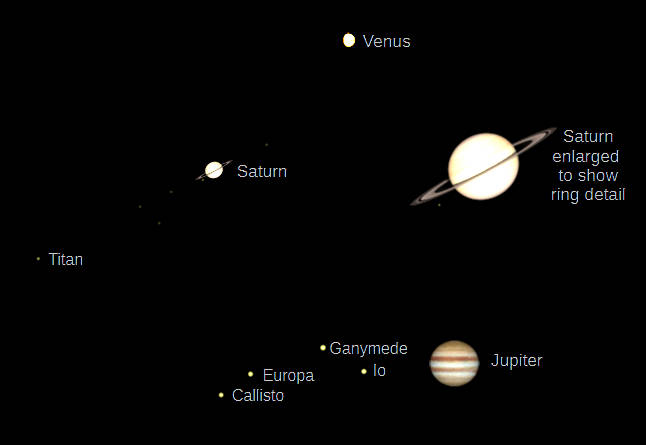
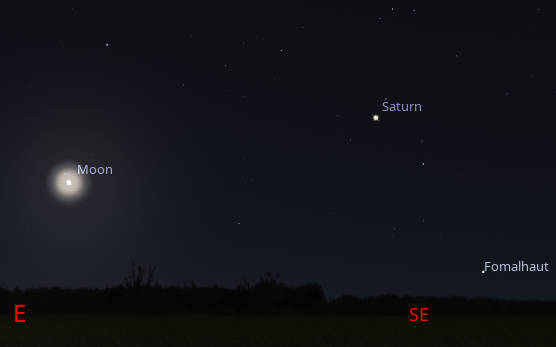
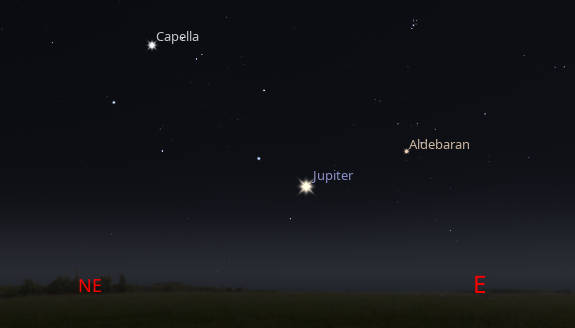
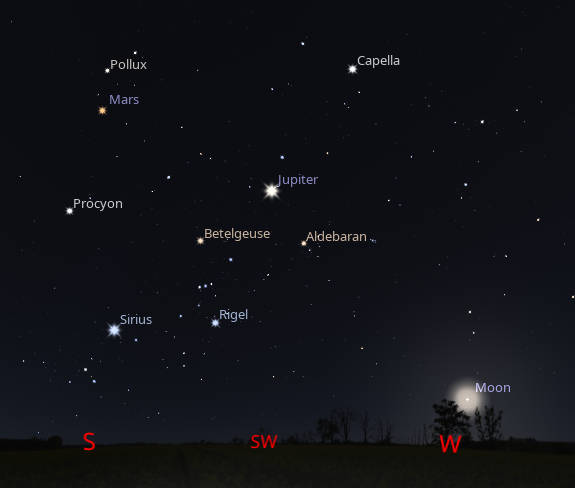
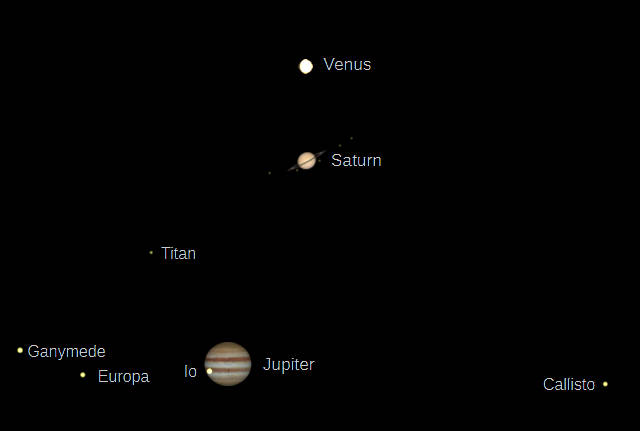
Let’s take our weekly look at the whereabouts of the naked-eye planets. Venus can be spotted low in the southwestern sky by 6 PM, about half an hour after sunset. It will set at 7:22. Saturn will be in the southeast at 7 PM. Jupiter will rise at 7:17 PM in the east northeast, and be a good object for the small telescope about an hour later. By 6:00 AM tomorrow Jupiter will be high in the west southwest, among the winter stars, while reddish Mars, which rises tonight near 10:16, will be high in the south. Jupiter and Saturn are good planets to view with a small telescope, while Venus and Mars will appear very small and featureless. These last two will improve next year when they move closer to us.
The astronomical event times given are for the Traverse City/Interlochen area of Michigan (EST, UT – 5 hours). Times will be different for other locations.
Addendum
Ephemeris: 10/30/2024 – Our weekly look at the whereabouts of the naked-eye planets
This is Ephemeris for Wednesday, October 30th. Today the Sun will be up for 10 hours and 14 minutes, setting at 6:33, and it will rise tomorrow at 8:20. The Moon, 2 days before new, will rise at 7:28 tomorrow morning.
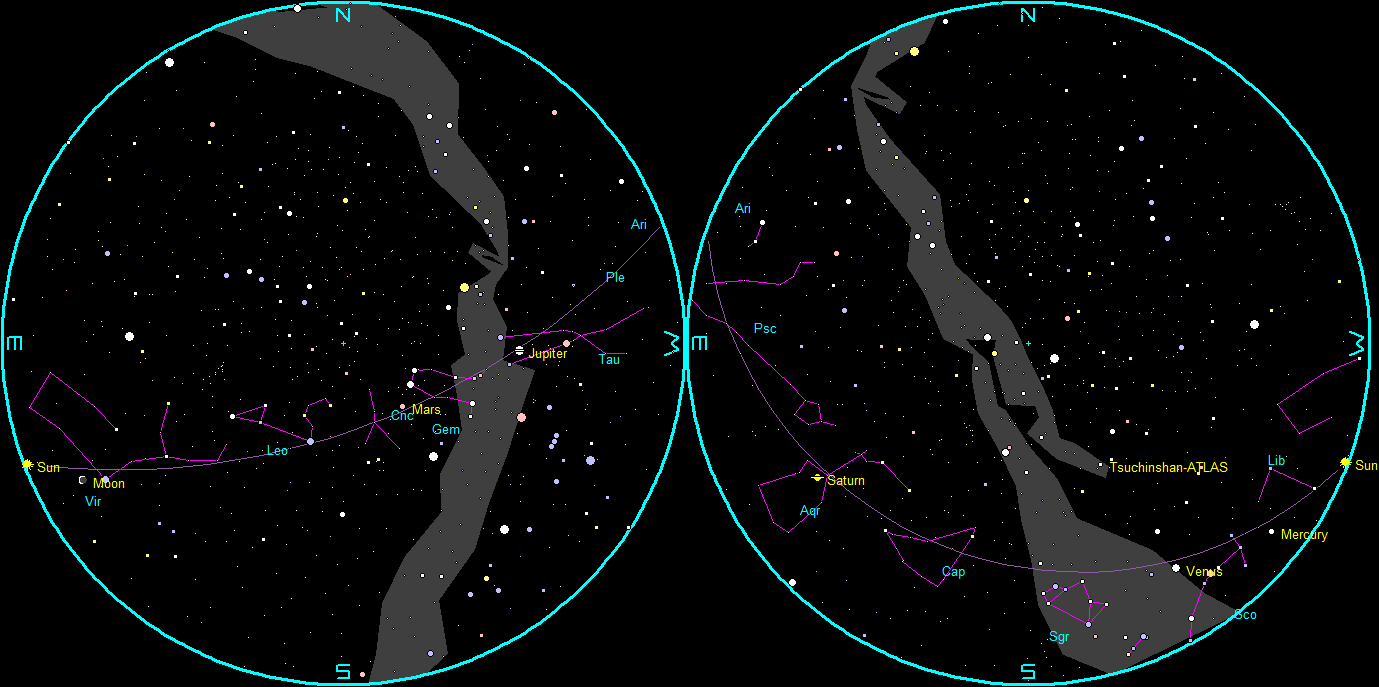
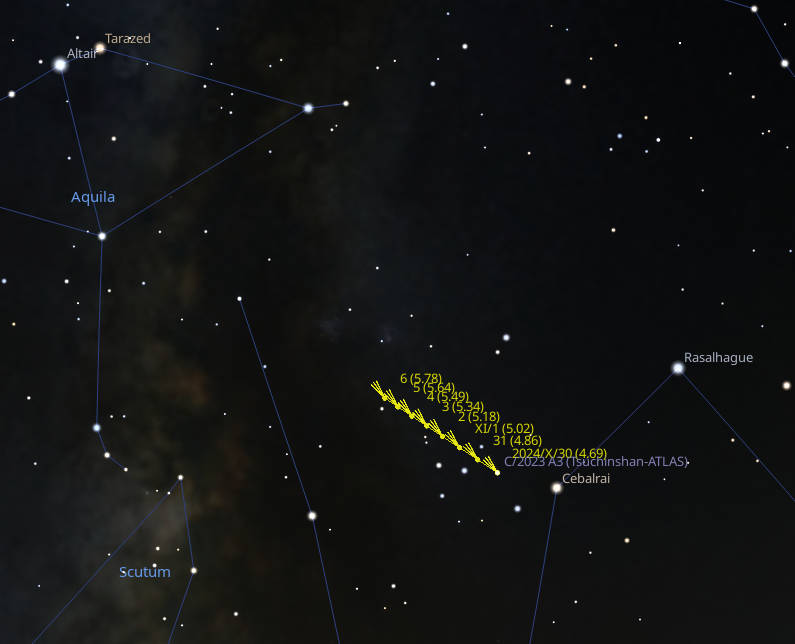
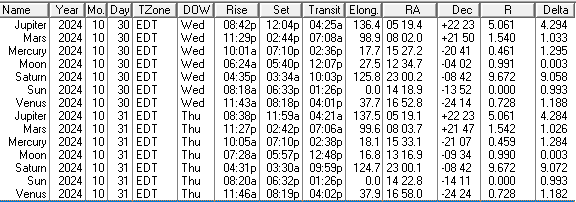
Let’s take our weekly look at the whereabouts of the naked-eye planets. Venus can be spotted low in the southwestern sky by 7 PM, about half an hour after sunset. It will set at 8:18. Comet Tsuchinshan-ATLAS is definitely a binocular object and will be a third of the way up to the zenith in the southwest around 8 PM. It will set at 11:17 PM. Saturn will be in the southeast at 8 PM. Jupiter will rise at 8:42 PM in the east northeast, and be a good object for the small telescope about an hour later. By 7:00 AM tomorrow Jupiter will be high in the west southwest, among the winter stars, while Mars, which rises tonight near 11:30, will be high in the south.
The astronomical event times given are for the Traverse City/Interlochen area of Michigan (EDT, UT – 4 hours). Times will be different for other locations.
Addendum
Ephemeris: 10/23/2024 – Taking a look at this week’s brighter solar system bodies
This is Ephemeris for Wednesday, October 23rd. Today the Sun will be up for 10 hours and 34 minutes, setting at 6:44, and it will rise tomorrow at 8:10. The Moon, 1 day before last quarter, will rise at 11:50 this evening.
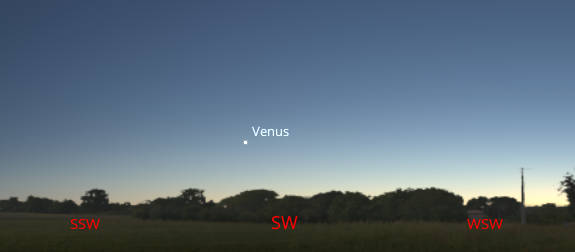
Let’s take our weekly look at the whereabouts of the naked-eye planets. Venus might be spotted in the West southwest low on the horizon at 7:15 PM, 29 minutes after sunset. It will set at 8:17. Comet Tsuchinshan-ATLAS will be west after 8:30 PM the end of astronomical twilight. It will set at 10:55 PM. Saturn will be in the southeast at 8 PM. Jupiter will rise at 9:11 PM this evening in the east northeast, and be a good object for the small telescope about an hour later. By 7:00 AM tomorrow Jupiter will be high in the southwest while Mars will be high in the south to the right of the Moon.
The astronomical event times given are for the Traverse City/Interlochen area of Michigan (EDT, UT – 4 hours). Times will be different for other locations.
Addendum
Ephemeris: 10/16/2024 – Where are the naked-eye planets and the comet?
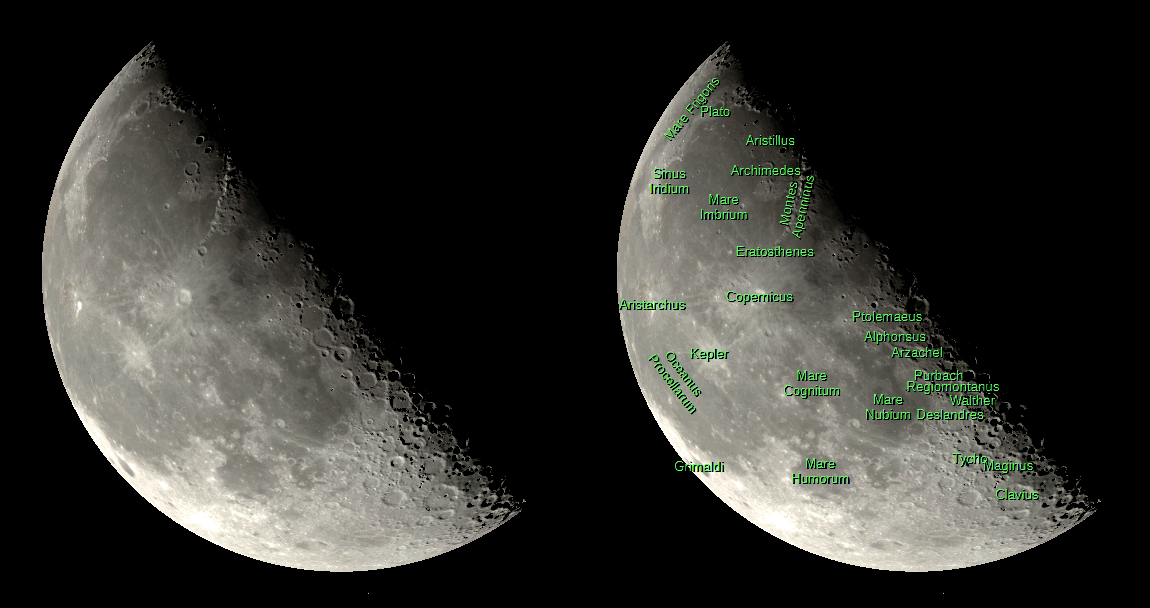
This is Bob Moler with Ephemeris for Wednesday, October 16th. Today the Sun will be up for 10 hours and 55 minutes, setting at 6:55, and it will rise tomorrow at 8:01. The Moon, 1 day before full, will set at 8:11 tomorrow morning.
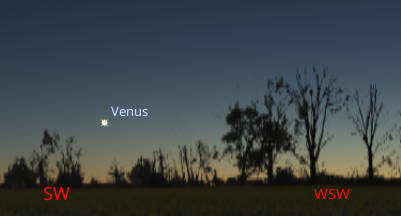
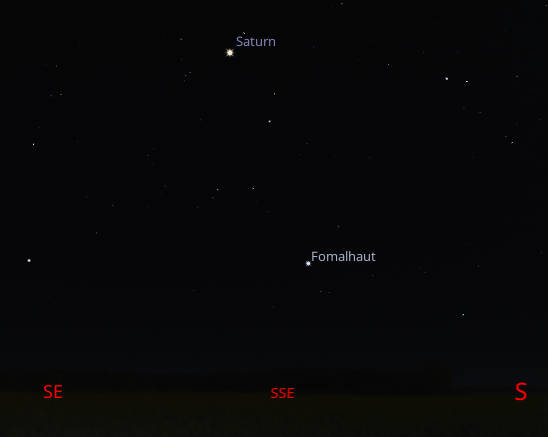
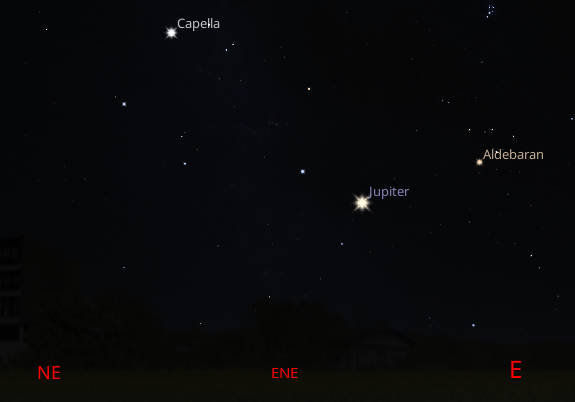
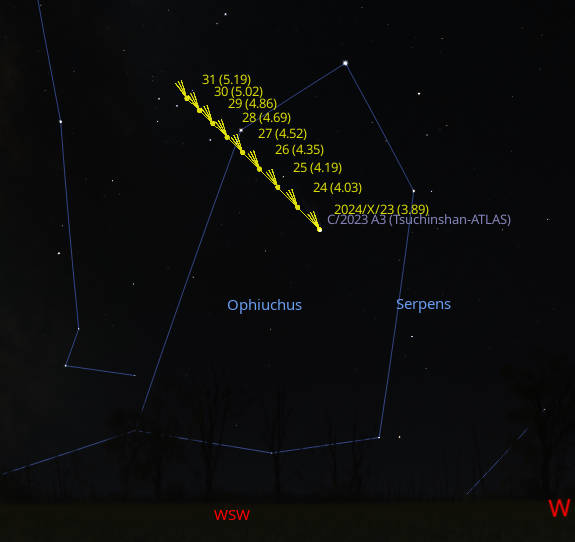
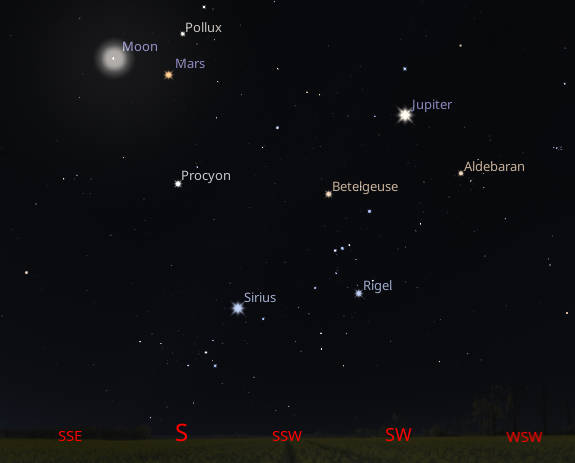
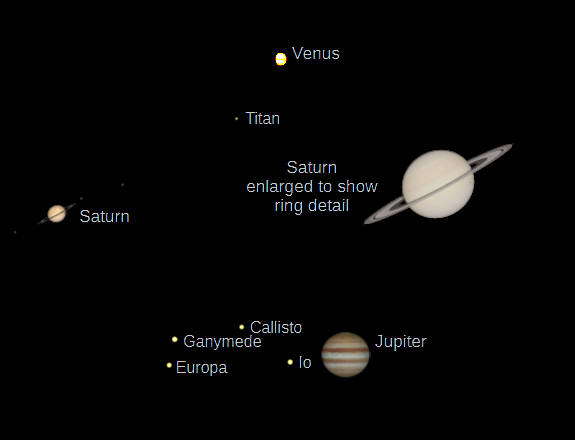
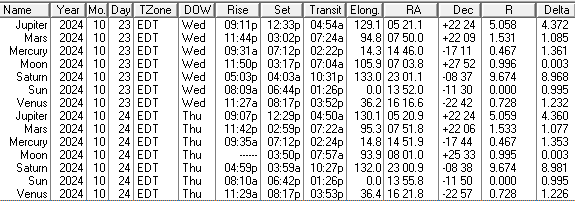
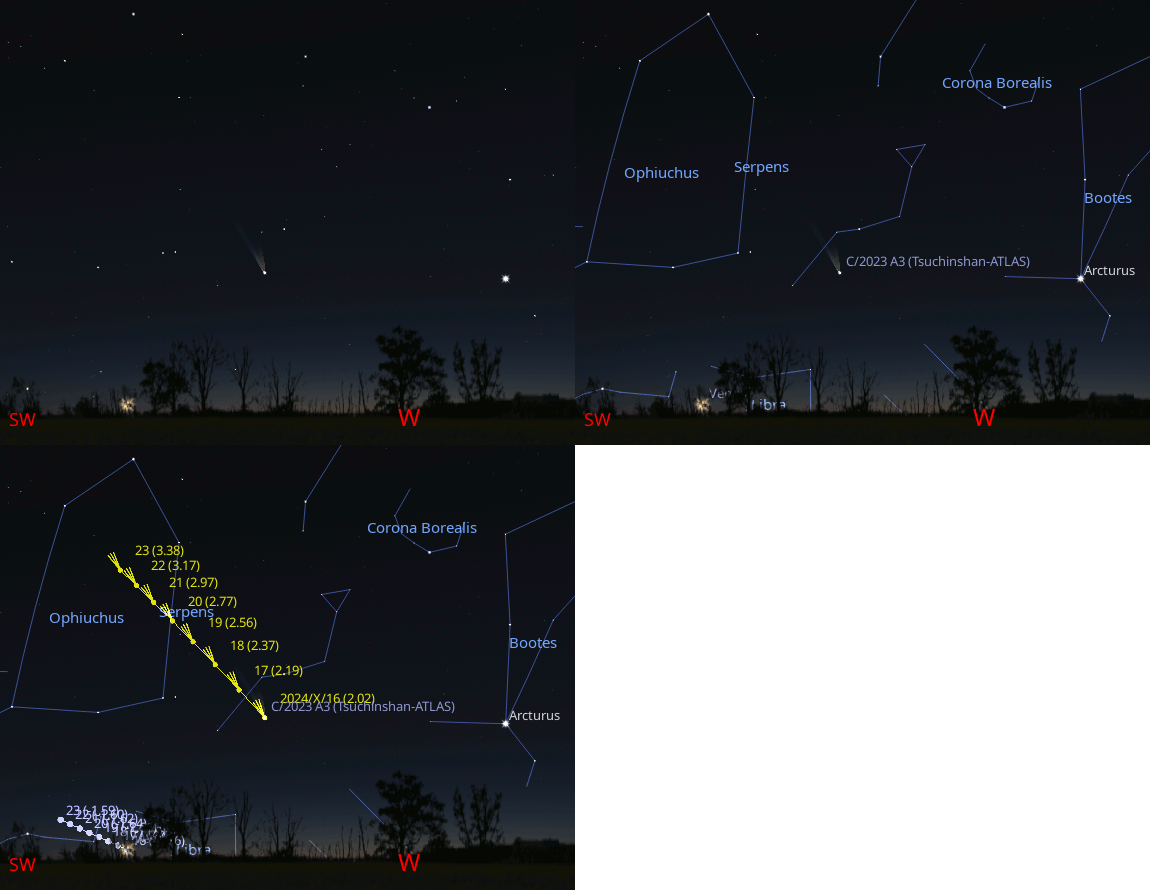
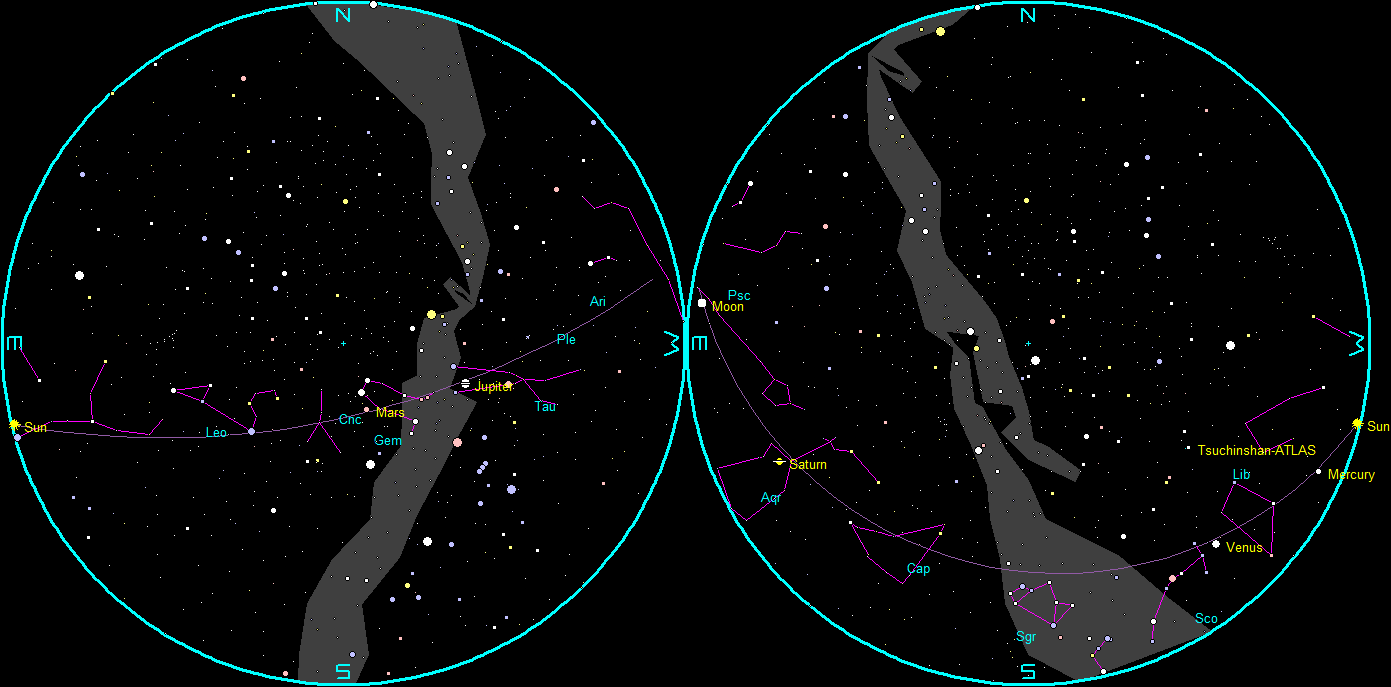
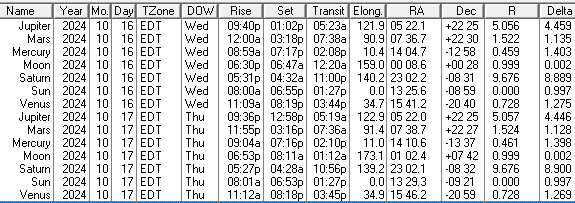
Let’s take our weekly look at the whereabouts of the naked-eye planets. Venus might be spotted in the West southwest low on the horizon at 7:30 PM, 35 minutes after sunset. It will set at 8:19. Comet Tsuchinshan-ATLAS will be west southwest way above and to the right of Venus. It will set at 9:46 PM. Saturn will be in the southeast at 8 PM. Jupiter will rise at 9:40 PM this evening and be a good object for the small telescope about an hour later. Jupiter and Mars are both mourning planets so they can be seen early in the morning before sunrise. By 7:00 AM tomorrow Jupiter will be high in the southwest while Mars will be high in the South.
The astronomical event times given are for the Traverse City/Interlochen area of Michigan (EDT, UT – 4 hours). Times will be different for other locations.
Addendum
Ephemeris: 10/09/2024 – Where are the naked-eye planets this week?
This is Ephemeris for Wednesday, October 9th. Today the Sun will be up for 11 hours and 16 minutes, setting at 7:07, and it will rise tomorrow at 7:52. The Moon, 1 day before first quarter, will set at 10:57 this evening.
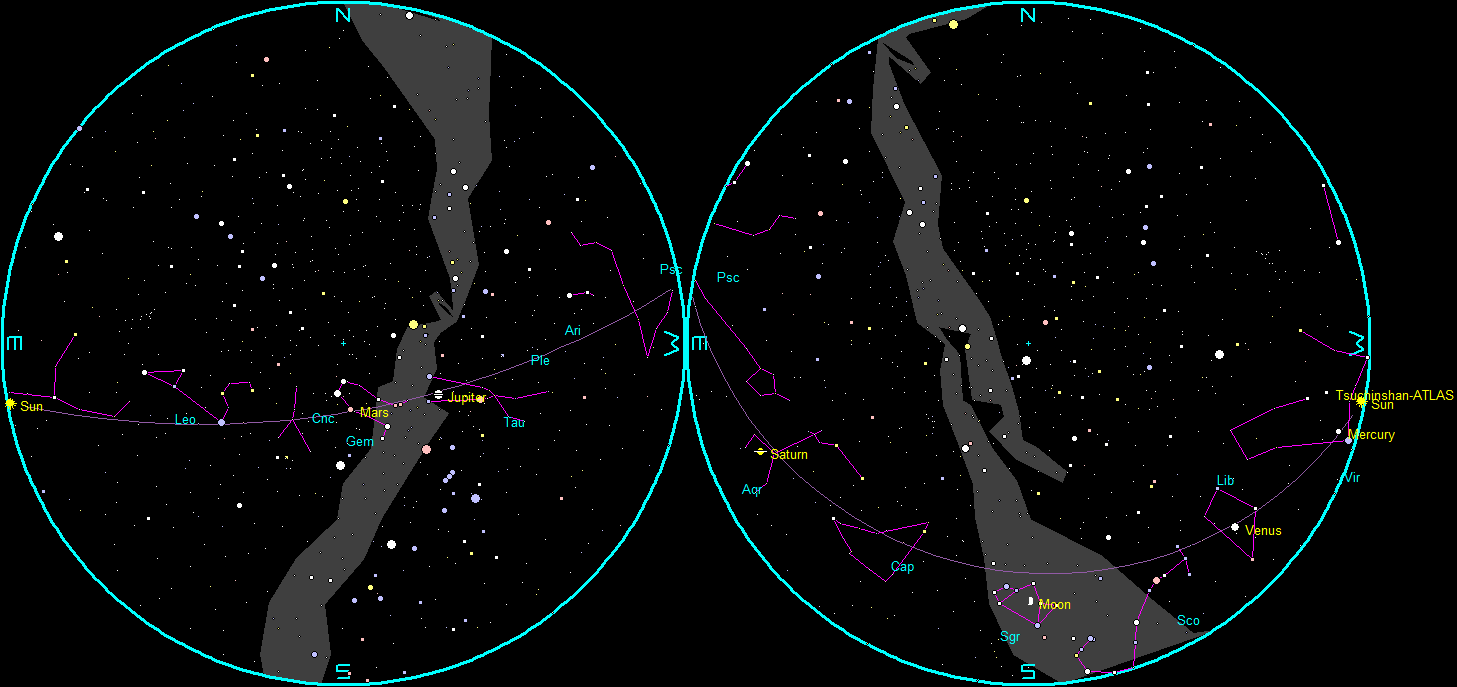
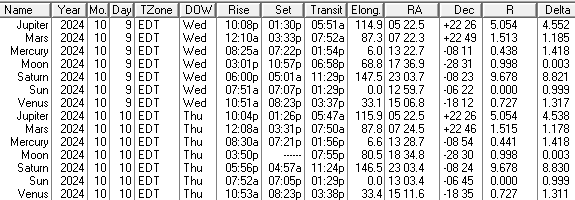
Let’s take our weekly look at the whereabouts of the naked-eye planets. Venus might be spotted in the West southwest only 7° above the horizon at 8 PM, 55 minutes after sunset. It will set at 8:23. Saturn will be in the southeast at that time. Saturn may look disappointing in telescopes this year since its rings are nearly edge on and appearing as a line through the planet like it’s stapled onto the sky. Jupiter and Mars will be up in the morning sky, with Jupiter rising about 10:08 PM in the east-northeast. By 7 AM tomorrow, Jupiter will be brighter than any of the winter stars high in the south. Mars, with its reddish hue, will be to the left of Jupiter. Comet Tsuchinshan-ATLAS will be in the western evening sky starting this weekend. It is expected to be quite bright, I’m betting with a broad tail.
The astronomical event times given are for the Traverse City/Interlochen area of Michigan (EDT, UT – 4 hours). Times will be different for other locations.
Addendum
Ephemeris: 10/02/2024 – Taking our weekly look at where the naked-eye planets are
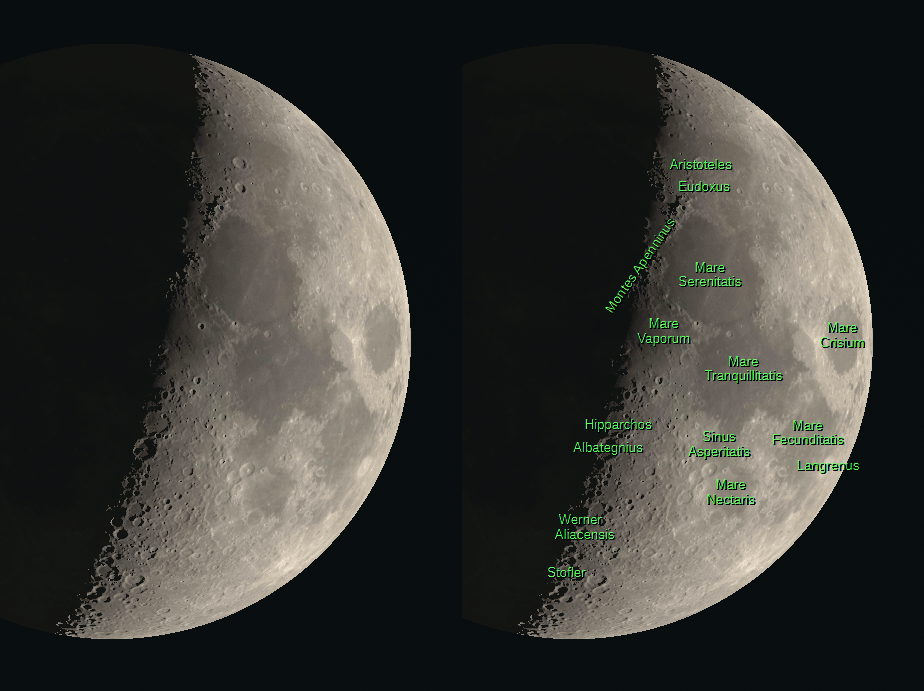
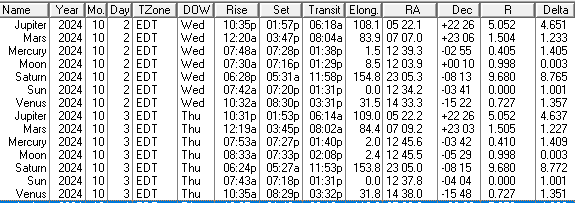
This is Ephemeris for Wednesday, October 2nd. Today the Sun will be up for 11 hours and 37 minutes, setting at 7:20, and it will rise tomorrow at 7:43. The Moon is new today, and won’t be visible.
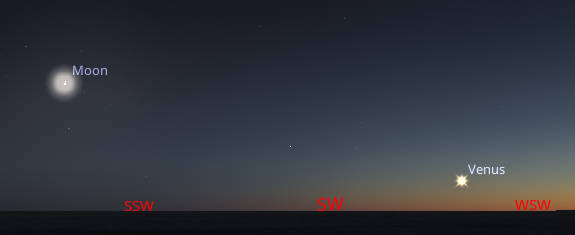
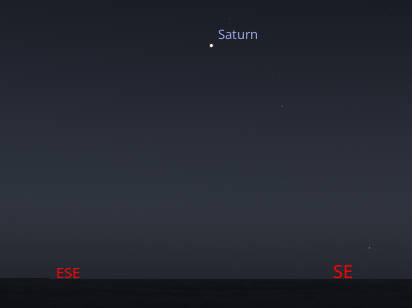
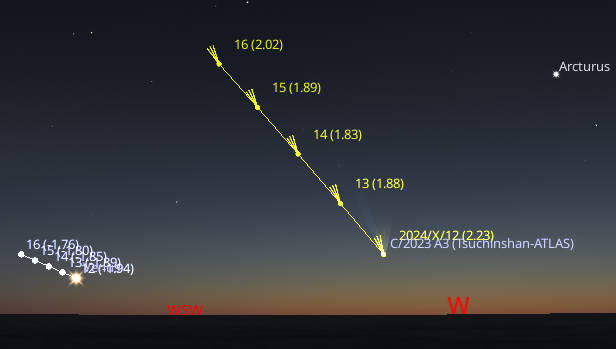
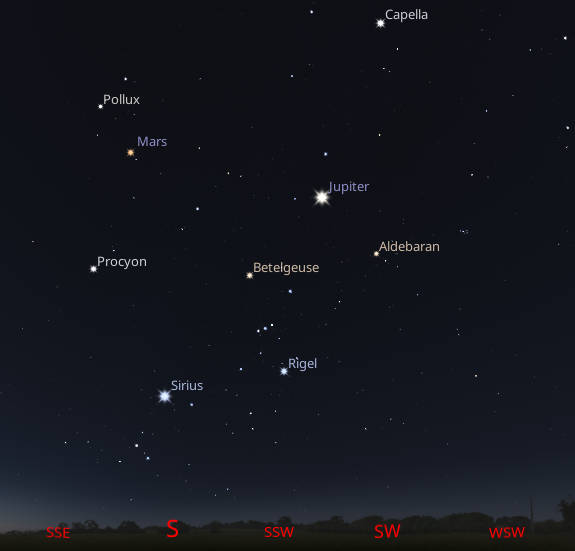
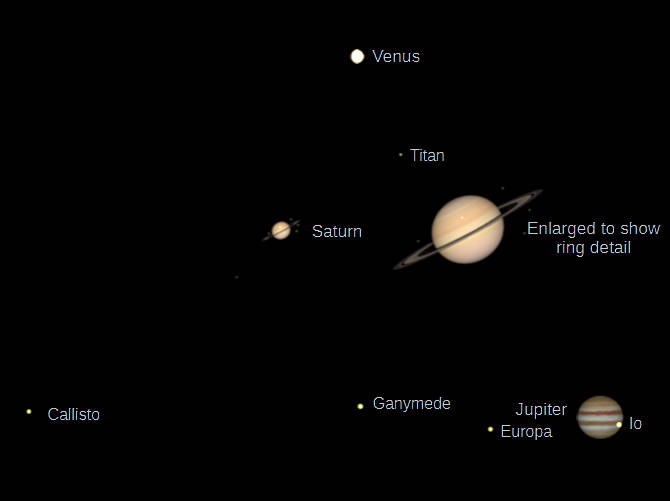
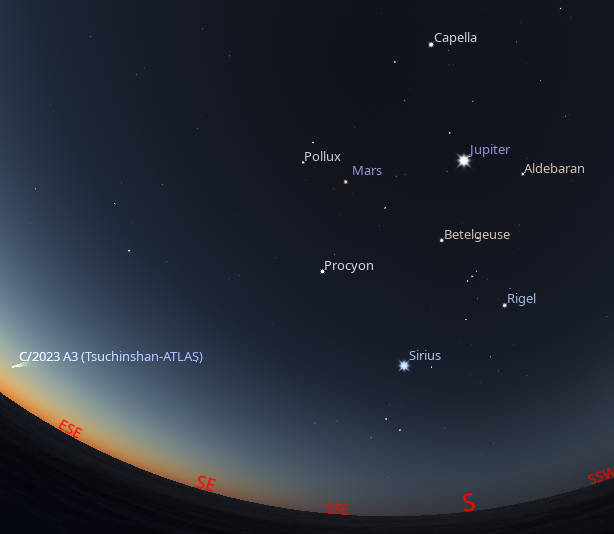
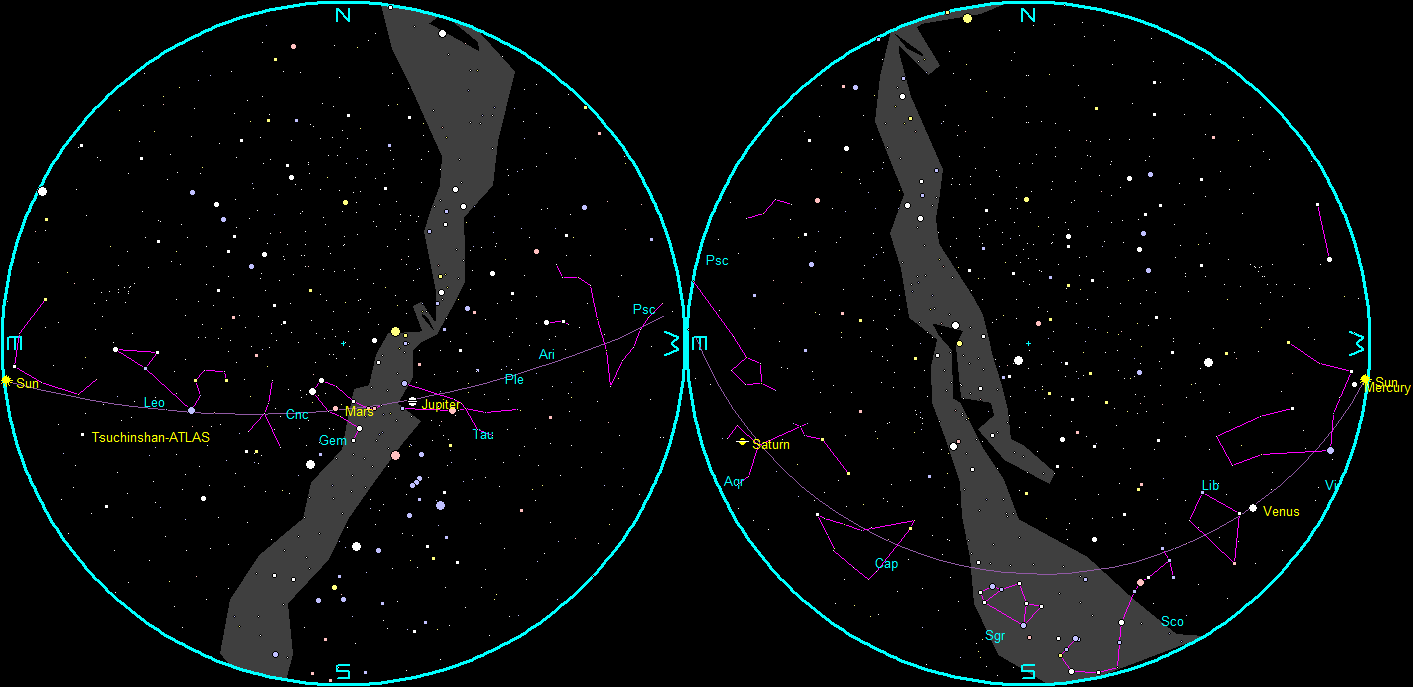
Let’s take our weekly look at the whereabouts of the naked-eye planets. Venus might be spotted in the West southwest only 7° above the horizon at 7:45 PM, 35 minutes after sunset. It will set at 8:30. Saturn will be low in the east-southeast at that time, but you might have to wait another half hour for it to appear. Saturn may look disappointing in telescopes this year since its rings are nearly edge on and appearing as a line through the planet like it’s stapled onto the sky. Jupiter and Mars will be up in the morning sky, with Jupiter rising about 10:30 PM now in the east-northeast and by 7 AM tomorrow, Jupiter will be brighter than the winter stars high in the south. Mars will be left of Jupiter. Comet Tsuchinshan-ATLAS is very low in the east at that hour, but probably too faint to spot.
The astronomical event times given are for the Traverse City/Interlochen area of Michigan (EDT, UT – 4 hours). Times will be different for other locations.
Addendum
Ephemeris: 09/25/2024 – Looking for the naked-eye planets for this week
This is Ephemeris for Wednesday, September 25th. Today the Sun will be up for 11 hours and 59 minutes, setting at 7:33, and it will rise tomorrow at 7:35. The Moon, 1 day past last quarter, will rise at 12:53 tomorrow morning.
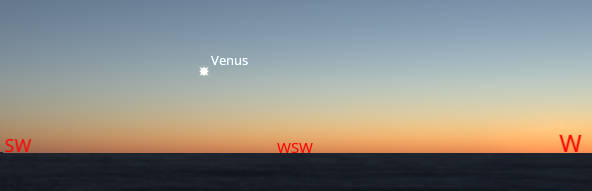
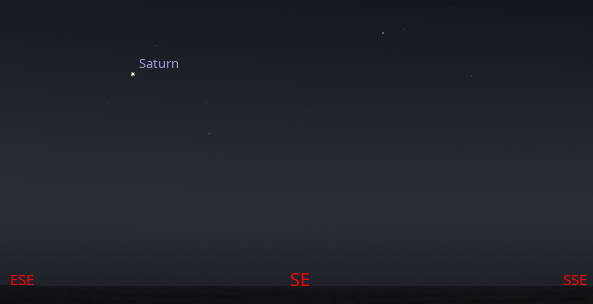
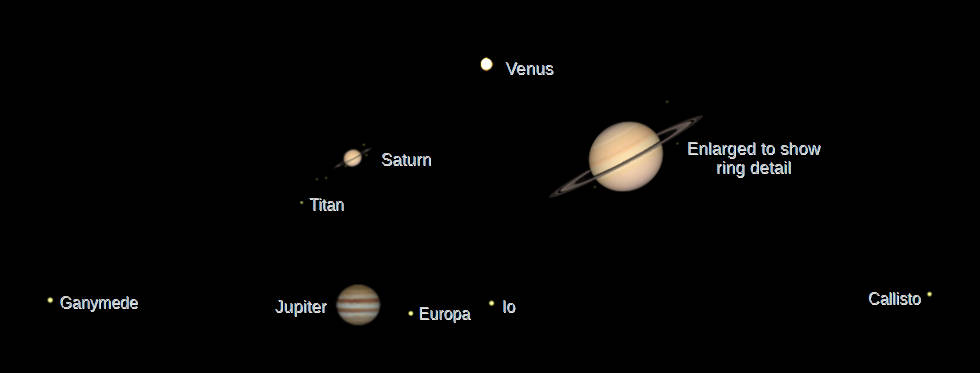
Let’s take our weekly look at the whereabouts of the naked-eye planets. Venus might be spotted in the West southwest only 6° above the horizon at 8 PM, 30 minutes after sunset. It will set at 8:38. Saturn will be low in the east-southeast at that time, but you might have to wait another half hour for it to appear. Saturn may look disappointing in telescopes this year since its rings are nearly edge on and appearing as a line through the planet like it’s stapled onto the sky. Jupiter and Mars will be up in the morning sky, with Jupiter rising about 11 PM now and by 6:30 AM tomorrow, Jupiter will be brighter than the winter stars in the south-southeast. Mars and the Moon will be left and below Jupiter.
The astronomical event times given are for the Traverse City/Interlochen area of Michigan (EDT, UT – 4 hours). Times will be different for other locations.
Addendum
Ephemeris: 09/18/2024 – Checking out where the naked-eye planets are this week
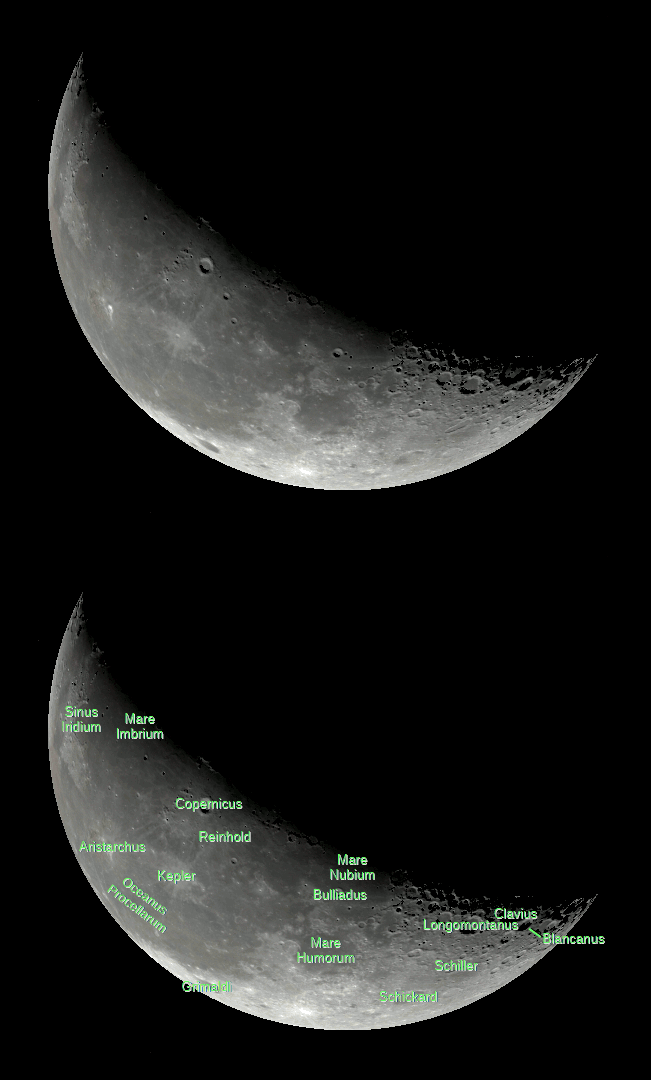
This is Ephemeris for Wednesday, September 18th. Today the Sun will be up for 12 hours and 20 minutes, setting at 7:46, and it will rise tomorrow at 7:27. The Moon, 1 day past full, will rise at 8:08 this evening.
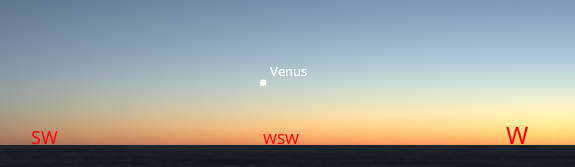
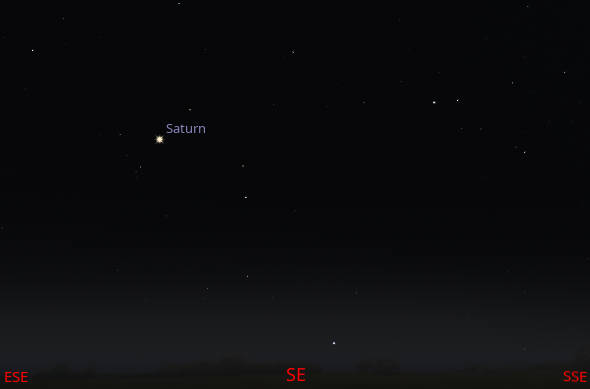
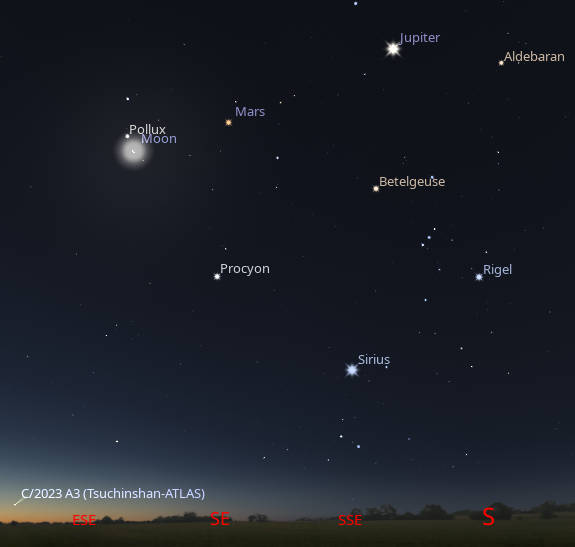
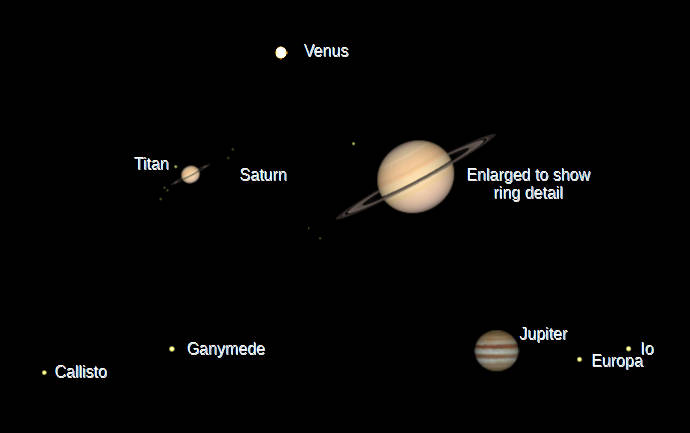
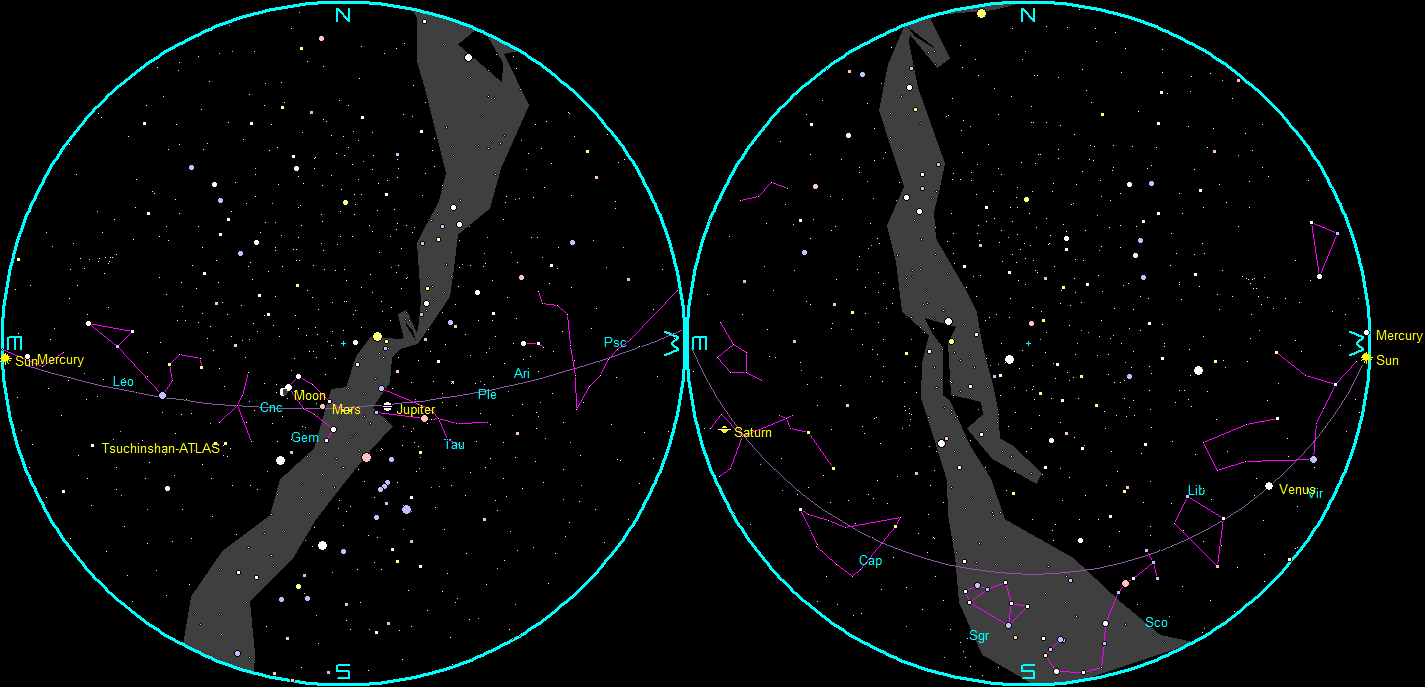
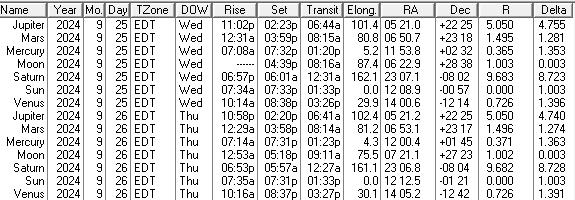
Let’s take our weekly look at the whereabouts of the naked-eye planets. Venus might be spotted in the West southwest only 5° above the horizon at 8:15 or 30 minutes after sunset. It will set at 8:48. Saturn will be low in the east-southeast at that time, with the Moon just rising in the east. Saturn may look disappointing in telescopes this year since its rings are nearly edge on and appearing as a line through the planet like it’s stapled onto the sky. Jupiter and Mars will be up in the morning sky, with Jupiter rising before midnight now and by 6:30 AM tomorrow, Jupiter will be the brightest starlike object in the sky among the winter stars in the south-southeast. Mars will be left and below Jupiter.
The astronomical event times given are for the Traverse City/Interlochen area of Michigan (EDT, UT – 4 hours). Times will be different for other locations.
Addendum
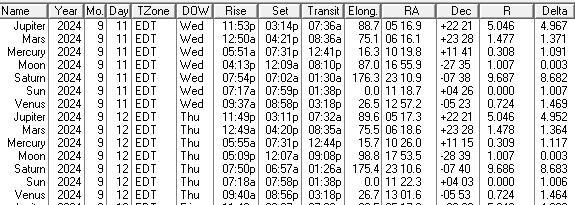
Ephemeris: 09/11/2024 – Where are the naked-eye planets now?
This is Ephemeris for Wednesday, September 11th. Today the Sun will be up for 12 hours and 42 minutes, setting at 7:59, and it will rise tomorrow at 7:18. The Moon, at first quarter today, will set at 12:07 tomorrow morning.
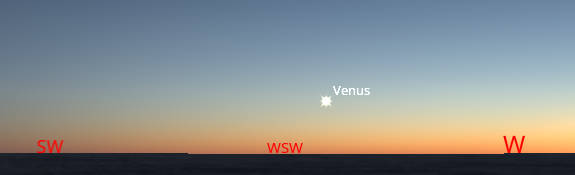
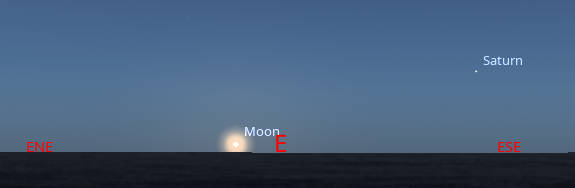
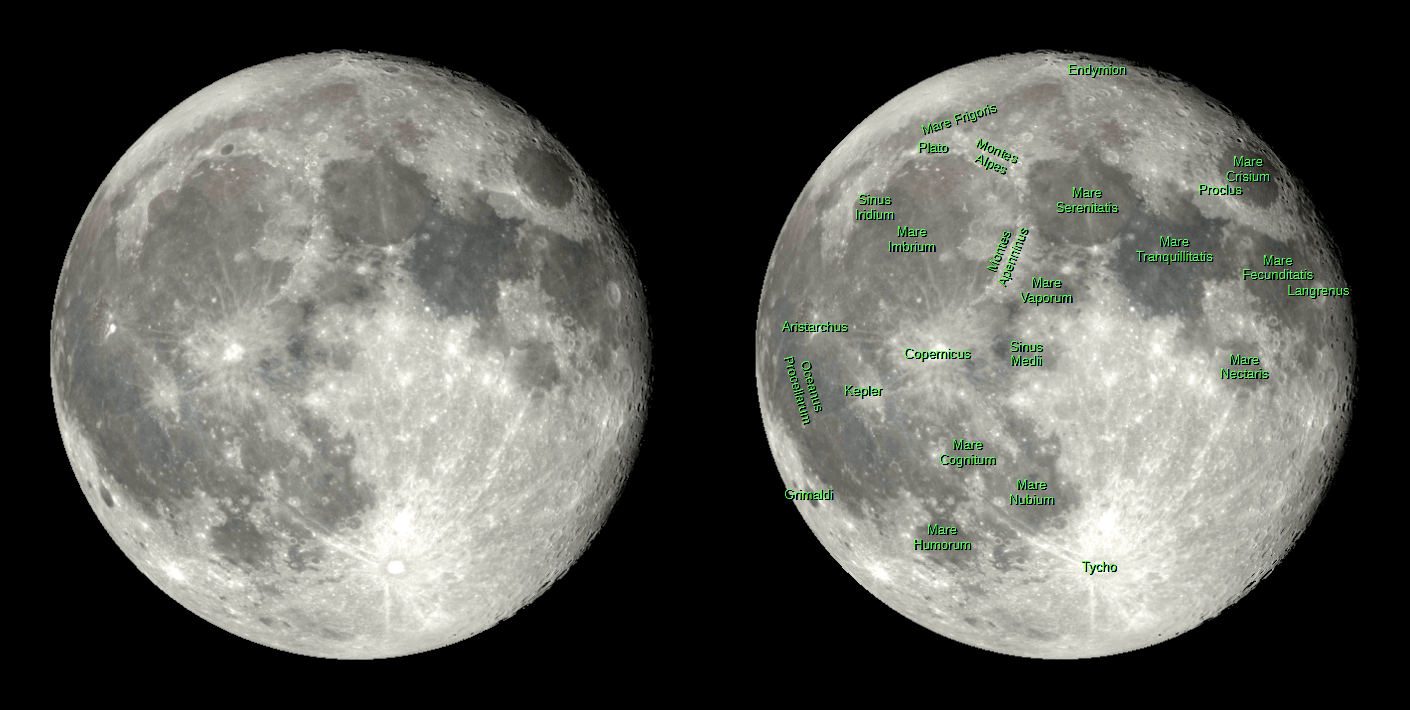
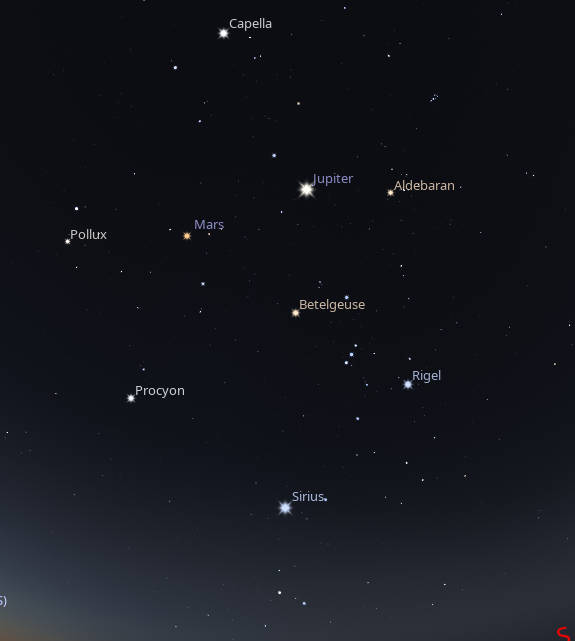
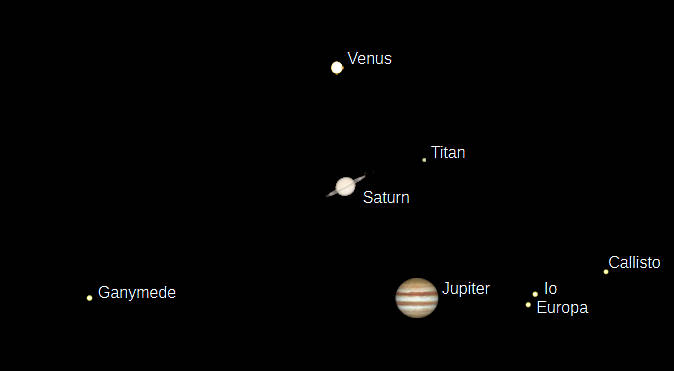
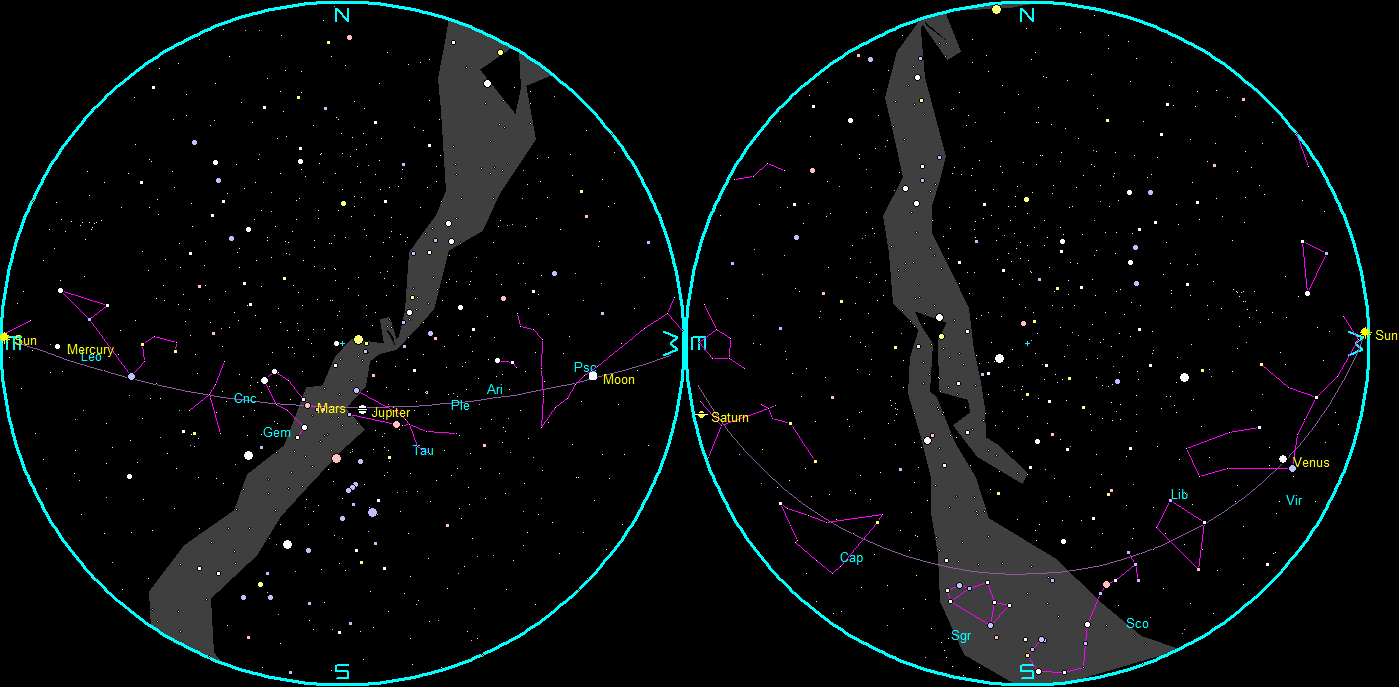
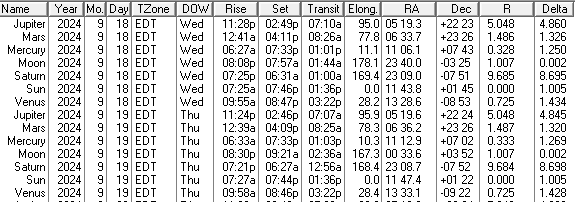
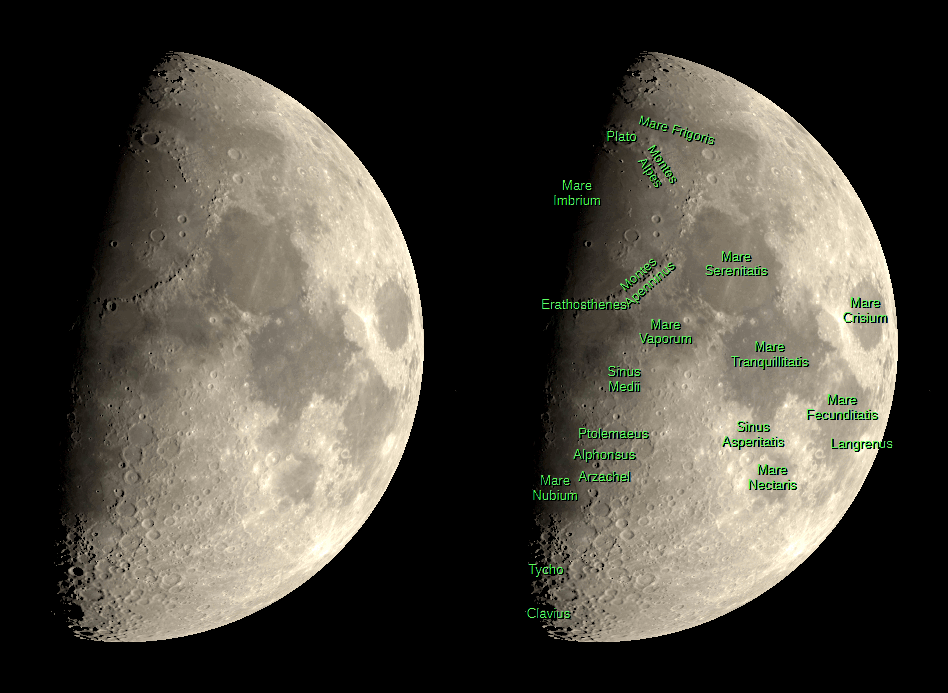
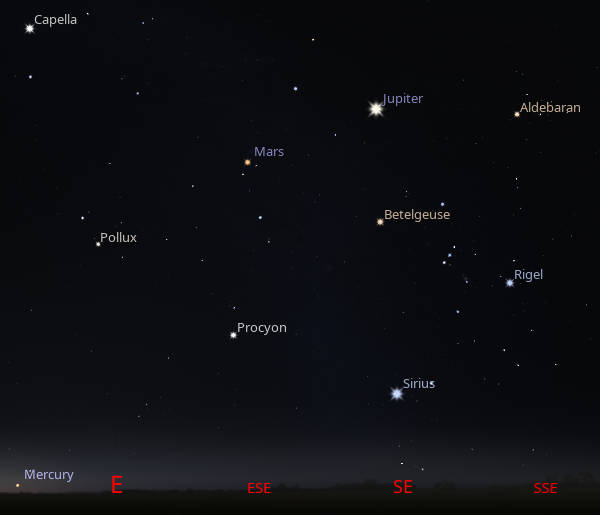
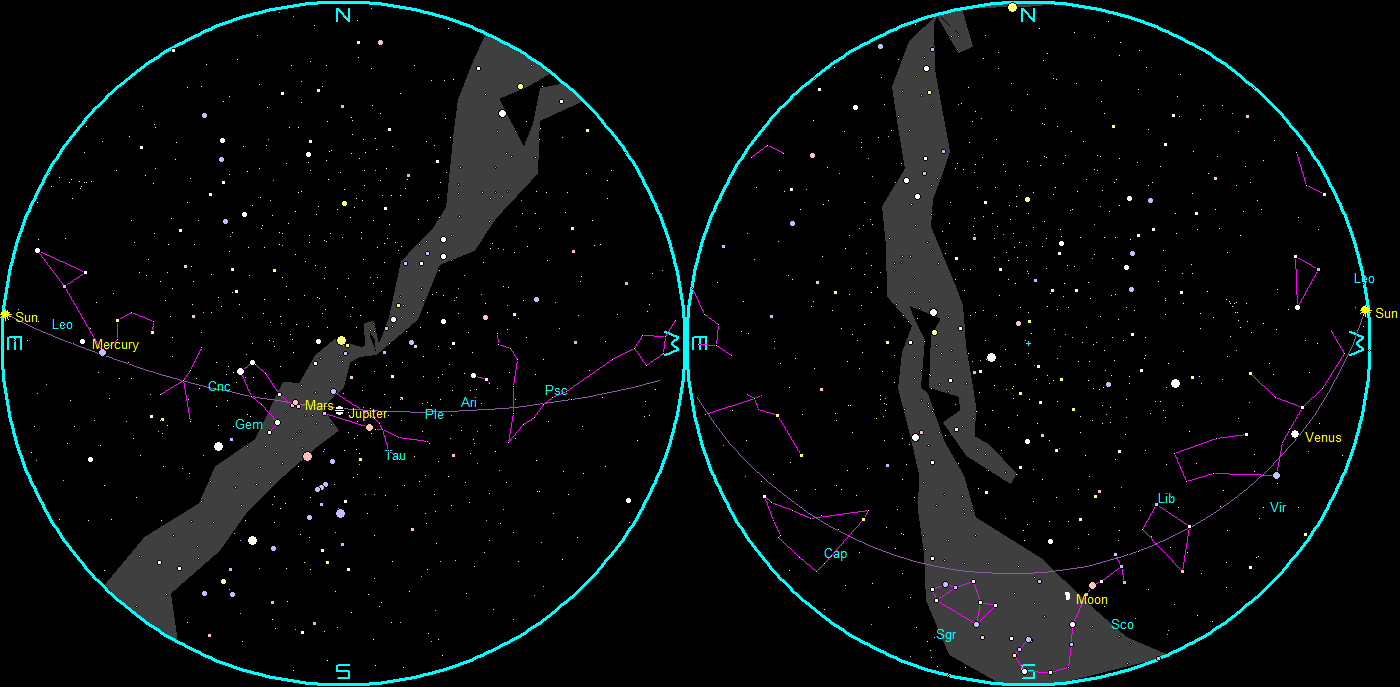
Let’s take our weekly look at the whereabouts of the naked-eye planets. Venus might be glimpsed low in the west around 8:20 PM. It will set at 8:56. It is best seen over a very low or lake horizon. By 9 PM the gibbous Moon will be low in the south. Saturn will be low in the east-southeast, pretty much by itself. Saturn may look disappointing in telescopes this year since its rings are nearly edge on and appearing as a line through the planet. Jupiter and Mars will be up in the east in the morning, and by 6:15 AM tomorrow, Jupiter will be the brightest starlike object in the sky among the winter stars in the southeast. Mars will be left and below Jupiter. Mercury might be spotted near the horizon in the east.
The astronomical event times given are for the Traverse City/Interlochen area of Michigan (EDT, UT – 4 hours). Times will be different for other locations.
Addendum
Ephemeris: 09/10/2024 – What last Saturday’s opposition from the Sun means
This is Ephemeris for Tuesday, September 10th. Today the Sun will be up for 12 hours and 45 minutes, setting at 8:01, and it will rise tomorrow at 7:17. The Moon, 1 day before first quarter, will set at 11:17 this evening.
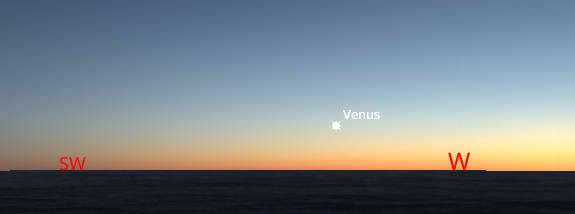
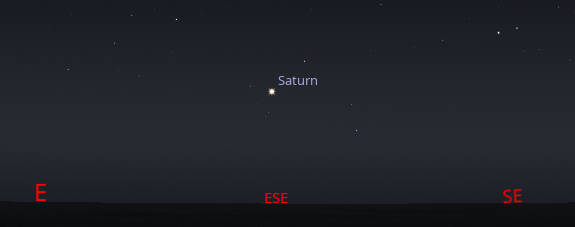
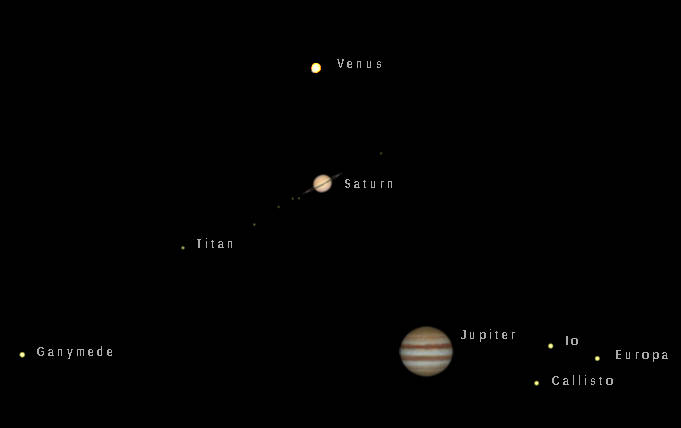
Last Saturday the planet Saturn moved in opposition to the Sun. It’s not an insurrection or anything, but Saturn was opposite the Sun in the sky. At that time Saturn would be closest to the Earth of some 806 million miles (900 km). Saturn is 9 1/2 times the distance of the Earth to the Sun so over the year as Saturn moves from opposition through conjunction with the Sun to opposition again it does not vary in size very much, unlike Venus and Mars which are closer to us and vary a lot in size over their period around our sky. Saturn is now an evening planet and so will become a fixture in our evening skies for the next 4 or so months. It lies in a star poor part of the sky so it’s easy to find. Saturn’s rings are now nearly edge on to us so in a small telescope Saturn looks like a tiny disk stapled onto the sky with the staple being a bright line through the planet.
The astronomical event times given are for the Traverse City/Interlochen area of Michigan (EDT, UT – 4 hours). Times will be different for other locations.
Addendum
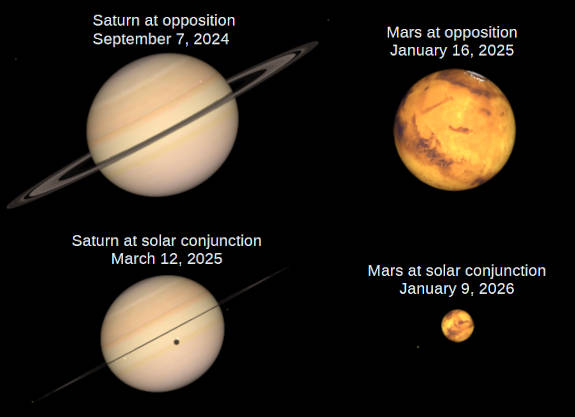
* Mars has a fairly elliptical orbit and next January’s opposition is almost at its farthest. In 2003 Mars was as close as that it has gotten in 50,000 years, or so they tell me. At that time Mars’ apparent size was 72% larger than it will be next January. Mars has its closest oppositions to the Earth every 15 or 17 years. The last time it occurred was in 2018, and the next time will be in 2035.
 Bob Moler's Ephemeris Blog