Archive
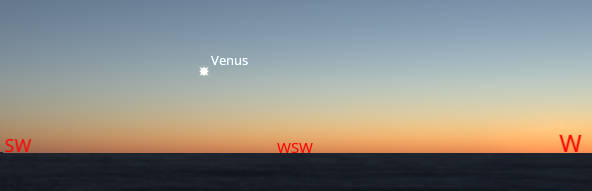
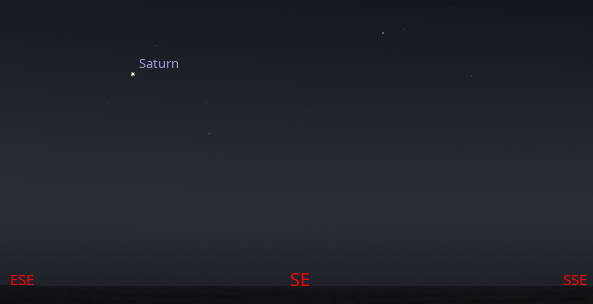
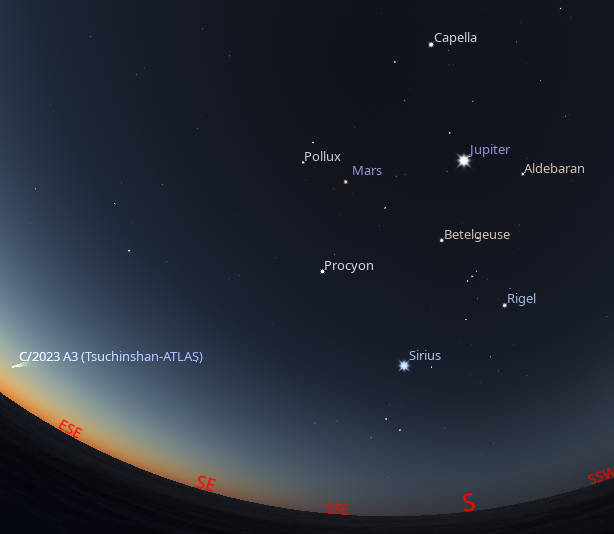
Ephemeris: 10/02/2024 – Taking our weekly look at where the naked-eye planets are
This is Ephemeris for Wednesday, October 2nd. Today the Sun will be up for 11 hours and 37 minutes, setting at 7:20, and it will rise tomorrow at 7:43. The Moon is new today, and won’t be visible.
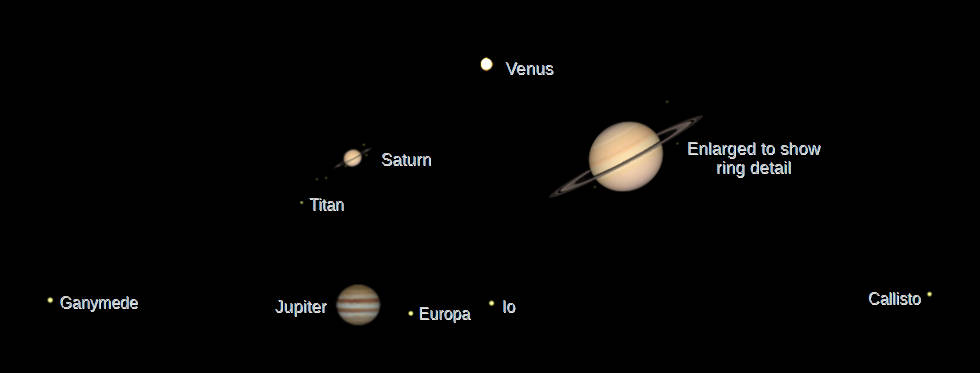
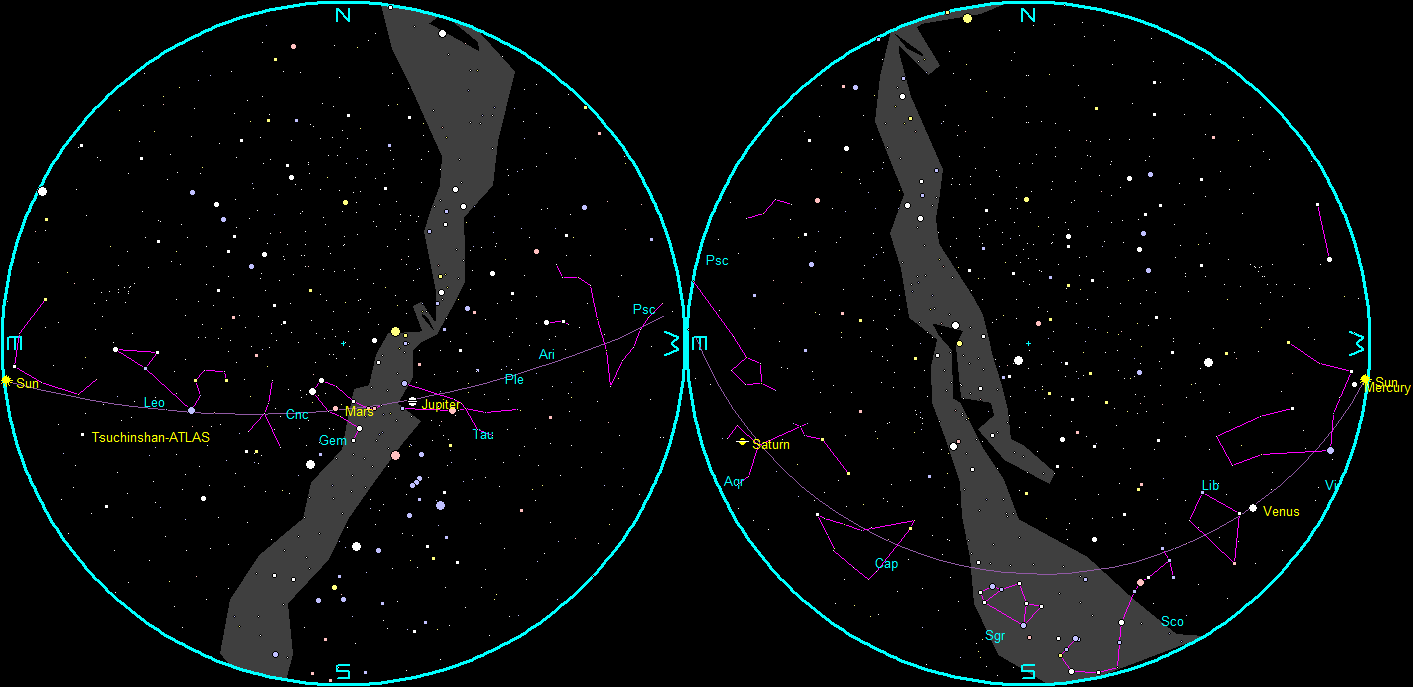
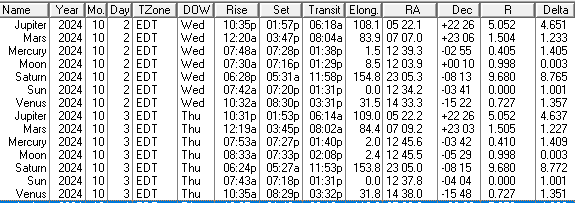
Let’s take our weekly look at the whereabouts of the naked-eye planets. Venus might be spotted in the West southwest only 7° above the horizon at 7:45 PM, 35 minutes after sunset. It will set at 8:30. Saturn will be low in the east-southeast at that time, but you might have to wait another half hour for it to appear. Saturn may look disappointing in telescopes this year since its rings are nearly edge on and appearing as a line through the planet like it’s stapled onto the sky. Jupiter and Mars will be up in the morning sky, with Jupiter rising about 10:30 PM now in the east-northeast and by 7 AM tomorrow, Jupiter will be brighter than the winter stars high in the south. Mars will be left of Jupiter. Comet Tsuchinshan-ATLAS is very low in the east at that hour, but probably too faint to spot.
The astronomical event times given are for the Traverse City/Interlochen area of Michigan (EDT, UT – 4 hours). Times will be different for other locations.
Addendum
Ephemeris: 09/25/2024 – Looking for the naked-eye planets for this week
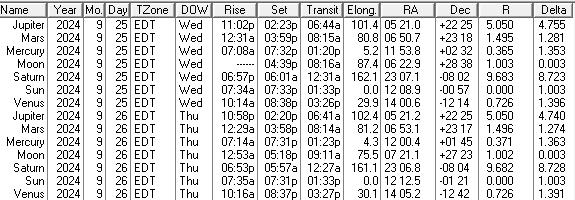
This is Ephemeris for Wednesday, September 25th. Today the Sun will be up for 11 hours and 59 minutes, setting at 7:33, and it will rise tomorrow at 7:35. The Moon, 1 day past last quarter, will rise at 12:53 tomorrow morning.
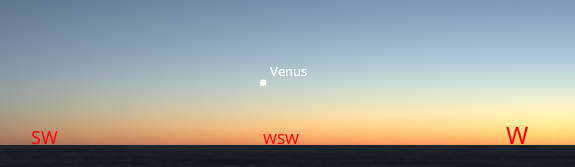
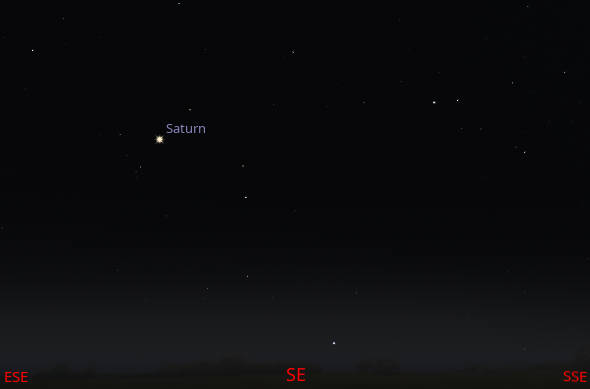
Let’s take our weekly look at the whereabouts of the naked-eye planets. Venus might be spotted in the West southwest only 6° above the horizon at 8 PM, 30 minutes after sunset. It will set at 8:38. Saturn will be low in the east-southeast at that time, but you might have to wait another half hour for it to appear. Saturn may look disappointing in telescopes this year since its rings are nearly edge on and appearing as a line through the planet like it’s stapled onto the sky. Jupiter and Mars will be up in the morning sky, with Jupiter rising about 11 PM now and by 6:30 AM tomorrow, Jupiter will be brighter than the winter stars in the south-southeast. Mars and the Moon will be left and below Jupiter.
The astronomical event times given are for the Traverse City/Interlochen area of Michigan (EDT, UT – 4 hours). Times will be different for other locations.
Addendum
Ephemeris: 09/18/2024 – Checking out where the naked-eye planets are this week
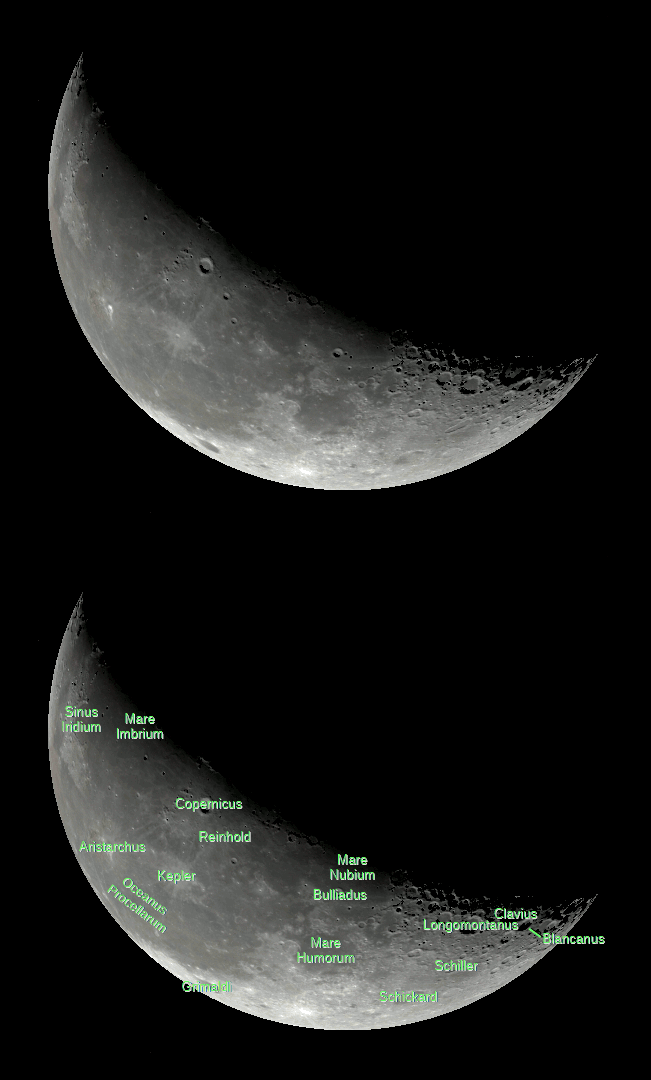
This is Ephemeris for Wednesday, September 18th. Today the Sun will be up for 12 hours and 20 minutes, setting at 7:46, and it will rise tomorrow at 7:27. The Moon, 1 day past full, will rise at 8:08 this evening.
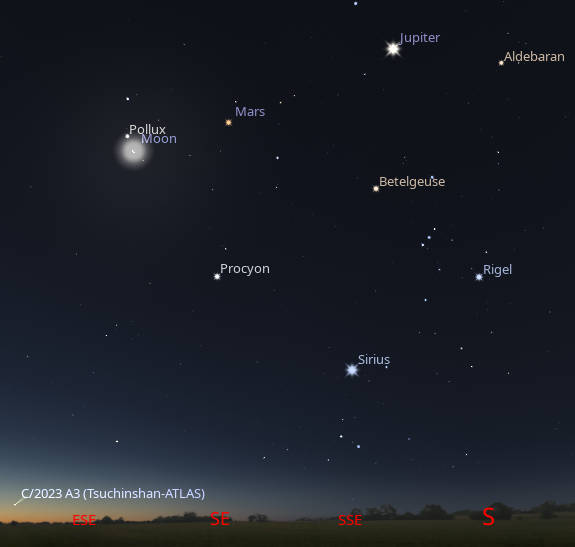
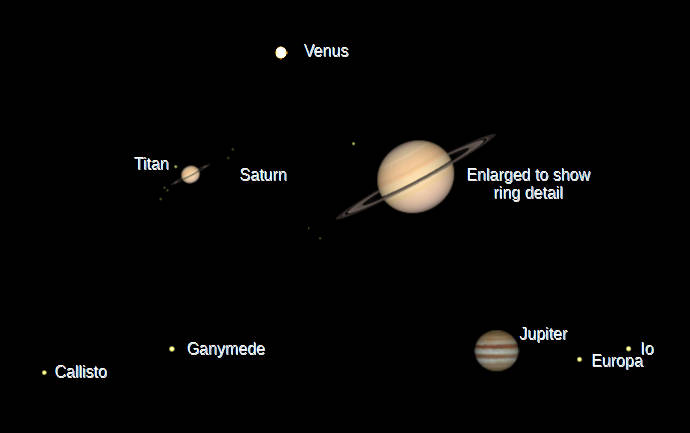
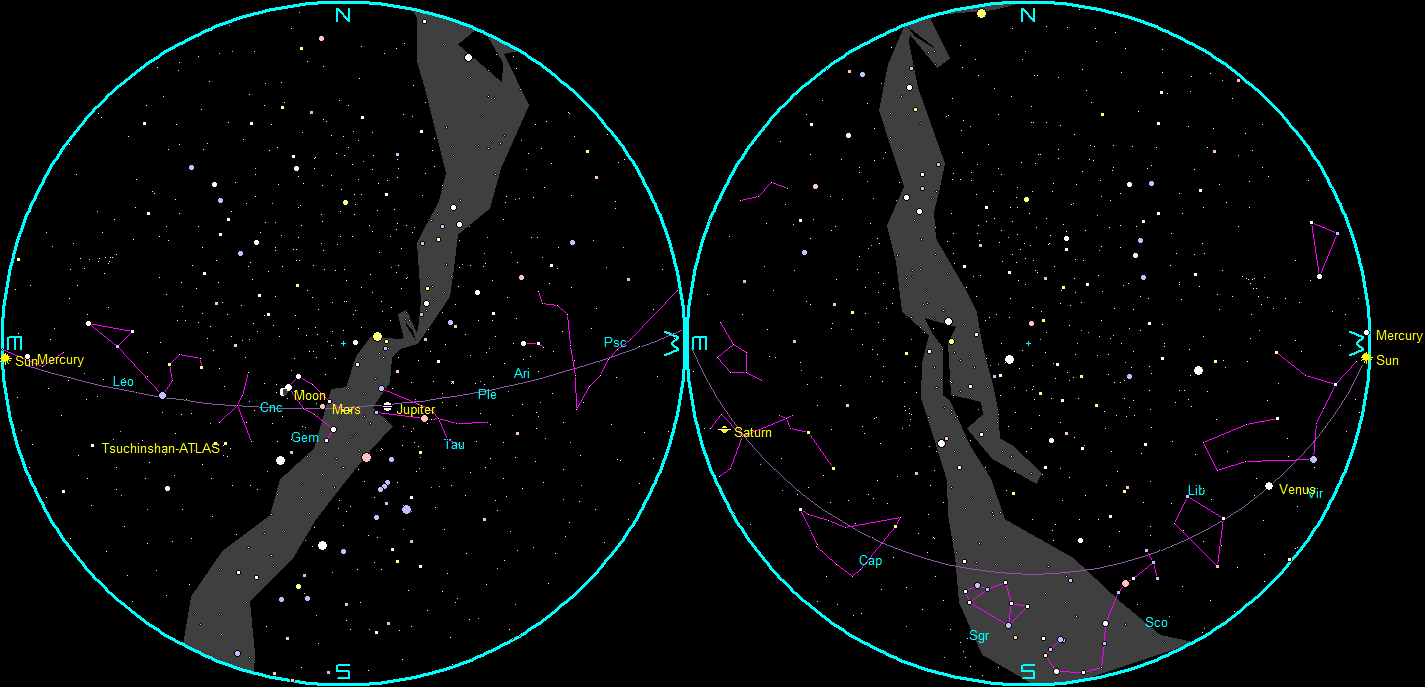
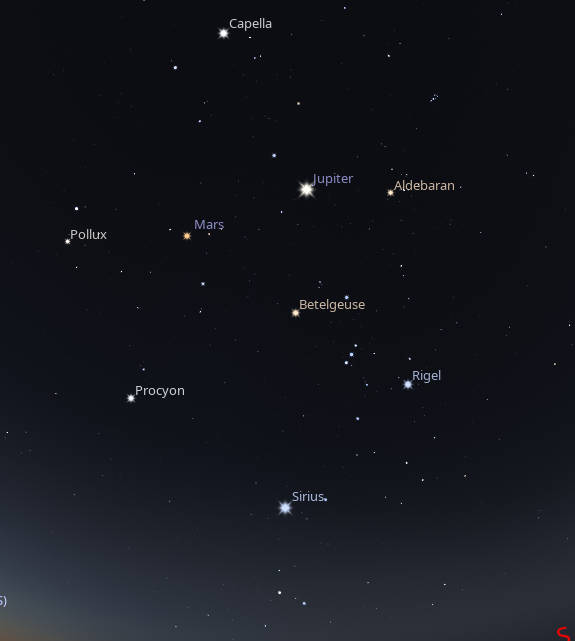
Let’s take our weekly look at the whereabouts of the naked-eye planets. Venus might be spotted in the West southwest only 5° above the horizon at 8:15 or 30 minutes after sunset. It will set at 8:48. Saturn will be low in the east-southeast at that time, with the Moon just rising in the east. Saturn may look disappointing in telescopes this year since its rings are nearly edge on and appearing as a line through the planet like it’s stapled onto the sky. Jupiter and Mars will be up in the morning sky, with Jupiter rising before midnight now and by 6:30 AM tomorrow, Jupiter will be the brightest starlike object in the sky among the winter stars in the south-southeast. Mars will be left and below Jupiter.
The astronomical event times given are for the Traverse City/Interlochen area of Michigan (EDT, UT – 4 hours). Times will be different for other locations.
Addendum
Ephemeris: 09/11/2024 – Where are the naked-eye planets now?
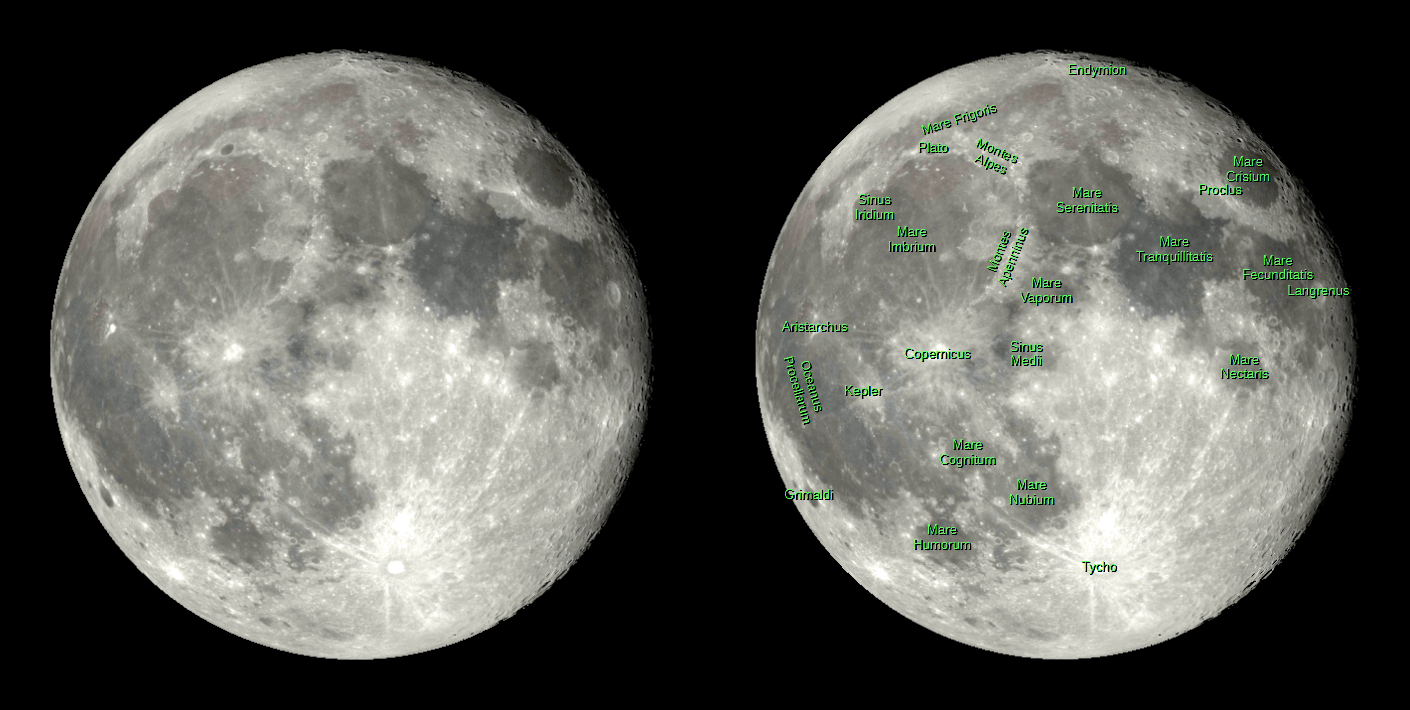
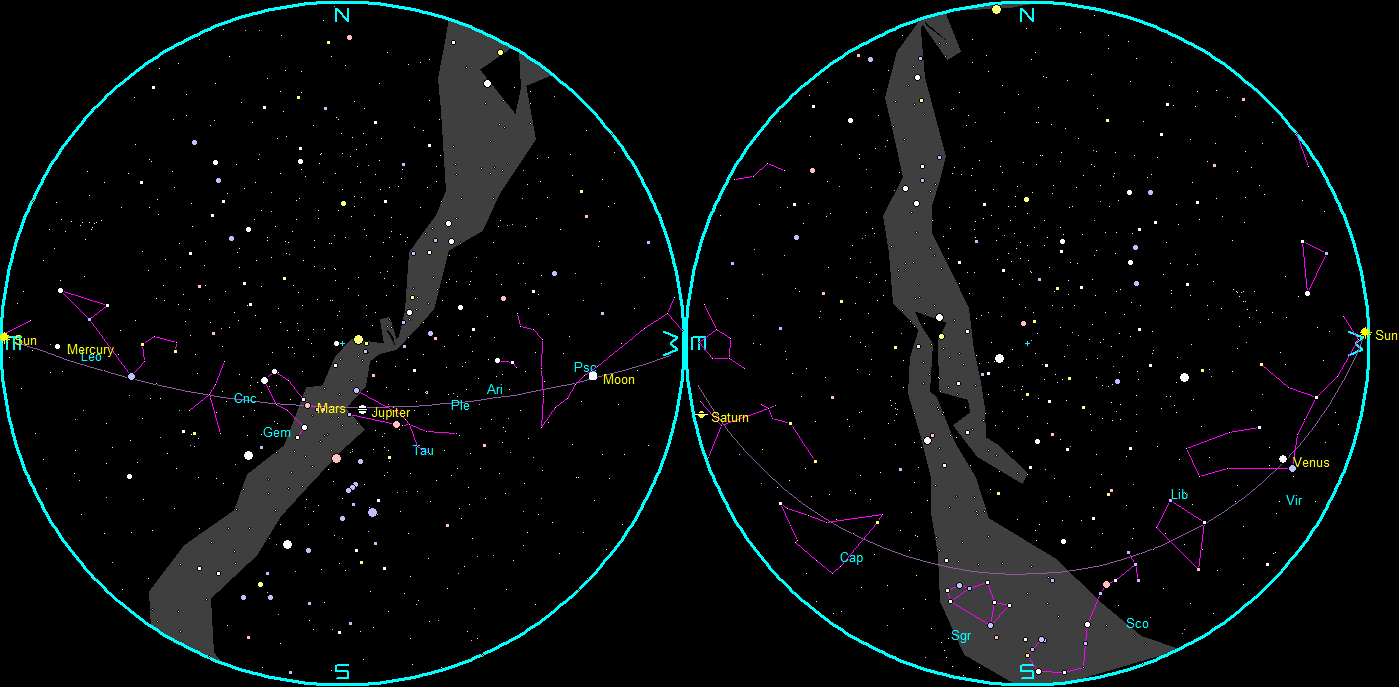
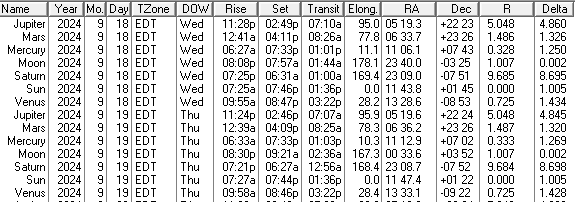
This is Ephemeris for Wednesday, September 11th. Today the Sun will be up for 12 hours and 42 minutes, setting at 7:59, and it will rise tomorrow at 7:18. The Moon, at first quarter today, will set at 12:07 tomorrow morning.
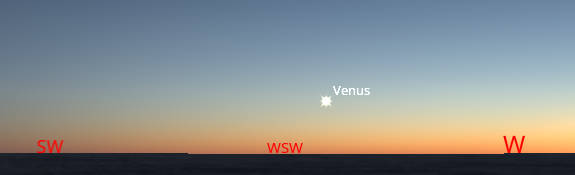
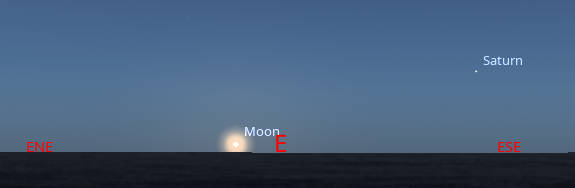
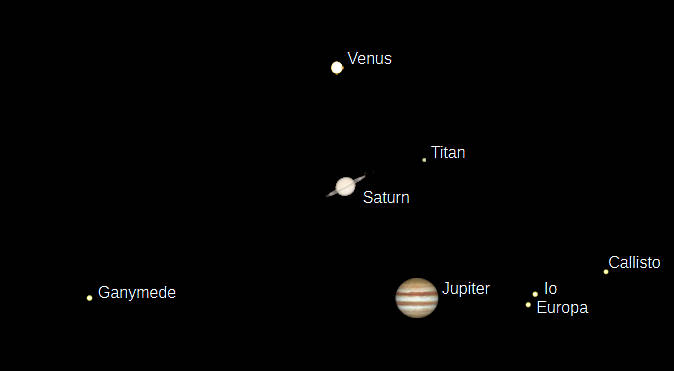
Let’s take our weekly look at the whereabouts of the naked-eye planets. Venus might be glimpsed low in the west around 8:20 PM. It will set at 8:56. It is best seen over a very low or lake horizon. By 9 PM the gibbous Moon will be low in the south. Saturn will be low in the east-southeast, pretty much by itself. Saturn may look disappointing in telescopes this year since its rings are nearly edge on and appearing as a line through the planet. Jupiter and Mars will be up in the east in the morning, and by 6:15 AM tomorrow, Jupiter will be the brightest starlike object in the sky among the winter stars in the southeast. Mars will be left and below Jupiter. Mercury might be spotted near the horizon in the east.
The astronomical event times given are for the Traverse City/Interlochen area of Michigan (EDT, UT – 4 hours). Times will be different for other locations.
Addendum
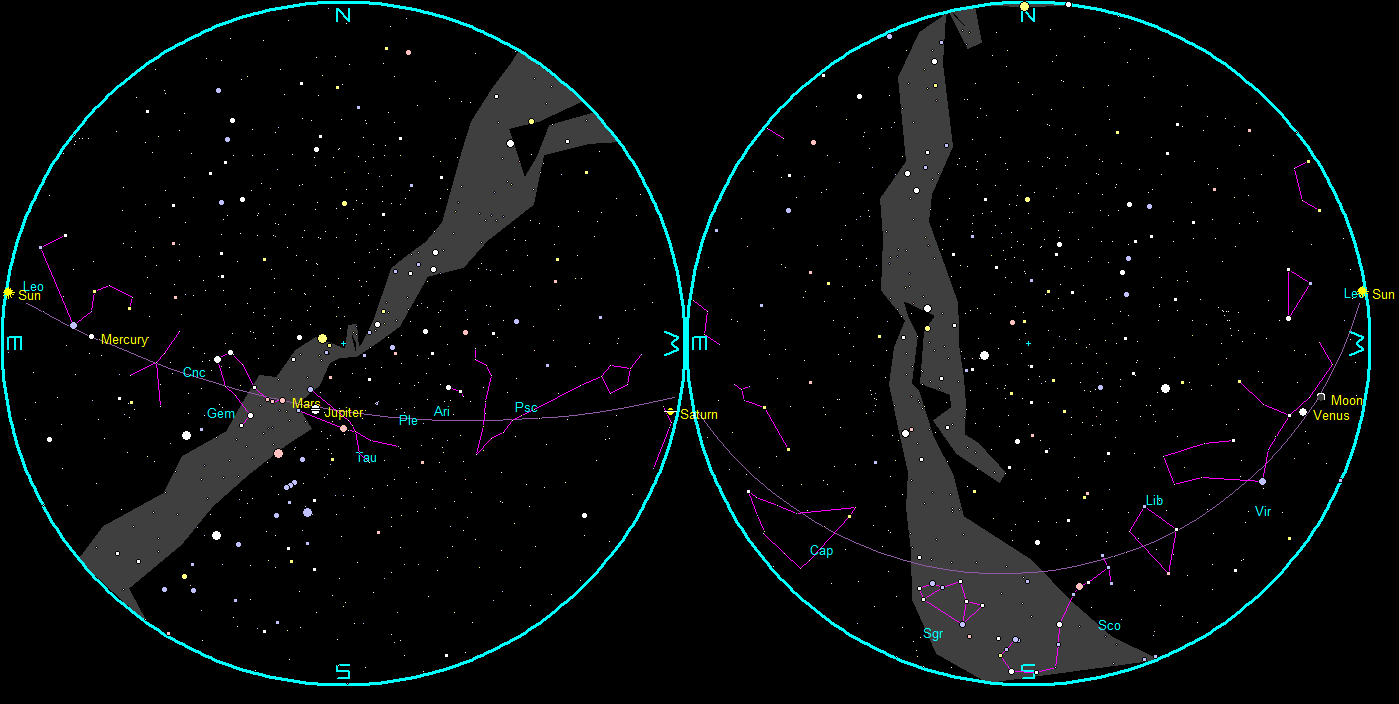
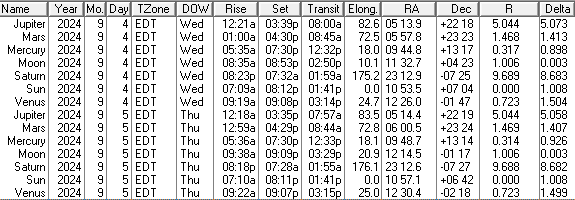
Ephemeris: 09/04/2024 – Where are the naked-eye planets this week?
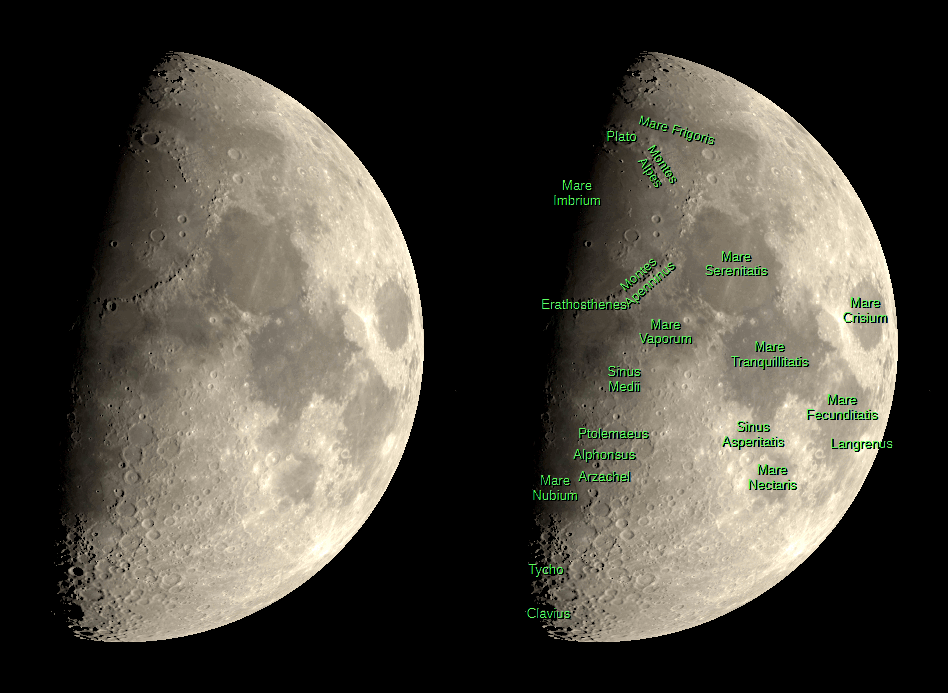
This is Ephemeris for Wednesday, September 4th. Today the Sun will be up for 13 hours and 3 minutes, setting at 8:12, and it will rise tomorrow at 7:10. The Moon, 2 days past new, will set at 8:53 this evening.
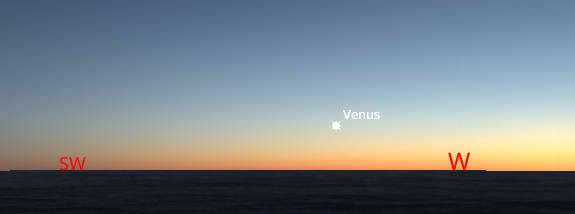
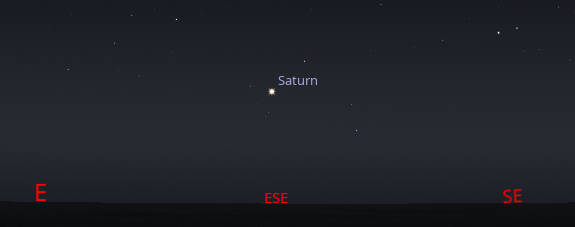
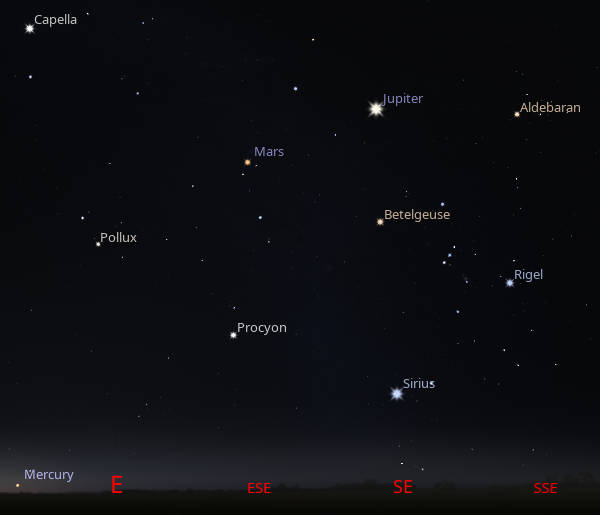
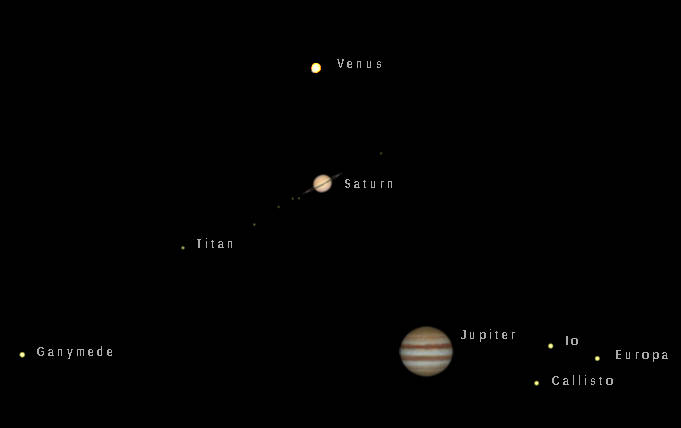
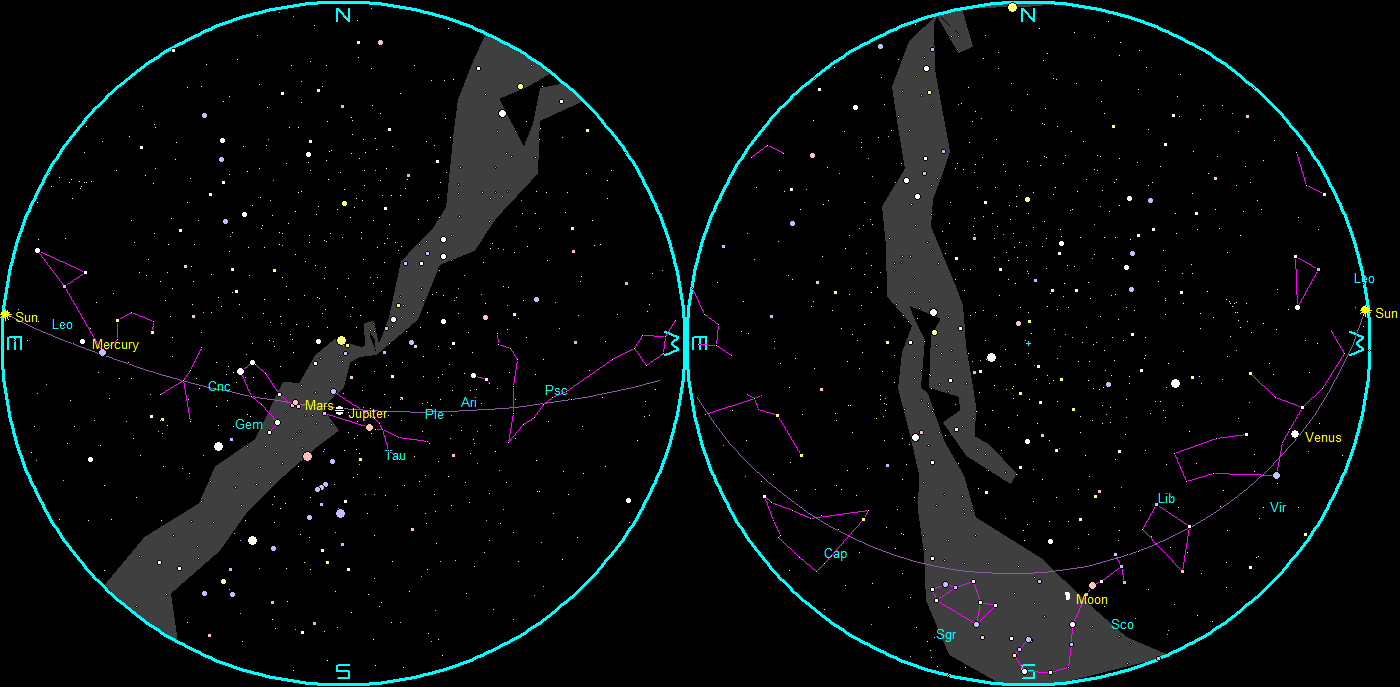
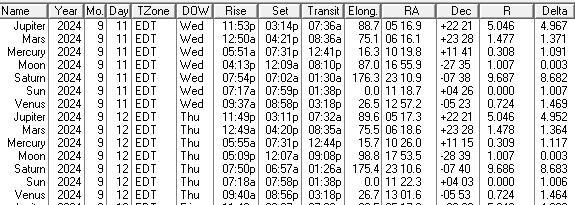
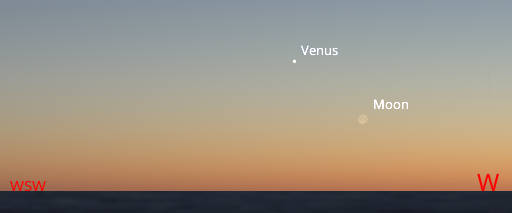
Let’s take our weekly look at the whereabouts of the naked-eye planets. Venus might be glimpsed low in the west around 8:30 PM. It will set at 9:08. It is best seen over a very low or lake horizon. The thin sliver of the Moon might be seen below and to the right. Saturn will rise shortly after sunset, and by 9 PM will be low in the east-southeast, pretty much by itself. Saturn may look disappointing in telescopes this year since its rings are nearly edge on and appearing as a line through the planet. Jupiter and Mars will be up in the east in the morning, and by 6 am tomorrow, Jupiter will be the brightest starlike object in the sky among the winter stars. Mars will be just below it to the left. Mercury might be spotted near the horizon in the east, now and for the next week.
The astronomical event times given are for the Traverse City/Interlochen area of Michigan (EDT, UT– 4 hours). Times will be different for other locations.
Addendum
Ephemeris: 08/28/2024 – Where are the naked-eye planets this week?
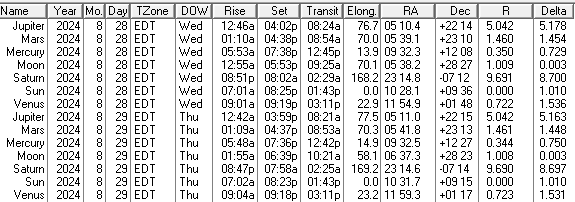
This is Ephemeris for Wednesday, August 28th. Today the Sun will be up for 13 hours and 24 minutes, setting at 8:25, and it will rise tomorrow at 7:02. The Moon, 2 days past last quarter, will rise at 1:55 tomorrow morning.
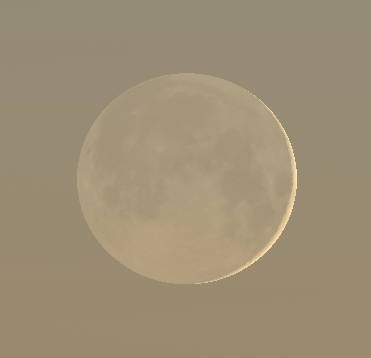
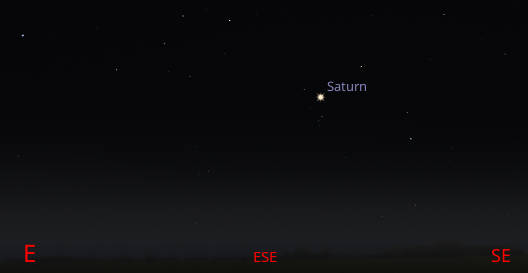
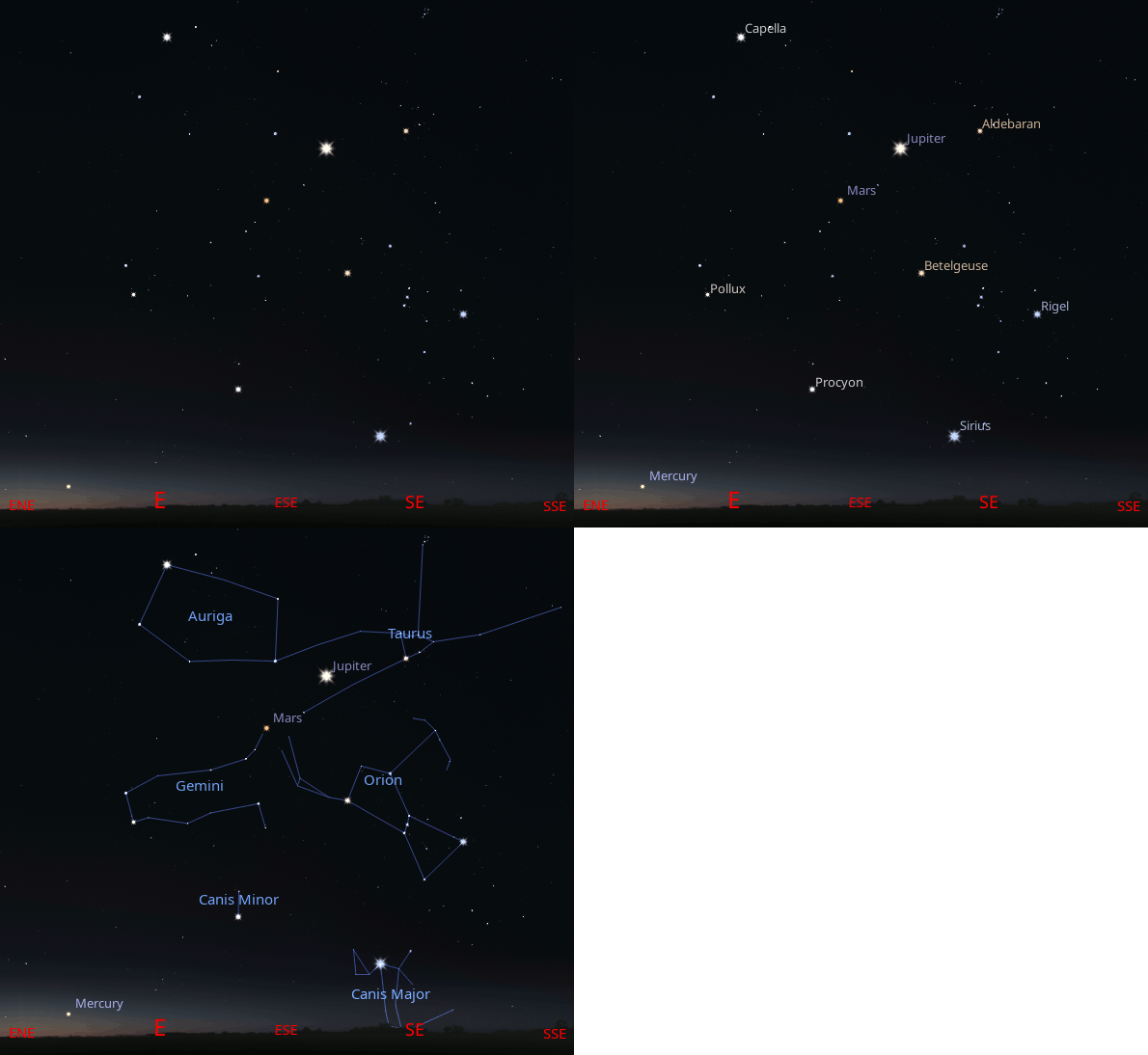
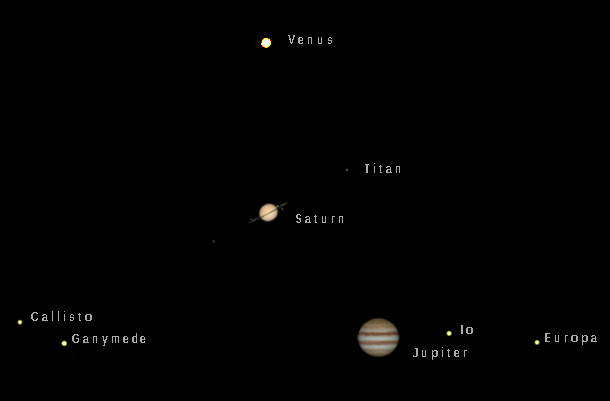
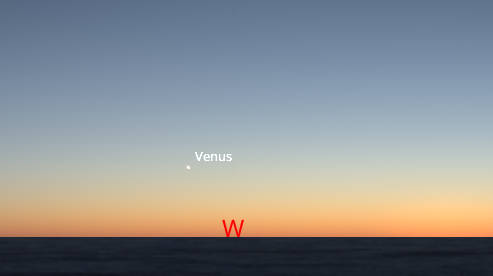
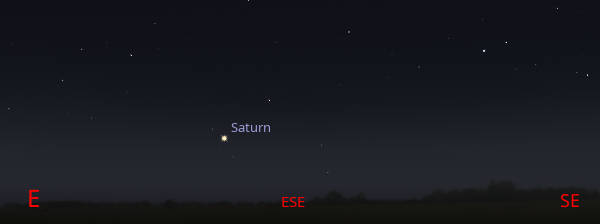
Let’s take our weekly look at the whereabouts of the naked-eye planets. Venus might be glimpsed low in the west around 8:45 PM. It will set at 9:19. It is best seen over a very low or lake horizon. Saturn will rise at 8:52 pm, and by 10 pm will be low in the east-southeast, pretty much by itself. Saturn may look disappointing in telescopes this year since its rings are nearly edge on and appear almost as a line through the planet. Jupiter and Mars will be up in the east in the morning, and by 6 am tomorrow, Jupiter will be the brightest starlike object in the sky among the winter stars. Mars will be just below it to the left. And the waning crescent Moon below left of Mars. Jupiter will rise at 12:42 AM, with Mars rising at 1:09 AM.
The astronomical event times given are for the Traverse City/Interlochen area of Michigan (EDT, UT–4 hours). Times will be different for other locations.
Addendum
Ephemeris: 08/21/2024 – What naked-eye planets are now visible?
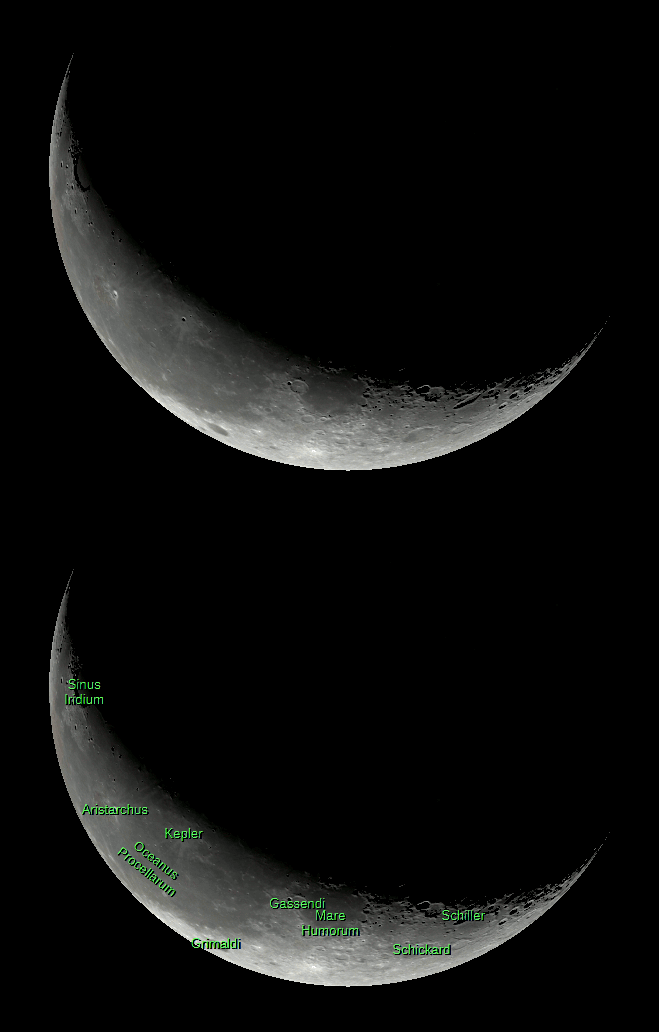
This is Ephemeris for Wednesday, August 21st. Today the Sun will be up for 13 hours and 44 minutes, setting at 8:37, and it will rise tomorrow at 6:54. The Moon, 2 days past full, will rise at 9:46 this evening.
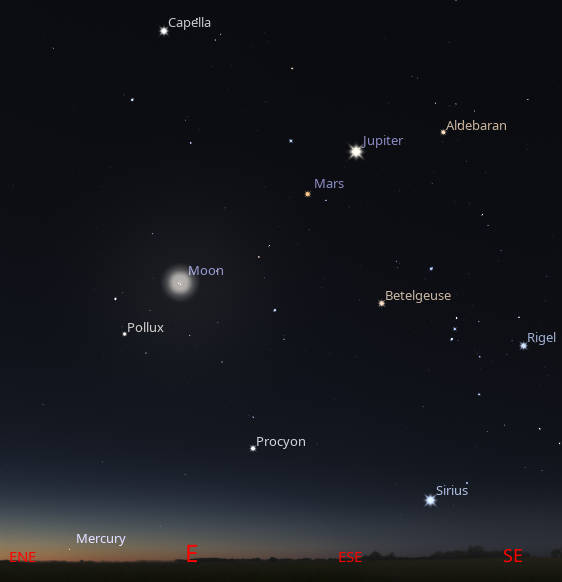
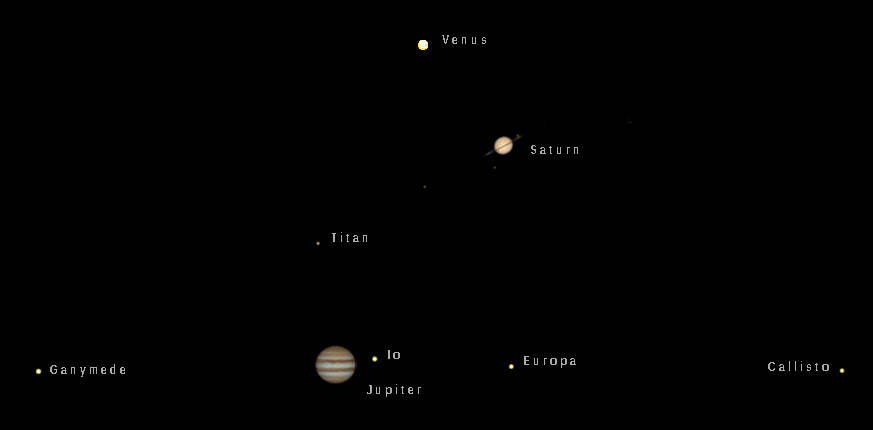
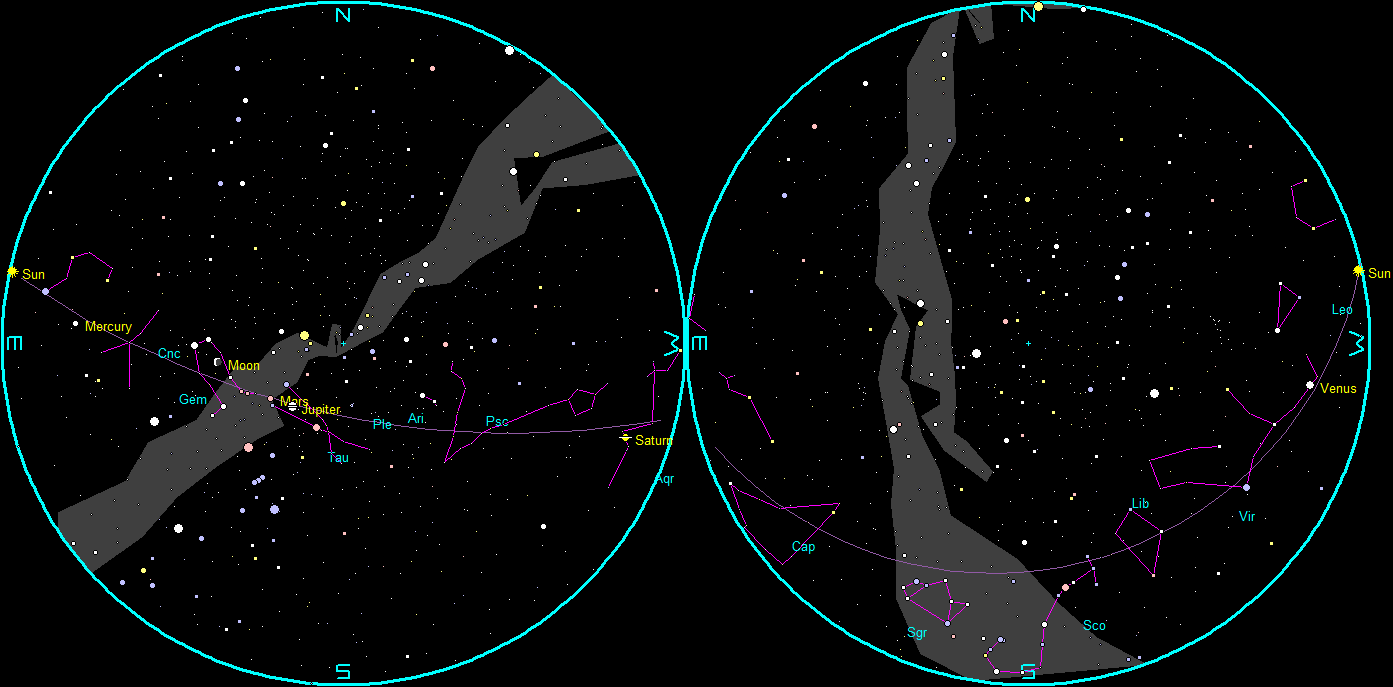
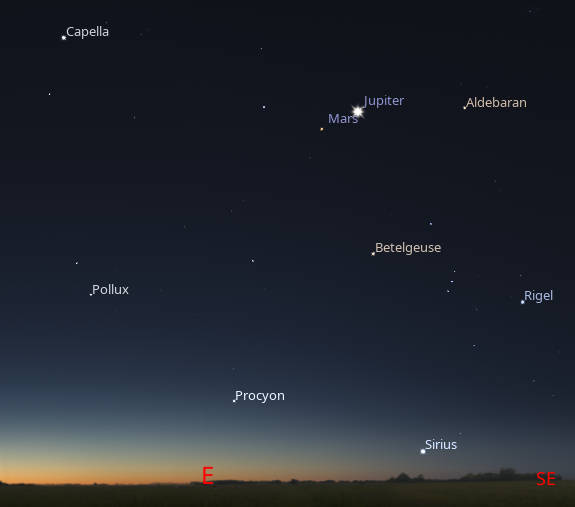
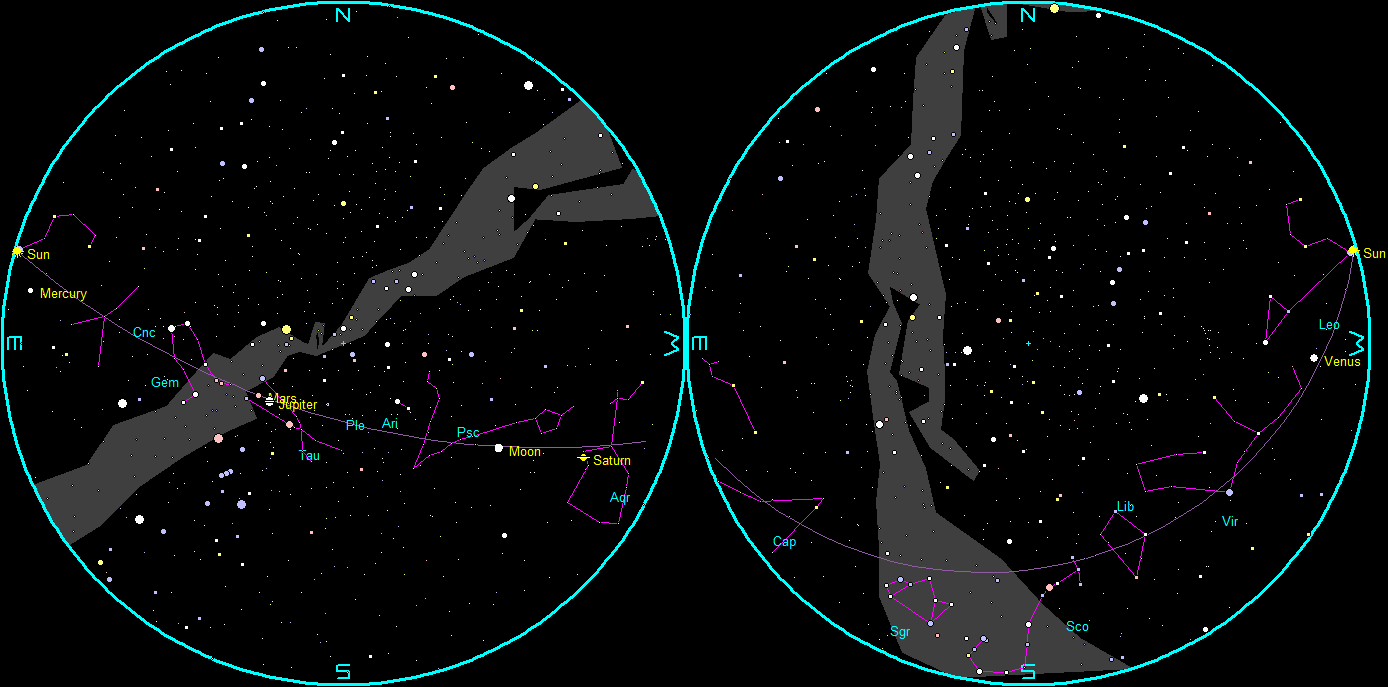
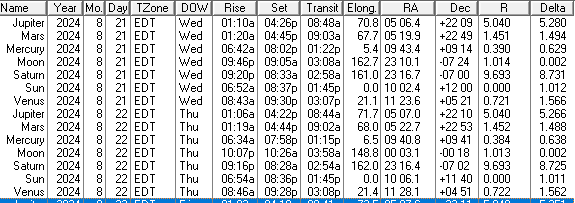
Let’s take our weekly look at the whereabouts of the naked-eye planets. Venus might be glimpsed low in the west with Venus lower in the west around 9:15 pm. It will set at 9:31. It is best seen over a very low or lake horizon. Saturn will rise at 9:21 pm, and by 10:30 pm will be low in the east southeast, pretty much by itself. Saturn may look disappointing in telescopes this year since rings are nearly edge on and appear almost as a line through the planet. Jupiter and Mars will be up in the east in the morning, and by 6 am tomorrow, Jupiter will be the brightest starlike object in the sky among the winter stars. Mars will be just below it to the left. Jupiter will rise at 1:06 am, with Mars rising 13 minutes later.
The astronomical event times given are for the Traverse City/Interlochen area of Michigan (EDT, UT–4 hours). Times will be different for other locations.
Addendum
Ephemeris: 08/20/2024 – The Moon will pass Saturn tonight
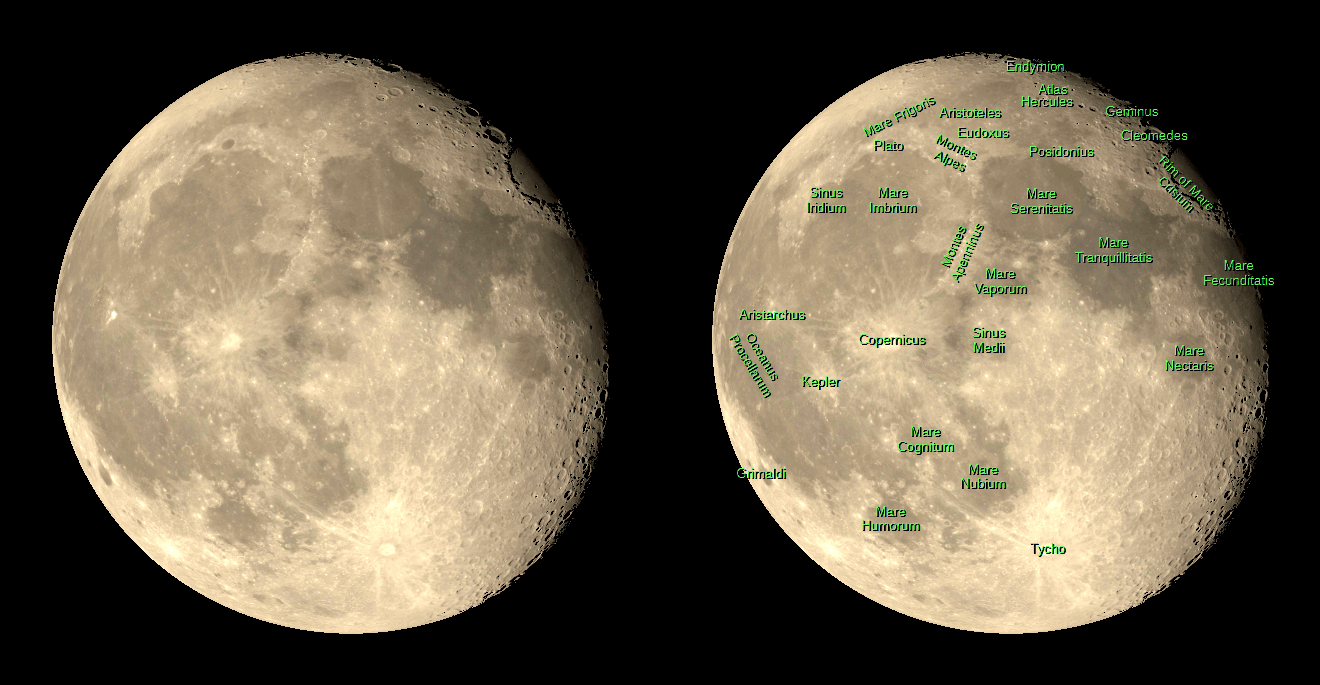
This is Ephemeris for Tuesday, August 20th. Today the Sun will be up for 13 hours and 47 minutes, setting at 8:39, and it will rise tomorrow at 6:52. The Moon, 1 day past full, will rise at 9:25 this evening.
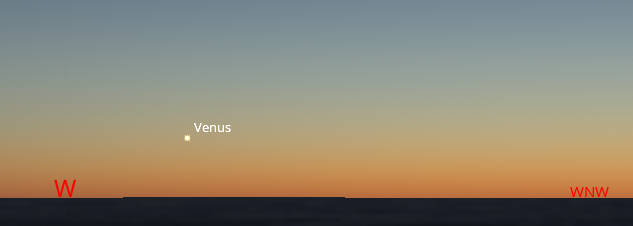
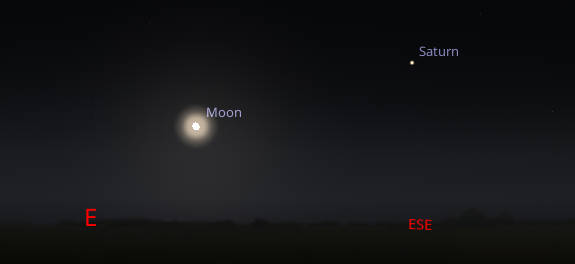
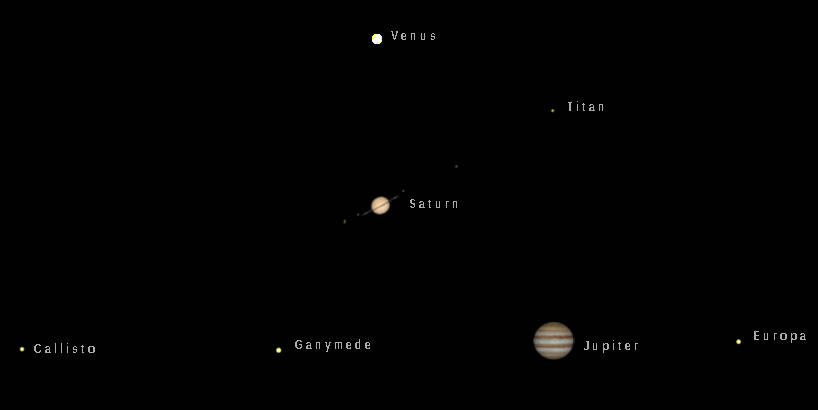
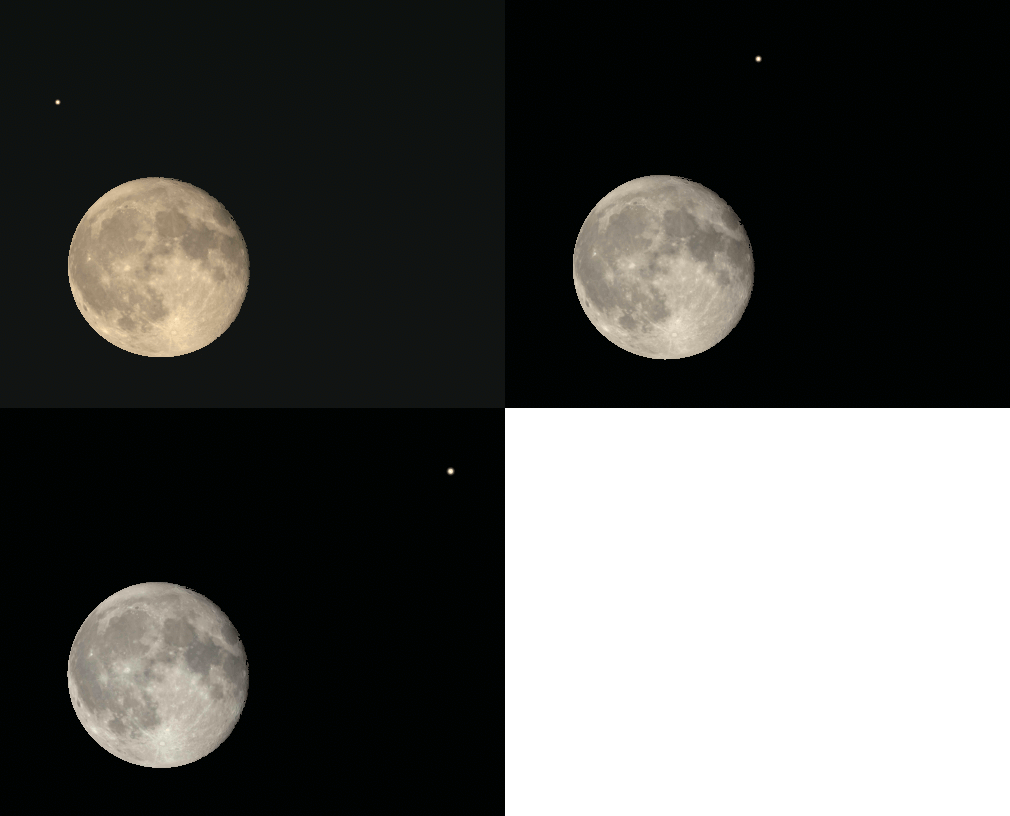
The bright Moon tonight will have a companion. It will be the planet Saturn, which the Moon will pass below this evening. The Moon being very bright will make it difficult to spot Saturn. So it will seem that Saturn is moving above the Moon, not the other way around. It may take a pair of binoculars to spot Saturn because it will be less than the diameter of the Moon above and to the left of the Moon early in the evening. Moving to the upper right of the Moon towards midnight. Our next full moon will be the Harvest Moon. We’re already seeing the harvest moon effect, that is the Moon rises at nearly the same time on consecutive nights, or almost so. Tomorrow’s Moon will rise only 21 minutes later than tonight’s Moon, at much less than the 50 minutes per night average.
The astronomical event times given are for the Traverse City/Interlochen area of Michigan (EDT, UT–4 hours). Times will be different for other locations.
Addendum
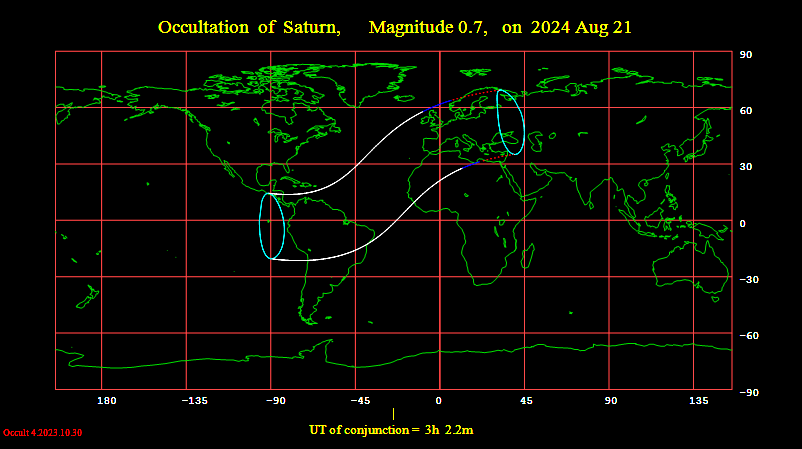
Saturn will be occulted (covered up) by the Moon tonight for portions of the Earth
Ephemeris: 08/14/2024 – Which of the naked-eye planets can be seen tonight?
This is Ephemeris for Wednesday, August 14th. Today the Sun will be up for 14 hours and 4 minutes, setting at 8:49, and it will rise tomorrow at 6:45. The Moon, 2 days past first quarter, will set at 1:25 tomorrow morning.
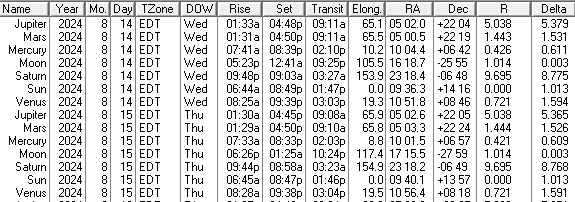
Let’s take our weekly look at the whereabouts of the naked-eye planets. Venus might be glimpsed low in the west with Venus lower in the west around 9:15 pm. It will set at 9:40. It is best seen over a very low or lake horizon. Saturn will rise at 9:49 pm, and by 11 pm will be low in the east southeast, pretty much by itself. Saturn may look disappointing in telescopes this year since rings are nearly edge on and appear almost as a line through the planet. Jupiter and Mars will be up in the east by 5:30 am tomorrow, with Mars one moon-width left of the much brighter Jupiter. They were a bit closer this morning with Mars two thirds of a moon-width to the upper left of Jupiter. That giant planet outshines all the bright stars around it. Jupiter will rise at 1:30 am, with Mars a couple of minutes later.
The astronomical event times given are for the Traverse City/Interlochen area of Michigan (EDT, UT–4 hours). Times will be different for other locations.
Addendum
Ephemeris: 08/07/2024 – Where have the naked eye planets wandered off to?
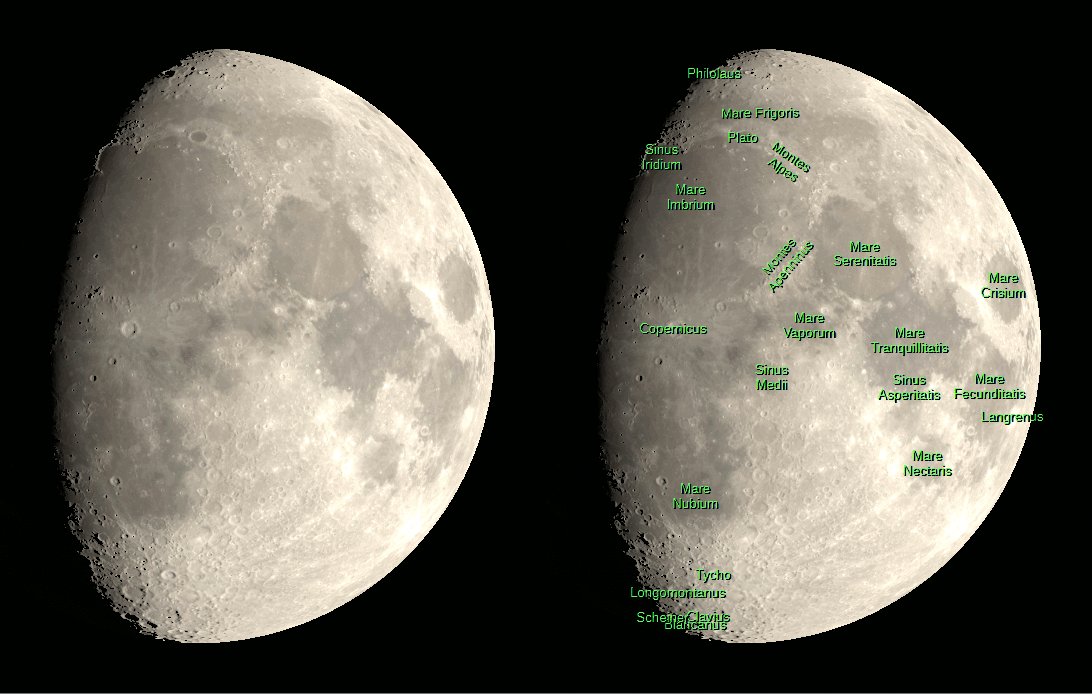
This is Ephemeris for Wednesday, August 7th. Today the Sun will be up for 14 hours and 23 minutes, setting at 8:59, and it will rise tomorrow at 6:37. The Moon, 3 days past new, will set at 10:31 this evening.
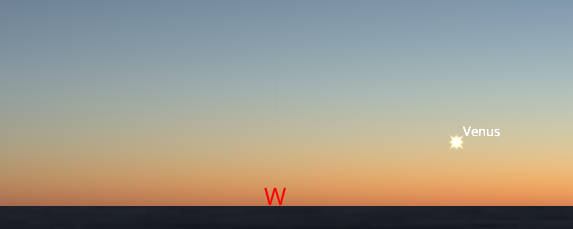
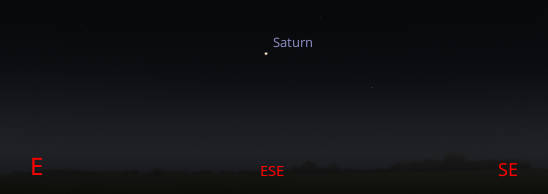
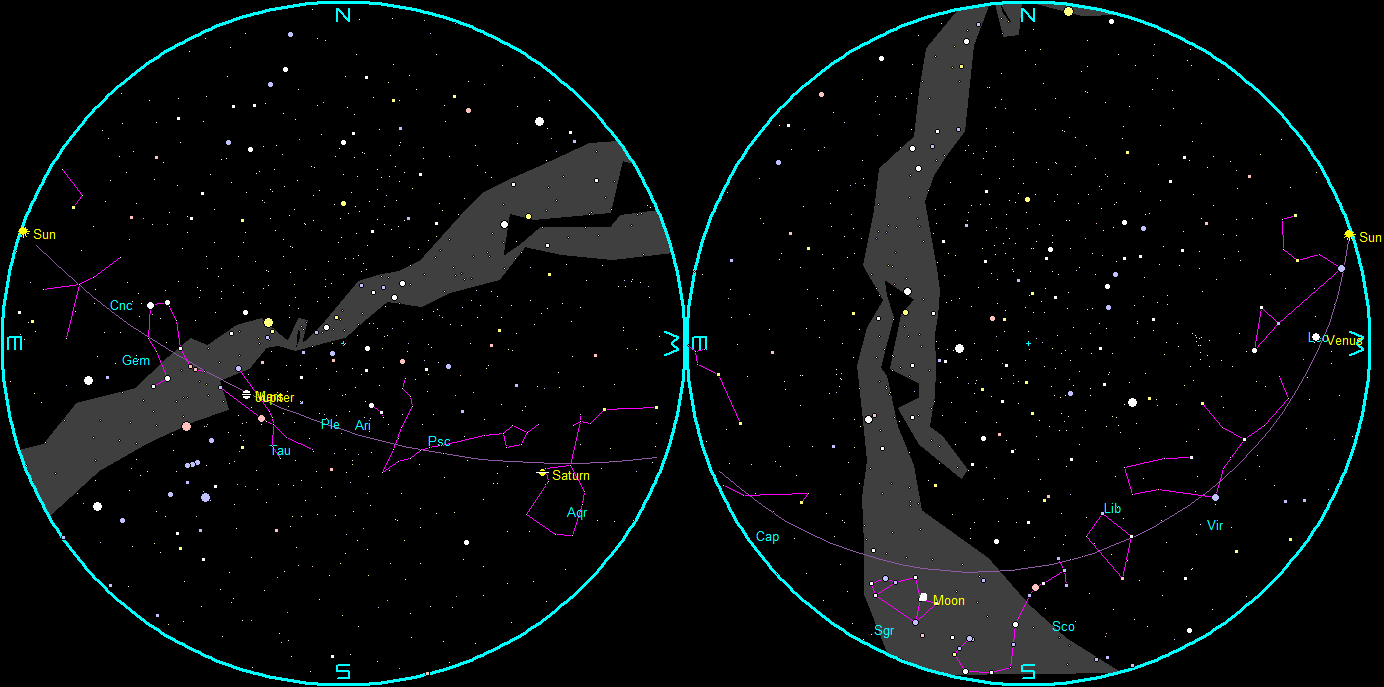
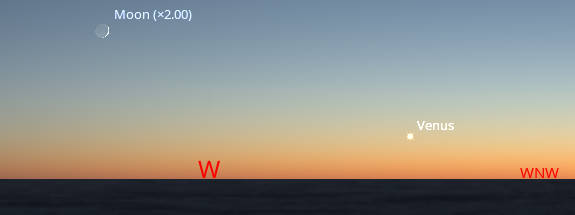
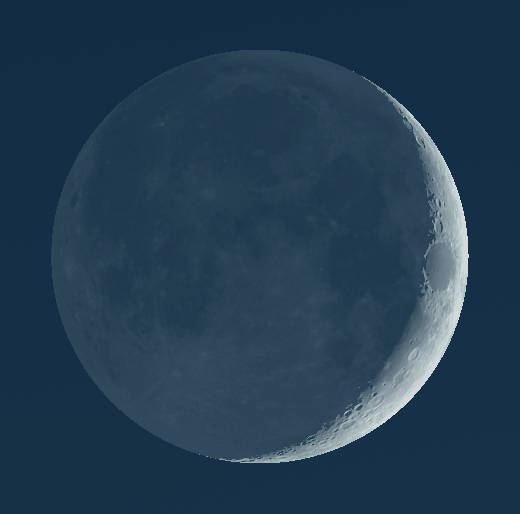
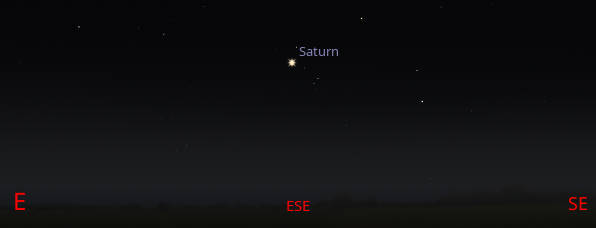
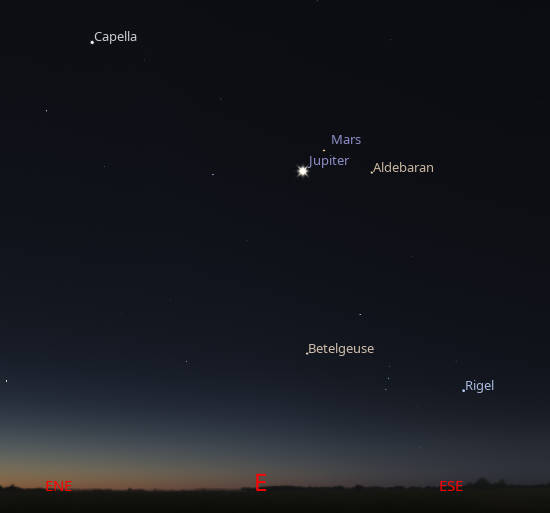
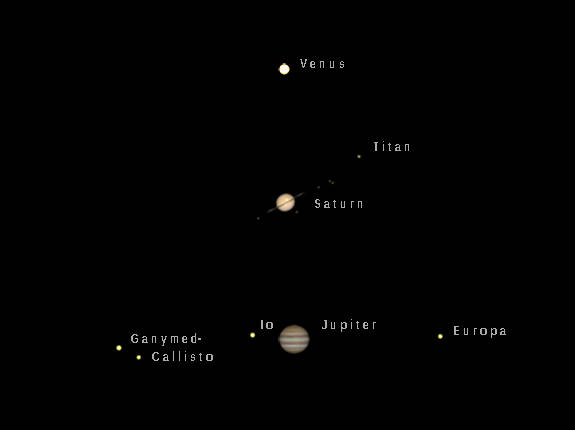
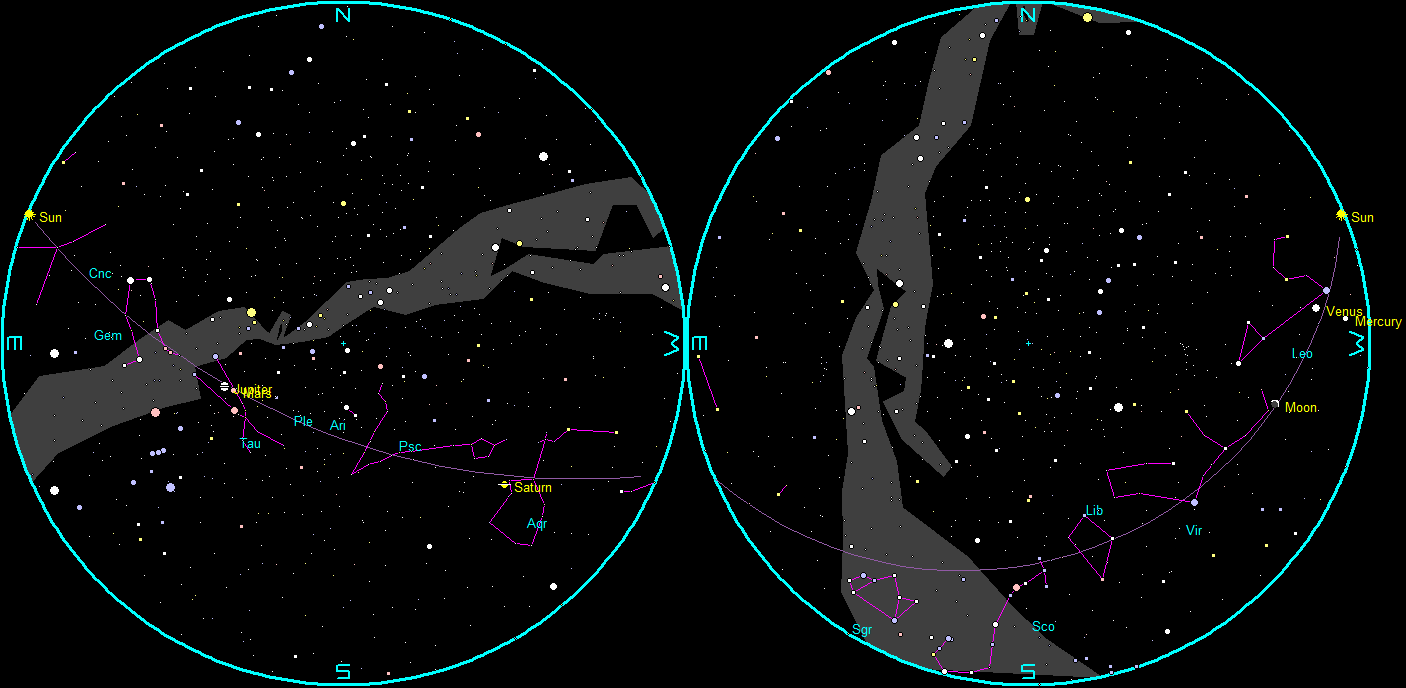
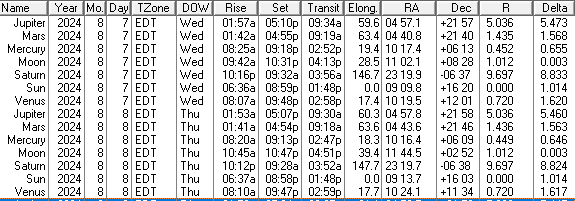
Let’s take our weekly look at the whereabouts of the naked-eye planets. The Moon will be visible as a thin crescent in the west with Venus lower in the west northwest around 9:30 pm. It will set at 9:56 pm in the west-northwest. Venus is best seen over a very low or lake horizon. Saturn will rise at 10:17 pm, and by 11 pm will be low in the east southeast, pretty much by itself. Saturn may look disappointing in telescopes this year since rings are nearly edge on and appear almost as a line through the planet. The other two visible planets are in the morning sky.
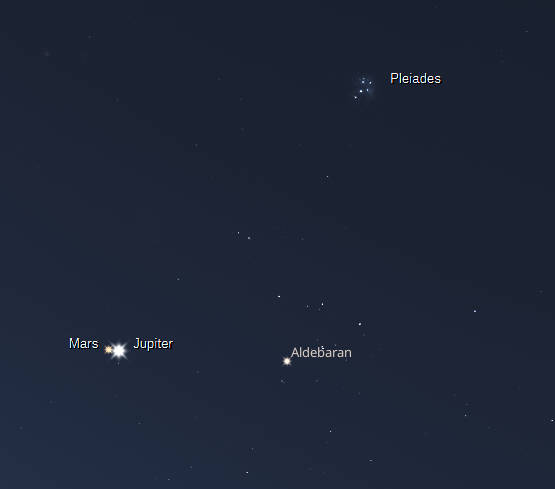
By 5:30 tomorrow morning, or an hour before sunrise, Jupiter and Mars will be up in the east, with Mars approaching Jupiter just above and to the right of it. Mars will rise at 1:41 am, and Jupiter at 1:53 am.
The astronomical event times given are for the Traverse City/Interlochen area of Michigan (EDT, UT–4 hours). Times will be different for other locations.
Addendum
 Bob Moler's Ephemeris Blog