Archive
Ephemeris: 02/16/2026 – The Dog Star
This is Bob Moler with Ephemeris for President’s Day, Monday, February 16th. Today the Sun will be up for 10 hours and 31 minutes, setting at 6:12, and it will rise tomorrow at 7:39. The Moon, 1 day before new, will rise at 7:51 tomorrow morning.
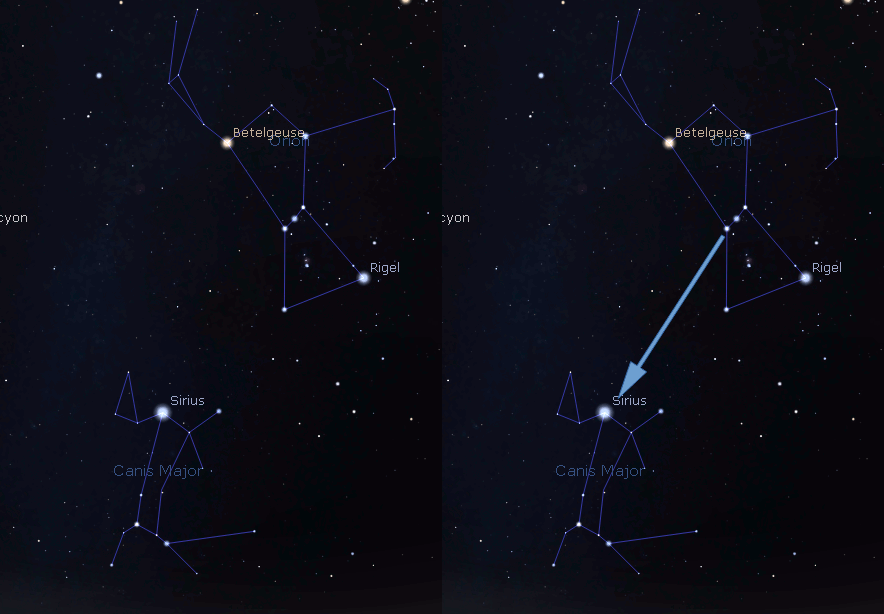
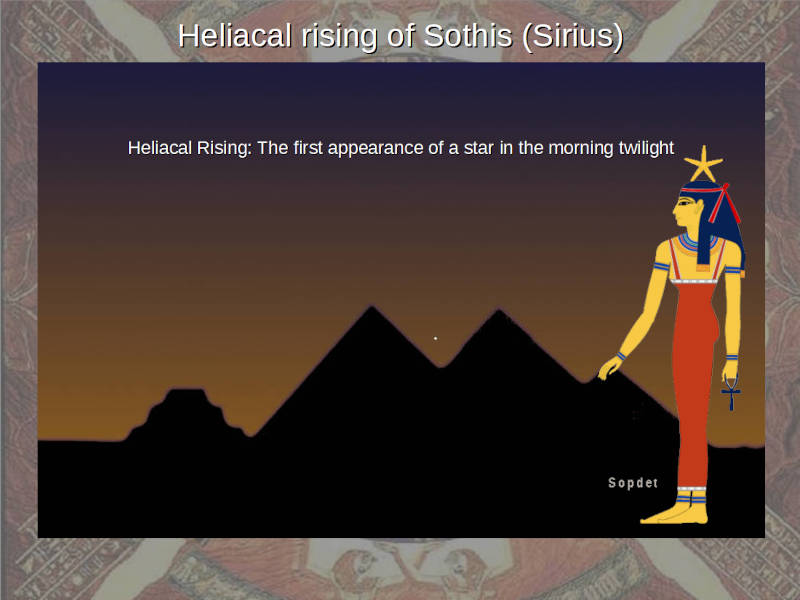
The second-brightest star-like object in the evening sky is Sirius, also known as the Dog Star. It also is the brightest nighttime star in our skies period. Tonight at 9 p.m. it’s located in the southern sky. The Dog Star name comes from its position at the heart of the constellation Canis Major, the great dog of Orion the hunter. The three stars of Orion’s belt tilt to the lower left to Sirius. Sirius means ‘Dazzling One’, because of its great brilliance and twinkling. Its Egyptian name was Sopdet, and its first appearance in the dawn skies around July 20th signaled the flooding of the Nile, and the beginning of the agricultural year. The relationship of the heliacal rising of Sirius and the seasonal or tropical year lasted from about 2900 BCE to the start of the Common Era. Sirius owes much of its brilliance to the fact that it lies close to us, only 8.6 light years away.
The astronomical event times given in this blog are for the Traverse City/Interlochen area of Michigan (Lat 44.7° N, Long 85.7° W; EST, UT – 5 hours) unless stated otherwise. Times will be different for other locations.
Addendum
Trivia Note
The Greeks invented the term “Dog days of summer” for the hottest days of July because they thought that Sirius added its intensity to the heat of the Sun to make it hotter out. So why doesn’t Sirius help warm our winter nights? Just asking.
Ephemeris: 01/20/2025 – The planets augment the Winter Hexagon
This is Ephemeris for Martin Luther King Jr. Day, Monday, January 20th. Today the Sun will be up for 9 hours and 22 minutes, setting at 5:35, and it will rise tomorrow at 8:12. The Moon, 1 day before last quarter, will rise at 12:56 tomorrow morning.
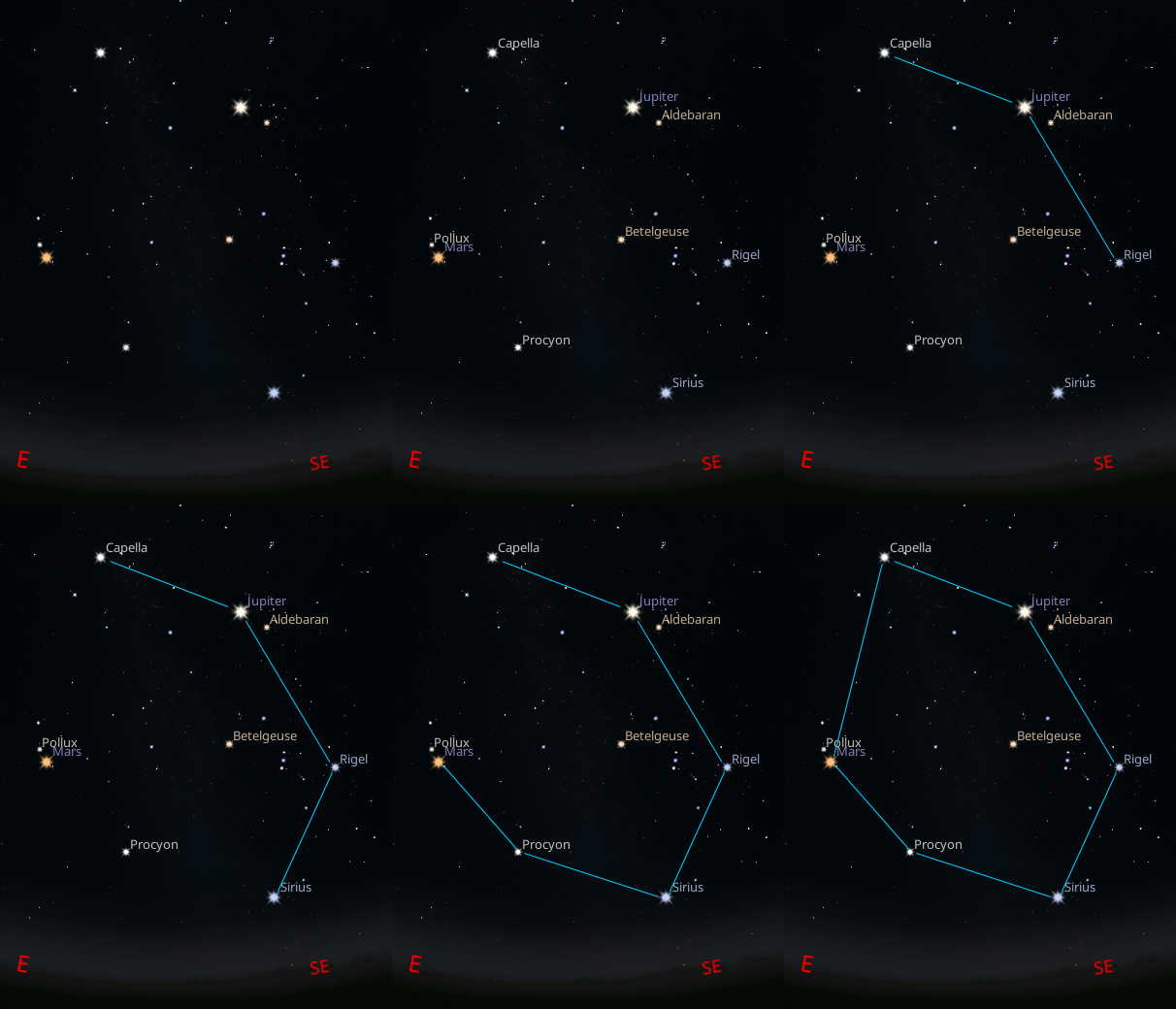
The winter circle or more properly hexagon, seen in the winter sky this evening, has the addition of two planets, and they’re in the proper location so that they don’t spoil the hexagon. We start at the top with the star Capella high in the east. We move clockwise downward to Jupiter and below it the star Aldebaran. We drop lower to Orion’s knee and the star Rigel, then down to Sirius, low in the southeast, the brightest nighttime star, but doesn’t hold a candle to Jupiter. Then we go above left to Procyon and upwards and left to Mars, which is near Pollux, and finally back up to Capella. That’s that is our winter hexagon right now, so take it in while you can, before Jupiter and Mars move off and mess it up.
The astronomical event times given are for the Traverse City/Interlochen area of Michigan (EST, UT – 5 hours). Times will be different for other locations.
Addendum
As for events happening on Earth: Resist!
Ephemeris: 01/07/25 – Lights in the sky: Sirius, the brightest star
This is Bob Moler with Ephemeris for Tuesday, January 7th. Today the Sun will be up for 8 hours and 59 minutes, setting at 5:19, and it will rise tomorrow at 8:19. The Moon, 1 day past first quarter, will set at 2:45 tomorrow morning.
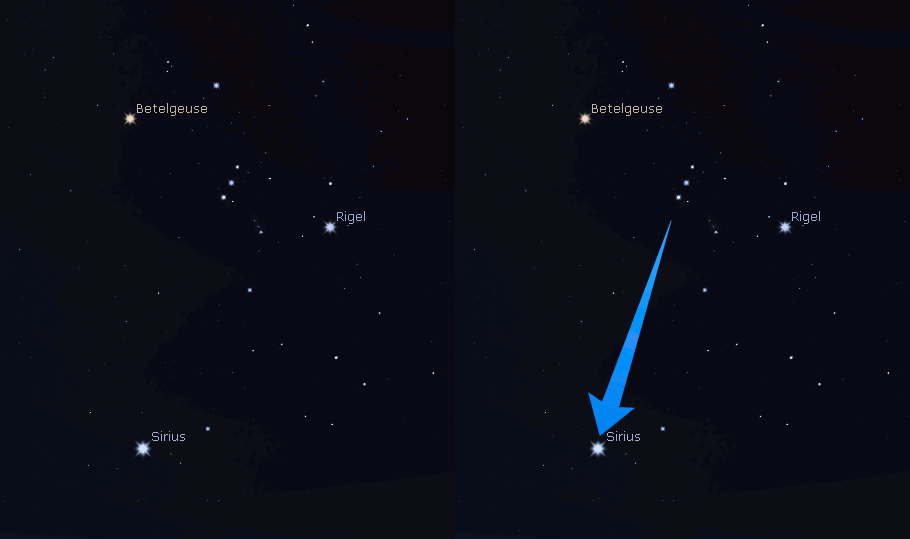
The brightest star in the nighttime sky, Sirius, will rise about 7:30 this evening in the east-southeast. By 9 PM it will be low in the southeast. It is also known as the Dog Star because it’s located in Orion’s greater hunting dog, Canis Major. However, its name Sirius means Dazzling One, or Scorcher, alluding to its great brightness. Sirius is about twice as massive as the Sun, but 25 times brighter, It is one of the nearer stars, being about 8.7 light years away, about twice the distance of Alpha Centauri. Sirius is a pure white star as opposed to the sun’s somewhat yellowish cast. It seems to really sparkle in a pair of binoculars. The sparkling or the twinkling of Sirius or of any star is not due to the star itself but by turbulence in Earth’s atmosphere.
The astronomical event times given are for the Traverse City/Interlochen area of Michigan (EST, UT – 5 hours). Times will be different for other locations.
Addendum
Ephemeris: 03/07/2024 – There’s a unicorn in there somewhere
This is Bob Moler with Ephemeris for Thursday, March 7th. Today the Sun will be up for 11 hours and 30 minutes, setting at 6:39, and it will rise tomorrow at 7:06. The Moon, 3 days before new, will rise at 6:35 tomorrow morning.
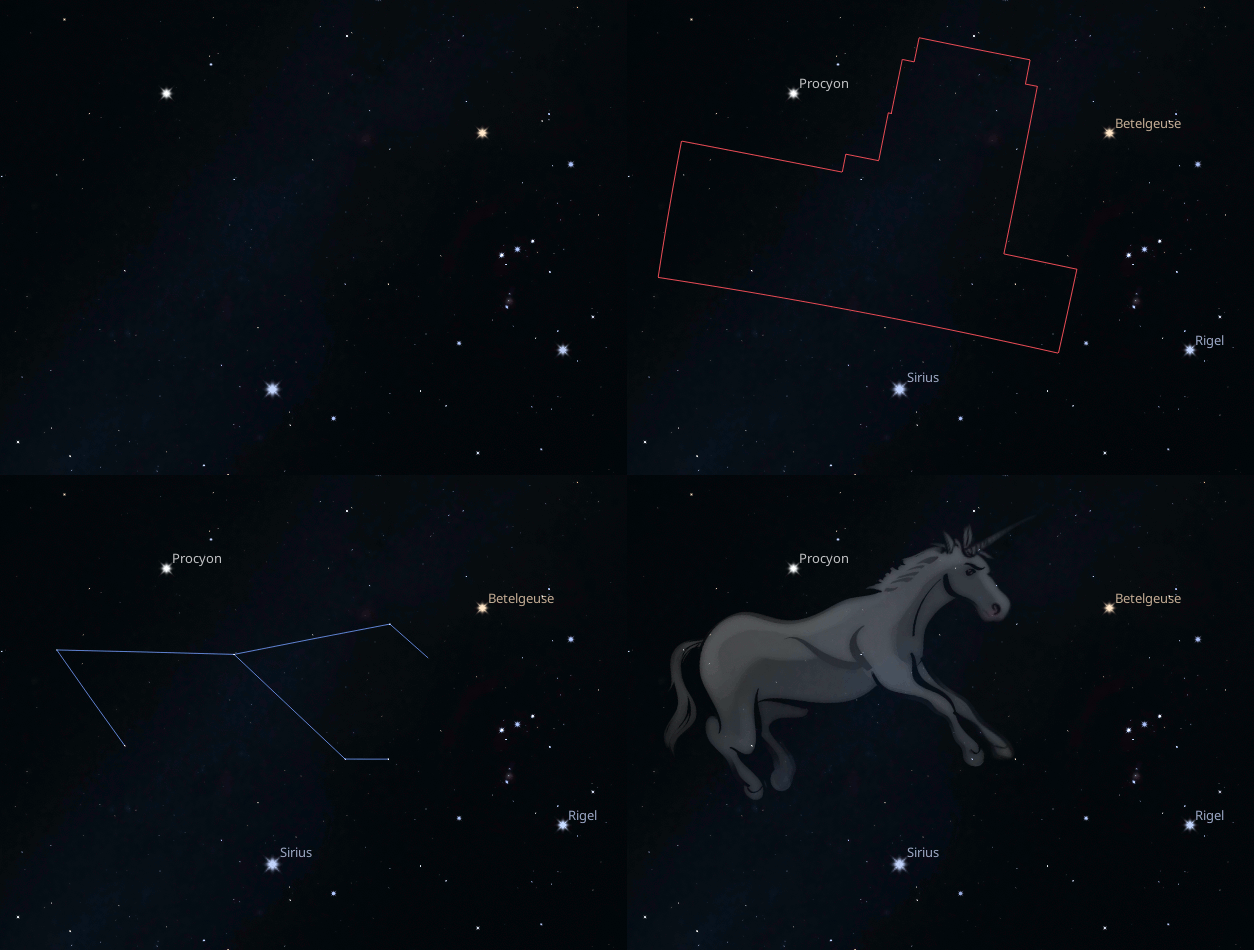
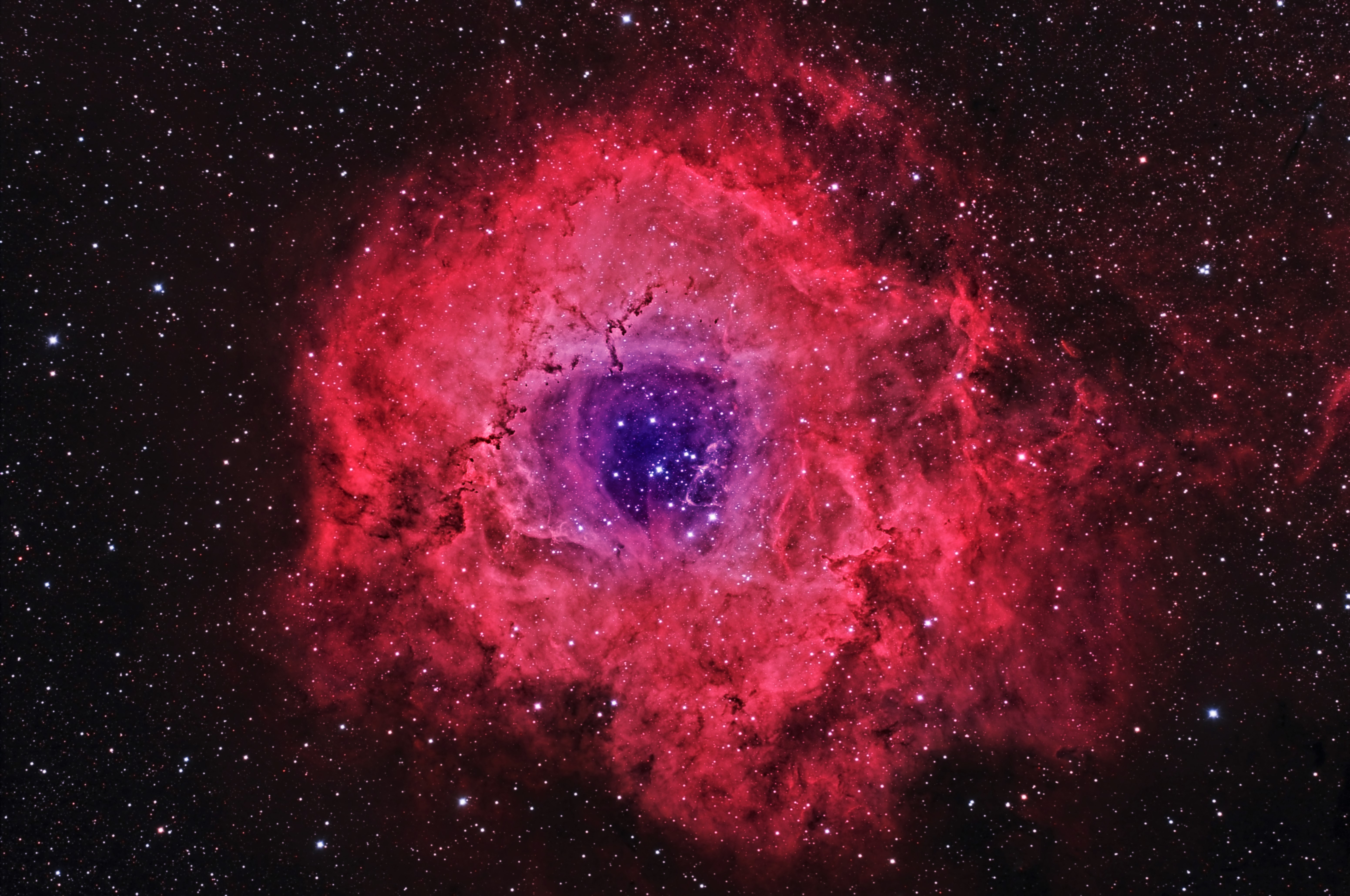
The constellation of Monoceros the unicorn is located in an area of sky to the left of Orion so it’s in the south at 8 pm, inside the Winter Triangle of stars, Betelgeuse in Orion; Sirius in the Great Dog, Canis Major; and Procyon in Canis Minor. If you don’t see anything there, it’s OK. Nobody sees real unicorns any more anyway. Are there any real unicorns? Anyway, there’s a great number of nebulae here in the Milky Way that runs through it, which unfortunately are too faint to be seen with amateur telescopes. However, it is a gold mine for amateur astronomers who are also astrophotographers using time exposures to record the faint nebulae here, including the famous Rosette Nebula!
The astronomical event times given are for the Traverse City/Interlochen area of Michigan (EST, UT –5 hours). They may be different for your location.
Addendum
Ephemeris: 02/05/2024 – Looking at the star Procyon
This is Ephemeris for Monday, February 5th. Today the Sun will be up for 9 hours and 59 minutes, setting at 5:56, and it will rise tomorrow at 7:56. The Moon, 3 days past last quarter, will rise at 5:44 tomorrow morning.
The star Procyon is in Orion’s little hunting dog Canis Minor, which contains only one other star. It can be found by using the shoulder stars of Orion, Bellatrix and Betelgeuse, pointing to the left and down a bit to Procyon in the evening. The word Procyon appears to mean “Before the Dog” meaning that rises before the Dog Star, Sirius, even though it is east of it. Procyon is also north of Sirius, which for observers above 30° north latitude does indeed rise before the Dog Star. It is a star like Sirius, though it’s not as bright, or white. Procyon is 11.5 light years away while Sirius is 8.4 light years away. Both have tiny white dwarf companion stars.
The astronomical event times given are for the Traverse City/Interlochen area of Michigan (EST, UT –5 hours). They may be different for your location.
Addendum
Ephemeris: 01/29/2024 – Canis Major, Orion’s larger hunting dog
This is Ephemeris for Monday, January 29th. Today the Sun will be up for 9 hours and 41 minutes, setting at 5:46, and it will rise tomorrow at 8:04. The Moon, halfway from full to last quarter, will rise at 9:50 this evening.
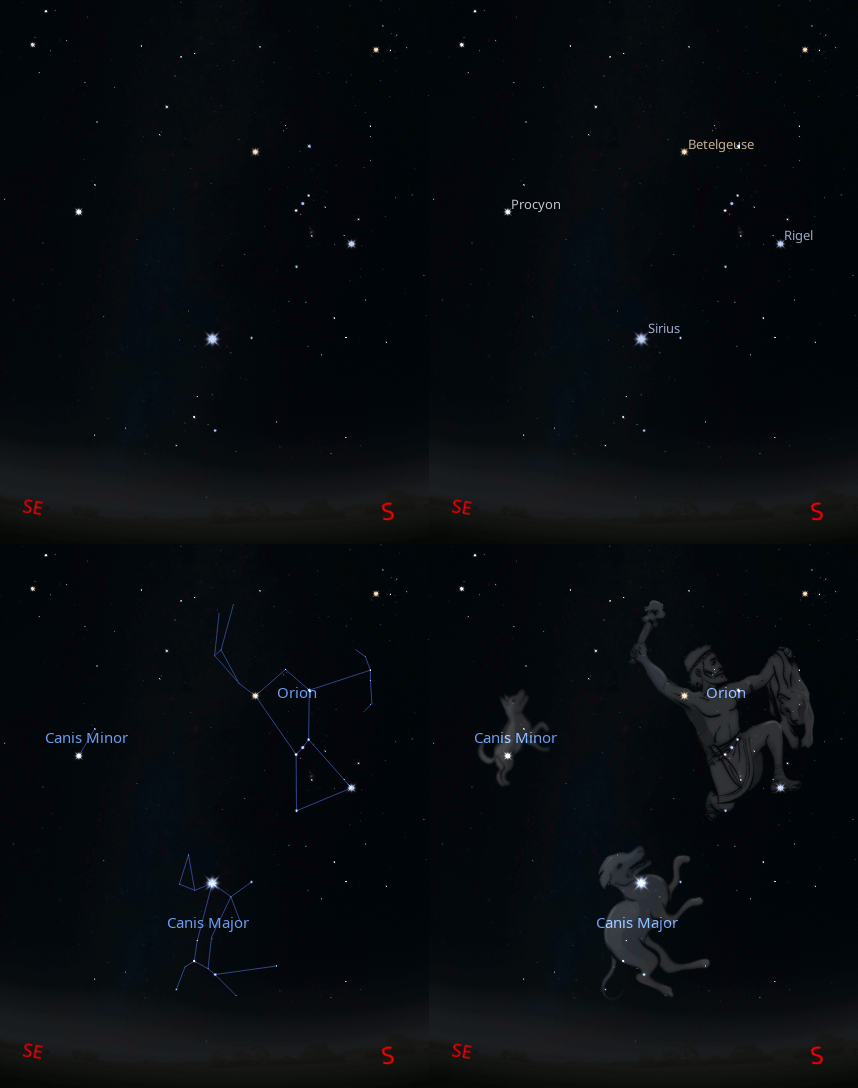
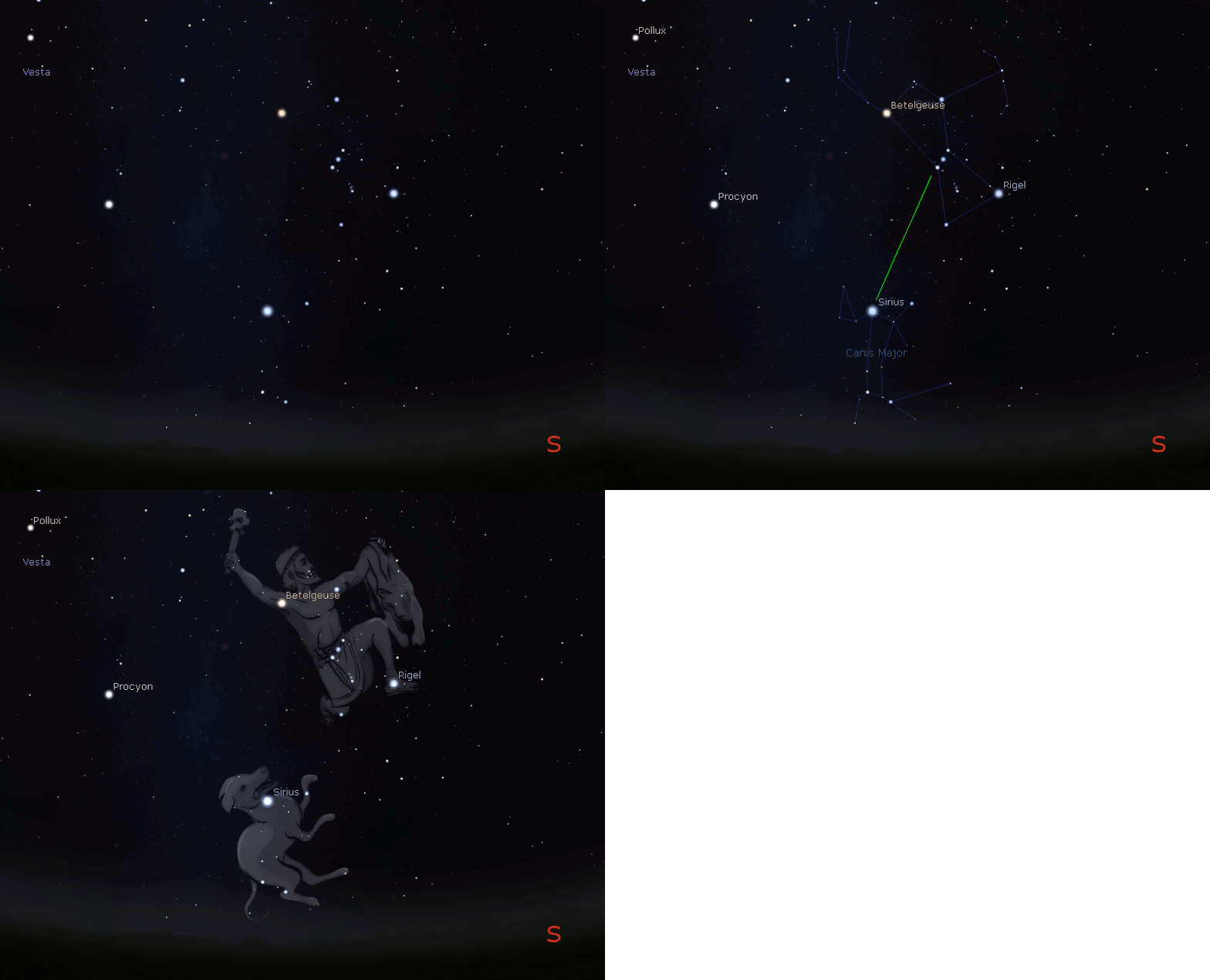
The great winter constellation or star group, Orion the hunter, is located in the south-southeastern sky at 9 p.m. His elongated rectangle of a torso is nearly vertical. In the center of the rectangle are three stars in a line that make his belt. As a hunter, especially one of old, he has two hunting dogs. The larger, Canis Major, can be found by following the three belt stars of Orion down and to the left. They point to Sirius, the brightest nighttime star, also known as the Dog Star. It’s in the heart of a stick figure dog low in the southeast facing Orion that appears to be begging. There’s a fine star cluster, called Messier 41, or M41, the Little Beehive Cluster, at the 5 o’clock position from Sirius. It’s easily visible in binoculars or a small telescope.
The astronomical event times given are for the Traverse City/Interlochen area of Michigan (EST, UT –5 hours). They may be different for your location.
Addendum
Ephemeris: 01/22/2024 – The Dog Star’s little buddy
This is Ephemeris for Monday, January 22nd. Today the Sun will be up for 9 hours and 24 minutes, setting at 5:37, and it will rise tomorrow at 8:11. The Moon, 3 days before full, will set at 7:14 tomorrow morning.
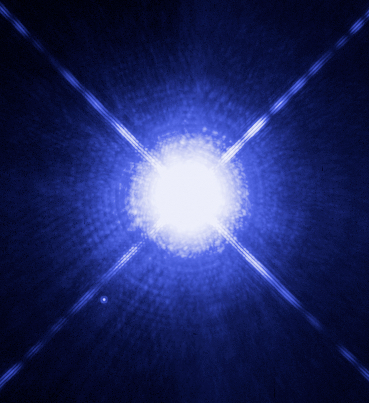
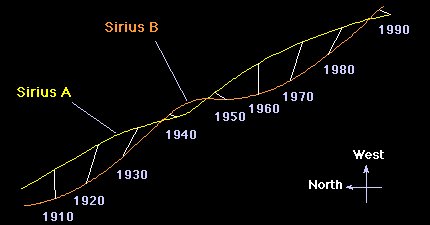
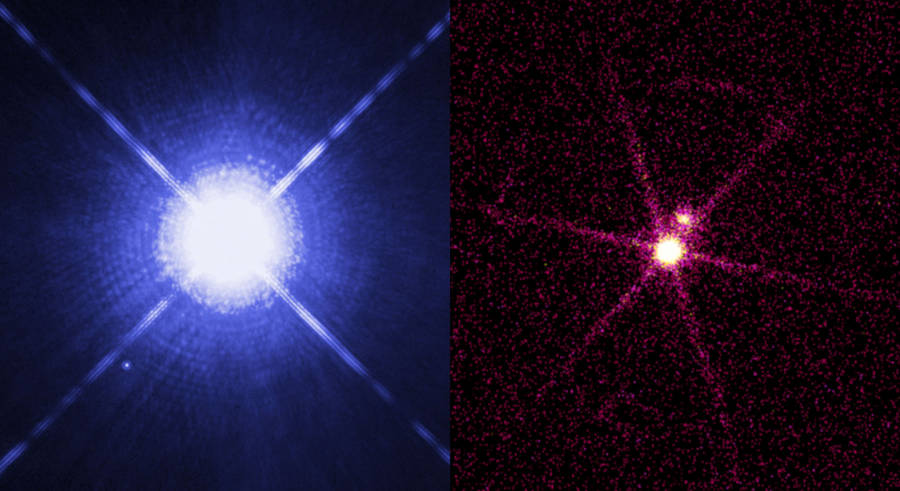
Sirius is the brightest nighttime star and is located low in the southeast at 9 p.m. below and a bit left of Orion the Hunter. We’ve visited Sirius on Tuesday, but there is another star in the Sirius system that is practically invisible due to Sirius’ dazzling glare. Its name is Sirius B, nicknamed the Pup, alluding to Sirius’ Dog Star title. The tiny star was suspected as far back as 1834 due to Sirius’ wavy path against the more distant stars in the sky. Sirius and the Pup have 50-year orbits of each other. The Pup was first seen in 1862. It was the first of a new class of stars to be discovered, white dwarfs. The Pup is a dying star with the mass of the Sun, collapsed down to the size of the Earth after running out of hydrogen fuel in its core.
The astronomical event times given are for the Traverse City/Interlochen area of Michigan (EST, UT –5 hours). They may be different for your location.
Addendum
Ephemeris: 01/19/2024 – Finding the Dog Star
This is Bob Moler with Ephemeris for Friday, January 19th. Today the Sun will be up for 9 hours and 18 minutes, setting at 5:33, and it will rise tomorrow at 8:13. The Moon, 2 days past first quarter, will set at 3:59 tomorrow morning.
In the evening, the great constellation of Orion the hunter can be seen to slowly move from the south-east to the south. Its large rectangle of bright stars is easily visible, even with a full moon. The three stars in a straight line, his belt, tilt downward to the left to a very bright star merrily twinkling lower in the sky. This star is called Sirius, also known as the Dog Star because it’s in the heart of Orion’s larger hunting dog, Canis Major. It is an arc light white star as seen in binoculars or telescope. It is the brightest star in the night sky, and a neighboring star, just twice the distance of the closest star to the Sun at 8.6 light years. Its name, Sirius, has nothing to do with a dog, but is from the Greek meaning scorching for its brightness and sparkling, due to its intense twinkling.
The astronomical event times given are for the Traverse City/Interlochen area of Michigan (EST, UT –5 hours). They may be different for your location.
Addendum
02/10/2023 – Ephemeris – Finding Orion’s greater hunting dog, Canis Major
This is Bob Moler with Ephemeris for Friday, February 10th. Today the Sun will be up for 10 hours and 13 minutes, setting at 6:04, and it will rise tomorrow at 7:49. The Moon, 3 days before last quarter, will rise at 11:14 this evening.
The great winter constellation or star group, Orion the hunter, is located in the southern sky at 9 p.m. His elongated rectangle of a torso is vertical. In the center of the rectangle are three stars in a line that make his belt. As a hunter, especially one of old, he has two hunting dogs. The larger, Canis Major, can be found by following the three belt stars of Orion down and to the left. They point to Sirius, the brightest nighttime star, also known as the Dog Star. It’s in the heart of a stick figure dog low in the southeast facing Orion that appears to be begging. There’s a fine star cluster, called Messier, or M 41, at the 5 o’clock position from Sirius. It’s easily visible in binoculars or a small telescope.
The astronomical event times given are for the Traverse City/Interlochen area of Michigan (EST, UT –5 hours). They may be different for your location.
Addendum
Orion and Canis Major animation for earlier than 9 in the evening. Created using Stellarium and GIMP.
01/05/2023 – Ephemeris – I’m Sirius about this being the brightest nighttime star!
Jan 5. This is Bob Moler with Ephemeris for Thursday, January 5th. Today the Sun will be up for 8 hours and 56 minutes, setting at 5:16, and it will rise tomorrow at 8:19. The Moon, 1 day before full, will set at 8:33 tomorrow morning.
The brightest nighttime star, Sirius, rises before 8 pm tonight. It can be found by following the constellation Orion’s three belt stars downward to near the east-southeastern horizon. As far as star-like objects go, Jupiter and Venus can always outshine Sirius. Mars can too, but only when it is near the Earth and this early evening when Mars is high in the sky and Sirius is low in the sky. When the Moon clears out of the evening sky, and Sirius rises higher, the other stars of its constellation will become visible. That constellation is Canis Major, Orion’s great hunting dog, from which it gets its nickname: Dog Star. The name Sirius means Dazzling One, an allusion to its great brightness and, being low in the sky, it twinkles mightily.
The astronomical event times given are for the Traverse City/Interlochen area of Michigan (EST, UT –5 hours). They may be different for your location.
Addendum
A Sirius finder animation for January/early February at around 8 pm. Even in bright moonlight, the seven bright stars of Orion can be seen. The three stars of Orion’s belt make a great pointer to Sirius. Created using Stellarium, GIMP and LibreOffice (for the arrow).
 Bob Moler's Ephemeris Blog