Archive
Ephemeris: 09/30/2025 – Previewing October skies
This is Ephemeris for Tuesday, September 30th. Today the Sun will be up for 11 hours and 44 minutes, setting at 7:24, and it will rise tomorrow at 7:41. The Moon, 1 day past first quarter, will set at 12:44 tomorrow morning.
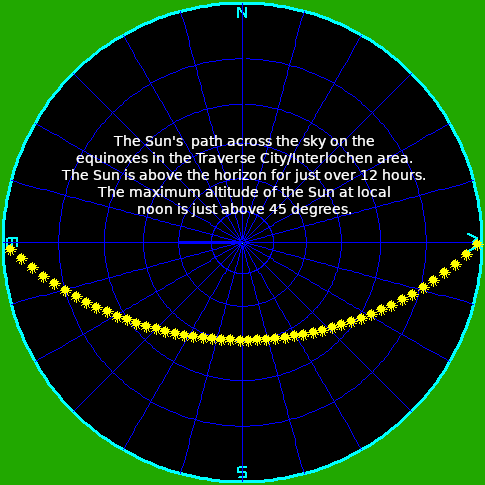
Let’s look at the skies for this month of October. The Sun will still be moving south rapidly. Daylight hours in the Interlochen/Traverse City area will drop from 11 hours and 41 minutes tomorrow to 10 hours 12 minutes on the 31st. The altitude of the sun above the southern horizon at local noon will be 42 degrees tomorrow, and will descend to 31 degrees on Halloween, also in the Interlochen/Traverse City area. The Straits area will have the sun a degree lower. Local noon, when the Sun is due south, will be about 1:30 pm in Interlochen and Traverse City. Bits of Halley’s comet will return later in the month as the Orionid meteor shower. Dark skies will prevail this year for the Orionids
The astronomical event times given in this blog are for the Traverse City/Interlochen area of Michigan (Lat 44.7° N, Long 85.7° W; EDT, UT – 4 hours) unless stated otherwise. Times will be different for other locations.
Addendum
October Evening Star Chart
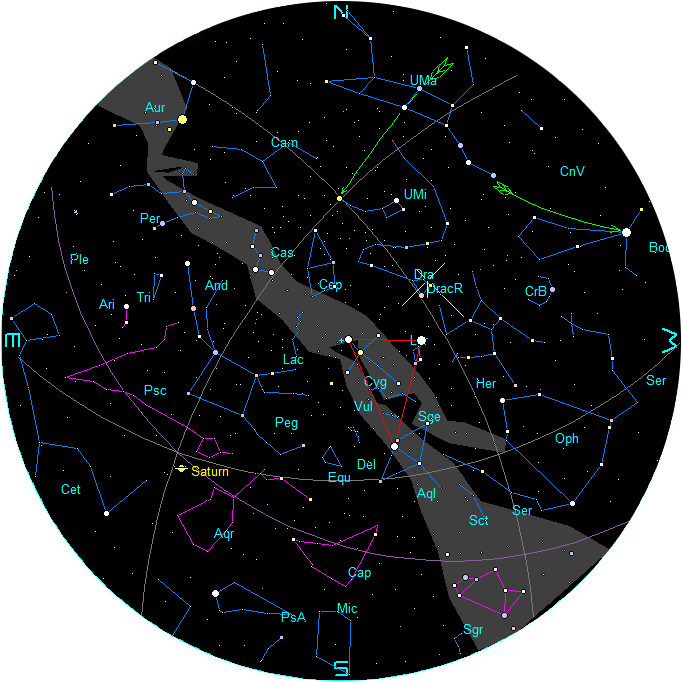
The planets and stars are plotted for the 15th at 9 PM EDT in the evening and 6 AM on the 16th for the morning chart. These are the chart times. Note that Traverse City is located approximately 45 minutes behind our time meridian, West 75° longitude. (An hour 45 minutes behind our daylight saving time meridian during EDT). To duplicate the star positions on a planisphere you may have to set it to 1 hour 45 minutes earlier than the current time.
October Morning Star Chart
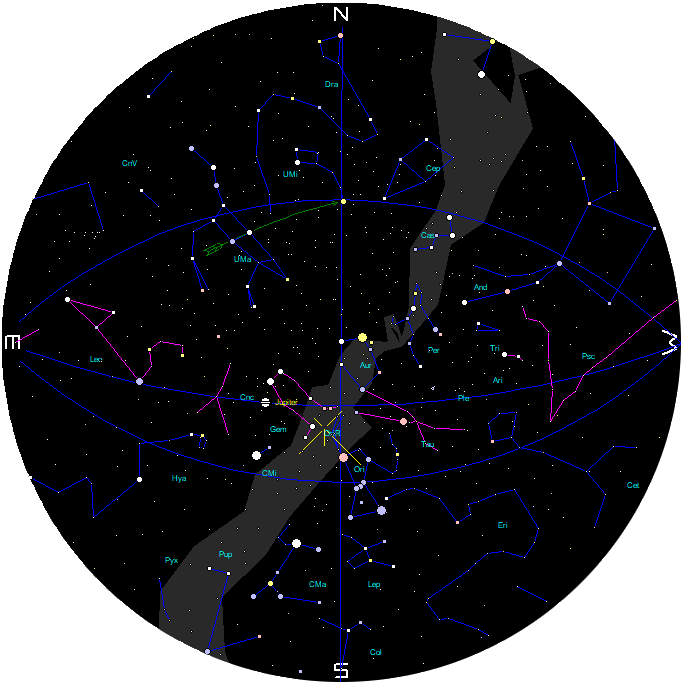
For a list of constellation names to go with the abbreviations, click here.
- Pointer stars at the front of the bowl of the Big Dipper point to Polaris, the North Star.
- Leaky dipper drips on Leo.
- Follow the arc of the handle of the Big Dipper to the star Arcturus.
- The Summer Triangle is in red.
- DracR – Draconid Radiant – Peaks the 8th – Zenithal Hourly Rate < 10 with rare outbursts of a thousand an hour, though not expected this year. It’s hindered this year by the bright moon.
- OriR – Orionid Radiant – Peak 21st – Zenithal Hourly Rate = 20
Twilight Limits, Nautical and Astronomical
| EDT | |||||||
| Morning | Twilight | Evening | Twilight | Dark | Night | Moon | |
| Date | Astro. | Nautical | Nautical | Astro. | Start | End | Illum. |
| 2025-10-01 | 6h05m | 6h40m | 20h29m | 21h03m | 0h44m | 6h05m | 0.72 |
| 2025-10-02 | 6h07m | 6h41m | 20h27m | 21h01m | 1h56m | 6h07m | 0.81 |
| 2025-10-03 | 6h08m | 6h42m | 20h25m | 20h59m | 3h11m | 6h08m | 0.88 |
| 2025-10-04 | 6h09m | 6h43m | 20h23m | 20h57m | 4h27m | 6h09m | 0.95 |
| 2025-10-05 | 6h10m | 6h44m | 20h22m | 20h56m | 5h44m | 6h10m | 0.99 |
| 2025-10-06 | 6h12m | 6h46m | 20h20m | 20h54m | – | – | 1.00 |
| 2025-10-07 | 6h13m | 6h47m | 20h18m | 20h52m | – | – | 0.98 |
| 2025-10-08 | 6h14m | 6h48m | 20h16m | 20h50m | – | – | 0.94 |
| 2025-10-09 | 6h15m | 6h49m | 20h14m | 20h48m | – | – | 0.87 |
| 2025-10-10 | 6h17m | 6h51m | 20h13m | 20h46m | 20h46m | 21h01m | 0.78 |
| 2025-10-11 | 6h18m | 6h52m | 20h11m | 20h45m | 20h45m | 21h57m | 0.67 |
| 2025-10-12 | 6h19m | 6h53m | 20h09m | 20h43m | 20h43m | 23h05m | 0.56 |
| 2025-10-13 | 6h20m | 6h54m | 20h07m | 20h41m | 20h41m | – | 0.45 |
| 2025-10-14 | 6h22m | 6h55m | 20h06m | 20h40m | 20h40m | 0h19m | 0.35 |
| 2025-10-15 | 6h23m | 6h57m | 20h04m | 20h38m | 20h38m | 1h35m | 0.25 |
| 2025-10-16 | 6h24m | 6h58m | 20h02m | 20h36m | 20h36m | 2h48m | 0.17 |
| 2025-10-17 | 6h25m | 6h59m | 20h01m | 20h35m | 20h35m | 3h57m | 0.10 |
| 2025-10-18 | 6h27m | 7h00m | 19h55m | 20h33m | 20h33m | 5h04m | 0.05 |
| 2025-10-19 | 6h28m | 7h01m | 19h54m | 20h31m | 20h31m | 6h10m | 0.02 |
| 2025-10-20 | 6h29m | 7h03m | 19h52m | 20h30m | 20h30m | 6h29m | 0.00 |
| 2025-10-21 | 6h30m | 7h04m | 19h51m | 20h28m | 20h28m | 6h30m | 0.00 |
| 2025-10-22 | 6h31m | 7h05m | 19h49m | 20h27m | 20h27m | 6h31m | 0.03 |
| 2025-10-23 | 6h33m | 7h06m | 19h48m | 20h25m | 20h25m | 6h33m | 0.06 |
| 2025-10-24 | 6h34m | 7h08m | 19h46m | 20h24m | 20h24m | 6h34m | 0.12 |
| 2025-10-25 | 6h35m | 7h09m | 19h45m | 20h22m | 20h38m | 6h35m | 0.19 |
| 2025-10-26 | 6h36m | 7h10m | 19h43m | 20h21m | 21h30m | 6h36m | 0.27 |
| 2025-10-27 | 6h38m | 7h11m | 19h42m | 20h20m | 22h31m | 6h38m | 0.36 |
| 2025-10-28 | 6h39m | 7h13m | 19h40m | 20h18m | 23h39m | 6h39m | 0.45 |
| 2025-10-29 | 6h40m | 7h14m | 19h39m | 20h17m | – | 6h40m | 0.55 |
| 2025-10-30 | 6h41m | 7h15m | 19h38m | 20h16m | 0h50m | 6h41m | 0.66 |
| 2025-10-31 | 6h42m | 7h16m | 19h37m | 20h14m | 2h03m | 6h42m | 0.76 |
Twilight calendar was generated using Cartes du Ciel (Sky Charts).
See my blog post: Twilight Zone for the definitions of the different periods of twilight here: https://bobmoler.wordpress.com/2018/09/27/.
NASA Calendar of Planetary Events
Date          Time    Event
Oct  1  We            Venus: 23.9° W
     5  Su   5:20 AM  Moon Ascending Node
     5  Su  10:46 PM  Moon-Saturn: 3.8° S
     6  Mo  11:48 PM  Full Moon
     8  We   8:36 AM  Moon Perigee: 359800 km
     8  We   5:08 PM  Jupiter-Pollux: 6.7° S
    10  Fr   1:20 AM  Moon-Pleiades: 0.9° S
    11  Sa  11:30 PM  Moon North Dec.: 28.5° N
    13  Mo   2:13 PM  Last Quarter
    13  Mo   6:31 PM  Moon-Jupiter: 4.4° S
    13  Mo   7:30 PM  Moon-Pollux: 2.6° N
    14  Tu   6:53 PM  Moon-Beehive: 2° S
    16  Th  12:56 PM  Moon-Regulus: 1.4° S
    18  Sa  12:34 AM  Moon Descending Node
    19  Su   4:25 PM  Mercury-Mars: 2° N
    19  Su   5:37 PM  Moon-Venus: 4° N
    21  Tu   8:07 AM  Orionid Shower: ZHR = 20
    21  Tu   8:25 AM  New Moon
    23  Th  12:15 PM  Moon-Mercury: 2.5° N
    23  Th   7:31 PM  Moon Apogee: 406400 km
    24  Fr   8:15 PM  Moon-Antares: 0.6° N
    26  Su   7:50 AM  Moon South Dec.: 28.5° S
    29  We  11:21 AM  First Quarter
    29  We   4:59 PM  Mercury Elongation: 23.9° E
All event times are given for UTC-4 hr: Eastern Daylight Saving Time.
Sky Events Calendar by Fred Espenak and Sumit Dutta (NASA’s GSFC),
http://eclipse.gsfc.nasa.gov/SKYCAL/SKYCAL.html.
If you go to the above site, you can print out a list like the above for the entire year or calendar pages for your time zone.
Sun and Moon Rising and Setting Times
LU               Ephemeris of Sky Events for Interlochen/TC
October, 2025    Local time zone: EDT
+-----------------------------------------------------------------------+
| DATE |  SUN     SUN  DAYLIGHT|   TWILIGHT*    |MOON  RISE OR    ILLUM |
|      |  RISE    SET    HOURS |  END    START  |PHASE SET** TIME FRACTN|
+=======================================================================+
|Wed  1| 07:41a  07:22p  11:41 | 08:25p  06:38a |      Set  01:55a   70%|
|Thu  2| 07:42a  07:20p  11:38 | 08:23p  06:39a |      Set  03:10a   79%|
|Fri  3| 07:43a  07:19p  11:35 | 08:21p  06:40a |      Set  04:26a   87%|
|Sat  4| 07:44a  07:17p  11:32 | 08:20p  06:41a |      Set  05:44a   94%|
+------+-----------------------+----------------+-----------------------+
|Sun  5| 07:46a  07:15p  11:29 | 08:18p  06:43a |      Set  07:03a   98%|
|Mon  6| 07:47a  07:13p  11:26 | 08:16p  06:44a |Full  Rise 06:53p  100%|
|Tue  7| 07:48a  07:11p  11:23 | 08:14p  06:45a |      Rise 07:15p   99%|
|Wed  8| 07:49a  07:09p  11:20 | 08:12p  06:46a |      Rise 07:42p   95%|
|Thu  9| 07:51a  07:08p  11:17 | 08:11p  06:47a |      Rise 08:16p   88%|
|Fri 10| 07:52a  07:06p  11:14 | 08:09p  06:49a |      Rise 09:00p   80%|
|Sat 11| 07:53a  07:04p  11:10 | 08:07p  06:50a |      Rise 09:57p   69%|
+------+-----------------------+----------------+-----------------------+
|Sun 12| 07:54a  07:02p  11:07 | 08:05p  06:51a |      Rise 11:05p   58%|
|Mon 13| 07:56a  07:01p  11:04 | 08:04p  06:52a |L Qtr Rise 12:19a   47%|
|Tue 14| 07:57a  06:59p  11:01 | 08:02p  06:54a |      Rise 01:34a   37%|
|Wed 15| 07:58a  06:57p  10:58 | 08:00p  06:55a |      Rise 02:47a   27%|
|Thu 16| 07:59a  06:55p  10:55 | 07:59p  06:56a |      Rise 03:57a   18%|
|Fri 17| 08:01a  06:54p  10:52 | 07:57p  06:57a |      Rise 05:04a   11%|
|Sat 18| 08:02a  06:52p  10:49 | 07:55p  06:59a |      Rise 06:09a    6%|
+------+-----------------------+----------------+-----------------------+
|Sun 19| 08:03a  06:50p  10:47 | 07:54p  07:00a |      Rise 07:14a    2%|
|Mon 20| 08:05a  06:49p  10:44 | 07:52p  07:01a |      Rise 08:19a    0%|
|Tue 21| 08:06a  06:47p  10:41 | 07:51p  07:02a |New   Set  06:32p    0%|
|Wed 22| 08:07a  06:45p  10:38 | 07:49p  07:03a |      Set  06:54p    2%|
|Thu 23| 08:09a  06:44p  10:35 | 07:48p  07:05a |      Set  07:21p    6%|
|Fri 24| 08:10a  06:42p  10:32 | 07:46p  07:06a |      Set  07:55p   11%|
|Sat 25| 08:11a  06:41p  10:29 | 07:45p  07:07a |      Set  08:38p   17%|
+------+-----------------------+----------------+-----------------------+
|Sun 26| 08:13a  06:39p  10:26 | 07:43p  07:08a |      Set  09:30p   25%|
|Mon 27| 08:14a  06:38p  10:23 | 07:42p  07:10a |      Set  10:31p   34%|
|Tue 28| 08:15a  06:36p  10:20 | 07:41p  07:11a |      Set  11:38p   43%|
|Wed 29| 08:17a  06:35p  10:18 | 07:39p  07:12a |F Qtr Set  12:50a   53%|
|Thu 30| 08:18a  06:33p  10:15 | 07:38p  07:13a |      Set  02:03a   63%|
|Fri 31| 08:19a  06:32p  10:12 | 07:37p  07:14a |      Set  03:17a   73%|
+-----------------------------------------------------------------------+
* Nautical Twilight
** Moonrise or moonset, whichever occurs between sunset and sunrise
Generated using my LookingUp for DOS app.
Ephemeris: 09/29/2025 – First attempts to measure the distance to the Sun
This is Ephemeris for Monday, September 29th. Today the Sun will be up for 11 hours and 47 minutes, setting at 7:26, and it will rise tomorrow at 7:39. The Moon, at first quarter today, will set at 11:38 this evening.
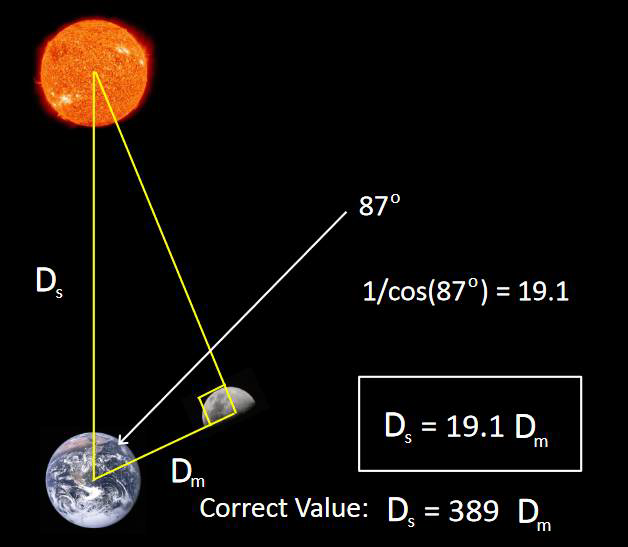
The first quarter Moon tonight reminds me of how the Greeks used the quarter Moon to attempt to determine the distance to the Sun. The idea was to determine when the Moon was exactly at first or last quarter, so the angle of the Sun-Moon-Earth was exactly 90°. The next thing to do was to measure the actual angle between the Sun and the Moon at that instant. It’s a difficult observation. Aristarchus tried and got a result that the Sun was about 19 times the distance of the Moon. The Sun-Earth-Moon angle he got was 87°. Hipparchus measured the Moon to be 60 earth radii away which is near the Moon’s actual distance from the Earth. In actuality the Sun is about 400 times the distance to the Moon.
The astronomical event times given in this blog are for the Traverse City/Interlochen area of Michigan (Lat 44.7° N, Long 85.7° W; EDT, UT – 4 hours) unless stated otherwise. Times will be different for other locations.
Addendum
Ephemeris: 09/26/2025 – Pegasus rising
This is Ephemeris for Friday, September 26th. Today the Sun will be up for 11 hours and 56 minutes, setting at 7:32, and it will rise tomorrow at 7:36. The Moon, 3 days before first quarter, will set at 9:19 this evening.
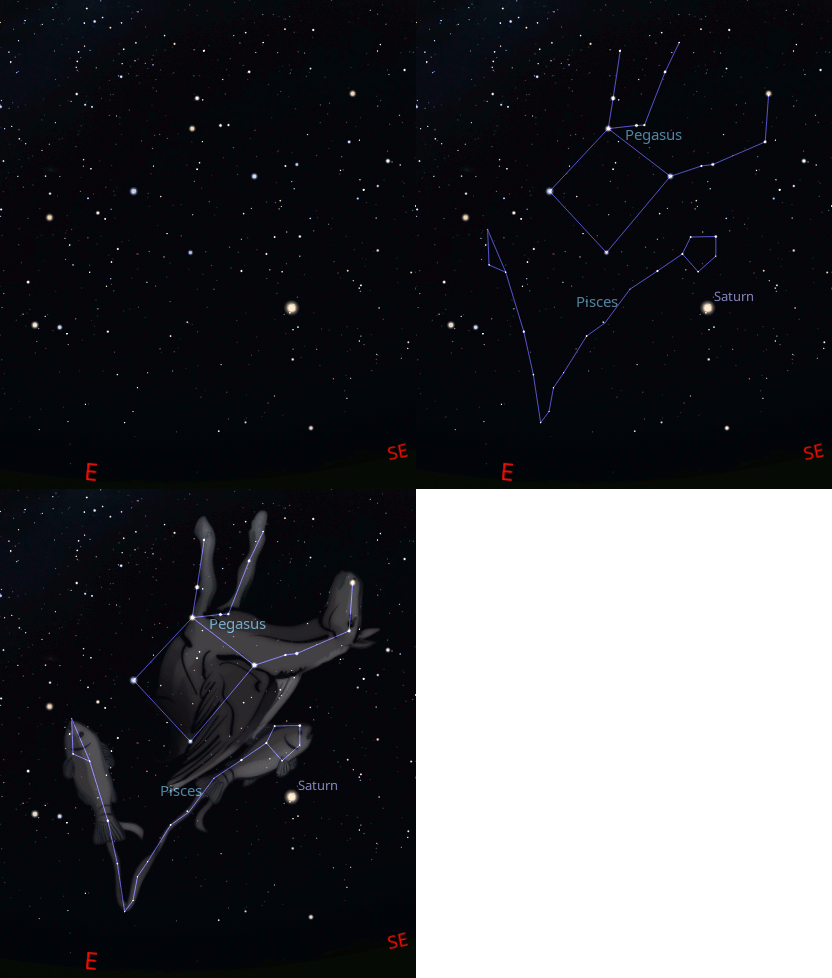
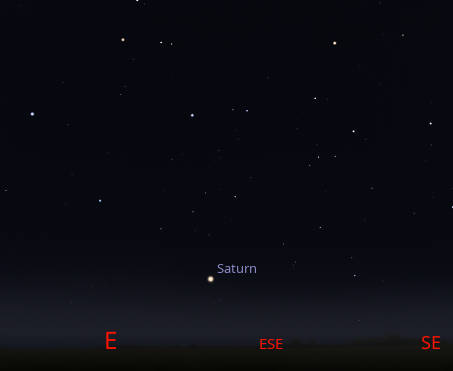
Saturn is well up in the east southeastern sky at 10 PM. This is the brightest “star” in that direction. Below it, at about the 4 o’clock position from it is Fomalhaut, which I sometimes call the loneliest star in the sky, because without Saturn or another planet in that direction it seems pretty much alone low in the south. Above and a bit to the left of Saturn is the Great Square of Pegasus A four star group standing on one corner which is the body of Pegasus the flying horse. Between Saturn and the Great Square is a faint and small circle of five or six stars called the Circlet, an asterism, which is a loop around one of the fish of Pisces the fish. Pisces is two fish held together by a long rope.
The astronomical event times given in this blog are for the Traverse City/Interlochen area of Michigan (Lat 44.7° N, Long 85.7° W; EDT, UT – 4 hours) unless stated otherwise. Times will be different for other locations.
Addendum
Ephemeris: 09/25/2025 – Today is Equilux day
This is Ephemeris for Thursday, September 25th. Today the Sun will be up for 12 hours to the minute, setting at 7:33, and it will rise tomorrow at 7:35. The Moon, halfway from new to first quarter, will set at 8:50 this evening.
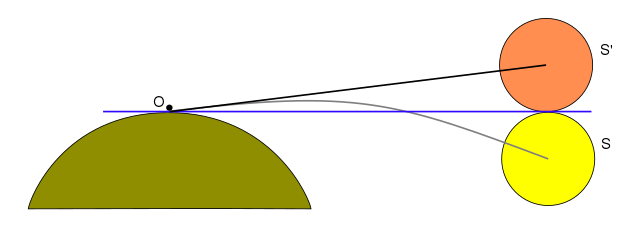
Today is Equilux day it’s the day we have exactly 12 hours of sunshine, and 12 hours of night. But isn’t that what we had three days ago on the equinox? That’s what equinox means. But, it only works on the equinox if the Earth didn’t have an atmosphere, and we decided that sunrise and sunset was when the middle of the sun crosses the horizon. The actual definition of sunrise and sunset is when the top of the Sun hits the horizon. So it rises a little earlier and so it’s a little bit later than it does geometrically. Also, the Earth has an atmosphere which causes the Sun to be higher in the sky when it’s closer to the horizon, which prolongs daylight. Check the weather app on your smartphone for your own personal sunrise and sunset times.
The astronomical event times given in this blog are for the Traverse City/Interlochen area of Michigan (Lat 44.7° N, Long 85.7° W; EDT, UT – 4 hours) unless stated otherwise. Times will be different for other locations.
Addendum
Ephemeris: 09/24/2025 – Taking our weekly look at the whereabouts of the naked-eye planets
This is Ephemeris for Wednesday, September 24th. Today the Sun will be up for 12 hours and 3 minutes, setting at 7:35, and it will rise tomorrow at 7:33. The Moon, 3 days past new, will set at 8:27 this evening.
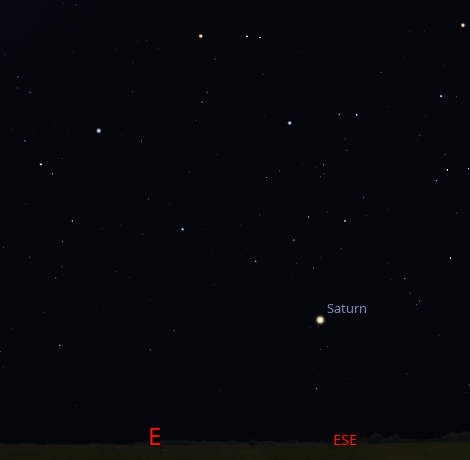
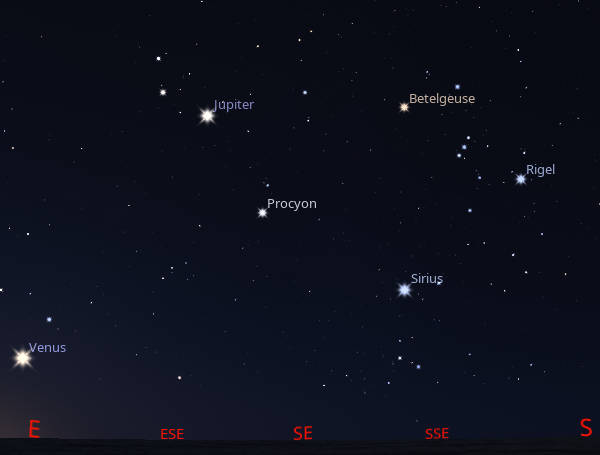
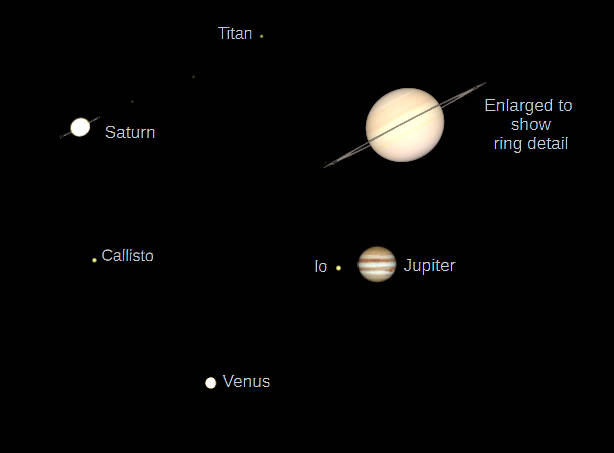
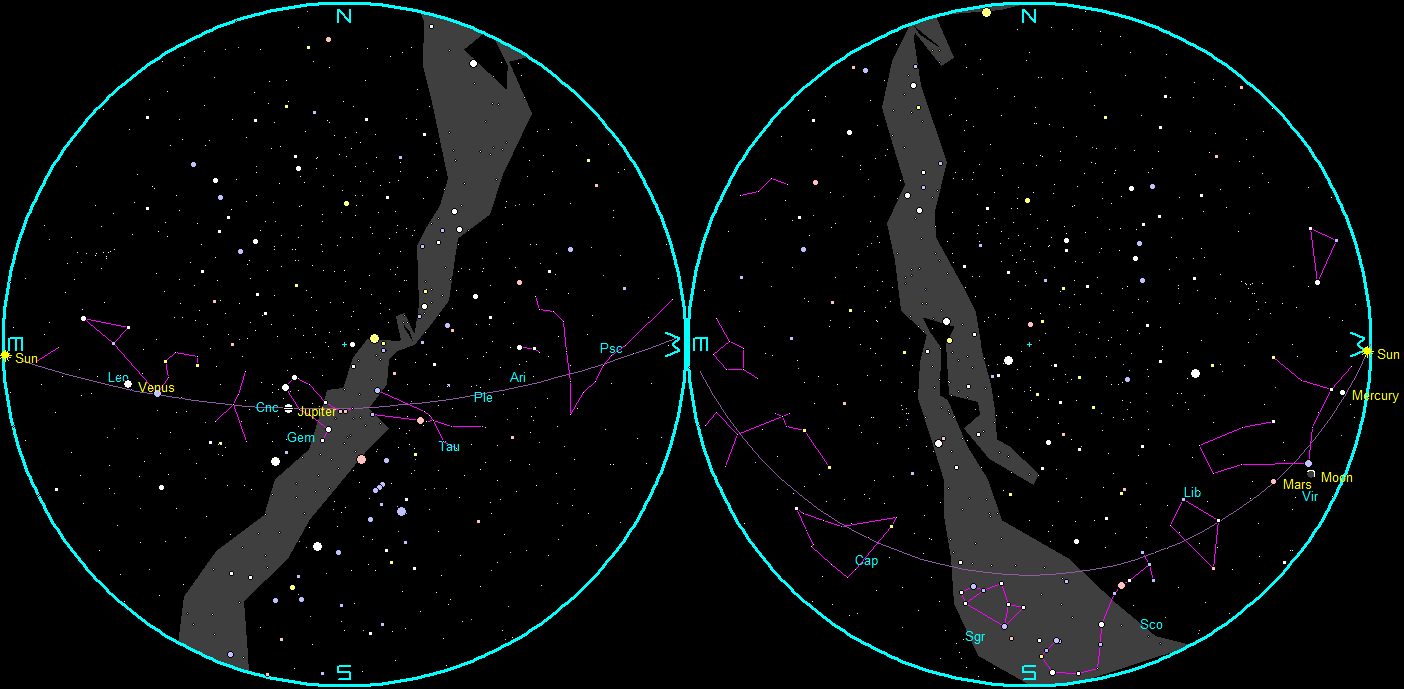
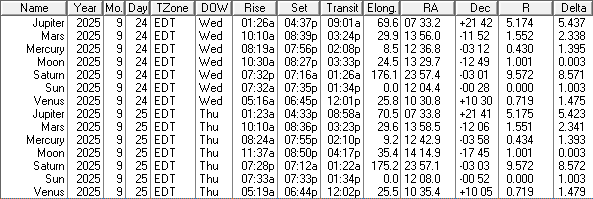
Let’s take our weekly look at the whereabouts of the naked-eye planets. Saturn now rises about sunset in the east. It was in opposition from the Sun last Sunday. In a telescope Saturn sports a very thin ring, 1.7° from being edge on. Saturn has an axial tilt of about 27°, so it has seasons like the Earth and since its rings are over its equator, when they go edge on to the Sun, it is an equinox for it, which happened this past May. Earth, being close to the Sun, see nearly the same thing. Now the ring angle for us will decrease to about a third of a degree by November 23rd before increasing. By 6:30 AM Jupiter will appear high in the east-southeast, under the stars of Gemini. With brighter Venus low in the east below the star Regulus in Leo.
The astronomical event times given in this blog are for the Traverse City/Interlochen area of Michigan (Lat 44.7° N, Long 85.7° W; EDT, UT – 4 hours) unless stated otherwise. Times will be different for other locations.
Addendum
Ephemeris: 09/23/2025 – Neptune is at opposition today
This is Ephemeris for Tuesday, September 23rd. Today the Sun will be up for 12 hours and 6 minutes, setting at 7:37, and it will rise tomorrow at 7:32. The Moon, 2 days past new, will set at 8:07 this evening.
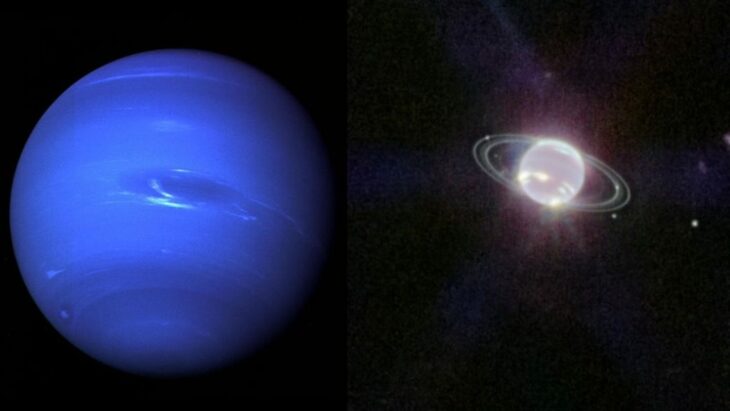
I normally don’t talk about observing things in the sky unless it can be seen with the naked eye, or can be seen in binoculars which are near stars that are visible to the naked eye. So I rarely talk about the planet Neptune. The last time was eight years ago and for the same reason as today. Neptune is in opposition with the Sun. That is, it is exactly opposite to the Sun in the sky, rising at sunset and setting at sunrise. Not only that, today is the 179th anniversary of the date it was discovered in 1846. Interestingly, it was first seen by Galileo. In one of his drawings of Jupiter and its moons that he made with his small telescope, there happened to be a background star that he recorded. That star turned out to be Neptune.
The astronomical event times given in this blog are for the Traverse City/Interlochen area of Michigan (Lat 44.7° N, Long 85.7° W; EDT, UT – 4 hours) unless stated otherwise. Times will be different for other locations.
Addendum
Ephemeris: 09/22/2025 – Autumn befalls us today
This is Bob Moler with Ephemeris for Monday, September 22nd. Today the Sun will be up for 12 hours and 9 minutes, setting at 7:39, and it will rise tomorrow at 7:31. The Moon, 1 day past new, will set at 7:50 this evening.
This is it! Summer will end at 2:20 this afternoon, when the center of the Sun will cross the celestial equator, an imaginary line above the Earth’s equator, heading southward. At that instant, autumn will begin. Shortly after, the Sun will be up less than half the day. The day and the point in the sky that the Sun crosses is called the autumnal equinox. The word equinox means equal night, implying that day and night are of equal length. Geometrically that’s true, but the Earth’s atmosphere and the definition of sunrise and sunset, prolong daylight by a few minutes. The amount of heat we are getting and will get from the Sun cannot sustain our current temperatures, and it will get a lot colder on average before it gets warmer again.
The astronomical event times given in this blog are for the Traverse City/Interlochen area of Michigan (Lat 44.7° N, Long 85.7° W; EDT, UT – 4 hours) unless stated otherwise. Times will be different for other locations.
Addendum

Ephemeris: 09/19/25 – A different take on Cygnus the swan
This is Ephemeris for Friday, September 19th. Today the Sun will be up for 12 hours and 18 minutes, setting at 7:45, and it will rise tomorrow at 7:27. The Moon, 2 days before new, will rise at 6:06 tomorrow morning.
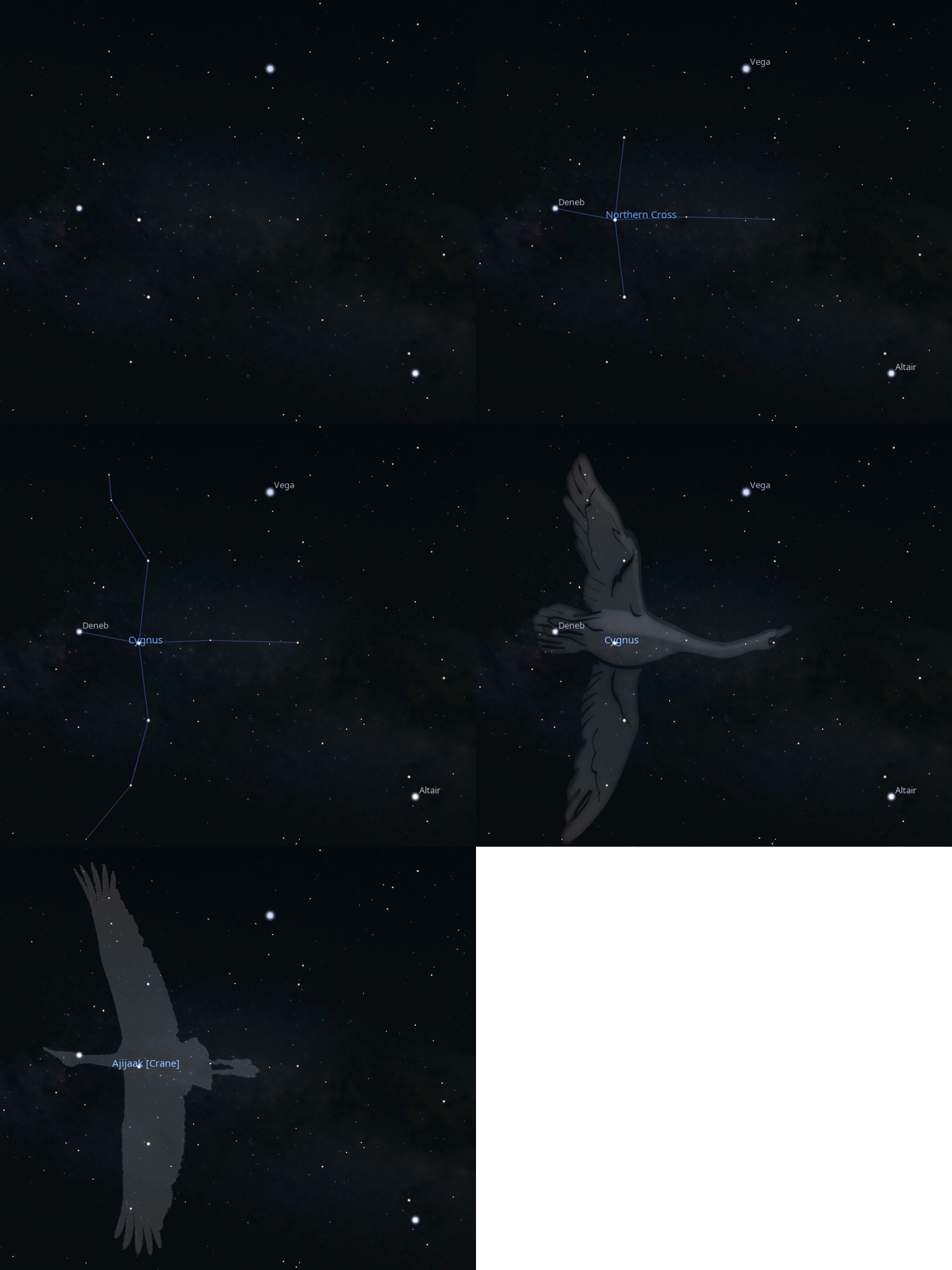
Yesterday I looked the star in the beak of the constellation of Cygnus the swan and the informal constellation or asterism made from most of its stars the Northern Cross. Cygnus is the official International Astronomical Union constellation name. However, the indigenous Anishinaabe people of our area had another bird in mind when seeing these stars, which are now fairly high in the east in the evening: Ajijaak, (pronounced a-ji-jock) a Sand Hill crane. While the swan is flying, neck outstretched to the south through the Milky Way, the crane is flying northward with its long legs trailing behind. The bright star Deneb is at his head. Where I live I see more cranes than swans these days and hear their creaking-door-like calls, and see a pair from time to time in a field south of where I live.
The astronomical event times given in this blog are for the Traverse City/Interlochen area of Michigan (Lat 44.7° N, Long 85.7° W; EDT, UT – 4 hours) unless stated otherwise. Times will be different for other locations.
Addendum
Ephemeris: 09/18/2025 – A fine example of different star colors
This is Bob Moler with Ephemeris for Thursday, September 18th. Today the Sun will be up for 12 hours and 21 minutes, setting at 7:47, and it will rise tomorrow at 7:26. The Moon, 3 days before new, will rise at 4:56 tomorrow morning.
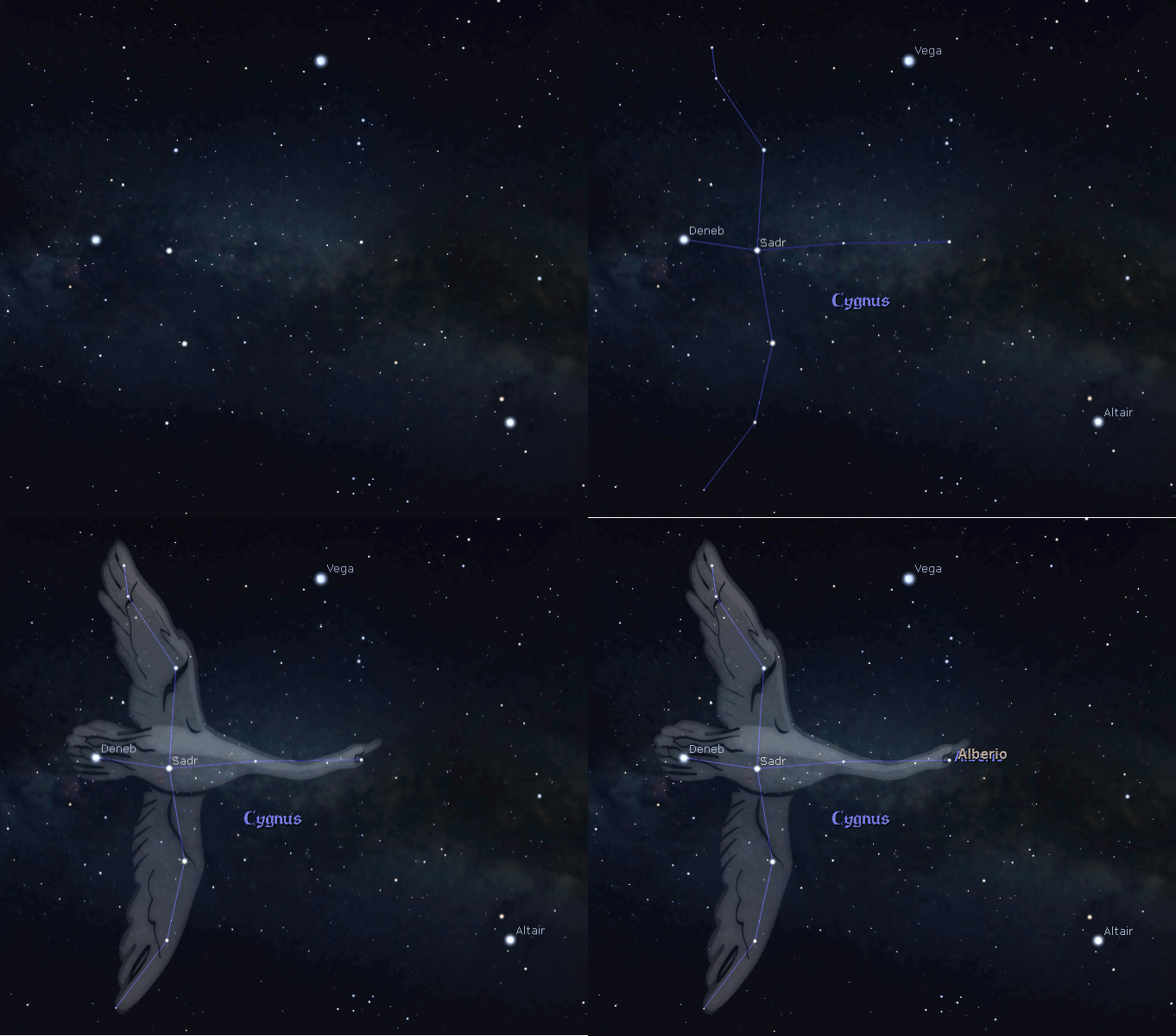
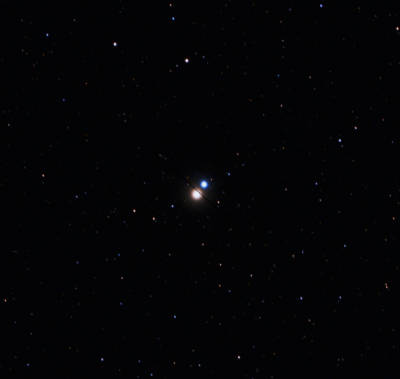
Alberio is the name of the star that is in the head of the constellation of Cygnus the swan, which is almost overhead these evenings. It is also at the foot of the asterism or informal constellation of the Northern Cross. To the naked eye Alberio looks like a single star, however even in small telescopes its true nature is revealed. It’s a double star whose individual star colors are strikingly different Its brightest star is yellow, and the dimmer star is blue. While star colors are subtle, these two, due to their apparent closeness, make an obvious color contrast. Unlike what your interior decorator says: In stars, blue is hot, yellow, orange and red are cool. The two stars are too far apart to be considered a binary star system, but appear to move together in space. It is what is called an optical double, though they’re both around 430 light years away.
The astronomical event times given in this blog are for the Traverse City/Interlochen area of Michigan (Lat 44.7° N, Long 85.7° W; EDT, UT – 4 hours) unless stated otherwise. Times will be different for other locations.
Addendum
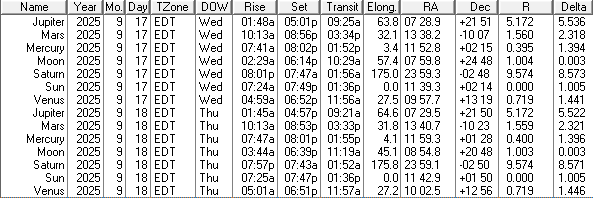
Ephemeris: 09/17/2025 – Taking a look at the whereabouts of the naked-eye planets
This is Ephemeris for Wednesday, September 17th. Today the Sun will be up for 12 hours and 24 minutes, setting at 7:49, and it will rise tomorrow at 7:25. The Moon, 3 days past last quarter, will rise at 3:44 tomorrow morning.
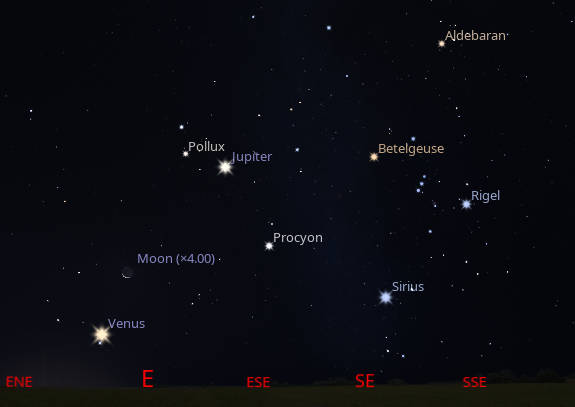
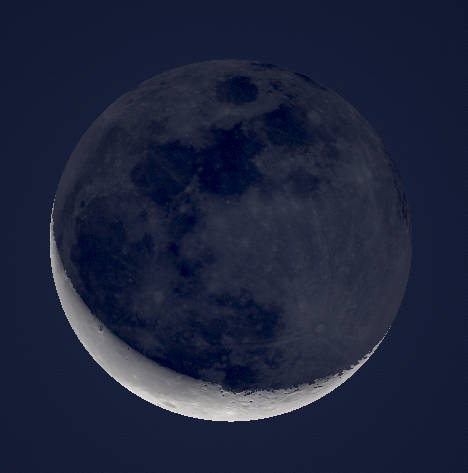
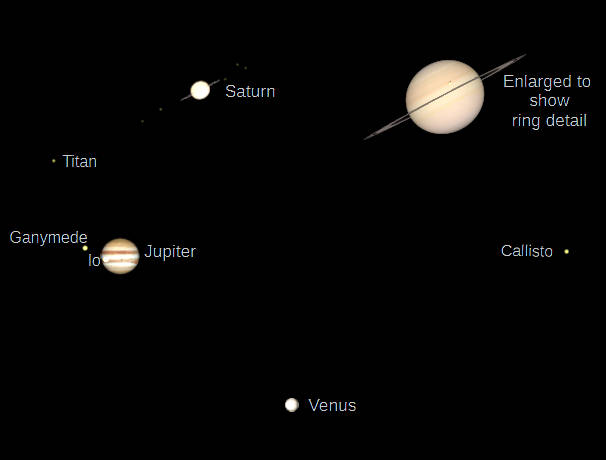
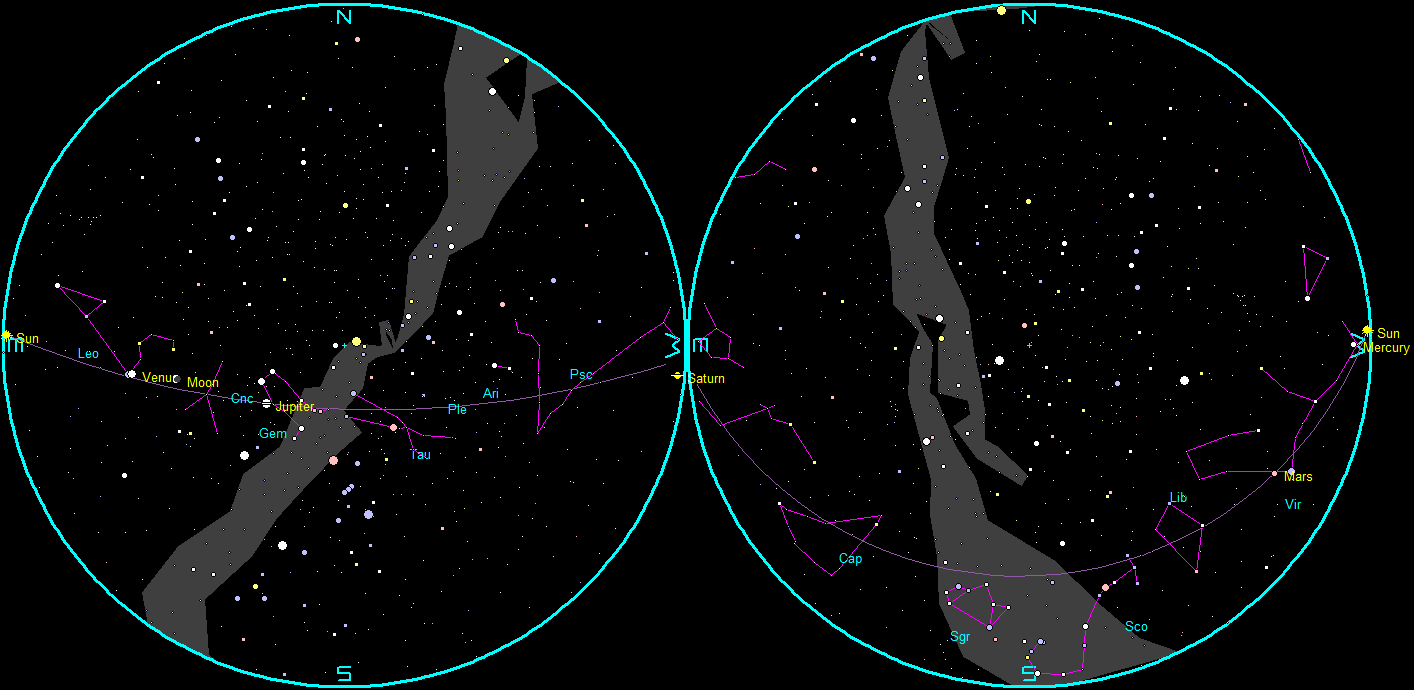
Let’s take our weekly look at the whereabouts of the naked-eye planets. Saturn now rises at 8:01 PM in the east. In a telescope Saturn sports a very thin ring, 2° from being edge on. Saturn has an axial tilt of about 27°, so it has seasons like the Earth and since its rings are over its equator, when they go edge on to the Sun, it is an equinox for it, which happened in May. Earth being close to the Sun and moving, see nearly the same thing. Now the ring angle for us will decrease to about a third of a degree by November 23rd before increasing. By 6 AM Jupiter will appear above the brighter Venus in the Eastern sky and among the stars of Gemini. Venus and Jupiter will have the waning crescent Moon between them tomorrow morning.
The astronomical event times given in this blog are for the Traverse City/Interlochen area of Michigan (Lat 44.7° N, Long 85.7° W; EDT, UT – 4 hours) unless stated otherwise. Times will be different for other locations.
Addendum
 Bob Moler's Ephemeris Blog