Archive
Ephemeris: 09/16/2025 – NASA’s announcement of discovery that might be evidence for past life on Mars
This is Ephemeris for Tuesday, September 16th. Today the Sun will be up for 12 hours and 27 minutes, setting at 7:50, and it will rise tomorrow at 7:24. The Moon, 2 days past last quarter, will rise at 2:29 tomorrow morning.
Turning from the current crisis last week, NASA last Thursday, announced the detection of Martian elements and minerals that could have been associated with life, when Mars was more hospitable for life billions of years ago. This was discovered by the Perseverance Rover in a dry (of course) river valley in the delta, where the river once flowed into Jezero crater. Further chemical analysis will have to wait until samples of the rock are returned to the earth. Perseverance has made core samples of the rock in question, but the problem is the mission to retrieve the samples has yet to be fully defined and may be canceled. This is due to a change in strategy for NASA for the de-emphasis of science by the current US administration.
The astronomical event times given in this blog are for the Traverse City/Interlochen area of Michigan (Lat 44.7° N, Long 85.7° W; EDT, UT – 4 hours) unless stated otherwise. Times will be different for other locations.
Addendum
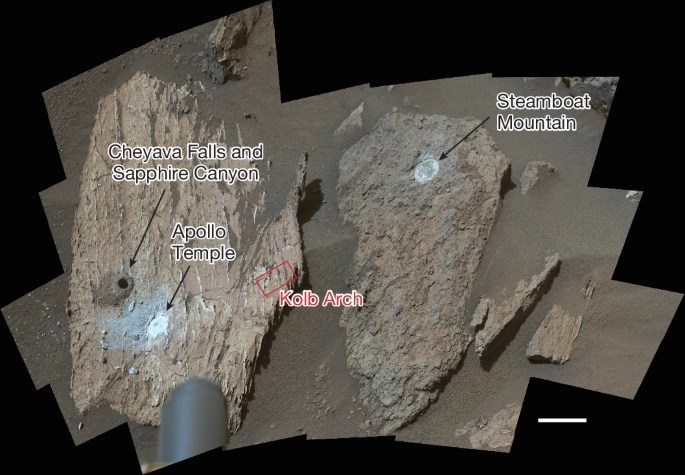
Falls workspace on sol 1217. The light-toned layered block contains the Cheyava
Falls natural surface target, the Apollo Temple abrasion and the Sapphire
Canyon core sample location. The Sapphire Canyon sample was collected
from approximately the same location as Cheyava Falls after analysis of the
target was completed. The darker-toned granular block contains
the Steamboat Mountain abrasion. Downhill is to the left on this image.
Mastcam-Z enhanced color RGB vertical projection mosaic from sol 1217,
sequence zcam09264, acquired at 110-mm focal length. Scale bar, 10 cm.
Credit: NASA/JPL-Caltech/ASU/MSSS. Caption edited from the September 11, 2025 Nature Article Redox-driven mineral and organic associations in Jezero Crater, Mars.
Link to the article: Redox-driven mineral and organic associations in Jezero Crater, Mars https://www.nature.com/articles/s41586-025-09413-0
Link to the paper: Hurowitz, J.A., Tice, M.M., Allwood, A.C. et al. Redox-driven mineral and organic associations in Jezero Crater, Mars. Nature 645, 332–340 (2025). https://doi.org/10.1038/s41586-025-09413-0
Ephemeris: 09/15/2025 – Last month to view the southern Milky Way from Michigan
This is Bob Moler with Ephemeris for Monday, September 15th. Today the Sun will be up for 12 hours and 30 minutes, setting at 7:52, and it will rise tomorrow at 7:23. The Moon, 1 day past last quarter, will rise at 1:14 tomorrow morning.
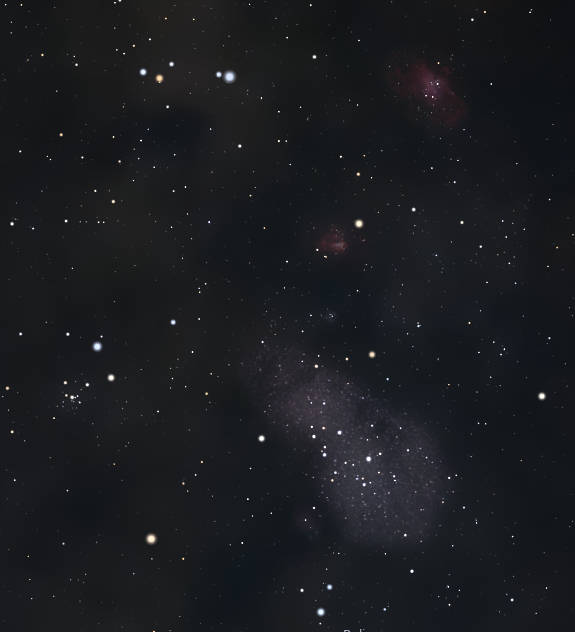
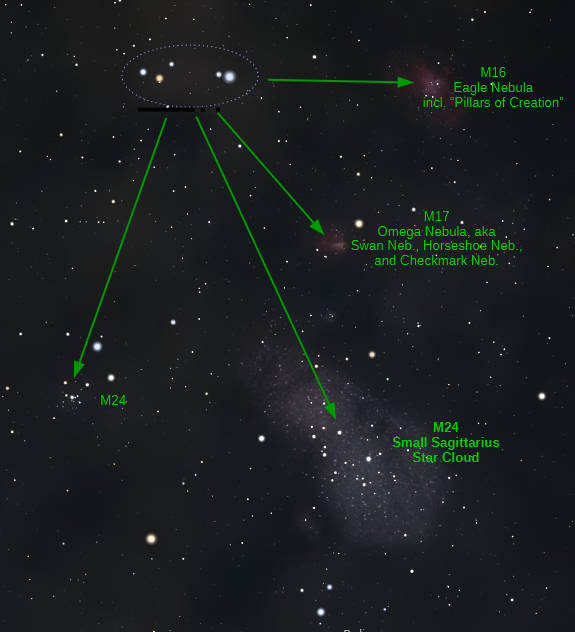
September is the second of the two months we get to see the southern part of the Milky Way in the evening sky. At 10 PM the asterism of the Teapot of the constellation Sagittarius is pouring its tea on the southwestern horizon. It is in that direction that we look to the center of the Milky Way. Unfortunately there are clouds of dust and gas between us and the center, so we cannot see it visually, though it can be seen by radio waves and other means. There are a host of objects visible in binoculars and small telescopes. One does not need a star map to be able to find them, just point a telescope at low power or binoculars in that direction and sweep around slowly. There are treasures of star clusters and nebulae to be found.
The astronomical event times given in this blog are for the Traverse City/Interlochen area of Michigan (Lat 44.7° N, Long 85.7° W; EDT, UT – 4 hours) unless stated otherwise. Times will be different for other locations.
Addendum
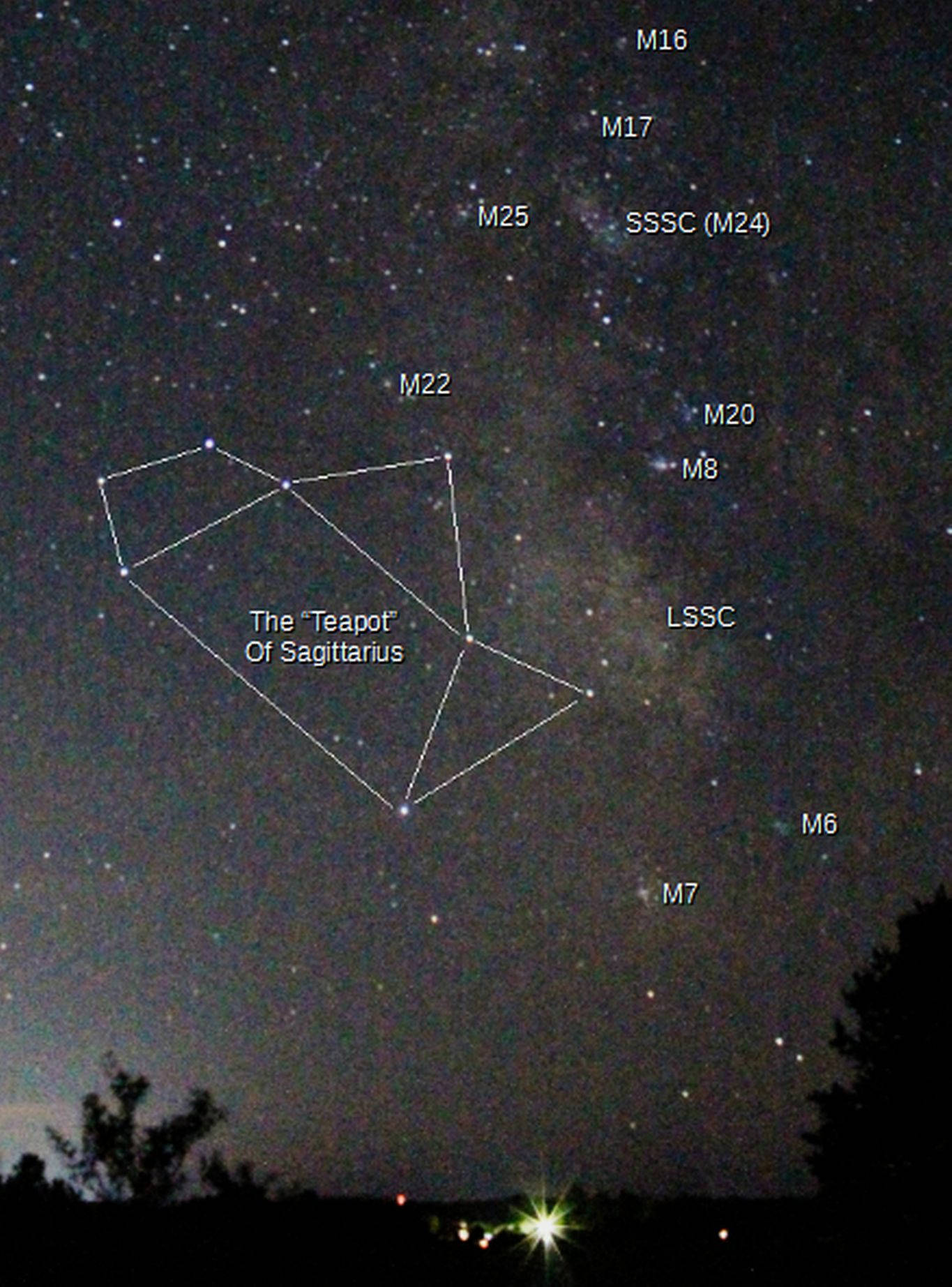
In the image above the amount of detail of the stars is approximately that of a pair of binoculars. The various nebulae and star clusters are denoted with M numbers. These are some of the brightest, what we call deep sky objects, in the catalog by Charles Messier, who is looking for comets. He numbered them as he came across them. The brightest star cluster is M7, which Claudius Ptolemy recorded in the 2nd century CE. The brightest nebula is M8, the Lagoon Nebula out of which a star cluster is being formed. In binoculars, it looks like a short horizontal gash. Next in brightness is M17, a fuzzy spot in binoculars, but appears as a glowing check mark, or swimming swan in a telescope. M20, the Trifid Nebula, is the next brightest nebula in which dark dust lanes divide it into three lobes. M16, the Eagle Nebula is very dim. Most of the time I miss the nebulosity, but its embedded star cluster is quite easily seen. The rest of the Messier objects are star clusters or a star cloud. Of these M22 is a globular star cluster and one of the easiest of these clusters to resolve, though it might take a telescope of 150 mm (6″) diameter to do it.
Ephemeris: 09/12/2025 – Cassiopeia through the year
This is Ephemeris for Friday, September 12th. Today the Sun will be up for 12 hours and 39 minutes, setting at 7:58, and it will rise tomorrow at 7:19. The Moon, 2 days before last quarter, will rise at 10:19 this evening.
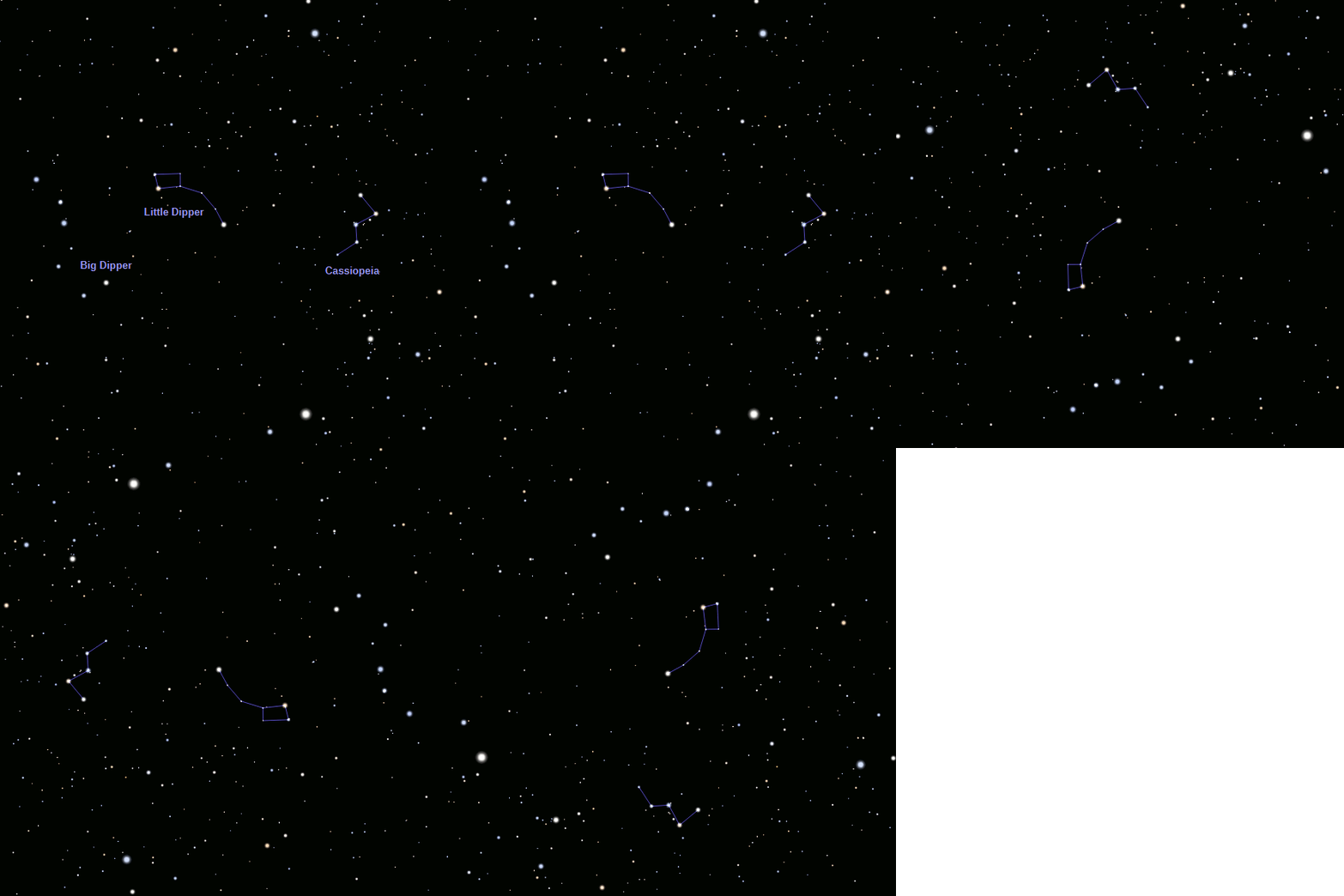
The constellation of Cassiopeia the queen looks to most of us like the letter W. However, since it is circumpolar, that is it seems to move around the North Pole of the sky without setting. It represents to us with various orientations. When it’s seen now in the evening in the northeast, it kind of looks like a misshapen number 3. In early winter it would be nearly overhead and be the letter M, not the University of Michigan block letter M, but the angular University of Minnesota M. In early spring, it’s in the northwestern sky as the Greek capital letter sigma. And finally in early summer it’ll be low in the north and become the upright letter W. I’ll return to Cassiopeia and tell her story later this autumn.
The astronomical event times given in this blog are for the Traverse City/Interlochen area of Michigan (Lat 44.7° N, Long 85.7° W; EDT, UT – 4 hours) unless stated otherwise. Times will be different for other locations.
Ephemeris: 09/11/2025 – Finding Pegasus the flying horse
This is Bob Moler with Ephemeris for Thursday, September 11th. Today the Sun will be up for 12 hours and 43 minutes, setting at 8:00, and it will rise tomorrow at 7:18. The Moon, 3 days before last quarter, will rise at 9:43 this evening.
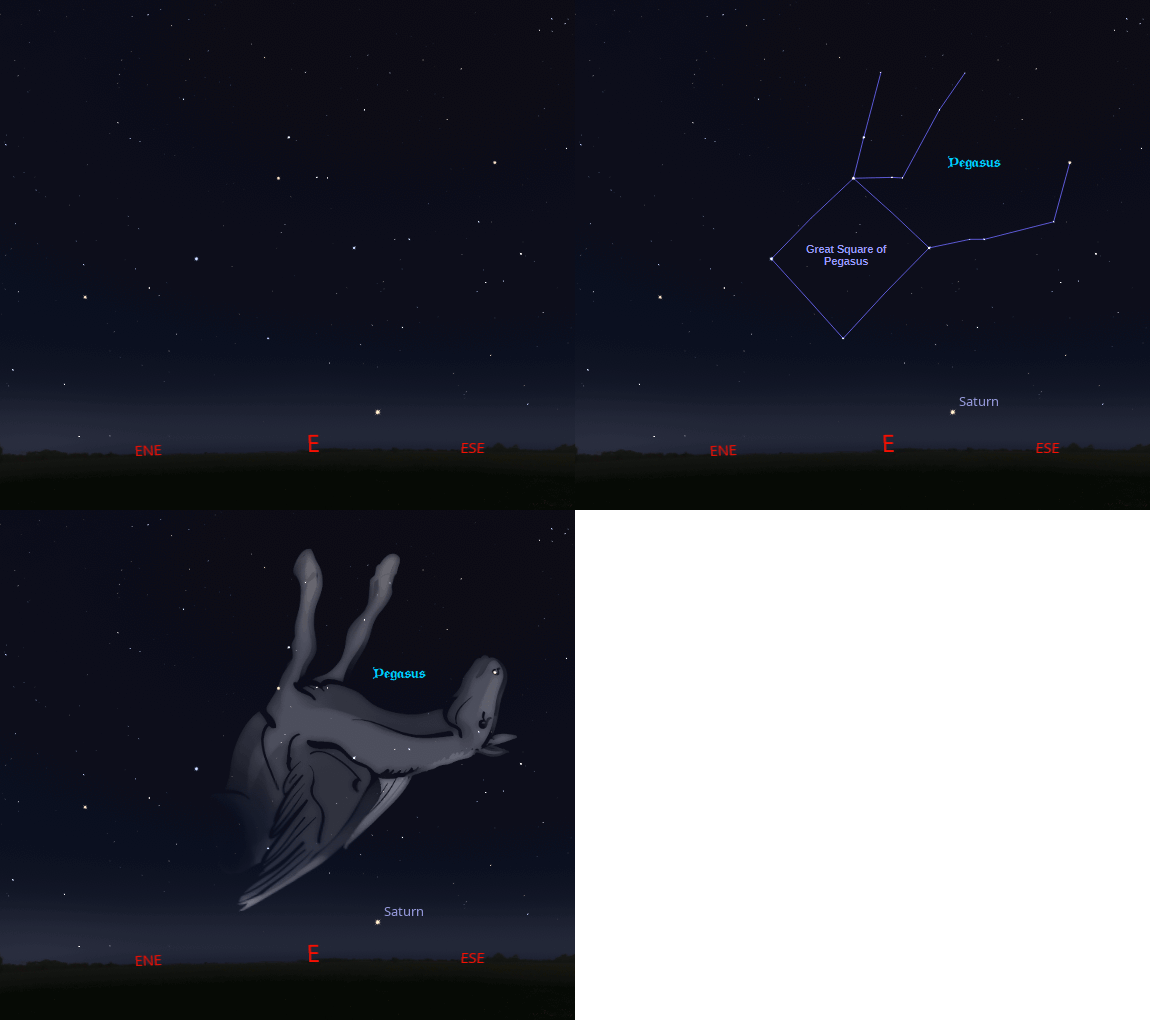
While we’ve been watching the stars and constellations of summer and the Milky Way, the constellations of autumn have been sneaking up on us from the east. Low in the east at 9 PM is one of the greatest constellations of autumn, Pegasus the flying horse. Her body or at least the front part of it is a large square of stars called the Great Square of Pegasus. It is an almost perfect rectangle. However, as she’s rising, it’s standing on one corner. This year it is above and left of Saturn. From the upper star are her front legs, from the rightmost star her neck and head extend in the stars. And from the left star of the square are what might look like her hind legs but aren’t. Only half of her body is in the stars. It’s another constellation, Andromeda.
The astronomical event times given in this blog are for the Traverse City/Interlochen area of Michigan (Lat 44.7° N, Long 85.7° W; EDT, UT – 4 hours) unless stated otherwise. Times will be different for other locations.
Addendum
Ephemeris: 09/10/2025 – Our weekly look at the naked-eye planets
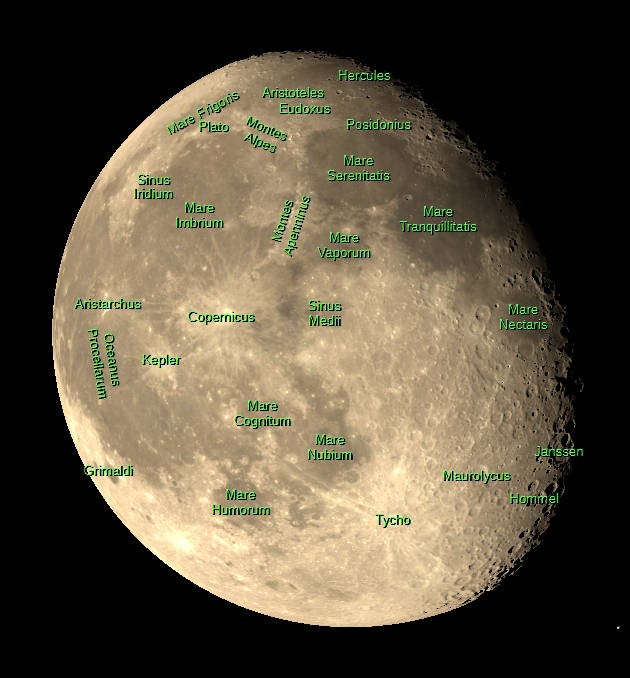
This is Bob Moler with Ephemeris for Wednesday, September 10th. Today the Sun will be up for 12 hours and 46 minutes, setting at 8:02, and it will rise tomorrow at 7:17. The Moon, 3 days past full, will rise at 9:14 this evening.
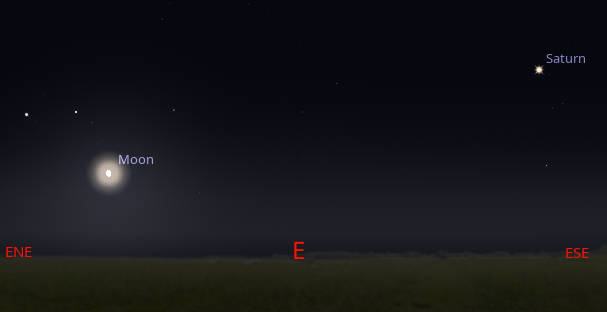
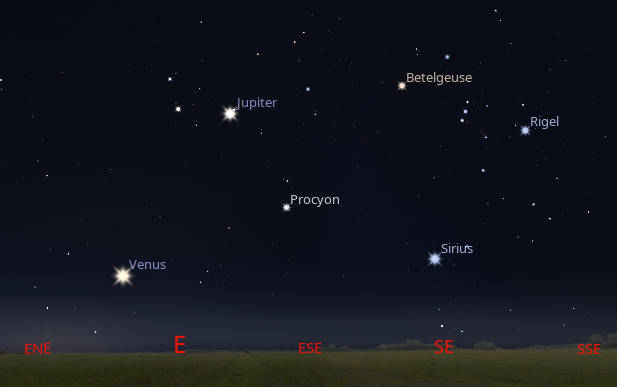
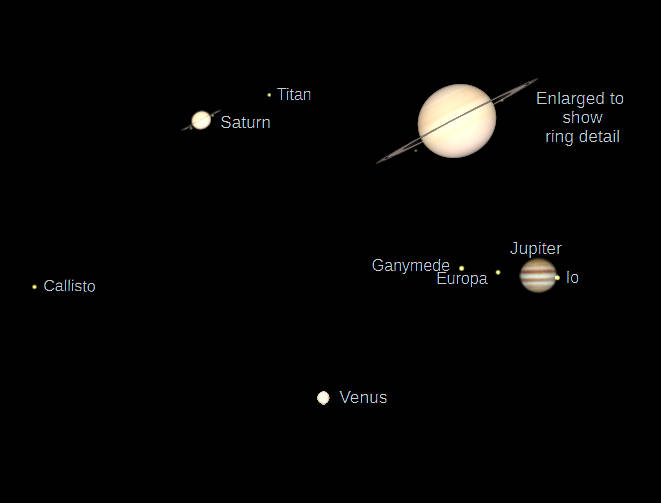
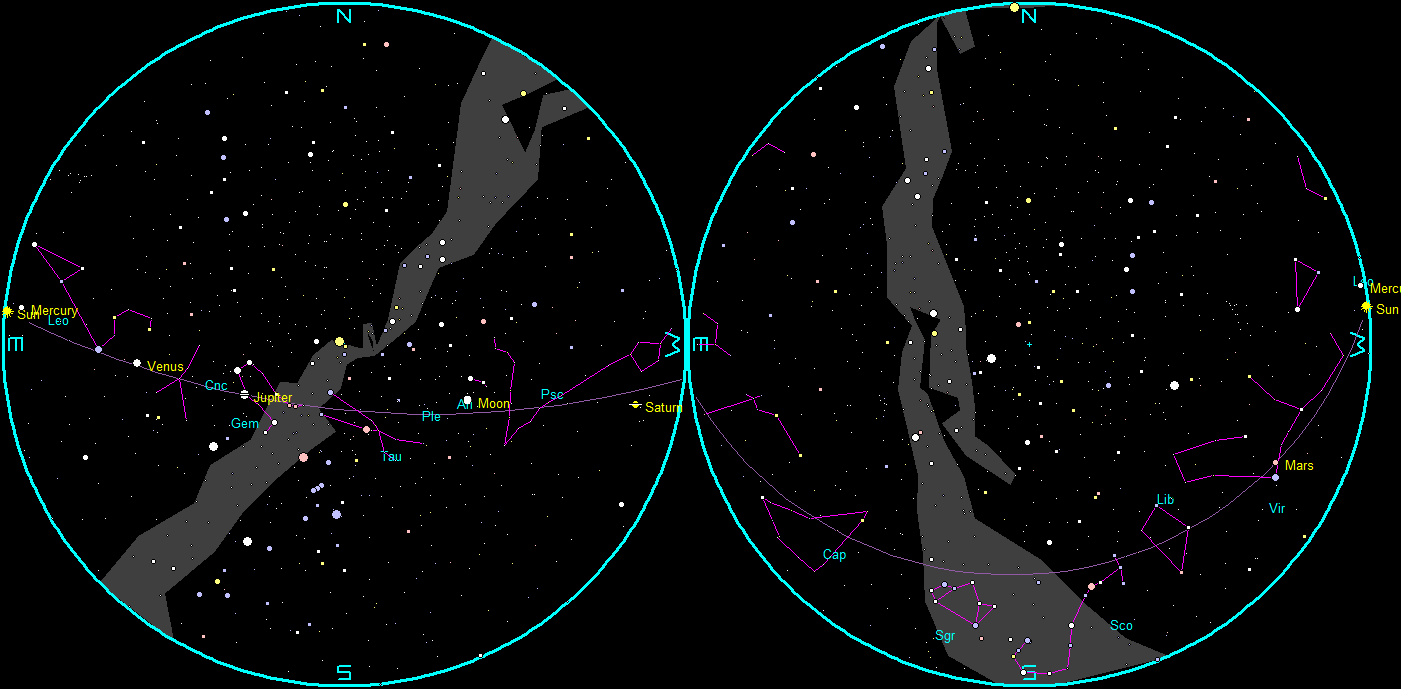
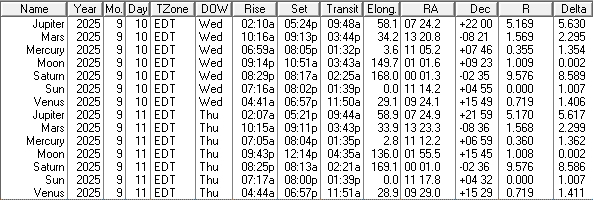
Let’s take our weekly look at the whereabouts of the naked-eye planets. Saturn now rises at 8:30 PM in the east. In a telescope Saturn sports a very thin ring, 2¼° from being edge on. Saturn has an axial tilt of about 27°, so it has seasons like the Earth and since its rings are over its equator, when the go edge on to the Sun, it is an equinox for it, which happened in May. Earth being close to the Sun and moving, see nearly the same thing. Now the ring angle will decrease to about a third of a degree by November 23rd before increasing. By 6 AM Jupiter will appear above the brighter Venus in the eastern sky and among the stars of Gemini. Venus and Jupiter are joining the bright winter stars, a beautiful sight in the morning twilight.
The astronomical event times given in this blog are for the Traverse City/Interlochen area of Michigan (Lat 44.7° N, Long 85.7° W; EDT, UT – 4 hours) unless stated otherwise. Times will be different for other locations.
Addendum
Ephemeris: 09/09/2025 – 3I/ATLAS, a minority view
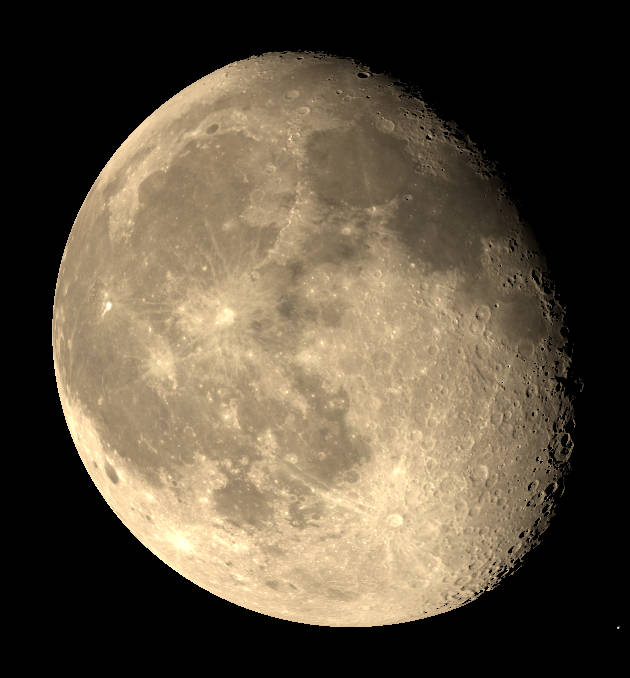
This is Ephemeris for Tuesday, September 9th. Today the Sun will be up for 12 hours and 49 minutes, setting at 8:04, and it will rise tomorrow at 7:16. The Moon, 2 days past full, will rise at 8:51 this evening.
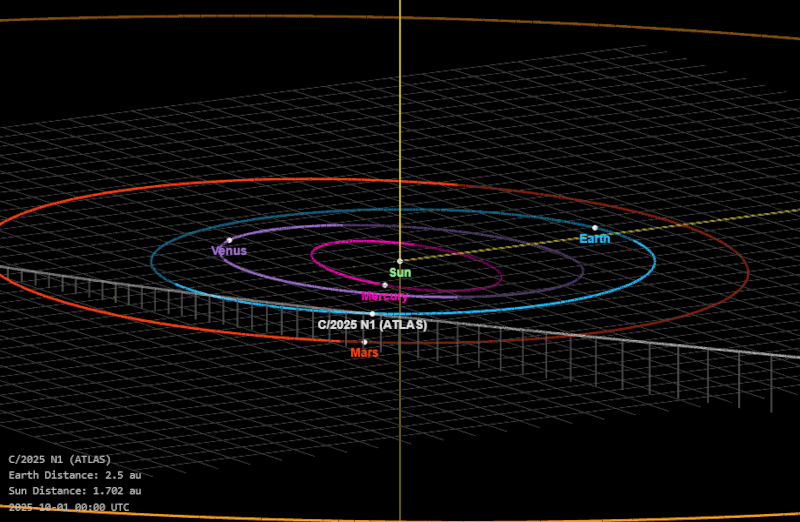
Interstellar object 3I/ATLAS is closing in on the planet Mars, which it will reach nearest to on October 1st. Some speculate, including one Harvard professor, that maybe it’s an alien probe. This object is much too slow to traverse the interstellar medium between stars with a biological crew, who are short-lived like us. More likely it would be crewed by robots run by artificial intelligence, like which we are beginning to perfect. 3I/ATLAS will not get very close to the Earth, but will get close to Mars. That got me to speculating, tongue in cheek of course, that being a machine intelligence they would be more interested in Mars. The reason being, that Mars is the only planet that’s entirely inhabited by robots, like themselves.
The astronomical event times given in this blog are for the Traverse City/Interlochen area of Michigan (Lat 44.7° N, Long 85.7° W; EDT, UT – 4 hours) unless stated otherwise. Times will be different for other locations.
Addendum
Ephemeris: 09/08/2025 – Previewing the Harvest Moon Effect
This is Ephemeris for Monday, September 8th. Today the Sun will be up for 12 hours and 52 minutes, setting at 8:05, and it will rise tomorrow at 7:14. The Moon, 1 day past full, will rise at 8:30 this evening.
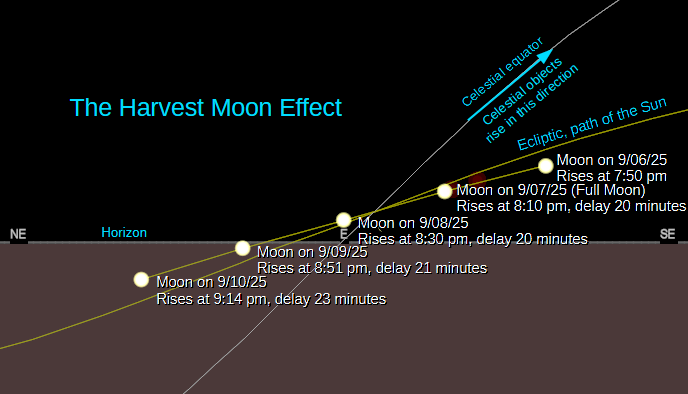
Last night’s full moon was not the Harvest Moon. We normally expect the Harvest Moon to come in September, but this year it does not because it is not the closest full moon to the autumnal equinox. The full moon of October 6th, this year, is the nearest full moon to the autumnal equinox. So it this month’s full moon is called the Corn Moon. But the effects of this full moon are the same as the Harvest Moon, in that the Moon rises only slightly later each evening for about a week or so. The Moon tonight will rise only 20 minutes later than it rose last night. The average day-to-day interval of moon rising is about 50 minutes. This earlier rising time had the effect of extending twilight which helped early farmers with an extra hour to gather in their crops.
The astronomical event times given in this blog are for the Traverse City/Interlochen area of Michigan (Lat 44.7° N, Long 85.7° W; EDT, UT – 4 hours) unless stated otherwise. Times will be different for other locations.
Addendum
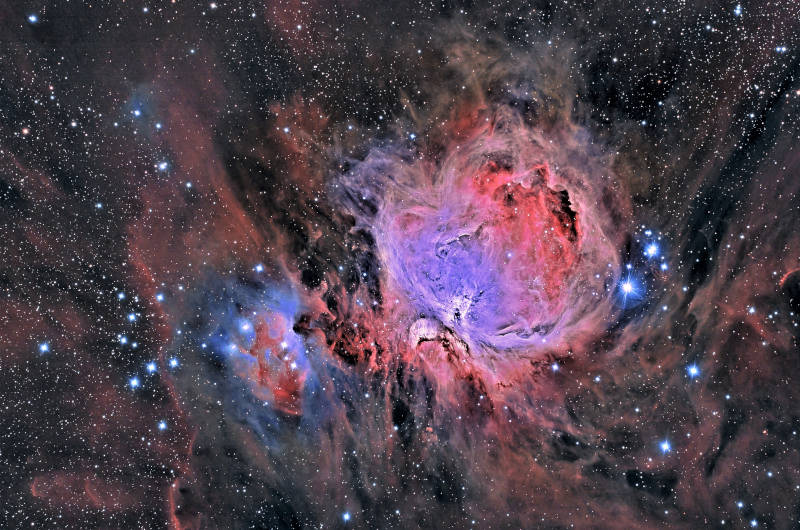
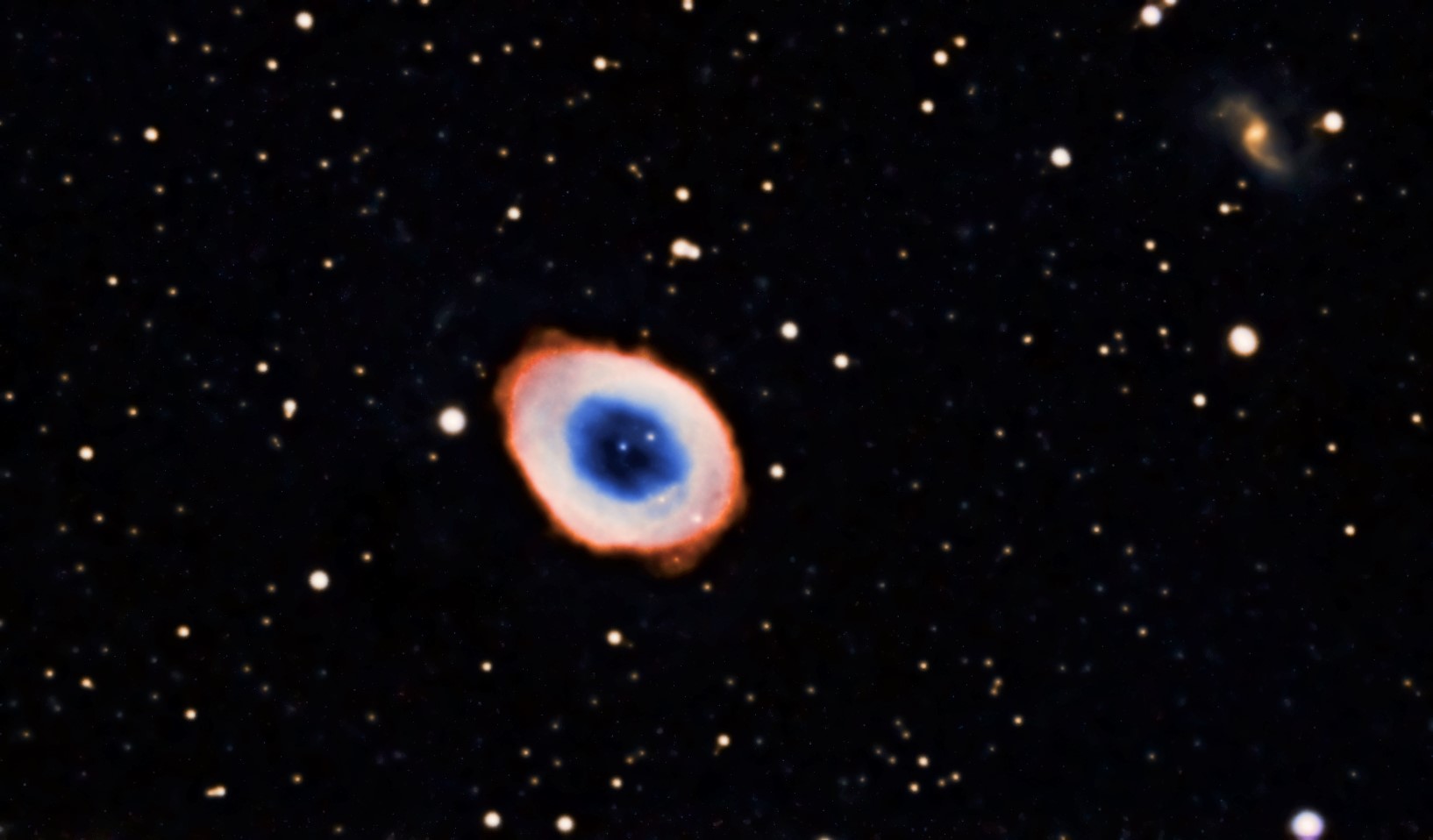
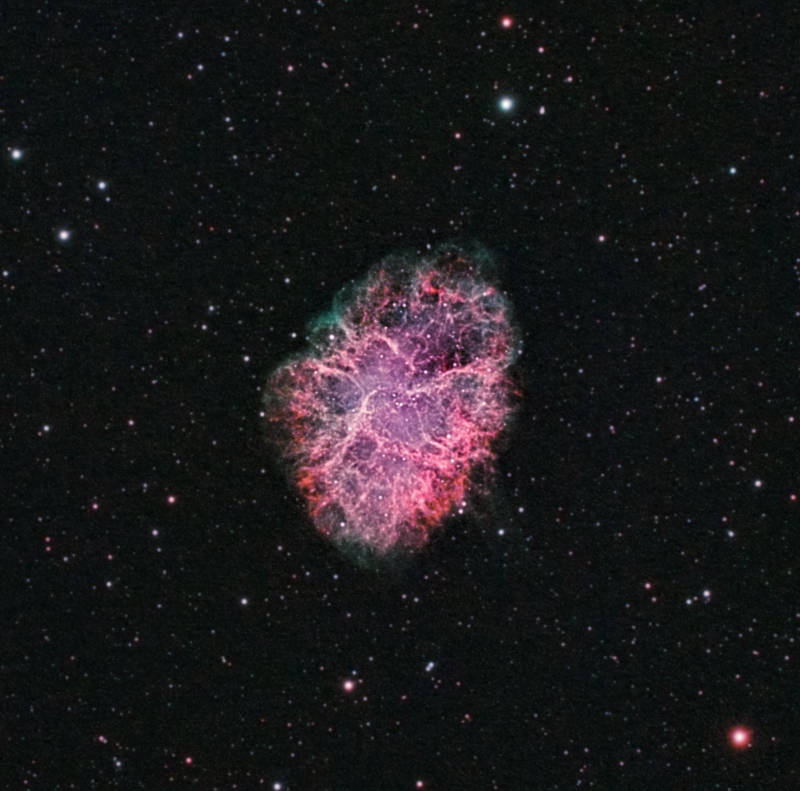
Ephemeris: 09/05/2025 – GTAS meeting tonight, a personal view of nebulae, interstellar clouds
This is Ephemeris for Friday, September 5th. Today the Sun will be up for 13 hours and 1 minute, setting at 8:11, and it will rise tomorrow at 7:11. The Moon, 2 days before full, will set at 5:36 tomorrow morning.
The Grand Traverse Astronomical Society will host its September meeting tonight at 8 PM at Northwestern Michigan College’s Joseph H Rogers Observatory. The talk for the evening will be given by Daniel Dall’Olmo, one of our members, who has had great success photographing the wonders of the universe. He will show and discuss the different types of nebulae he’s photographed. After the meeting, weather permitting, there will be viewing of the Moon and whatever we can find in the twilight. The observatory is located south of Traverse City on Birmley Rd. The meeting will also be available via Zoom, with instructions for joining the meeting on the society’s website, http://www.gtastro.org.
The astronomical event times given in this blog are for the Traverse City/Interlochen area of Michigan (Lat 44.7° N, Long 85.7° W; EDT, UT – 4 hours) unless stated otherwise. Times will be different for other locations.
Addendum
Ephemeris: 09/04/2025 – Venus, the Morning Star
This is Ephemeris for Thursday, September 4th. Today the Sun will be up for 13 hours and 4 minutes, setting at 8:13, and it will rise tomorrow at 7:10. The Moon, 3 days before full, will set at 4:19 tomorrow morning.
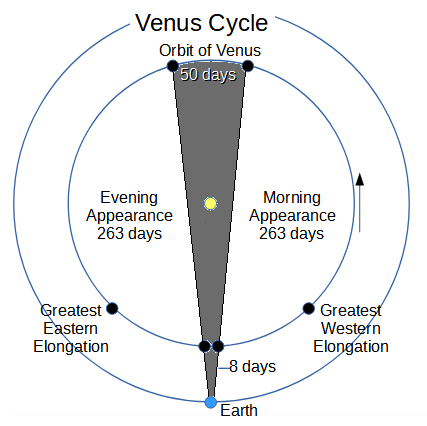
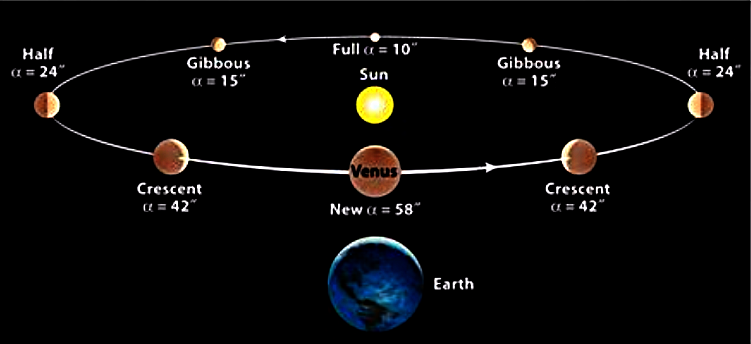
Venus graces our morning sky as the Morning Star. It is seen, this year, along with the planet Jupiter. They are the two brightest planets. The Greek and others of that part of the world, early on, thought the evening and morning appearances of Venus were two different planets. The Mayans of Pre-Columbian Central America were meticulous observers of Venus, as is seen in one of their surviving books, the Dresden Codex. A Venus cycle lasts 584 days, from first appearance in the morning sky, its heliacal rising, through its morning appearance, disappearance behind the Sun, through its evening appearance and disappearance to the next heliacal rising. Astronomers call that it’s synodic period. Five synodic periods equal almost exactly 8 years.
Addendum
Ephemeris: 09/03/2025 – Our weekly look at the naked-eye planets
This is Ephemeris for Wednesday, September 3rd. Today the Sun will be up for 13 hours and 7 minutes, setting at 8:15, and it will rise tomorrow at 7:09. The Moon, 3 days past first quarter, will set at 3:04 tomorrow morning.
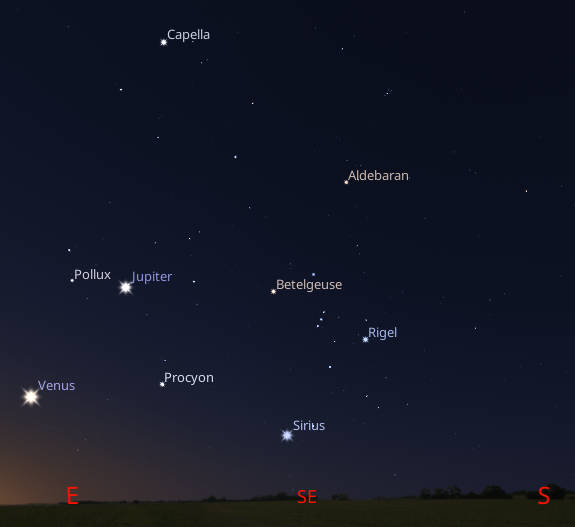
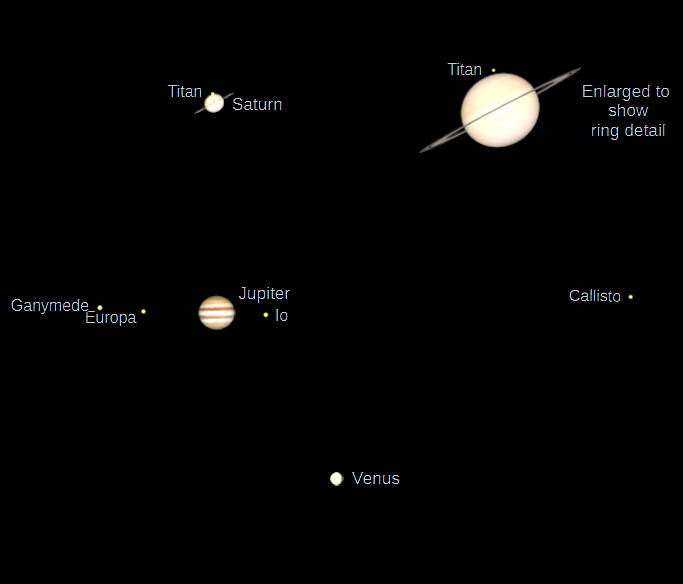
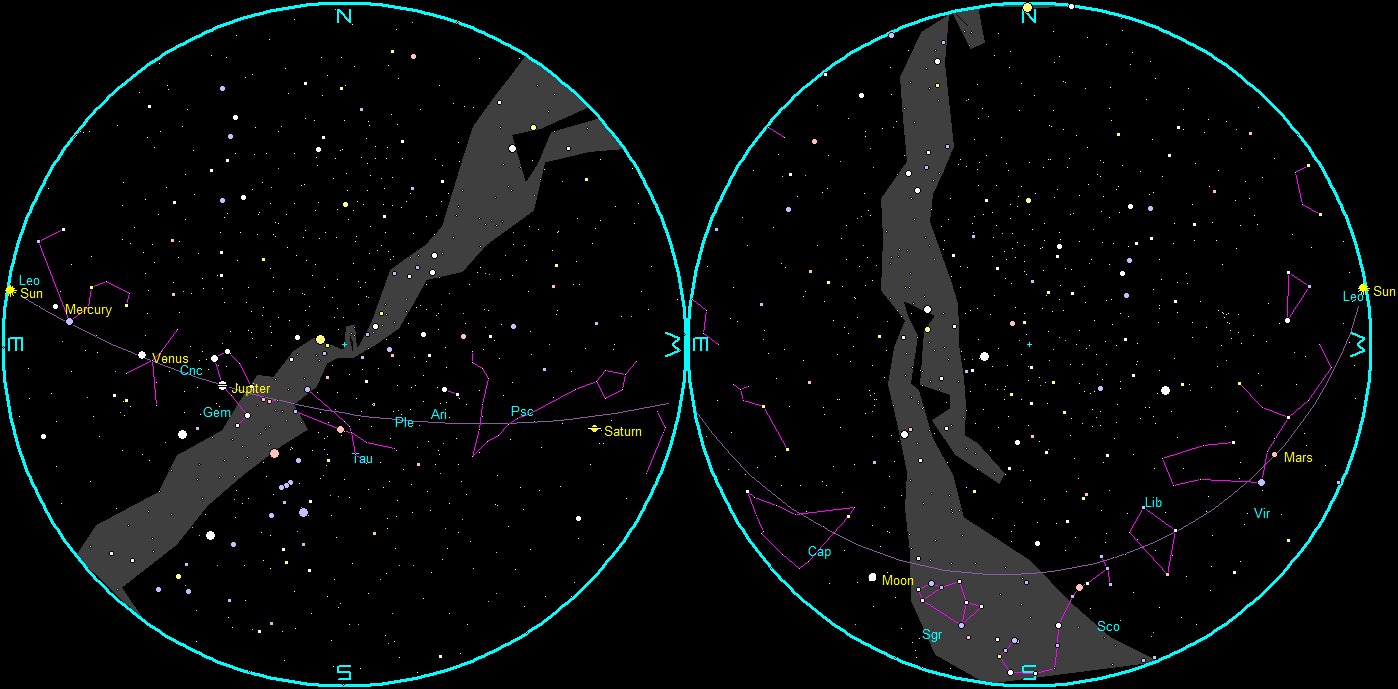
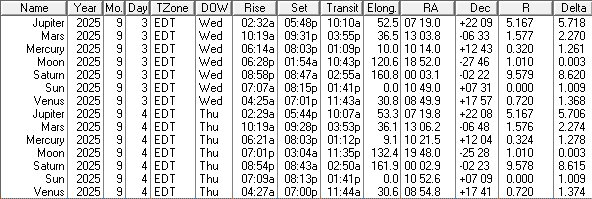
Let’s take our weekly look at the whereabouts of the naked-eye planets. The Red Planet Mars is too close to the direction of the Sun to spot. This is the curse of trying to view evening planets, which are near the direction of the Sun in late summer and early fall, for us at higher latitudes. Saturn now rises at 8:58 PM in the east. In a telescope Saturn sports a very thin ring, 2 ½° from being edge on. This angle will decrease to about a third of a degree by November 23rd before increasing. By 6 AM Saturn will be in the southwest. Jupiter will appear above the brighter Venus in the eastern sky and among the stars of Gemini. Venus and Jupiter are joining the bright winter stars, a beautiful sight in the morning twilight.
The astronomical event times given in this blog are for the Traverse City/Interlochen area of Michigan (Lat 44.7° N, Long 85.7° W; EDT, UT – 4 hours) unless stated otherwise. Times will be different for other locations.
Addendum
 Bob Moler's Ephemeris Blog