Archive
Ephemeris: 03/27/2026 – Finding life out there
This is Ephemeris for Friday, March 27th. Today the Sun will be up for 12 hours and 31 minutes, setting at 8:04, and it will rise tomorrow at 7:30. The Moon, 2 days past first quarter, will set at 5:39 tomorrow morning.
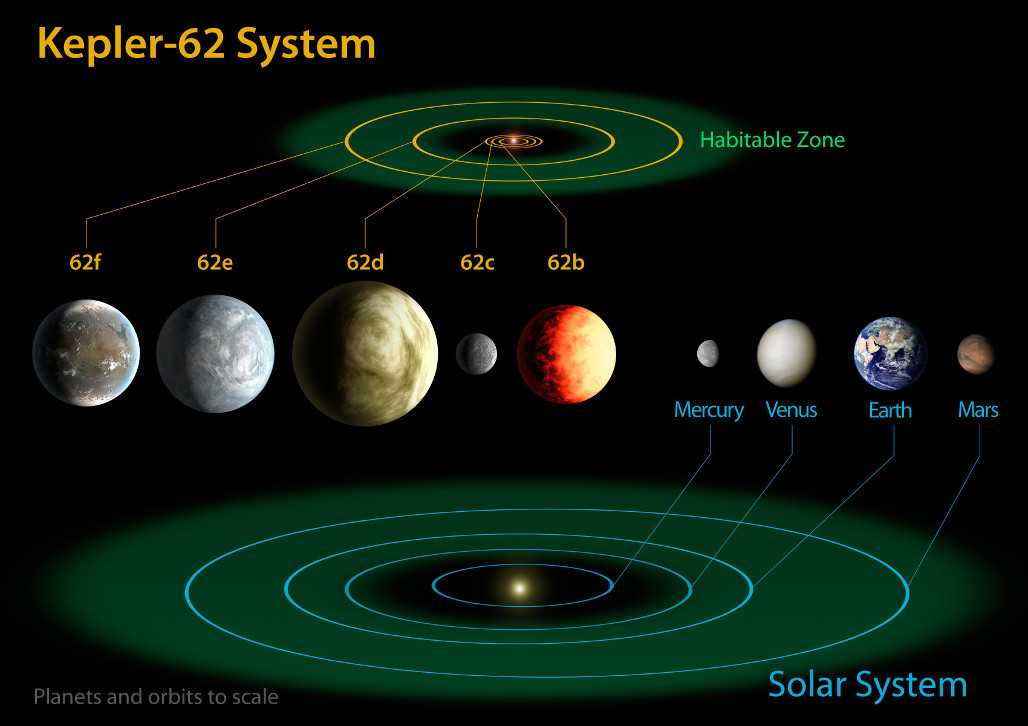
I have often been asked what I thought about life existing in the universe… besides the Earth of course. My answer is yes, I think there is life out there in the universe. There are more galaxies, stars and planets than we can possibly count, though when looking at exoplanets, we’re not finding much in the way of habitable planets. We have one example of life: the Earth and that’s what we look for. Our detection methods are too crude to be able to detect anything as small as the earth unless it’s orbiting a small red dwarf star. We seem to find a lot of large planets, that orbit extremely close to their stars because our detection methods depend on what they do to either block the light of a star or affect it gravitationally. The earth is almost too small to do either.
The astronomical event times given in this blog are for the Traverse City/Interlochen area of Michigan (Lat 44.7° N, Long 85.7° W; EST, UT – 5 hours) unless stated otherwise. Times will be different for other locations.
Addendum
Ephemeris: 03/26/26 – Jupiter compared to Earth and its visible features
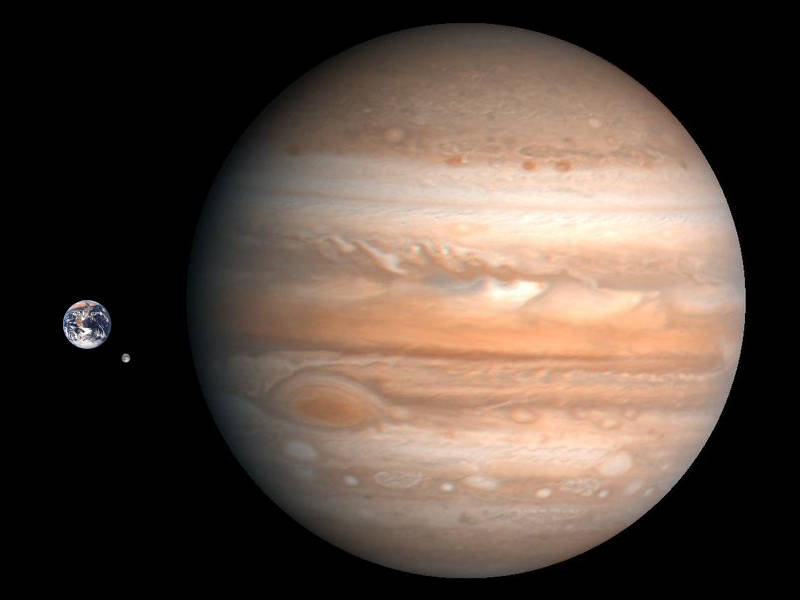
This is Bob Moler with Ephemeris for Thursday, March 26th. Today the Sun will be up for 12 hours and 28 minutes, setting at 8:03, and it will rise tomorrow at 7:32. The Moon, 1 day past first quarter, will set at 5:07 tomorrow morning. | The planet Jupiter rules over the night sky with the Moon after Venus sets. Jupiter, 11 times the diameter of the Earth, has the volume of 1,300 earths, however it is only 318 times the mass of the Earth. It is made-up mostly of hydrogen and helium, so it is called a gas giant planet, rather than a terrestrial or rocky planet like the Earth. Jupiter is the most viewable of the planets in a small telescope. It has 2 dark bands across it called belts of darker appearing clouds. The famed Great Red Spot is an anticyclone embedded in the southern of those belts. The spot is not as red anymore. I remember it being brick-red back in the late 1950s and early 60s. Jupiter spins very rapidly, its day lasts only 10 hours.
The astronomical event times given in this blog are for the Traverse City/Interlochen area of Michigan (Lat 44.7° N, Long 85.7° W; EDT, UT – 4 hours) unless stated otherwise. Times will be different for other locations.
Ephemeris: 03/25/2026 – Taking our weekly look at the whereabouts of the naked-eye planets
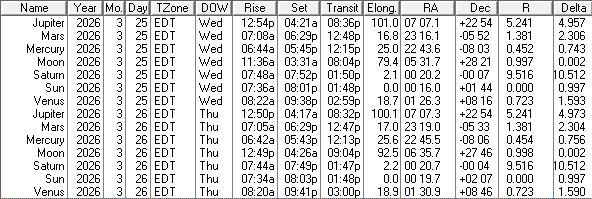
This is Ephemeris for Wednesday, March 25th. Today the Sun will be up for 12 hours and 25 minutes, setting at 8:01, and it will rise tomorrow at 7:34. The Moon, at first quarter today, will set at 4:26 tomorrow morning.
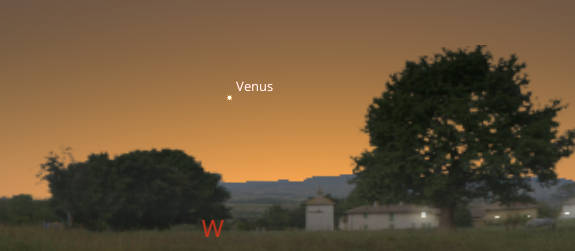
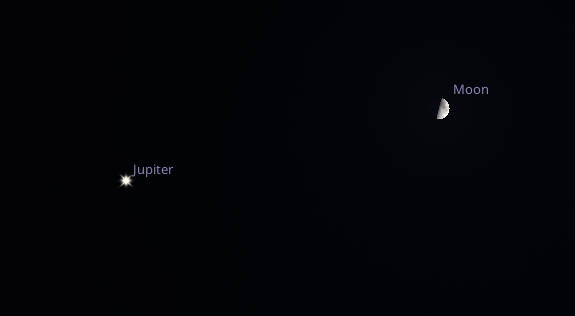
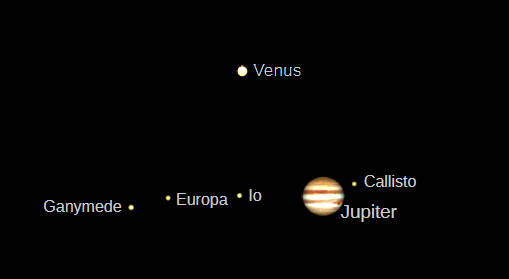
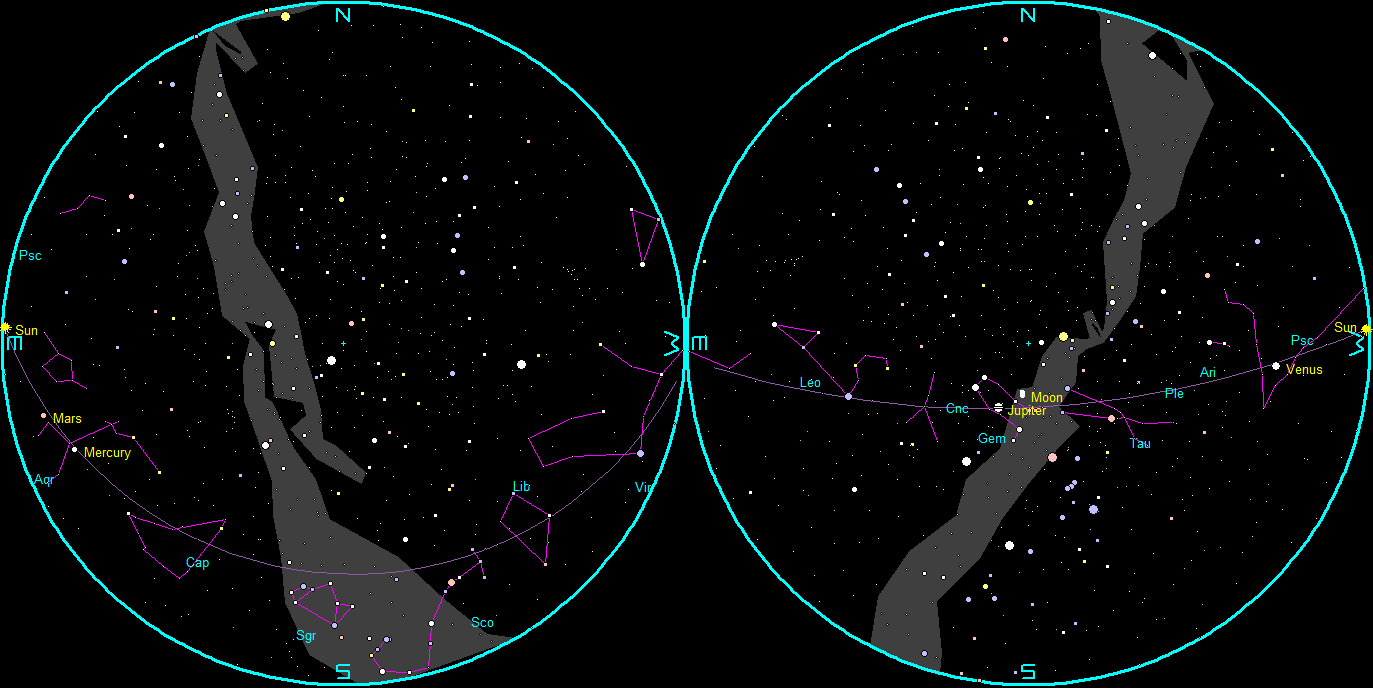
Let’s take our weekly look at the whereabouts of the naked-eye planets. Earlier this morning Saturn passed conjunction with the Sun becoming officially a morning planet. But it’ll be a couple of months before it’s visible in the morning and about seven months before it’s conveniently placed in the evening sky. By 8:30 PM tonight or about a half hour or so after sunset, Venus may be seen very low in the West. Binoculars or a telescope will show a very tiny disc on Venus, because it is pretty much behind the Sun, a good way from us. Over the next 7 months it will be moving closer to us and becoming much larger. Jupiter is the brilliant star-like object more than halfway up in the southwestern sky at 9 PM. Tonight, it’s below and left of the Moon.
The astronomical event times given in this blog are for the Traverse City/Interlochen area of Michigan (Lat 44.7° N, Long 85.7° W; EST, UT – 5 hours) unless stated otherwise. Times will be different for other locations.
Addendum
Ephemeris: 03/24/2026 – Visibility of the Moon’s features
This is Ephemeris for Tuesday, March 24th. Today the Sun will be up for 12 hours and 22 minutes, setting at 8:00, and it will rise tomorrow at 7:36. The Moon, 1 day before first quarter, will set at 3:31 tomorrow morning.
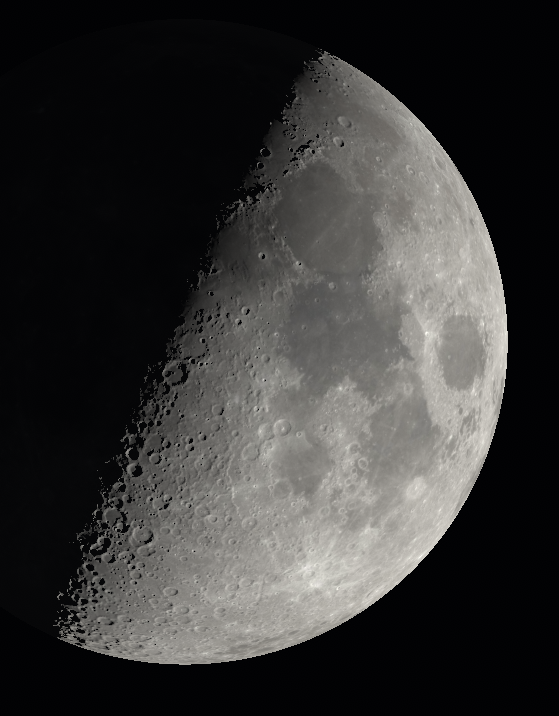
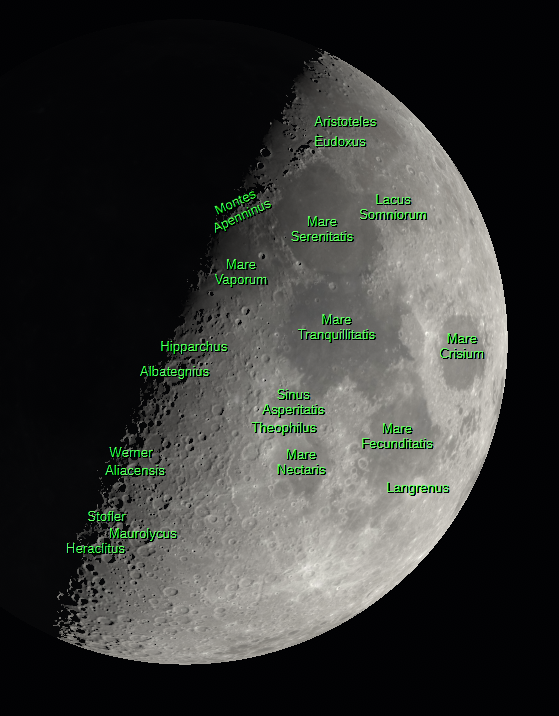
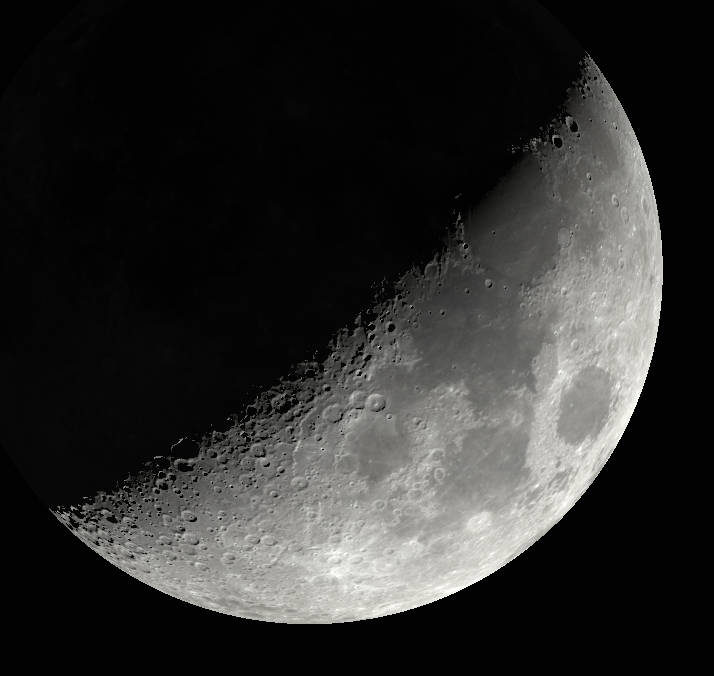
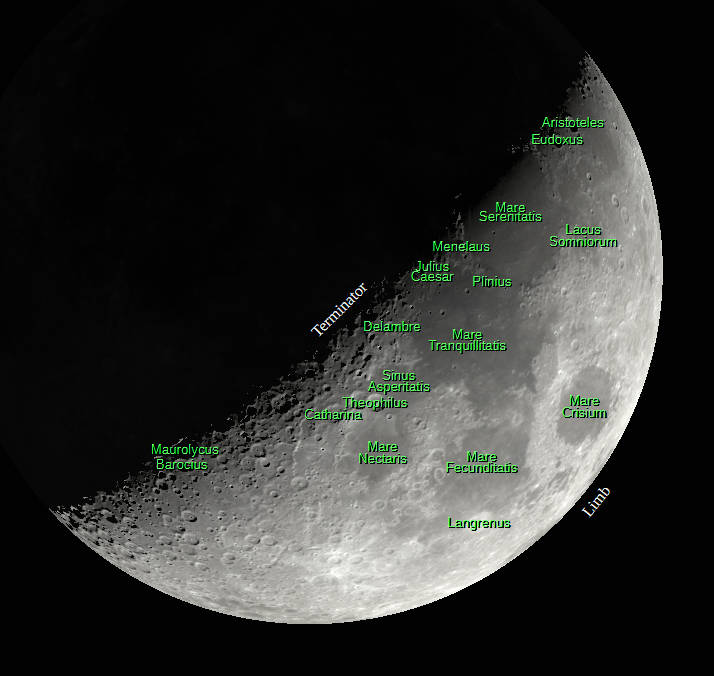
The Moon, tonight is just a day before first quarter. Its position in the sky is close to where the Sun will be around the 1st day of summer, so it’s quite high in the southwest as it gets dark. It’s a great time to view the Moon with the telescope, in that the moon isn’t too bright, and there are lots of craters showing up due to their shadows. The terminator nearly cuts the Moon in half. It is in this case, the sunrise line creeping across the surface. It is deep morning shadows that help delineate the features. Looking at the limb of the Moon, the curved edge, the craters are hard to spot, because they are under the midday sun, showing no shadows, which makes them very indistinct.
The astronomical event times given in this blog are for the Traverse City/Interlochen area of Michigan (Lat 44.7° N, Long 85.7° W; EST, UT – 5 hours) unless stated otherwise. Times will be different for other locations.
Addendum
Ephemeris: 03/23/2026 – Looking out beyond the spring stars
This is Ephemeris for Monday, March 23rd. Today the Sun will be up for 12 hours and 19 minutes, setting at 7:59, and it will rise tomorrow at 7:38. The Moon, 2 days before first quarter, will set at 2:23 tomorrow morning.
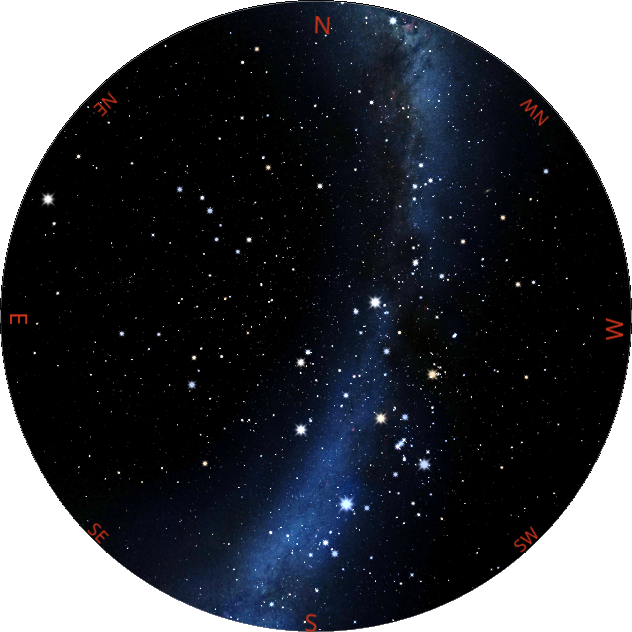
It is becoming more obvious as the Moon waxes, that there’s more bright stars in the south and southwestern part of the sky than there are in the southeastern sky. That’s because the Milky Way runs through the winter part of the sky. It’s not as bright as the Milky Way appears in the summer since we are looking away from the center of our Galaxy. The disk of our galaxy causes stars to congregate near that Milky band, whether we can see it well or not. That is the main reason the winter stars are so bright. In the southeast we are looking at the spring sky. Leo the lion and of course the Great Bear with the Big Dipper are there, but we are mostly looking outside the disk or galaxy to the universe beyond. So we’re looking through fewer nearby stars, so the spring sky seems somewhat lackluster compared to the crazy chaos of the winter sky.
The astronomical event times given in this blog are for the Traverse City/Interlochen area of Michigan (Lat 44.7° N, Long 85.7° W; EST, UT – 5 hours) unless stated otherwise. Times will be different for other locations.
Addendum
Ephemeris: 03/20/2026 – Spring begins today!
This is Ephemeris for Friday, March 20th. Today the Sun will be up for 12 hours and 9 minutes, setting at 7:55, and it will rise tomorrow at 7:43. The Moon, 2 days past new, will set at 10:21 this evening.
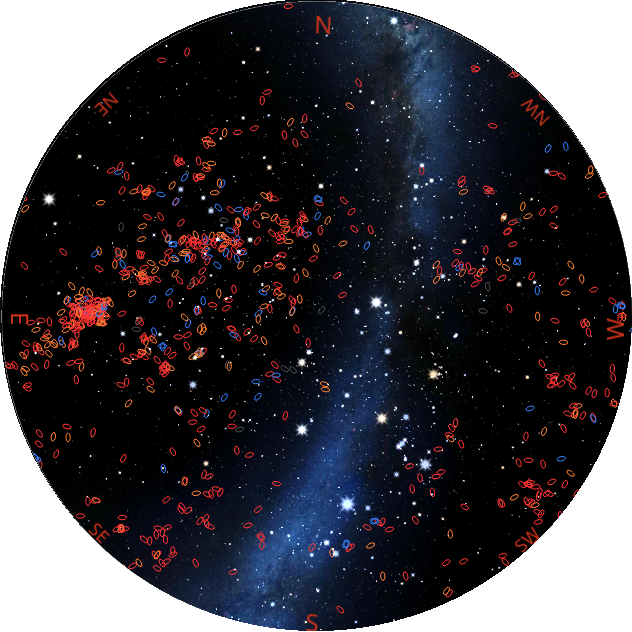
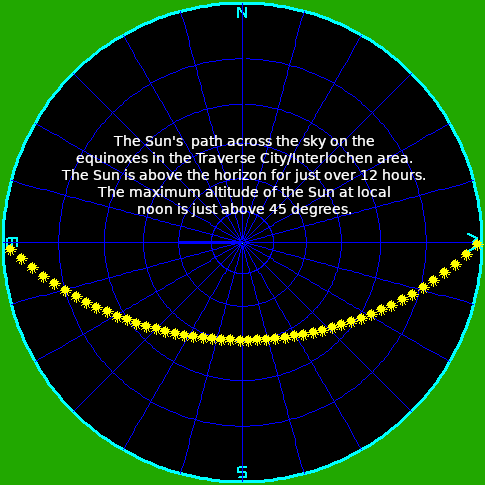
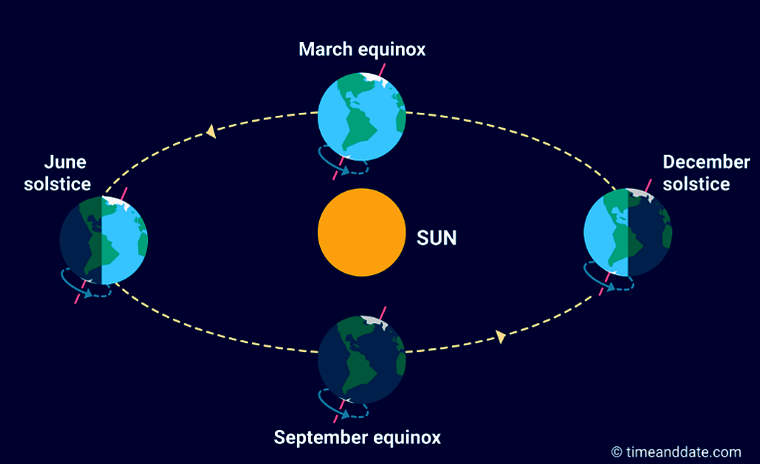
At 10:46 AM today the season of spring will begin. It may or may not feel it in our neck of the woods, but astronomically at that time the Sun will appear to cross a point in the sky called the vernal equinox. Equinox means equal night, when the Sun is up for 12 hours, and set for 12 hours. It does, if you don’t look too closely, and in the old days clocks weren’t that accurate anyway. The vernal equinox is the point in the sky where the Sun crosses the celestial equator, which is above the Earth’s equator heading north. The North Pole will begin 6 months of daylight, while the rest of the Northern Hemisphere will bask in more than 12 hours of sunlight a day. The reverse is true in the Southern Hemisphere where autumn will start.
The astronomical event times given in this blog are for the Traverse City/Interlochen area of Michigan (Lat 44.7° N, Long 85.7° W; EST, UT – 5 hours) unless stated otherwise. Times will be different for other locations.
Addendum
Ephemeris: 03/19/2026 – Anticipating the beginning of spring
See Aurora alert below
This is Ephemeris for Thursday, March 19th. Today the Sun will be up for 12 hours and 6 minutes, setting at 7:54, and it will rise tomorrow at 7:45. The Moon, 1 day past new, will set at 9:02 this evening.
This is the last full day of winter. It seems strange that we know so accurately when the seasons begin and end astronomically, but never know what the weather’s going to do tomorrow with that same accuracy. The main reason is the number of variables involved. With the solar system, the earth and the sun in particular. There are very few variables. For instance, the masses of the Earth and the Sun, they’re distance apart and the gravitational constant, will give you a very close approximation. For the weather, there are tons of variables, plus what a butterfly did in Alaska last October. Knowing the date of the vernal equinox the first day of spring was and is important for agriculture, knowing when the world will warm up again.
The astronomical event times given in this blog are for the Traverse City/Interlochen area of Michigan (Lat 44.7° N, Long 85.7° W; EST, UT – 5 hours) unless stated otherwise. Times will be different for other locations.
Addendum

Aurora Alert
According to Spaceweather.com the Earth will be hit with 2 CMEs (Coronal Mass Ejections) from the Sun on the 19th and 21st respectively. See also NOAA’s Space Weather Prediction Center.
Ephemeris: 03/18/2026 – Taking our weekly look at the whereabouts of the naked-eye planets
This is Ephemeris for Wednesday, March 18th. Today the Sun will be up for 12 hours and 3 minutes, setting at 7:52, and it will rise tomorrow at 7:47. The Moon is new today, and won’t be visible.
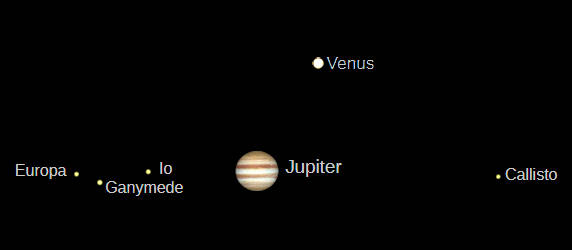
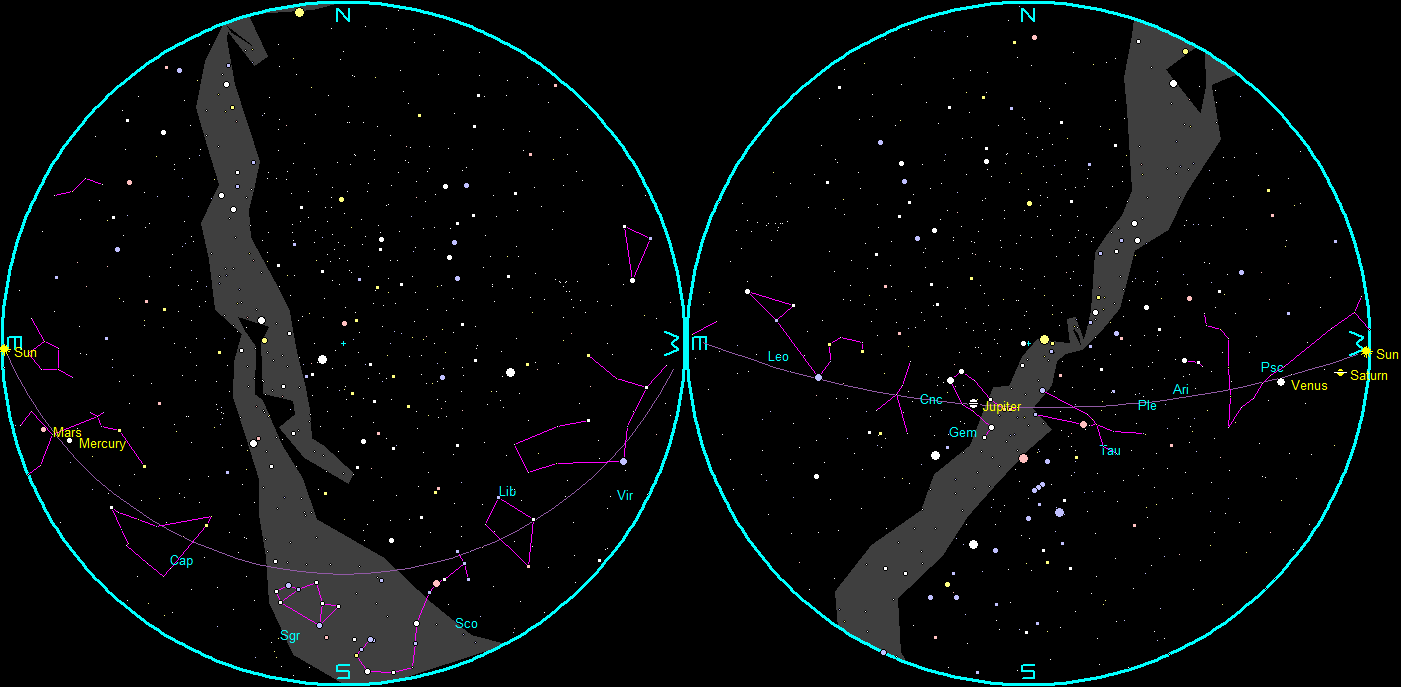
Let’s take our weekly look at the whereabouts of the naked-eye planets. By 8:30 PM or about a half hour or so after sunset, Venus may be seen very low in the West. Binoculars or a telescope will show a very tiny disc on Venus, because it is pretty much behind the Sun, a good way from us. However over the next 7 months it will be moving closer to us and becoming much larger. Jupiter is the brilliant star-like object more than halfway up in the southern sky at 9 PM. It’s the brightest object in the sky at that point. It has resumed its normal eastward motion, spending most of its evening appearance making up the ground it lost in its 4 months of retrograde motion. The planet and its moons are a treat for binoculars or a telescope.
The astronomical event times given in this blog are for the Traverse City/Interlochen area of Michigan (Lat 44.7° N, Long 85.7° W; EST, UT – 5 hours) unless stated otherwise. Times will be different for other locations.
Addendum

Ephemeris: 03/17/2026 – It’s also an equilux day
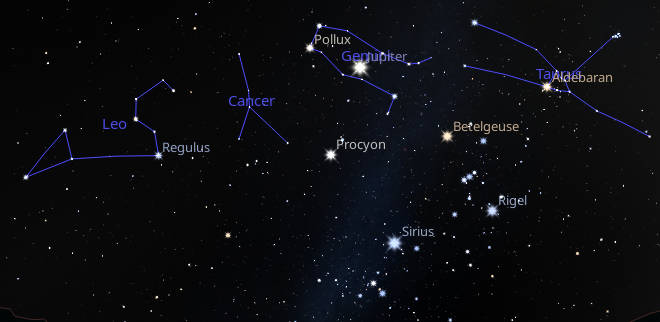
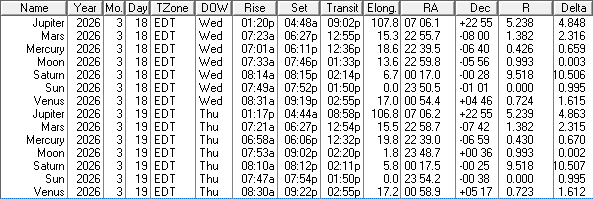
This is Bob Moler with Ephemeris for St. Patrick’s Day, Tuesday, March 17th. Today the Sun will be up for 12 hours and to the minute, setting at 7:51, and it will rise tomorrow at 7:49. The Moon, 1 day before new, will rise at 7:33 tomorrow morning. | This upcoming Saturday will be the vernal equinox, the first day of spring. Equinox means equal night, meaning that day and night are equal. Geometrically that’s correct, but, that’s not actually true. Today is the day when the sun is up for 12 hours and of course set for 12 hours. The name for this day has come to be called equilux day. Lux being the Latin for light. The difference is, because the Earth has an atmosphere, plus we have a different definition of sunrise and sunset that puts the sun a little bit below the horizon at the rise and set moment. So enjoy a few extra minutes of sunlight before the official equinox date. Think of it as a St Patrick’s Day bonus.
The astronomical event times given in this blog are for the Traverse City/Interlochen area of Michigan (Lat 44.7° N, Long 85.7° W; EST, UT – 5 hours) unless stated otherwise. Times will be different for other locations.
Addendum
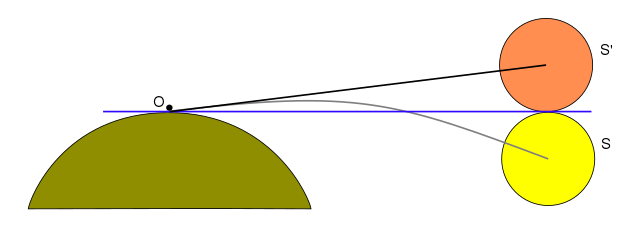
A note: This is equilux day for folks a 45 degrees north latitude. The actual date may vary by a day or so depending on one’s latitude, which affects the angle the Sun appears to cross the horizon.
Ephemeris: 03/16/2026 – The Big Dipper as seen from other places
This is Ephemeris for Monday, March 16th. Today the Sun will be up for 11 hours and 57 minutes, setting at 7:50, and it will rise tomorrow at 7:51. The Moon, 2 days before new, will rise at 7:14 tomorrow morning.
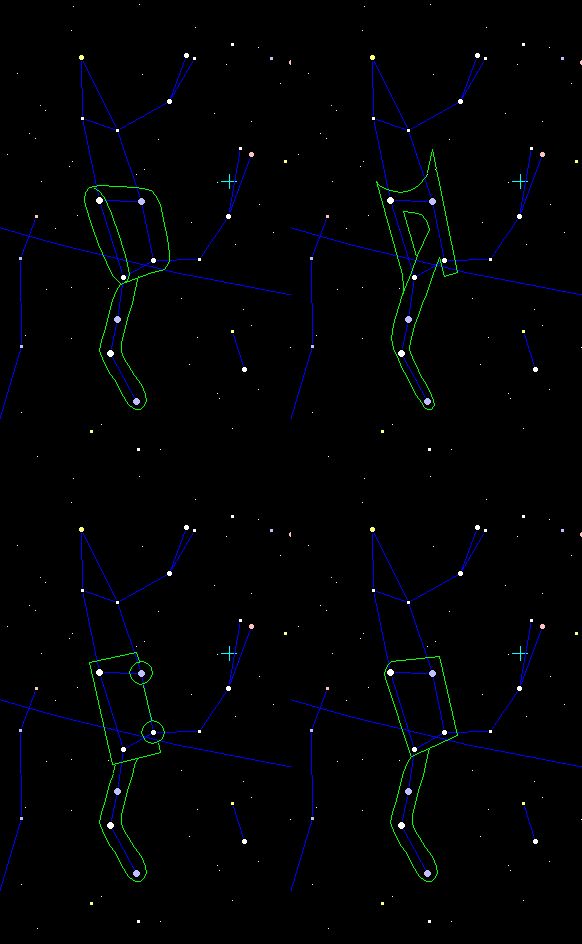
The Big Dipper is ascending in the northeastern sky this evening when it gets dark, it’s seven stars shining brightly. The Big Dipper is not an actual constellation, recognized internationally. It’s part, the hind part, of Ursa Major, the great bear. The Big Dipper is an asterism or informal constellation. It is a distinctly North American constellation. For fugitive slaves, fleeing the southern states in the days before the Civil War, the Drinking Gourd, as they called it, showed the direction north to freedom. In England the dipper stars become the Plough (plow), or Charles’ Wain (Charlemagne’s Wagon). In France, known for culinary delights it is the saucepan, or the cleaver. Many cultures saw what was familiar to them in these seven bright stars.
The astronomical event times given in this blog are for the Traverse City/Interlochen area of Michigan (Lat 44.7° N, Long 85.7° W; EST, UT – 5 hours) unless stated otherwise. Times will be different for other locations.
Addendum
 Bob Moler's Ephemeris Blog