Archive
Ephemeris: 11/10/2025 – Waiting on a stellar explosion
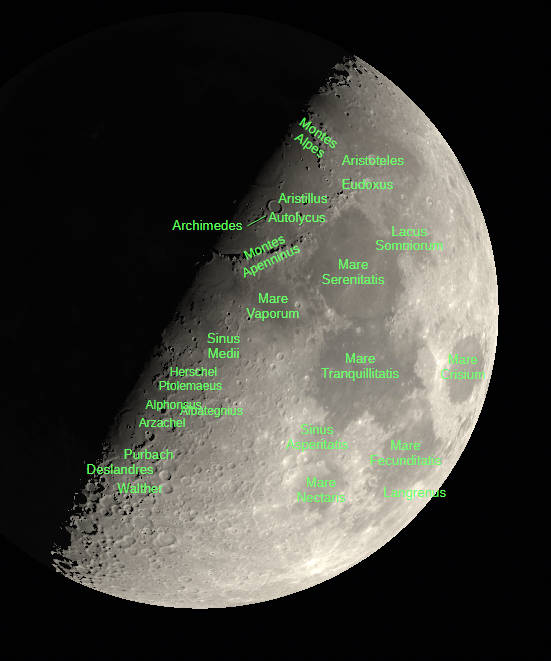
This is Ephemeris for Monday, November 10th. Today the Sun will be up for 9 hours and 46 minutes, setting at 5:19, and it will rise tomorrow at 7:34. The Moon, 2 days before last quarter, will rise at 10:22 this evening.
According to one astronomer, that I mentioned last Thursday, today is about the day he expects a star to erupt as a nova in the constellation Corona Borealis, the Northern Crown. In the early evening, it will appear low in the west northwest. The star is designated T Coronae Borealis (T CrB). Its appearance should make the normal news outlets, because it will be the brightest stellar outburst in a very long time. It will appear just left of the constellation Corona Borealis and be about as bright as its brightest normal star. However, it will soon fade and to be less the naked eye brightness in about a week. So we’re hoping for clear skies, if it happens. If it’s not this time, the next predicted time is June 25th, next year. Or he could be wrong, and it could go off at any time. Spaceweather.com has more information.
The astronomical event times given in this blog are for the Traverse City/Interlochen area of Michigan (Lat 44.7° N, Long 85.7° W; EDT, UT – 4 hours) unless stated otherwise. Times will be different for other locations.
Addendum
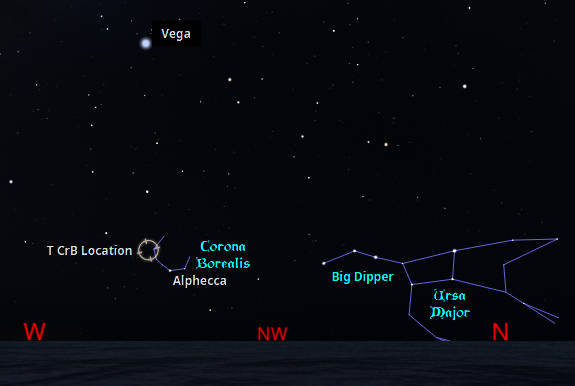
According to a paper in the Research Notes of the American Astronomical Society, Jean Schneider with the Paris Observatory predicted that the next eruption of T Coronae Borealis would be somewhere around November 10th 2025, or June 25th 2026. The first prediction of the 27th of March earlier this year turned out to not have occurred. These were tentative predictions based on the orbit around each other, of the two stars involved. The period of 80 years between eruptions is an approximation. There is an additional periodicity due to the fact that the two stars involved, a red giant and a white dwarf, have an orbital period of about 228 days which is why the predictions are 228 days apart. There have been four previous eruptions of the star observed. The first was in 1217, the next in 1787, then in 1866 and then finally in 1946. The reason for the big gap between 1217 and 1787 is unknown. Either the star didn’t erupt, or more likely, nobody observed and recorded it. The times of the first two eruptions weren’t accurately reports, but fell within what the 228-day periodicity would explain.
T Coronae Borealis is far enough north in the sky so that it is visible sometime during the night, year round. Currently, it would be best seen at the end of twilight in the west northwest. This will shift over to the morning sky, before morning twilight, after about the 25th of November, only 15 days from now in the east northeast. This star like any other star that rises and sets does so approximately 4 minutes earlier each night, or 28 minutes per week. So after the 25th the best observing opportunity will be before dawn in the morning until much later in the late winter, when it will be available also in the evening sky again.
Ephemeris: 11/06/2025 – An astronomer thinks a nova will appear soon
This is Ephemeris for Thursday, November 6th. Today the Sun will be up for 9 hours and 56 minutes, setting at 5:24, and it will rise tomorrow at 7:29. The Moon, 1 day past full, will rise at 5:50 this evening.
We’ve been waiting for the past year or so for the eruption of a nova in the constellation Corona Borealis the Northern Crown. It last erupted in 1946. Eruptions are about 80 years apart. Astronomer Jean Schneider of the Paris Observatory has made a study of this particular nova. It occurs in a binary star system with a white dwarf and a much larger star that orbit each other every 228 days. So it is possible that the Nova occurs at one point in that orbit. And based on the last eruption in 1946, November 10th, give or take, is one of the days we might look to see the eruption. If it doesn’t happen that day its next likely occurrence is around June 25th next year. It will appear just left of Corona Borealis low in the west northwest around 7 PM, and as bright as the normally brightest star in that constellation.
The astronomical event times given in this blog are for the Traverse City/Interlochen area of Michigan (Lat 44.7° N, Long 85.7° W; EDT, UT – 4 hours) unless stated otherwise. Times will be different for other locations.
Addendum
The website Spaceweather.com monitors reports of the brightness of the star on the right side of its page under the heading of T CrB NOVA WATCH. It is currently around 10th magnitude, invisible to the naked eye and barely visible in binoculars. It is expected to grow to 2nd magnitude or 1,600 times it’s normal brightness, about as bright as a Big Dipper star or Alphecca, near it, in Corona Borealis. The nova will fade rapidly, and will be visible to the naked eye for only about a week.
Ephemeris: 11/05/2025 – Taking our weekly look at the whereabouts of the naked-eye planets
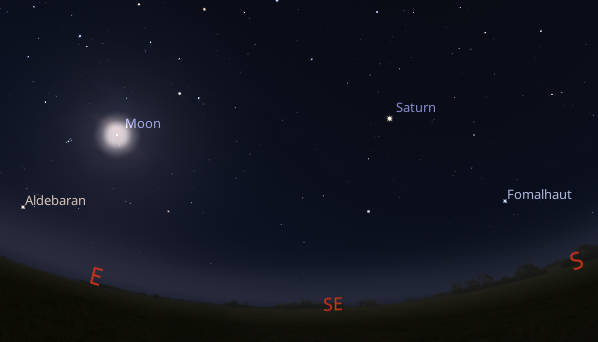
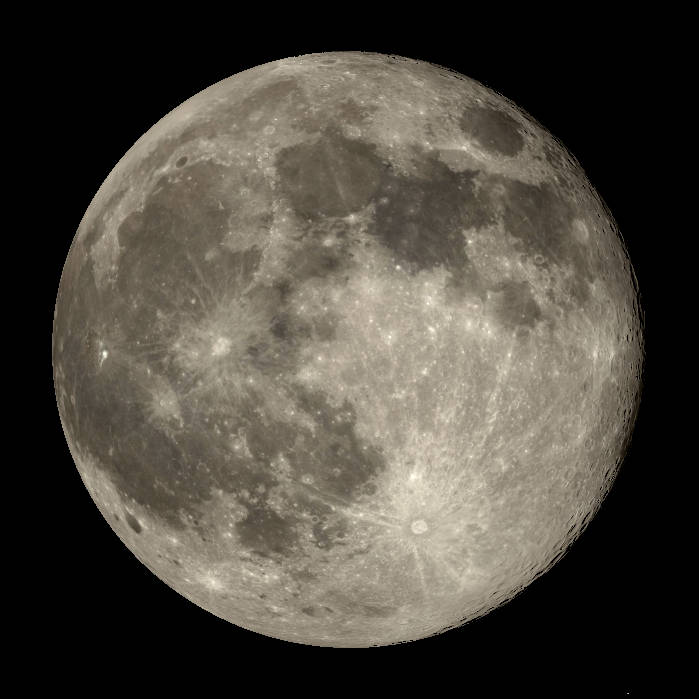
This is Ephemeris for Wednesday, November 5th. Today the Sun will be up for 9 hours and 59 minutes, setting at 5:25, and it will rise tomorrow at 7:28. The Hunter’s Full Moon today, will rise at 5:10 this evening.
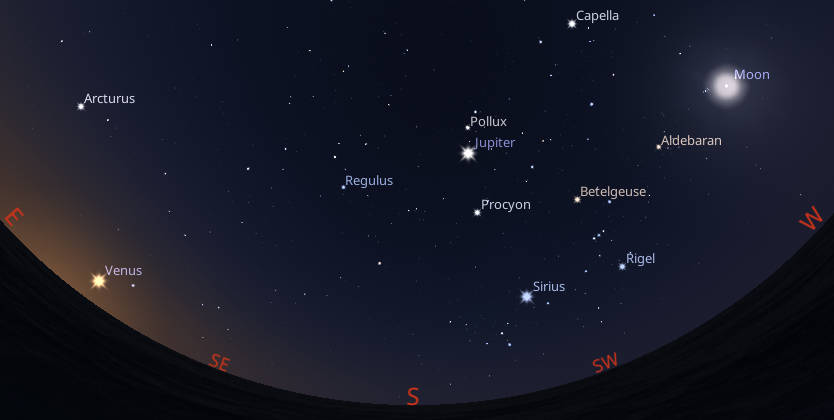
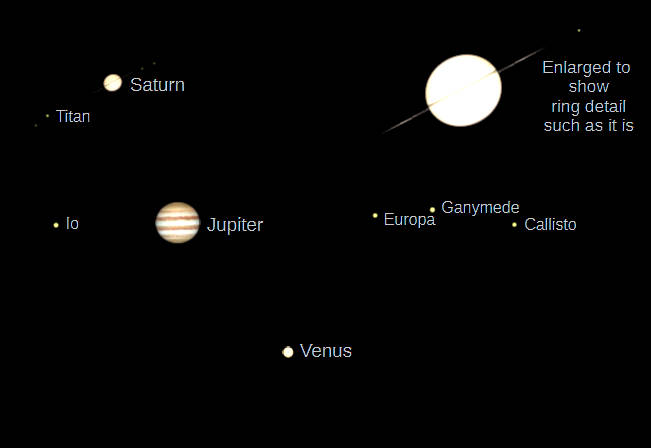
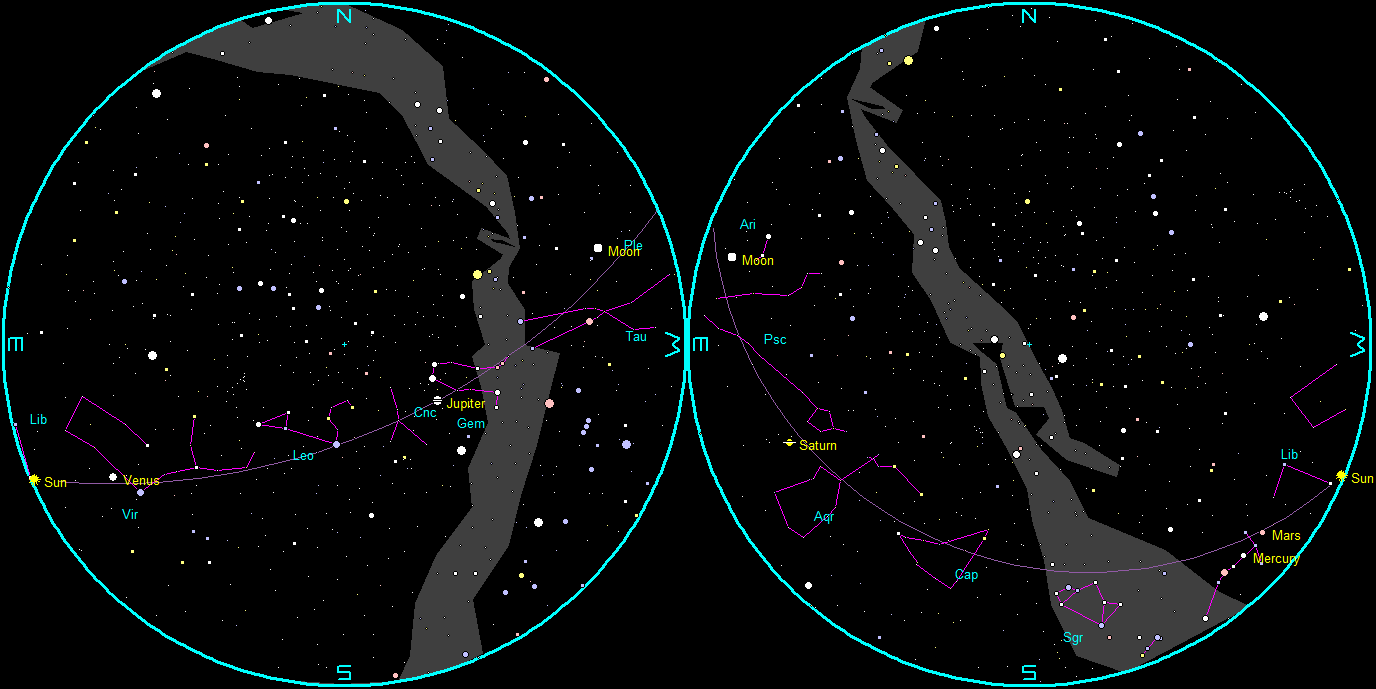
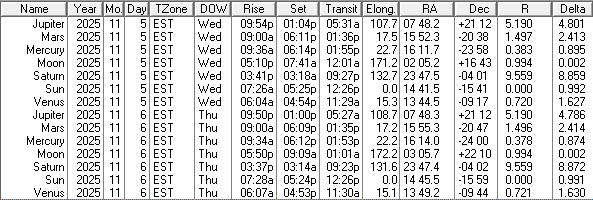
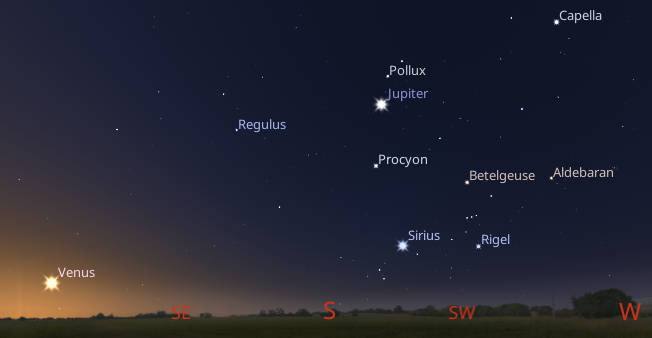
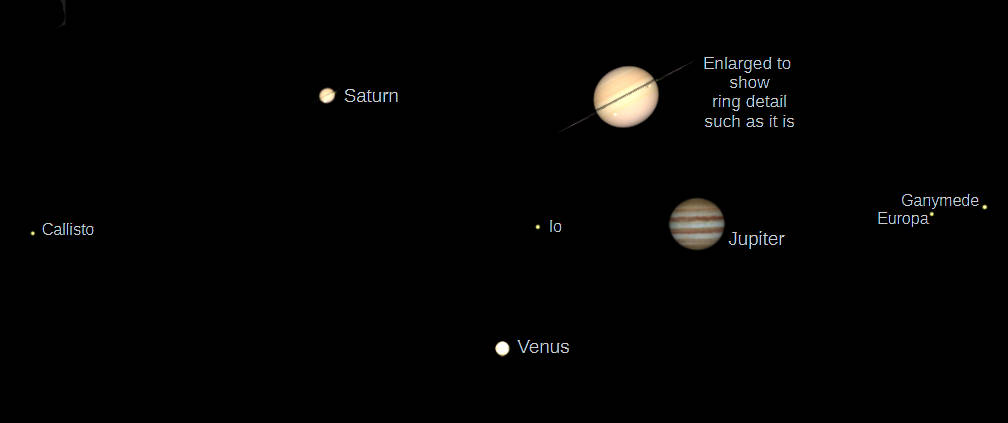
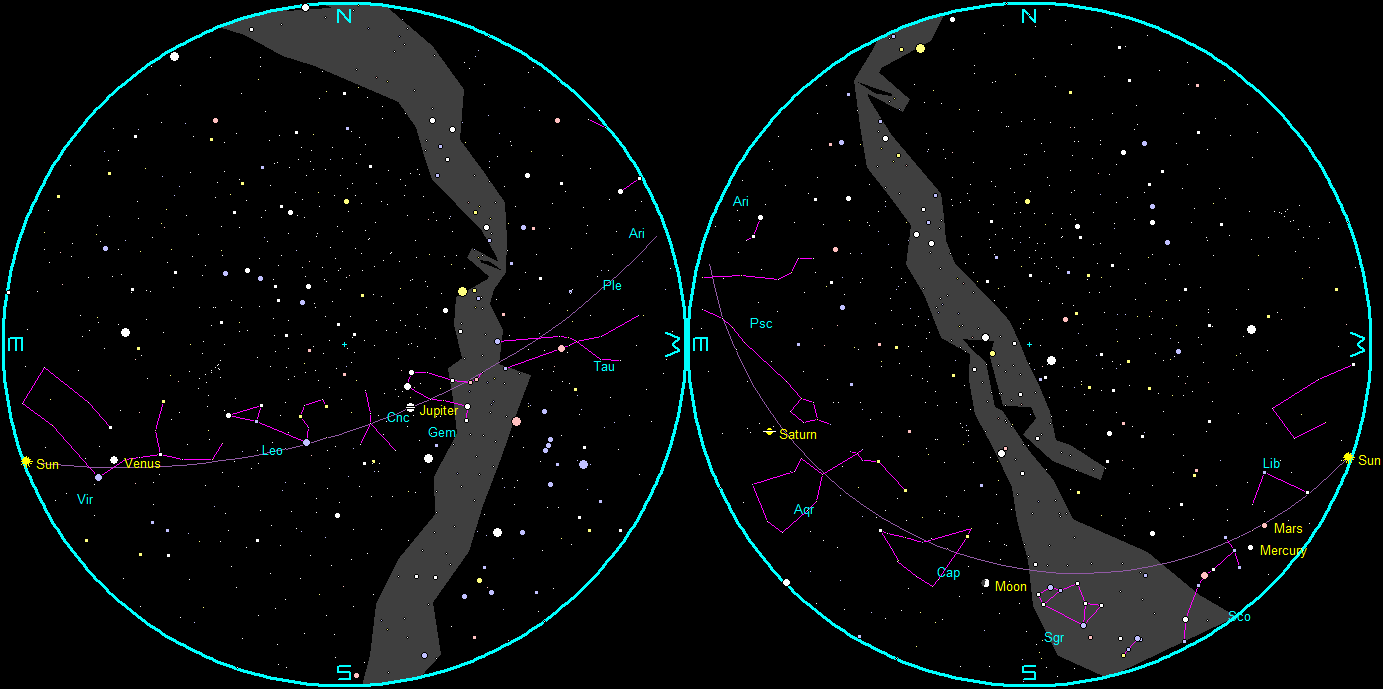
Let’s take our weekly look at the whereabouts of the naked-eye planets. Saturn is the brightest star like object in the east southeastern sky as soon as it gets dark. In a telescope Saturn sports a very thin ring, half of a degree from being edge on in telescopes. Many times I’ve been asked whether they can see Saturn’s rings in their telescope. Normally I’d say yes. Currently, the rings appear extremely thin and can be difficult to pick up. Jupiter will rise at 9:58 PM in the east-northeast. By 6:30 AM, it will appear high in the south-southeast, below the stars of Gemini, with Orion and the other bright stars of winter in the southwest. Brilliant Venus, which will rise at 6:04 AM will be very low in the east-southeast at 6:30.
The astronomical event times given in this blog are for the Traverse City/Interlochen area of Michigan (Lat 44.7° N, Long 85.7° W; EDT, UT – 4 hours) unless stated otherwise. Times will be different for other locations.
Addendum
Ephemeris: 10/30/2025 – Algol, the perfect Halloween star
This is Ephemeris for Thursday, October 30th. Today the Sun will be up for 10 hours and 15 minutes, setting at 6:33, and it will rise tomorrow at 8:19. The Moon, 1 day past first quarter, will set at 2:03 tomorrow morning.
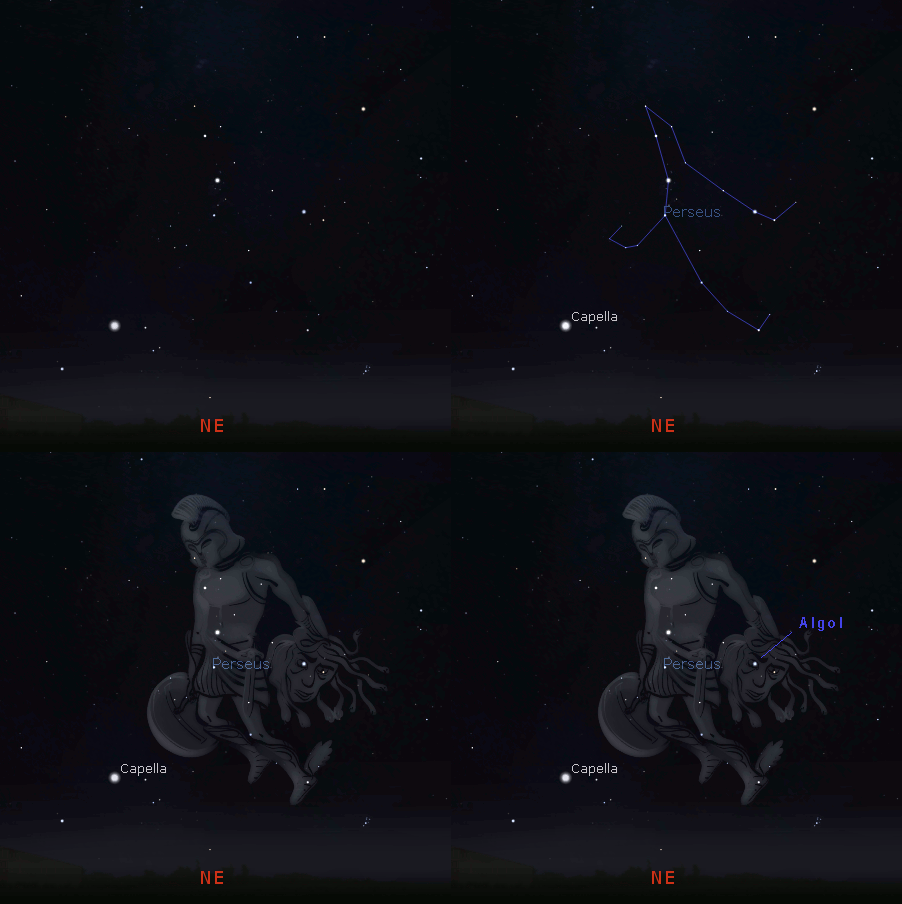
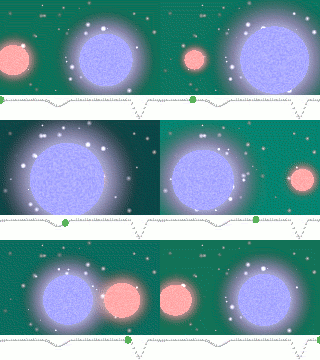
Not all the ghosts and goblins out tomorrow night will be children. One will be out every night because it’s a star. Its name is Algol, from the Arabic for Ghoul Star or Demon Star. It’s normally the second-brightest star in the constellation Perseus the hero, visible in the northeast this evening. The star is located where artists have drawn the severed head of Medusa, whom he had slain. Medusa was so ugly that she turned all who gazed upon her to stone. Algol is her still glittering eye. The star got these names before we knew what was wrong with it. It does a slow wink every two days, 21 hours. That’s because Algol is two stars that eclipse each other. Her next evening wink will be its dimmest at 10:12 p.m. Tuesday, November 4th.
The astronomical event times given in this blog are for the Traverse City/Interlochen area of Michigan (Lat 44.7° N, Long 85.7° W; EDT, UT – 4 hours) unless stated otherwise. Times will be different for other locations.
Addendum
Ephemeris: 10/29/2025 – Looking at the whereabouts of the naked-eye planets for this week
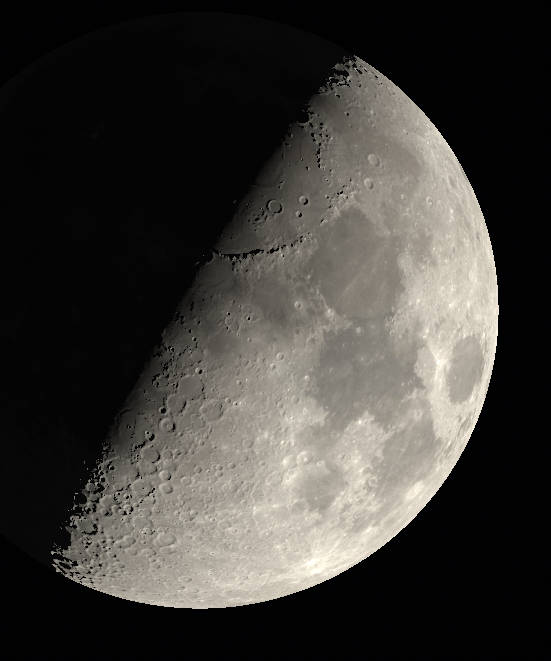
This is Ephemeris for Wednesday, October 29th. Today the Sun will be up for 10 hours and 18 minutes, setting at 6:35, and it will rise tomorrow at 8:18. The Moon, at first quarter today, will set at 12:50 tomorrow morning.
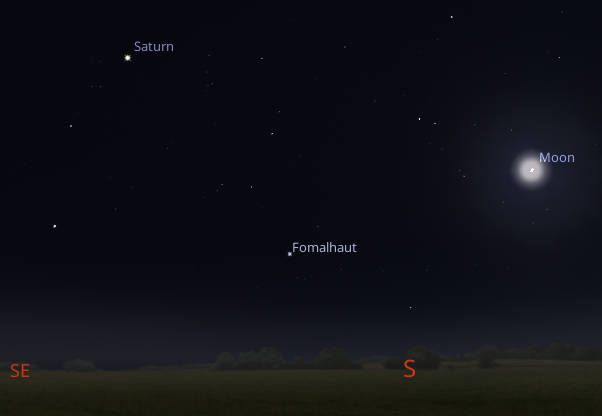
Let’s take our weekly look at the whereabouts of the naked-eye planets. Saturn is the brightest star like object in the east southeastern sky as soon as it gets dark. In a telescope Saturn sports a very thin ring, six tenths of a degree from being edge on in telescopes. Many times I’ve been asked whether they can see Saturn’s rings in their telescope. Normally I’d say yes. Currently, the rings appear extremely thin and can be difficult to pick up. Jupiter will rise before midnight at 11:17 PM. By 7:30 AM, it will appear high in the south-southeast, below the stars of Gemini, with Orion and the other bright stars of winter in the southwest. Brilliant Venus, which will rise at 6:48 AM will be very low in the east-southeast at 7:30 AM.
The astronomical event times given in this blog are for the Traverse City/Interlochen area of Michigan (Lat 44.7° N, Long 85.7° W; EDT, UT – 4 hours) unless stated otherwise. Times will be different for other locations.
Addendum
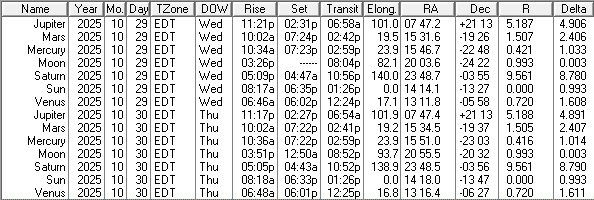
Ephemeris: 10/24/2025 – How to spot the Double Cluster
This is Ephemeris for Friday, October 24th. Today the Sun will be up for 10 hours and 32 minutes, setting at 6:42, and it will rise tomorrow at 8:11. The Moon, 3 days past new, will set at 7:55 this evening.
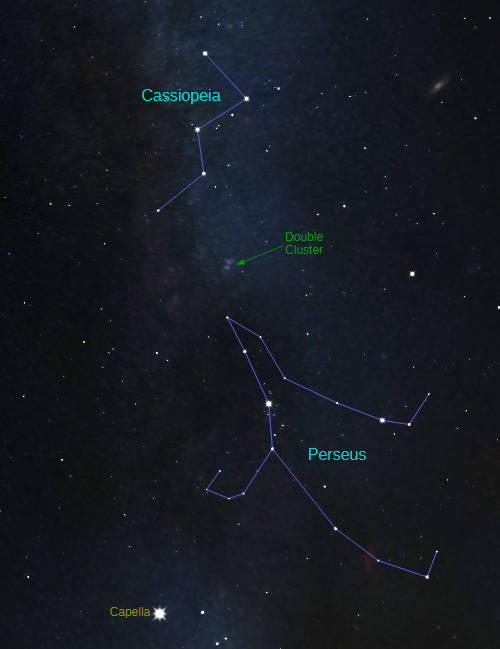
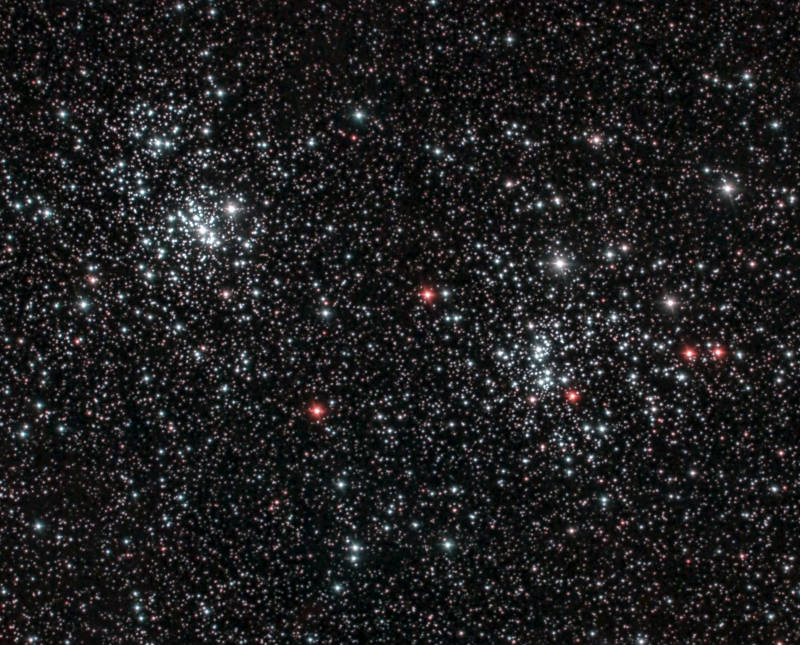
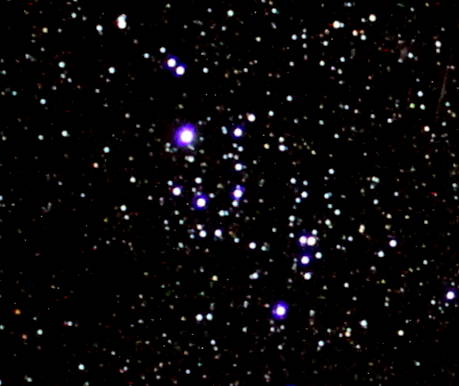
This pair of objects are about as dim as one can see with the naked eye, but very rewarding for binoculars or small telescope, the Double Cluster. It’s a fine pair of star clusters just below the W of the constellation of Cassiopeia the queen located in the northeast. Draw a vertical line down from the middle star of the W through the next star into the glow of the Milky Way. The Double Cluster appears to the unaided eye as a brighter glow of the Milky Way. This is confirmed with binoculars. But in a small telescope it becomes two clusters of sparkling diamonds. The clusters are much younger than the Sun, so their brightest stars are blue-white to our eyes. The average distance of the two from Earth is 7,500 light years.
The astronomical event times given in this blog are for the Traverse City/Interlochen area of Michigan (Lat 44.7° N, Long 85.7° W; EDT, UT – 4 hours) unless stated otherwise. Times will be different for other locations.
Addendum
Ephemeris: 10/23/2025 – Finding Perseus the hero
This is Ephemeris for Thursday, October 23rd. Today the Sun will be up for 10 hours and 35 minutes, setting at 6:44, and it will rise tomorrow at 8:10. The Moon, 2 days past new, will set at 7:21 this evening.
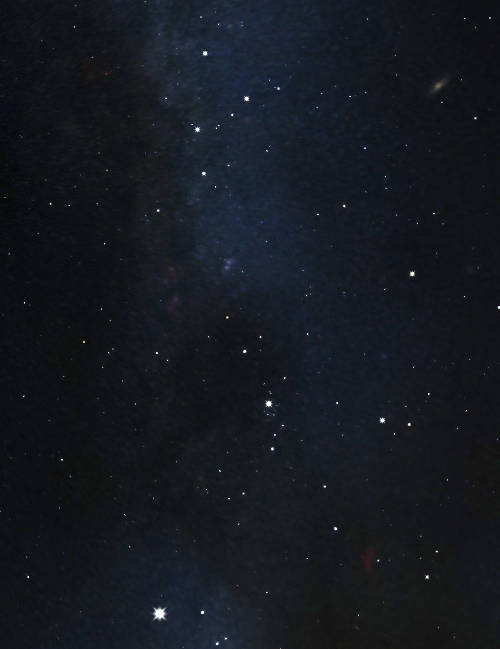
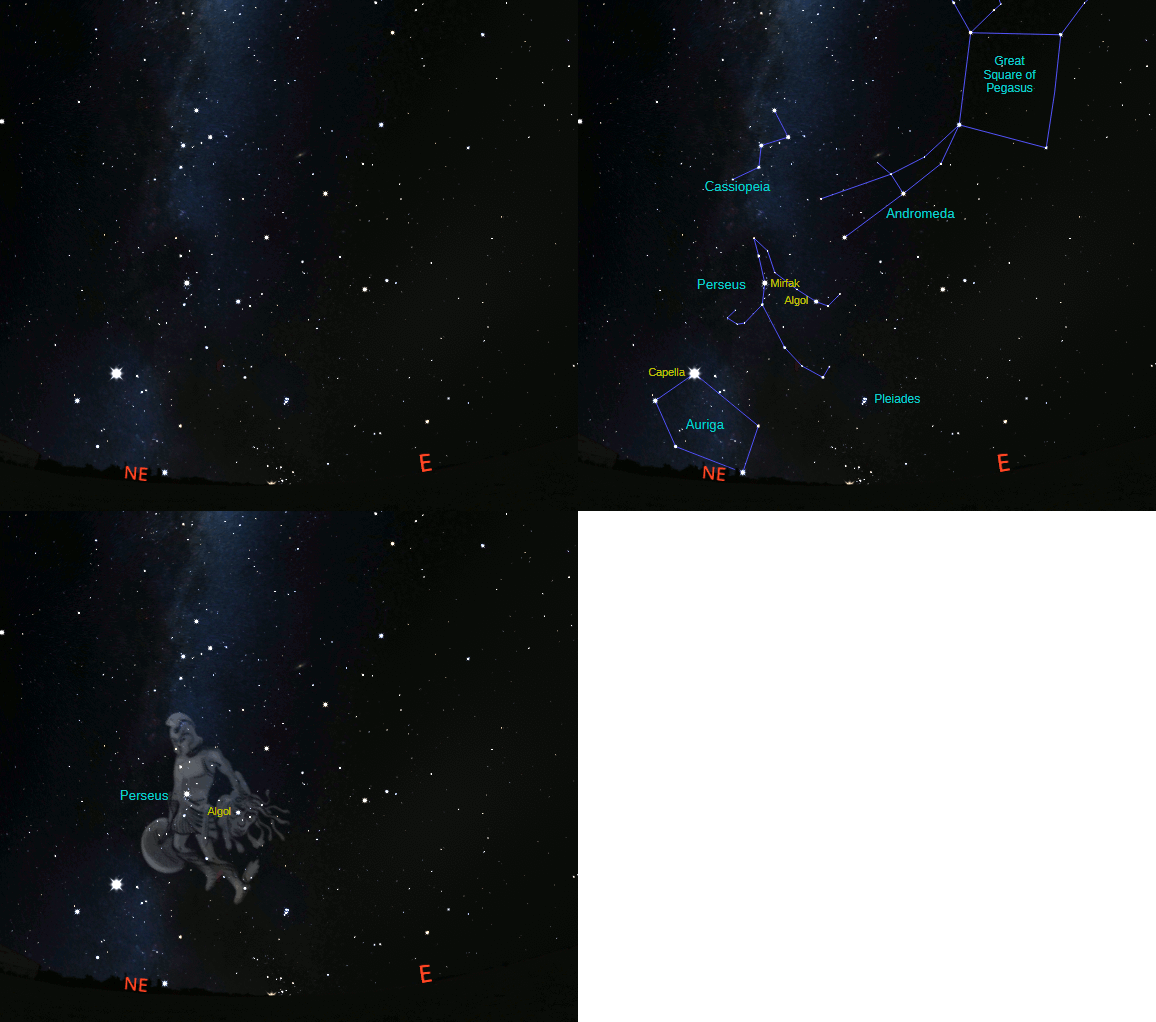
About a third the way from the east northeastern horizon to the zenith at 9 p.m. and below the letter W shaped constellation of Cassiopeia the queen is Perseus the hero. It’s kind of an odd shape for a hero, To me it looks kinda like the cartoon roadrunner. To those who’re mathematically inclined its shape is also like the Greek letter pi on its side. It’s two brightest stars are Mirfak and Algol the demon star, the still winking eye of Medusa. Look at the area around Mirfak with binoculars and a large group of stars just below naked eye visibility will appear. It’s called the Alpha Persei Association. That’s because Mirfak is also known as Alpha Persei. The group is about 560 light years away, which are farther away than the Pleiades, which is below and to the right of them.
The astronomical event times given in this blog are for the Traverse City/Interlochen area of Michigan (Lat 44.7° N, Long 85.7° W; EDT, UT – 4 hours) unless stated otherwise. Times will be different for other locations.
Addendum
Ephemeris: 10/22/2025 – Taking our weekly look at the whereabouts of the naked-eye planets
This is Ephemeris for Wednesday, October 22nd. Today the Sun will be up for 10 hours and 38 minutes, setting at 6:45, and it will rise tomorrow at 8:09. The Moon, 1 day past new, will set at 6:54 this evening.
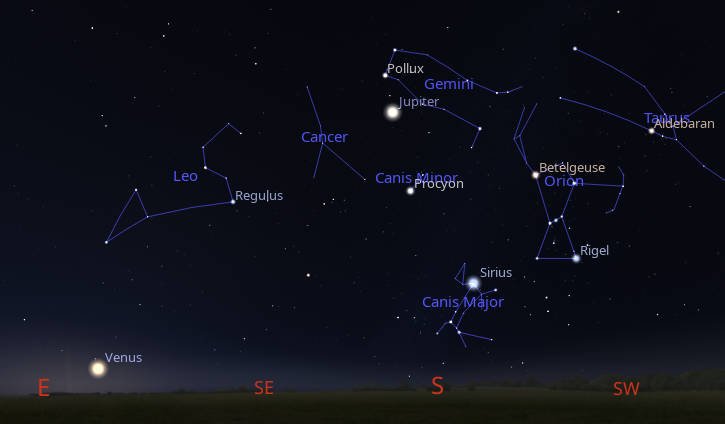
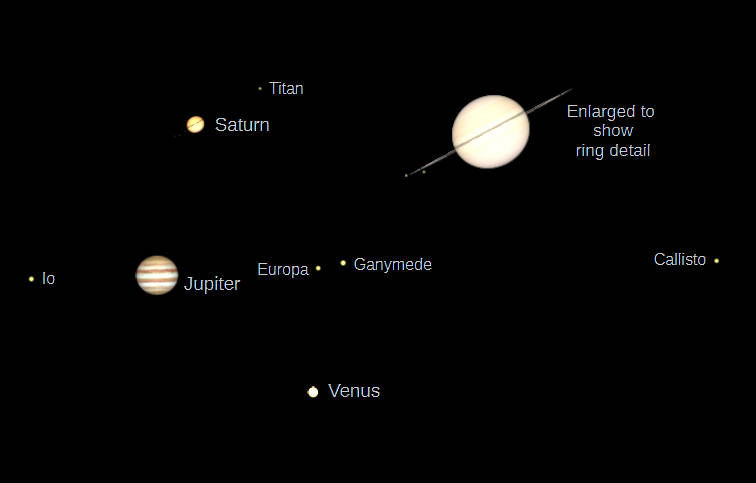
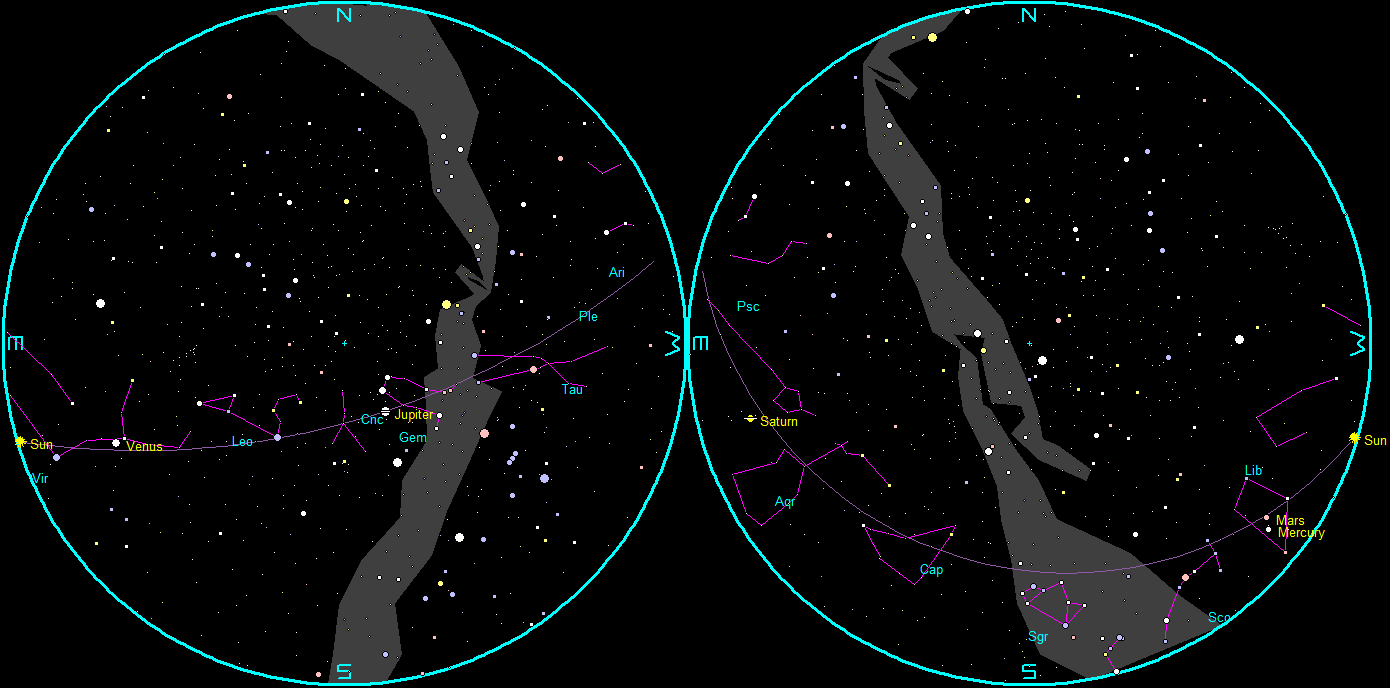
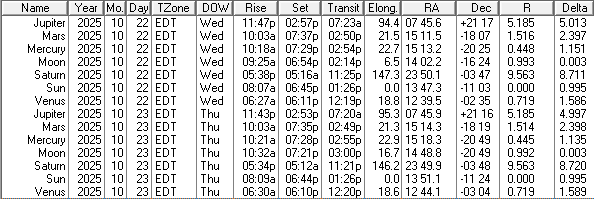
Let’s take our weekly look at the whereabouts of the naked-eye planets. Saturn is the brightest star like object in the east southeastern sky at 8 PM. In a telescope Saturn sports a very thin ring, eight tenths of a degree from being edge on in telescopes. Many times I’ve been asked whether they can see Saturn’s rings in their telescope. Normally I’d say yes. Currently, the rings appear very thin and can be difficult to pick up. Jupiter will finally rise before midnight, barely, at 11:50 PM. By 7 AM, it will appear high in the south-southeast, below the stars of Gemini, with Orion and the other bright stars of winter in the south. Brilliant Venus, which will rise at 6:30 AM will be very low in the east at 7 AM.
The astronomical event times given in this blog are for the Traverse City/Interlochen area of Michigan (Lat 44.7° N, Long 85.7° W; EDT, UT – 4 hours) unless stated otherwise. Times will be different for other locations.
Addendum
Ephemeris: 10/21/2025 – Finding Andromeda
This is Ephemeris for Tuesday, October 21st. Today the Sun will be up for 10 hours and 41 minutes, setting at 6:47, and it will rise tomorrow at 8:07. The Moon is new today, and won’t be visible.
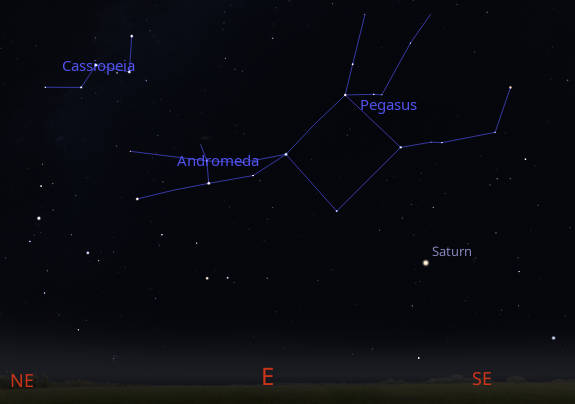
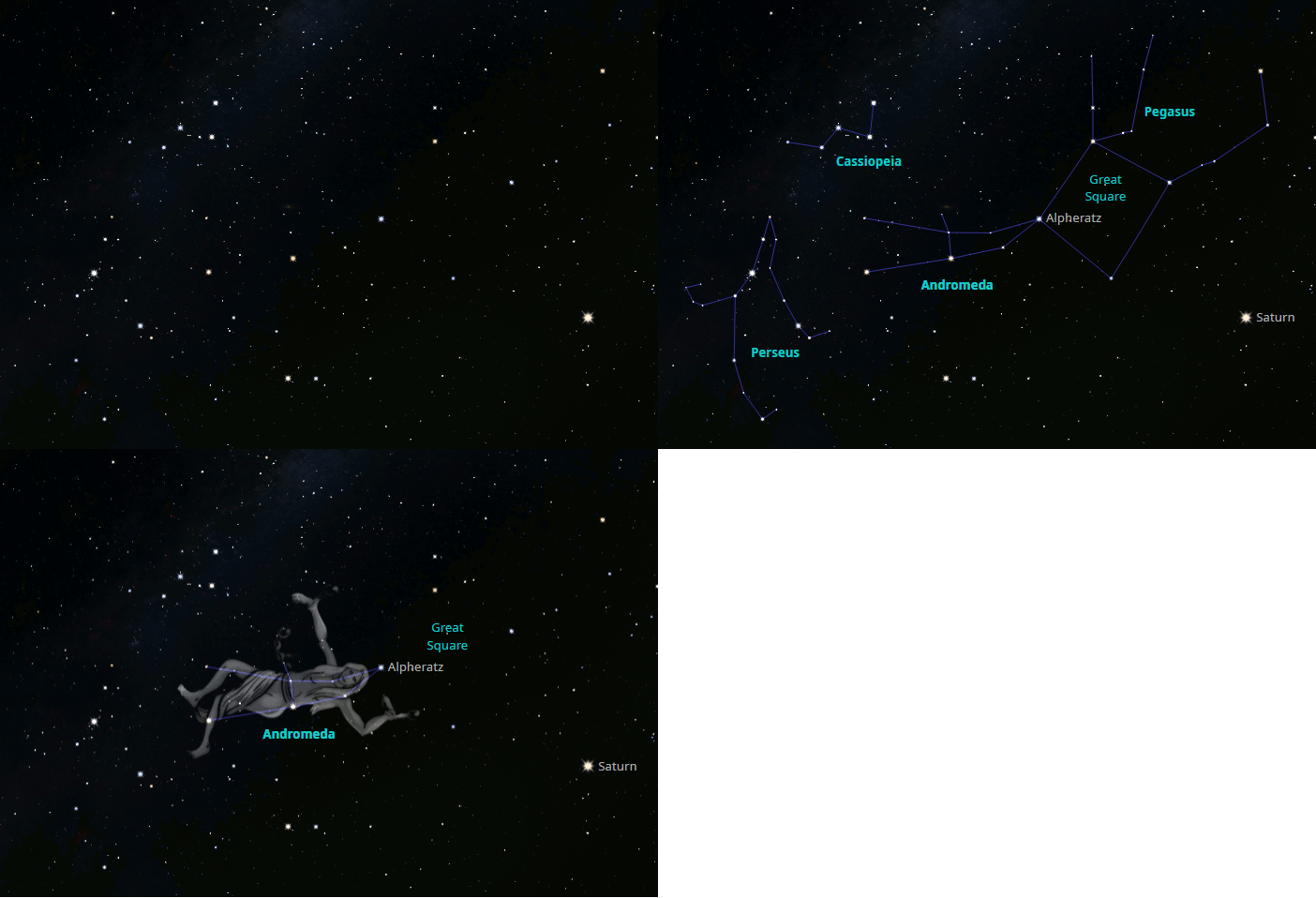
Tonight at 9:00 PM Saturn is in the southeast, with the Great Square of Pegasus above and to the left. Off the leftmost star of the Great Square, called Alpheratz, are two curved lines of stars to the left and a bit below, and slightly diverging. They might be mistaken for the hind legs of the horse, which is flying upside down. It’s another constellation, that of Andromeda the Princess, daughter of Cassiopeia, the W shaped constellation to the upper left. Andromeda was rescued by hero Perseus which is another constellation left of her, which we’ll get to later on this week. Andromeda’s claim to scientific fame is the large galaxy located there, the Great Andromeda Galaxy, probably the farthest thing one can spot with the naked eye.
The astronomical event times given in this blog are for the Traverse City/Interlochen area of Michigan (Lat 44.7° N, Long 85.7° W; EDT, UT – 4 hours) unless stated otherwise. Times will be different for other locations.
Addendum
Andromeda is part of the Great Star Story of Autumn. My take on it is linked Here.
Ephemeris: 10/20/2025 – The Fisher paints the autumn colors
This is Ephemeris for Monday, October 20th. Today the Sun will be up for 10 hours and 44 minutes, setting at 6:49, and it will rise tomorrow at 8:06. The Moon, 1 day before new, will rise at 8:19 tomorrow morning.
The leaves on the trees are beginning to turn to reds and yellows as we advance through autumn. The native Anishinaabe peoples, whose homeland we share, have a story about how that came to be. Of how a magical weasel-like creature called the Fisher or, in their native language, Ojiig Anung (Fisher Star), brought summer to the Earth from Skyland. For his trouble, he was shot with an arrow in his only vulnerable spot, the tip of his tail. As he fell to Earth Gichi Manitou, the Great Spirit, caught him and placed him in the sky where we see the Great Bear and the Big Dipper. Every late autumn night we see his tail, the handle of the dipper, slowly swooping down to the horizon in the north, where his bloody tail paints the trees with their autumn colors.
The astronomical event times given in this blog are for the Traverse City/Interlochen area of Michigan (Lat 44.7° N, Long 85.7° W; EDT, UT – 4 hours) unless stated otherwise. Times will be different for other locations.
Addendum
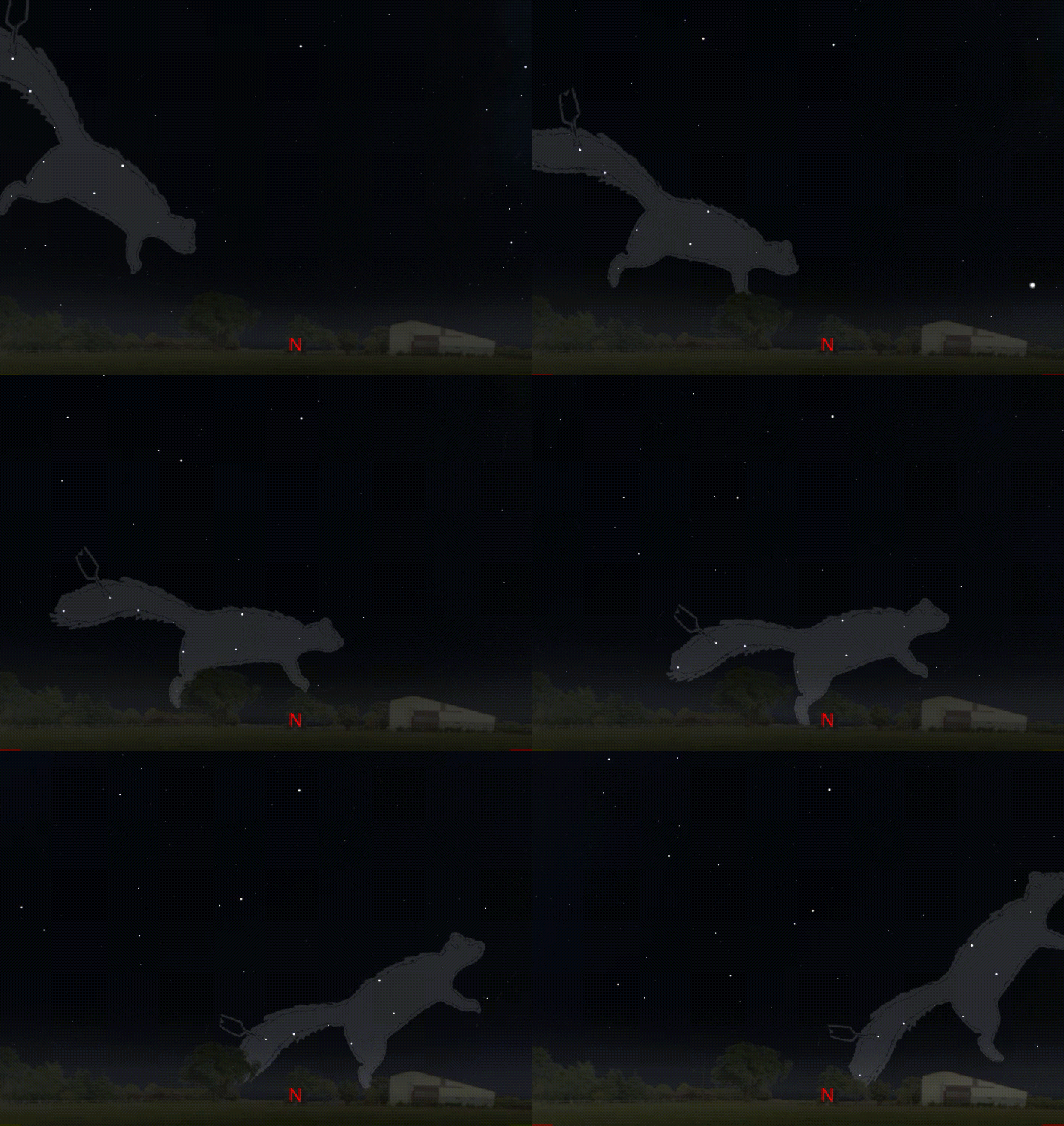
For my take on the story of how the Fisher brought summer to the Earth, click here.
 Bob Moler's Ephemeris Blog