Archive
Ephemeris: 05/08/2026 – The story of Boötes and Ursa Major
This is Ephemeris for Friday, May 8th. Today the Sun will be up for 14 hours and 33 minutes, setting at 8:56, and it will rise tomorrow at 6:21. The Moon, 1 day before last quarter, will rise at 2:55 tomorrow morning.
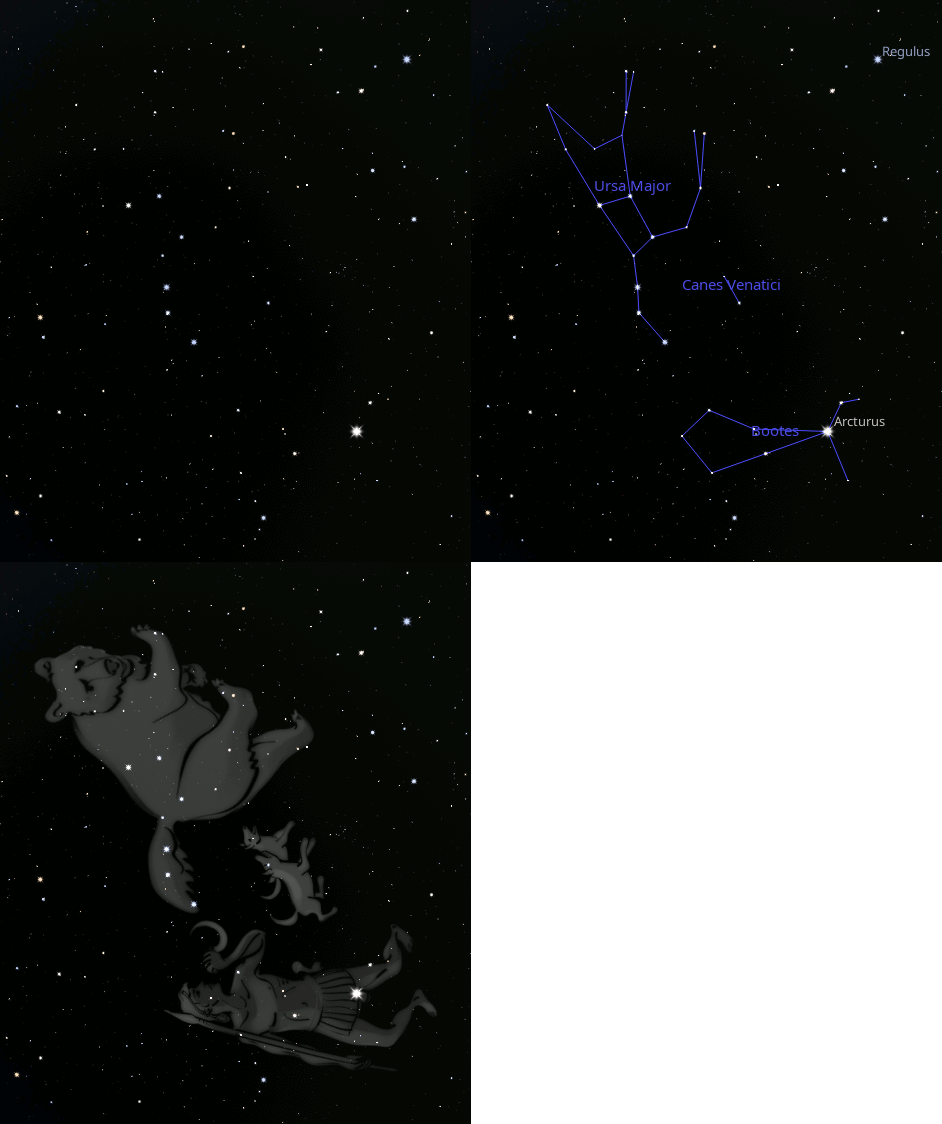
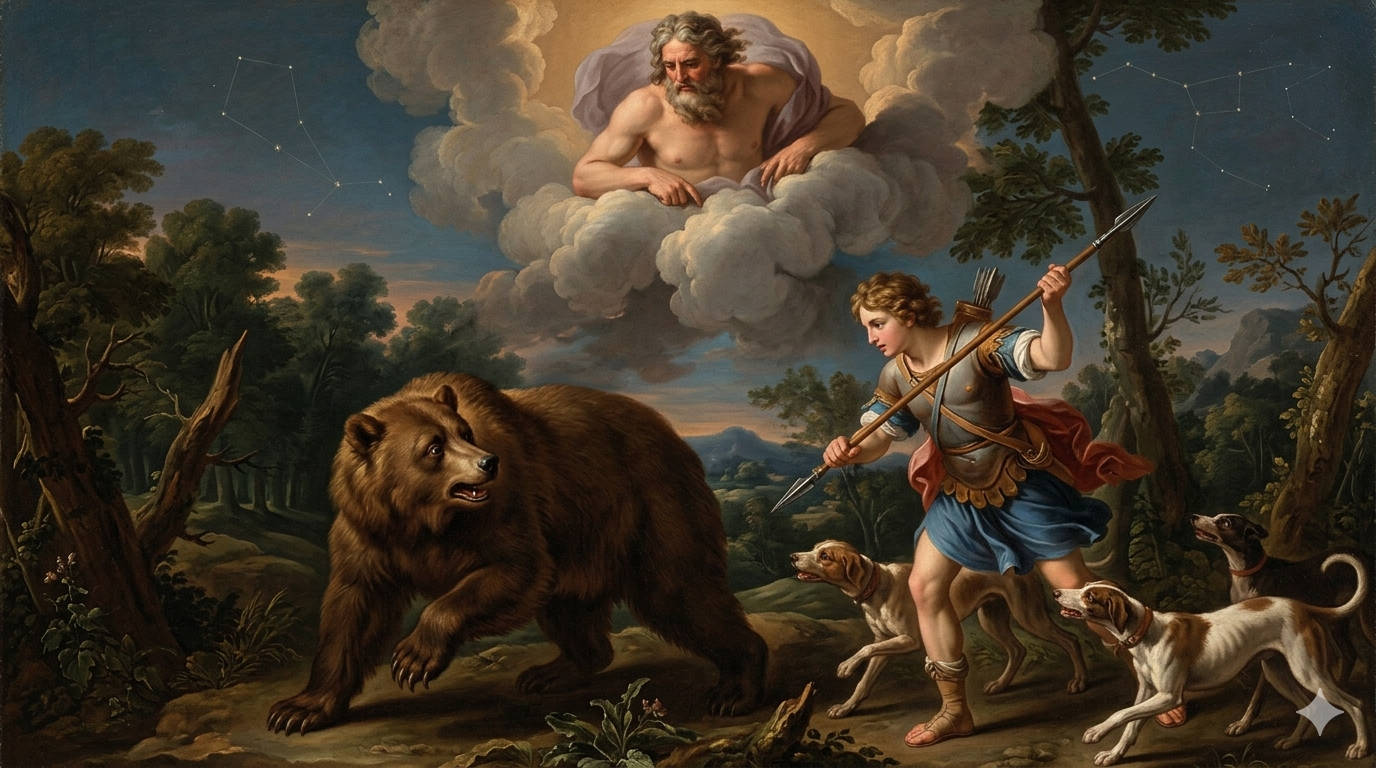
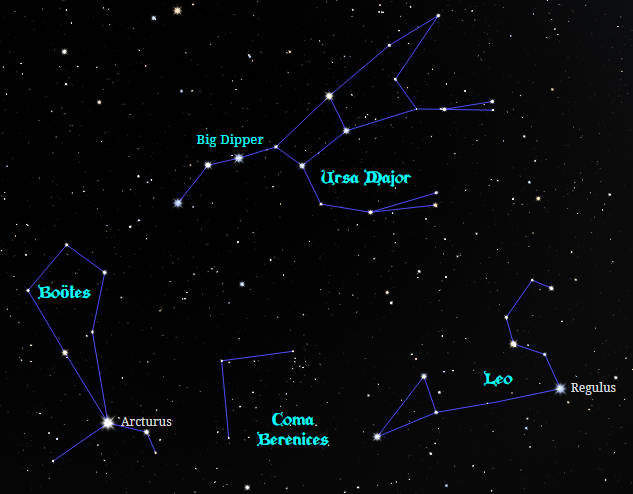
Appearing in the eastern sky at 10 p.m. tonight is the kite shaped constellation of Boötes the herdsman. The bright star Arcturus is at the bottom of the kite which is horizontal to the left, pointed to by the arc of the handle of the Big Dipper, higher in the east. The Big Dipper is the hind end of the constellation Ursa Major, the Great Bear. In one story, Boötes represents a young hunter named Arcas, son of Callisto, a beautiful young woman who had the misfortune of being loved by god Zeus. Zeus’ wife, Hera, found out about the affair, and since she couldn’t punish Zeus, turned the poor woman into a bear. Arcas, many years later, unaware of why his mother disappeared, was about to kill the bear when Zeus intervened and placed them both in the sky, where he continues to chase her across the sky nightly.
The astronomical event times given in this blog are for the Traverse City/Interlochen area of Michigan (Lat 44.7° N, Long 85.7° W; EDT, UT – 4 hours) unless stated otherwise. Times will be different for other locations.
Addendum
Ephemeris: 05/07/2026 – A constellation of a real person: Coma Berenices
This is Ephemeris for Thursday, May 7th. Today the Sun will be up for 14 hours and 30 minutes, setting at 8:55, and it will rise tomorrow at 6:22. The Moon, 2 days before last quarter, will rise at 2:28 tomorrow morning.
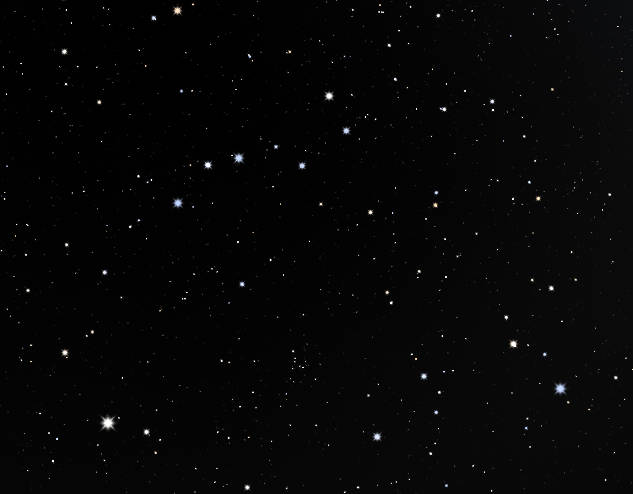
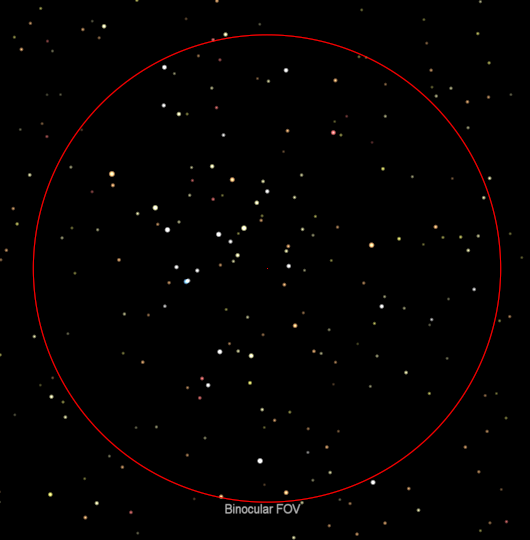
High in the south-southeast at 10:30 p.m. is a tiny and faint constellation of Coma Berenices, or Berenice’s Hair. In it are lots of faint stars arrayed to look like several strands of hair to the naked eye. The whole group will fit in the field of a pair of binoculars, which will also show many more stars. Berenice was a real queen, whose husband, the Pharaoh Ptolemy III, was away at war. Those were the days when the Greeks ruled Egypt. She offered her golden tresses to the gods for the king’s safe return. The hair, was placed in a temple. However, the offering disappeared when the king returned. Later, the constellation of Coma Berenices has been made to commemorate the queen’s sacrifice.
The astronomical event times given in this blog are for the Traverse City/Interlochen area of Michigan (Lat 44.7° N, Long 85.7° W; EDT, UT – 4 hours) unless stated otherwise. Times will be different for other locations.
Addendum
Ephemeris: 05/06/2026 – Taking our weekly look at the whereabouts of the naked-eye planets
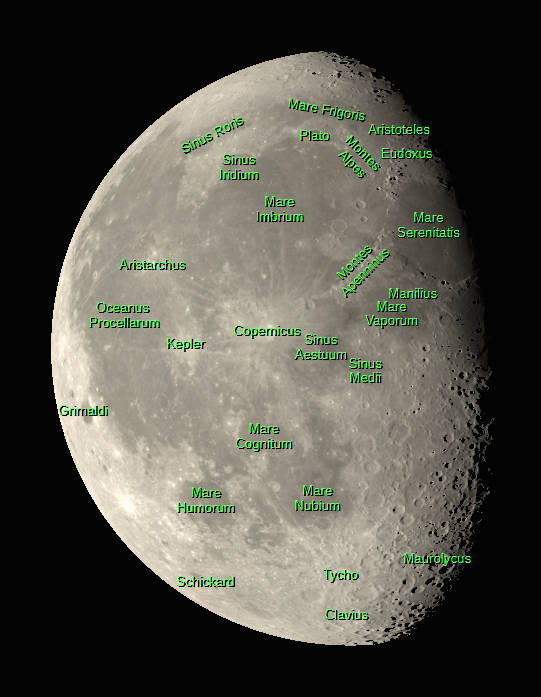
This is Ephemeris for Wednesday, May 6th. Today the Sun will be up for 14 hours and 28 minutes, setting at 8:53, and it will rise tomorrow at 6:24. The Moon, 3 days before last quarter, will rise at 1:55 tomorrow morning.
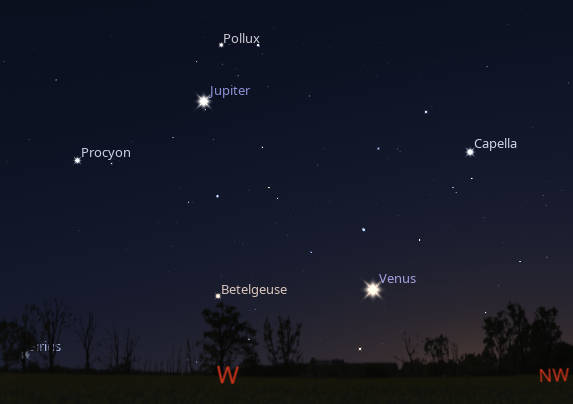
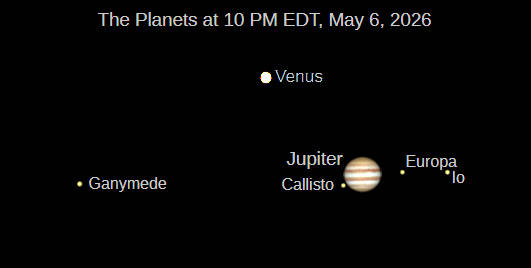
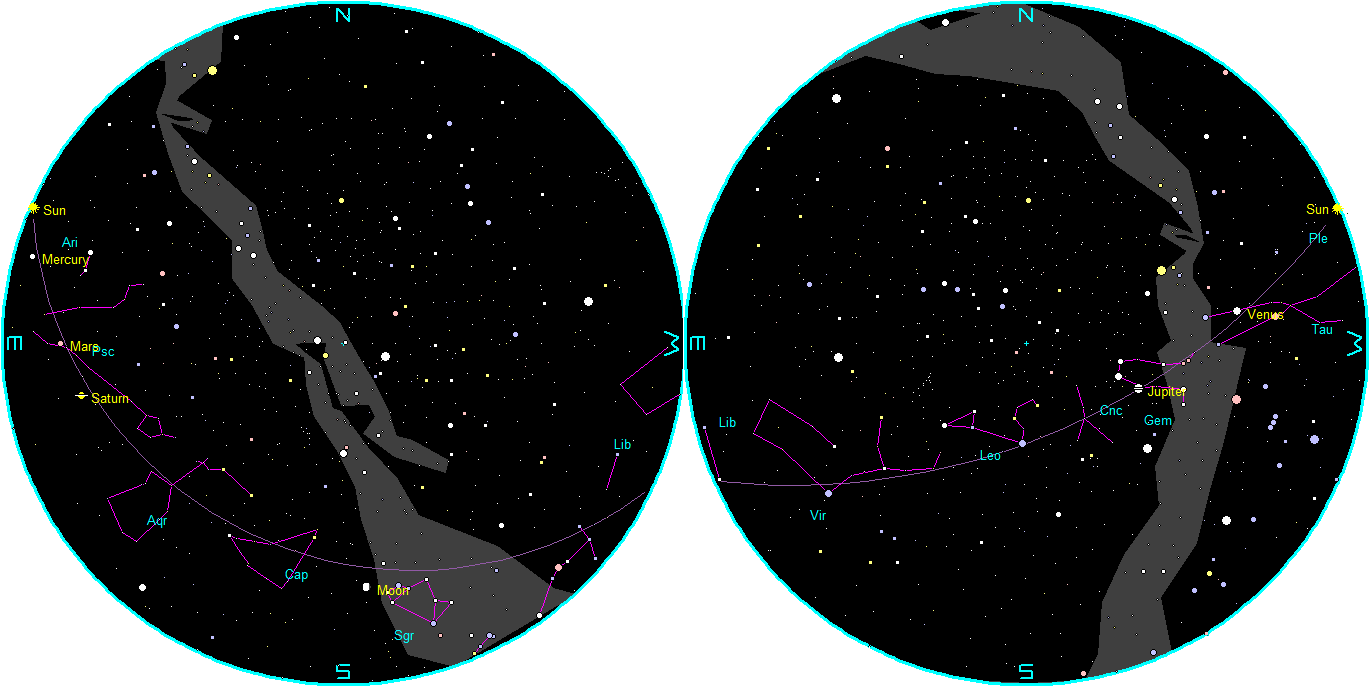
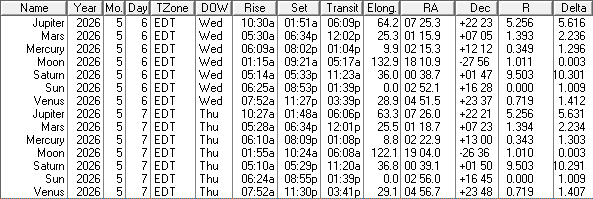
Let’s take our weekly look at the whereabouts of the naked-eye planets. By 9:30 PM tonight or about 35 minutes or so after sunset, Venus may be seen very low in the West. A telescope will show a very tiny disc on Venus, because it is still pretty much beyond the Sun, 131 million miles (211 million kilometers) away from us. Over the next 5½ months it will be moving closer to us and becoming much larger. Jupiter is the brilliant star-like object in the western before 10 PM. It is above and left of the brighter Venus. Venus will set at 11:26 PM, while Jupiter will hold out until 1:40 AM. Saturn may be glimpsed starting about next Monday just after it rises in the east around 5:15 AM, and before morning twilight overwhelms it sometime later.
The astronomical event times given in this blog are for the Traverse City/Interlochen area of Michigan (Lat 44.7° N, Long 85.7° W; EDT, UT – 4 hours) unless stated otherwise. Times will be different for other locations.
Addendum
Ephemeris: 05/05/2026 – The constellation of Hydra the water snake slithers along the southern horizon
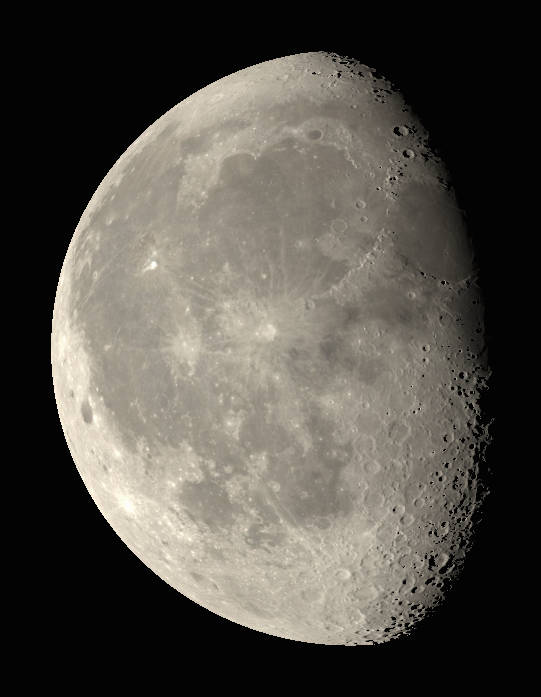
This is Bob Moler with Ephemeris for Cinco de Mayo, Tuesday, May 5th. Today the Sun will be up for 14 hours and 25 minutes, setting at 8:52, and it will rise tomorrow at 6:25. The Moon, halfway from full to last quarter, will rise at 1:15 tomorrow morning.
Low in the southwest to the southeastern sky in the evening one can spot the constellation of Hydra the water snake, the longest constellation of all. Unlike the monster of the same name, this Hydra has but one head, which is actually its most distinctive part. At 10 p.m. the head of Hydra is found below a line from brilliant Jupiter in the west and Leo the lion in the southwest. Hydra’s head is a small but distinctive group of 6 stars that make a drooping loop to the right. The rest of Hydra wends its way above the southern horizon below the bright blue star Spica in Virgo and Corvus the crow. Some delineations of Hydra have its tail tickling the constellation Libra, the balance, or scales, which has just risen in the southeast.
The astronomical event times given in this blog are for the Traverse City/Interlochen area of Michigan (Lat 44.7° N, Long 85.7° W; EDT, UT – 4 hours) unless stated otherwise. Times will be different for other locations.
Addendum
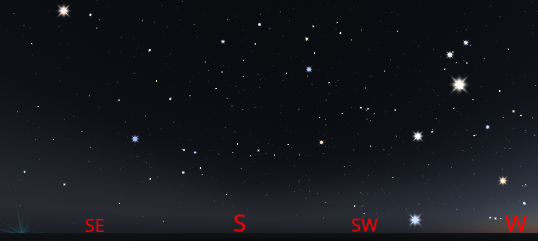
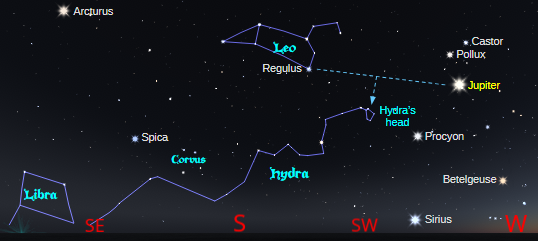
The head of Hydra and the front part of Leo are parts of a constellation of the original inhabitants of our area, the Anishinaabek peoples. The constellation is the Great Underwater Panther, and the front part of the Leo is its curly tail. For more information about it check my blog post here.
Ephemeris: 04/29/2026 – Taking our weekly look at the whereabouts of the naked-eye planets
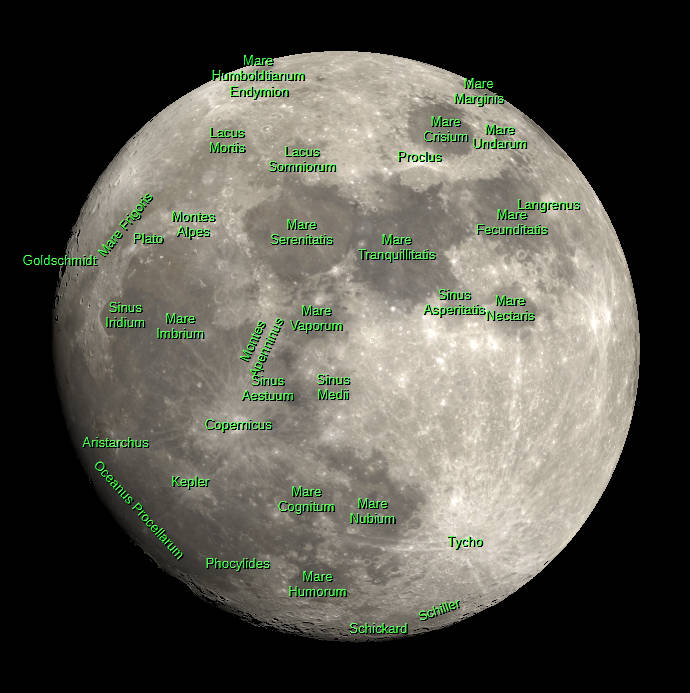
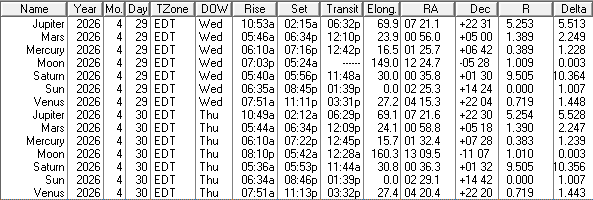
This is Ephemeris for Wednesday, April 29th. Today the Sun will be up for 14 hours and 9 minutes, setting at 8:45, and it will rise tomorrow at 6:34. The Moon, 2 days before full, will set at 5:42 tomorrow morning.
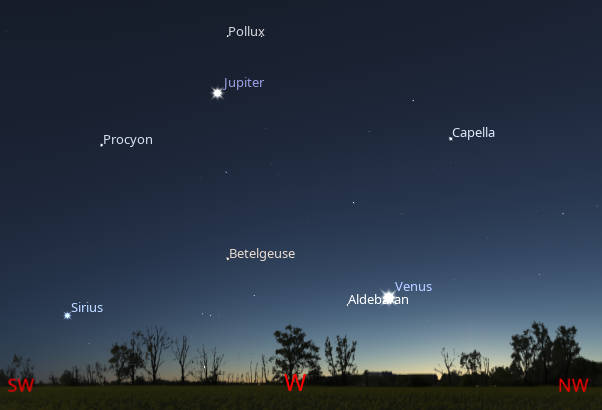
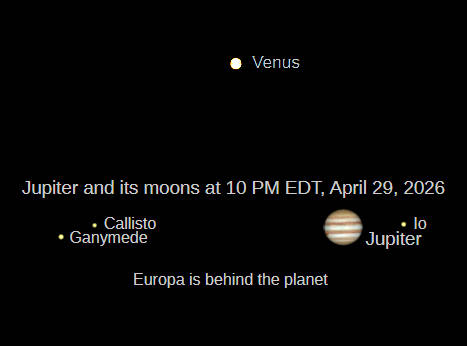
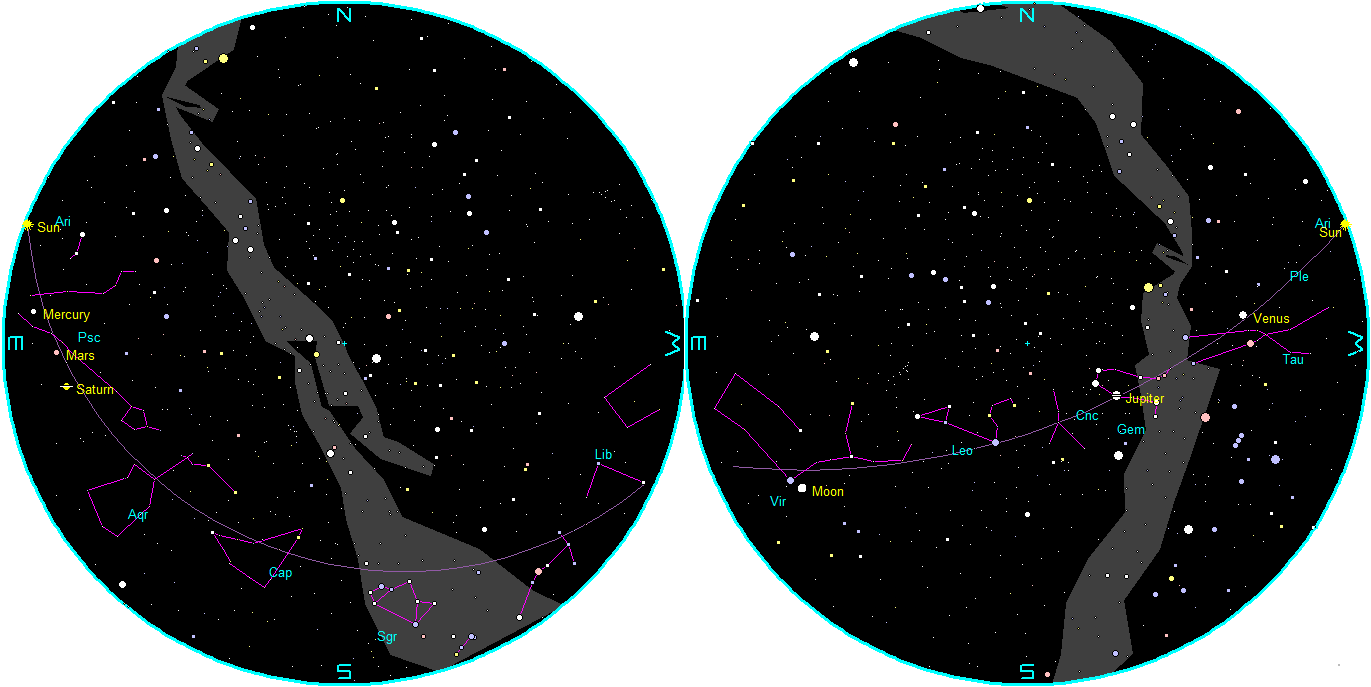
Let’s take our weekly look at the whereabouts of the naked-eye planets. By 9:30 PM tonight or about 45 minutes or so after sunset, Venus may be seen very low in the West. A telescope will show a very tiny disc on Venus, because it is still pretty much beyond the Sun, 136 million miles (217 million kilometers) away from us. Over the next 6 months it will be moving closer to us and becoming much larger. Jupiter is the brilliant star-like object in the western before 10 PM. It is above and left of the brighter Venus. Venus will set at 11:11 PM, while Jupiter will hold out until 2:12 AM. Meanwhile, Mercury, Mars and Saturn are breaking up just west of the Sun, but are still overwhelmed by bright morning twilight.
The astronomical event times given in this blog are for the Traverse City/Interlochen area of Michigan (Lat 44.7° N, Long 85.7° W; EDT, UT – 4 hours) unless stated otherwise. Times will be different for other locations.
Addendum
Ephemeris: 04/22/2026 – Taking our weekly look at the whereabouts of the naked-eye planets
This is Ephemeris for Earth Day, Wednesday, April 22nd. Today the Sun will be up for 13 hours and 50 minutes, setting at 8:36, and it will rise tomorrow at 6:45. The Moon, 1 day before first quarter, will set at 3:07 tomorrow morning.
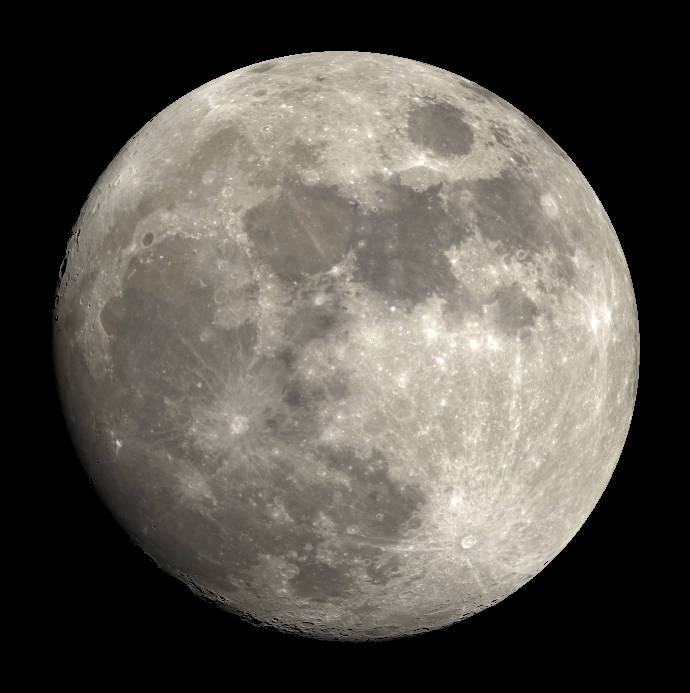
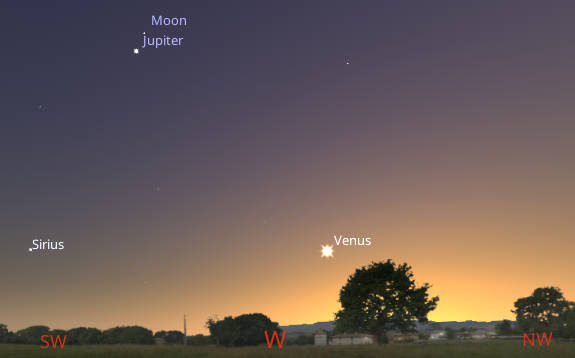
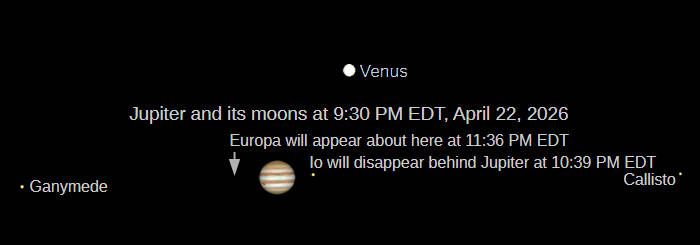
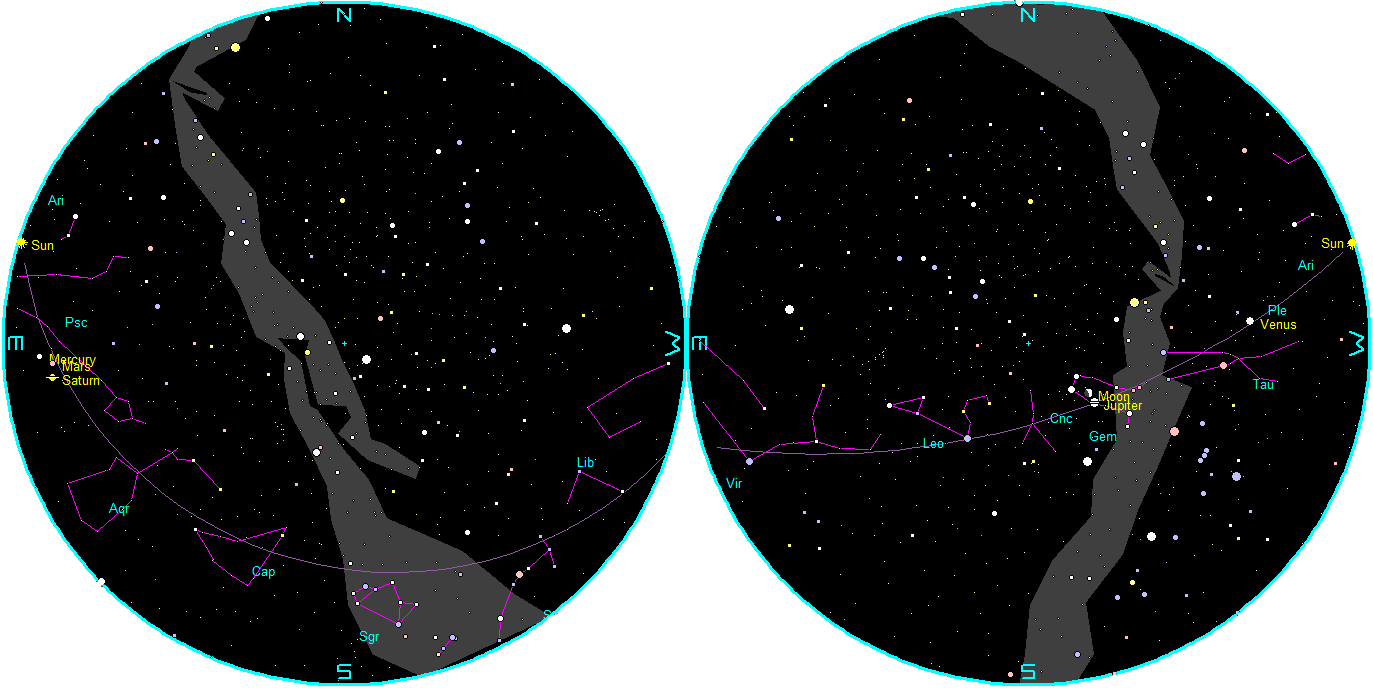
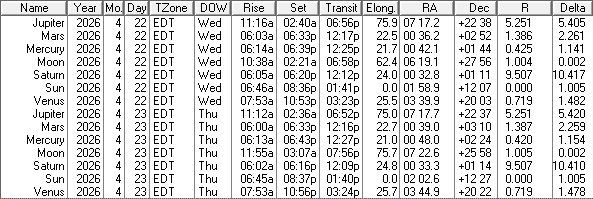
Let’s take our weekly look at the whereabouts of the naked-eye planets. By 9 PM tonight or about 30 minutes or so after sunset, Venus may be seen very low in the West. A telescope will show a very tiny disc on Venus, because it is still pretty much beyond the Sun, 138 million miles (222 million kilometers) away from us. Over the next 6 months it will be moving closer to us and becoming much larger. Jupiter is the brilliant star-like object high in the west-southwestern sky before 10 PM. It will appear just below the crescent Moon tonight. Venus will set at 10:54, while Jupiter will hold out until 2:30 AM. Meanwhile, Mercury, Mars and Saturn are still bunched up just west of the Sun, but are overwhelmed by bright morning twilight.
The astronomical event times given in this blog are for the Traverse City/Interlochen area of Michigan (Lat 44.7° N, Long 85.7° W; EDT, UT – 4 hours) unless stated otherwise. Times will be different for other locations.
Addendum
Ephemeris: 04/21/2026 – The Lyrid meteor shower reaches its peak tomorrow
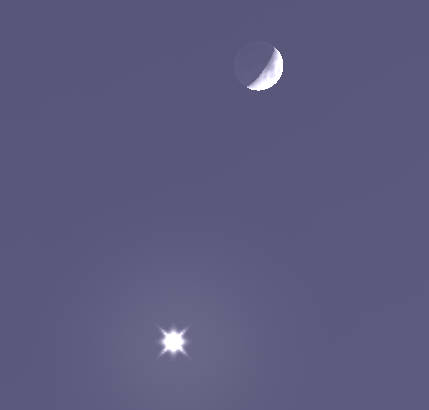
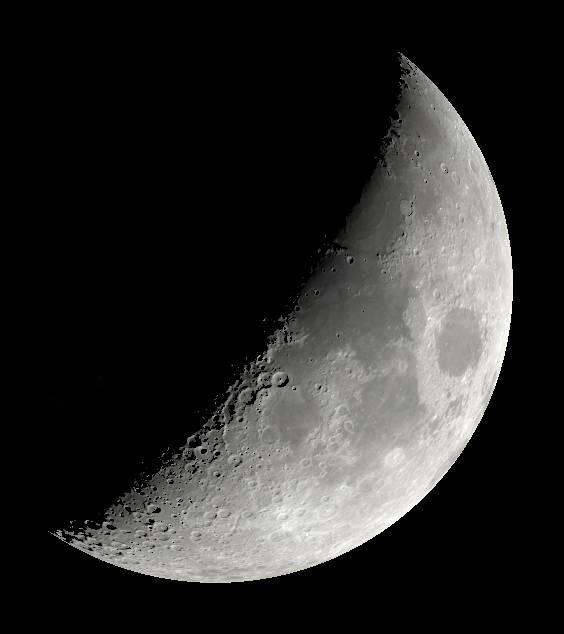
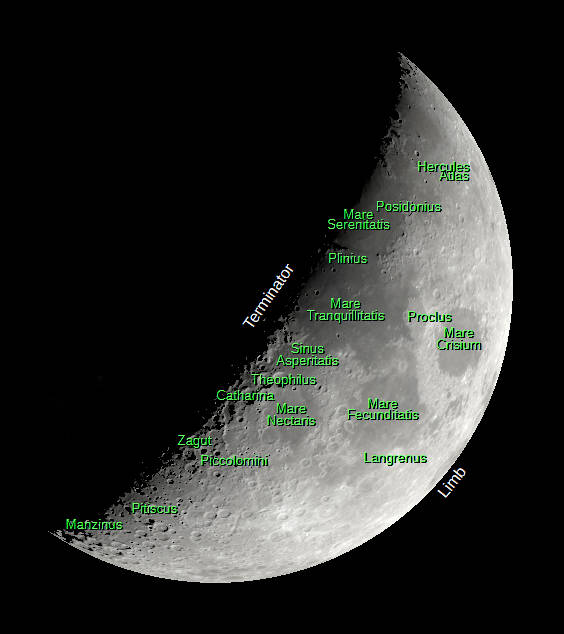
This is Ephemeris for Tuesday, April 21st. Today the Sun will be up for 13 hours and 47 minutes, setting at 8:35, and it will rise tomorrow at 6:46. The Moon, 2 days before first quarter, will set at 2:21 tomorrow morning.
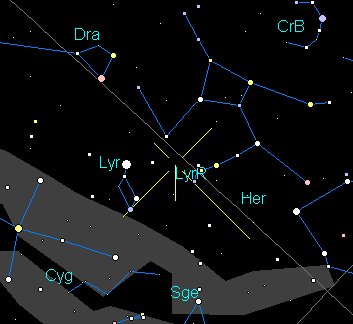
The second major meteor shower this year will reach its peak tomorrow afternoon around 3 PM (~19h UT). The best time to see it will be tomorrow morning after moonset at 2:21 AM. Astronomical twilight will begin to interfere after 5 AM. The other is tomorrow night starting 45 minutes later. The meteor shower is called the Lyrids, because they seem to come from near the constellation Lyra the harp and the bright star Vega. By 3 AM Vega will be high in the east. The radiant of the meteors is to the west of Vega, between Lyra and the dim constellation of Hercules. Though a major shower, the peak hourly rate is expected to be about 20 meteors an hour.
The astronomical event times given in this blog are for the Traverse City/Interlochen area of Michigan (Lat 44.7° N, Long 85.7° W; EDT, UT – 4 hours) unless stated otherwise. Times will be different for other locations.
Addendum
Ephemeris: 04/15/2026 – Taking our weekly look at the whereabouts of the naked-eye planets
This is Ephemeris for Wednesday, April 15th. Today the Sun will be up for 13 hours and 29 minutes, setting at 8:28, and it will rise tomorrow at 6:56. The Moon, 2 days before new, will rise at 6:15 tomorrow morning.
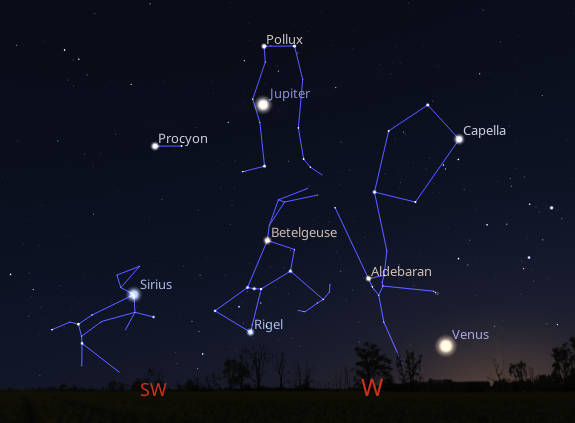
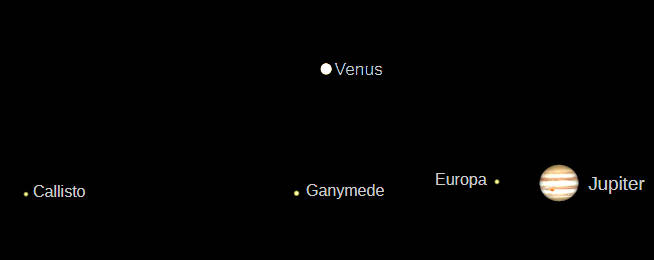
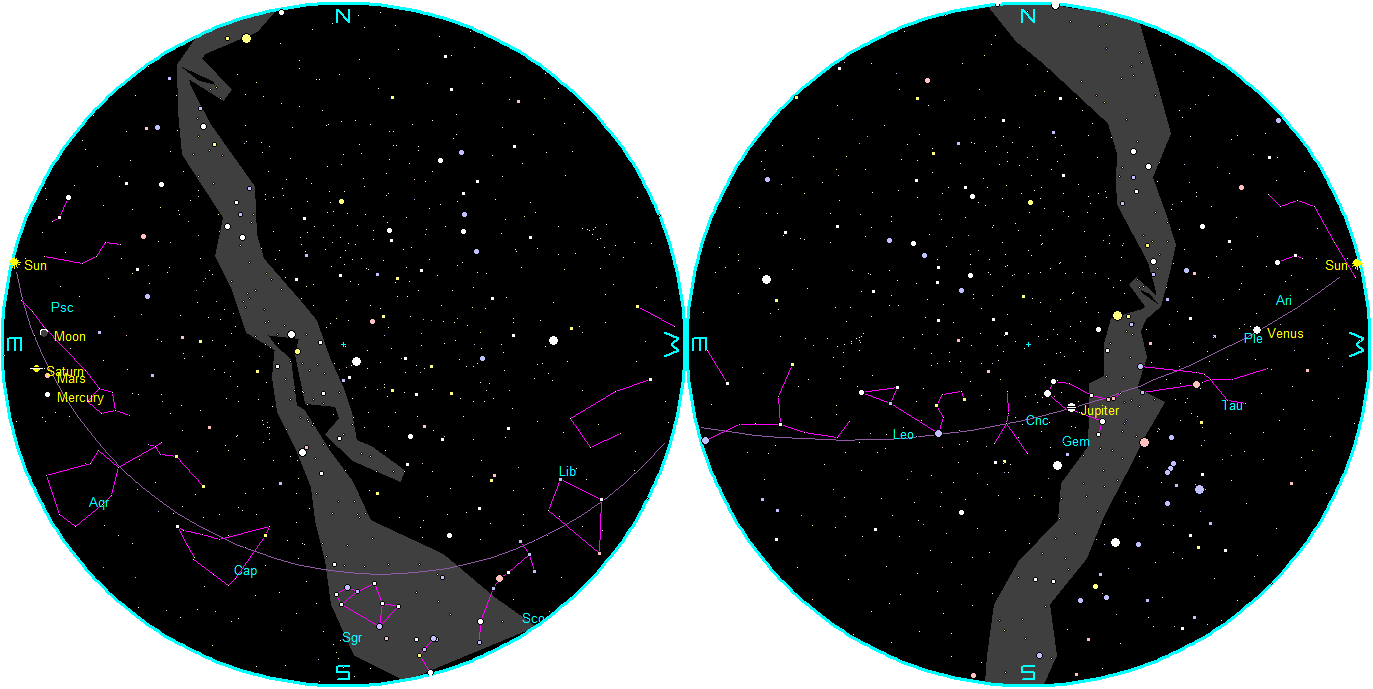
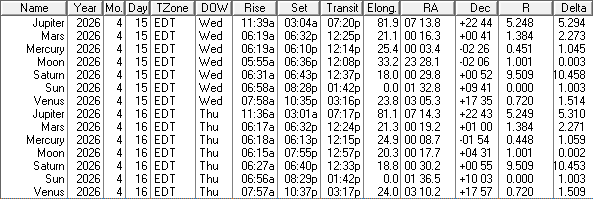
Let’s take our weekly look at the whereabouts of the naked-eye planets. By 9:15 PM tonight or about 45 minutes or so after sunset, Venus may be seen very low in the West. A telescope will show a very tiny disc on Venus, because it is still pretty much beyond the Sun, 141 million miles (226 million kilometers) away from us. Over the next 6 months it will be moving closer to us and becoming much larger. Jupiter is the brilliant star-like object high in the southwestern sky at the same time. Venus will set at 10:35, while Jupiter will hold out to 3 AM. Meanwhile, Mercury, Mars and Saturn are lined up just west of the Sun, but unfortunately are overwhelmed by bright morning twilight. Southern Hemisphere observers will them bunched up next week.
The astronomical event times given in this blog are for the Traverse City/Interlochen area of Michigan (Lat 44.7° N, Long 85.7° W; EDT, UT – 4 hours) unless stated otherwise. Times will be different for other locations.
Addendum
Ephemeris: 04/13/2026 – How the Greeks saw the constellation Leo
This is Bob Moler with Ephemeris for Monday, April 13th. Today the Sun will be up for 13 hours and 23 minutes, setting at 8:25, and it will rise tomorrow at 7:00. The Moon, 3 days past last quarter, will rise at 5:35 tomorrow morning.
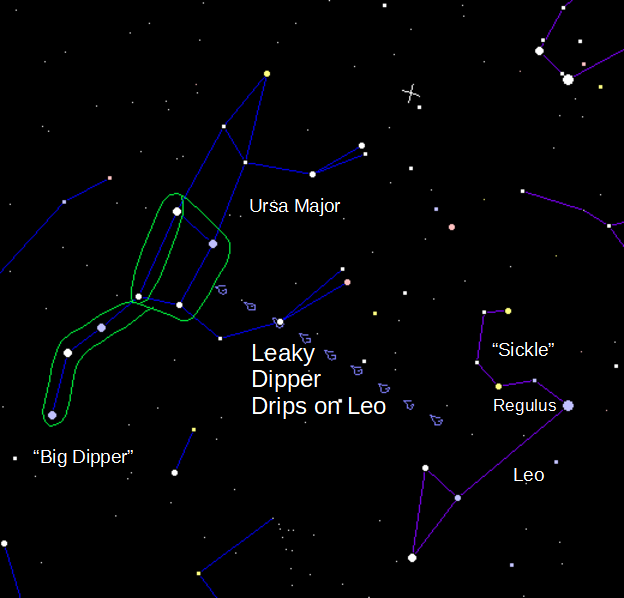
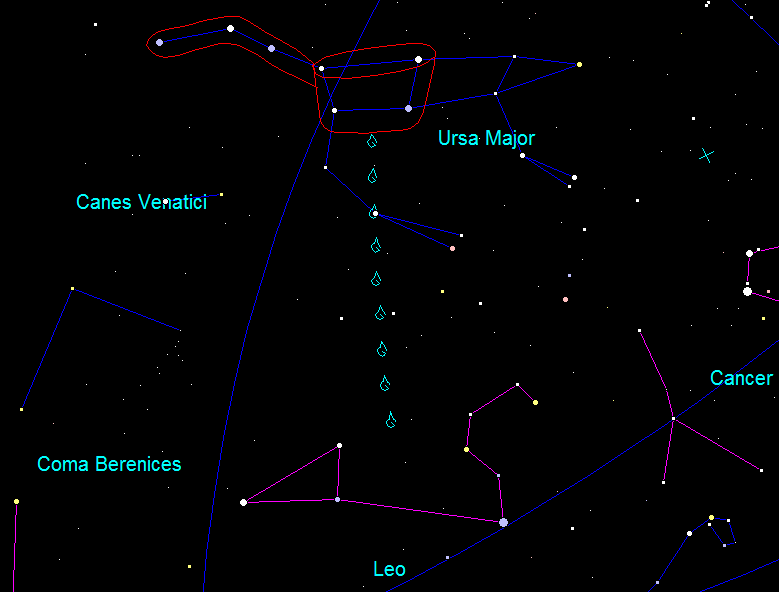
The constellations that we know are mostly those that come from the Sumerians and other civilizations who lived around what is now modern day Iraq. They were adopted and adapted by the ancient Greeks, and to us. Foremost of these was Leo the lion, seen high in the south-southeastern sky at 10 PM. It is easily found by imagining the bottom of the Big Dipper leaks. It will drip on the back of Leo, with its distinctive backward question mark as his front with his head and mane. To the Greeks he was the Nemean Lion, whose coat was impervious to arrows or spears. Heracles (Hercules) was able to kill it by first stunning it with a club then strangling it with his bare hands. It was the first of his Twelve Labors.
The astronomical event times given in this blog are for the Traverse City/Interlochen area of Michigan (Lat 44.7° N, Long 85.7° W; EST, UT – 5 hours) unless stated otherwise. Times will be different for other locations.
Addendum

Ephemeris: 04/09/2026 – Finding Leo the lion
This is Ephemeris for Thursday, April 9th. Today the Sun will be up for 13 hours and 11 minutes, setting at 8:20, and it will rise tomorrow at 7:07. The Moon, 1 day before last quarter, will rise at 3:58 tomorrow morning.
At 10 p.m. the spring constellation of Leo the lion will be high in the south-southeast. It can be found by locating the Big Dipper high in the northeast and imagining that a hole were drilled in the bowl to let the water leak out. It would drip on the back of this giant cat. The Lion is standing or lying facing westward. His head and mane are seen in the stars as a backwards question mark. This group of stars is also called the sickle. The bright star Regulus is at the bottom, the dot at the bottom of the question mark. A triangle of stars, to the left of Regulus, is the lion’s haunches. Leo contains some nice galaxies visible in moderate sized telescopes. The stars in Leo’s part of the sky are fewer than those in the winter sky.
The astronomical event times given in this blog are for the Traverse City/Interlochen area of Michigan (Lat 44.7° N, Long 85.7° W; EST, UT – 5 hours) unless stated otherwise. Times will be different for other locations.
Addendum