Archive
Ephemeris: 07/17/2025 – Finding the celestial eagle, Aquila
This is Ephemeris for Thursday, July 17th. Today the Sun will be up for 15 hours and 10 minutes, setting at 9:23, and it will rise tomorrow at 6:14. The Moon, at last quarter today, will rise at 12:42 tomorrow morning.
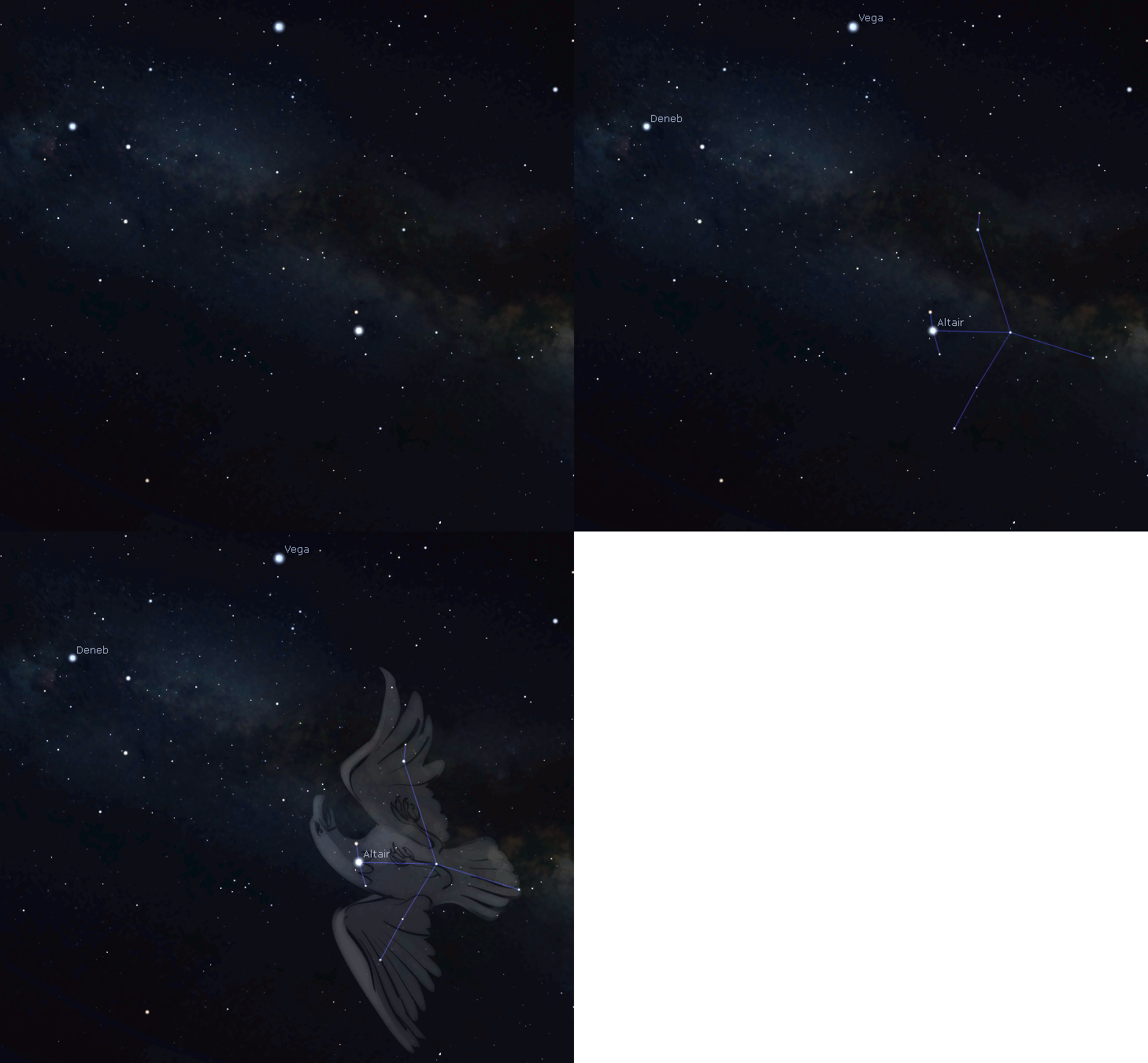
Aquila the eagle is a constellation that lies in the Milky Way. It’s in the southeastern sky as it gets dark. Its brightest star, Altair, is one of the stars of the Summer Triangle, a group of three bright stars dominating the eastern sky in the evening now. Altair, in the head of the eagle, is flanked by two slightly dimmer stars, the shoulders of the eagle. The eagle is flying northeastward through the Milky Way. Its wings are seen in the wing tip stars. A curved group of stars to the lower right of Altair is its tail. Within Aquila, the Milky Way shows many dark clouds as part of the Great Rift that splits it here. The other summer bird is Cygnus the swan above and left of Aquila, flying in the opposite direction. It was said this was the eagle that attended the god Jupiter.
The astronomical event times given in this blog are for the Traverse City/Interlochen area of Michigan (Lat 44.7° N, Long 85.7° W; EDT, UT – 4 hours) unless stated otherwise. Times will be different for other locations.
Addendum
Ephemeris: 07/16/2025 – Our weekly look at the whereabouts of the naked-eye planets
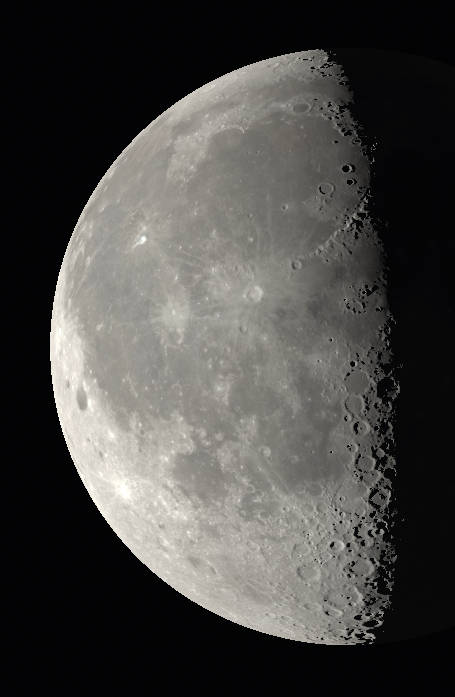
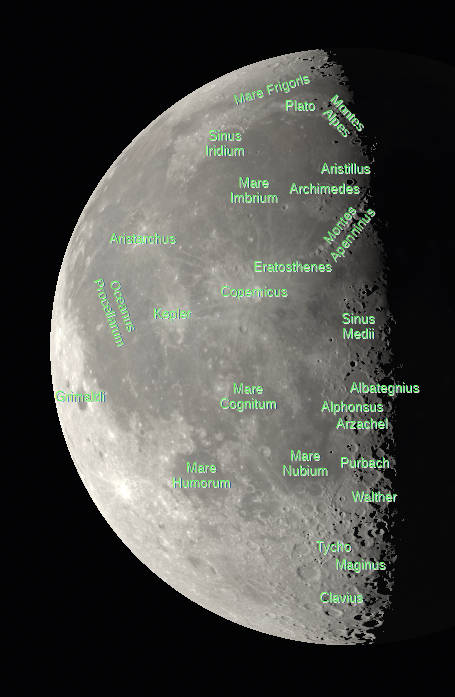
This is Ephemeris for Wednesday, July 16th. Today the Sun will be up for 15 hours and 11 minutes, setting at 9:24, and it will rise tomorrow at 6:13. The Moon, 1 day before last quarter, will rise at 12:20 tomorrow morning.
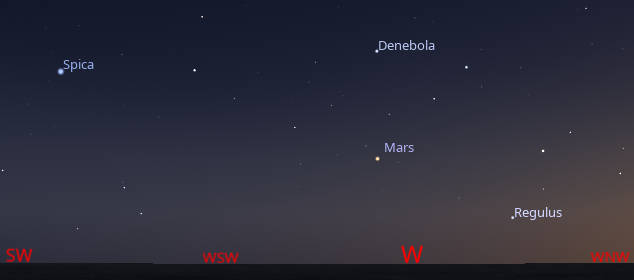
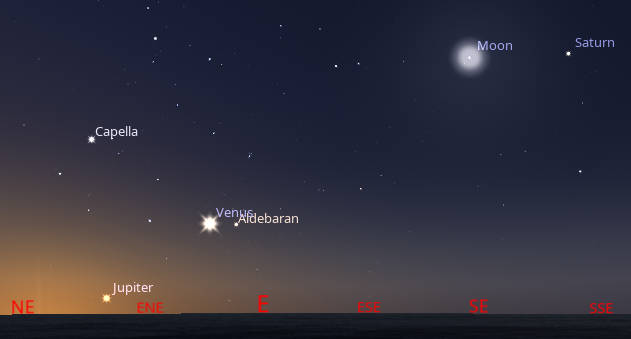
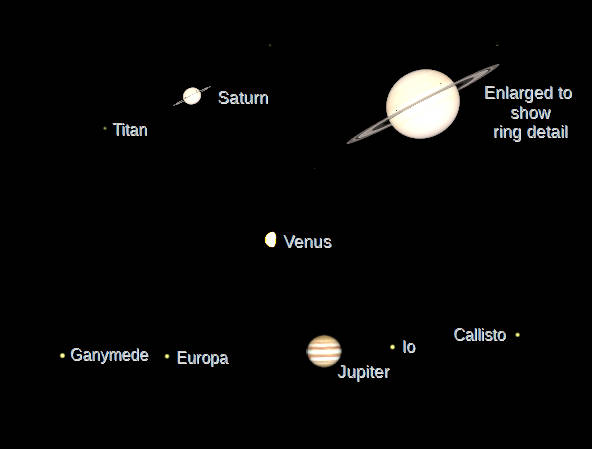
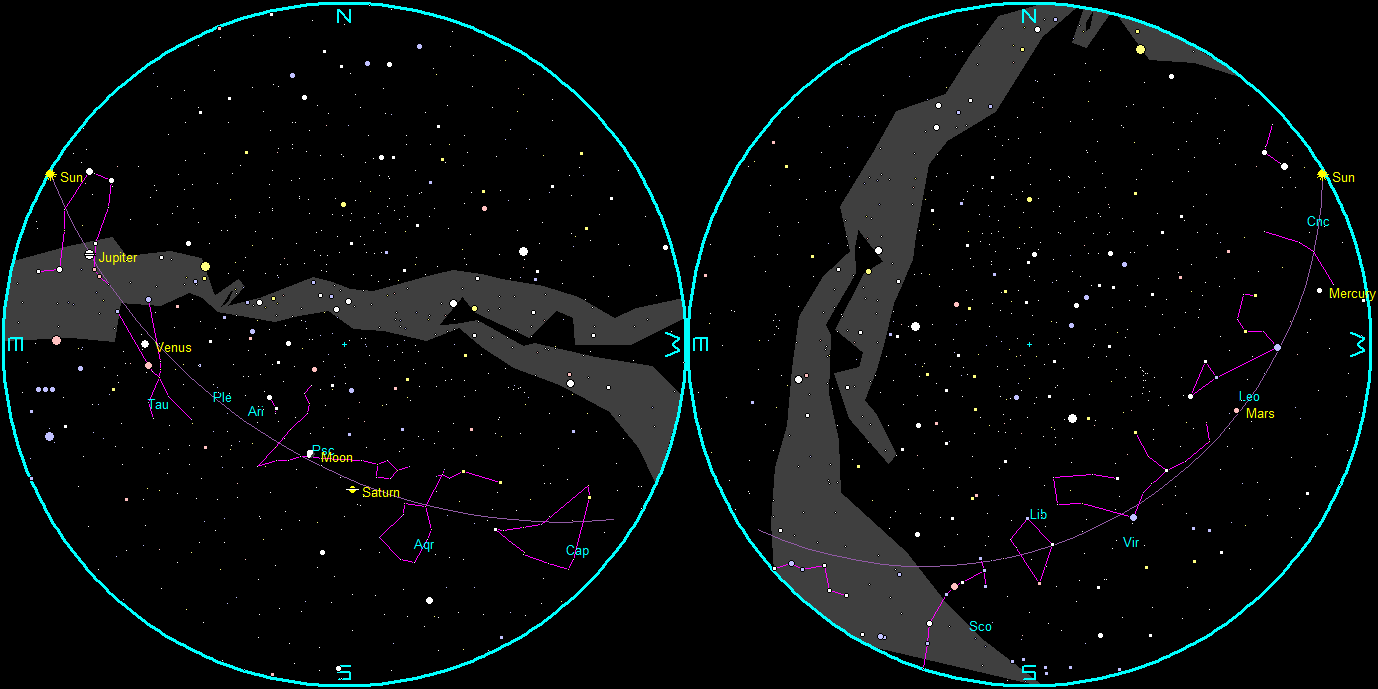
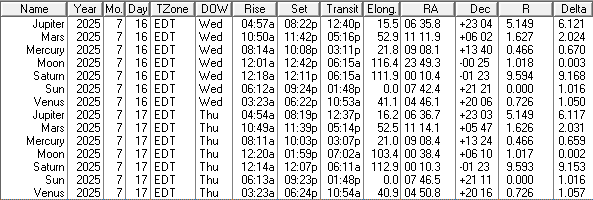
Let’s take our weekly look at the whereabouts of the naked-eye planets. The Red Planet Mars, will be seen to the upper left of the bright star Regulus in the constellation Leo the lion. Both are seen low in the western sky by 10:30 PM at least. Mars is moving away from Regulus, close to the horizon in the west-northwest toward Spica, higher in the southwest. Mars moves much faster against the background stars than the more distant Jupiter and Saturn. Jupiter is in the morning sky now very low in the east-northeast by 5:15 AM. Venus will rise at 3:23 AM in the east-northeast, and by 5 AM will be seen in the east, as the Morning Star. By then Saturn will be in the south-southeast, and below the last quarter Moon tomorrow morning.
The astronomical event times given in this blog are for the Traverse City/Interlochen area of Michigan (Lat 44.7° N, Long 85.7° W; EDT, UT – 4 hours) unless stated otherwise. Times will be different for other locations.
Addendum
Ephemeris: 07/15/2025 – Finding Cygnus the swan
This is Ephemeris for Tuesday, July 15th. Today the Sun will be up for 15 hours and 13 minutes, setting at 9:25, and it will rise tomorrow at 6:12. The Moon, 2 days before last quarter, will rise at 12:01 tomorrow morning.
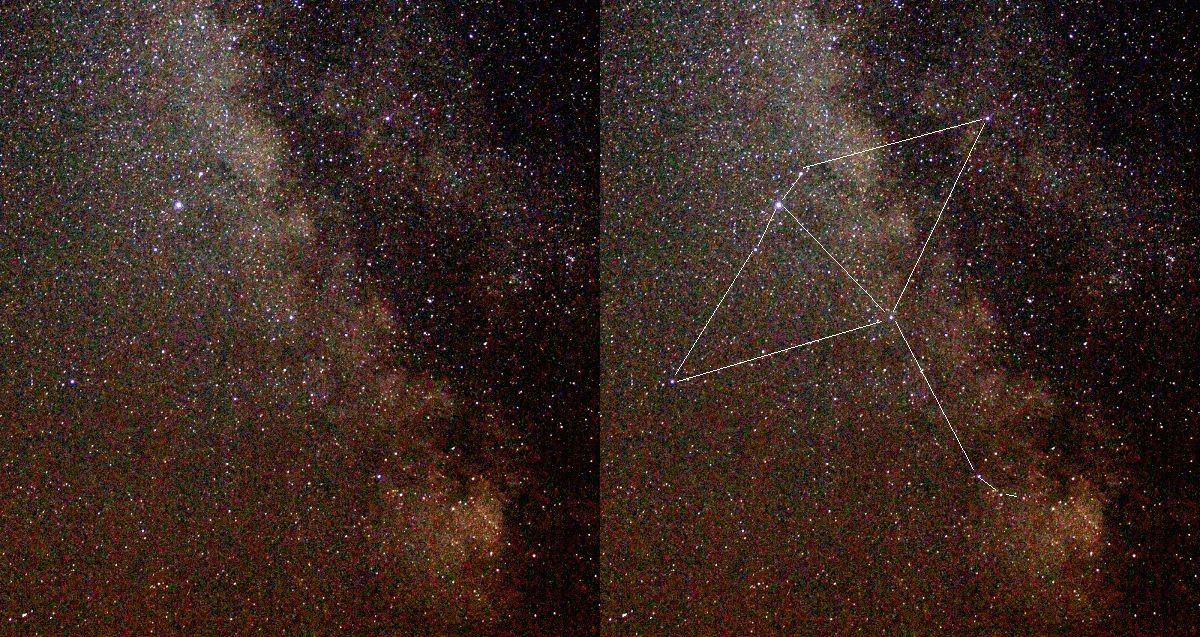
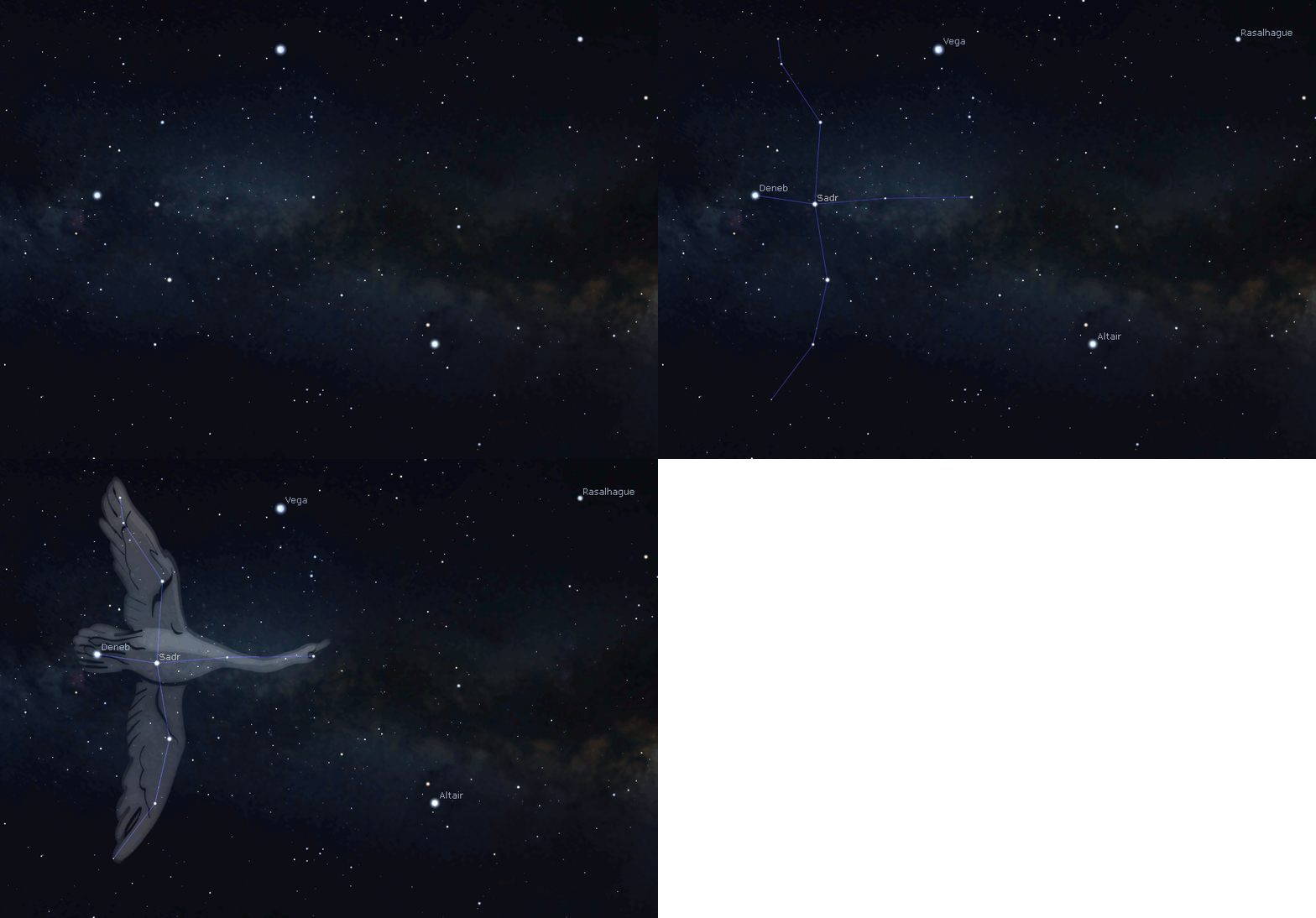
Located fairly high in the east at 11 p.m. is the constellation of Cygnus the swan, flying south through the Milky Way. It is also called the Northern Cross, an asterism or informal constellation. At the left, the tail of the swan or the head of the cross is the bright star Deneb, one of the stars of the Summer Triangle. The next star right is Sadr the intersection of the body and the wings of the swan seen in flight, or the intersection of the two pieces of the cross. There are two or three stars farther to the right that delineate the swan’s long neck or upright of the cross, that ends with the star Alberio in the beak of the swan or foot of the cross. The crosspiece of the cross extends to the stars on either side of the intersection star Sadr, while the swan’s wings extend to a couple more stars each.
The astronomical event times given in this blog are for the Traverse City/Interlochen area of Michigan (Lat 44.7° N, Long 85.7° W; EDT, UT – 4 hours) unless stated otherwise. Times will be different for other locations.
Addendum
Ephemeris: 07/14/2025 – The celestial scorpion crawls along the southern horizon
This is Ephemeris for Monday, July 14th. Today the Sun will be up for 15 hours and 15 minutes, setting at 9:26, and it will rise tomorrow at 6:11. The Moon, 3 days before last quarter, will rise at 11:42 this evening.
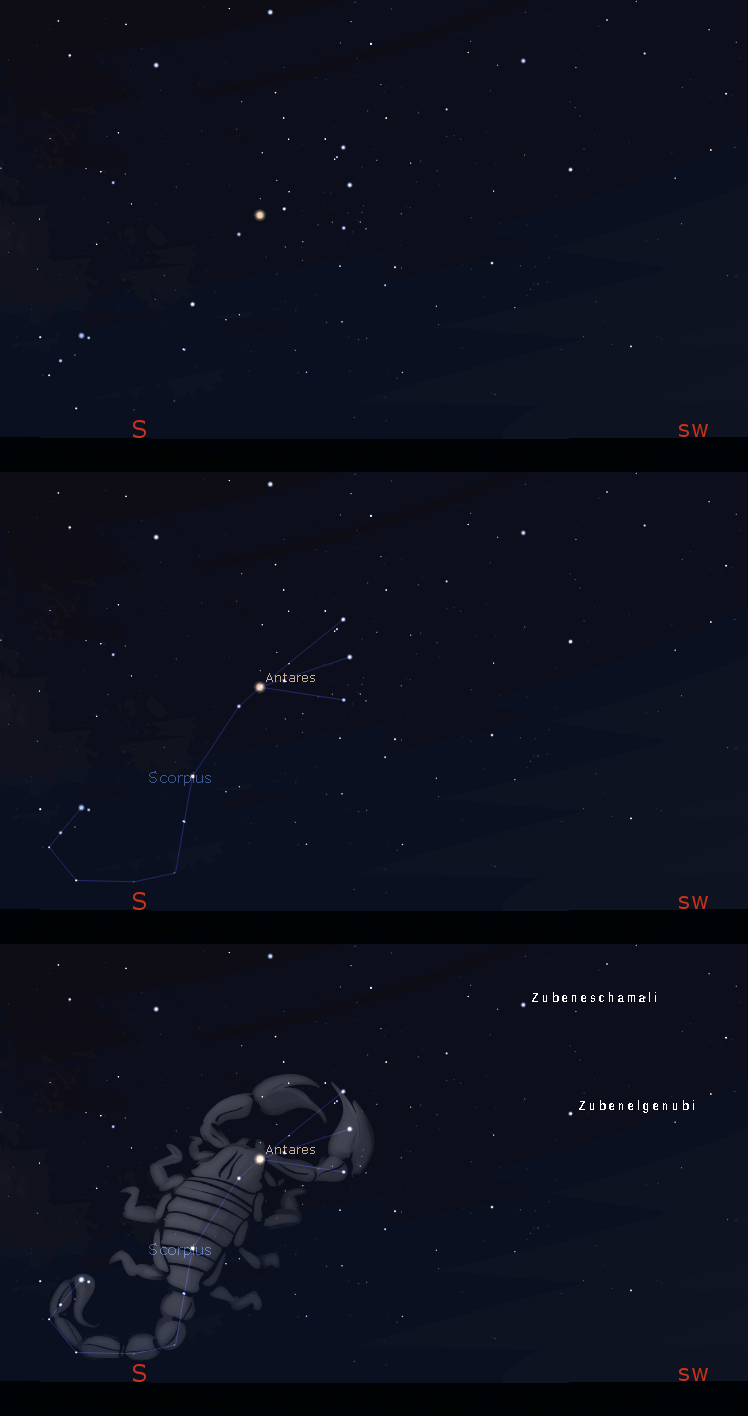
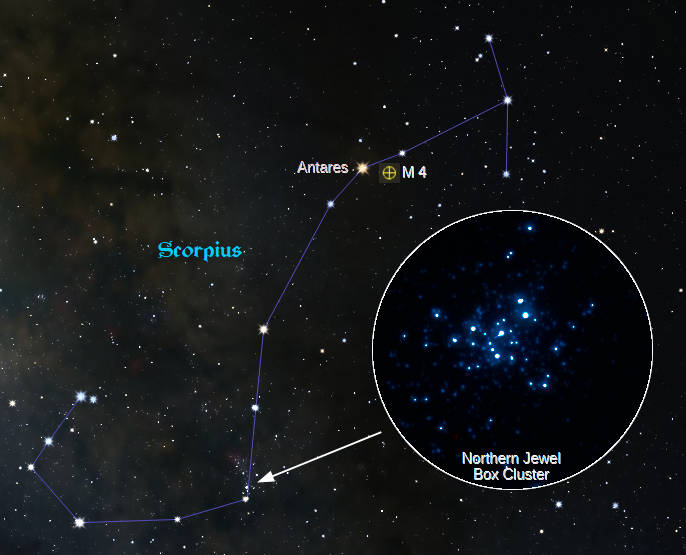
There’s a large constellation located low in the south at about 11 tonight. It’s Scorpius the scorpion. Its brightest star is Antares in its heart, a red giant star, that I’ve gotten calls about it as being a UFO. From Antares to the right is a star, then a vertical arc of three stars, that is its head. The Scorpion’s tail is a line of stars running down to the left of Antares, swooping to the horizon before coming back up and ending in a pair of stars that portray his poisonous stinger. There is a beautiful star cluster, seen in binoculars at that first bend in the tail that is unfortunately too low, at three degrees altitude, to appreciate from this far north. I was very impressed with it when spotting it in binoculars from the Florida Keys when I was down there in 1986 to observe Halley’s Comet. It has several names, including the Northern Jewel Box Cluster.
The astronomical event times given in this blog are for the Traverse City/Interlochen area of Michigan (Lat 44.7° N, Long 85.7° W; EDT, UT – 4 hours) unless stated otherwise. Times will be different for other locations.
The astronomical event times given in this blog are for the Traverse City/Interlochen area of Michigan (Lat 44.7° N, Long 85.7° W; EDT, UT – 4 hours) unless stated otherwise. Times will be different for other locations.
Addendum
Ephemeris: 07/11/2025 – GTAS meeting tonight and star parties this summer
This is Ephemeris for Friday, July 11th. Today the Sun will be up for 15 hours and 19 minutes, setting at 9:28, and it will rise tomorrow at 6:09. The Moon, 1 day past full, will rise at 10:32 this evening.
The Grand Traverse Astronomical Society will host its July meeting tonight at 9 PM at Northwestern Michigan College’s Joseph H Rogers Observatory. The meeting was bumped forward a week due to the Fourth of July holiday. After the meeting, around 10 PM, weather permitting, there will be viewing of the Moon and whatever we can find in the twilight. The observatory is located south of Traverse City on Birmley Rd. The meeting will also be available via Zoom. Instructions will be on the society’s website, gtastro (dot) org. There are two other events this summer both star parties at the Sleeping Bear Dunes National Lakeshore’s Dune Climb area. They are on July 26th and August 23rd, both Saturday nights.
The astronomical event times given in this blog are for the Traverse City/Interlochen area of Michigan (Lat 44.7° N, Long 85.7° W; EDT, UT – 4 hours) unless stated otherwise. Times will be different for other locations.
Addendum

Ephemeris: 07/10/2025 – More news about potentially hazardous asteroid 2024 YR4
This is Ephemeris for Thursday, July 10th. Today the Sun will be up for 15 hours and 21 minutes, setting at 9:28, and it will rise tomorrow at 6:08. The Moon, at full today, will rise at 9:58 this evening.
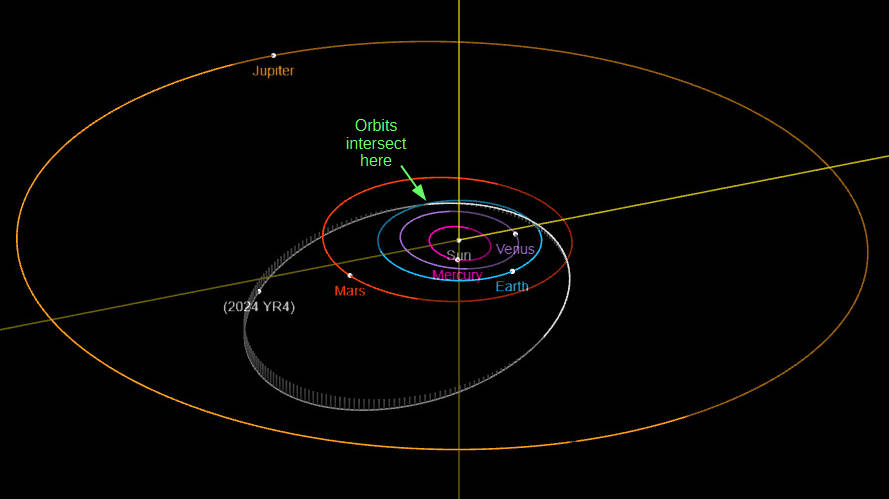
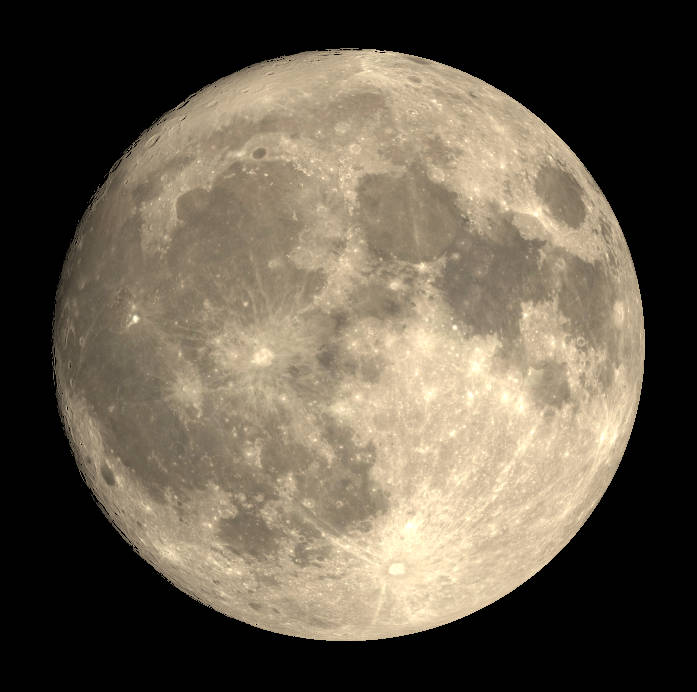
In recent programs I’ve talked about an asteroid, 2024 YR4, that has a 4% chance of hitting the Moon in 2032, and the possibility that debris from the lunar impact would make it all the way back to the Earth and cause problems with our satellites. The asteroid is too far away now to for further observations, so that’s where the probability stands. The asteroid has a four-year orbit of the Sun so toward the latter part of the year 2028 it should again be in range for astronomers to observe and refine its orbit to see if the probability of striking the Moon increases or even decreases. According to a recent paper about the ejecta from the impact, there seems a better chance of earthward debris if the asteroid hits the trailing part of the Moon, that is its right side as we see it.
The astronomical event times given in this blog are for the Traverse City/Interlochen area of Michigan (Lat 44.7° N, Long 85.7° W; EDT, UT – 4 hours) unless stated otherwise. Times will be different for other locations.
Addendum
Ephemeris: 07/09/2025 – Taking our weekly look at the naked-eye planets
This is Ephemeris for Wednesday, July 9th. Today the Sun will be up for 15 hours and 22 minutes, setting at 9:29, and it will rise tomorrow at 6:07. The Moon, 1 day before full, will set at 5:21 tomorrow morning.
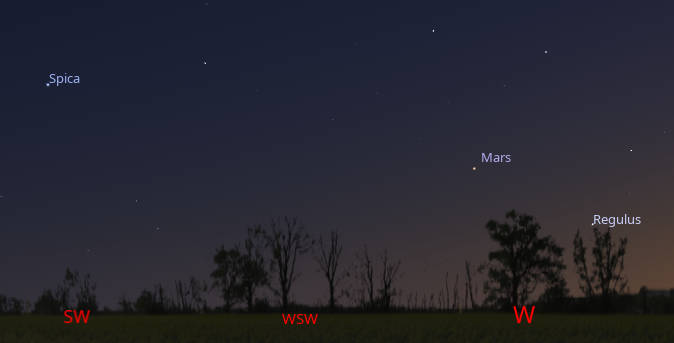
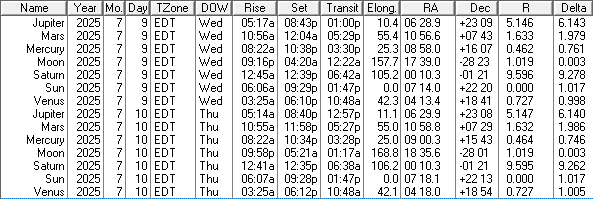
Let’s take our weekly look at the whereabouts of the naked-eye planets. The Red Planet Mars, will be seen to the upper left of the bright star Regulus in the constellation Leo the lion. Both are seen in the western sky by 10:30 PM at least. Mars is moving away from Regulus toward Spica, then in the southwest. Mars moves much faster against the background stars than the more distant Jupiter and Saturn. Jupiter is in the morning sky now but is still probably too close to the direction of the Sun to be seen. Give it a week or two. Venus will rise at 3:25 AM in the east northeast, and by 5 AM will be seen in the east, as the Morning Star. By then Saturn will be in the south-southeast, having risen just before 1 AM.
The astronomical event times given in this blog are for the Traverse City/Interlochen area of Michigan (Lat 44.7° N, Long 85.7° W; EDT, UT – 4 hours) unless stated otherwise. Times will be different for other locations.
Addendum
Ephemeris: 07/08/2025 – A third interstellar visitor discovered
This is Bob Moler with Ephemeris for Tuesday, July 8th. Today the Sun will be up for 15 hours and 23 minutes, setting at 9:29, and it will rise tomorrow at 6:06. The Moon, 2 days before full, will set at 4:20 tomorrow morning.
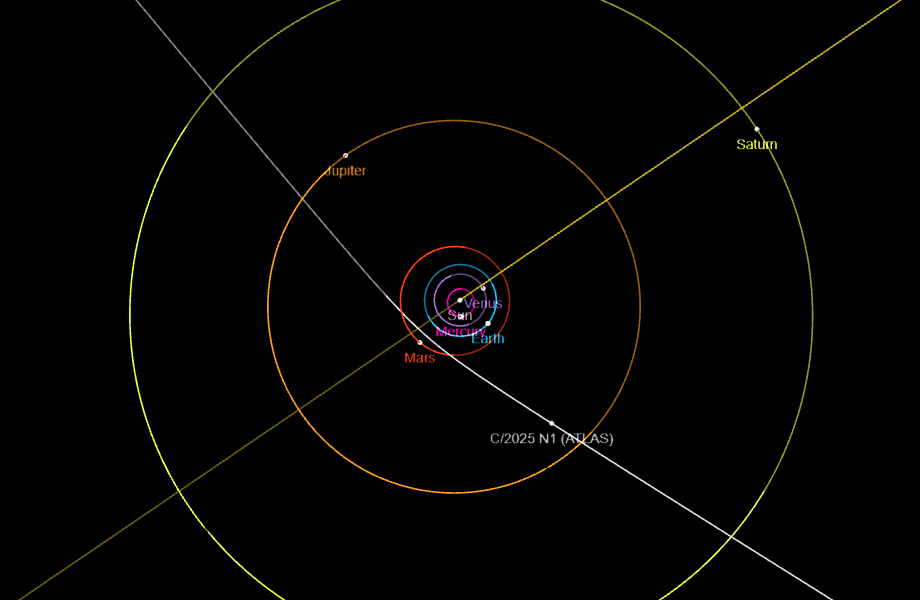
One week ago the third interstellar interloper to the solar system was discovered. It’s known as 3I/ATLAS. The “I” means interstellar. That is, it came from another star system. It is heading in now, crossing the asteroid belt. It will reach its closest to the Sun on October 29th, at about the distance of Mars, which it will get very close to by the way, and head out into interstellar space. This is an incredibly fast object, far exceeding the escape velocity of the Sun, and its path is only deflected by 17° by its encounter by the Sun’s gravitational force. Due to it high speed, it was first thought to be a Near Earth Object. Pre-discovery photographs showed that it was much more distant. With the new Rubin Observatory coming online we’ll discover many more.
The astronomical event times given in this blog are for the Traverse City/Interlochen area of Michigan (Lat 44.7° N, Long 85.7° W; EDT, UT – 4 hours) unless stated otherwise. Times will be different for other locations.
Addendum
Ephemeris: 07/07/2025 – Old and new explanations of the Moon’s appearance
This is Ephemeris for Monday, July 7th. Today the Sun will be up for 15 hours and 24 minutes, setting at 9:30, and it will rise tomorrow at 6:05. The Moon, 3 days before full, will set at 3:30 tomorrow morning.
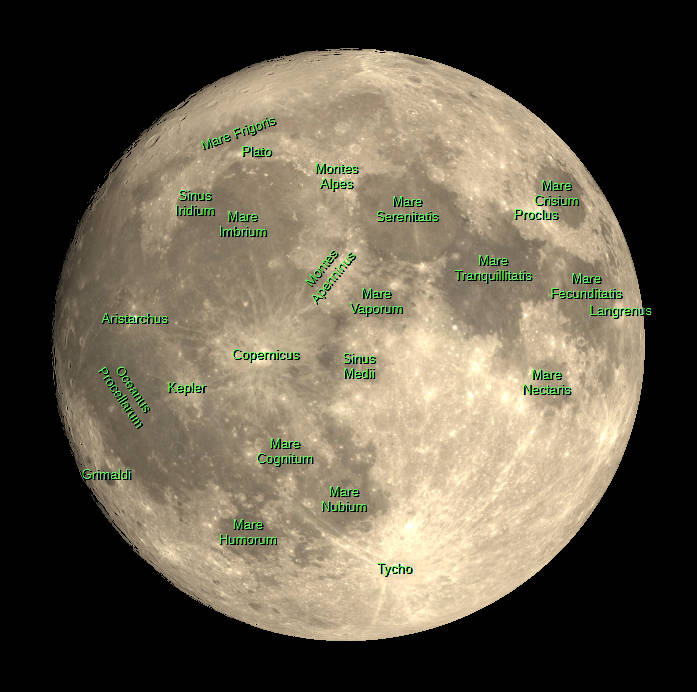
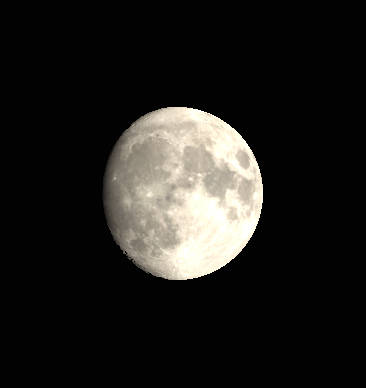
The Moon’s changing appearance over the month may seem to be mysterious at first glance. Maybe because one may think that the objects in the sky are somehow different from the familiar objects we see around us on the Earth. In ancient times, especially the Greeks thought that everything in the heavens was perfect and spotless. They explained the definite markings we see as the man-in-the-moon as a reflection of the Earth by a spotless Moon. The Moon’s phases are simply light and shadow on a ball in the sunlight. Sometime, when the Moon appears in the daytime, take a small ball, like a golf ball and hold it up to the Moon, while the ball is also in sunlight, and the small ball will exhibit the same phase as the Moon.
See 10/12/18
The astronomical event times given in this blog are for the Traverse City/Interlochen area of Michigan (Lat 44.7° N, Long 85.7° W; EDT, UT – 4 hours) unless stated otherwise. Times will be different for other locations.
Addendum

Ephemeris: 07/04/2025 – Mars, 49 years ago today
This is Ephemeris for Independence Day, Friday, July 4th. Today the Sun will be up for 15 hours and 28 minutes, setting at 9:31, and it will rise tomorrow at 6:03. The Moon, 2 days past first quarter, will set at 1:56 tomorrow morning.
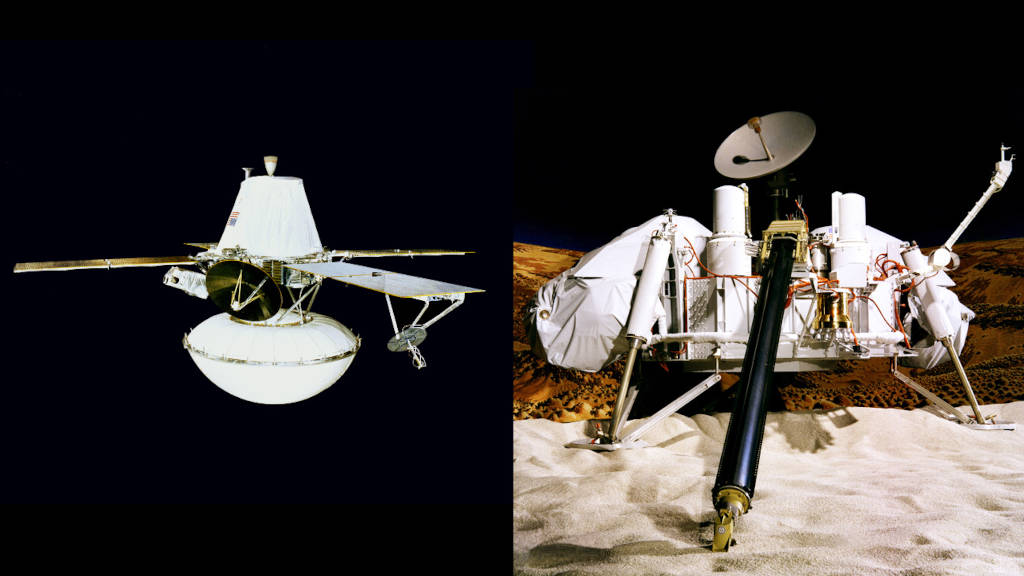
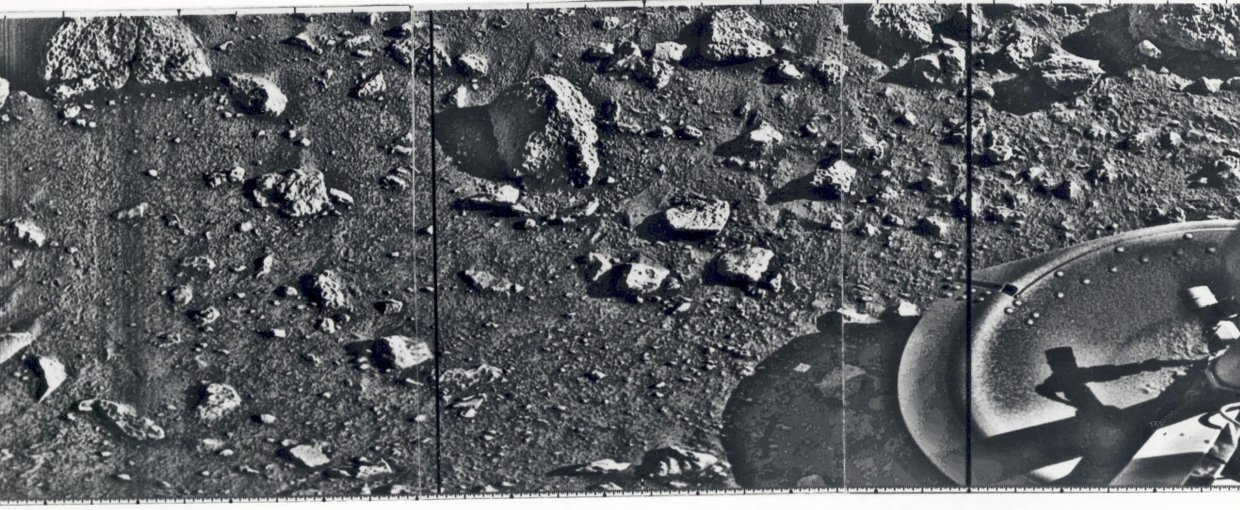
Forty-nine years ago today the Viking 1 spacecraft was orbiting Mars looking for a spot to land. NASA was hoping they could land it on July 4th, of our national Bicentennial, but they were having trouble trying to find a smooth enough spot to land. NASA eventually thought they found a smooth enough spot. The lander part of the spacecraft touched down on July 20th 1976, the 7th anniversary of the Apollo 11 landing on the Moon. Though the landing was successful, the area was a lot rougher than we would consider a safe spot to land today. Currently, The United States has two Rovers on the surface studying Mars. It’s an achievement a scientifically advanced democracy can do. I wonder if we will keep it intact for the two hundred and fifty year mark, only one year away?
The astronomical event times given in this blog are for the Traverse City/Interlochen area of Michigan (Lat 44.7° N, Long 85.7° W; EDT, UT – 4 hours) unless stated otherwise. Times will be different for other locations.
Addendum
 Bob Moler's Ephemeris Blog