Archive
Ephemeris: 10/28/2024 – The Pleiades or Seven Sisters and their half sisters
This is Ephemeris for Monday, October 28th. Today the Sun will be up for 10 hours and 20 minutes, setting at 6:36, and it will rise tomorrow at 8:17. The Moon, halfway from last quarter to new, will rise at 5:22 tomorrow morning.
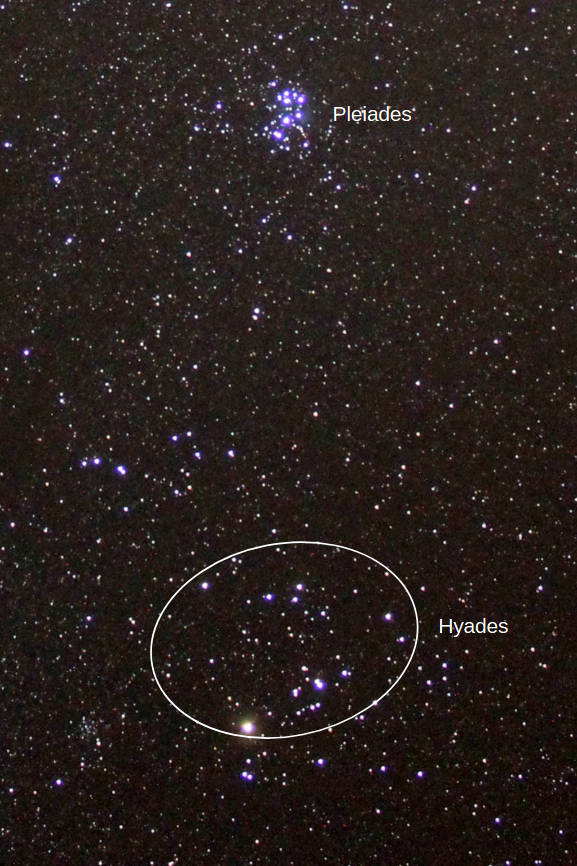
The beautiful star cluster of the Pleiades is seen low in the east northeastern sky after 9:00 PM. It is also known as the Seven Sisters. It has been known as a group of female stars in many cultures. Also, the Ancient Greeks, because they thought that the Pleiades shape looked something like a sail, Also, Pleiades is very close to the Greek name for sail, and that its appearance in the morning sky in early summer heralded the beginning of the summer sailing season on the Mediterranean Sea. According to Greek mythology the Pleiades have half sisters, also seven in number, with the same father, Atlas, but a different mother, called the Hyades which rises about an hour later, and fills out the face of Taurus the bull.
The astronomical event times given are for the Traverse City/Interlochen area of Michigan (EDT, UT – 4 hours). Times will be different for other locations.
Addendum
Ephemeris: 10/25/2024 – Finding the Pleiades or Seven Sisters
This is Ephemeris for Friday, October 25th. Today the Sun will be up for 10 hours and 28 minutes, setting at 6:40, and it will rise tomorrow at 8:13. The Moon, 1 day past last quarter, will rise at 2:09 tomorrow morning.
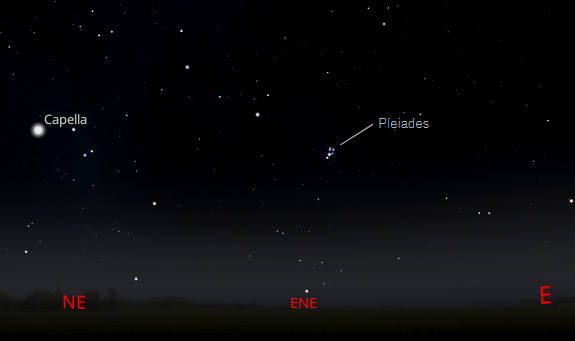
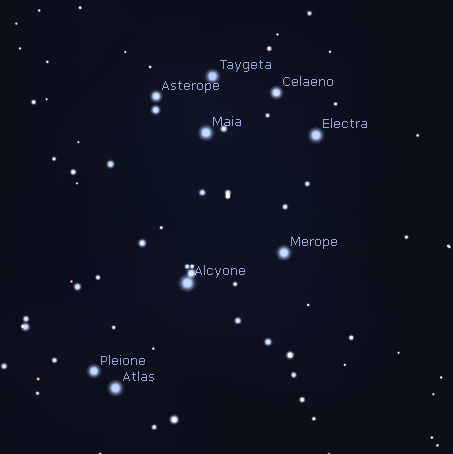
A marvelous member of the autumn skies can be found low in the east northeast after 9 in the evening. It is the famous star cluster called the Pleiades or the Seven Sisters. I might also add the ‘Tiny Dipper’. Many people can spot a tiny dipper shape in its six or seven stars, and mistake it for the Little Dipper. With binoculars, one can see over a hundred stars that appear, along with the dipper shape of the brightest. In photographs, the Pleiades actually contain wisps of the dust they are currently passing through. In Greek mythology, the sisters were daughters of the god Atlas and Pleione. The most people can see is six stars. The reason, according to mythology, is that one of the sisters married a mortal, dimming her star.
The astronomical event times given are for the Traverse City/Interlochen area of Michigan (EDT, UT – 4 hours). Times will be different for other locations.
Addendum
Ephemeris: 10/24/2024 – Looking at Comet Tsuchinshan-ATLAS for the rest of the month
This is Ephemeris for Thursday, October 24th. Today the Sun will be up for 10 hours and 31 minutes, setting at 6:42, and it will rise tomorrow at 8:12. The Moon, at last quarter today, will rise at 1:01 tomorrow morning.
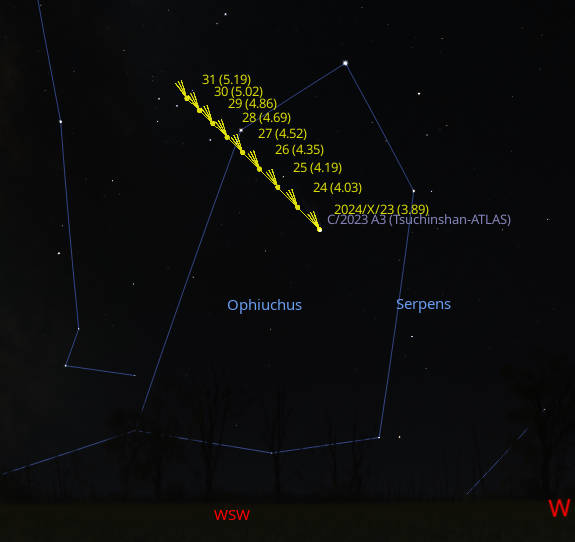
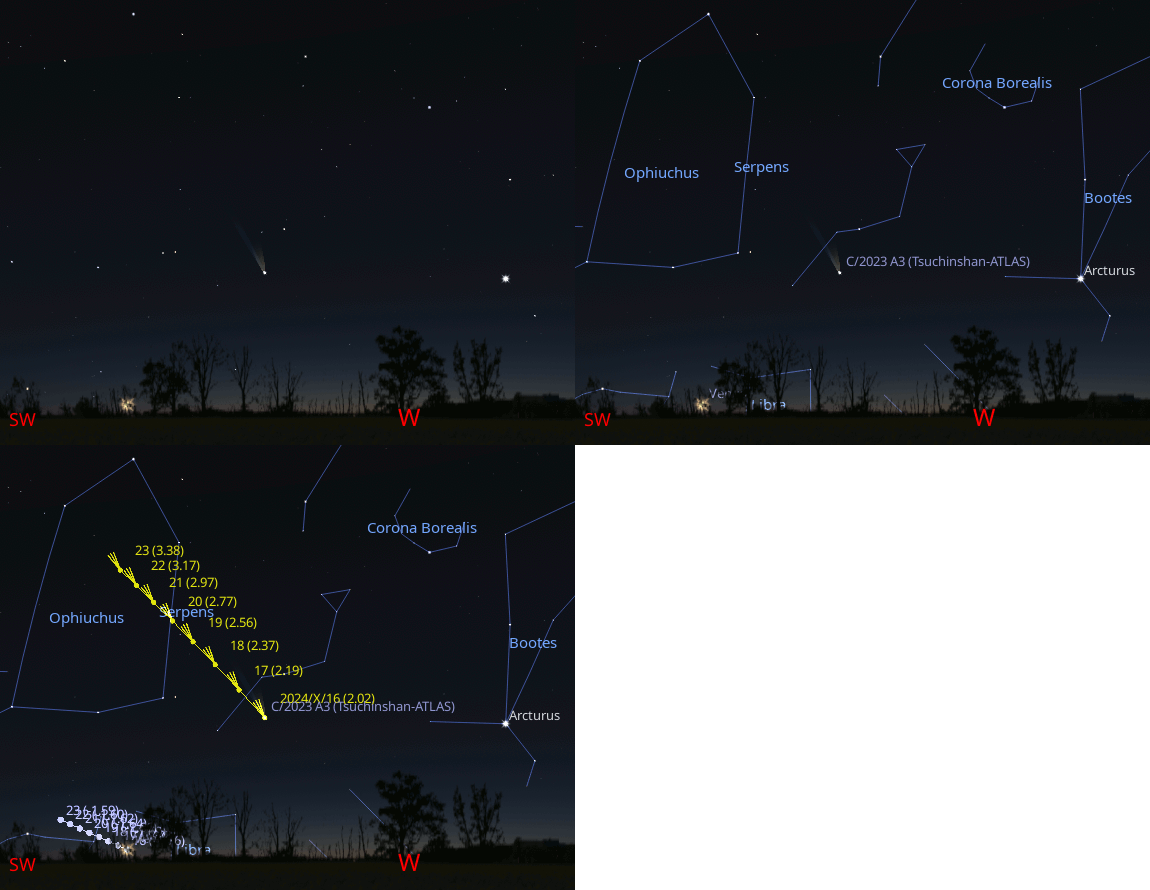
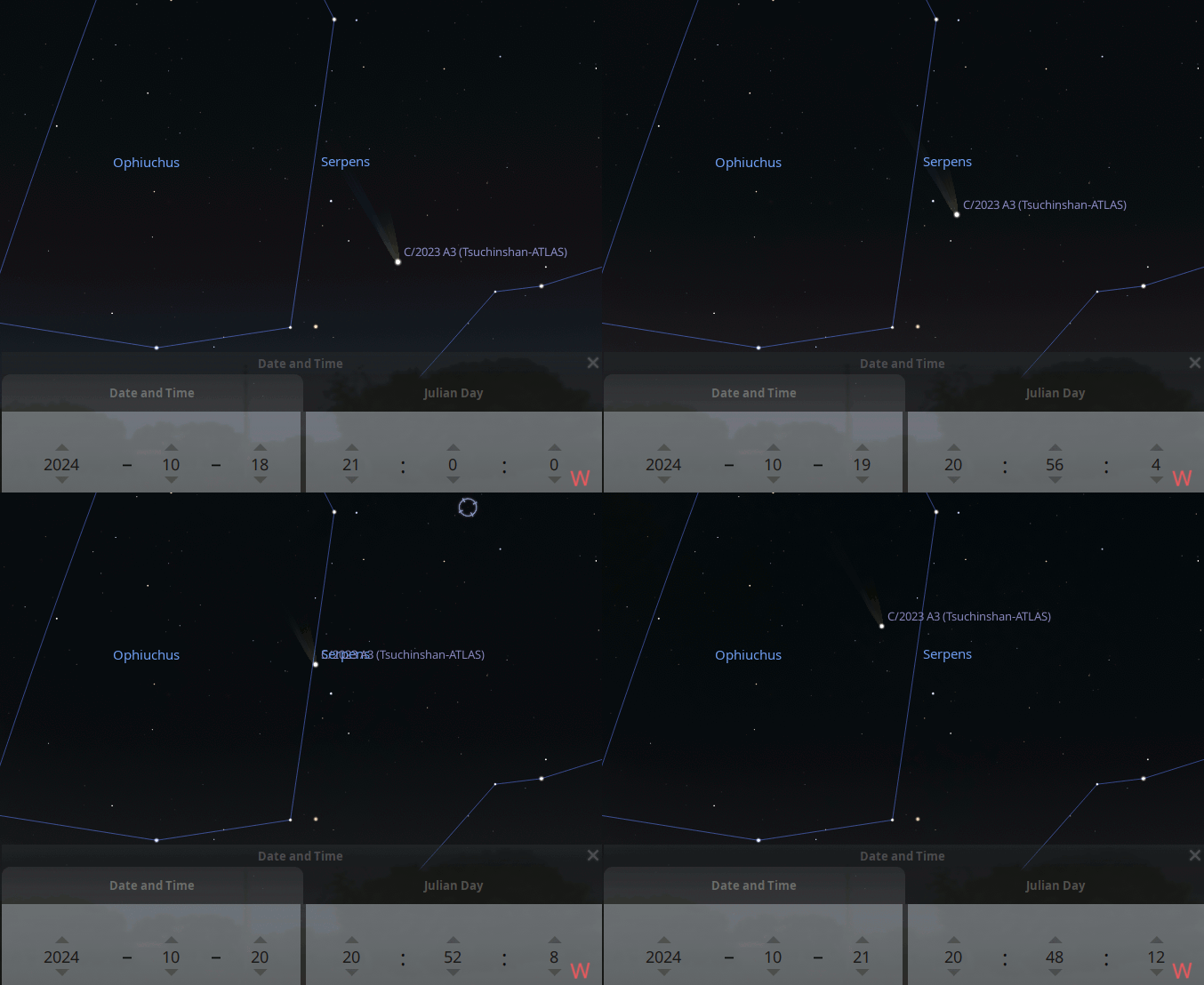
Looking at the rest of the month in viewing Comet Tsuchinshan-ATLAS in dark skies, we find it moving away from us and dimming rapidly. It will be moving across the constellation of Ophiuchus and it will be mostly in the west southwestern sky, And will need a pair of binoculars or a small telescope to spot. The comet has an easily seen tail, even when it becomes dim and only visible in binoculars. It should still have a tail. Comets sport two tails, a dust tail the bright tail that we see on comets, and a narrower ion tail. The ionized gas of the ion tail is driven back by the solar wind while the dust tail is predominantly affected by the pressure of sunlight itself. When close to the Sun it is moving more sideways, so the tails will appear to separate.
The astronomical event times given are for the Traverse City/Interlochen area of Michigan (EDT, UT – 4 hours). Times will be different for other locations.
Addendum
Ephemeris: 10/23/2024 – Taking a look at this week’s brighter solar system bodies
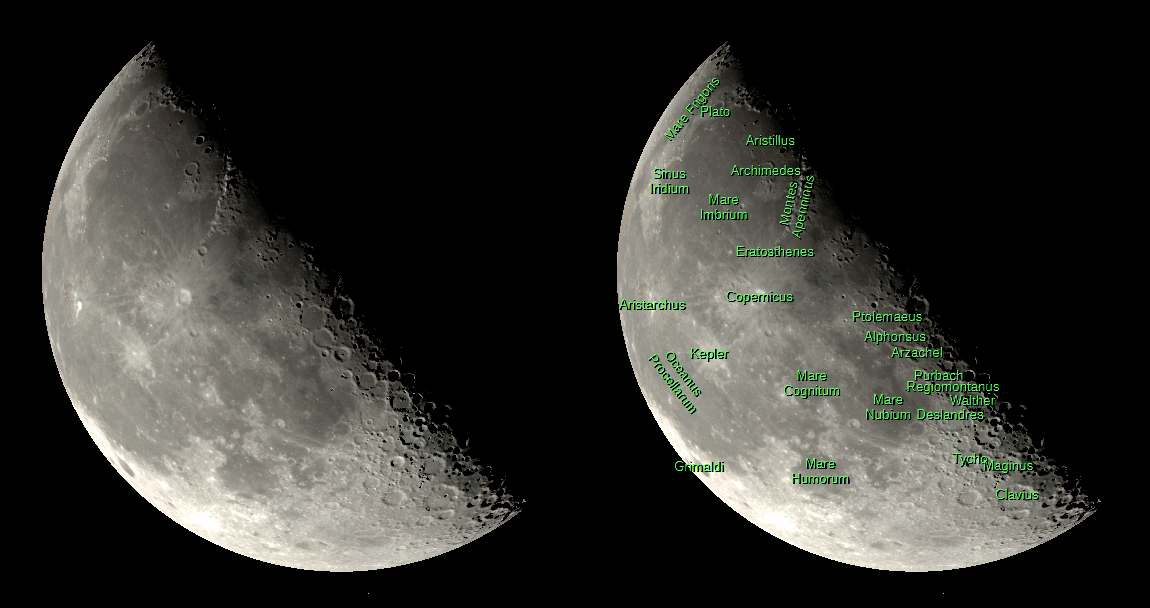
This is Ephemeris for Wednesday, October 23rd. Today the Sun will be up for 10 hours and 34 minutes, setting at 6:44, and it will rise tomorrow at 8:10. The Moon, 1 day before last quarter, will rise at 11:50 this evening.
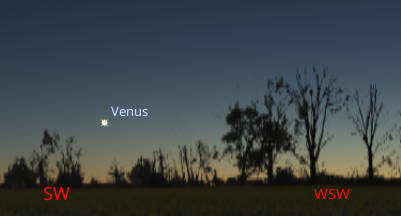
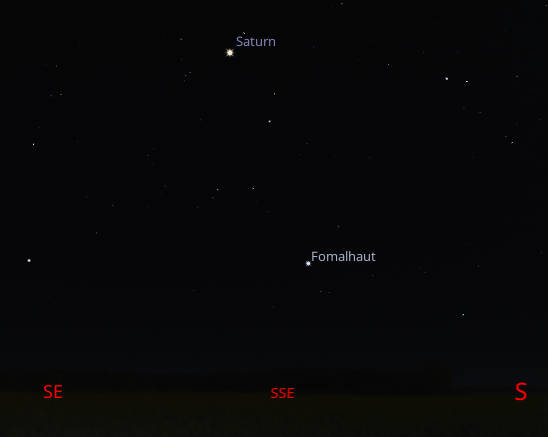
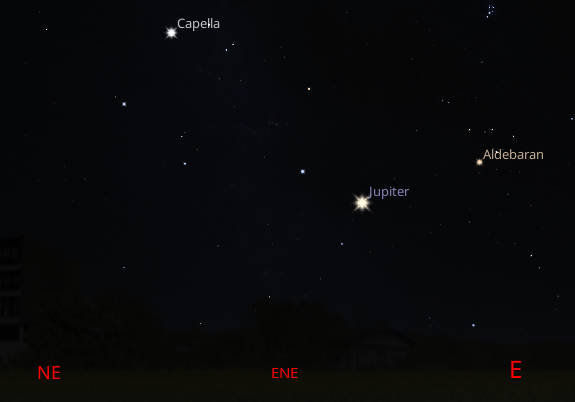
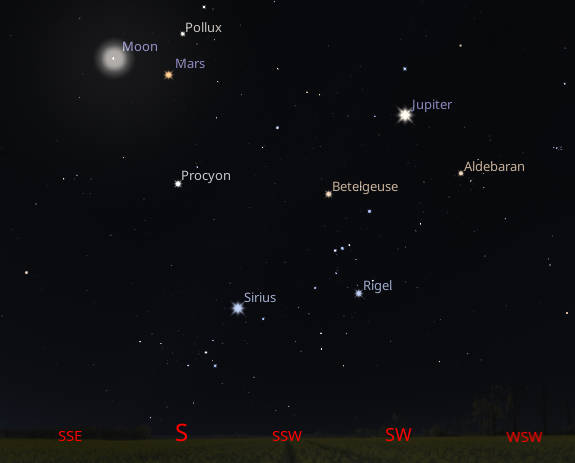
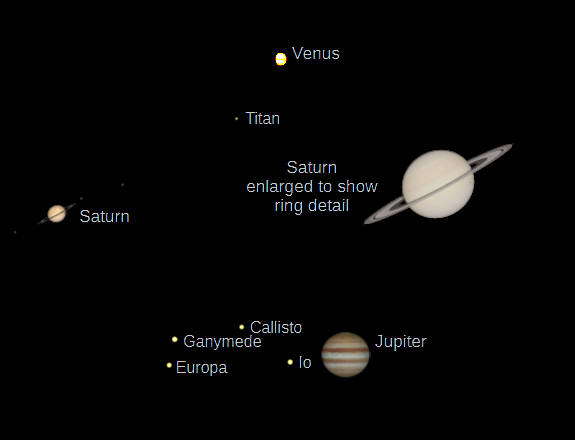
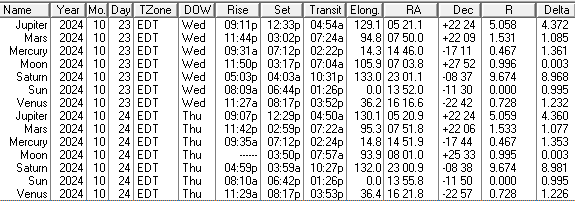
Let’s take our weekly look at the whereabouts of the naked-eye planets. Venus might be spotted in the West southwest low on the horizon at 7:15 PM, 29 minutes after sunset. It will set at 8:17. Comet Tsuchinshan-ATLAS will be west after 8:30 PM the end of astronomical twilight. It will set at 10:55 PM. Saturn will be in the southeast at 8 PM. Jupiter will rise at 9:11 PM this evening in the east northeast, and be a good object for the small telescope about an hour later. By 7:00 AM tomorrow Jupiter will be high in the southwest while Mars will be high in the south to the right of the Moon.
The astronomical event times given are for the Traverse City/Interlochen area of Michigan (EDT, UT – 4 hours). Times will be different for other locations.
Addendum
Ephemeris: 10/22/2024 – Reviewing last week’s showing of Comet Tsuchinshan-ATLAS
This is Ephemeris for Tuesday, October 22nd. Today the Sun will be up for 10 hours and 37 minutes, setting at 6:45, and it will rise tomorrow at 8:09. The Moon, 2 days before last quarter, will rise at 10:40 this evening.
Comet Tsuchinshan-ATLAS continues to head out away from the Sun and the Earth, heading back to the Oort Cloud from whence it came. It’s best showing for us came last week. Unfortunately, it was cloudy the weekend before and the first part of the week when the comet was its brightest. However, by Wednesday evening I was able to spot the comet, but not with the naked eye. I could see it in binoculars and I photographed it. Between the twilight and bright moonlight my poor eyes were not able to spot it. Now that the Moon is leaving the evening sky, and the comet is moving up above the horizon in the west, it should be easily spotted with binoculars towards 9 pm. It has faded significantly and will continue as it speeds away from us.
The astronomical event times given are for the Traverse City/Interlochen area of Michigan (EDT, UT – 4 hours). Times will be different for other locations.
Addendum
Wednesday, October 16th
October 17th
Comet track
Ephemeris: 10/21/2024 – Comets and meteors
This is Bob Moler with Ephemeris for Monday, October 21st. Today the Sun will be up for 10 hours and 40 minutes, setting at 6:47, and it will rise tomorrow at 8:08. The Moon, 3 days before last quarter, will rise at 9:35 this evening.
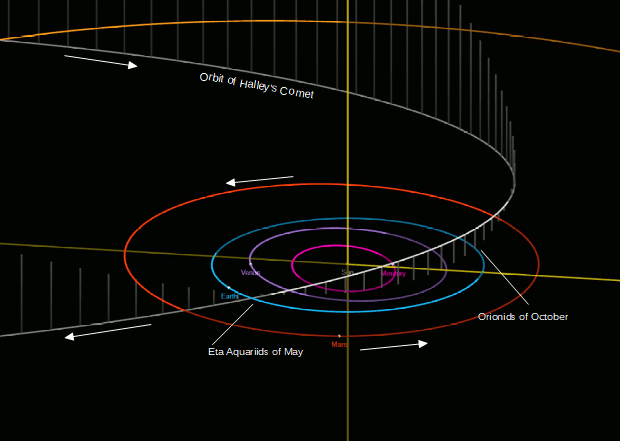
Comet Tsuchinshan-ATLAS it’s now far enough away from the sun so it stays up most of the evening, setting at 10:44 PM. It will be seen in the west southwestern sky for the most part. And now that it is dimming, it is probably best seen with binoculars. Last night was the peak of the Orionid meteor shower. The shower had to compete with a bright Moon. Meteor showers are caused by comets shedding their material as they pass close to the Sun, as the gases sublimate liberating dust and rocks. Dust and gases are blown back into the tails of a comet. The bits of rock end up in much the same orbit as the comet. If the comet’s orbit crosses the Earth’s orbit We have a meteor shower. The Orionids are caused by debris from Halley’s comet.
The astronomical event times given are for the Traverse City/Interlochen area of Michigan (EDT, UT – 4 hours). Times will be different for other locations.
Addendum
Ephemeris: 10/18/2024 – Comet Tsuchinshan-ATLAS can barely compete with the bright Moon
This is Ephemeris for Friday, October 18th. Today the Sun will be up for 10 hours and 49 minutes, setting at 6:52, and it will rise tomorrow at 8:04. The Moon, 1 day past full, will rise at 7:21 this evening.
Comet Tsuchinshan-ATLAS will be visible by 8:00 PM in the west-southwest. It’s a bit higher than it was last night and tomorrow night it’ll be a bit higher still. It also is fading and must also compete with the bright moonlight. It is the brightest comet that we’ve seen around here this century. We’ve been looking forward to this comet for more than a year and a half, since it’s discovery in January of last year. Comets were not always objects to look forward to. In ancient times when they suddenly appeared, they struck fear. They were thought to portend disasters. In fact the word disaster means ill-starred. The word comet basically comes from the Latin meaning hairy star. The Chinese had a similar name for them, they called them broom stars.
The astronomical event times given are for the Traverse City/Interlochen area of Michigan (EDT, UT – 4 hours). Times will be different for other locations.
Addendum
Ephemeris: 10/17/2024 – Comets look a lot bigger than they actually are
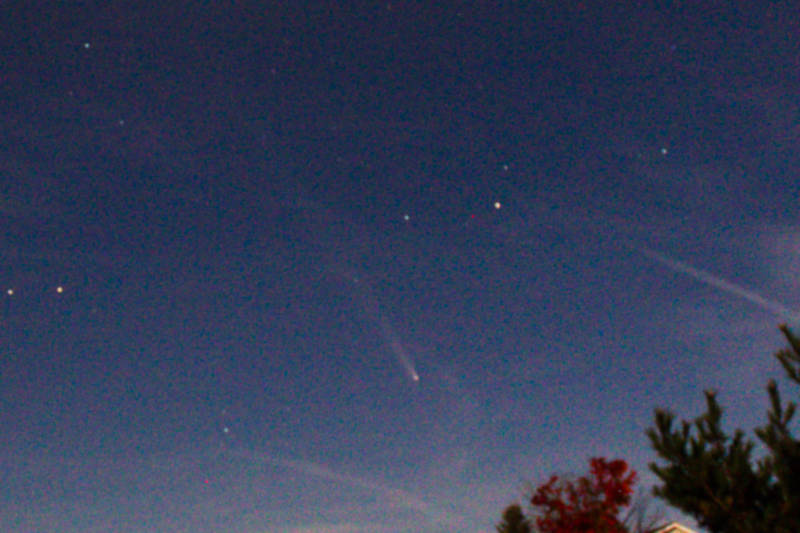
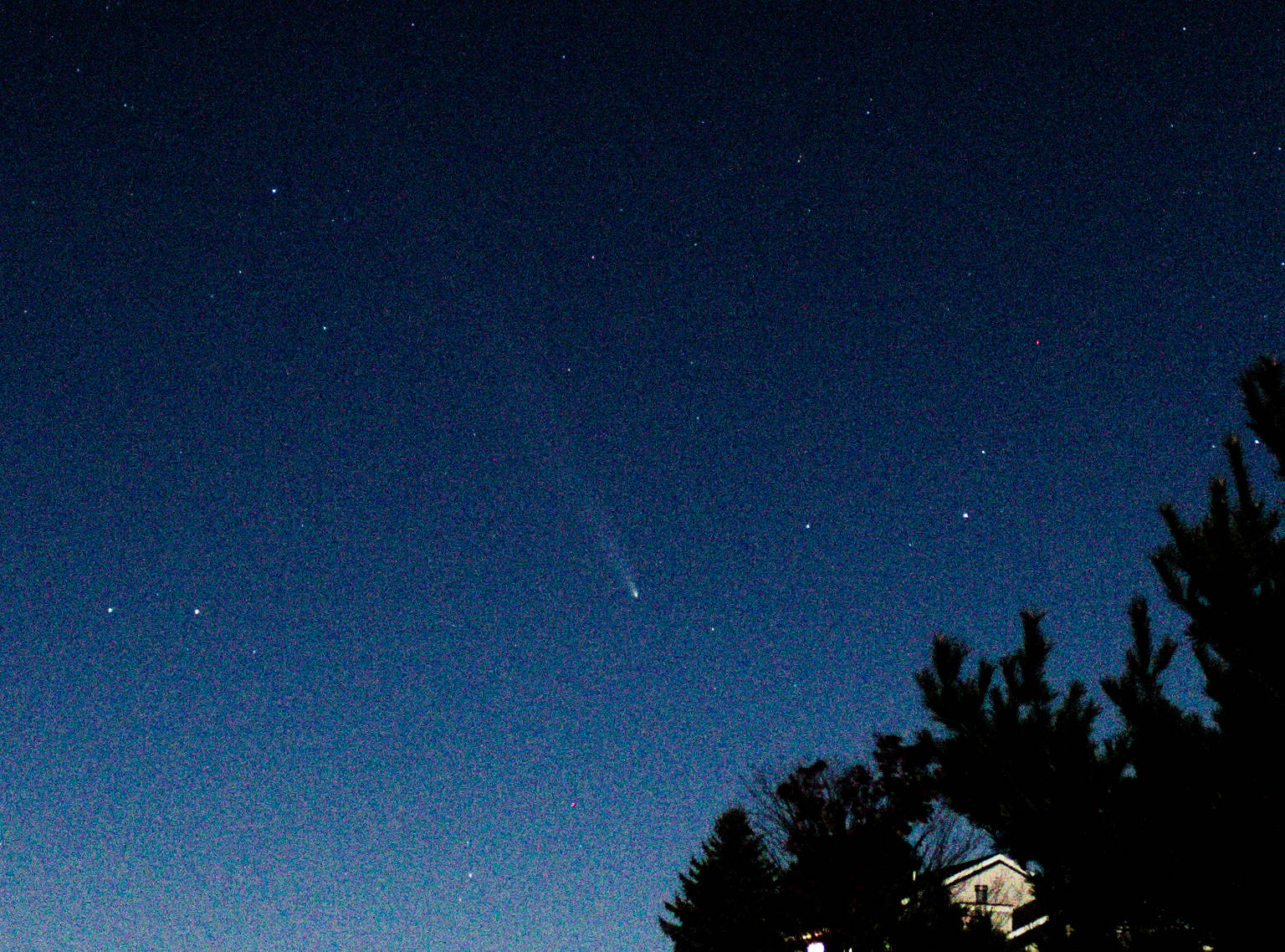
This is Bob Moler with Ephemeris for Thursday, October 17th. Today the Sun will be up for 10 hours and 52 minutes, setting at 6:53, and it will rise tomorrow at 8:02. The Moon, at full today, will rise at 6:53 this evening. | Comet Tsuchinshan-ATLAS will have its greatest competition with the Moon tonight since it’s full. However, in succeeding nights the Moon will get dimmer and also rise later. At 8 PM the comet will be nearly 18° above the west-southwestern horizon with its tail pointing to up into the bit to the left.* What makes comets spectacular is that they contain volatile materials, like frozen gases, water, and carbon compounds. The solid body of the comet, called the nucleus is quite small, from less than a mile to up to 25 miles in diameter, which on the solar system scale is tiny. They live quite happily in the outer solar system where it’s cold. When approaching the Sun the gases sublimate liberating the included dust, producing the tails the comets are famous for.
The astronomical event times given are for the Traverse City/Interlochen area of Michigan (EDT, UT – 4 hours). Times will be different for other locations.
* I was able to spot the comet last night at around 8:10 PM but only through binoculars. It was not visible to my unaided eye. However, it was visible in binoculars. It also photographed well with the image showing a lot more than what was visible even through binoculars and the amount of clouds that were actually in the sky. However, the clouds were light and generally did not hinder the comet too much. The photograph of the comet below has been processed to increase its brightness and contrast with the sky.
Addendum
Ephemeris: 10/16/2024 – Where are the naked-eye planets and the comet?
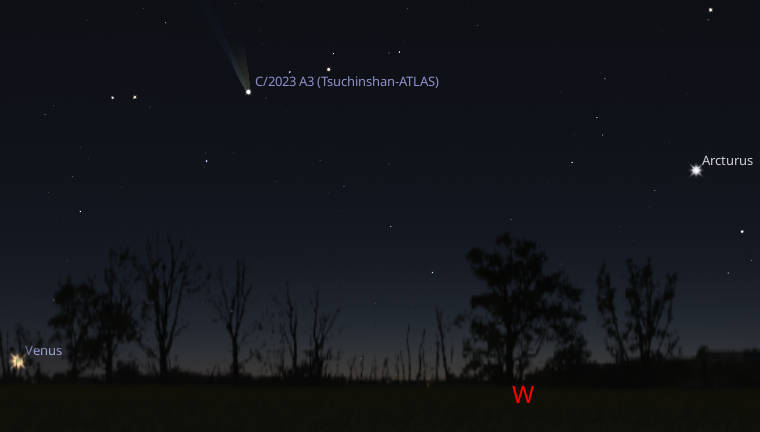
This is Bob Moler with Ephemeris for Wednesday, October 16th. Today the Sun will be up for 10 hours and 55 minutes, setting at 6:55, and it will rise tomorrow at 8:01. The Moon, 1 day before full, will set at 8:11 tomorrow morning.
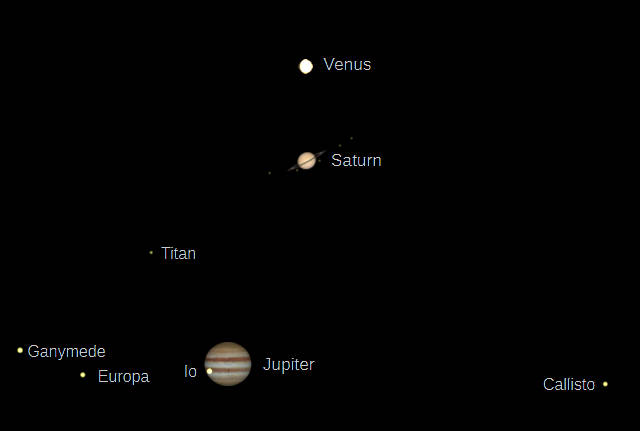
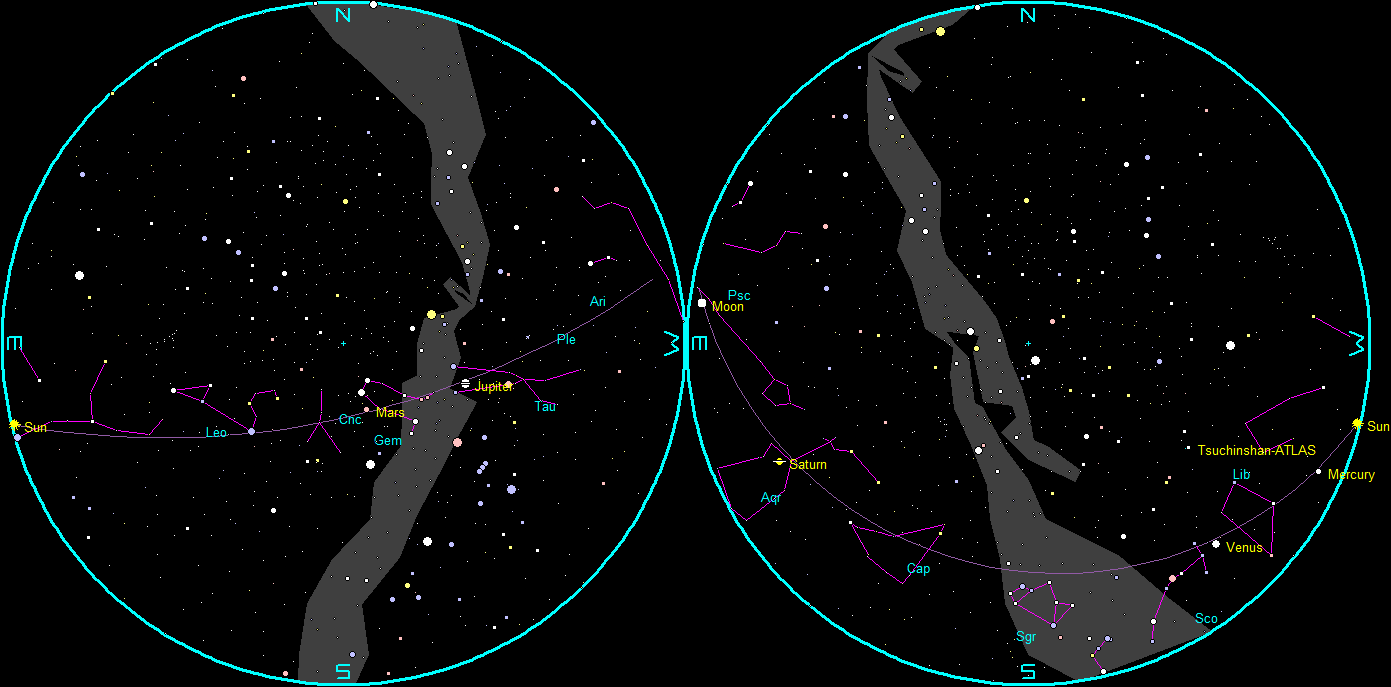
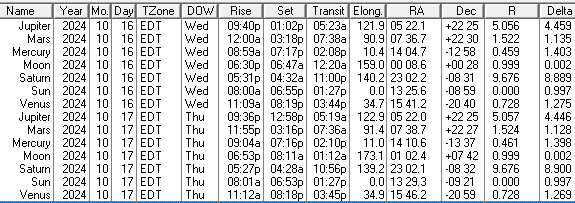
Let’s take our weekly look at the whereabouts of the naked-eye planets. Venus might be spotted in the West southwest low on the horizon at 7:30 PM, 35 minutes after sunset. It will set at 8:19. Comet Tsuchinshan-ATLAS will be west southwest way above and to the right of Venus. It will set at 9:46 PM. Saturn will be in the southeast at 8 PM. Jupiter will rise at 9:40 PM this evening and be a good object for the small telescope about an hour later. Jupiter and Mars are both mourning planets so they can be seen early in the morning before sunrise. By 7:00 AM tomorrow Jupiter will be high in the southwest while Mars will be high in the South.
The astronomical event times given are for the Traverse City/Interlochen area of Michigan (EDT, UT – 4 hours). Times will be different for other locations.
Addendum
Ephemeris: 10/15/2024 – Comet Tsuchinshan-ATLAS should be visible this week if clouds allow
This is Bob Moler with Ephemeris for Tuesday, October 15th. Today the Sun will be up for 10 hours and 58 minutes, setting at 6:57, and it will rise tomorrow at 8:00. The Moon, 2 days before full, will set at 6:47 tomorrow morning.
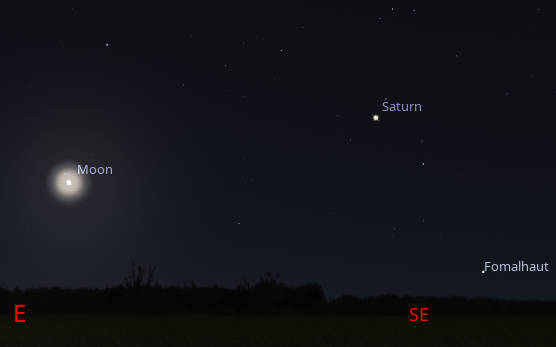
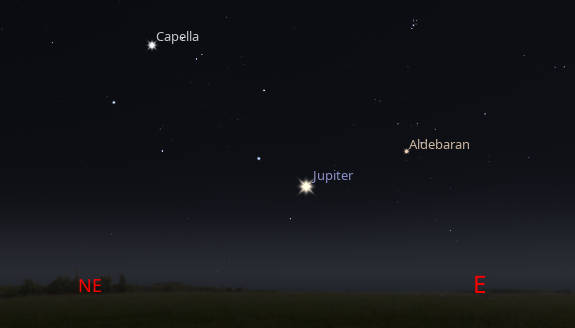
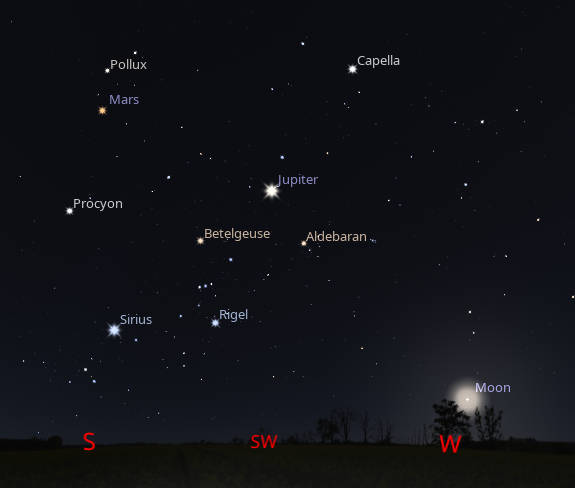
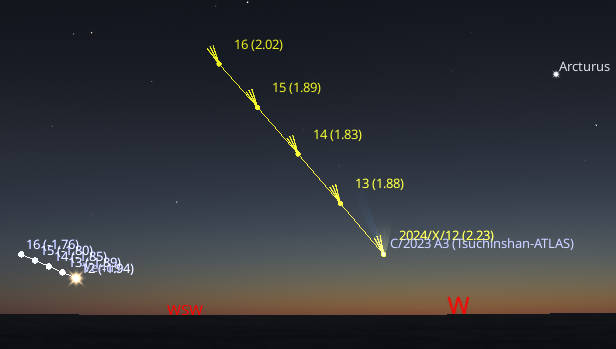
Comet Tsuchinshan-ATLAS has been visible in our evening skies for the last three nights and will be at least bright enough to be seen with the naked eye. And it should be so for most of the rest of the month. However, this week so far has been cloudy, and it will be cloudy until possibly Wednesday night however Thursday and Friday look like the best for viewing of the comet. Of course this is Michigan, so don’t hold me to it. The comet has been pretty much living up to expectations as far as its brightness and the length of its tail. The comet peak brightness which came early last week, when it could only be seen during the daytime, was as bright as the planet Venus. Now that it is headed away from the Sun and the Earth it will rapidly fade.
The astronomical event times given are for the Traverse City/Interlochen area of Michigan (EDT, UT – 4 hours). Times will be different for other locations.
Addendum
What we’ve missed
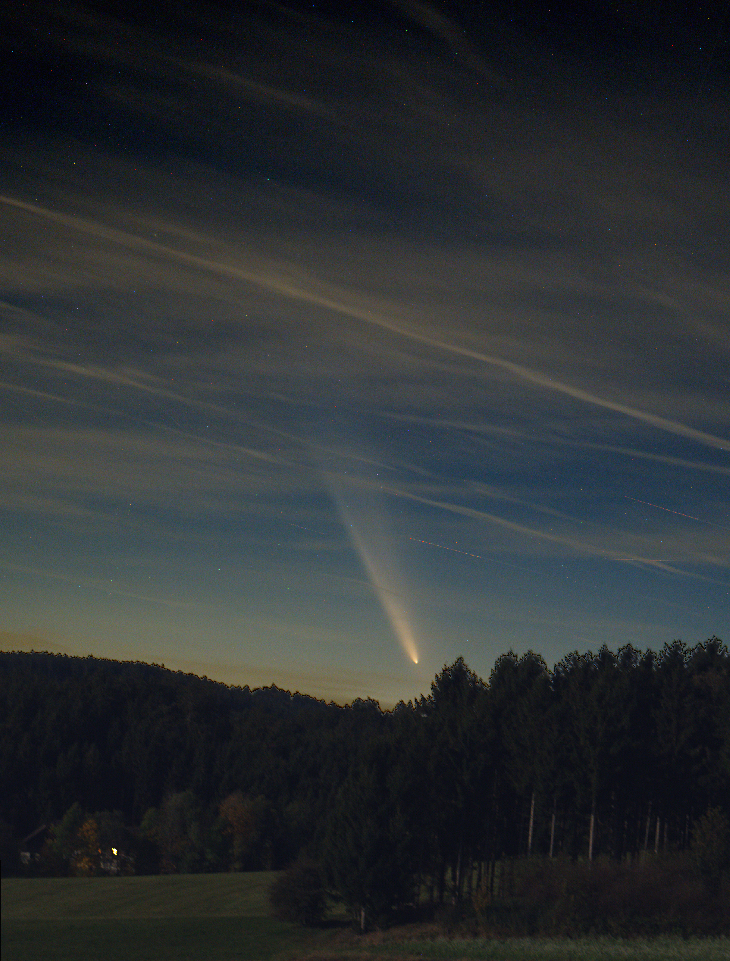
It was partly cloudy on the evening of 14th, last night. I went out a little after 8 PM to see if I could spot the comet. I could see Arcturus, however I could not spot the comet or the planet Venus. However, I believe someone in our area could have spotted the comet, if they were in the right location.
 Bob Moler's Ephemeris Blog