Archive
Ephemeris: 10/30/2026 – Previewing November skies
This is Ephemeris for Friday, October 30th. Today the Sun will be up for 10 hours and 15 minutes, setting at 6:34, and it will rise tomorrow at 8:19. The Moon, 2 days before last quarter, will rise at 10:15 this evening.
Let’s look ahead at the skies for the month of November. The Sun is still moving south rapidly. Daylight hours in the Interlochen/Traverse City area and will drop from 10 hours and 10 minutes Sunday to 9 hours 5 minutes on the 30th. The altitude, or angle, of the Sun above the southern horizon at local noon will be at 30 degrees Sunday and will descend to 23 and a half degrees on the 30th. The altitude of the Sun in the Straits area will be a degree lower. Local noon, in November, will be about 12:30 p.m. Also, we will fall back an hour to resume Eastern Standard Time this Sunday, November 1st, making our mornings a bit brighter, and our evenings darker sooner.
The astronomical event times given in this blog are for the Traverse City/Interlochen area of Michigan (Lat 44.7° N, Long 85.7° W; EDT, UT – 4 hours) unless stated otherwise. Times will be different for other locations.
Addendum
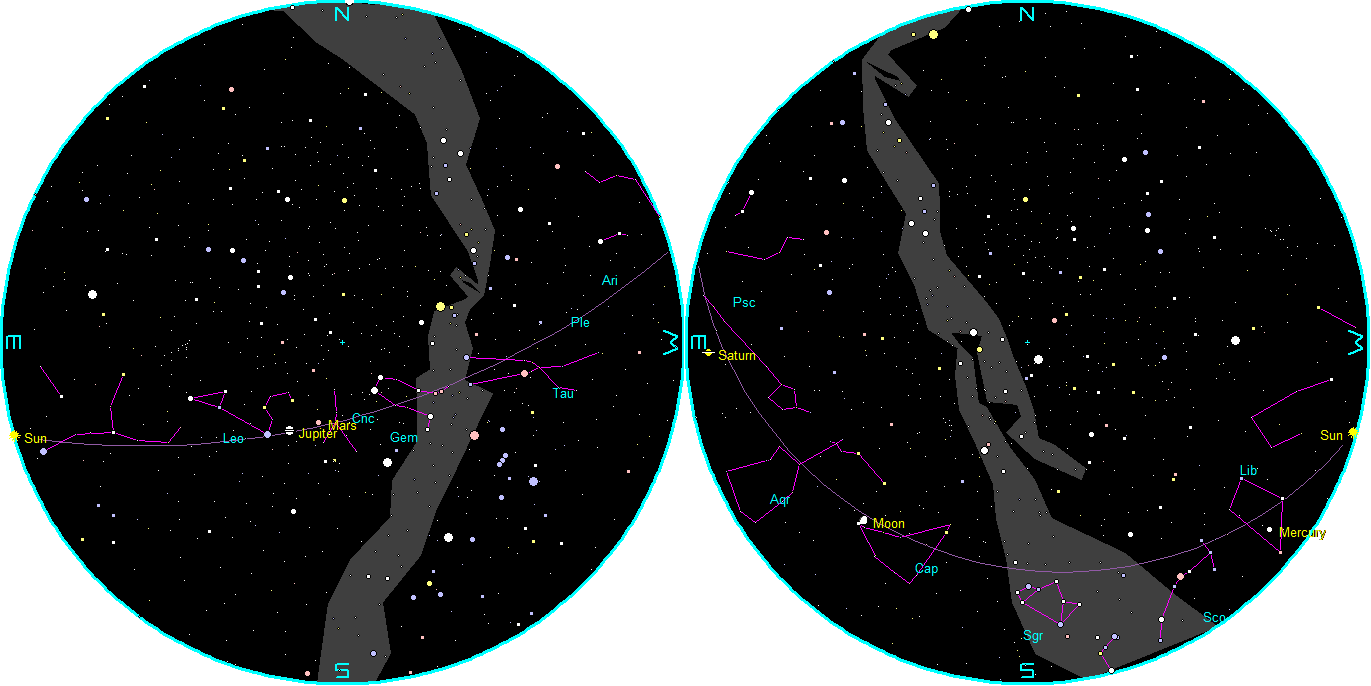
November Evening Star Chart
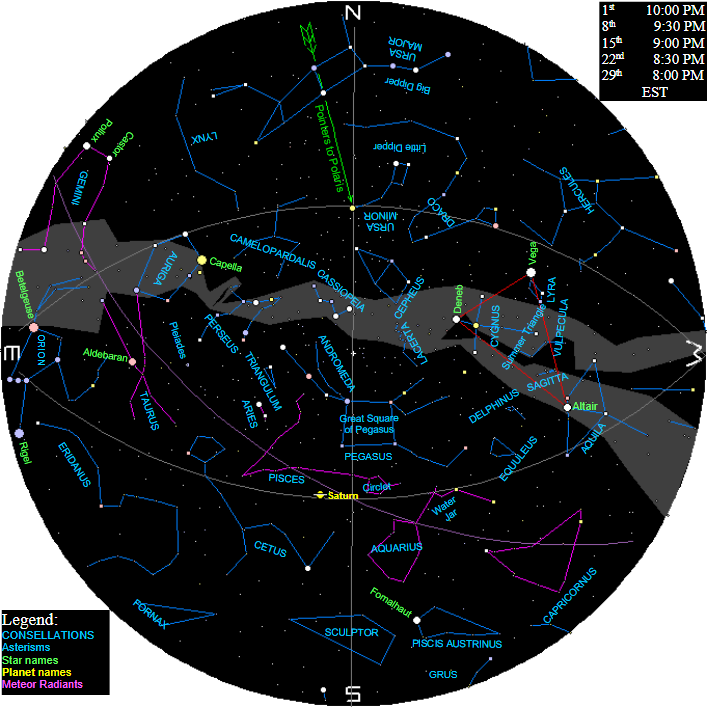
The planets and stars are plotted for the 15th at 9 p.m. EST in the evening and 6 a.m. for the morning chart. These are the chart times. Note that Traverse City is located approximately 45 minutes behind our time meridian, West 75° longitude. (An hour 45 minutes behind our daylight saving time meridian during EDT). To duplicate the star positions on a planisphere you may have to set it to 45 minutes earlier than the current time.
November Morning Star Chart
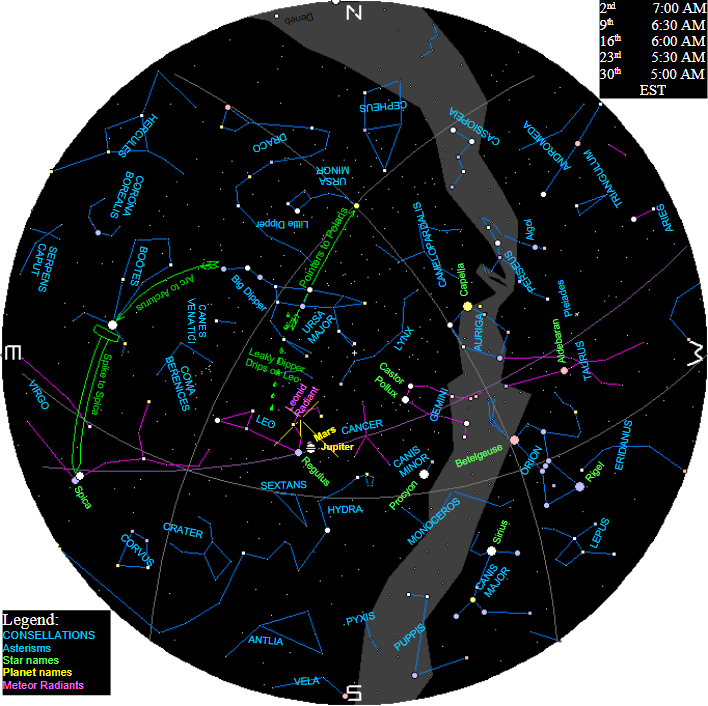
The morning star chart shows the radiant of the Leonid meteor shower, which peaks for us on the morning of the 18th.
Twilight Limits, Nautical and Astronomical
| EST | |||||||
| Morning | Twilight | Evening | Twilight | Dark | Night | Moon | |
| Date | Astro. | Nautical | Nautical | Astro. | Start | End | Illum. |
| 2026-11-01 | 5h43m | 6h17m | 18h36m | 19h13m | 19h13m | 23h53m | 46% |
| 2026-11-02 | 5h44m | 6h18m | 18h34m | 19h12m | 19h12m | – | 35% |
| 2026-11-03 | 5h46m | 6h20m | 18h33m | 19h11m | 19h11m | 1h09m | 25% |
| 2026-11-04 | 5h47m | 6h21m | 18h32m | 19h10m | 19h10m | 2h22m | 17% |
| 2026-11-05 | 5h48m | 6h22m | 18h31m | 19h09m | 19h09m | 3h33m | 10% |
| 2026-11-06 | 5h49m | 6h23m | 18h30m | 19h08m | 19h08m | 4h42m | 4% |
| 2026-11-07 | 5h50m | 6h24m | 18h28m | 19h06m | 19h06m | 5h50m | 1% |
| 2026-11-08 | 5h51m | 6h26m | 18h27m | 19h05m | 19h05m | 5h51m | 0% |
| 2026-11-09 | 5h53m | 6h27m | 18h26m | 19h04m | 19h04m | 5h53m | 1% |
| 2026-11-10 | 5h54m | 6h28m | 18h25m | 19h03m | 19h03m | 5h54m | 3% |
| 2026-11-11 | 5h55m | 6h29m | 18h24m | 19h02m | 19h02m | 5h55m | 8% |
| 2026-11-12 | 5h56m | 6h30m | 18h23m | 19h02m | 19h18m | 5h56m | 14% |
| 2026-11-13 | 5h57m | 6h32m | 18h22m | 19h01m | 20h18m | 5h57m | 21% |
| 2026-11-14 | 5h58m | 6h33m | 18h22m | 18h56m | 21h21m | 5h58m | 29% |
| 2026-11-15 | 6h00m | 6h34m | 18h21m | 18h55m | 22h27m | 6h00m | 38% |
| 2026-11-16 | 6h01m | 6h35m | 18h20m | 18h54m | 23h33m | 6h01m | 47% |
| 2026-11-17 | 6h02m | 6h36m | 18h19m | 18h54m | – | 6h02m | 57% |
| 2026-11-18 | 6h03m | 6h37m | 18h18m | 18h53m | 0h40m | 6h03m | 67% |
| 2026-11-19 | 6h04m | 6h39m | 18h18m | 18h52m | 1h47m | 6h04m | 76% |
| 2026-11-20 | 6h05m | 6h40m | 18h17m | 18h52m | 2h57m | 6h05m | 85% |
| 2026-11-21 | 6h06m | 6h41m | 18h16m | 18h51m | 4h10m | 6h06m | 92% |
| 2026-11-22 | 6h07m | 6h42m | 18h16m | 18h50m | 5h27m | 6h07m | 97% |
| 2026-11-23 | 6h08m | 6h43m | 18h15m | 18h50m | – | – | 100% |
| 2026-11-24 | 6h09m | 6h44m | 18h15m | 18h49m | – | – | 100% |
| 2026-11-25 | 6h11m | 6h45m | 18h14m | 18h49m | – | – | 96% |
| 2026-11-26 | 6h12m | 6h46m | 18h14m | 18h49m | 18h49m | 18h57m | 91% |
| 2026-11-27 | 6h13m | 6h47m | 18h13m | 18h48m | 18h48m | 20h17m | 82% |
| 2026-11-28 | 6h14m | 6h49m | 18h13m | 18h48m | 18h48m | 21h39m | 73% |
| 2026-11-29 | 6h15m | 6h50m | 18h13m | 18h48m | 18h48m | 22h58m | 62% |
| 2026-11-30 | 6h16m | 6h51m | 18h12m | 18h47m | 18h47m | – | 51% |
Twilight calendar was generated using Cartes du Ciel (Sky Charts).
See my blog post: Twilight Zone for the definitions of the different periods of twilight here: https://bobmoler.wordpress.com/2018/09/27/.
NASA Calendar of Planetary Events
Nov  1  Su            Venus: 13.9° W
     1  Su  11:34 AM  Moon-Beehive: 0.2° S
     1  Su   3:28 PM  Last Quarter
     2  Mo   9:23 AM  Moon-Mars: 1.1° N
     2  Mo   6:11 PM  Moon-Jupiter: 0.5° N
     2  Mo  10:02 PM  Moon Descending Node
     3  Tu   3:40 AM  Moon-Regulus: 0.8° N
     4  We   9:18 AM  Mercury Inferior Conjunction
     5  Th   1:45 PM  South Taurid Shower: ZHR = 10
     7  Sa   6:31 AM  Moon-Venus: 1.1° N
     7  Sa   7:40 AM  Moon-Spica: 2.5° N
     9  Mo   2:02 AM  New Moon
    10  Tu   8:31 AM  Venus-Spica: 0.9° S
    10  Tu  10:58 PM  Moon-Antares: 0.3° N
    12  Th   4:40 AM  Moon South Dec.: 27.7° S
    12  Th   1:02 PM  North Taurid Shower: ZHR = 15
    13  Fr  12:50 PM  Moon Apogee: 405600 km
    15  Su  11:22 PM  Mars-Jupiter: 1.2° N
    17  Tu   6:48 AM  First Quarter
    17  Tu   6:49 AM  Moon Ascending Node
    17  Tu   7:19 PM  Leonid Shower: ZHR = 15
    20  Fr   5:59 PM  Mercury Elongation: 19.6° W
    24  Tu   6:18 AM  Moon-Pleiades: 0.9° S
    24  Tu   9:53 AM  Full Moon
    25  We   2:47 AM  Mars-Regulus: 1.7° N
    25  We   3:58 PM  Moon Perigee: 359300 km
    25  We   5:47 PM  Uranus Opposition
    25  We   9:01 PM  Moon North Dec.: 27.6° N
    28  Sa   6:21 PM  Moon-Beehive: 0.1° N
    29  Su  10:34 PM  Moon Descending Node
    30  Mo   4:18 AM  Moon-Jupiter: 1.2° N
    30  Mo   9:35 AM  Moon-Regulus: 1.1° N
    30  Mo   2:32 PM  Moon-Mars: 3.4° N
Dec  1  Tu            Venus: 41.1° W
Sky Events Calendar by Fred Espenak and Sumit Dutta (NASA’s GSFC),
http://eclipse.gsfc.nasa.gov/SKYCAL/SKYCAL.html.
If you go to the above site, you can print out a list like the above for the entire year or calendar pages for your time zone.
Sun and Moon Rising and Setting Times
LU                  Ephemeris of Sky Events for Interlochen/TC
November, 2026    Local time zone: EST
+-----------------------------------------------------------------------+
| DATE |  SUN     SUN  DAYLIGHT|   TWILIGHT*    |MOON  RISE OR    ILLUM |
|      |  RISE    SET    HOURS |  END    START  |PHASE SET** TIME FRACTN|
+=======================================================================+
|Sun  1| 07:20a  05:31p  10:10 | 06:36p  06:15a |L Qtr Rise 11:52p   48%|
|Mon  2| 07:22a  05:29p  10:07 | 06:35p  06:17a |      Rise 01:08a   37%|
|Tue  3| 07:23a  05:28p  10:05 | 06:33p  06:18a |      Rise 02:21a   27%|
|Wed  4| 07:24a  05:27p  10:02 | 06:32p  06:19a |      Rise 03:32a   18%|
|Thu  5| 07:26a  05:25p  09:59 | 06:31p  06:20a |      Rise 04:42a   11%|
|Fri  6| 07:27a  05:24p  09:57 | 06:30p  06:22a |      Rise 05:51a    5%|
|Sat  7| 07:29a  05:23p  09:54 | 06:29p  06:23a |      Rise 07:01a    2%|
+------+-----------------------+----------------+-----------------------+
|Sun  8| 07:30a  05:22p  09:51 | 06:28p  06:24a |      Rise 08:10a    0%|
|Mon  9| 07:31a  05:21p  09:49 | 06:27p  06:25a |New   Set  05:06p    1%|
|Tue 10| 07:33a  05:19p  09:46 | 06:26p  06:26a |      Set  05:42p    3%|
|Wed 11| 07:34a  05:18p  09:44 | 06:25p  06:28a |      Set  06:26p    7%|
|Thu 12| 07:35a  05:17p  09:41 | 06:24p  06:29a |      Set  07:18p   12%|
|Fri 13| 07:37a  05:16p  09:39 | 06:23p  06:30a |      Set  08:17p   19%|
|Sat 14| 07:38a  05:15p  09:37 | 06:22p  06:31a |      Set  09:21p   27%|
+------+-----------------------+----------------+-----------------------+
|Sun 15| 07:39a  05:14p  09:34 | 06:21p  06:32a |      Set  10:26p   36%|
|Mon 16| 07:41a  05:13p  09:32 | 06:20p  06:34a |      Set  11:33p   45%|
|Tue 17| 07:42a  05:12p  09:30 | 06:19p  06:35a |F Qtr Set  12:39a   55%|
|Wed 18| 07:43a  05:11p  09:27 | 06:19p  06:36a |      Set  01:47a   65%|
|Thu 19| 07:45a  05:10p  09:25 | 06:18p  06:37a |      Set  02:56a   74%|
|Fri 20| 07:46a  05:10p  09:23 | 06:17p  06:38a |      Set  04:09a   83%|
|Sat 21| 07:47a  05:09p  09:21 | 06:17p  06:39a |      Set  05:26a   90%|
+------+-----------------------+----------------+-----------------------+
|Sun 22| 07:49a  05:08p  09:19 | 06:16p  06:40a |      Set  06:48a   96%|
|Mon 23| 07:50a  05:07p  09:17 | 06:16p  06:42a |      Set  08:11a   99%|
|Tue 24| 07:51a  05:07p  09:15 | 06:15p  06:43a |Full  Rise 04:47p  100%|
|Wed 25| 07:52a  05:06p  09:13 | 06:15p  06:44a |      Rise 05:45p   97%|
|Thu 26| 07:54a  05:05p  09:11 | 06:14p  06:45a |      Rise 06:57p   92%|
|Fri 27| 07:55a  05:05p  09:10 | 06:14p  06:46a |      Rise 08:17p   84%|
|Sat 28| 07:56a  05:04p  09:08 | 06:13p  06:47a |      Rise 09:39p   74%|
+------+-----------------------+----------------+-----------------------+
|Sun 29| 07:57a  05:04p  09:06 | 06:13p  06:48a |      Rise 10:58p   64%|
|Mon 30| 07:58a  05:04p  09:05 | 06:13p  06:49a |      Rise 12:13a   53%|
+-----------------------------------------------------------------------+
* Nautical Twilight
** Moonrise or moonset, whichever occurs between sunset and sunrise
Generated using my LookingUp for DOS app.
Ephemeris: 10/29/2026 – Algol, the perfect Halloween star
This is Ephemeris for Thursday, October 29th. Today the Sun will be up for 10 hours and 18 minutes, setting at 6:35, and it will rise tomorrow at 8:18. The Moon, halfway from full to last quarter, will rise at 9:02 this evening.
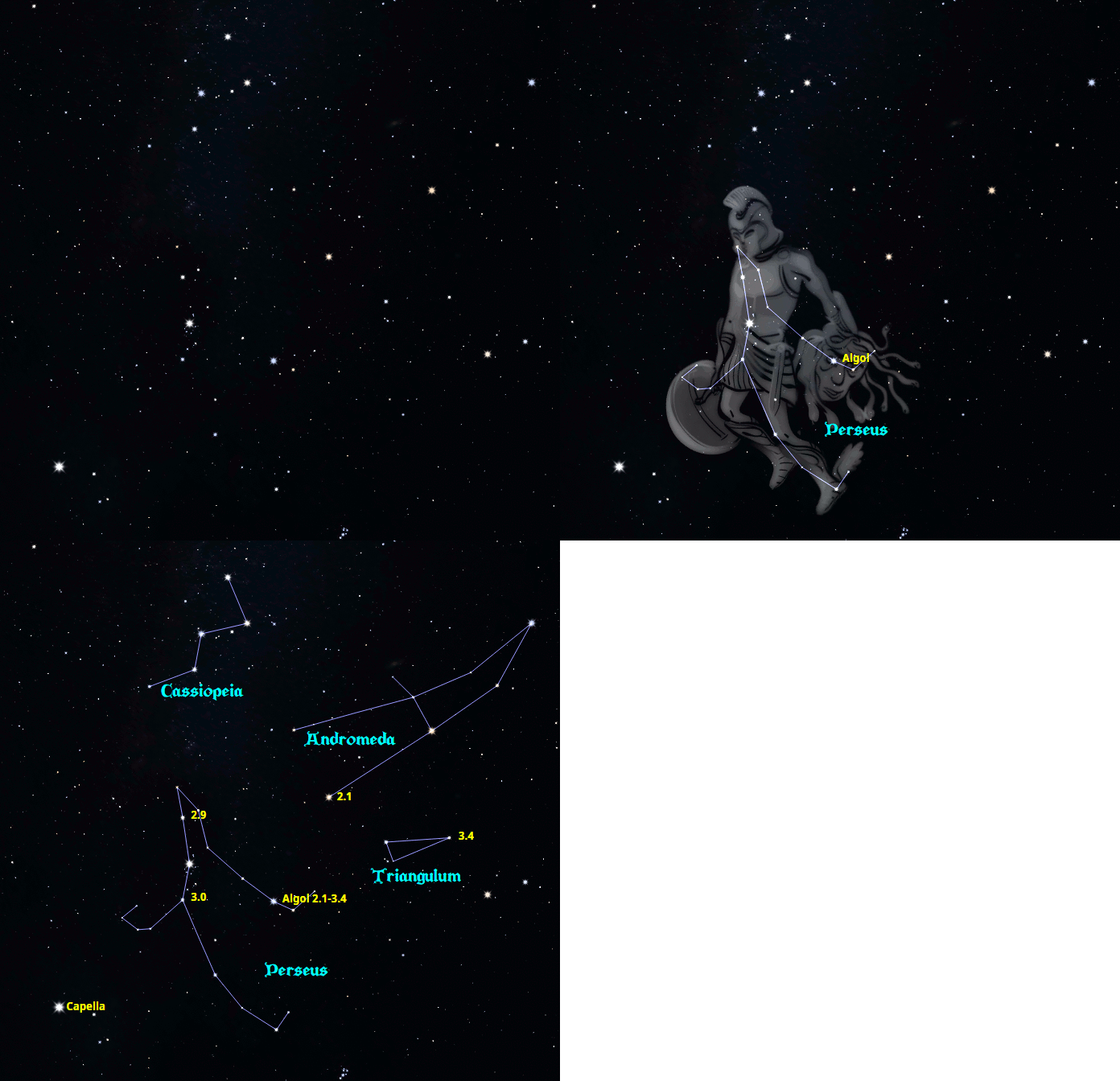
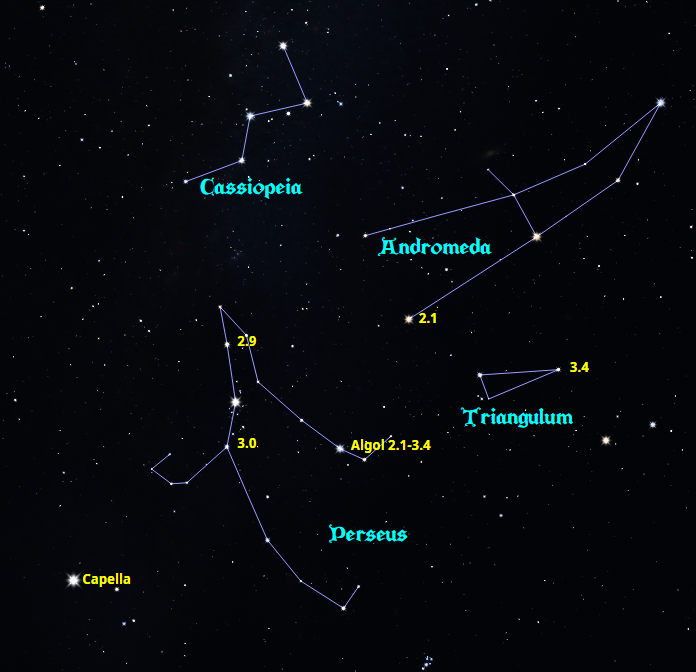
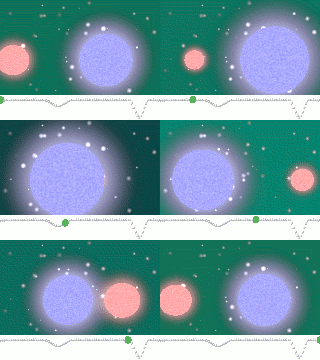
Not all the ghosts and goblins out Saturday night will be children. One will be out every night because it’s a star. Its name is Algol, from the Arabic for Ghoul Star or Demon Star. It’s normally the second-brightest star in the constellation Perseus the hero, visible in the northeast this evening. The star is located where artists have drawn the severed head of Medusa, whom he had slain. Medusa was so ugly that she turned all who gazed upon her to stone. Algol is her still glittering eye. The star got these names before we knew what was wrong with it. It does a slow wink every two days, 21 hours. That’s because Algol is two stars that eclipse each other.
The astronomical event times given in this blog are for the Traverse City/Interlochen area of Michigan (Lat 44.7° N, Long 85.7° W; EDT, UT – 4 hours) unless stated otherwise. Times will be different for other locations.
Addendum
Here’s a link to Sky & Telescope’s Minima of Algol page, to calculate the times when Algol reaches minimum brightness. Note that it uses your computer’s current time settings. Running it now in October, will cause November’s times to remain on Daylight Saving Time. Though an hour’s difference won’t make much difference in Algol’s brightness to the naked eye: (https://skyandtelescope.org/stargazing-and-observing/the-minima-of-algol/)
Ephemeris: 10/28/2026 – Taking our weekly look at the whereabouts of the naked-eye planets
This is Ephemeris for Wednesday, October 28th. Today the Sun will be up for 10 hours and 21 minutes, setting at 6:37, and it will rise tomorrow at 8:16. The Moon, 2 days past full, will rise at 8:00 this evening.
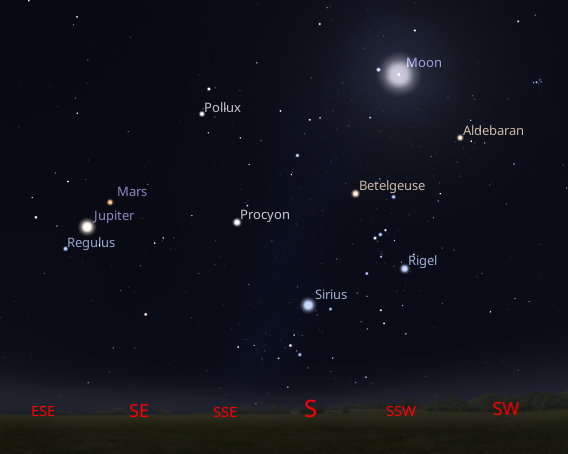
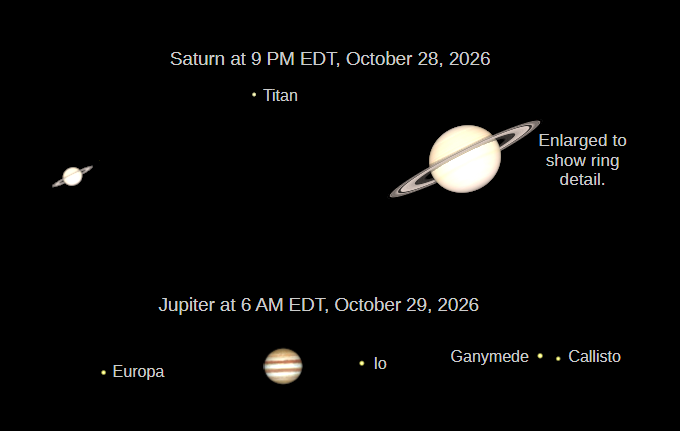
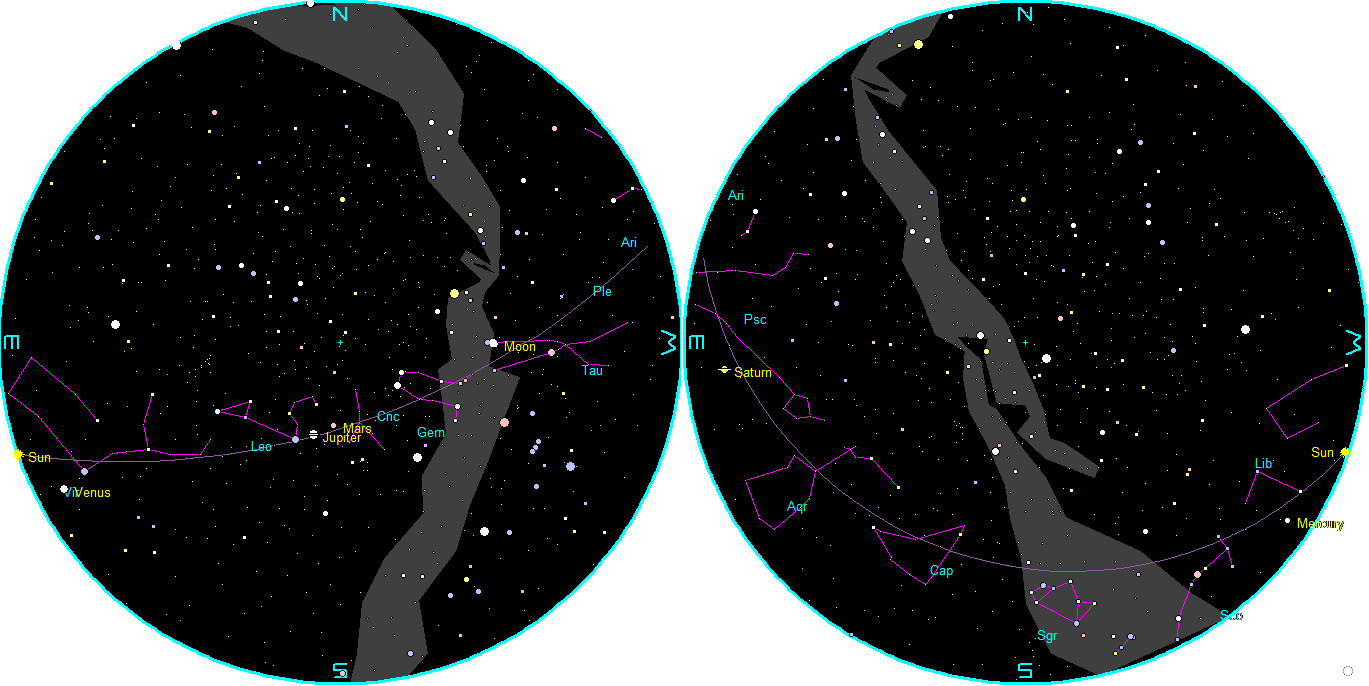
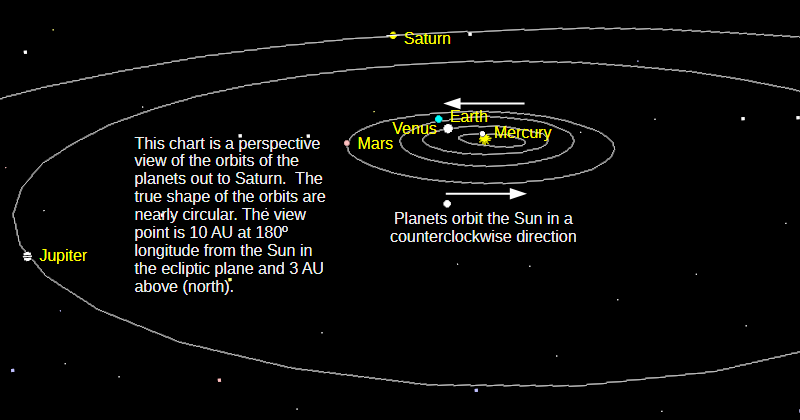
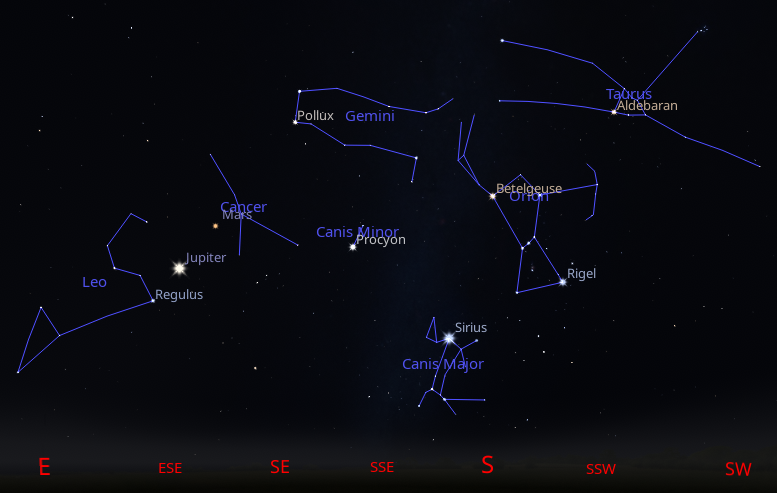
Let’s take our weekly look at the whereabouts of the naked-eye planets. Three of the naked-eye planets are visible in the night sky. Mercury sets too soon after the Sun to be seen. Venus passed between the Earth and the Sun in inferior conjunction 5 days ago, and might be seen in the morning sky for sharp-eyed observers next week. Tonight, Saturn will be in the east-southeastern sky as it gets dark. It is the brightest starlike object low in that direction. At 6 AM, Jupiter and Mars will in the southeastern sky. Jupiter is brightest and red Mars will be above and to the right of Jupiter and slowly closing. Mars will pass just above Jupiter on November 15th.
The astronomical event times given in this blog are for the Traverse City/Interlochen area of Michigan (Lat 44.7° N, Long 85.7° W; EDT, UT – 4 hours) unless stated otherwise. Times will be different for other locations.
Addendum
Ephemeris: 11/27/2026 – Venus will soon adorn our morning sky
This is Ephemeris for Tuesday, October 27th. Today the Sun will be up for 10 hours and 24 minutes, setting at 6:38, and it will rise tomorrow at 8:15. The Moon, 1 day past full, will rise at 7:11 this evening.
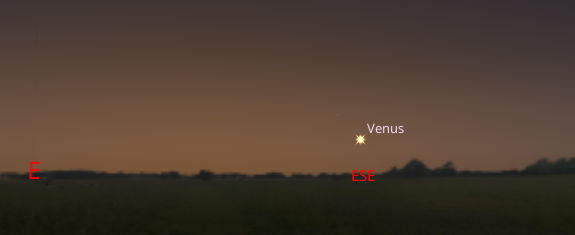
The planet Venus passed between the Earth and the Sun. 4 days ago, on Friday the 23rd. This was called an inferior conjunction. Inferior, because Venus was closer than the Sun. This is when Venus is closest to the Earth and moving fastest in the westward or retrograde direction, moving from the evening sky to the morning sky. It will begin to appear before sunrise about November 3rd, next Tuesday morning. This will be what it’s called its Heliacal Rising. It will become more and more visible as the days go on, as it separates itself from the Sun, becoming our brilliant morning star until next April*.
The astronomical event times given in this blog are for the Traverse City/Interlochen area of Michigan (Lat 44.7° N, Long 85.7° W; EDT, UT – 4 hours) unless stated otherwise. Times will be different for other locations.
Addendum
*On the program I said summer, not April. Stellarium, the app for PCs I use to create many of the illustrations for this blog has a visibility function. According to it, Venus will be visible for the next 5 months, through March next year. I was expecting at least a couple more months, since its superior conjunction with the Sun wasn’t until August 11, 2027. During most of its morning appearance in the sky, it will be south of the Sun, rising later and setting sooner than average, based on its didtance from the Sun, so it will spend more time masked by the bright twilight.
Ephemeris: 10/26/2026 – The Falling Leaves Moon
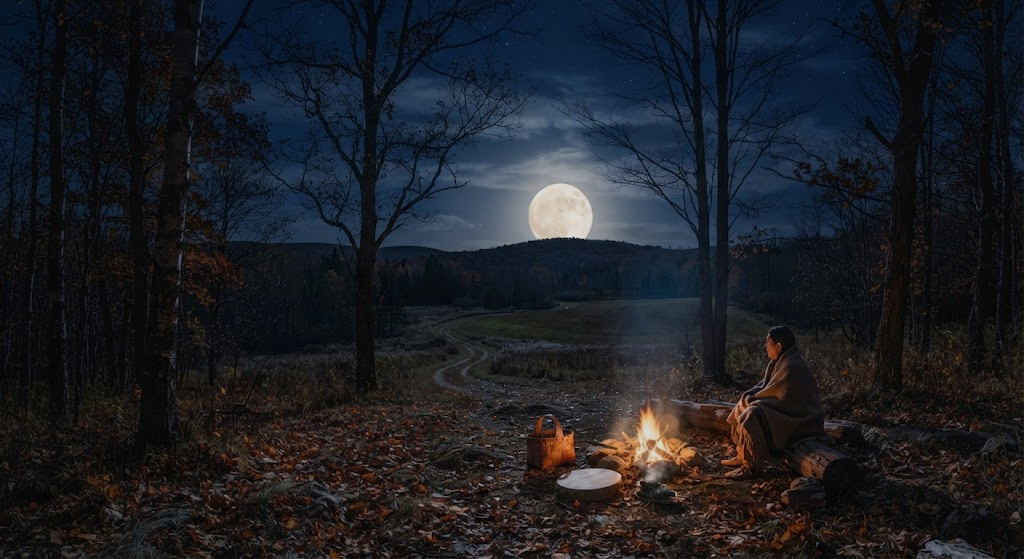
This is Ephemeris for Monday, October 26th. Today the Sun will be up for 10 hours and 27 minutes, setting at 6:40, and it will rise tomorrow at 8:14. The Moon, at full today, will rise at 6:34 this evening.
I’ve always thought that the full moon after the Harvest Moon, the nearest moon to the autumnal equinox, was the Hunter’s Moon. The Anishinabeq. native peoples of this area also had names for the full moons, 13 of them. They did vary among the various tribes based on the seasonal effects of their locations. Before they adopted our calendar of 12 defined months based on the solar calendar, they could have 13 full moons in a year, since a solar year is 11 1/4 days longer than 12 lunar months. However, they seem to have adapted to our calendar to an extent. How do we handle that 13th full moon in a year? We call it a Blue Moon, because one of the months must have a second full moon. The October full moon is called the Falling Leaves Moon. And, (check’s outside) They’re right!
The astronomical event times given in this blog are for the Traverse City/Interlochen area of Michigan (Lat 44.7° N, Long 85.7° W; EDT, UT – 4 hours) unless stated otherwise. Times will be different for other locations.
Addendum
The prompt to create the above image: “I’d like for you to create an image illustrating the Anishinaabeq Falling Leaves Full Moon, with the full moon rising in the distance. A dimly lit landscape with a tree or a few, mostly bare of leaves in the foreground.” The unexpected campfire scene was a nice bonus.
Ephemeris: 10/23/2026 – A planet named Saturn
This is Ephemeris for Friday, October 23rd. Today the Sun will be up for 10 hours and 35 minutes, setting at 6:44, and it will rise tomorrow at 8:10. The Moon, 3 days before full, will set at 6:20 tomorrow morning.
The planet Jupiter, named after the chief Roman god, moves majestically through the zodiacal constellations, visiting one each year. Saturn, however, todders its way around the zodiac, taking nearly 30 years to complete the same circuit. To the Greeks. Saturn was Kronos. An elder god, one of the Titans. And not a very nice one. The Romans converted Kronos to Saturn and made him benovelent. He was the God of old age, for his slow circuit around the sky, and also the god of hospitality. It is said that the Romans always set a separate place at their dinner table, in case he showed up, to demonstrate their hospitality. And of course, there’s a great festival in December, Saturnalia. Which may be responsible for our Christmas placement and the surrounding festivities occurring in December.
The astronomical event times given in this blog are for the Traverse City/Interlochen area of Michigan (Lat 44.7° N, Long 85.7° W; EDT, UT – 4 hours) unless stated otherwise. Times will be different for other locations.
Addendum
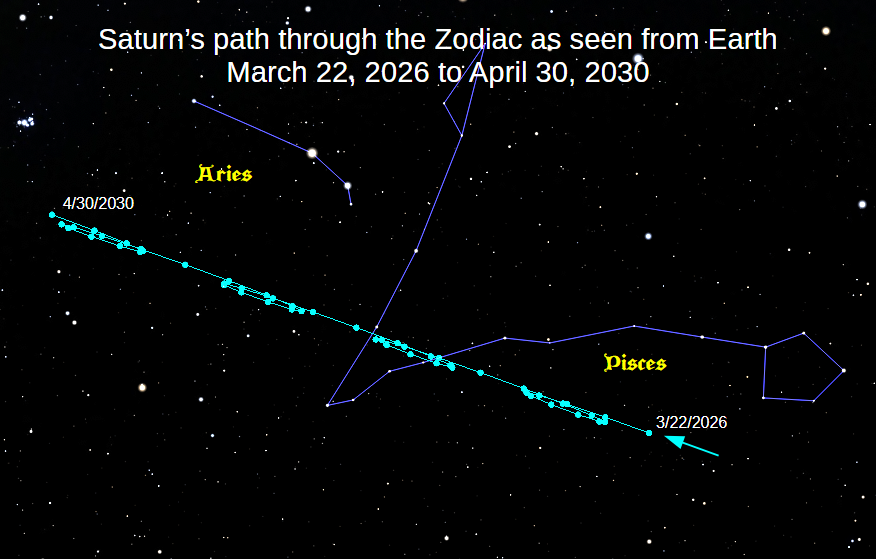
Ephemeris: 10/22/2026 – Saturn’s weird moons
This is Ephemeris for Thursday, October 22nd. Today the Sun will be up for 10 hours and 38 minutes, setting at 6:46, and it will rise tomorrow at 8:08. The Moon, half way from first quarter to full, will set at 5:07 tomorrow morning.
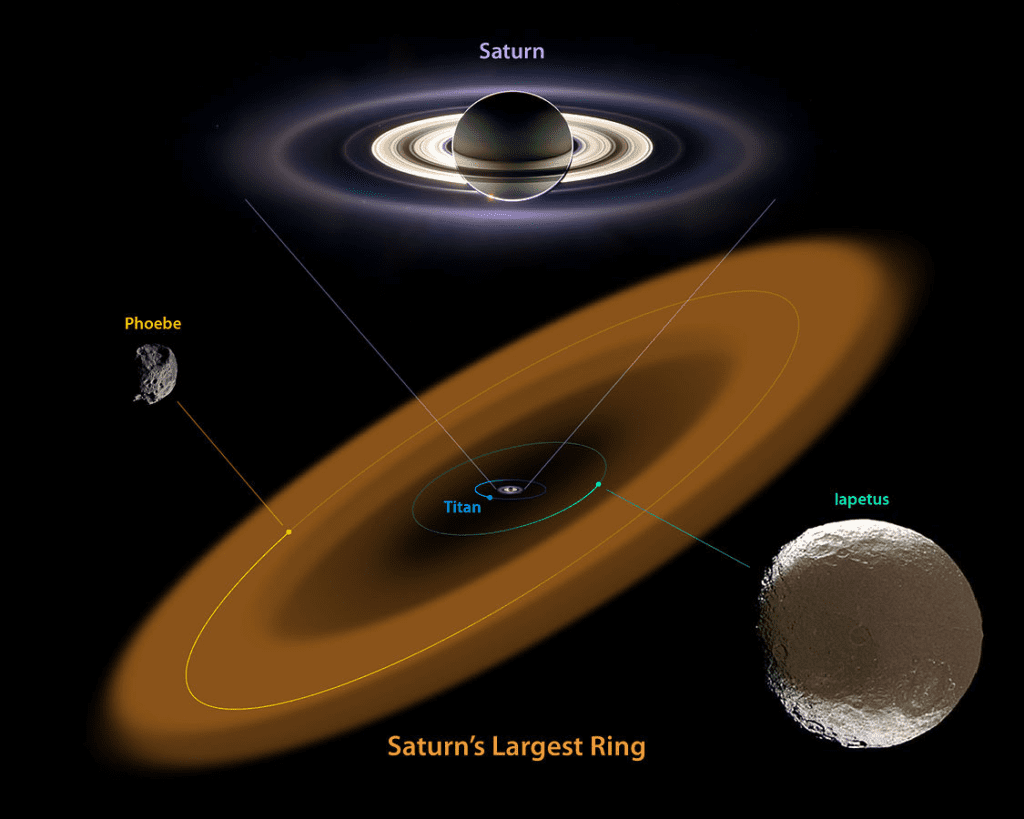
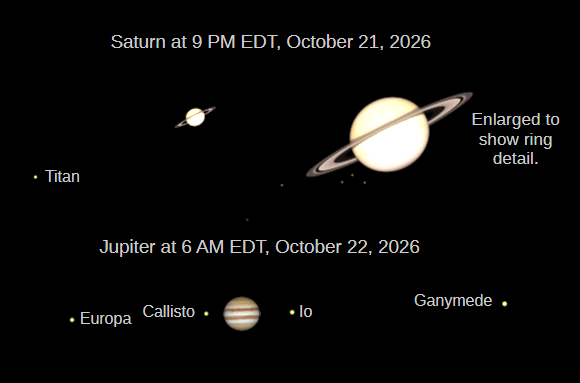
Saturn’s got some pretty weird moons. I’ve talked about Enceladus with its water ice geysers, and Titan with its atmosphere. We also have Iapetus, a moon which has two faces. Its leading face, as it orbits Saturn, is dark, almost black. While his trailing face is white like the other moons. It also has a ridge around its equator, that, reminds me of a walnut.. Another strange moon is Hyperion, a moon that looks like a sponge. Its density, though made of ice, is half the density of ice. It even looks like a sponge. Then there’s Phoebe. A dark moon that takes over a year to orbit Saturn, backwards from all the other satellites. It’s probably a captured Kuiper Belt Object, and has a dark surface. And that isn’t all of them.
The astronomical event times given in this blog are for the Traverse City/Interlochen area of Michigan (Lat 44.7° N, Long 85.7° W; EDT, UT – 4 hours) unless stated otherwise. Times will be different for other locations.
Addendum
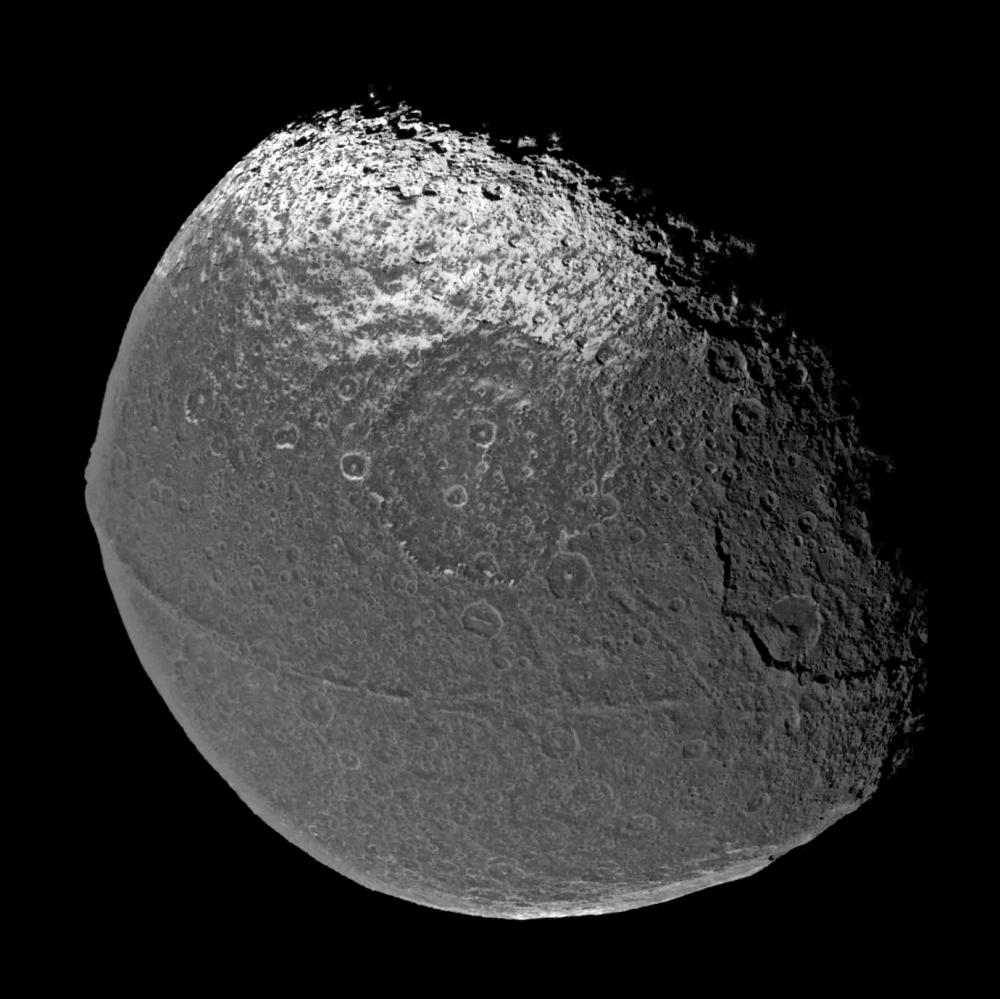
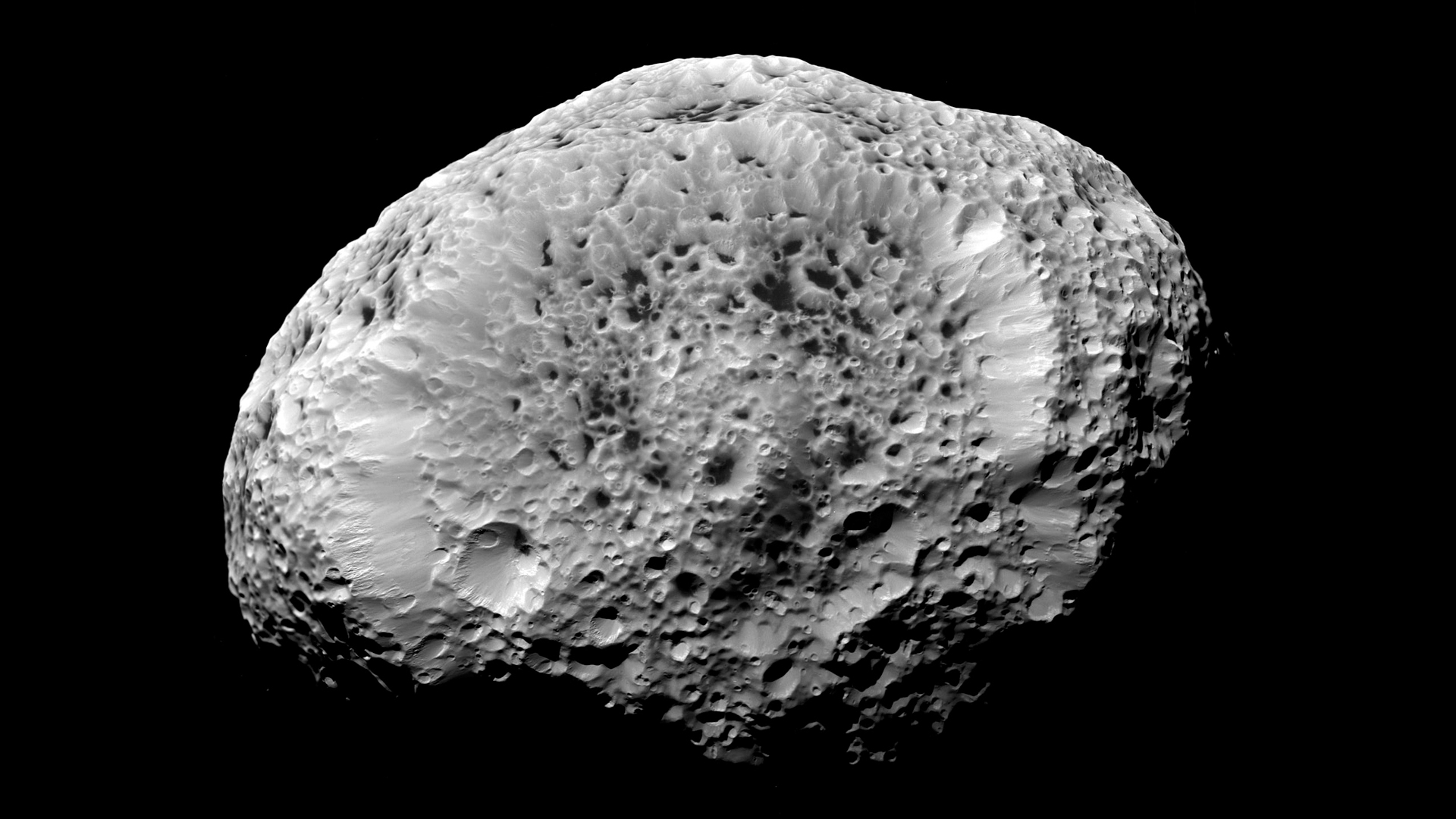
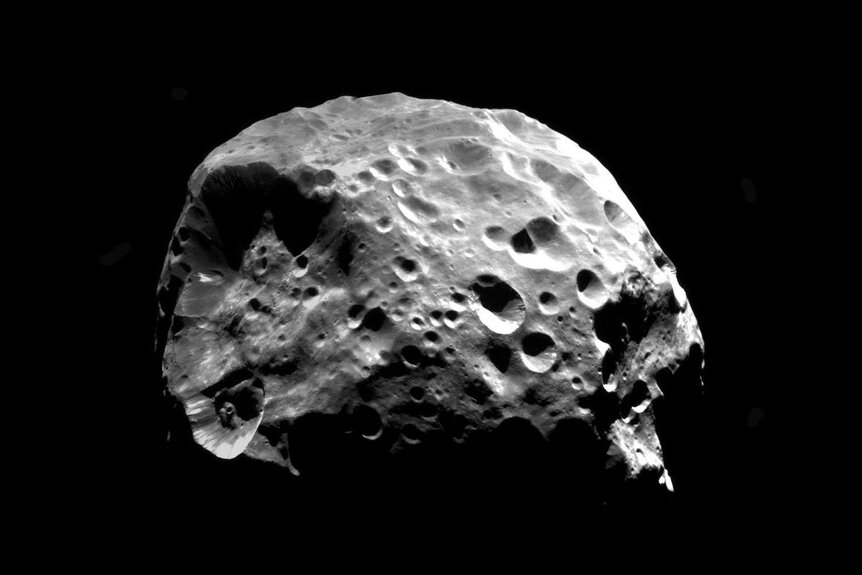
I didn’t have time in the program, but Phoebe and Iapetus have a connection that explains Iapetus’ dark side.
Ephemeris: 10/21/2026 – Taking our weekly look at the whereabouts of the naked-eye planets
This is Ephemeris for Wednesday, October 21st. Today the Sun will be up for 10 hours and 41 minutes, setting at 6:47, and it will rise tomorrow at 8:07. The Moon, 3 days past first quarter, will set at 3:57 tomorrow morning.
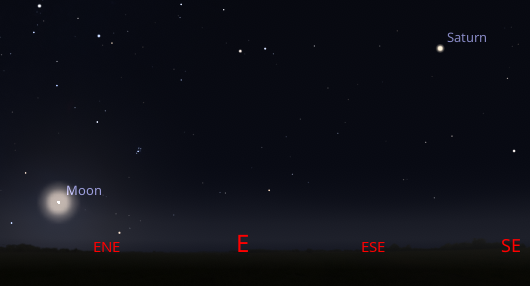
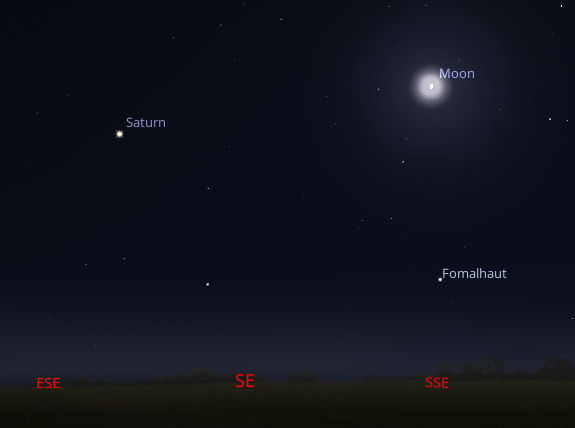
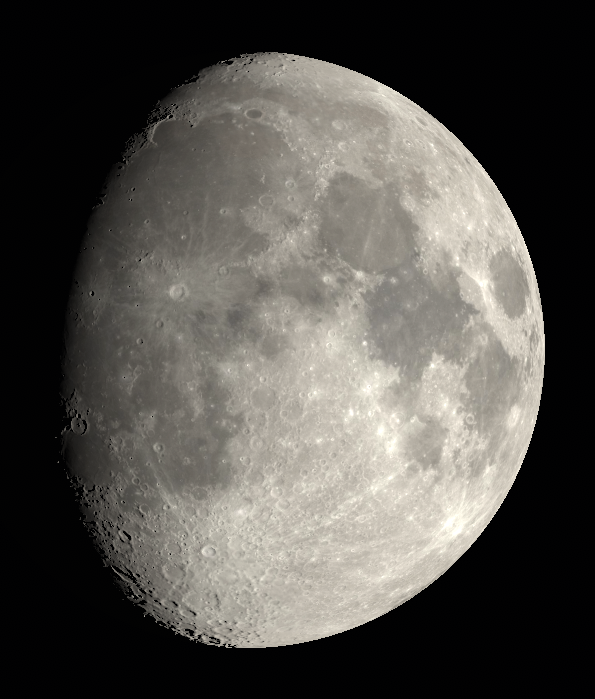
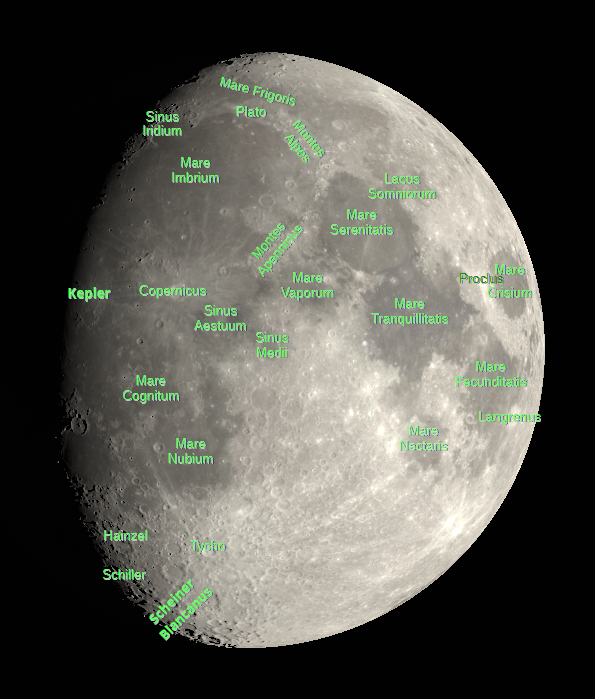
Let’s take our weekly look at the whereabouts of the naked-eye planets. Three of the naked-eye planets are visible in the night sky. Mercury sets too soon after sunset to be seen. Venus will pass between the earth and the sun in inferior conjunction in two days, and might be seen in the morning sky for sharp-eyed observers by the end of the month. Tonight, Saturn will be in the east-southeastern sky as it gets dark. It is the brightest starlike object low in that direction. It is a ways to the left of and slightly below the Moon in the southeast. At 6 AM, Jupiter and Mars will in the east-southeast. Jupiter is brightest and red Mars will be above and to the right of Jupiter and slowly closing. Some Orionid meteors might be visble then.
The astronomical event times given in this blog are for the Traverse City/Interlochen area of Michigan (Lat 44.7° N, Long 85.7° W; EDT, UT – 4 hours) unless stated otherwise. Times will be different for other locations.
Addendum
Ephemeris: 10/20/2026 – Dragonfly to land on Saturn’s moon Titan in 2034
This is Ephemeris for Tuesday, October 20th. Today the Sun will be up for 10 hours and 44 minutes, setting at 6:49, and it will rise tomorrow at 8:06. The Moon, 2 days past first quarter, will set at 2:48 tomorrow morning.
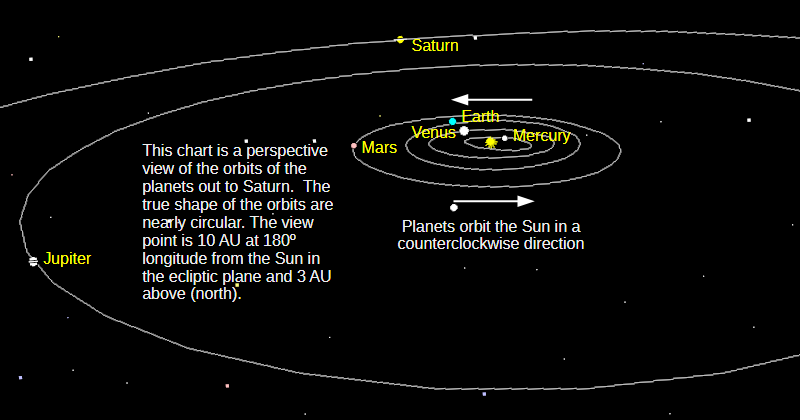
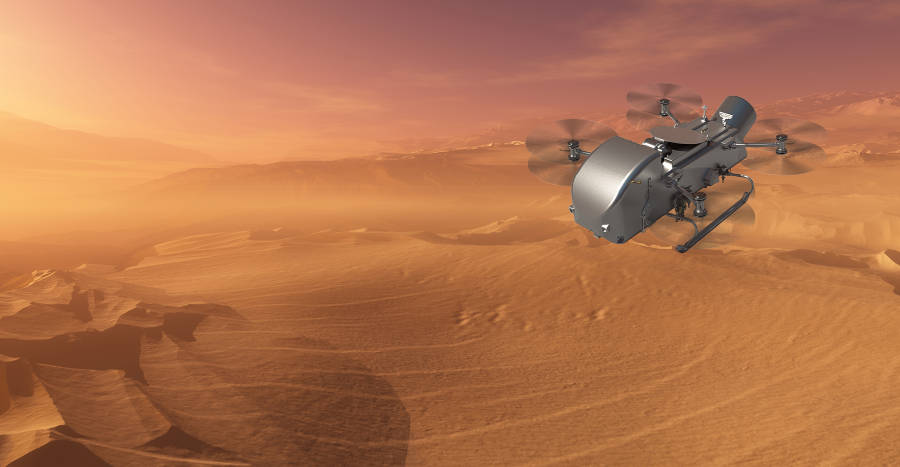
In June 2028, less than two years away NASA is expected to launch a flying spacecraft to Saturn’s moon Titan. It’s called Dragonfly. It is in essence a quadcopter drone to fly in its thick atmosphere. The journey will take about 6 and a half years to get to Saturn in November 2034. It will use one gravity assist from the Earth, about three years after launch, skimming the Earth’s surface at 472½ kilometers, flying briefly at the height of SpaceX’s Starlink satellites. It is designed with two rotors per corner. It is powered by a plutonium radioactive thermal generator which will of charge a lithium-ion battery. This will give it about half an hour of flight time and 10 mile range for each charge, as it flies over and studies the surface of this icy moon.
The astronomical event times given in this blog are for the Traverse City/Interlochen area of Michigan (Lat 44.7° N, Long 85.7° W; EDT, UT – 4 hours) unless stated otherwise. Times will be different for other locations.
Addendum
Ephemeris: 10/19/2026 – Saturn’s moon with an atmosphere and lakes
This is Ephemeris for Monday, October 19th. Today the Sun will be up for 10 hours and 47 minutes, setting at 6:51, and it will rise tomorrow at 8:04. The Moon, 1 day past first quarter, will set at 1:40 tomorrow morning.
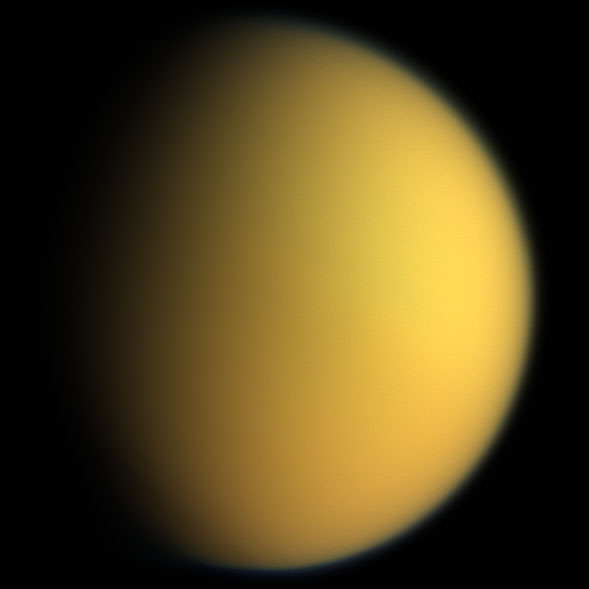
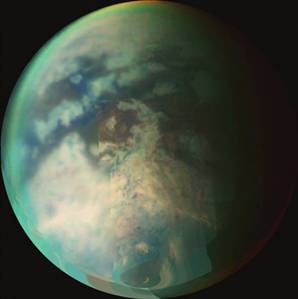
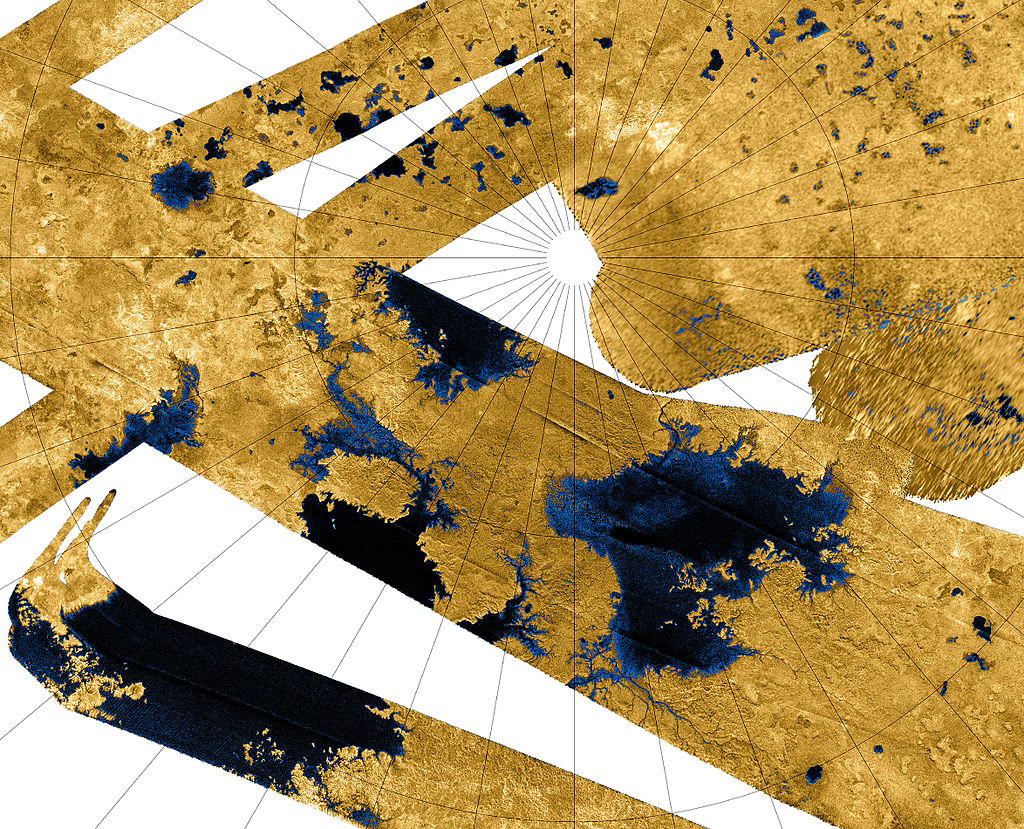
Saturn’s largest moon is Titan, which has a diameter of. 3200 miles, which makes it the second-largest satellite after Jupiter’s Ganymede. Even though it is larger than the planet Mercury, it is only 40% as massive. This is because Titan contains a great percentage water ice, and Mercury is mostly rock and iron, being the second densest planet after the earth. Titan’s atmosphere is mostly nitrogen and methane, and is very dense. The atmospheric pressure at ground level. Is nearly 1½ times the Earth’s atmospheric pressure. In 2004, the Cassini spacecraft. Sent the Huygens. Probe to land on Titan. Which was mostly successful. Dropping through Titans dense, cloudy atmosphere to land in a dry lake bed. Titan’s actual lakes of liquid methane and ethane are at it’s poles.
The astronomical event times given in this blog are for the Traverse City/Interlochen area of Michigan (Lat 44.7° N, Long 85.7° W; EDT, UT – 4 hours) unless stated otherwise. Times will be different for other locations.
Addendum