Archive
Ephemeris: 08/07/2024 – Where have the naked eye planets wandered off to?
This is Ephemeris for Wednesday, August 7th. Today the Sun will be up for 14 hours and 23 minutes, setting at 8:59, and it will rise tomorrow at 6:37. The Moon, 3 days past new, will set at 10:31 this evening.
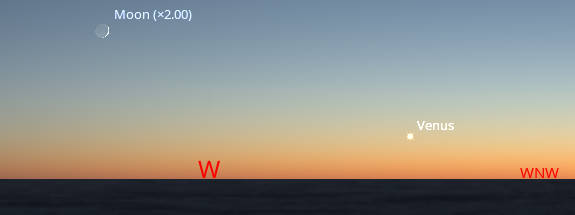
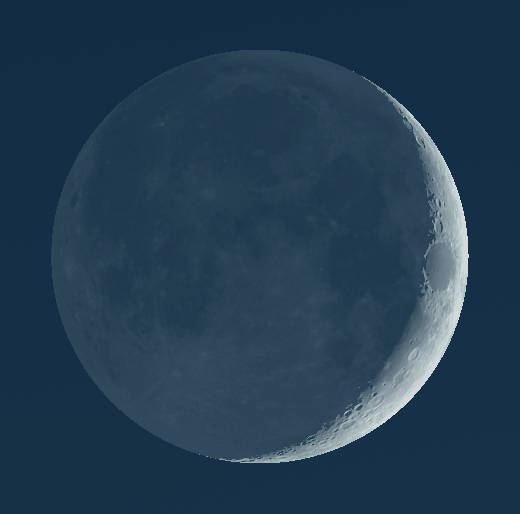
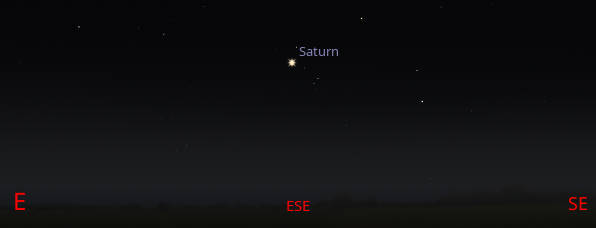
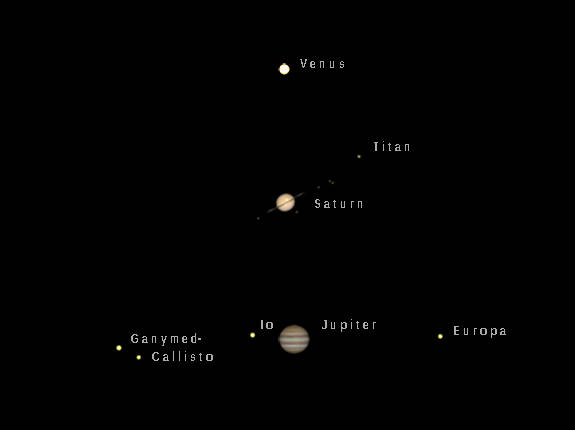
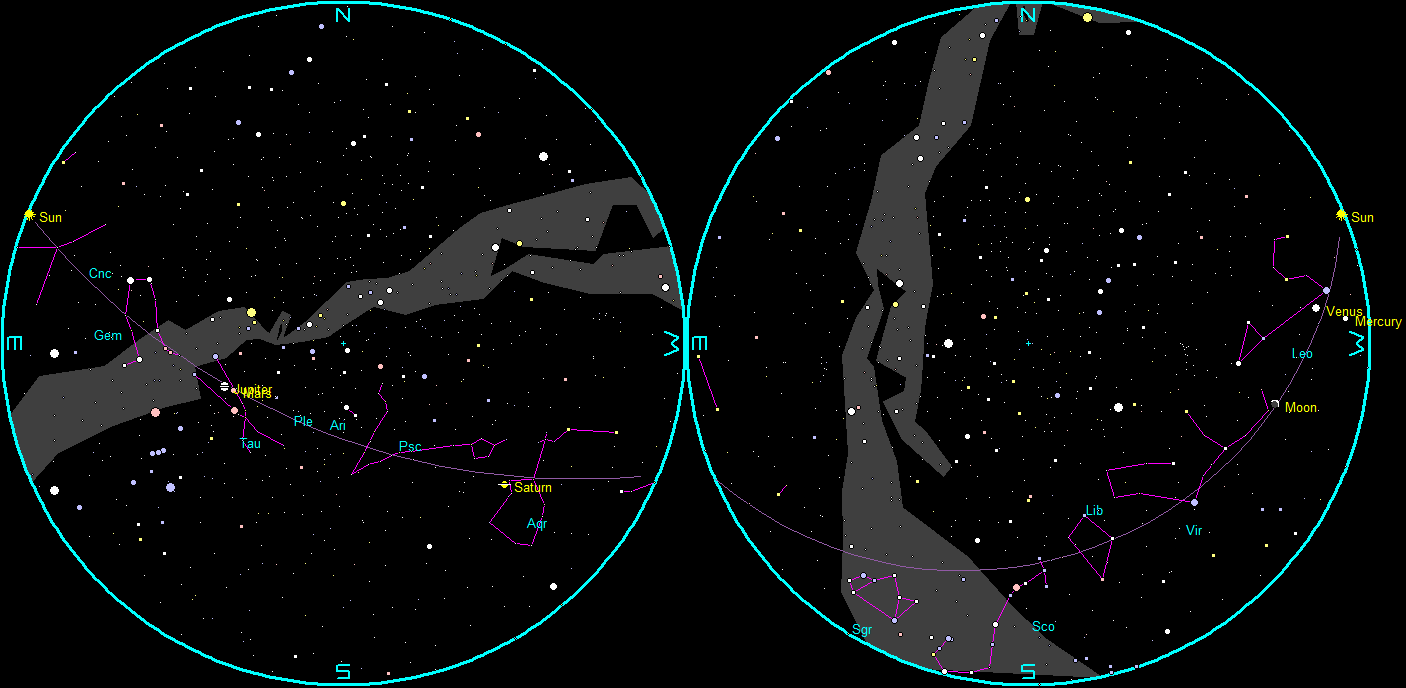
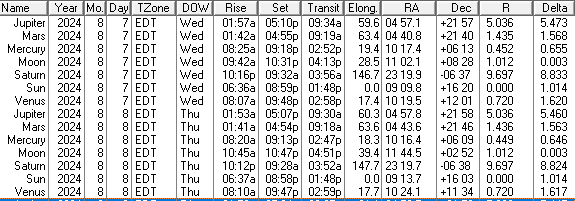
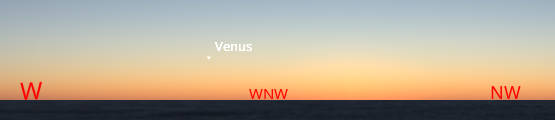
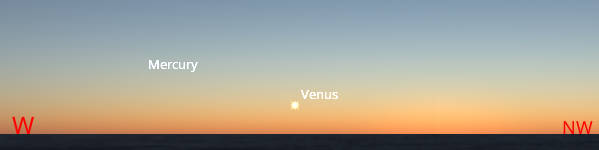
Let’s take our weekly look at the whereabouts of the naked-eye planets. The Moon will be visible as a thin crescent in the west with Venus lower in the west northwest around 9:30 pm. It will set at 9:56 pm in the west-northwest. Venus is best seen over a very low or lake horizon. Saturn will rise at 10:17 pm, and by 11 pm will be low in the east southeast, pretty much by itself. Saturn may look disappointing in telescopes this year since rings are nearly edge on and appear almost as a line through the planet. The other two visible planets are in the morning sky.
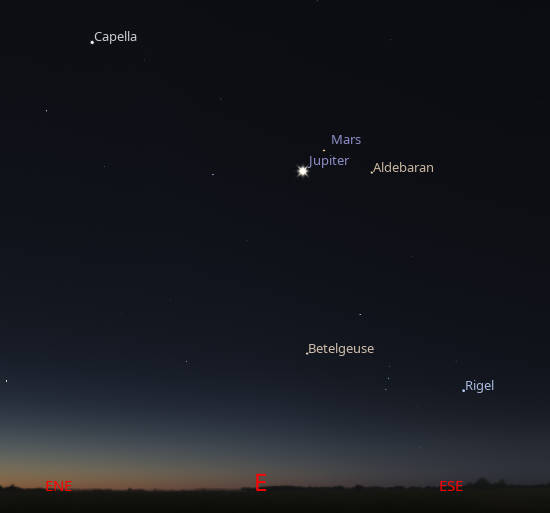
By 5:30 tomorrow morning, or an hour before sunrise, Jupiter and Mars will be up in the east, with Mars approaching Jupiter just above and to the right of it. Mars will rise at 1:41 am, and Jupiter at 1:53 am.
The astronomical event times given are for the Traverse City/Interlochen area of Michigan (EDT, UT–4 hours). Times will be different for other locations.
Addendum
Ephemeris: 08/06/2024 – Looking toward the Perseid Meteor Shower
This is Ephemeris for Tuesday, August 6th. Today the Sun will be up for 14 hours and 25 minutes, setting at 9:01, and it will rise tomorrow at 6:36. The Moon, 2 days past new, will set at 10:15 this evening.
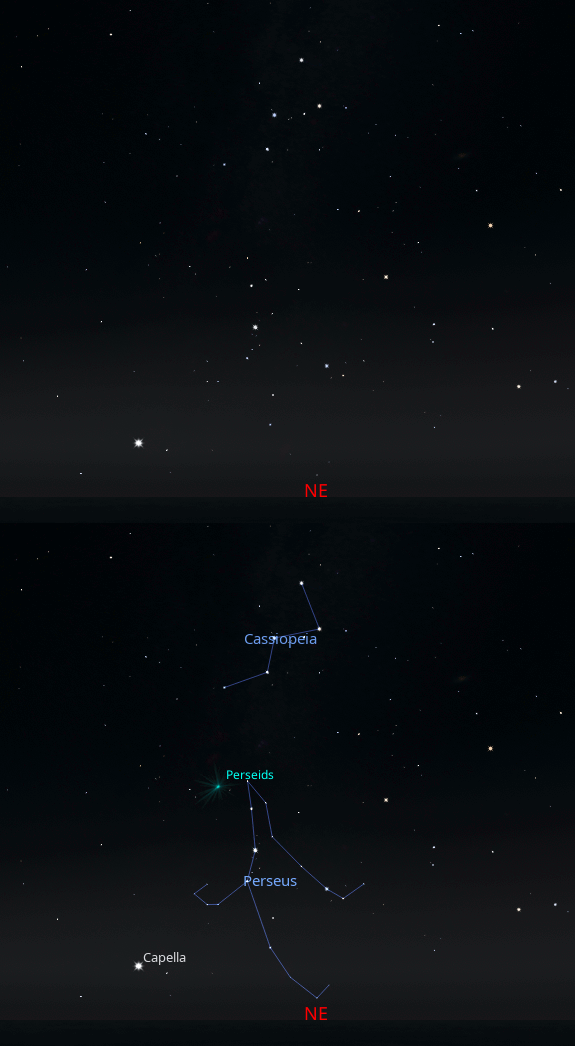
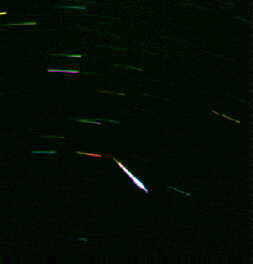
Next Monday morning we’ll see the peak of the Perseid meteor shower. They’re called the Perseids because they seem to come from the constellation of Perseus the hero which is below the W shaped constellation of Cassiopeia in the northeast in the evenings now. The reason they appear to come from the same direction is that they were shed by a comet whose name is Swift-Tuttle discovered in 1862 it’s been around many times before that, though not recognized as such. The first mention of the Perseids in history comes from the year 36 CE, though they were assuredly visible but unrecognized before that. In the past they’ve been known as the Tears of Saint Lawrence because their peak is near the feast date of that martyr. Perseids can be seen now, though not in peak numbers.
The astronomical event times given are for the Traverse City/Interlochen area of Michigan (EDT, UT–4 hours). Times will be different for other locations.
Addendum
Ephemeris: 08/05/2024 – Finding Aquila the Eagle
This is Ephemeris for Monday, August 5th. Today the Sun will be up for 14 hours and 28 minutes, setting at 9:02, and it will rise tomorrow at 6:35. The Moon, 1 day past new, will set at 9:58 this evening.
The bright star Altair is seen halfway up the sky in the southeast at 10:30 this evening. It is one of the stars of the Summer Triangle with Vega above it, and Deneb above and left of it. It is the brightest star in the constellation Aquila the eagle which is seen flying northward through the Milky Way, with Altair at its head. Altair is flanked by two stars one above one below. Its wing tips can be seen below, and to the upper right. His tail is almost lost in the Milky Way seen lower in the east southeast. Here in Aquila is where the great rift, the dark band that splits the Milky Way, is most prominent. The Greeks and Romans seemed to have trouble telling vultures and eagles apart. Another name of the constellation was Vultur Volans.
The astronomical event times given are for the Traverse City/Interlochen area of Michigan (EDT, UT–4 hours). They will be different for other locations.
Addendum
Ephemeris: 08/02/2024 – The Northern Cross
This is Ephemeris for Friday, August 2nd. Today the Sun will be up for 14 hours and 35 minutes, setting at 9:06, and it will rise tomorrow at 6:31. The Moon, 2 days before new, will rise at 5:12 tomorrow morning.
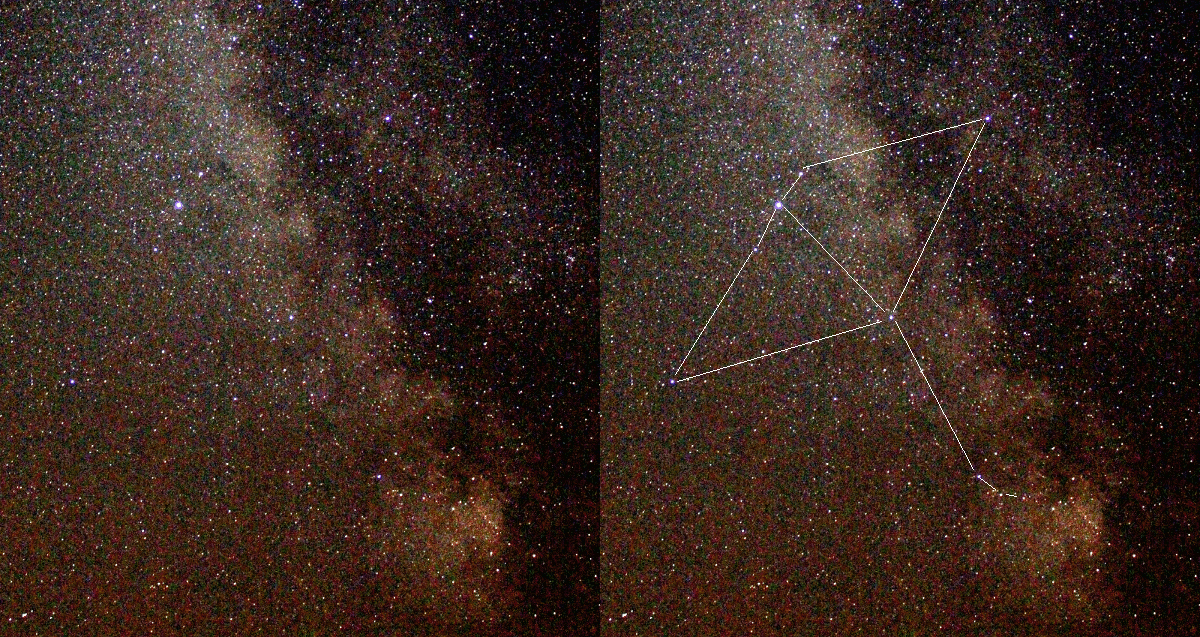
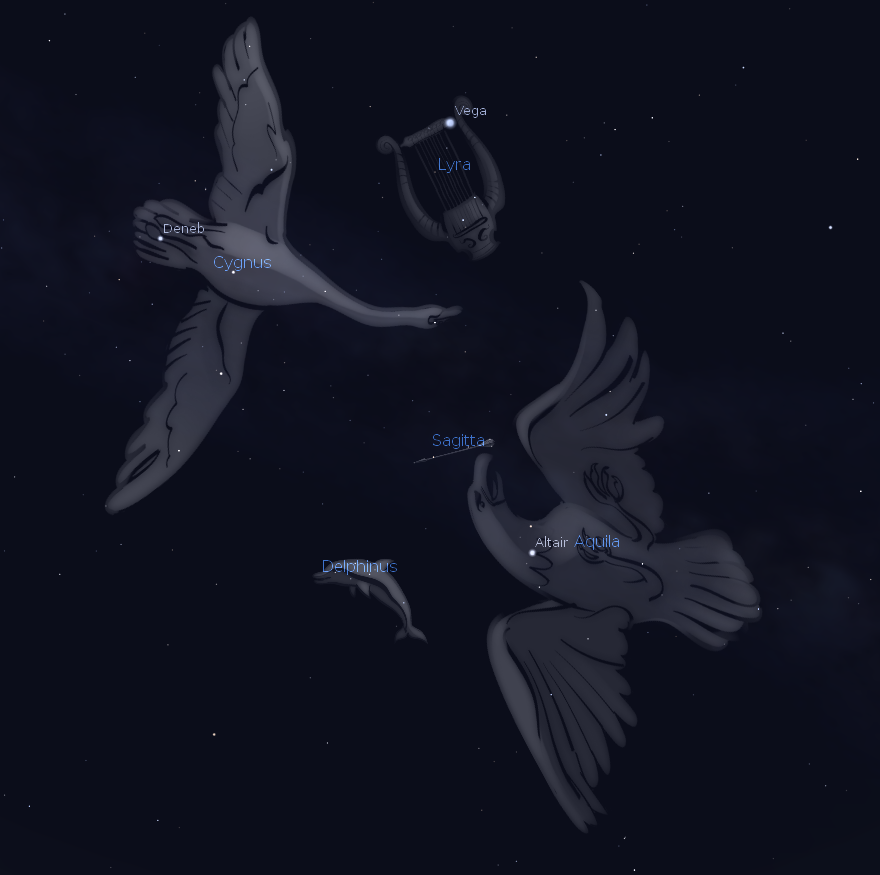
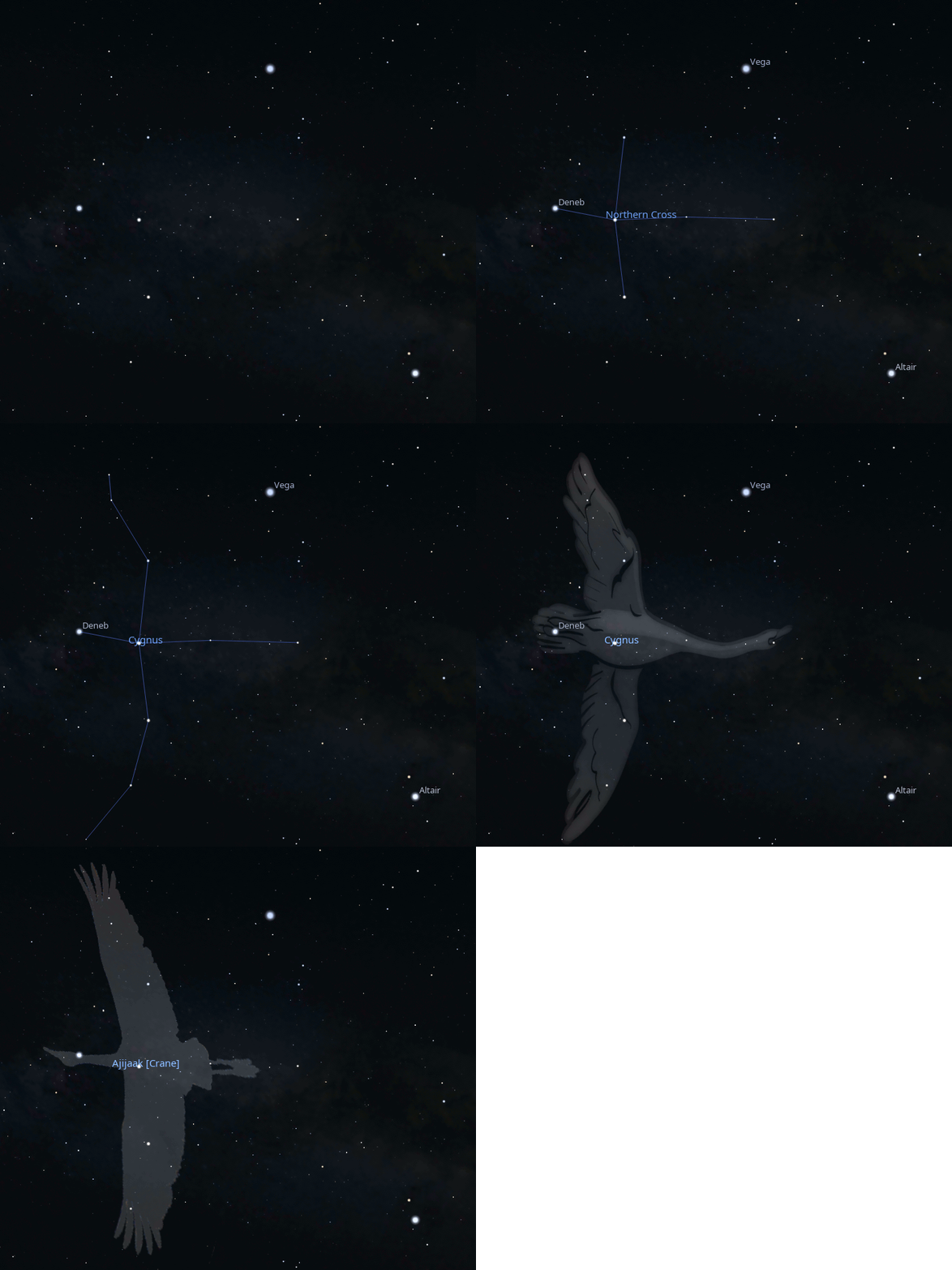
The star Deneb is high in the east-northeast. It is the dimmest of the three stars of the Summer Triangle. It is at the head of the Northern Cross, an informal constellation or asterism. The upright extends to the South. The crossbeam can be seen crossing the star just south of Deneb. There’s also a constellation there. It’s actually Cygnus the swan flying southward along the Milky Way with its neck outstretched. The Anishinaabe natives peoples of our area see Ajijaak the crane, also with a long neck flying north, but also long legs trailing to the south, its wings outstretched. In Greek mythology Cygnus was the guise of the god Zeus when he seduced Leda, whose offspring was Pollux, one of the Gemini twins.
The astronomical event times given are for the Traverse City/Interlochen area of Michigan (EDT, UT–4 hours). They may be different for your location.
Addendum
Ephemeris: 08/01/2024 – Previewing August skies
This is Ephemeris for Thursday, August 1st. Today the Sun will be up for 14 hours and 38 minutes, setting at 9:07, and it will rise tomorrow at 6:30. The Moon, 3 days before new, will rise at 4:03 tomorrow morning.
Let’s look ahead at the month of August in the skies. Daylight hours will decrease from 14 hours and 38 minutes today to 13 hours 15 minutes on the 31st. The altitude of the Sun at local noon, that is degrees of angle above the horizon will decrease from 63 degrees today to just over 53 degrees on the 31st. Straits area listeners can subtract one more degree from those angles. Local noon, when the Sun is due south, is about 1:43 p.m. The big event of the month will be in the morning sky: The Perseid meteor shower will be best seen on the morning of the 12th after the Moon sets, though members of the shower can be seen now. August is the first of my two favorite months for viewing the wonders of the summer Milky Way.
The astronomical event times given are for the Traverse City/Interlochen area of Michigan (EDT, UT–4 hours). They may be different for your location.
Addendum
August Evening Star Chart
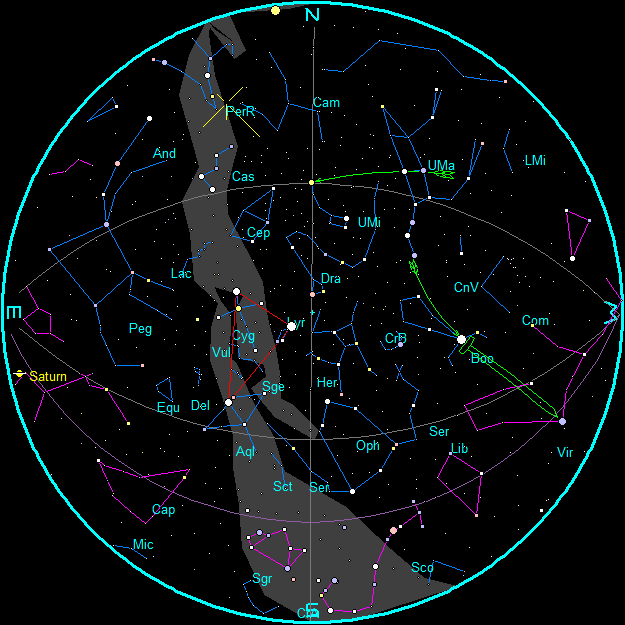
The planets and stars are plotted for the 15th at 10 pm EDT in the evening and 5 am. These are the chart times. Note that Traverse City is located approximately 45 minutes behind our time meridian, West 75° longitude. (An hour 45 minutes behind our daylight saving time meridian during EDT). To duplicate the star positions on a planisphere you may have to set it to 1 hour 45 minutes earlier than the current time.
Note the chart times are for the 15th. For each week before the 15th, add ½ hour (28 minutes if you’re picky). For each week after the 15th, subtract ½ hour. The planet positions are updated each Wednesday on this blog. See them for planet positions on dates other than the 15th.
August Morning Star Chart
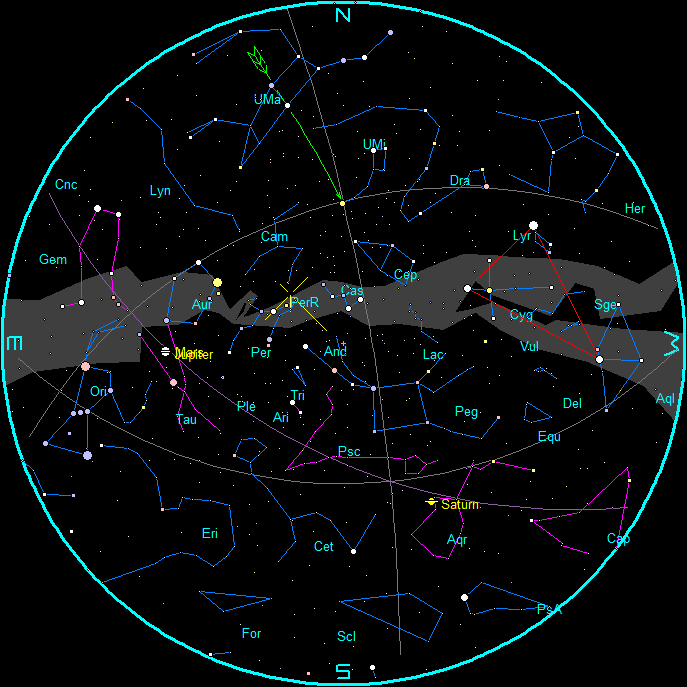
For a list of constellation names to go with the abbreviations, click here.
- Pointer stars at the front of the bowl of the Big Dipper point to Polaris, the North Star.
- Leaky dipper drips on Leo.
- Follow the arc of the handle of the Big Dipper to the star Arcturus, and
- Extend like a spike to Spica.
- The Summer Triangle is in red.
- PerR is the radiant of the Perseid meteor shower (Peaks on the morning of the 12th)
Twilight Limits, Nautical and Astronomical
| EDT | |||||||
| Morning | Twilight | Evening | Twilight | Dark | Night | Moon | |
| Date | Astro. | Nautical | Nautical | Astro. | Start | End | Illum. |
| 2024-08-01 | 4h28m | 5h16m | 22h26m | 23h14m | 23h14m | 3h01m | 0.05 |
| 2024-08-02 | 4h30m | 5h17m | 22h24m | 23h12m | 23h12m | 4h04m | 0.02 |
| 2024-08-03 | 4h32m | 5h19m | 22h23m | 23h10m | 23h10m | 4h32m | 0.00 |
| 2024-08-04 | 4h34m | 5h20m | 22h21m | 23h08m | 23h08m | 4h34m | 0.01 |
| 2024-08-05 | 4h35m | 5h22m | 22h19m | 23h06m | 23h06m | 4h35m | 0.03 |
| 2024-08-06 | 4h37m | 5h23m | 22h18m | 23h04m | 23h04m | 4h37m | 0.07 |
| 2024-08-07 | 4h39m | 5h25m | 22h16m | 23h01m | 23h01m | 4h39m | 0.13 |
| 2024-08-08 | 4h41m | 5h26m | 22h14m | 22h59m | 22h59m | 4h41m | 0.20 |
| 2024-08-09 | 4h43m | 5h28m | 22h12m | 22h57m | 23h03m | 4h43m | 0.28 |
| 2024-08-10 | 4h45m | 5h29m | 22h10m | 22h55m | 23h21m | 4h45m | 0.36 |
| 2024-08-11 | 4h47m | 5h31m | 22h09m | 22h53m | 23h42m | 4h47m | 0.46 |
| 2024-08-12 | 4h49m | 5h32m | 22h07m | 22h51m | – | 4h49m | 0.56 |
| 2024-08-13 | 4h50m | 5h34m | 22h05m | 22h48m | 0h08m | 4h50m | 0.66 |
| 2024-08-14 | 4h52m | 5h35m | 22h03m | 22h46m | 0h41m | 4h52m | 0.75 |
| 2024-08-15 | 4h54m | 5h37m | 22h01m | 22h44m | 1h26m | 4h54m | 0.84 |
| 2024-08-16 | 4h56m | 5h38m | 21h59m | 22h42m | 2h24m | 4h56m | 0.91 |
| 2024-08-17 | 4h58m | 5h40m | 21h57m | 22h39m | 3h35m | 4h58m | 0.96 |
| 2024-08-18 | 4h59m | 5h41m | 21h55m | 22h37m | 4h55m | 4h59m | 1.00 |
| 2024-08-19 | 5h01m | 5h43m | 21h54m | 22h35m | – | – | 1.00 |
| 2024-08-20 | 5h03m | 5h44m | 21h52m | 22h33m | – | – | 0.97 |
| 2024-08-21 | 5h05m | 5h46m | 21h50m | 22h31m | – | – | 0.92 |
| 2024-08-22 | 5h06m | 5h47m | 21h48m | 22h28m | – | – | 0.84 |
| 2024-08-23 | 5h08m | 5h48m | 21h46m | 22h26m | 22h26m | 22h29m | 0.74 |
| 2024-08-24 | 5h10m | 5h50m | 21h44m | 22h24m | 22h24m | 22h55m | 0.63 |
| 2024-08-25 | 5h12m | 5h51m | 21h42m | 22h22m | 22h22m | 23h26m | 0.52 |
| 2024-08-26 | 5h13m | 5h53m | 21h40m | 22h19m | 22h19m | – | 0.41 |
| 2024-08-27 | 5h15m | 5h54m | 21h38m | 22h17m | 22h17m | 0h06m | 0.31 |
| 2024-08-28 | 5h17m | 5h56m | 21h36m | 22h15m | 22h15m | 0h56m | 0.22 |
| 2024-08-29 | 5h18m | 5h57m | 21h34m | 22h13m | 22h13m | 1h56m | 0.14 |
| 2024-08-30 | 5h20m | 5h58m | 21h32m | 22h10m | 22h10m | 3h02m | 0.08 |
| 2024-08-31 | 5h21m | 6h00m | 21h30m | 22h08m | 22h08m | 4h12m | 0.03 |
Twilight calendar was generated using Cartes du Ciel (Sky Charts).
See my blog post: Twilight Zone for the definitions of the different periods of twilight here: https://bobmoler.wordpress.com/2018/09/27/.
NASA Calendar of Planetary Events
Date          Time    Event
Aug  1  Th            Venus: 15.9° E
     1  Th   1:59 am  Moon North Dec.: 28.5° N
     3  Sa   9:22 pm  Mars-Aldebaran: 4.9° N
     4  Su   7:13 am  New Moon
     4  Su   6:56 pm  Venus-Regulus: 1° N
     5  Mo   6:04 pm  Moon-Venus: 1.9° S
     7  We   1:23 pm  Mercury-Venus: 5.7° N
     8  Th   9:06 pm  Moon Descending Node
     8  Th   9:32 pm  Moon Apogee: 405300 km
    10  Sa   5:34 am  Moon-Spica:  .8° S
    12  Mo   9:38 am  Perseid Shower: ZHR = 90
    12  Mo  11:19 am  First Quarter
    14  We  12:38 am  Moon-Antares:  °
    14  We  10:45 am  Mars-Jupiter:  .3° N
    15  Th   4:10 pm  Moon South Dec.: 28.5° S
    18  Su   9:48 pm  Mercury Inferior Conj.
    19  Mo   2:26 pm  Full Moon
    20  Tu  10:54 pm  Moon-Saturn:  .4° S
    21  We   1:05 am  Moon Perigee: 360200 km
    22  Th   6:27 am  Moon Ascending Node
    25  Su  10:54 pm  Moon-Pleiades:  .1° S
    26  Mo   5:26 am  Last Quarter
    28  We   7:09 am  Moon North Dec.: 28.6° N
    30  Fr  12:47 am  Moon-Pollux: 1.8° N
    31  Sa   1:31 am  Moon-Beehive: 3.3° S
Sep  1  Su            Venus: 24.1° E
Sky Events Calendar by Fred Espenak and Sumit Dutta (NASA’s GSFC),
http://eclipse.gsfc.nasa.gov/SKYCAL/SKYCAL.html.
If you go to the above site, you can print out a list like the above for the entire year or calendar pages for your time zone.
Sun and Moon Rising and Setting Events
     LU                  Ephemeris of Sky Events for Interlochen/TC
August, 2024    Local time zone: EDT
+-----------------------------------------------------------------------+
| DATE |  SUN     SUN  DAYLIGHT|   TWILIGHT*    |MOON  RISE OR    ILLUM |
|      |  RISE    SET    HOURS |  END    START  |PHASE SET** TIME FRACTN|
+=======================================================================+
|Thu  1| 06:29a  09:07p  14:38 | 10:22p  05:14a |      Rise 04:03a    6%|
|Fri  2| 06:30a  09:06p  14:35 | 10:21p  05:15a |      Rise 05:12a    2%|
|Sat  3| 06:31a  09:05p  14:33 | 10:19p  05:17a |      Rise 06:22a    0%|
+------+-----------------------+----------------+-----------------------+
|Sun  4| 06:33a  09:03p  14:30 | 10:17p  05:18a |New   Set  09:37p    0%|
|Mon  5| 06:34a  09:02p  14:28 | 10:16p  05:20a |      Set  09:58p    2%|
|Tue  6| 06:35a  09:01p  14:25 | 10:14p  05:21a |      Set  10:15p    6%|
|Wed  7| 06:36a  08:59p  14:23 | 10:12p  05:23a |      Set  10:31p   11%|
|Thu  8| 06:37a  08:58p  14:20 | 10:10p  05:24a |      Set  10:47p   18%|
|Fri  9| 06:38a  08:56p  14:17 | 10:09p  05:26a |      Set  11:03p   26%|
|Sat 10| 06:40a  08:55p  14:15 | 10:07p  05:27a |      Set  11:21p   34%|
+------+-----------------------+----------------+-----------------------+
|Sun 11| 06:41a  08:53p  14:12 | 10:05p  05:29a |      Set  11:41p   44%|
|Mon 12| 06:42a  08:52p  14:09 | 10:03p  05:30a |F Qtr Set  12:07a   54%|
|Tue 13| 06:43a  08:50p  14:07 | 10:01p  05:32a |      Set  12:41a   63%|
|Wed 14| 06:44a  08:49p  14:04 | 09:59p  05:33a |      Set  01:25a   73%|
|Thu 15| 06:45a  08:47p  14:01 | 09:58p  05:35a |      Set  02:23a   82%|
|Fri 16| 06:47a  08:46p  13:58 | 09:56p  05:36a |      Set  03:34a   90%|
|Sat 17| 06:48a  08:44p  13:56 | 09:54p  05:38a |      Set  04:54a   95%|
+------+-----------------------+----------------+-----------------------+
|Sun 18| 06:49a  08:42p  13:53 | 09:52p  05:39a |      Set  06:18a   99%|
|Mon 19| 06:50a  08:41p  13:50 | 09:50p  05:41a |Full  Rise 09:02p  100%|
|Tue 20| 06:51a  08:39p  13:47 | 09:48p  05:42a |      Rise 09:25p   98%|
|Wed 21| 06:52a  08:37p  13:44 | 09:46p  05:43a |      Rise 09:46p   93%|
|Thu 22| 06:54a  08:36p  13:41 | 09:44p  05:45a |      Rise 10:07p   85%|
|Fri 23| 06:55a  08:34p  13:39 | 09:42p  05:46a |      Rise 10:29p   76%|
|Sat 24| 06:56a  08:32p  13:36 | 09:40p  05:48a |      Rise 10:54p   65%|
+------+-----------------------+----------------+-----------------------+
|Sun 25| 06:57a  08:30p  13:33 | 09:38p  05:49a |      Rise 11:26p   54%|
|Mon 26| 06:58a  08:29p  13:30 | 09:36p  05:51a |L Qtr Rise 12:06a   43%|
|Tue 27| 06:59a  08:27p  13:27 | 09:34p  05:52a |      Rise 12:55a   33%|
|Wed 28| 07:01a  08:25p  13:24 | 09:32p  05:53a |      Rise 01:55a   24%|
|Thu 29| 07:02a  08:23p  13:21 | 09:30p  05:55a |      Rise 03:02a   15%|
|Fri 30| 07:03a  08:22p  13:18 | 09:28p  05:56a |      Rise 04:11a    9%|
|Sat 31| 07:04a  08:20p  13:15 | 09:26p  05:58a |      Rise 05:20a    4%|
+-----------------------------------------------------------------------+
* Nautical Twilight
** Moonrise or moonset, whichever occurs between sunset and sunrise
Generated using my LookingUp for DOS app.
Ephemeris: 07/31/2024 – Where are the naked-eye planets this week?
This is Ephemeris for Wednesday, July 31st. Today the Sun will be up for 14 hours and 40 minutes, setting at 9:09, and it will rise tomorrow at 6:29. The Moon, halfway from last quarter to new, will rise at 3:01 tomorrow morning.
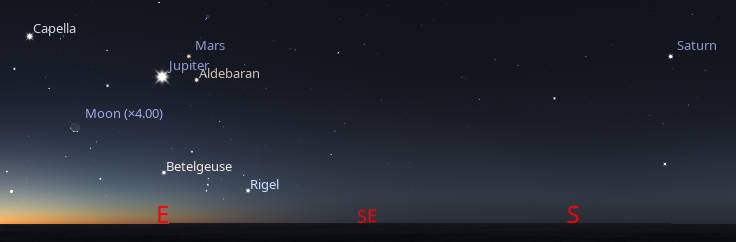
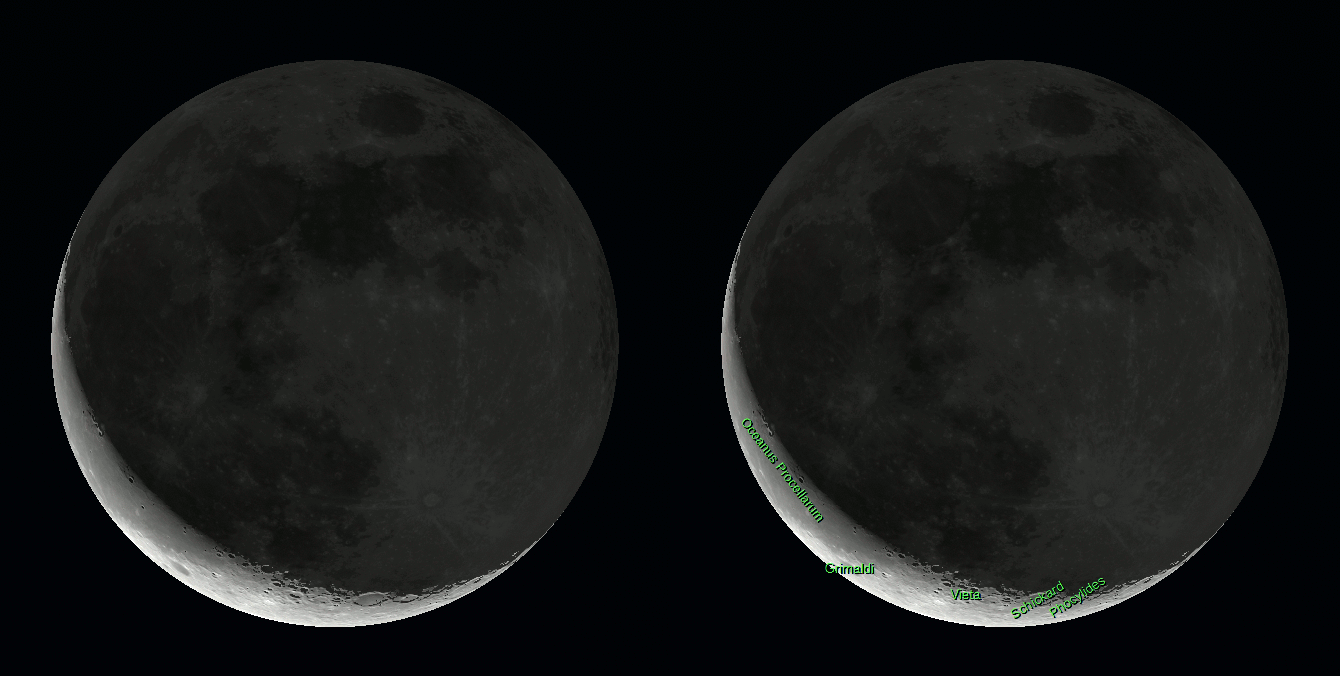
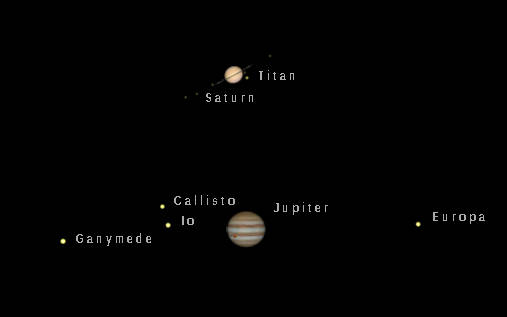
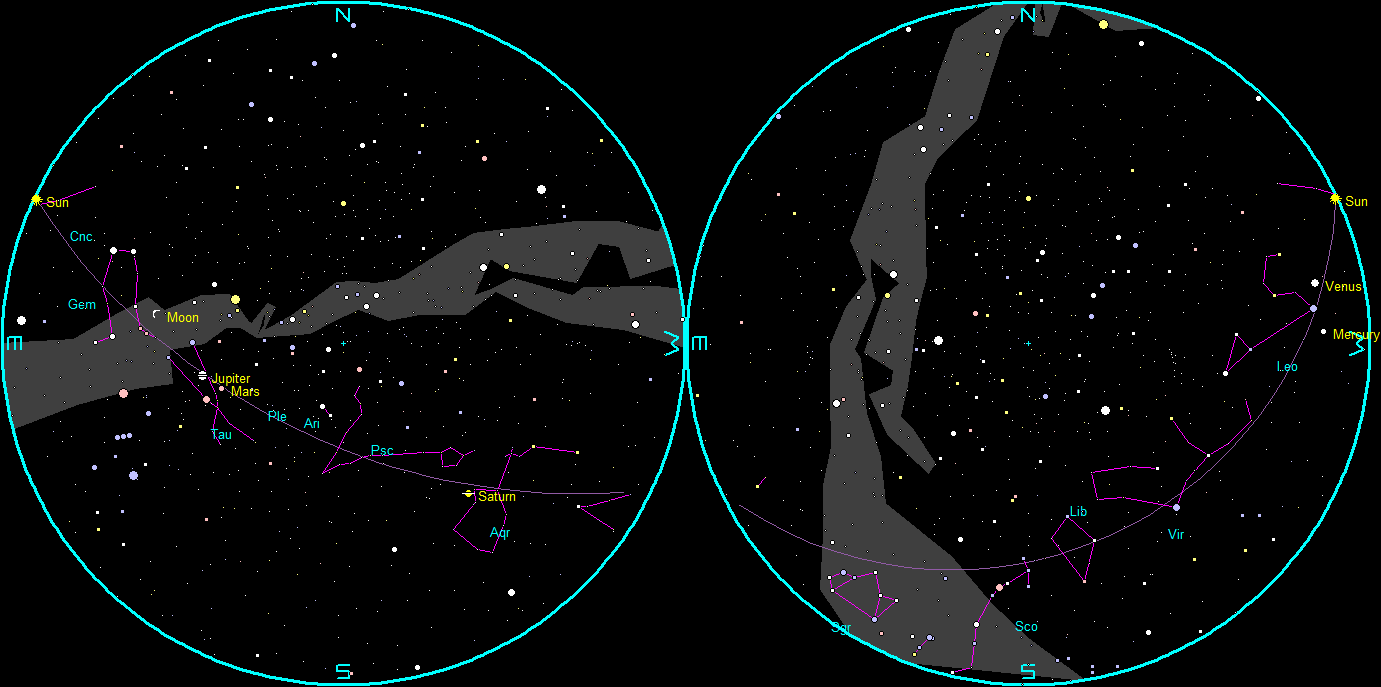
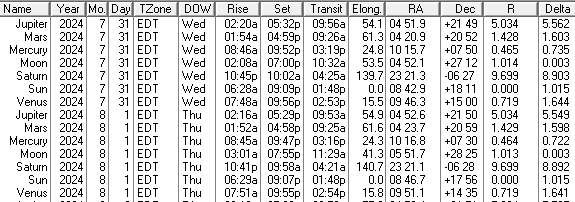
Let’s take our weekly look at the whereabouts of the naked-eye planets. Venus may still be too close to the direction of the Sun to be easily seen, it will set at 9:56 pm in the west-northwest. The best time to spot it will start about 9:30 pm or so, looking over a Lake Michigan horizon. Mercury now is too low and faint to be seen at that time. The rest of the planets are in the morning sky. By 5:30 tomorrow morning, or an hour before sunrise, Saturn will be in the south-southwest, Mars and Jupiter will make a small triangle with the bright star Aldebaran in the east with Mars on top and Jupiter on the left. Below and left of Jupiter will be the crescent Moon. Saturn may look disappointing in telescopes this year since rings are nearly edge on and appear almost as a line through the planet. Saturn will rise at 10:45 pm, Mars will rise at 1:56 am, and finally Jupiter at 2:20 am.
The astronomical event times given are for the Traverse City/Interlochen area of Michigan (EDT, UT–4 hours). They may be different for your location.
Addendum
Ephemeris: 07/29/2024 – Late July’s meteor shower
This is Ephemeris for Monday, July 29th. Today the Sun will be up for 14 hours and 45 minutes, setting at 9:11, and it will rise tomorrow at 6:27. The Moon, 2 days past last quarter, will rise at 1:26 tomorrow morning.
There are more meteor showers that occur in the second-half of the year than there are in the first six months of the year. I don’t know why that is. The first of these major showers is the Southern Delta Aquariid meteor shower. There happens to be a few meteor showers at appear to emanate from the constellation of Aquarius so they named them after the closest star to the direction they appear to come from at their maximum. The star Delta in the southern part of Aquarius is associated with two meteor showers. This one appears to be coming from south of that star. And are only an eighth as active as the Perseids that we’re going to have next month partly because the radiant point doesn’t get very high in the sky.
The astronomical event times given are for the Traverse City/Interlochen area of Michigan (EDT, UT–4 hours). They may be different for your location.
Addendum
Ephemeris: 07/26/2024 – View the Sun from the Sleeping Bear Dunes tomorrow
Sorry, I’ve posted this a bit late.
This is Ephemeris for Friday, July 26th. Today the Sun will be up for 14 hours and 51 minutes, setting at 9:14, and it will rise tomorrow at 6:24. The Moon, 1 day before last quarter, will rise at 12:03 tomorrow morning.
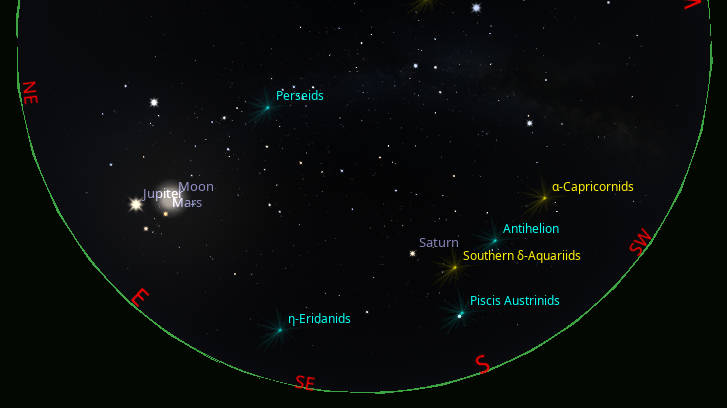
Tomorrow, Saturday, July 27th there will be solar viewing at the Sleeping Bear Dunes National Lakeshore, at the Dune Climb from 3 to 6 PM. Park Rangers will be joined by members of the Grand Traverse Astronomical Society with their specially filtered telescopes to view the sun safely. This is a period of great solar activity. Remember the Northern Lights of last month? Solar filtered telescopes will safely view the surface of the sun, called the photosphere and sunspots, while the society also has two special solar telescopes with which to view the layer of gas above the surface called the chromosphere and prominences which look like flames coming off the chromosphere. This is the last of the two solar observing opportunities this summer.
The astronomical event times given are for the Traverse City/Interlochen area of Michigan (EDT, UT–4 hours). They may be different for your location.
Addendum
Ephemeris: 07/25/2024 – The Milky Way as it will appear tonight
This is Ephemeris for Thursday, July 25th. Today the Sun will be up for 14 hours and 54 minutes, setting at 9:16, and it will rise tomorrow at 6:23. The Moon, 2 days before last quarter, will rise at 11:43 this evening.
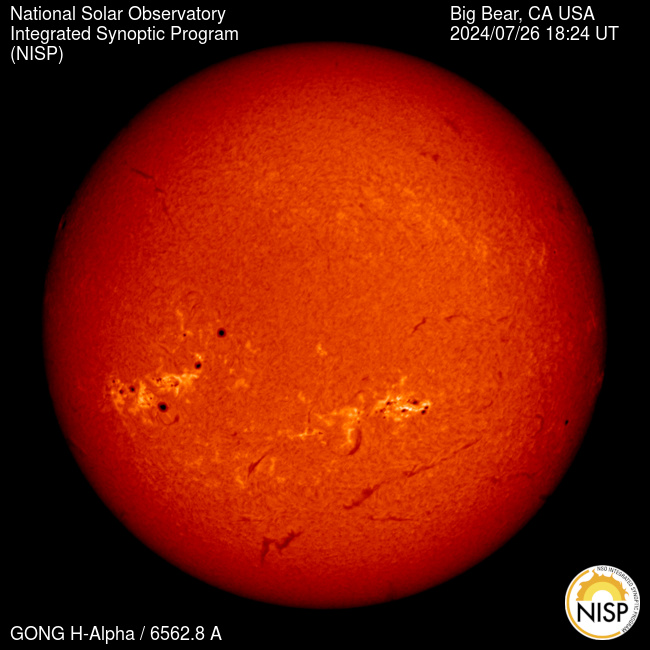
With the Moon out of the sky until almost 11:30 PM we get our first look at the summer Milky Way in the evening. The Milky Way will stretch from the east-northeast, high in the east to the South. The asterism of the stout little Teapot in Sagittarius, low to the south, is near the bottom end of the Milky Way. The milky stream appears as steam coming out of the spout. With more stars there, one might be able to see the Centaur with a bow and arrow. The front part of the teapot is the bow. The bottom left, and the far right star are the back and the tip of the arrow which is pointing at the heart of Scorpius the scorpion in the south-southwest. We’ll be exploring the wonders of the summer Milky Way this month and next.
The astronomical event times given are for the Traverse City/Interlochen area of Michigan (EDT, UT–4 hours). They may be different for your location.
Addendum
Ephemeris: 07/24/2024 – Where are the naked-eye planets this week?
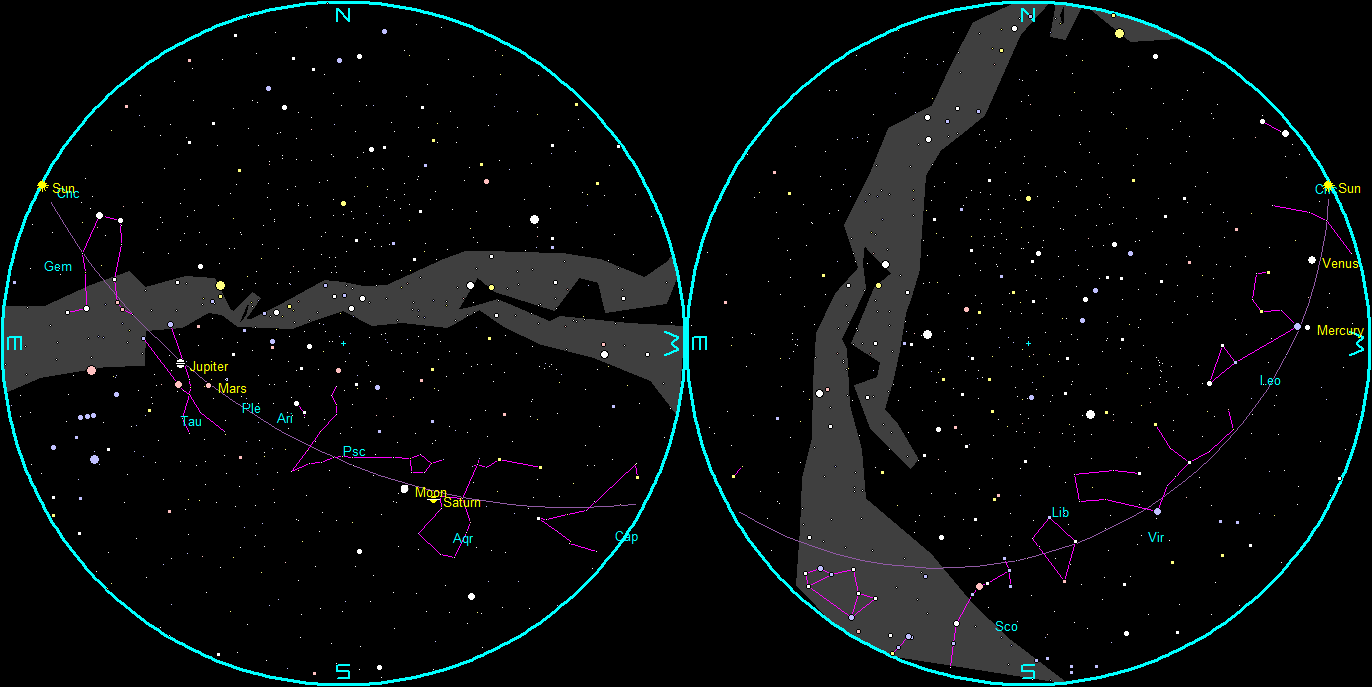
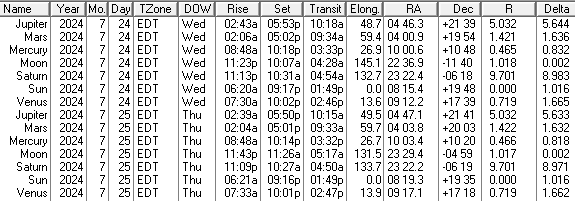
This is Ephemeris for Wednesday, July 24th. Today the Sun will be up for 14 hours and 56 minutes, setting at 9:17, and it will rise tomorrow at 6:21. The Moon, halfway from full to last quarter, will rise at 11:23 this evening.
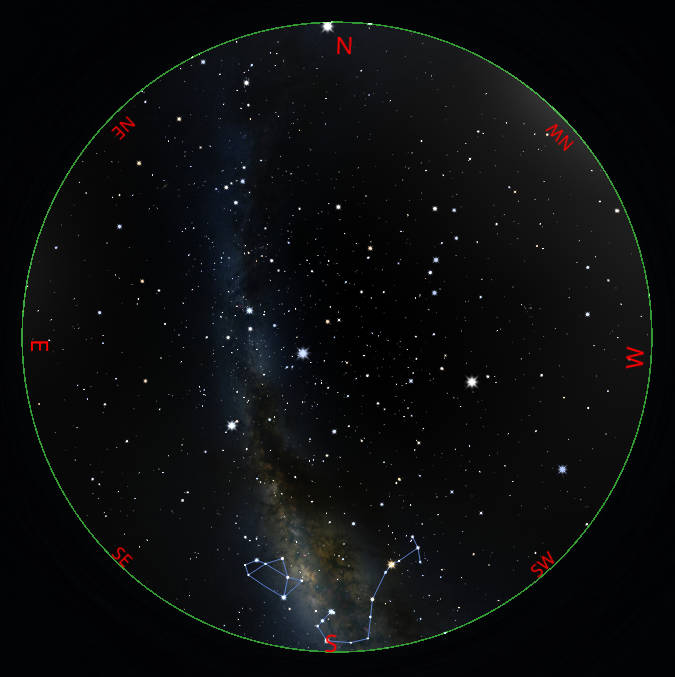
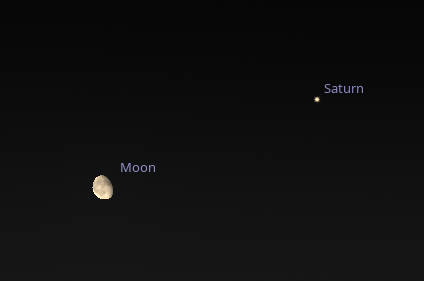
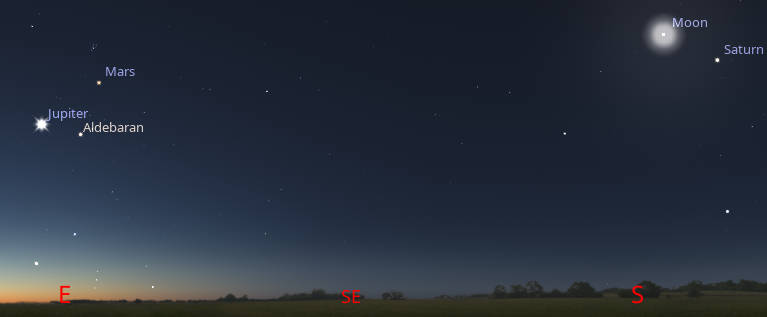
Let’s take our weekly look at the whereabouts of the naked-eye planets. Venus may still be too close to the direction of the Sun to be easily seen, it will set at 10:02 pm in the west-northwest. The best time to spot it will start about 9:40 pm or so. Mercury has been fading as its phase has become a crescent, as it’s heading back to the direction of the Sun. By 5:30 tomorrow morning, or about 50 minutes before sunrise, Saturn will be in the south below and right of the waning gibbous Moon, Mars and Jupiter will make a right triangle with the bright star Aldebaran in the east with Mars on top and Jupiter on the left. Saturn may look disappointing in telescopes this year since rings are nearly edge on and appear almost as a line through the planet. Saturn will rise at 11:14 pm, Mars will rise at 2:04 am, and finally Jupiter at 2:39 am.
The astronomical event times given are for the Traverse City/Interlochen area of Michigan (EDT, UT–4 hours). They may be different for your location.
Addendum
 Bob Moler's Ephemeris Blog