Ephemeris: 11/27/2023 – Seeing in low light levels
This is Bob Moler with Ephemeris for Monday, November 27th. Today the Sun will be up for 9 hours and 10 minutes, setting at 5:05, and it will rise tomorrow at 7:56. The Moon, at full today, will rise at 5:01 this evening.
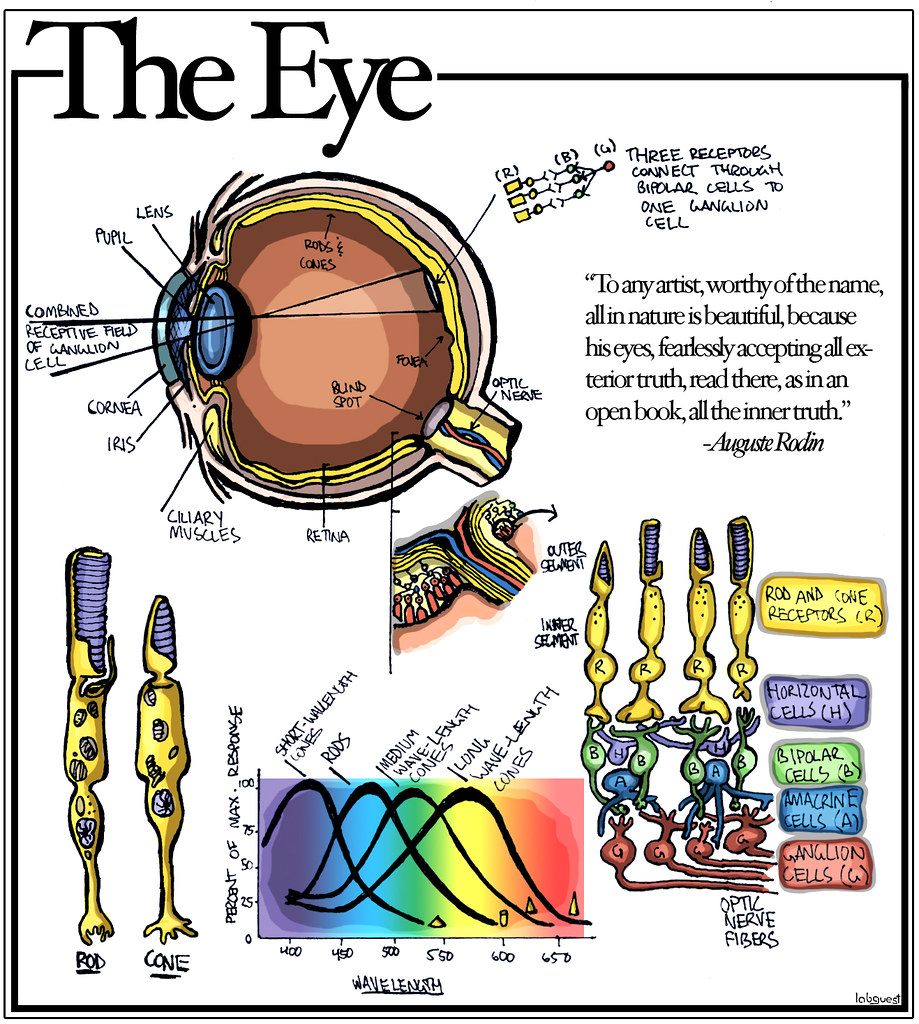
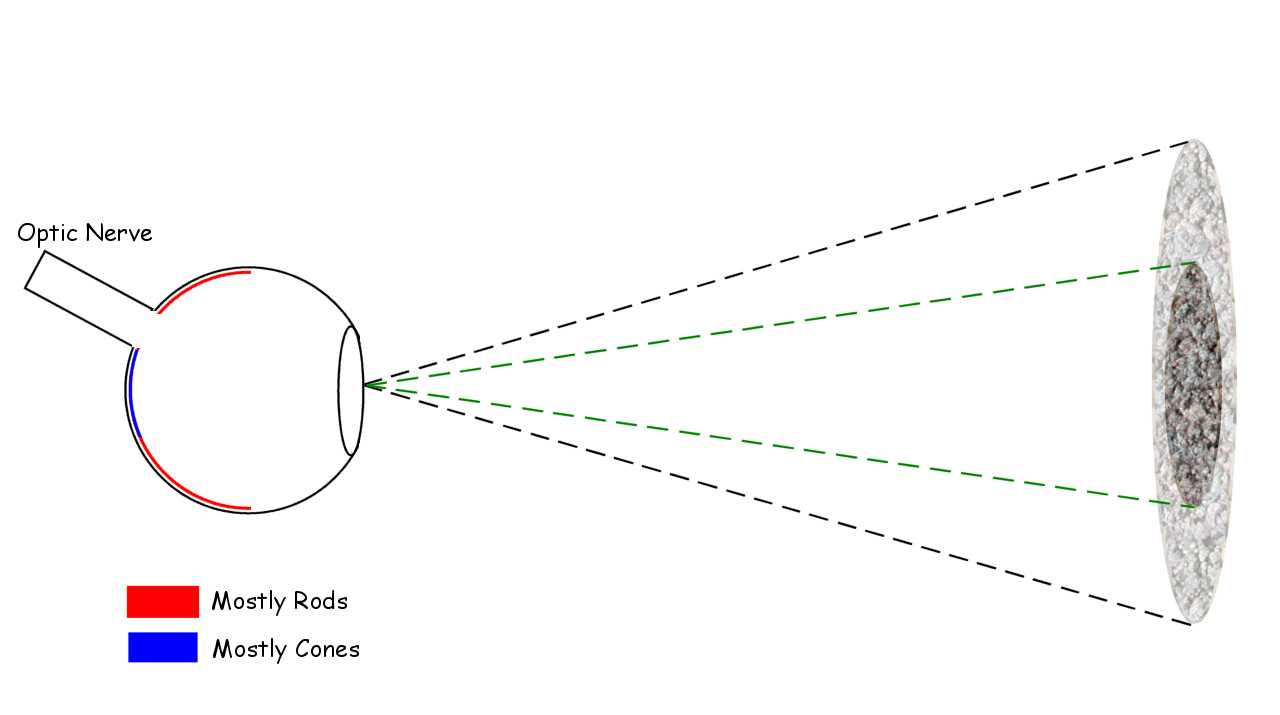
Today’s full moon is called the Beaver full moon actually the moon was exactly full at 4:16 this morning, so last night it was actually closer to full moon than it will be tonight. The bright full moon fills the sky with light so most of the fainter stars disappear. The sky looks gray when the moon is full, but it is just as blue as the daytime sky. It’s just that our eyes cannot discern color at low light levels. We sacrifice our color vision for night vision. Other animals can see in the dark much better than we can, though some of them do not have quite the color vision we have so viewing the skies and viewing the world around us is a compromise. We were evolved from creatures that were most active in the daytime and hid at night. My cats can see much better in the dark than I can. However, the other animals do not have the abilities we have to create tools and instruments to allow us to see better in the dark than they can.
The astronomical event times given are for the Traverse City/Interlochen area of Michigan (EST, UT –5 hours). They may be different for your location.
Addendum
Ephemeris: 11/24/2023 – Thoughts on Native American Heritage Day
This is Ephemeris for Native American Heritage Day, Friday, November 24th. Today the Sun will be up for 9 hours and 16 minutes, setting at 5:07, and it will rise tomorrow at 7:52. The Moon, 3 days before full, will set at 5:51 tomorrow morning.
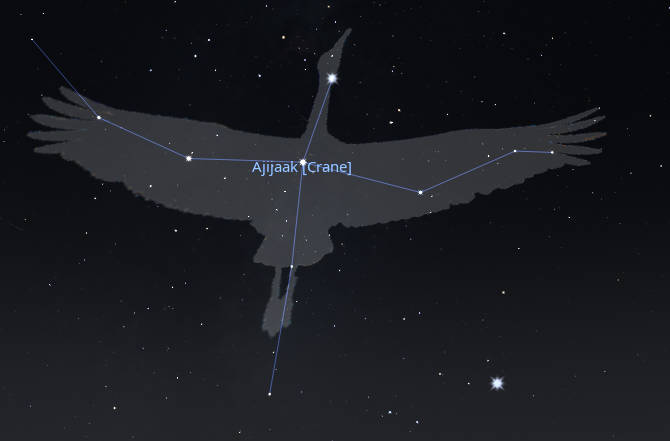
My Heritage is from Northern and Eastern Europe, not one particular country. I have no desire to go or to learn too much more about The Old Countries. And growing up, I grew up in a white neighborhood went to white schools because people of other ethnicities didn’t live in our part of town so we had no mixing of cultures. So I grew up as an American with American cultural values, whatever that is. It was rather late in life, actually doing this program, that I got very interested in the culture of the Native Americans in our area the Anishinaabe, whose groups around here are the Chippewa, or Ojibwe and the Odawa, or Ottawa and learned of their stories and legends, especially those involving sky lore. I find it very interesting and just as rich as the culture we got from the Romans and Greeks. So from time to time on this program I’ll talk about various constellations and stories of our Native American neighbors.
The astronomical event times given are for the Traverse City/Interlochen area of Michigan (EST, UT –5 hours). They may be different for your location.
Addendum
Ephemeris: 11/23/2023 – Celestial Navigation in the time of the Mayflower
This is Ephemeris for Thanksgiving Day, Thursday, November 23rd. Today the Sun will be up for 9 hours and 18 minutes, setting at 5:08, and it will rise tomorrow at 7:51. The Moon, 3 days past first quarter, will set at 4:33 tomorrow morning.
Being Thanksgiving it would be nice take a look at something astronomical about the day. Say celestial navigation in the day of the Mayflower. Back then one could find one’s latitude or position North and South of the equator by sighting the altitude of Sun at noon. Determining noon for one’s position took several sightings. Noon was the time of the highest altitude or angle that the sun was above the horizon. Several sighting would have to be made until one found the time that the sun was highest above the horizon and knowing the day of the year to get the Sun’s declination which is its latitude in the sky to calculate one’s own latitude. Estimating one’s longitude was a much more difficult proposition.
The astronomical event times given are for the Traverse City/Interlochen area of Michigan (EST, UT –5 hours). They may be different for your location.
Addendum

)
Ephemeris: 11/22/2023 – Where have the naked-eye planets wandered off to this week?
This is Ephemeris for Wednesday, November 22nd. Today the Sun will be up for 9 hours and 20 minutes, setting at 5:08, and it will rise tomorrow at 7:50. The Moon, 2 days past first quarter, will set at 3:17 tomorrow morning.
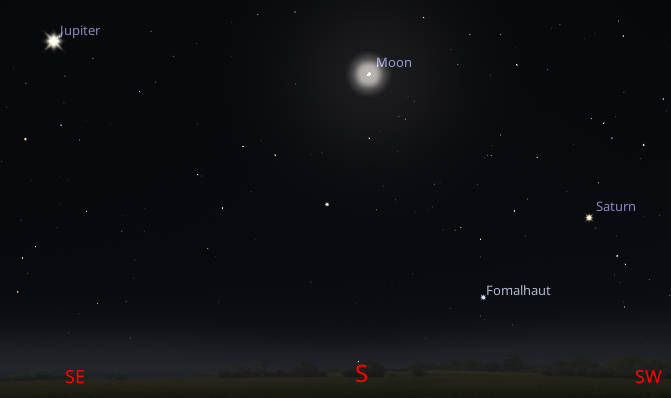
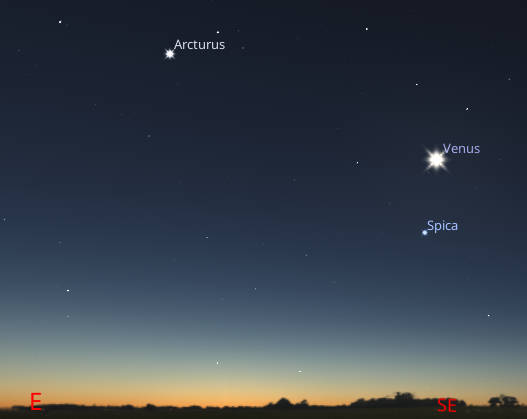
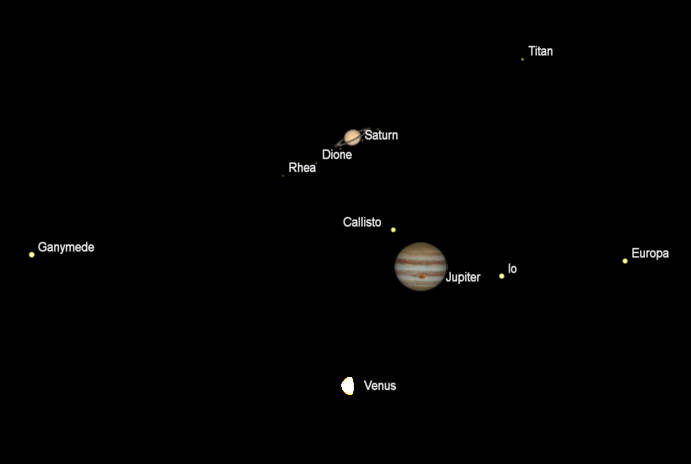
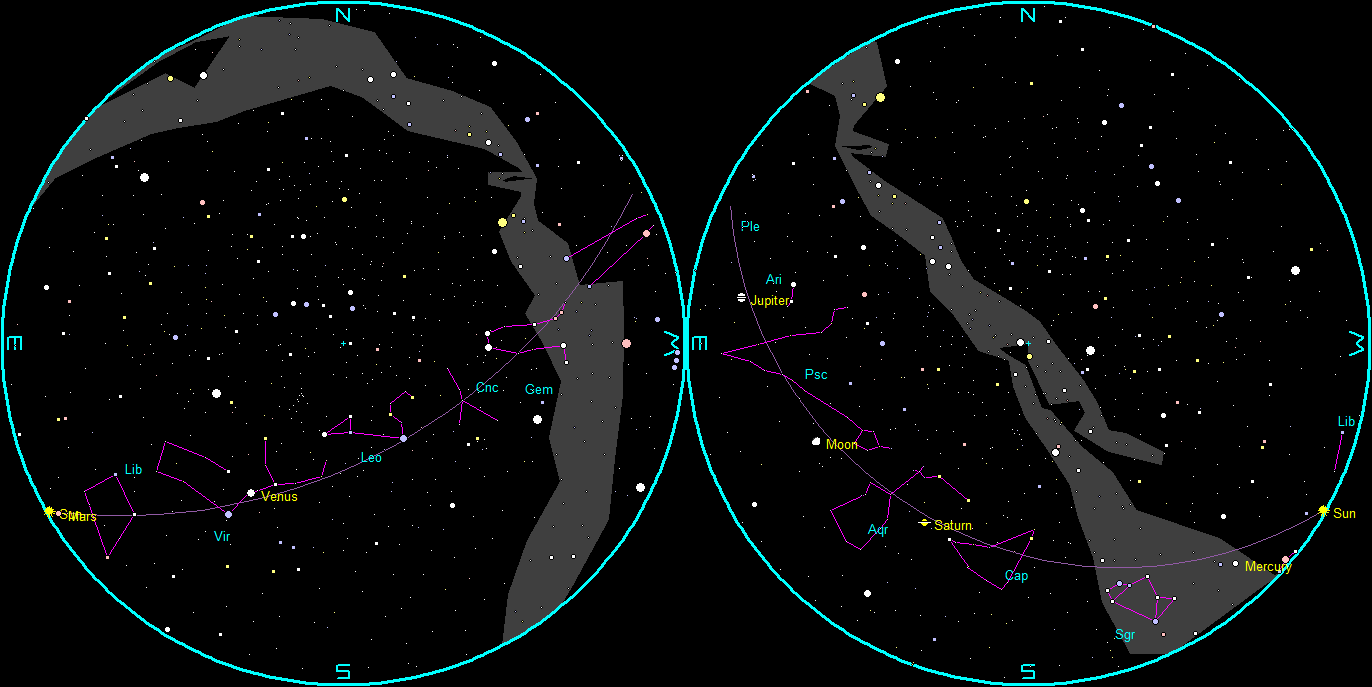
Let’s find out where the naked-eye planets have wandered off to this week. Three of those five planets are now visible, but Mercury sets too close to sunset to be seen. Mars is now a morning planet after passing conjunction with the Sun last Friday. So, Saturn and Jupiter are the only evening planets visible. Saturn can be seen moving from the south to the southwest in the evening. Saturn will be visible until 12:04 am. Jupiter is seen moving from low in the east-southeast to south-southeast in the evening. Only the Moon is brighter in the evening. Jupiter will be up most of the night until 5:54 am. The gibbous Moon is almost exactly centered between Saturn and Jupiter. Venus, the brilliant morning star, will rise in the east-northeast at 3:57 am.
The astronomical event times given are for the Traverse City/Interlochen area of Michigan (EST, UT –5 hours). They may be different for your location.
Addendum
Ephemeris: 11/21/2023 – Where I was 60 years ago tomorrow
This is Ephemeris for Tuesday, November 21st. Today the Sun will be up for 9 hours and 22 minutes, setting at 5:09, and it will rise tomorrow at 7:48. The Moon, 1 day past first quarter, will set at 2:00 tomorrow morning.
Sixty years ago tomorrow, November 22nd 1963, President John F Kennedy was assassinated in Dallas. On that day I was in Basic Training for the Air Force at Lackland Air Force Base just South of San Antonio, about 250 miles south of Dallas. Being in Basic Training meant we were pretty well cut off from the outside world as far as finding out what was happening. That day I happened to be serving KP and in the afternoon after washing all the pots and pans from lunch we were sitting around at the back of the Mess Hall when we found out from one of the cooks that Kennedy was shot. There were also rumors going around that they took out Vice President Johnson too. So we’re wondering if this was a massive assault on our government. I thought this was a hell of a time to join the military, we could be off to war soon.
The astronomical event times given are for the Traverse City/Interlochen area of Michigan (EST, UT –5 hours). They may be different for your location.
Ephemeris: 11/20/2023 – Observing the Moon tonight
This is Ephemeris for Monday, November 20th. Today the Sun will be up for 9 hours and 24 minutes, setting at 5:10, and it will rise tomorrow at 7:47. The Moon, at first quarter today, will set at 12:42 tomorrow morning.
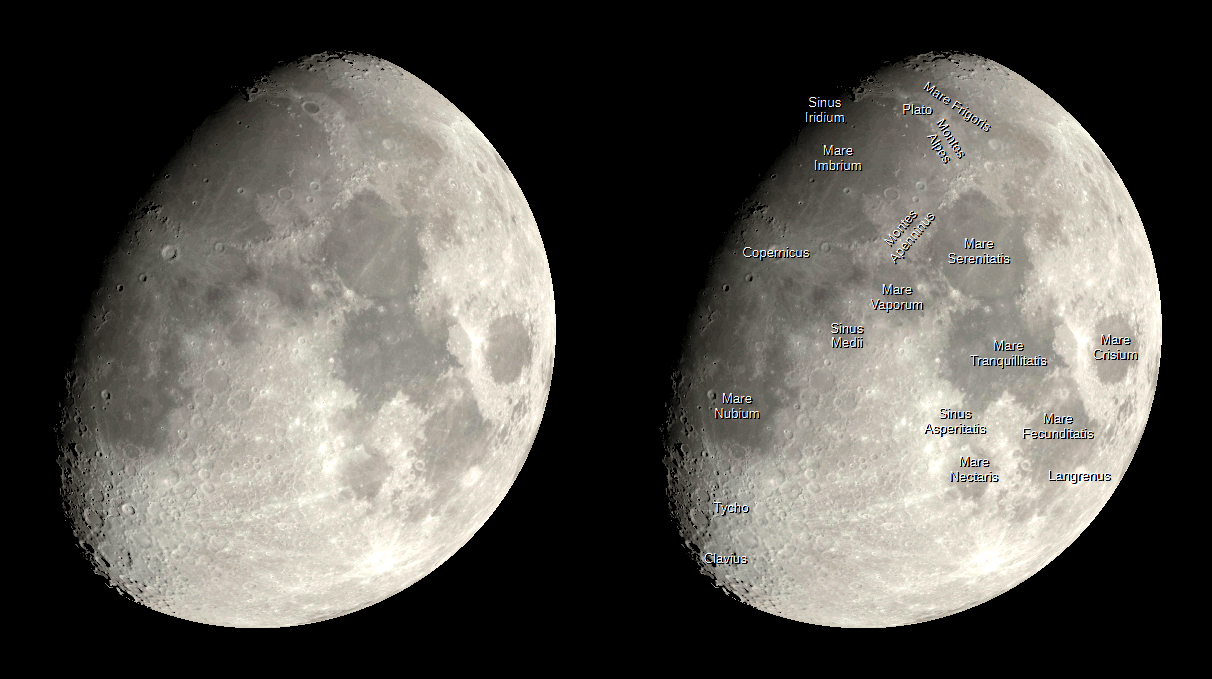
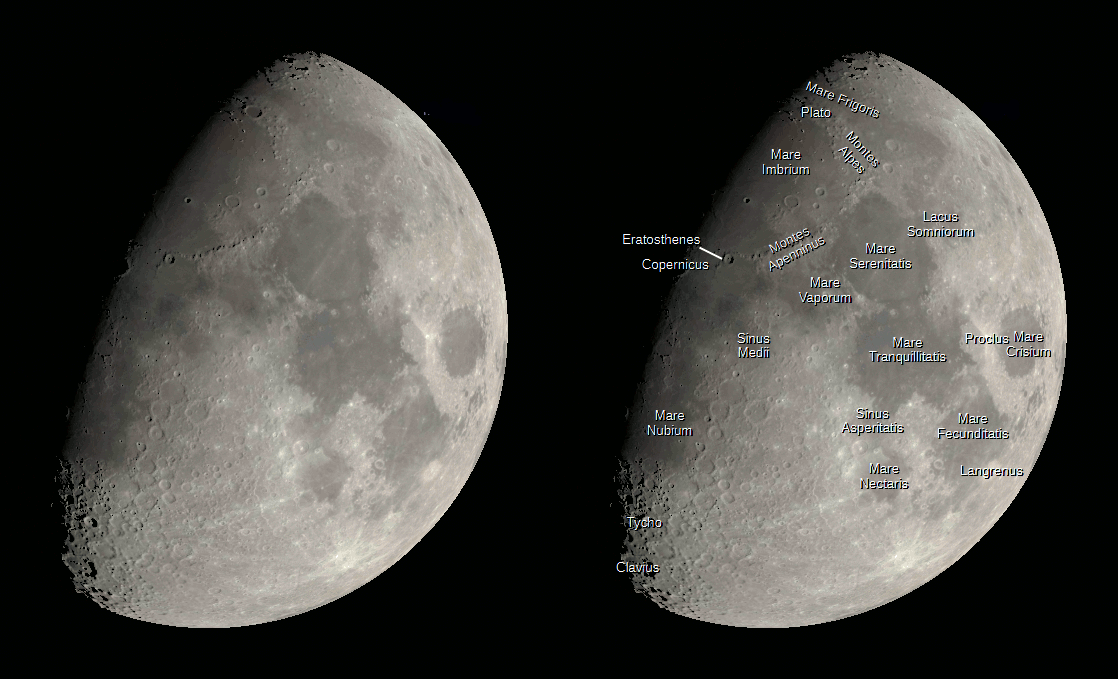
The moon was exactly first quarter at 5:50 this morning. By this evening it will be slightly gibbous. If I want to see the most detail on the Moon of any kind, the best time to observe it is within a few days of first quarter. More craters are visible, and other features are easier to see then. The southern part of the Moon or the bottom part, as we see it, is littered with craters. It’s called the lunar highlands, and they are really higher than the darker and flatter regions, which are called seas. There is no water in them but if the Moon did have water, that’s where it would be. There are a couple of mountain ranges which are actually the edges of a sea called Mare Imbrium that are just coming into view. They show up nicely with their shadows. It’s shadows that make the detail on the moon stand out, because the Moon basically is darker gray on lighter gray, so the only contrast is with shadows. That’s why I find the full moon to be so disappointing. No shadows.
The astronomical event times given are for the Traverse City/Interlochen area of Michigan (EST, UT –5 hours). They may be different for your location.
Ephemeris: 11/17/2023 – Observing this weekend’s Leonid meteor shower
This is Ephemeris for Friday, November 17th. Today the Sun will be up for 9 hours and 30 minutes, setting at 5:12, and it will rise tomorrow at 7:43. The Moon, 3 days before first quarter, will set at 8:45 this evening.
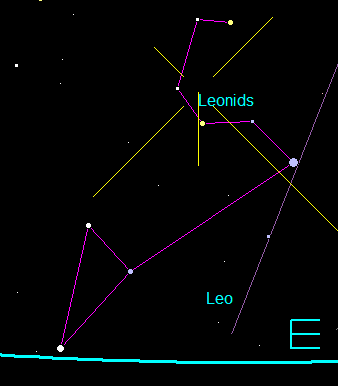
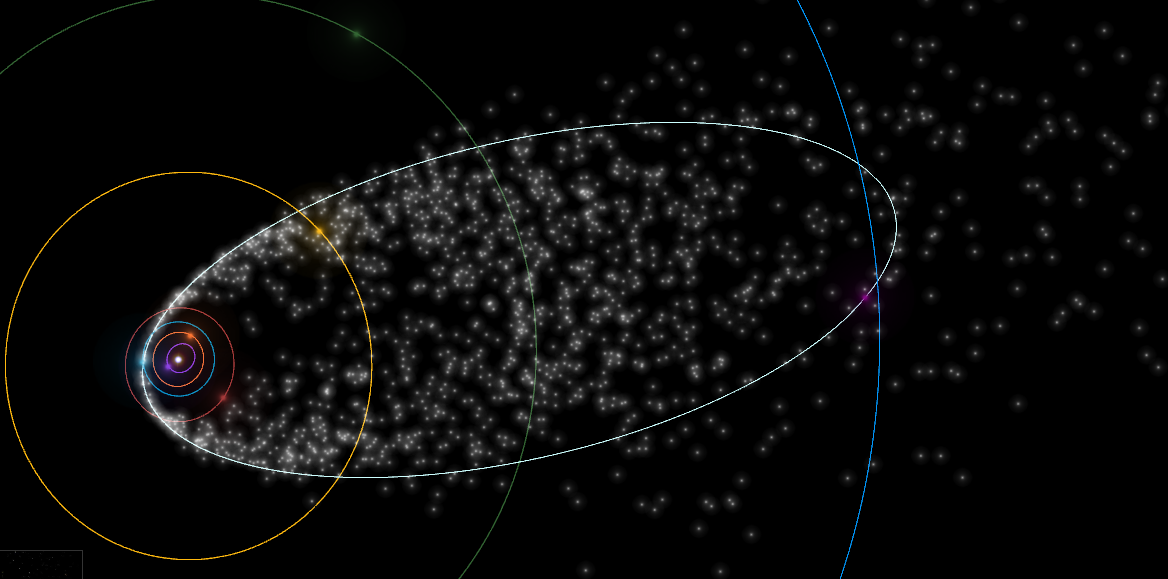
The Leonid meteor shower will reach peak this weekend. The normal peak will be actually this evening before the radiant, where the meteors seem to come from, rise which they will do at 11 pm. So tomorrow morning it would be a good time to see them. We only expect about 15 meteors an hour at peak. There is a possibility of another peak on the 21st which is Tuesday morning just before dawn composed of supposedly bright meteors from the passage of the comet crossed Earth’s orbit in 1767. So if it’s clear, and you’re willing to go outdoors and see what you can see of the Leonid meteor shower. The Leonids get really spectacular about every 33 years, and we’re about 8 or 9 years from now.
The astronomical event times given are for the Traverse City/Interlochen area of Michigan (EST, UT –5 hours). They may be different for your location.
Addendum
Ephemeris: 11/15/2023 – Other possible contact binary solar system bodies
This is Ephemeris for Thursday, November 16th. Today the Sun will be up for 9 hours and 32 minutes, setting at 5:13, and it will rise tomorrow at 7:42. The Moon, 3 days past new, will set at 7:34 this evening.
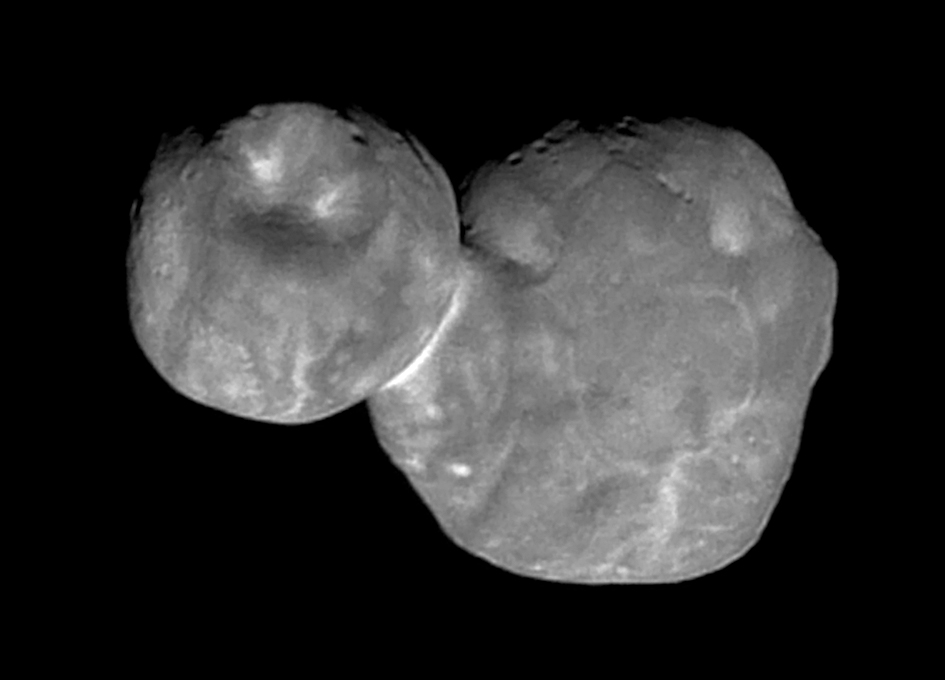
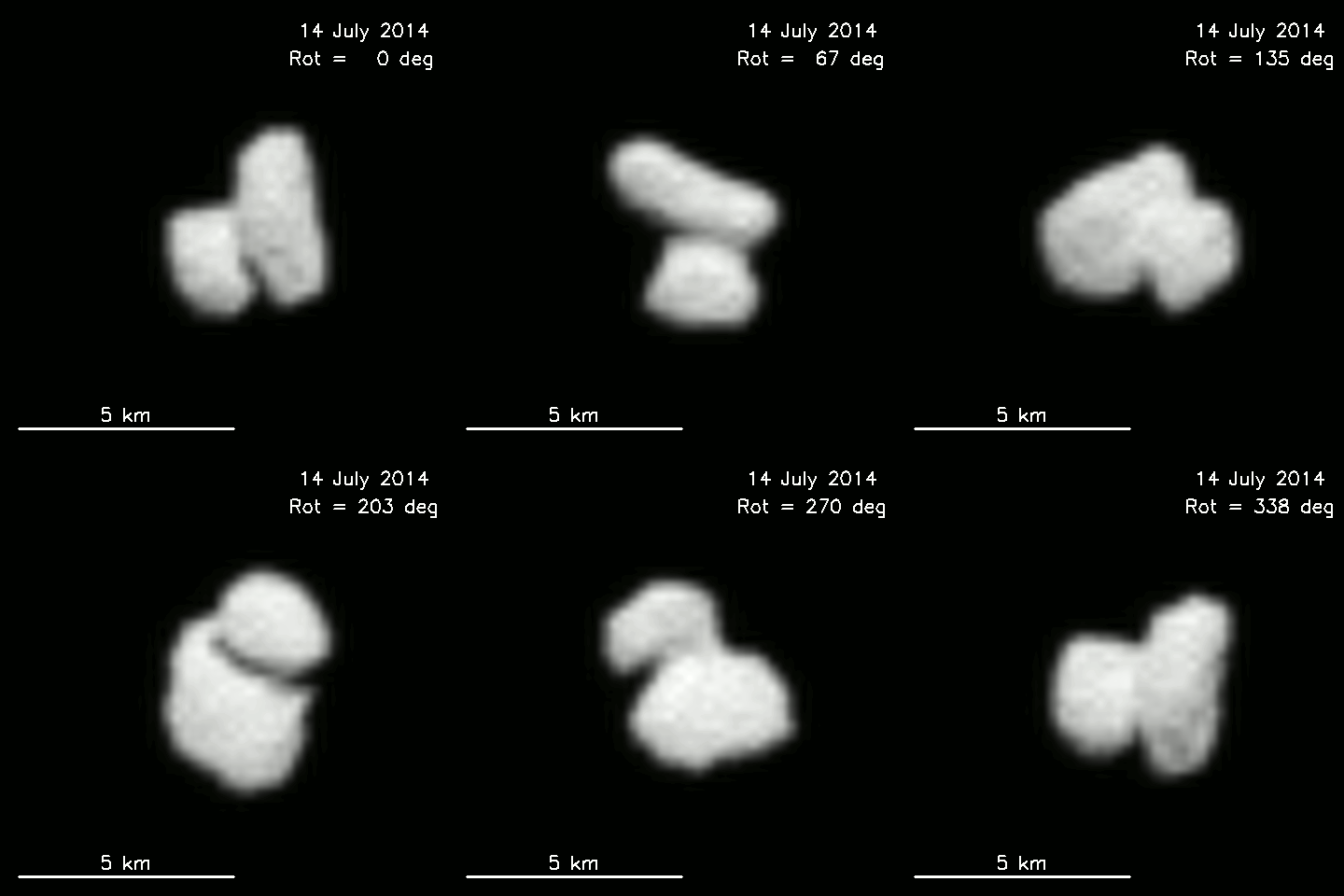
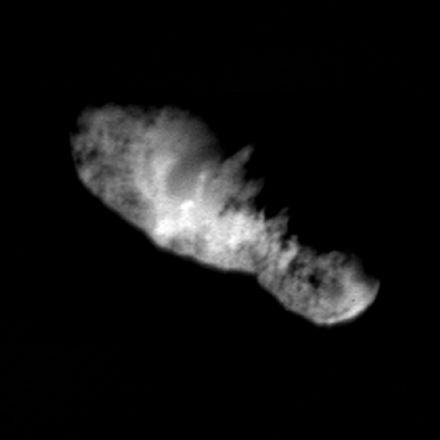
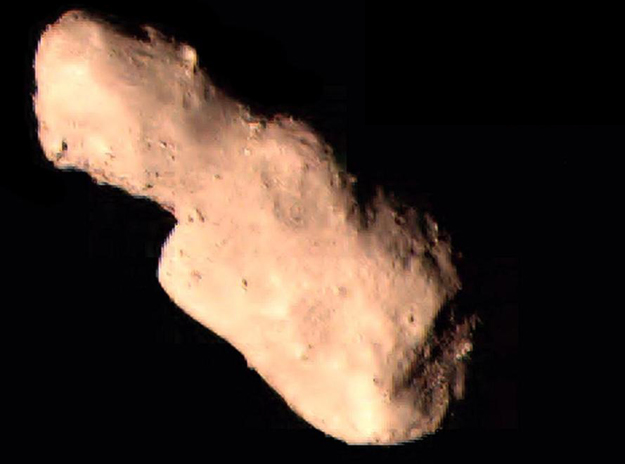
Thinking about it after seeing the contact the binary satellite of the asteroid that the Lucy spacecraft just flew by I have memories of several other bodies that could be contact binaries. The first one is that the New Horizons spacecraft passed four years ago which looked like two bodies stuck together, actually two pancakes because they weren’t spherical, but they were rather flattened. That Kuiper Belt Object now has the name Arrokoth. Comet 67 P, I won’t try to pronounce its name (Churyumov-Gerasimenko), that the Rosetta spacecraft orbited a few years ago, kinda looked like a rubber ducky with a small part attached to a larger part. It could be a contact binary. Again and there are a couple of comet nuclei that look like bowling pins. They may be contact binaries too.
The astronomical event times given are for the Traverse City/Interlochen area of Michigan (EST, UT –5 hours). They may be different for your location.
Addendum


Ephemeris: 11/15/2023 – Where have the naked-eye planets wandered off to this week
This is Ephemeris for Wednesday, November 15th. Today the Sun will be up for 9 hours and 35 minutes, setting at 5:14, and it will rise tomorrow at 7:40. The Moon, 2 days past new, will set at 6:35 this evening.
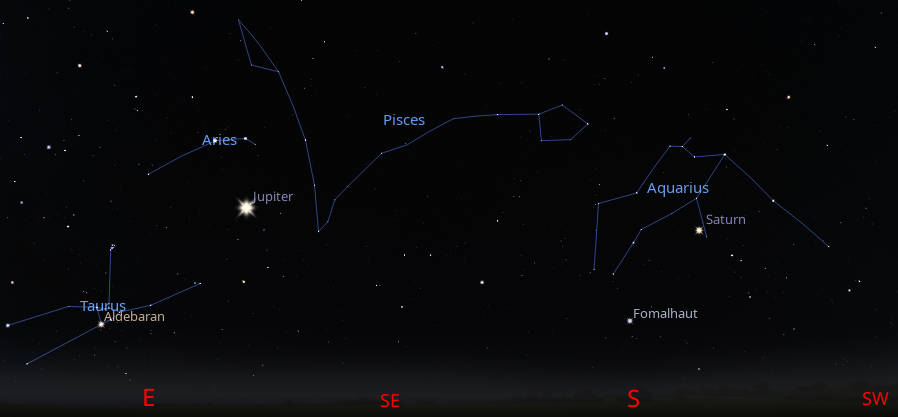
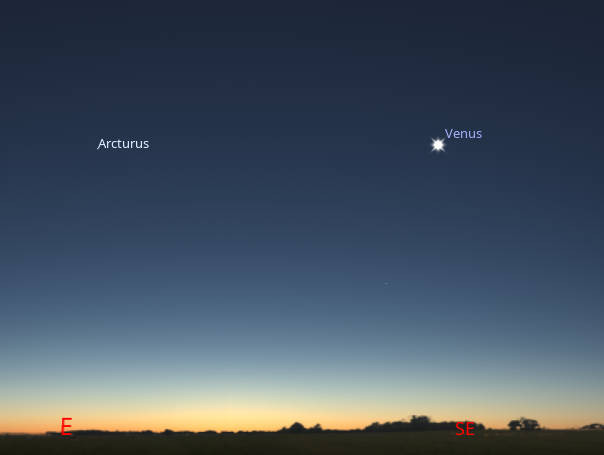
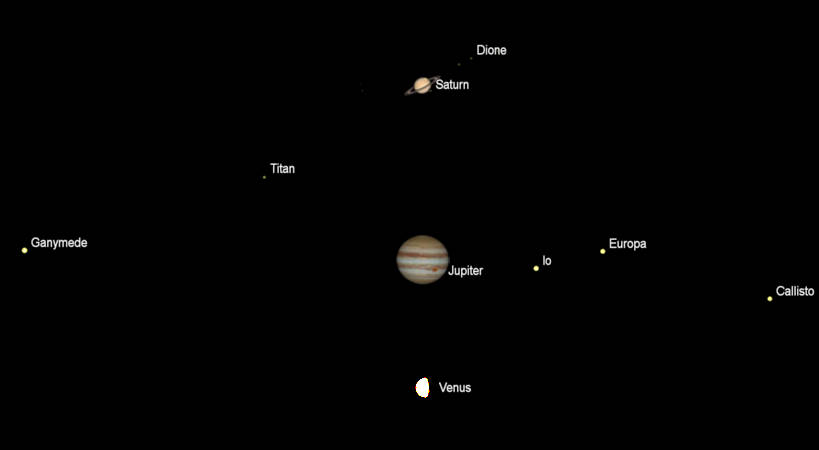
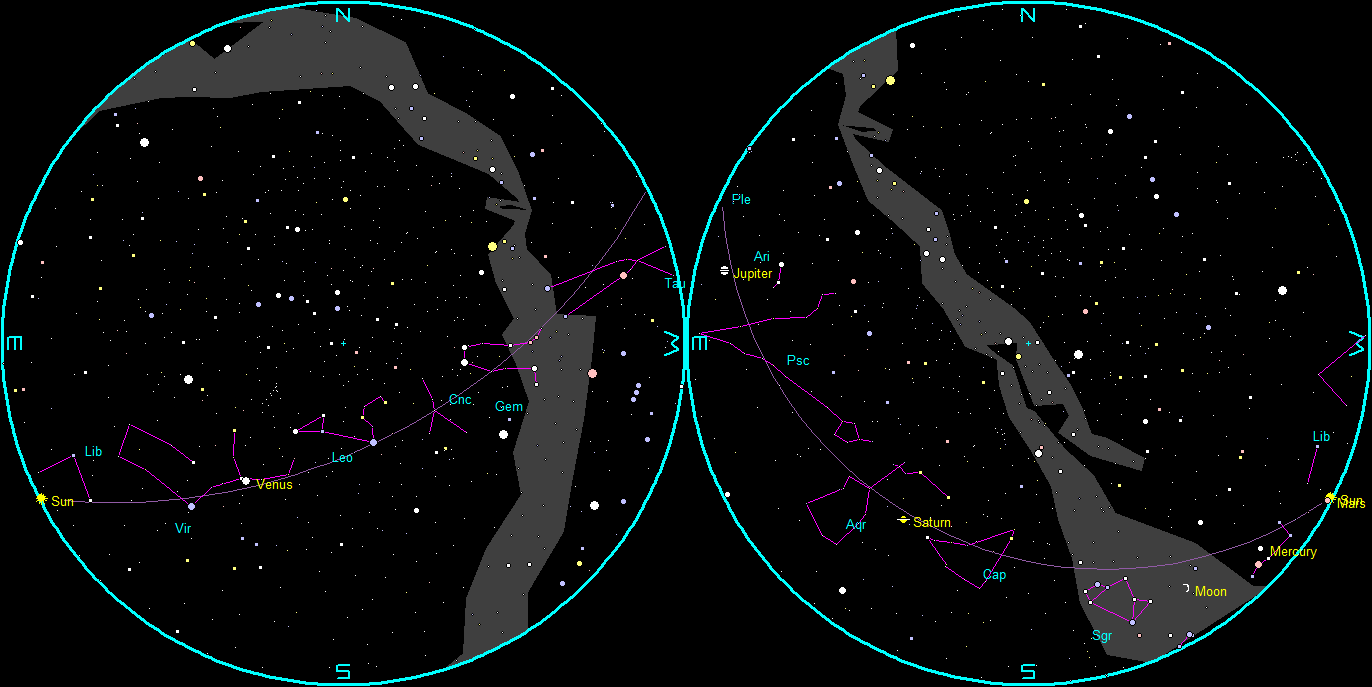
Let’s find out where the naked-eye planets have wandered off to this week. Three of those five planets are now visible but both Mars and Mercury set too close to sunset to be seen. Mars will actually be in conjunction with the Sun Friday and become a morning planet thereafter. So, Saturn and Jupiter are the only evening planets visible. Saturn, seen against the stars of Aquarius, can be seen moving from the south to the southwest in the evening. Saturn will be visible till almost 12:45 am. Jupiter is seen moving from low in the east to the high south in the evening, the brightest object in the sky. In Aries this year, Jupiter will be up most of the night. Venus, the brilliant morning star, will rise in the east-northeast at 3:41 am.
The astronomical event times given are for the Traverse City/Interlochen area of Michigan (EST, UT –5 hours). They may be different for your location.
Addendum
Ephemeris: 11/14/2023 – Lucy sees an asteroid with a double moon
This is Bob Moler with Ephemeris for Tuesday, November 14th. Today the Sun will be up for 9 hours and 37 minutes, setting at 5:15, and it will rise tomorrow at 7:39. The Moon, 1 day past new, will set at 5:48 this evening.
Two years ago a spacecraft called Lucy was sent out towards the Trojan Asteroids of Jupiter. On the way there it was going to pass another small asteroid, but they found another one that Lucy would come close to, the mission planners tweaked its orbit earlier this year. So Lucy can get close to the small asteroid called Dinkinesh. When Lucy got close to Dinkinesh earlier this month, it took photos, and they found that it had a satellite, and they took other photos from a different angle, and they found out that the satellite actually was two satellites in contact, a contact binary, two bodies stuck together. So that was quite a surprise. Neither body looked smooshed, so their collision appears to have been very gentle.
The astronomical event times given are for the Traverse City/Interlochen area of Michigan (EST, UT –5 hours). They may be different for your location.
Addendum

Dinkinesh is the Ethiopian name for the fossil, since it was found in Ethiopia. The name for the fossil given by the discoverers was Lucy, mainly because The Beatles song Lucy in the sky with diamonds was a big hit back then, and it was constantly played in the camp.
The next main belt asteroid that Lucy is going to pass on its way out to Jupiter’s Trojan asteroids is named Donaldjohansson in honor of the discoverer of the Lucy fossil. Jupiter’s Trojan asteroids are two groups of asteroids in the same orbit as Jupiter. One set is 60 degrees ahead of Jupiter in its orbit and the second set is 60 degrees behind Jupiter in its orbit. They’re there because they are at special gravitational points called Lagrangian points. The point ahead of Jupiter is the L4 point and the one trailing is L5. You may have heard me talk about L1 and L2 points having to do with the Earth and Sun system. These are two other Lagrangian points in line with the Sun-Earth axis, that are useful to orbit spacecraft around. There’s another one, but we don’t think there’s anything out there because that’s on the other side of the Sun from us, and none of the other planets have a body opposite to the Sun from them either, so the L3 point is not a viable point.
 Bob Moler's Ephemeris Blog