Archive
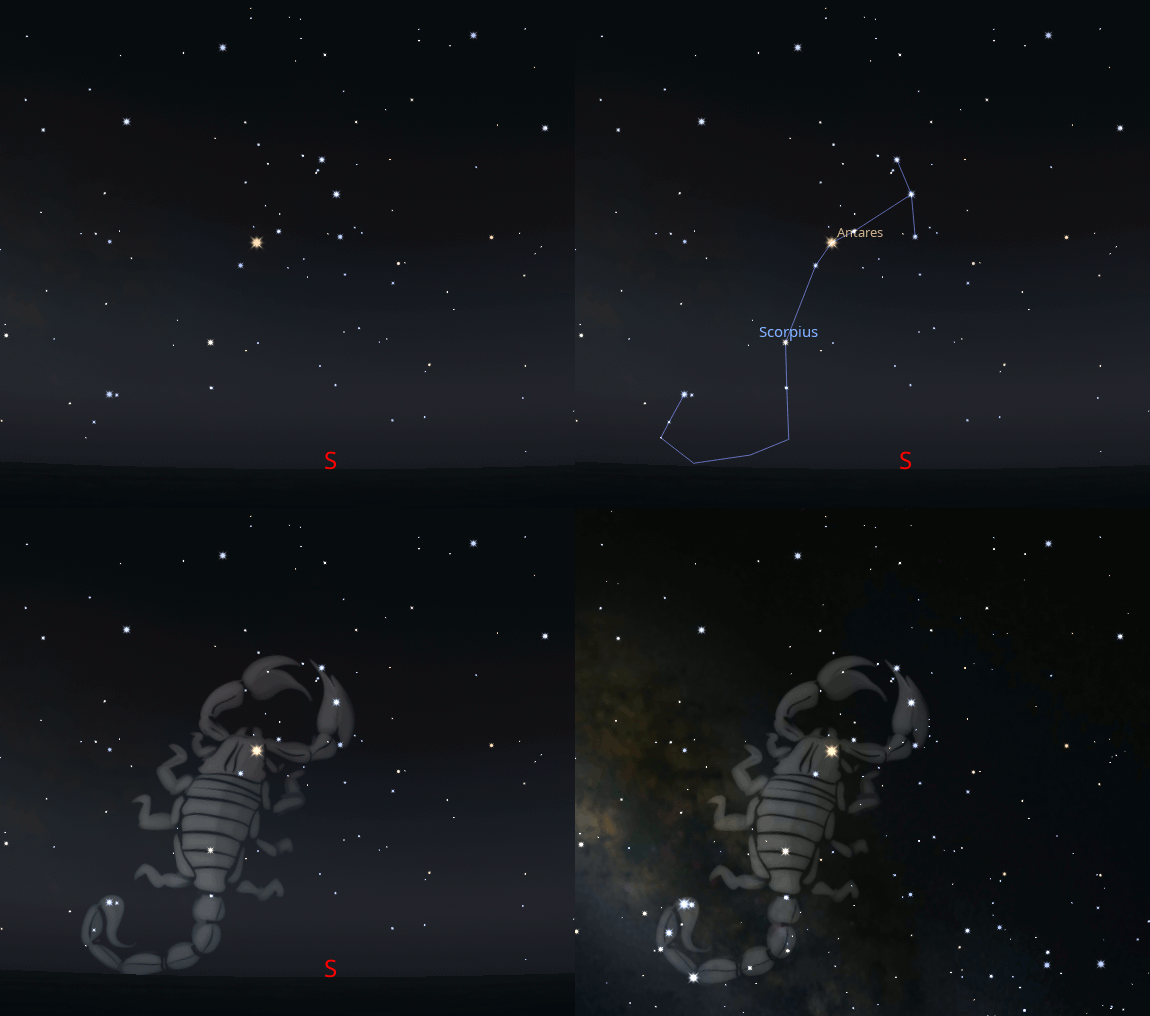
Ephemeris: 07/03/2026 – The celestial scorpion is crawling out on the southern horizon tonight
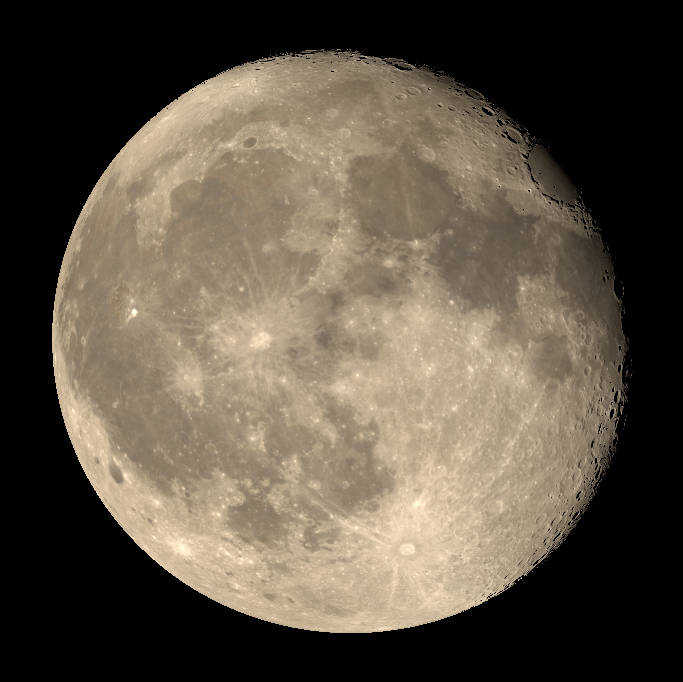
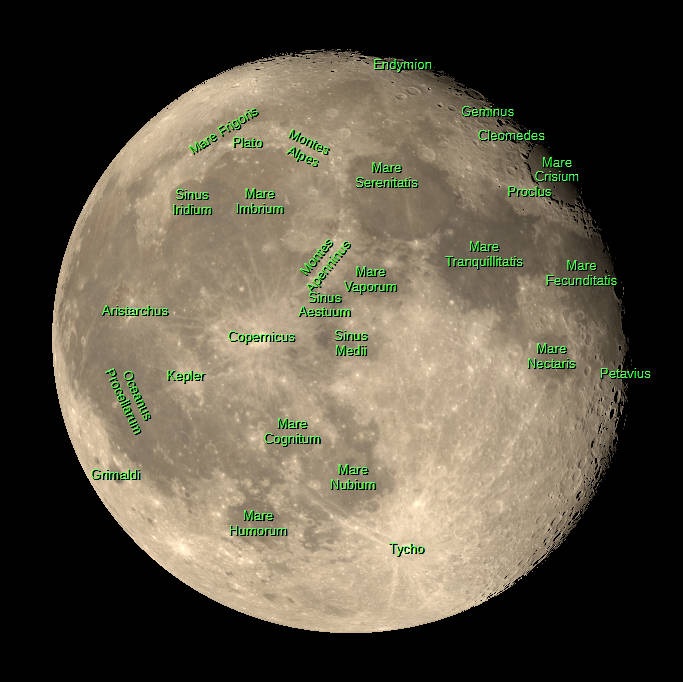
This is Ephemeris for Friday, July 3rd. Today the Sun will be up for 15 hours and 29 minutes, setting at 9:31, and it will rise tomorrow at 6:02. The Moon, halfway from full to last quarter, will rise at 11:47 this evening.
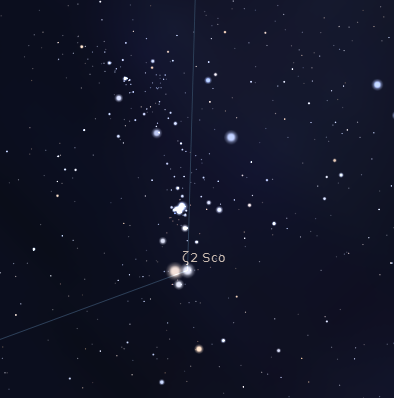
There’s a large constellation located low in the south at about 11 tonight. It’s Scorpius the scorpion. Its brightest star is Antares in its heart, a red giant star, that I’ve gotten calls about it as being a UFO. From Antares to the right is a star, then a vertical arc of three stars that is its head. The Scorpion’s tail is a line of stars running down to the left of Antares, swooping to the horizon before coming back up and ending in a pair of stars that portray his poisonous stinger. There is a beautiful star cluster, NGC 6231, seen in binoculars at that first bend in the tail that is unfortunately too low to appreciate from this far north. I was very impressed with it when spotting it from the Florida Keys when I was down there in 1986 to observe Halley’s Comet.
The astronomical event times given in this blog are for the Traverse City/Interlochen area of Michigan (Lat 44.7° N, Long 85.7° W; EDT, UT – 4 hours) unless stated otherwise. Times will be different for other locations.
Addendum
Ephemeris: 07/02/2026 – Finding Ophiuchus, the celestial snake handler
This is Ephemeris for Thursday, July 2nd. Today the Sun will be up for 15 hours and 30 minutes, setting at 9:31, and it will rise tomorrow at 6:02. The Moon, 3 days past full, will rise at 11:26 this evening.
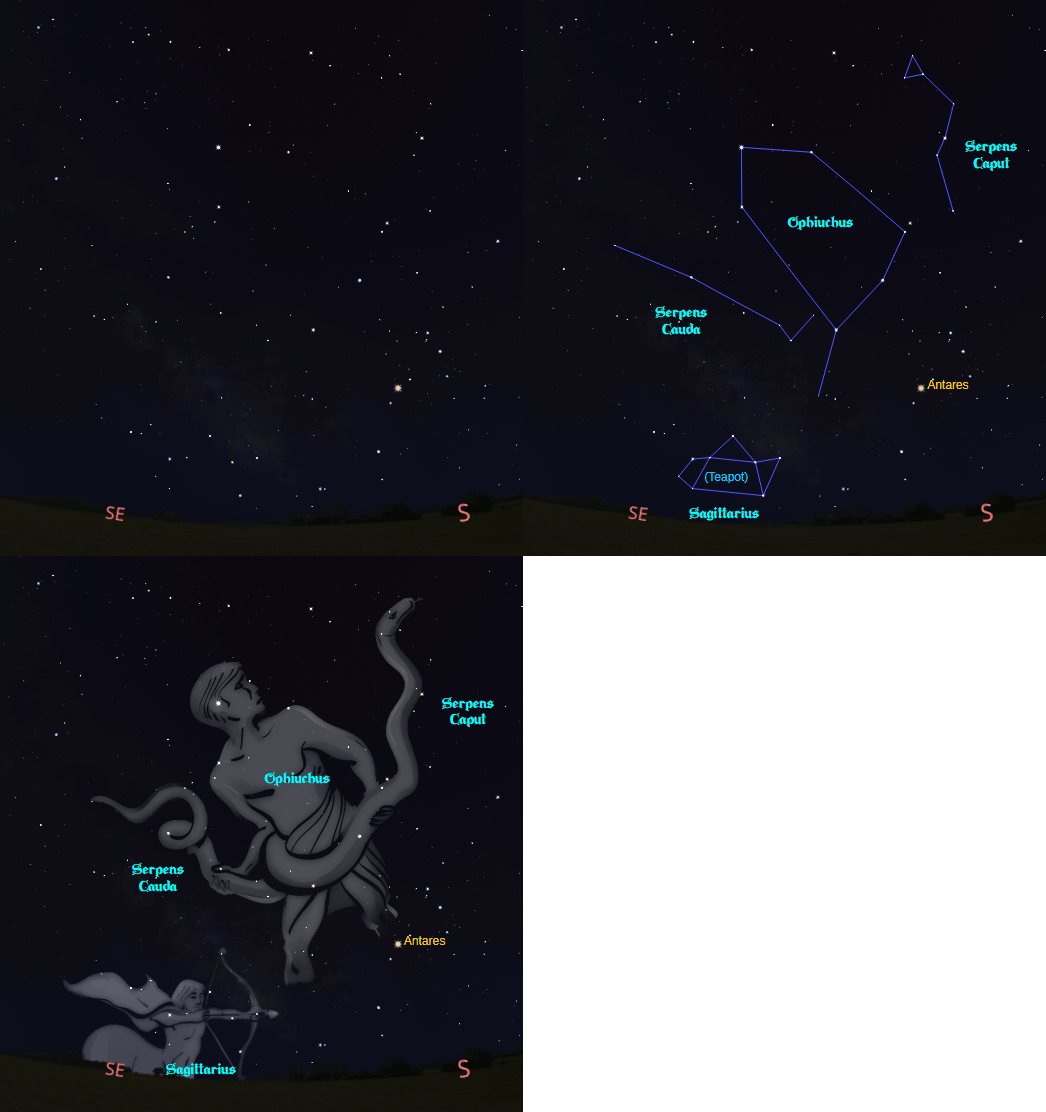
The red star Antares shines in the south at 11 p.m. In the constellation of Scorpius. In the area of sky above and a little to the left lies a large constellation of faint stars called Ophiuchus, the serpent bearer. The constellation shape is like a large bell, which reminds me of the head, shoulders and arms of a fellow that’s holding the large snake across his body, hip high. The serpent he’s holding is Serpens, the only two-part constellation in the heavens. The head rises to Ophiuchus’ right, toward Hercules, and the tail extends up to the left, toward Aquila the eagle. In Greek myth, Ophiuchus represents the great physician Aesculapius, educated by the god Apollo, and the centaur Chiron, who is found in the stars as Sagittarius, now rising below and left of him.
The astronomical event times given in this blog are for the Traverse City/Interlochen area of Michigan (Lat 44.7° N, Long 85.7° W; EDT, UT – 4 hours) unless stated otherwise. Times will be different for other locations.
Addendum
Ephemeris: 07/01/2026 – Taking our weekly look at the whereabouts of the naked-eye planets
This is Ephemeris for Wednesday, July 1st. Today the Sun will be up for 15 hours and 30 minutes, setting at 9:32, and it will rise tomorrow at 6:01. The Moon, 2 days past full, will rise at 11:01 this evening.
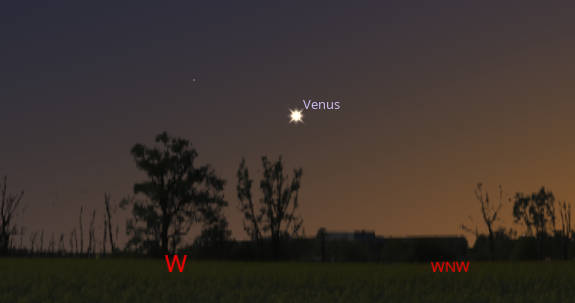
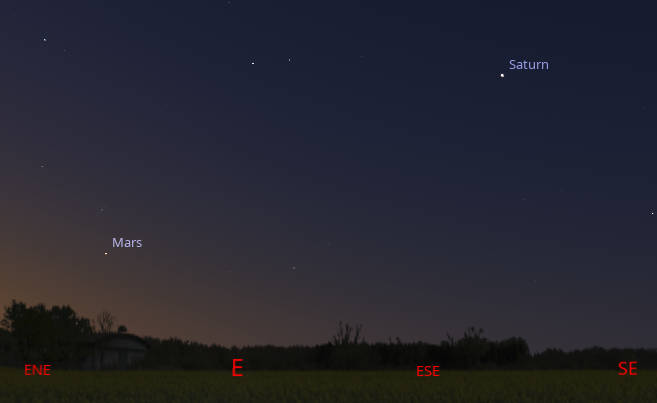
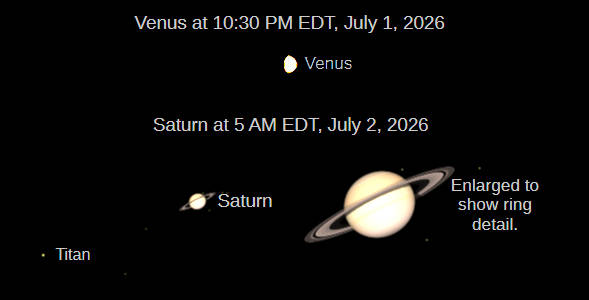
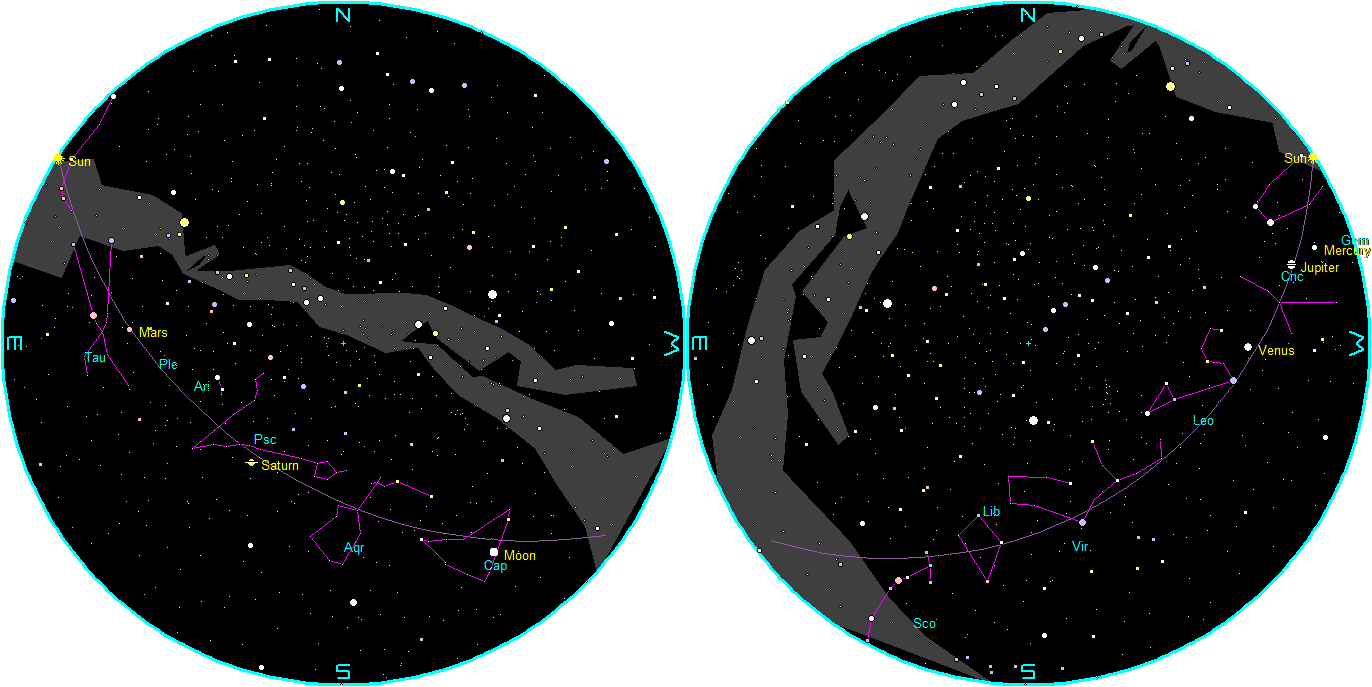
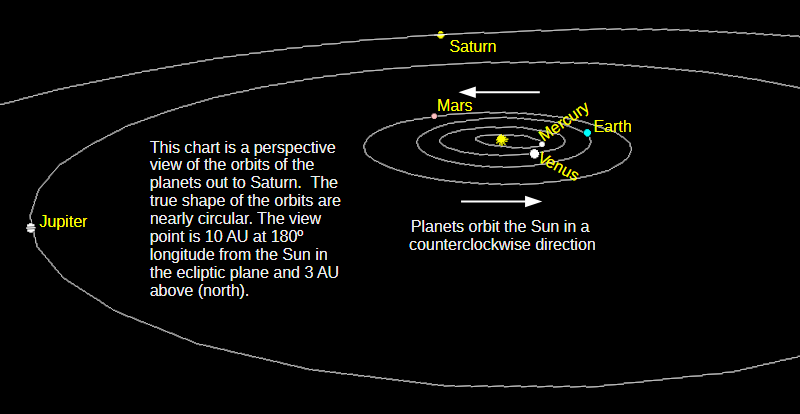
Let’s take our weekly look at the whereabouts of the naked-eye planets. By 10:30 PM tonight, nearly an hour after sunset, Venus is easily seen in the western sky, with Jupiter barely above the horizon, and may not be visible. A telescope will show a very tiny gibbous disc of Venus, because it is still pretty much beyond the Sun, 97 million miles (156 million kilometers) away from us. Over the next nearly 4 months it will be moving closer to us and becoming much larger. In the morning, Saturn will rise at 1:41 AM, followed by dimmer Mars nearly 2 hours later. The Earth is now chasing down Mars, and later this year the launch window will open to send spacecraft to the Red Planet. Mars will be next closest to the Earth in February next year.
The astronomical event times given in this blog are for the Traverse City/Interlochen area of Michigan (Lat 44.7° N, Long 85.7° W; EDT, UT – 4 hours) unless stated otherwise. Times will be different for other locations.
Addendum
 Bob Moler's Ephemeris Blog