Archive
Ephemeris: 07/13/2026 – Finding the celestial eagle, Aquila
This is Ephemeris for Monday, July 13th. Today the Sun will be up for 15 hours and 17 minutes, setting at 9:26, and it will rise tomorrow at 6:10. The Moon, 1 day before new, will rise at 6:04 tomorrow morning.
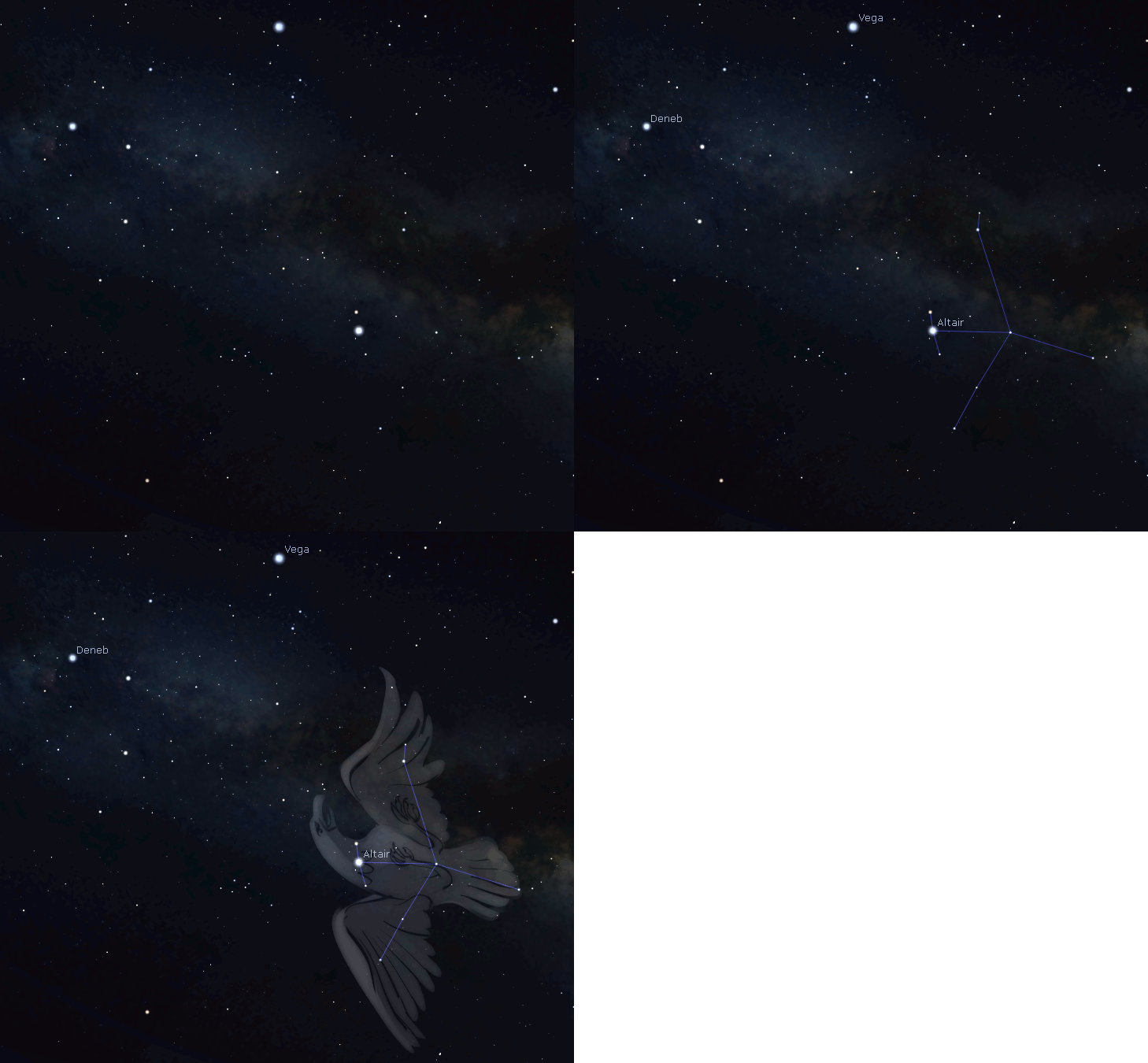
Aquila the eagle is a constellation that lies in the Milky Way. It’s in the southeastern sky as it gets dark. Its brightest star, Altair, is one of the stars of the Summer Triangle, a group of three bright stars dominating the eastern sky in the evening now. Altair, in the head of the eagle, is flanked by two slightly dimmer stars. The eagle is flying northeastward through the Milky Way. Its wings are seen in the wing tip stars. A curved group of stars to the lower right of Altair is its tail. Within Aquila, the Milky Way shows many dark clouds as part of the Great Rift that splits it here. The other summer bird is Cygnus the swan above and left of Aquila, flying in the opposite direction. It was said this was the eagle that attended the god Jupiter.
The astronomical event times given in this blog are for the Traverse City/Interlochen area of Michigan (Lat 44.7° N, Long 85.7° W; EDT, UT – 4 hours) unless stated otherwise. Times will be different for other locations.
Addendum
Ephemeris: 07/10/2026 – Examining Artemis II images
This is Ephemeris for Friday, July 10th. Today the Sun will be up for 15 hours and 21 minutes, setting at 9:28, and it will rise tomorrow at 6:08. The Moon, 3 days past last quarter, will rise at 2:38 tomorrow morning.
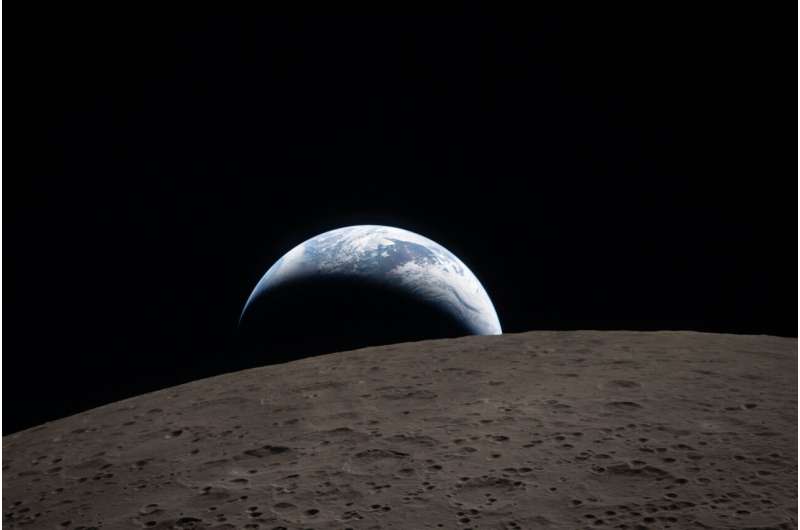
The Grand Traverse Astronomical Society will host its July meeting tonight at 9 PM at Northwestern Michigan College’s Joseph H Rogers Observatory. The later meeting time allows us to have viewing after the meeting starts in darker skies. The program is informal. The Artemis 2 mission brought back a treasure trove of photographs of the earth and the moon. We will be showing some of them and having everyone have a chance to comment on them, ask questions, explore them further, or explain them. This is the same topic that was proposed for the June meeting, which was canceled due to unforeseen circumstances. Afterward, about 10 PM, if it’s clear, there will be viewing of the heavens through the observatory’s telescopes. The observatory is located south of Traverse City, on Birmley Rd. The meeting is also on Zoom; see gtastro.org.
The astronomical event times given in this blog are for the Traverse City/Interlochen area of Michigan (Lat 44.7° N, Long 85.7° W; EDT, UT – 4 hours) unless stated otherwise. Times will be different for other locations.
Addendum
Ephemeris: 07/09/2026 – Looking for the Anishinaabek constellation of the Crane
This is Ephemeris for Thursday, July 9th. Today the Sun will be up for 15 hours and 22 minutes, setting at 9:29, and it will rise tomorrow at 6:07. The Moon, 2 days past last quarter, will rise at 1:57 tomorrow morning.
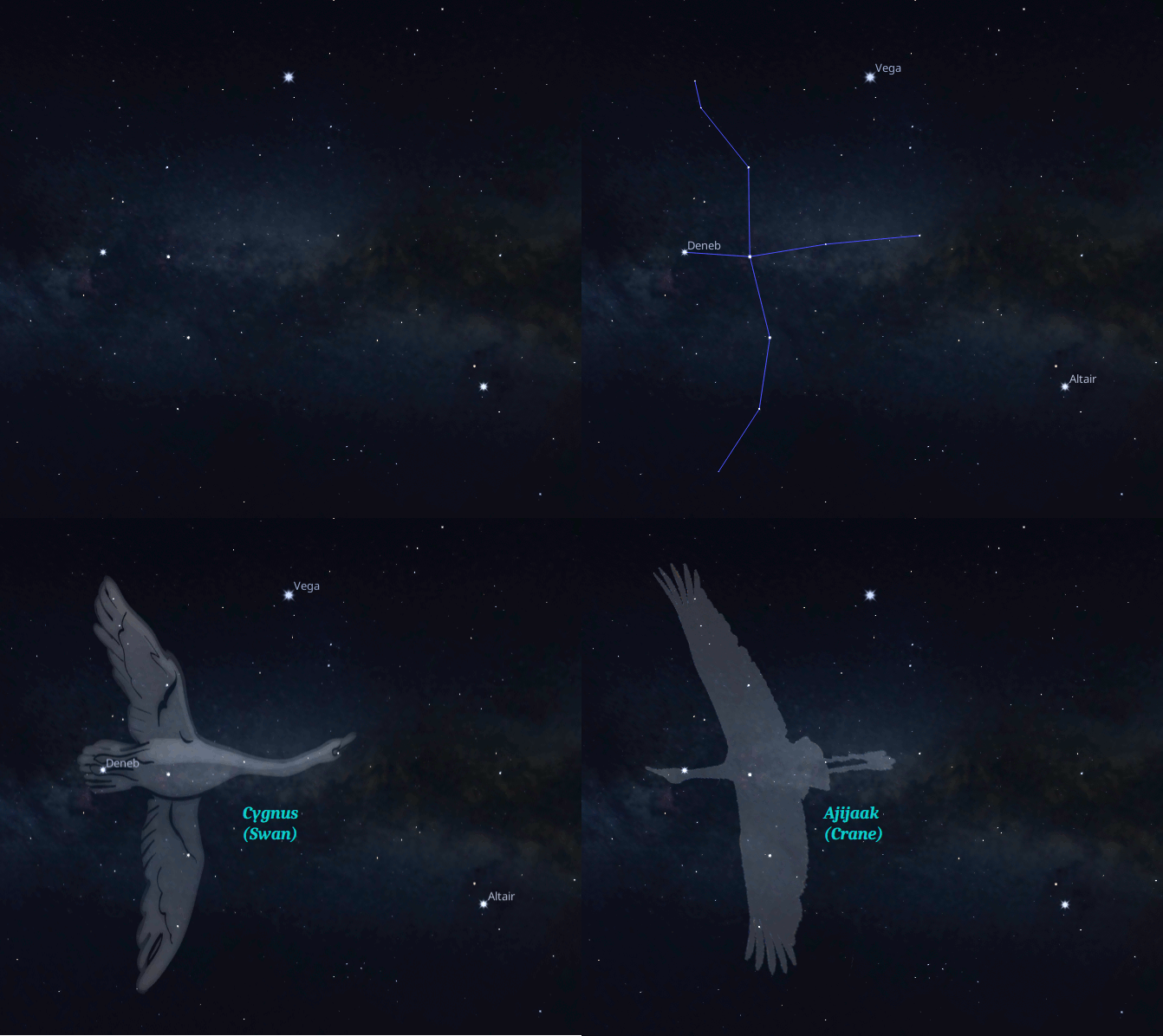
Tuesday I looked at the constellation of Cygnus the swan and the informal constellation, or asterism, made from most of its stars, the Northern Cross. They lie high in the eastern sky. Cygnus is the official International Astronomical Union constellation name. However, the indigenous Anishinaabe people of our area had another bird in mind when seeing these stars: Ajijaak, (pronounced a-ji-jock) a Sand Hill crane. While the swan is flying, neck outstretched to the south through the Milky Way, the crane is flying northward with its long legs trailing behind. The bright star Deneb is partway along its neck. The Anishinaabek have a name for another bird here, Bineshiihyi Okanin, which means Skeleton Bird.
The astronomical event times given in this blog are for the Traverse City/Interlochen area of Michigan (Lat 44.7° N, Long 85.7° W; EDT, UT – 4 hours) unless stated otherwise. Times will be different for other locations.
Addendum
Ephemeris: 07/08/2026 – Taking our weekly look at the whereabouts of the naked-eye planets
This is Ephemeris for Wednesday, July 8th. Today the Sun will be up for 15 hours and 23 minutes, setting at 9:29, and it will rise tomorrow at 6:06. The Moon, 1 day past last quarter, will rise at 1:26 tomorrow morning.
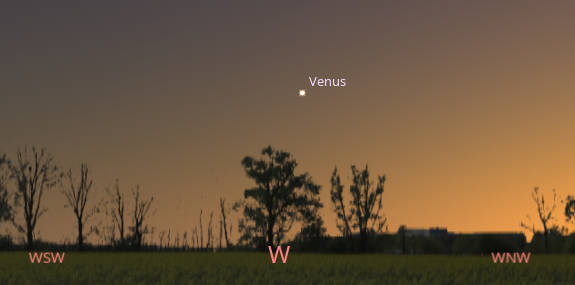
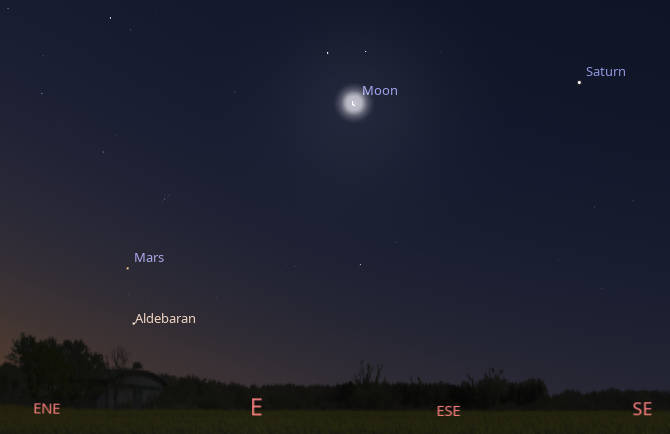
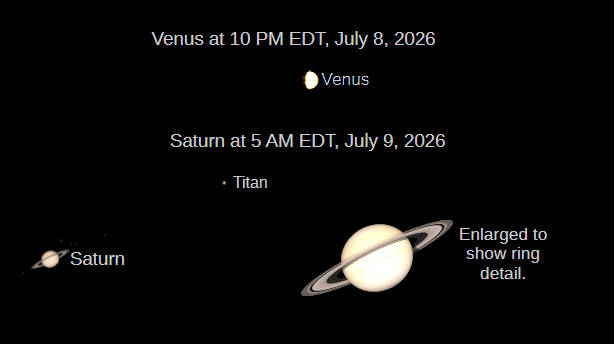
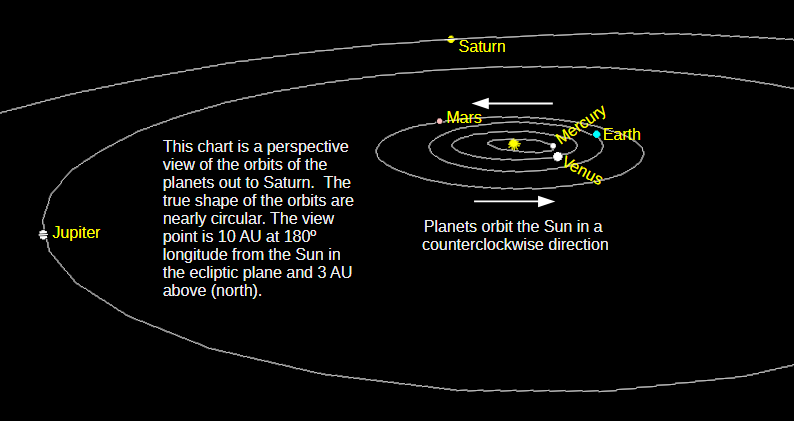
Let’s take our weekly look at the whereabouts of the naked-eye planets. By 10 PM tonight, a half-hour after sunset, Venus will be easily seen in the western sky. A telescope will show a very tiny gibbous disc of Venus, because it is just a little bit closer than the Sun, at 92.0 million miles (148 million kilometers) away from us. Over the next nearly 3½ months, it will be moving closer to us and becoming much larger. In the morning, Saturn and Mars will be visible, in the southeast and east respectively. The Earth is now chasing down Mars, and later this year the launch window will open to send spacecraft to the Red Planet. Mars will be next closest to the Earth and at opposition with the sun in February next year.
The astronomical event times given in this blog are for the Traverse City/Interlochen area of Michigan (Lat 44.7° N, Long 85.7° W; EDT, UT – 4 hours) unless stated otherwise. Times will be different for other locations.
Addendum
Ephemeris: 07/07/2026: Finding the Celestial Swan
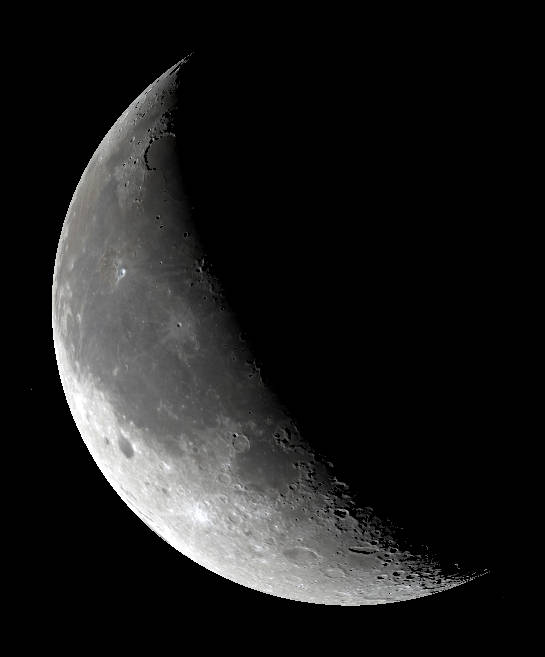
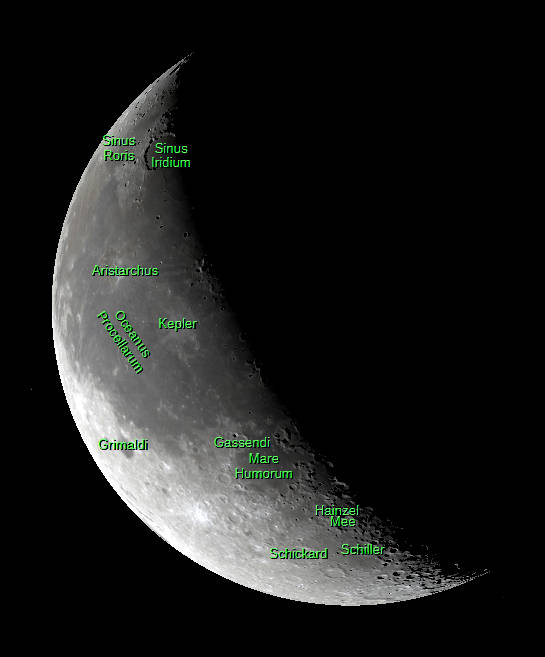
This is Ephemeris for Tuesday, July 7th. Today the Sun will be up for 15 hours and 25 minutes, setting at 9:30, and it will rise tomorrow at 6:05. The Moon, at last quarter today, will rise at 1:02 tomorrow morning.
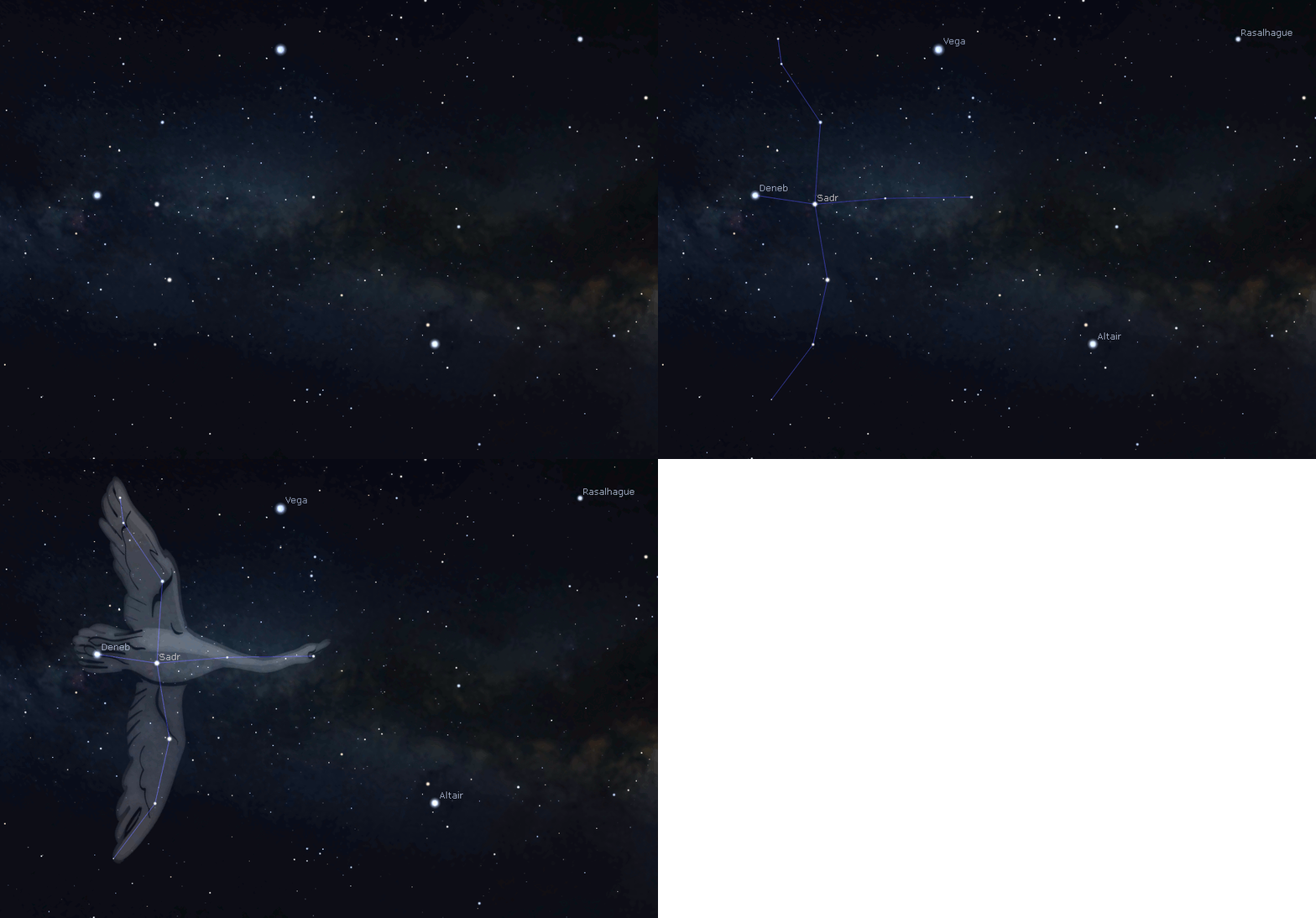
Located halfway to the zenith in the east at 11 p.m. is the constellation of Cygnus the swan, flying south through the Milky Way. It is also called the Northern Cross. At the left, the tail of the swan or the head of the cross is the bright star Deneb, one of the stars of the Summer Triangle. The next star right is at the intersection of the body and the wings of the swan seen in flight, or the intersection of the two pieces of the cross. There are two or three stars farther to the right that delineate the swan’s long neck or upright of the cross, that ends with the star Alberio in the beak of the swan or foot of the cross. The crosspiece of the cross extends to the stars on either side of the intersection star Sadr, while the swan’s wings extend to a couple more stars each.
The astronomical event times given in this blog are for the Traverse City/Interlochen area of Michigan (Lat 44.7° N, Long 85.7° W; EDT, UT – 4 hours) unless stated otherwise. Times will be different for other locations.
Addendum
Ephemeris: 07/06/2026 – The Sun is farthest away from Earth today!
This is Bob Moler with Ephemeris for Monday, July 6th. Today the sun will be up for 15 hours and 26 minutes, setting at 9:30, and it will rise tomorrow at 6:05. The Moon, 1 day before last quarter, will rise at 12:42 tomorrow morning.
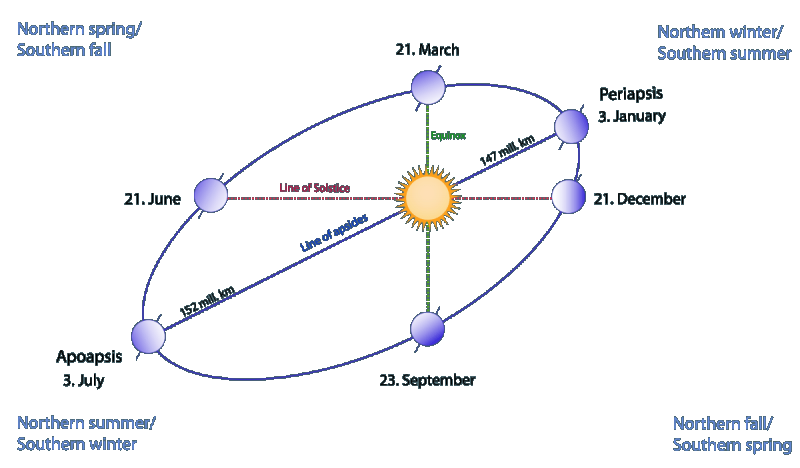
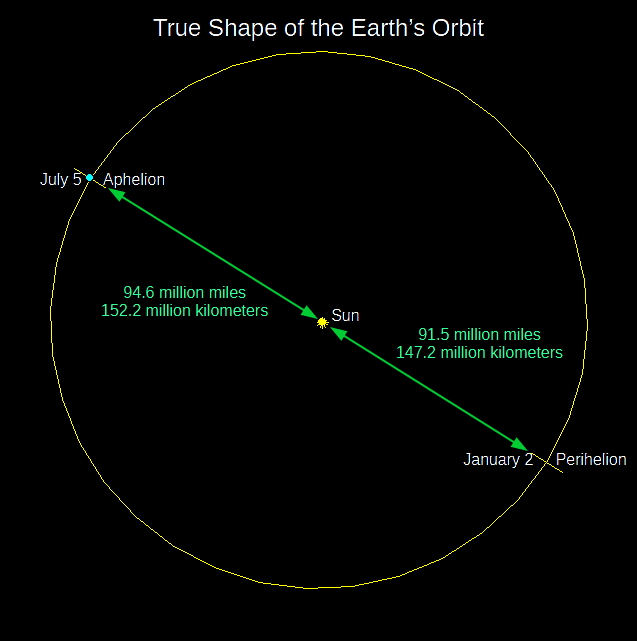
Today at 10:59 AM the Earth reaches aphelion from the Sun, the farthest it gets from it during the year. Earth will be 94 and a half million miles away from the Sun, a bit farther than our normal 93 million. In a planet’s orbit of the Sun, the Earth is no exception; it moves slowest when farthest from the Sun than when it’s closer, and fastest when at perihelion, its closest. It doesn’t make much difference in the amount of heat we get from the Sun being only 1½% farther than average. But it makes summer the longest season at 94 days, versus winter’s 89 days. OK, I know it doesn’t feel like it here in Northern Michigan, but count the days between each solstice and the next equinox.
The astronomical event times given in this blog are for the Traverse City/Interlochen area of Michigan (Lat 44.7° N, Long 85.7° W; EDT, UT – 4 hours) unless stated otherwise. Times will be different for other locations.
Addendum
Ephemeris: 07/03/2026 – The celestial scorpion is crawling out on the southern horizon tonight
This is Ephemeris for Friday, July 3rd. Today the Sun will be up for 15 hours and 29 minutes, setting at 9:31, and it will rise tomorrow at 6:02. The Moon, halfway from full to last quarter, will rise at 11:47 this evening.
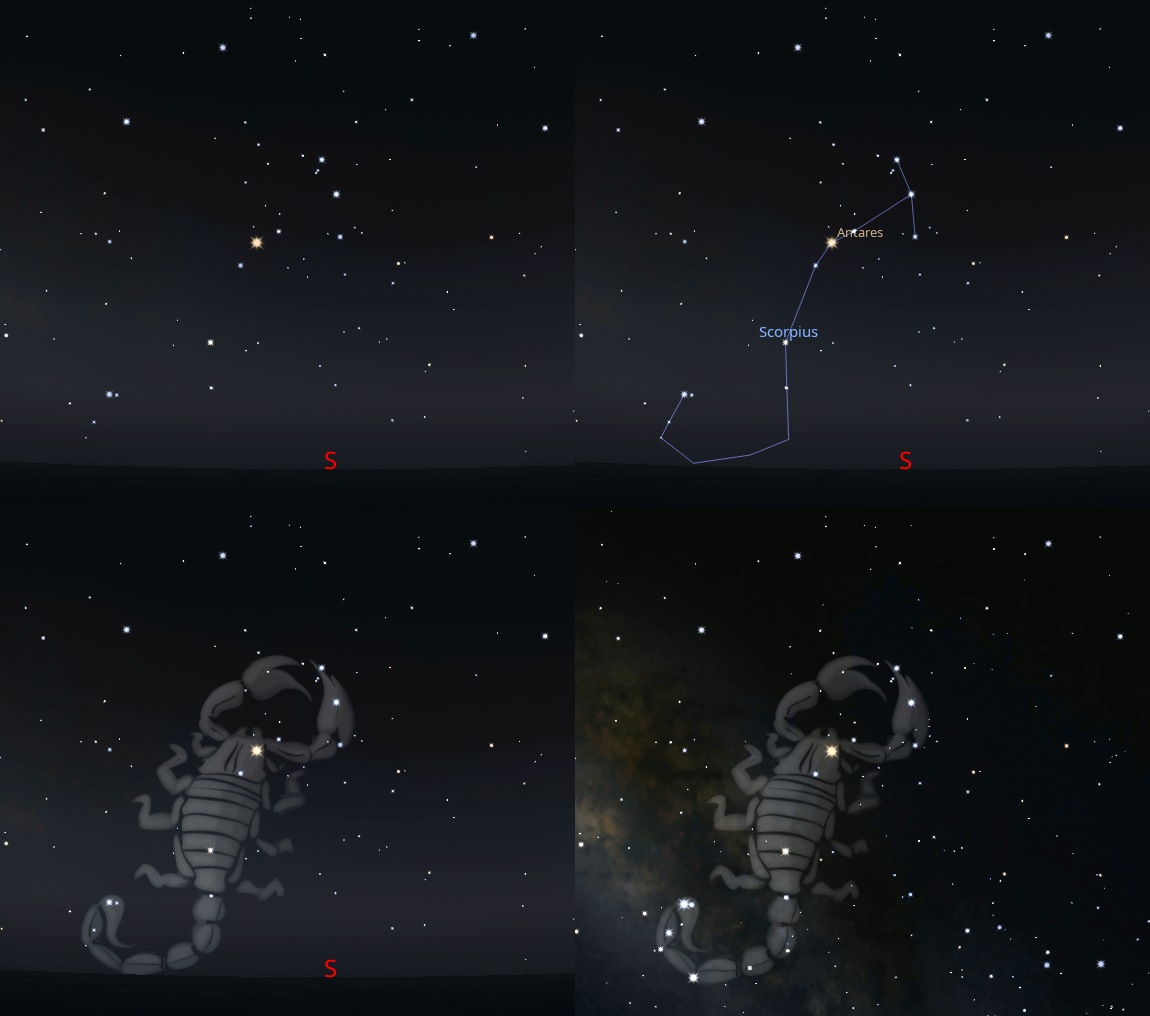
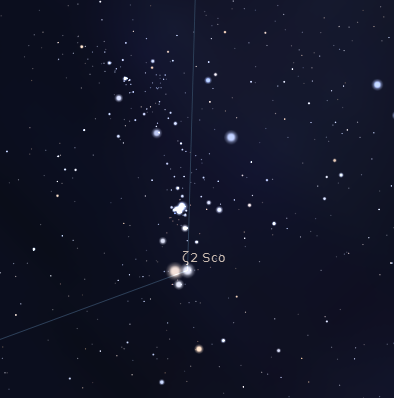
There’s a large constellation located low in the south at about 11 tonight. It’s Scorpius the scorpion. Its brightest star is Antares in its heart, a red giant star, that I’ve gotten calls about it as being a UFO. From Antares to the right is a star, then a vertical arc of three stars that is its head. The Scorpion’s tail is a line of stars running down to the left of Antares, swooping to the horizon before coming back up and ending in a pair of stars that portray his poisonous stinger. There is a beautiful star cluster, NGC 6231, seen in binoculars at that first bend in the tail that is unfortunately too low to appreciate from this far north. I was very impressed with it when spotting it from the Florida Keys when I was down there in 1986 to observe Halley’s Comet.
The astronomical event times given in this blog are for the Traverse City/Interlochen area of Michigan (Lat 44.7° N, Long 85.7° W; EDT, UT – 4 hours) unless stated otherwise. Times will be different for other locations.
Addendum
Ephemeris: 07/02/2026 – Finding Ophiuchus, the celestial snake handler
This is Ephemeris for Thursday, July 2nd. Today the Sun will be up for 15 hours and 30 minutes, setting at 9:31, and it will rise tomorrow at 6:02. The Moon, 3 days past full, will rise at 11:26 this evening.
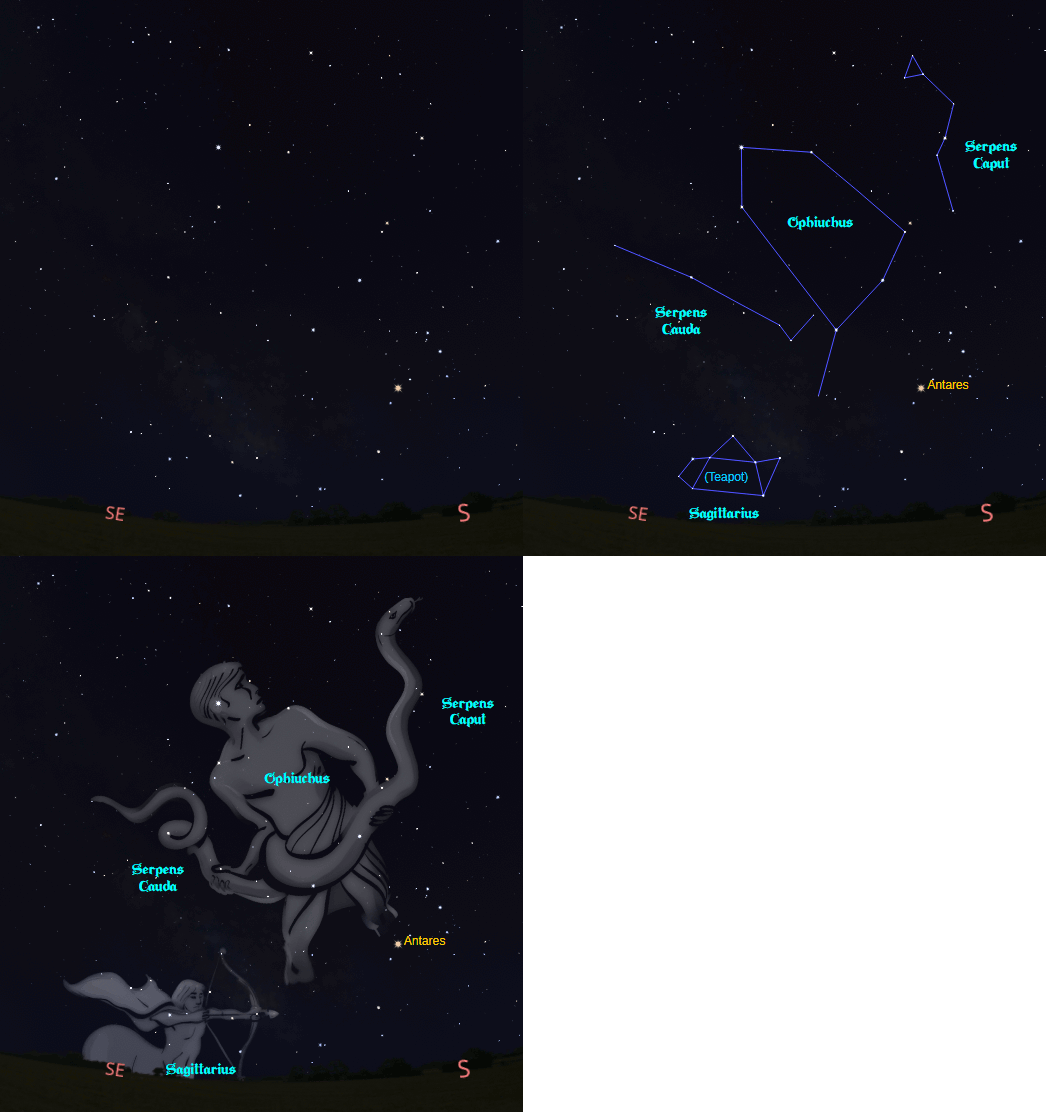
The red star Antares shines in the south at 11 p.m. In the constellation of Scorpius. In the area of sky above and a little to the left lies a large constellation of faint stars called Ophiuchus, the serpent bearer. The constellation shape is like a large bell, which reminds me of the head, shoulders and arms of a fellow that’s holding the large snake across his body, hip high. The serpent he’s holding is Serpens, the only two-part constellation in the heavens. The head rises to Ophiuchus’ right, toward Hercules, and the tail extends up to the left, toward Aquila the eagle. In Greek myth, Ophiuchus represents the great physician Aesculapius, educated by the god Apollo, and the centaur Chiron, who is found in the stars as Sagittarius, now rising below and left of him.
The astronomical event times given in this blog are for the Traverse City/Interlochen area of Michigan (Lat 44.7° N, Long 85.7° W; EDT, UT – 4 hours) unless stated otherwise. Times will be different for other locations.
Addendum
Ephemeris: 07/01/2026 – Taking our weekly look at the whereabouts of the naked-eye planets
This is Ephemeris for Wednesday, July 1st. Today the Sun will be up for 15 hours and 30 minutes, setting at 9:32, and it will rise tomorrow at 6:01. The Moon, 2 days past full, will rise at 11:01 this evening.
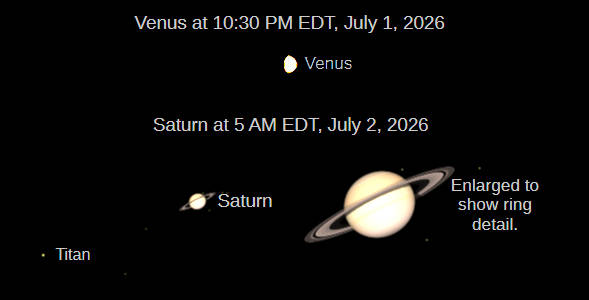
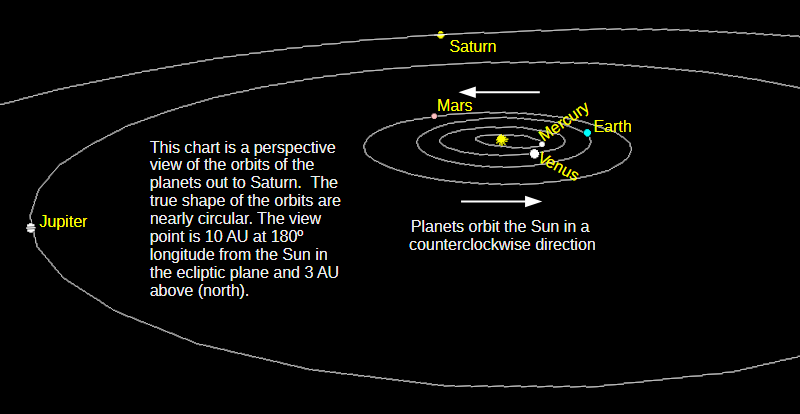
Let’s take our weekly look at the whereabouts of the naked-eye planets. By 10:30 PM tonight, nearly an hour after sunset, Venus is easily seen in the western sky, with Jupiter barely above the horizon, and may not be visible. A telescope will show a very tiny gibbous disc of Venus, because it is still pretty much beyond the Sun, 97 million miles (156 million kilometers) away from us. Over the next nearly 4 months it will be moving closer to us and becoming much larger. In the morning, Saturn will rise at 1:41 AM, followed by dimmer Mars nearly 2 hours later. The Earth is now chasing down Mars, and later this year the launch window will open to send spacecraft to the Red Planet. Mars will be next closest to the Earth in February next year.
The astronomical event times given in this blog are for the Traverse City/Interlochen area of Michigan (Lat 44.7° N, Long 85.7° W; EDT, UT – 4 hours) unless stated otherwise. Times will be different for other locations.
Addendum
Ephemeris: 06/30/2026 – Previewing the skies of July
This is Bob Moler with Ephemeris for International Asteroid Day, Tuesday, June 30th, the 118th anniversary of the Tunguska event in Siberia. Today the Sun will be up for 15 hours and 31 minutes, setting at 9:32, and it will rise tomorrow at 6:01. The Moon, 1 day past full, will rise at 10:31 this evening.
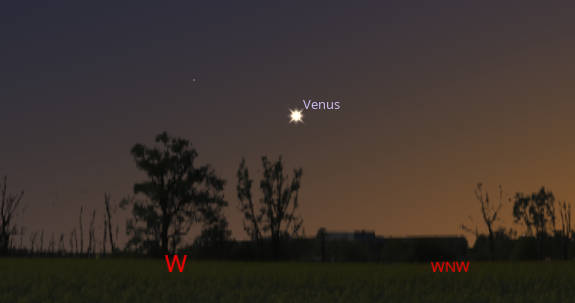
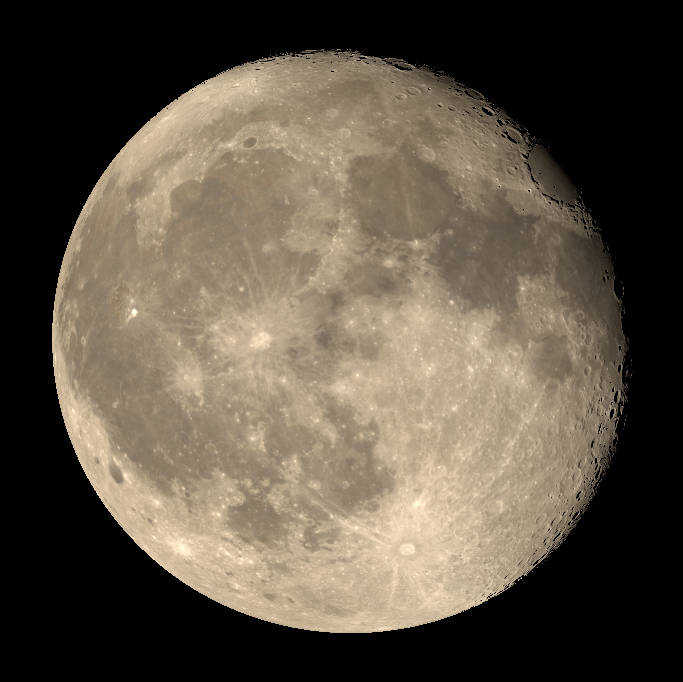
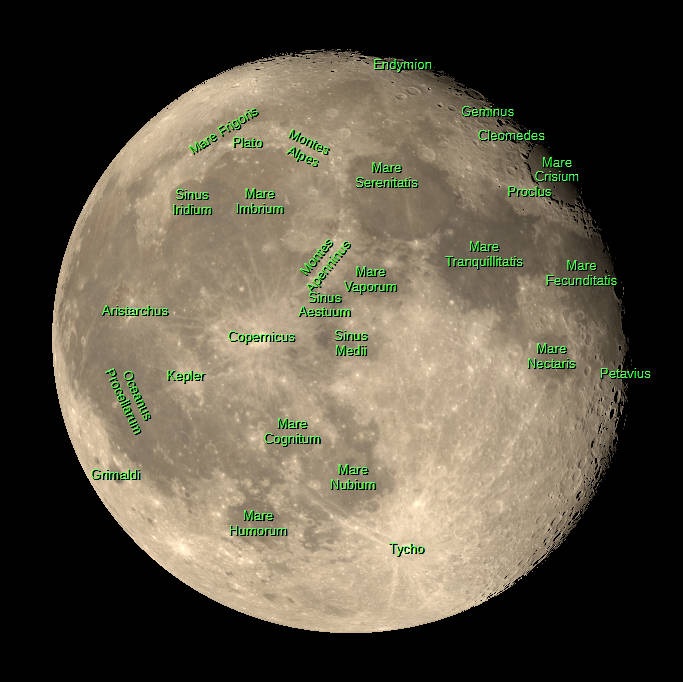
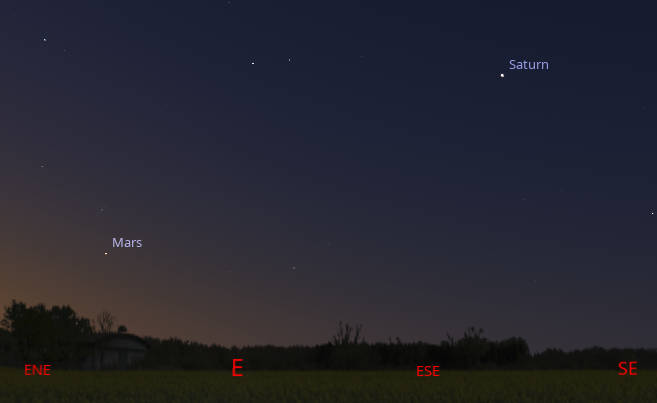
Let’s preview July’s skies. The Sun, having reached its northern solstice, is beginning to slide southward again, at first imperceptibly, then with greater speed. The daylight hours will decrease from 15 hours and 30 minutes tomorrow to 14 hours 41 minutes at month’s end. The daylight hours will be slightly shorter south of Interlochen, and slightly longer to the north. The altitude of the Sun at local noon, when the Sun is due south, will decrease from 68 degrees today to 63 degrees at month’s end. The Sun will be a degree lower in the Straits area. Despite the warmth, the Earth will reach its greatest distance from the Sun next Monday the 6th.
The astronomical event times given in this blog are for the Traverse City/Interlochen area of Michigan (Lat 44.7° N, Long 85.7° W; EDT, UT – 4 hours) unless stated otherwise. Times will be different for other locations.
Addendum
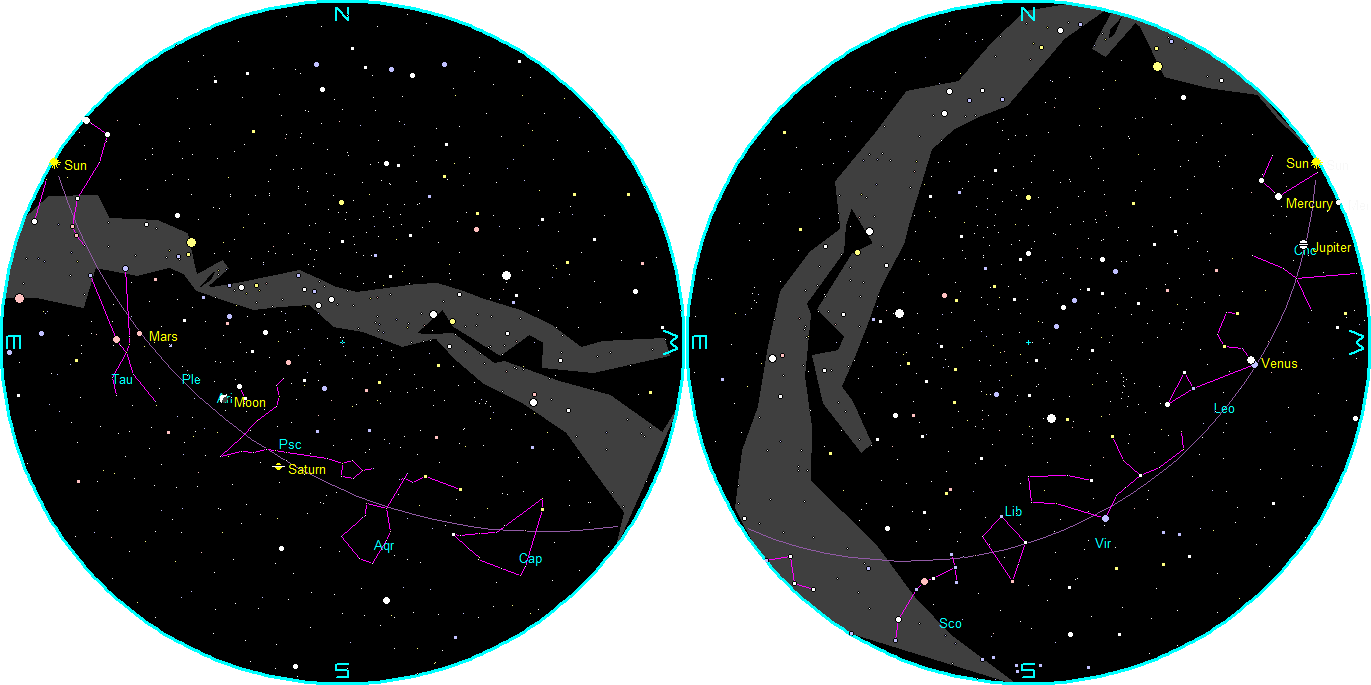
July Evening Star Chart
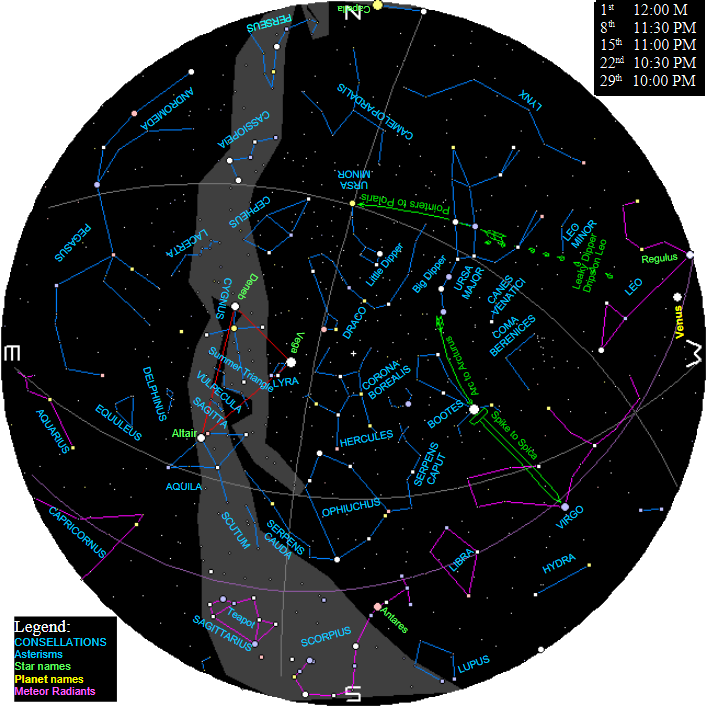
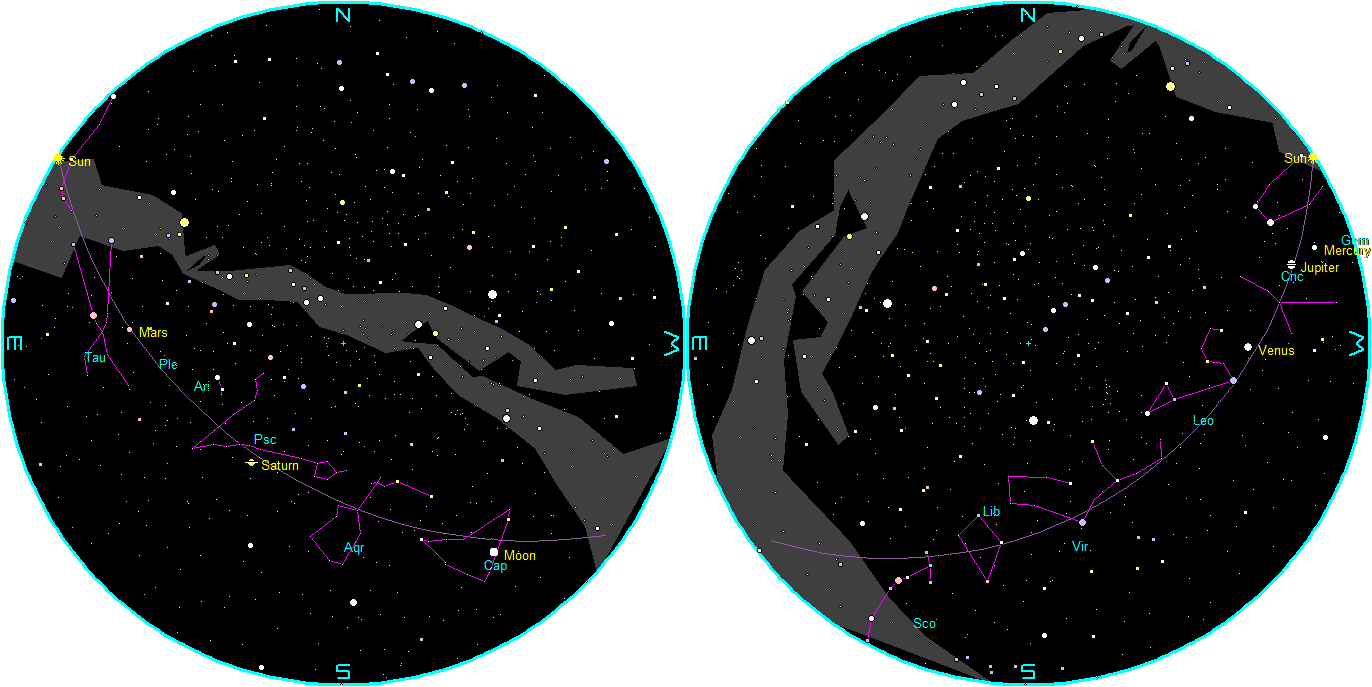
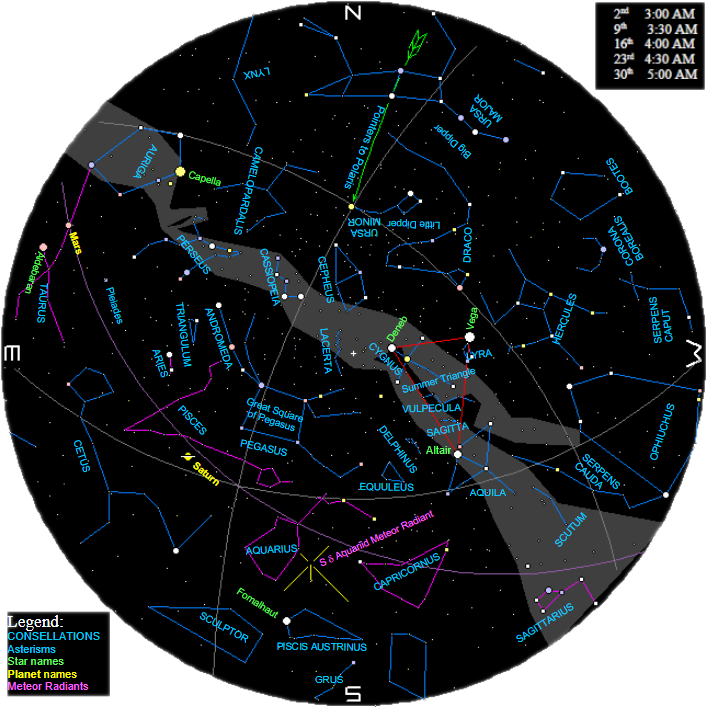
The planets and stars are plotted for the 15th at 11 PM EDT in the evening and 4 AM on the 16th for the morning chart. These are the chart times. Note that Interlochen/Traverse City is located approximately 45 minutes behind our time meridian, West 75° longitude. (An hour 45 minutes behind our daylight saving time meridian during EDT). To duplicate the star positions on a planisphere you may have to set it to 1 hour 45 minutes earlier than the current time.
Note, the chart times of 11 PM and 4 AM are for the 15th & 16th respectively. For each week before these dates, add ½ hour (28 minutes if you’re picky). For each week after the 15th, subtract ½ hour, or 28 minutes. The planet positions are updated each Wednesday on this blog.
July Morning Star Chart
Twilight Limits, Nautical and Astronomical
| EDT | |||||||
| Morning | Twilight | Evening | Twilight | Dark | Night | Moon | |
| Date | Astro. | Nautical | Nautical | Astro. | Start | End | Illum. |
| 2026-07-01 | 3h35m | 4h37m | 23h00m | 0h03m | – | – | 96% |
| 2026-07-02 | 3h36m | 4h38m | 22h59m | 0h02m | – | – | 91% |
| 2026-07-03 | 3h37m | 4h39m | 22h59m | 0h01m | – | – | 84% |
| 2026-07-04 | 3h38m | 4h40m | 22h59m | 0h00m | – | – | 76% |
| 2026-07-05 | 3h39m | 4h41m | 22h58m | 23h59m | 23h59m | 0h06m | 67% |
| 2026-07-06 | 3h41m | 4h42m | 22h57m | 23h58m | 23h58m | 0h24m | 57% |
| 2026-07-07 | 3h42m | 4h42m | 22h57m | 23h57m | 23h57m | 0h42m | 46% |
| 2026-07-08 | 3h44m | 4h44m | 22h56m | 23h56m | 23h56m | 1h02m | 35% |
| 2026-07-09 | 3h45m | 4h45m | 22h55m | 23h55m | 23h55m | 1h27m | 24% |
| 2026-07-10 | 3h47m | 4h46m | 22h55m | 23h54m | 23h54m | 1h57m | 15% |
| 2026-07-11 | 3h48m | 4h47m | 22h54m | 23h52m | 23h52m | 2h38m | 7% |
| 2026-07-12 | 3h50m | 4h48m | 22h53m | 23h51m | 23h51m | 3h33m | 2% |
| 2026-07-13 | 3h51m | 4h49m | 22h52m | 23h49m | 23h49m | 3h51m | 0% |
| 2026-07-14 | 3h53m | 4h50m | 22h51m | 23h48m | 23h48m | 3h53m | 1% |
| 2026-07-15 | 3h55m | 4h51m | 22h50m | 23h46m | 23h46m | 3h55m | 5% |
| 2026-07-16 | 3h57m | 4h53m | 22h49m | 23h45m | 23h45m | 3h57m | 11% |
| 2026-07-17 | 3h58m | 4h54m | 22h48m | 23h43m | 23h43m | 3h58m | 19% |
| 2026-07-18 | 4h00m | 4h55m | 22h47m | 23h42m | 23h42m | 4h00m | 28% |
| 2026-07-19 | 4h02m | 4h57m | 22h45m | 23h40m | 23h58m | 4h02m | 38% |
| 2026-07-20 | 4h04m | 4h58m | 22h44m | 23h38m | – | 4h04m | 48% |
| 2026-07-21 | 4h06m | 4h59m | 22h43m | 23h36m | 0h18m | 4h06m | 58% |
| 2026-07-22 | 4h08m | 5h01m | 22h42m | 23h35m | 0h39m | 4h08m | 67% |
| 2026-07-23 | 4h10m | 5h02m | 22h40m | 23h33m | 1h05m | 4h10m | 76% |
| 2026-07-24 | 4h11m | 5h04m | 22h39m | 23h31m | 1h37m | 4h11m | 83% |
| 2026-07-25 | 4h13m | 5h05m | 22h37m | 23h29m | 2h16m | 4h13m | 90% |
| 2026-07-26 | 4h15m | 5h06m | 22h36m | 23h27m | 3h04m | 4h15m | 95% |
| 2026-07-27 | 4h17m | 5h08m | 22h35m | 23h25m | 4h01m | 4h17m | 98% |
| 2026-07-28 | 4h19m | 5h09m | 22h33m | 23h23m | – | – | 100% |
| 2026-07-29 | 4h21m | 5h11m | 22h32m | 23h21m | – | – | 100% |
| 2026-07-30 | 4h23m | 5h12m | 22h30m | 23h19m | – | – | 97% |
| 2026-07-31 | 4h25m | 5h14m | 22h28m | 23h17m | – | – | 93% |
Twilight calendar was generated using Cartes du Ciel (Sky Charts).
See my blog post: Twilight Zone for the definitions of the different periods of twilight here: https://bobmoler.wordpress.com/2018/09/27/.
NASA Calendar of Planetary Events
Jul  1  We            Venus: 41.1° E
     4  Sa   3:51 AM  Moon Ascending Node
     6  Mo  10:59 AM  Aphelion: 1.0166 AU
     7  Tu   3:29 PM  Last Quarter
     9  Th  10:36 AM  Venus-Regulus: 1° N
    10  Fr   6:54 PM  Moon-Pleiades: 1.1° S
    12  Su   9:17 AM  Mars-Aldebaran: 5.3° N
    12  Su  11:18 AM  Moon North Dec.: 28° N
    12  Su   9:24 PM  Mercury Inferior Conjunction
    13  Mo   3:50 AM  Moon Perigee: 359100 km
    14  Tu   5:43 AM  New Moon
    16  Th   8:07 PM  Moon-Regulus: 0.5° N
    16  Th   8:27 PM  Moon Descending Node
    17  Fr  12:31 PM  Moon-Venus: 2.1° N
    20  Mo  11:21 PM  Moon-Spica: 2.5° N
    21  Tu   7:06 AM  First Quarter
    24  Fr   5:00 PM  Moon-Antares: 0.6° N
    25  Sa  12:45 PM  Moon Apogee: 405500 km
    25  Sa  11:56 PM  Moon South Dec.: 28.1° S
    28  Tu   6:02 AM  Delta Aquarid Shower: ZHR = 20
    29  We   8:28 AM  Jupiter Conjunction
    29  We  10:36 AM  Full Moon
    31  Fr   7:54 AM  Moon Ascending Node
All event times are given for UTC-4:00 Eastern Daylight Saving Time thereafter.
Sky Events Calendar by Fred Espenak and Sumit Dutta (NASA’s GSFC),
http://eclipse.gsfc.nasa.gov/SKYCAL/SKYCAL.html
If you go to the above site you can print out a list like the above for the entire year or calendar pages for your time zone.
Note that the site is now kept up for archival purposes. Fred Espenak retired from NASA several years ago and has his own site, AstroPixels, which contain the same information: http://astropixels.com/almanac/almanac.html. However, it uses standard time all year.
Fred passed away a year ago, on June 1, 2025. RIP.
Sun and Moon Rising and Setting Events
LU               Ephemeris of Sky Events for Interlochen/TC
July, 2026    Local time zone: EDT
+-----------------------------------------------------------------------+
| DATE |  SUN     SUN  DAYLIGHT|   TWILIGHT*    |MOON  RISE OR    ILLUM |
|      |  RISE    SET    HOURS |  END    START  |PHASE SET** TIME FRACTN|
+=======================================================================+
|Wed  1| 06:01a  09:32p  15:30 | 10:57p  04:35a |      Rise 11:01p   96%|
|Thu  2| 06:01a  09:31p  15:30 | 10:56p  04:36a |      Rise 11:26p   92%|
|Fri  3| 06:02a  09:31p  15:29 | 10:56p  04:37a |      Rise 11:47p   86%|
|Sat  4| 06:02a  09:31p  15:28 | 10:55p  04:38a |      Rise 12:05a   78%|
+------+-----------------------+----------------+-----------------------+
|Sun  5| 06:03a  09:30p  15:27 | 10:55p  04:38a |      Rise 12:23a   69%|
|Mon  6| 06:04a  09:30p  15:26 | 10:54p  04:39a |      Rise 12:42a   59%|
|Tue  7| 06:05a  09:30p  15:25 | 10:54p  04:40a |L Qtr Rise 01:02a   48%|
|Wed  8| 06:05a  09:29p  15:23 | 10:53p  04:41a |      Rise 01:26a   37%|
|Thu  9| 06:06a  09:29p  15:22 | 10:52p  04:42a |      Rise 01:57a   26%|
|Fri 10| 06:07a  09:28p  15:21 | 10:51p  04:43a |      Rise 02:38a   17%|
|Sat 11| 06:08a  09:28p  15:20 | 10:50p  04:45a |      Rise 03:33a    9%|
+------+-----------------------+----------------+-----------------------+
|Sun 12| 06:08a  09:27p  15:18 | 10:50p  04:46a |      Rise 04:43a    3%|
|Mon 13| 06:09a  09:26p  15:17 | 10:49p  04:47a |      Rise 06:04a    0%|
|Tue 14| 06:10a  09:26p  15:15 | 10:48p  04:48a |New   Set  10:04p    1%|
|Wed 15| 06:11a  09:25p  15:13 | 10:47p  04:49a |      Set  10:35p    4%|
|Thu 16| 06:12a  09:24p  15:12 | 10:45p  04:50a |      Set  10:59p    9%|
|Fri 17| 06:13a  09:24p  15:10 | 10:44p  04:52a |      Set  11:20p   17%|
|Sat 18| 06:14a  09:23p  15:08 | 10:43p  04:53a |      Set  11:39p   26%|
+------+-----------------------+----------------+-----------------------+
|Sun 19| 06:15a  09:22p  15:07 | 10:42p  04:54a |      Set  11:58p   35%|
|Mon 20| 06:16a  09:21p  15:05 | 10:41p  04:56a |      Set  12:17a   45%|
|Tue 21| 06:17a  09:20p  15:03 | 10:39p  04:57a |F Qtr Set  12:39a   55%|
|Wed 22| 06:18a  09:19p  15:01 | 10:38p  04:58a |      Set  01:04a   65%|
|Thu 23| 06:19a  09:18p  14:59 | 10:37p  05:00a |      Set  01:36a   74%|
|Fri 24| 06:20a  09:17p  14:57 | 10:35p  05:01a |      Set  02:15a   81%|
|Sat 25| 06:21a  09:16p  14:55 | 10:34p  05:03a |      Set  03:03a   88%|
+------+-----------------------+----------------+-----------------------+
|Sun 26| 06:22a  09:15p  14:52 | 10:33p  05:04a |      Set  04:00a   94%|
|Mon 27| 06:23a  09:14p  14:50 | 10:31p  05:06a |      Set  05:04a   97%|
|Tue 28| 06:24a  09:13p  14:48 | 10:30p  05:07a |      Set  06:11a  100%|
|Wed 29| 06:25a  09:12p  14:46 | 10:28p  05:08a |Full  Rise 09:30p  100%|
|Thu 30| 06:26a  09:10p  14:44 | 10:26p  05:10a |      Rise 09:52p   98%|
|Fri 31| 06:27a  09:09p  14:41 | 10:25p  05:11a |      Rise 10:12p   94%|
+-----------------------------------------------------------------------+
* Nautical Twilight
** Moonrise or moonset, whichever occurs between sunset and sunrise
Generated using my LookingUp for DOS app.

