Archive
Ephemeris: 01/07/25 – Lights in the sky: Sirius, the brightest star
This is Bob Moler with Ephemeris for Tuesday, January 7th. Today the Sun will be up for 8 hours and 59 minutes, setting at 5:19, and it will rise tomorrow at 8:19. The Moon, 1 day past first quarter, will set at 2:45 tomorrow morning.
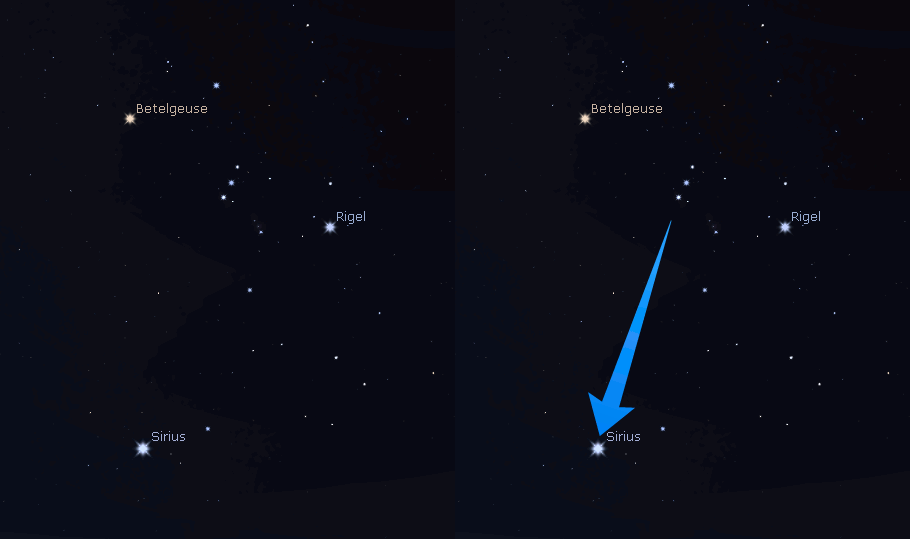
The brightest star in the nighttime sky, Sirius, will rise about 7:30 this evening in the east-southeast. By 9 PM it will be low in the southeast. It is also known as the Dog Star because it’s located in Orion’s greater hunting dog, Canis Major. However, its name Sirius means Dazzling One, or Scorcher, alluding to its great brightness. Sirius is about twice as massive as the Sun, but 25 times brighter, It is one of the nearer stars, being about 8.7 light years away, about twice the distance of Alpha Centauri. Sirius is a pure white star as opposed to the sun’s somewhat yellowish cast. It seems to really sparkle in a pair of binoculars. The sparkling or the twinkling of Sirius or of any star is not due to the star itself but by turbulence in Earth’s atmosphere.
The astronomical event times given are for the Traverse City/Interlochen area of Michigan (EST, UT – 5 hours). Times will be different for other locations.
Addendum

Ephemeris: 01/06/2025 – Things that go blink in the night
This is Ephemeris for Monday, January 6th. Today the Sun will be up for 8 hours and 58 minutes, setting at 5:18, and it will rise tomorrow at 8:19. The Moon, at first quarter today, will set at 1:26 tomorrow morning.
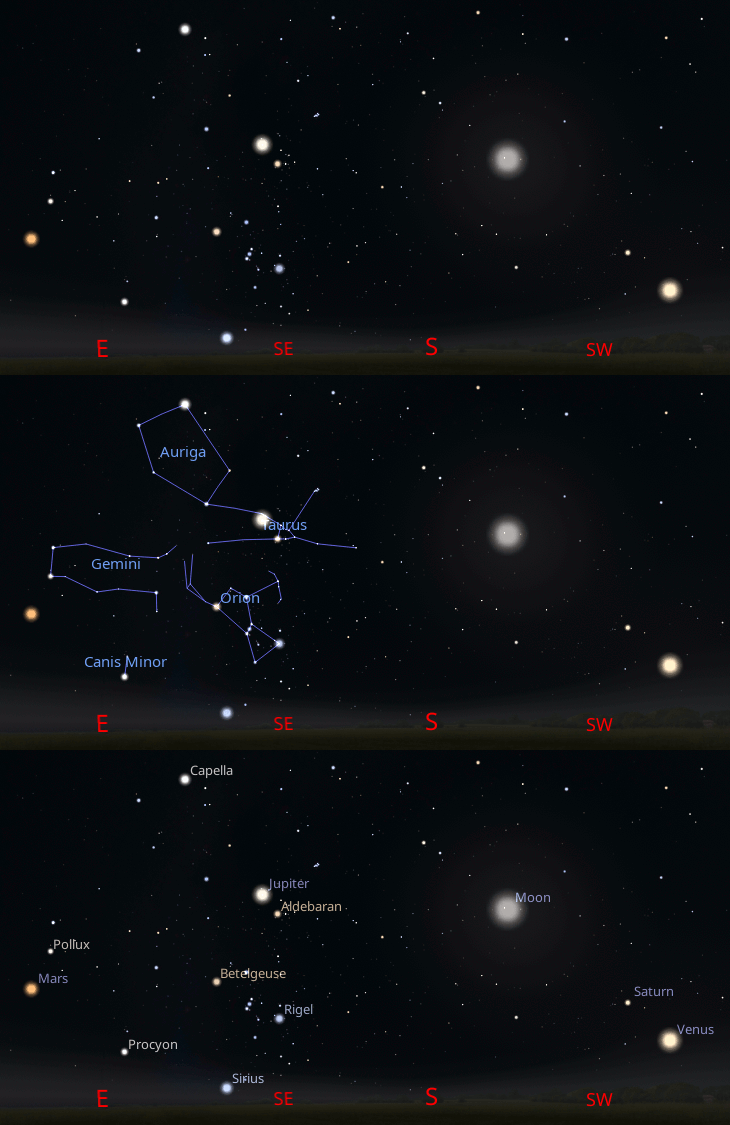
Lately there’s been a lot of reported observations of drones or various things in the sky at night, especially, for some reason, in New Jersey. If it’s something that’s moving in the sky other than satellites, meteors and aurorae, they’re out of my wheelhouse. I generally concern myself with the sidereal universe, the universe beyond the atmosphere. Things that don’t seem to move that rapidly. There are a lot of bright lights in the sky, that are things that I can and do talk about this time of year and this particular year. We have a lot of bright lights in the sky now, foremost Venus in the southwest in the early evening, and Jupiter in the east and the south. Mars is also up, but it’s not in competition with Jupiter this year. These plus the bright winter stars.
The astronomical event times given are for the Traverse City/Interlochen area of Michigan (EST, UT – 5 hours). Times will be different for other locations.
Addendum
Ephemeris: 11/19/2024 – The loneliest star in the sky
This is Bob Moler with Ephemeris for Tuesday, November 19th. Today the Sun will be up for 9 hours and 24 minutes, setting at 5:10, and it will rise tomorrow at 7:47. The Moon, 3 days before last quarter, will rise at 8:32 this evening.
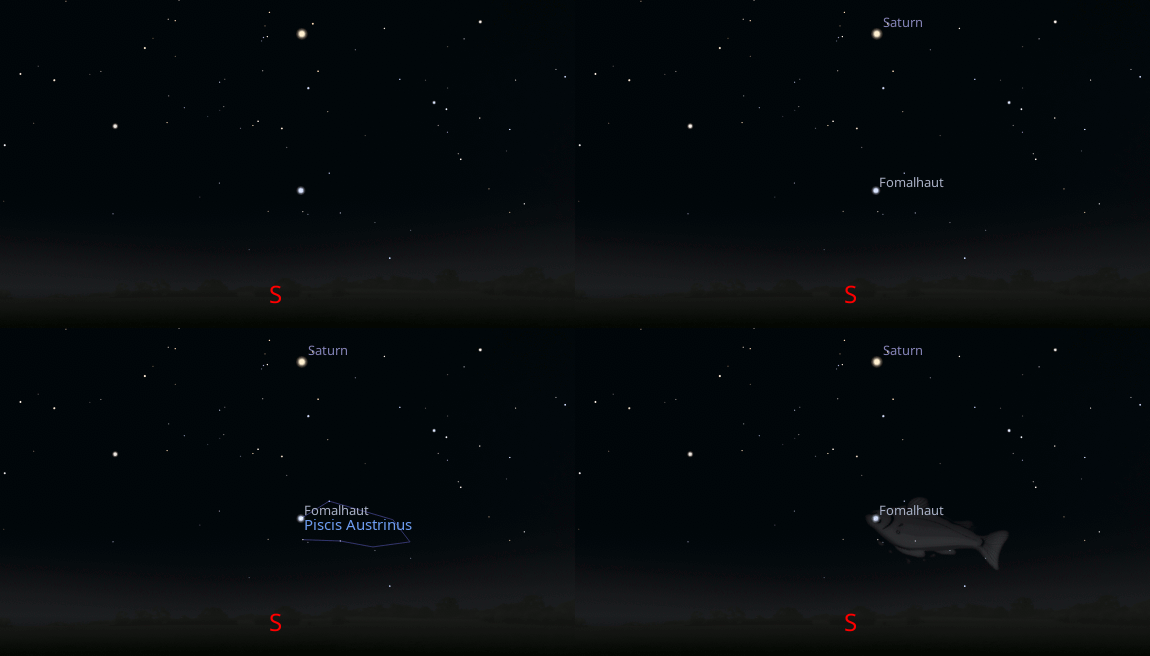
There’s a bright star that appears for only seven and a half hours on autumn evenings. Its appearance, low in the south-southeast at 8 p.m., is a clear sign that autumn is here. It is currently far below the much brighter Saturn. The star’s name is Fomalhaut, which means fish’s mouth. That’s fitting because it’s in the constellation of Piscis Austrinus, the southern fish. At our latitude it’s kind of the fish that got away, because usually Fomalhaut appears to be quite alone low in the sky. For the last few years Jupiter and then Saturn have kept it company. In a couple of years Saturn will have moved on leaving Fomalhaut to its lonely vigil in the south.
The astronomical event times given are for the Traverse City/Interlochen area of Michigan (EST, UT – 5 hours). Times will be different for other locations.
Addendum
Ephemeris: 10/03/2024 – Capella rising
This is Ephemeris for Thursday, October 3rd. Today the Sun will be up for 11 hours and 34 minutes, setting at 7:18, and it will rise tomorrow at 7:45. The Moon, 1 day past new, will set at 7:33 this evening.
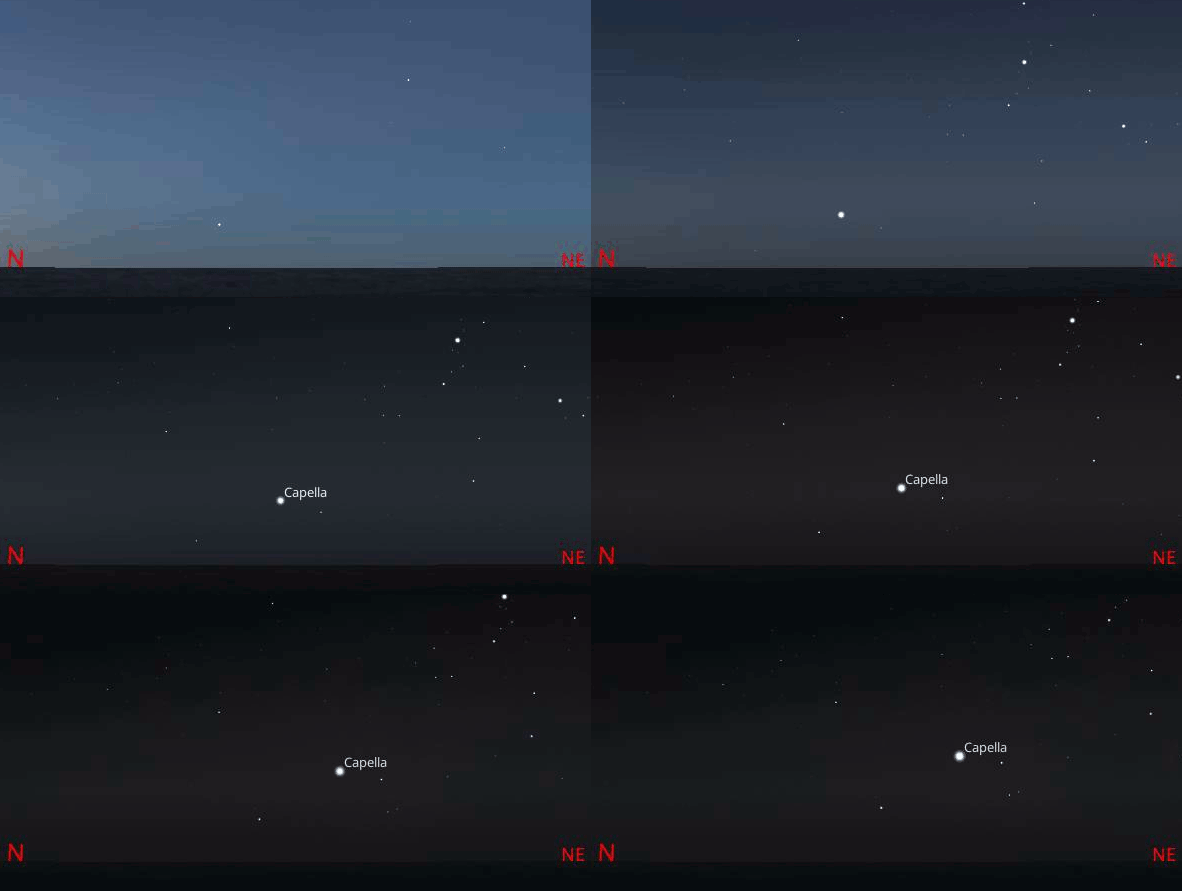
There is a bright star low in the northeast these evenings. It doesn’t seem to be rising very much over the course of the evening. This star is Capella, whose name means “little goat” and is part of the constellation Auriga the charioteer, which won’t completely rise for until about 11 PM. Capella is a circumpolar star meaning it appears to go around the North Pole of the sky, in a circle, as the Earth rotates but never sets. This is true for the Interlochen/Traverse City area and for latitudes north of the city of Ludington. Capella is slowly rising from the bottom of its circumpolar circle in the north, so it’s moving more horizontally than it is rising up. This motion was suspicious to one person who called me, who wondered what it was.
The astronomical event times given are for the Traverse City/Interlochen area of Michigan (EDT, UT – 4 hours). Times will be different for other locations.
Addendum
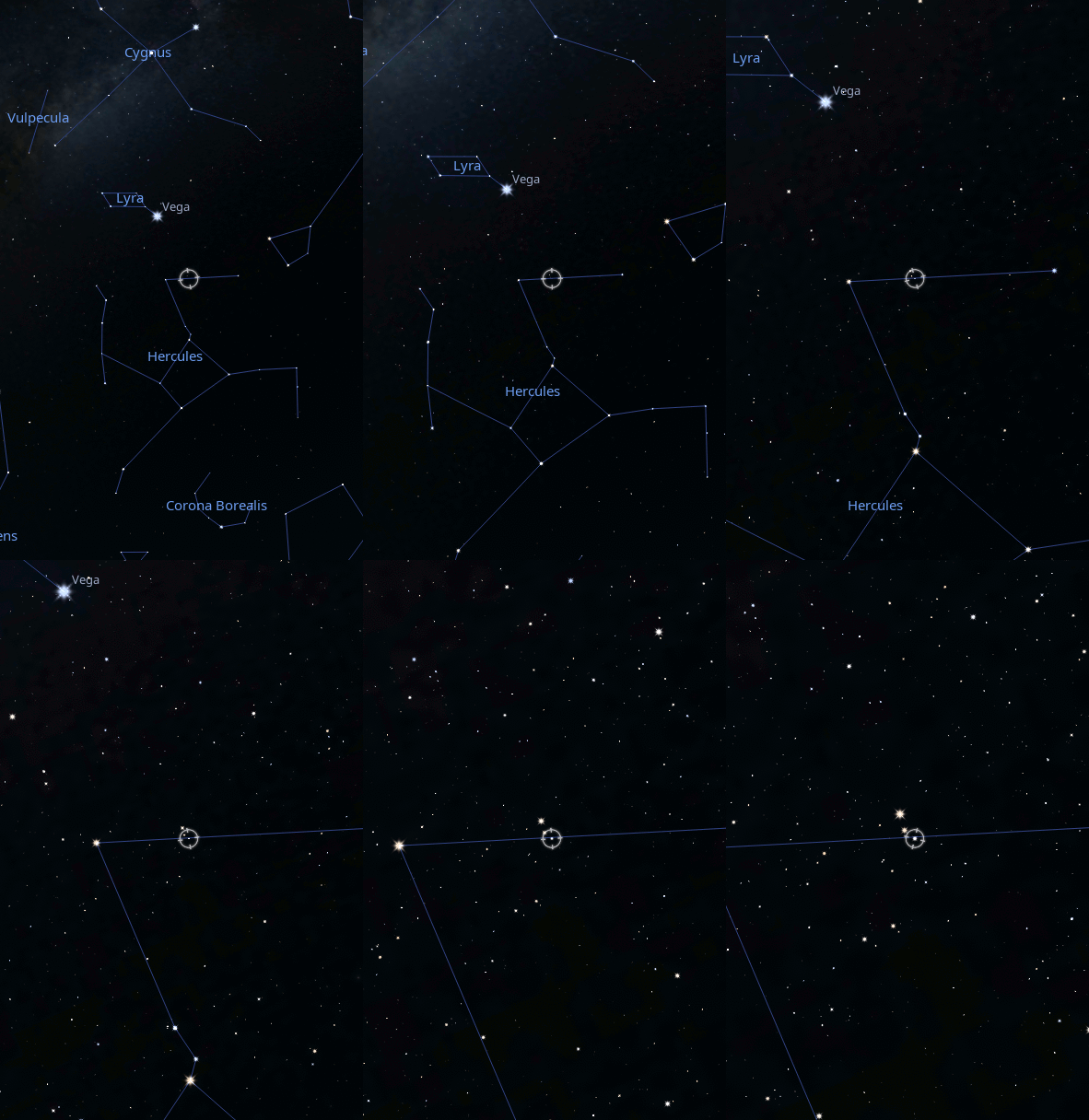
Ephemeris: 09/09/2024 – The Sun’s sibling star?
This is Ephemeris for Monday, September 9th. Today the Sun will be up for 12 hours and 48 minutes, setting at 8:03, and it will rise tomorrow at 7:16. The Moon, 2 days before first quarter, will set at 10:38 this evening.
The Sun was born from a cloud, a nebula, of mostly hydrogen and helium with traces of heavier elements. Astronomers consider any element heaver than helium a metal. It was not born alone, but with many other stars in a star cluster, all at about the same time. The elements that are in the Sun’s atmosphere came from that nebula. Astronomers are wondering if there were any other stars they could see which were siblings of the Sun. Apparently they found one star that has the same metals in the same proportions as the Sun. That star is HD 162826, a dim star in the constellation Hercules, visible in binoculars. It’s a bit more massive than the Sun, and about 109 light years away. The Sun’s sibling stars have scattered far and wide.
The astronomical event times given are for the Traverse City/Interlochen area of Michigan (EDT, UT – 4 hours). Times will be different for other locations.
Addendum
Ephemeris: 08/23/2024 – The dimmest star of the Summer Triangle is really the brightest
This is Ephemeris for Friday, August 23rd. Today the Sun will be up for 13 hours and 39 minutes, setting at 8:34, and it will rise tomorrow at 6:56. The Moon, 3 days before last quarter, will rise at 10:29 this evening.
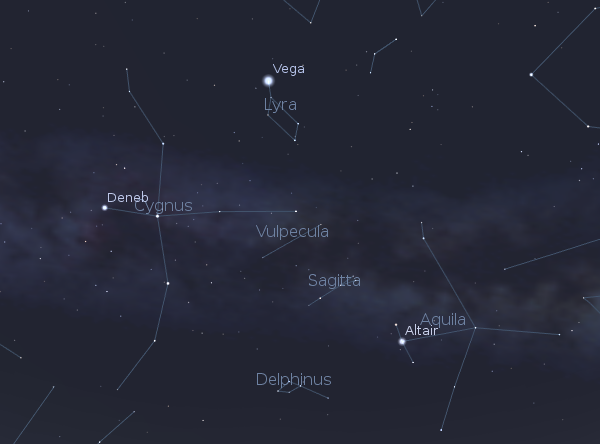
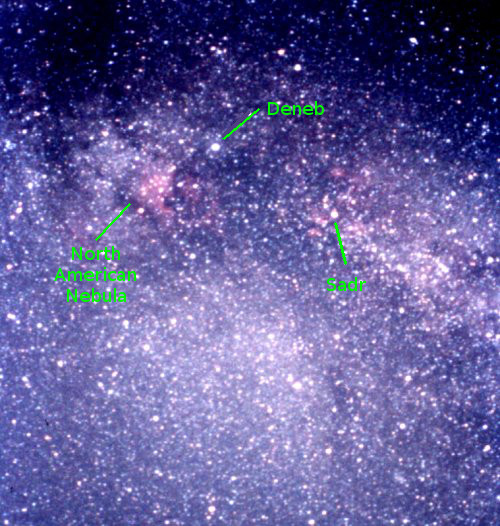
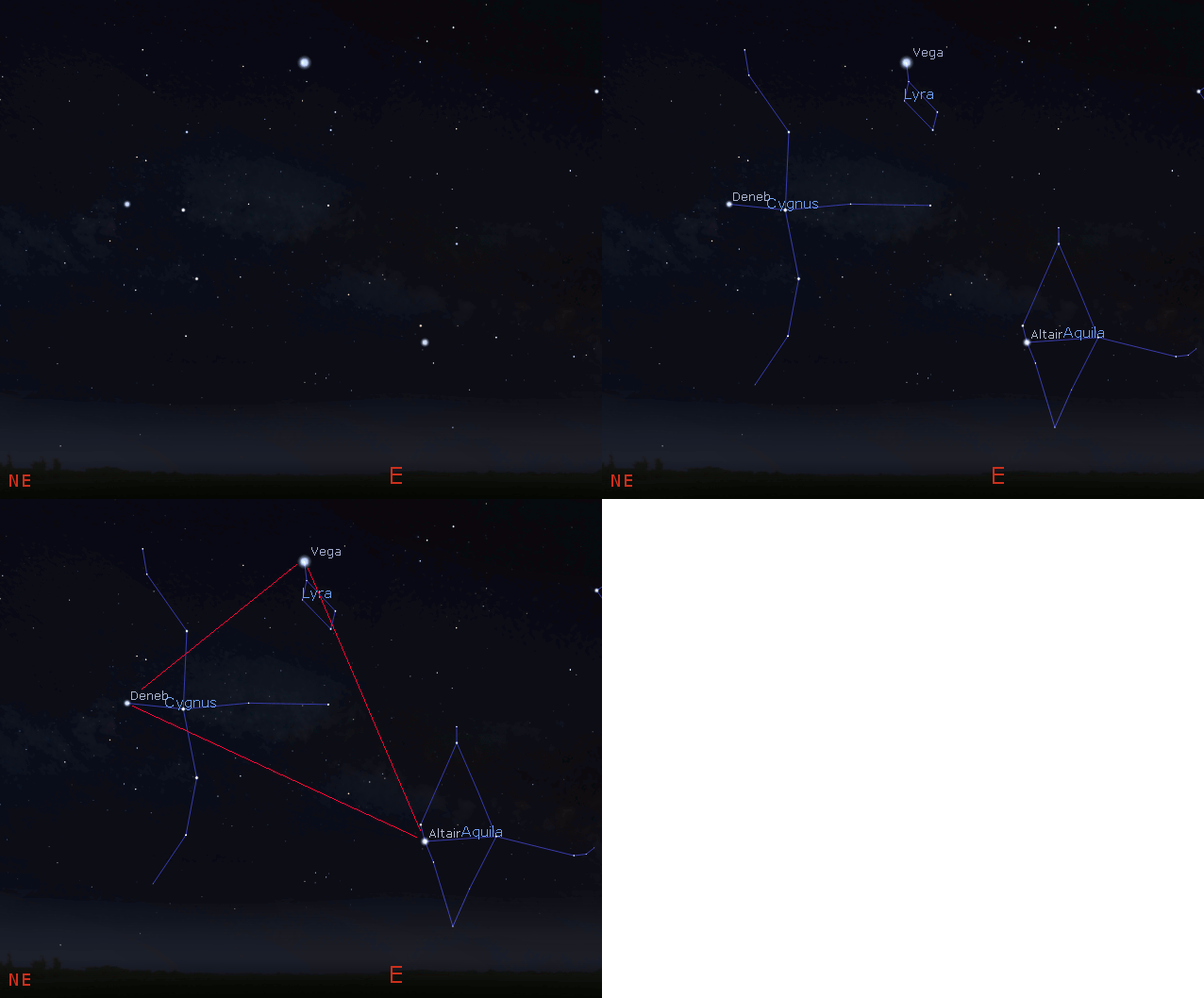
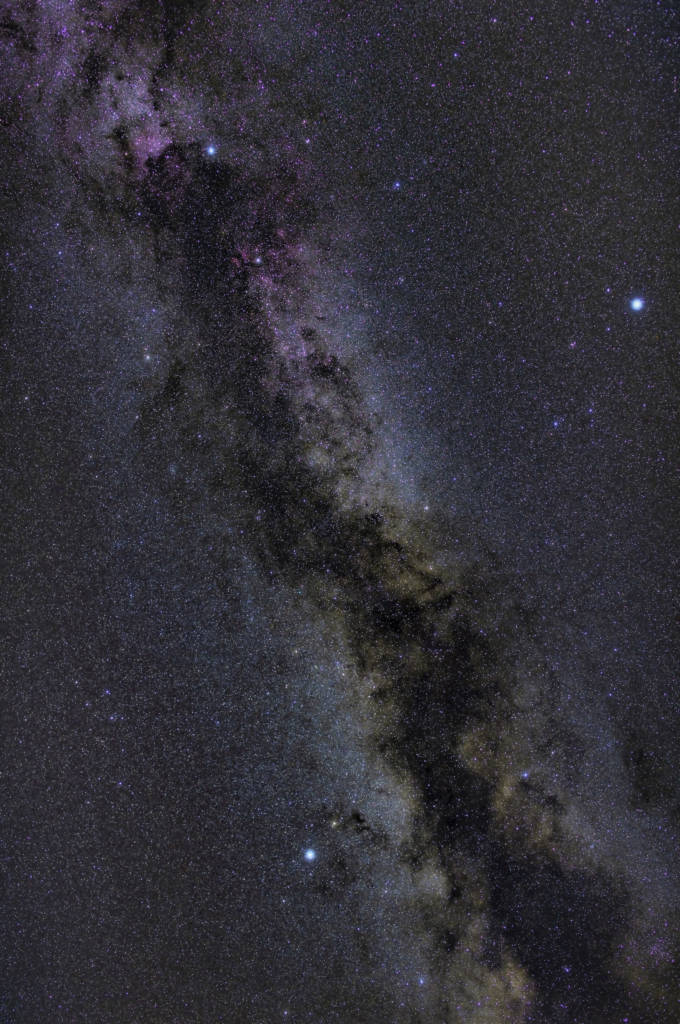
This evening when it gets dark enough the bright star Deneb in Cygnus the swan will be very high in the east. Deneb is the dimmest star of the Summer Triangle. Of the other stars of the triangle, Vega is nearly overhead, while Altair is lower in the south-southeast. Deneb’s apparent magnitude, or brightness as seen from Earth, makes it the dimmest of the three bright stars. Its vast distance of possibly 2,600 light years is over 100 times the distance of Vega. If brought as close as Vega, Deneb would be as at least as bright as the quarter moon. It is possibly as bright as 200 thousand Suns; and a huge star, possibly as large in diameter as the orbit of the Earth. For all this it is only 19 or so times the mass of the Sun.
The astronomical event times given are for the Traverse City/Interlochen area of Michigan (EDT, UT–4 hours). Times will be different for other locations.
Addendum
Ephemeris: 08/13/2024 – Antares and the Moon
This is Ephemeris for Tuesday, August 13th. Today the Sun will be up for 14 hours and 7 minutes, setting at 8:50, and it will rise tomorrow at 6:44. The Moon, 1 day past first quarter, will set at 12:41 tomorrow morning.
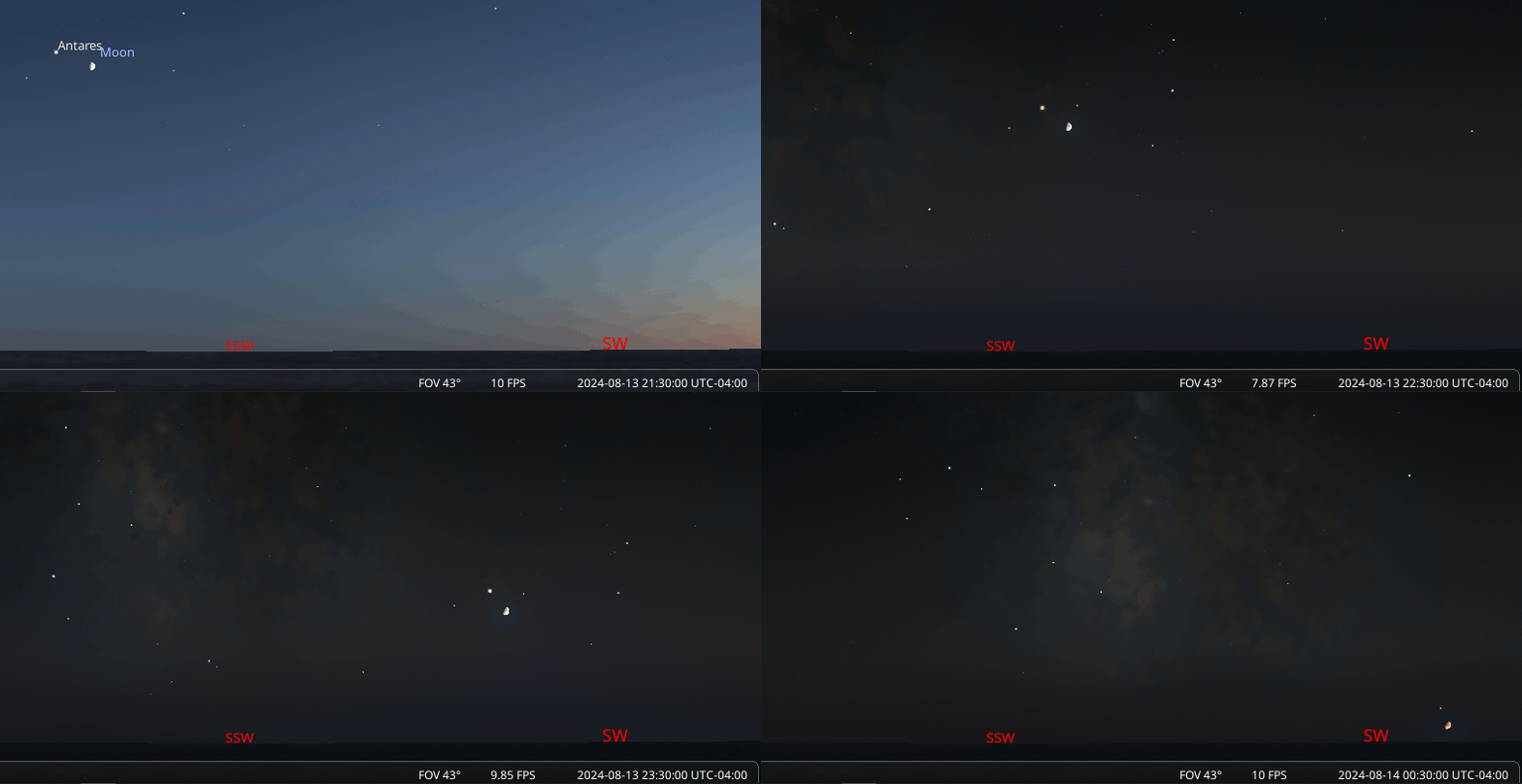
The Moon tonight will have a companion. Just to the left of it will be a star. That star may not look very bright because it is overpowered by moonlight, but it is one of the brightest stars of the sky. It is Antares in Scorpius the scorpion, a red giant star. Every month for the last several years and for the next several years the moon will pass in front of that star. Unfortunately due to the timing and to the path of the Moon it doesn’t happen for any particular spot on the Earth very often. Tonight, as the Moon sets it will be approaching Antares but will appear about to pass below it at the time it sets. We will not be able to see the Moon actually cover or occult Antares from Northern Michigan until May 2028, nearly four years from now.
The astronomical event times given are for the Traverse City/Interlochen area of Michigan (EDT, UT–4 hours). Times will be different for other locations.
Addendum
Ephemeris: 07/08/2024 – The Summer Triangle dominates the eastern sky
This is Ephemeris for Monday, July 8th. Today the Sun will be up for 15 hours and 23 minutes, setting at 9:29, and it will rise tomorrow at 6:06. The Moon, 3 days past new, will set at 11:34 this evening.
We’re two weeks into summer, and the asterism or informal constellation called the Summer Triangle can be seen in the eastern sky as it gets dark. The highest of the three bright stars is Vega in the constellation Lyra the harp, whose body is seen in a narrow parallelogram just below it. The second star of the triangle is Deneb, in Cygnus the swan, lower and left of Vega, It appears dimmer than Vega because it is by far the most distant of the three. The third star of the Summer Triangle is seen farther below and a right of Vega. It is Altair in Aquila the eagle, and the closest. Altair is 16.5 light years away, Vega is 27 light years, while Deneb may be a whopping 2,600 light years away. One light year by the way, is 6 trillion miles (9 trillion kilometers).
The astronomical event times given are for the Traverse City/Interlochen area of Michigan (EDT, UT–4 hours). They may be different for your location.
Addendum
Ephemeris: 05/28/2024 – Finding Spica and Virgo
This is Ephemeris for Tuesday, May 28th. Today the Sun will be up for 15 hours and 15 minutes, setting at 9:18, and it will rise tomorrow at 6:01. The Moon, 2 days before last quarter, will rise at 2:06 tomorrow morning.
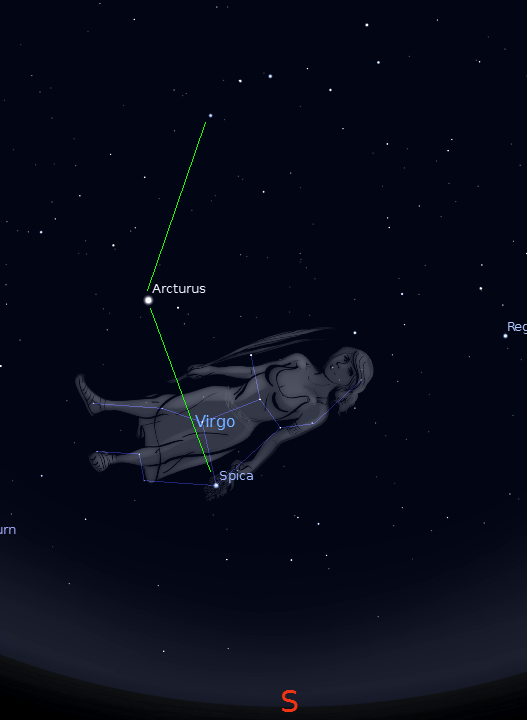
The Big Dipper, near the zenith at 10:30 pm points to several stars and constellations. It’s handle points to two bright stars. First we follow the arc of the handle to the bright orange star Arcturus, the 4th brightest nighttime star. The reason I say nighttime is that the Sun is a star also, but by definition is not out at night. The arc to Arcturus is a way to find Arcturus and a clue to its name. Arcturus, high in the south-southeast, lies at the base point of the kite shaped constellation of Boötes the herdsman. From Arcturus, straighten out the arc to a spike and one soon arrives at Spica a blue-white star in Virgo the virgin, now in the south. Spica is also sometimes pronounced ‘Speeka’.
The astronomical event times given are for the Traverse City/Interlochen area of Michigan (EDT, UT–4 hours). They may be different for your location.
Addendum
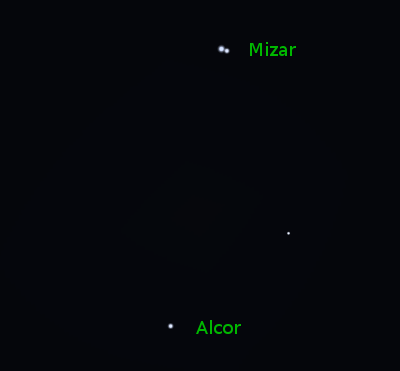
Ephemeris: 05/17/2024 – The famous Big Dipper stars Mizar and Alcor
This is Ephemeris for Friday, May 17th. Today the Sun will be up for 14 hours and 55 minutes, setting at 9:07, and it will rise tomorrow at 6:10. The Moon, 2 days past first quarter, will set at 4:01 tomorrow morning.
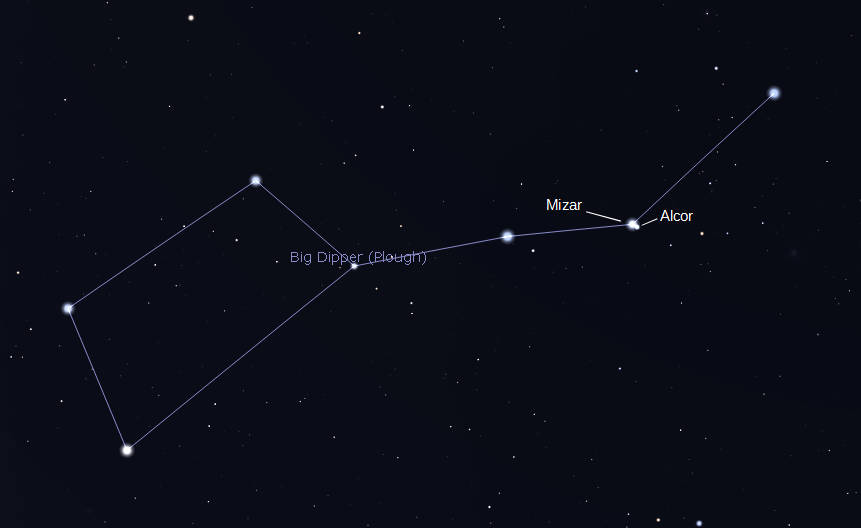
In tonight’s sky, the Big Dipper is nearly overhead. In its handle is a star or two that are interesting. It’s the star at the bend in the handle. It’s called Mizar. Next to it, for those with good eyesight, is a dimmer star, called Alcor. The name Mizar is from the Arabic, meaning apron or cover, while Alcor means the forgotten one. Before optometrists, the ability to actually see both stars was a test for good eyesight, especially for Arabic warriors. The pair is also known as the “Horse and the Rider”. I’ve been told that some Native American tribes saw the handle stars as hunters following the Great Bear, Ursa Major, of which the Big Dipper is a part, rather than its very unnatural tail. Dim Alcor became a hunting dog.
The astronomical event times given are for the Traverse City/Interlochen area of Michigan (EDT, UT–4 hours). They may be different for your location.
Addendum
 Bob Moler's Ephemeris Blog