Ephemeris extra: 09/22/2023 5 pm – The talk and Star party tonight and tomorrow have been canceled.
The problem is a communication problem on my end. Sorry.
Ephemeris: 09/22/2023 – Star party tonight in Thompsonville
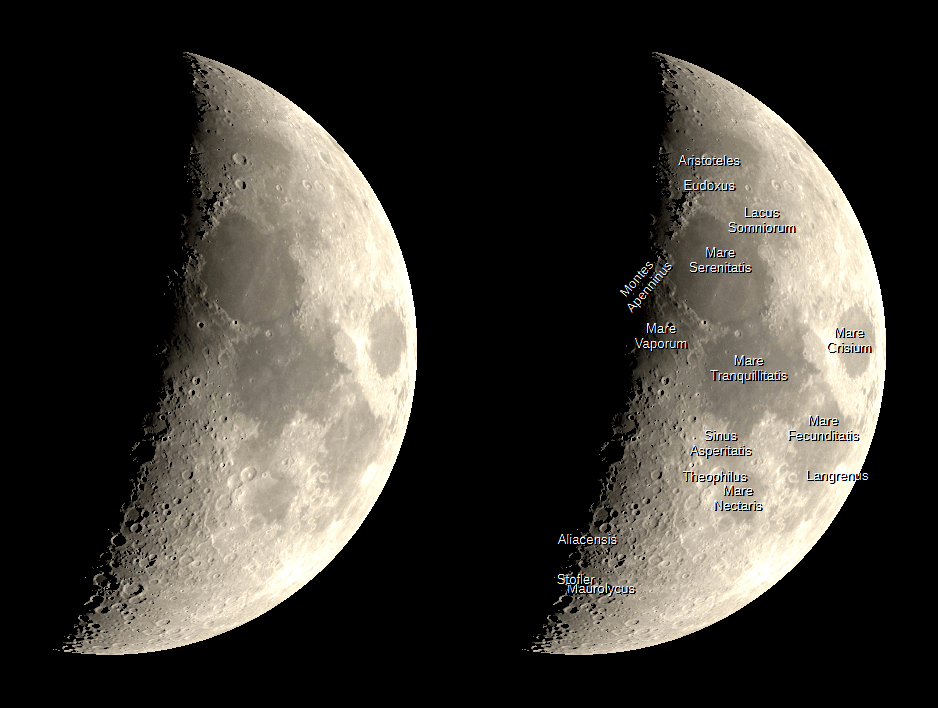
This is Ephemeris for Friday, September 22nd. Today the Sun will be up for 12 hours and 10 minutes, setting at 7:40, and it will rise tomorrow at 7:30. The Moon, at first quarter today, will set at 11:45 this evening. | Tonight, if it’s clear, members of the Grand Traverse Astronomical Society will hold a twilight talk and a star party at the Betsie Valley District Library in Thompsonville, MI. It starts at 7 p.m. with a talk about the upcoming solar eclipses by member Dan Dall’Olmo. There will be a minor partial solar eclipse next month on the 14th, and a much greater partial eclipse April 8th for our area. The total part of the April eclipse can be seen less than a day’s drive away in mid-Indiana and northern Ohio. If tonight is cloudy the star party will be postponed to tomorrow. Featured will be the Moon and some of the stars of the waning nights of summer. (It’s looking like Saturday night might be the better night, but we’ll see. A decision can be made as late as 5 pm the day of the event) The season of fall starts tomorrow at 2:50 am with the autumnal equinox.
The astronomical event times given are for the Traverse City/Interlochen area of Michigan (EDT, UT –4 hours). They may be different for your location. I’ll have more on the autumnal equinox and its effects on Monday.

Ephemeris: 09/21/2023 – Star party in Thompsonville, MI tomorrow or Saturday
Sorry for the delay, but we had a star party event as part of a Child & Family Services of Northwestern Michigan event last evening and I forgot this post. The radio program were broadcast at its scheduled times. Any late additions are in italics.
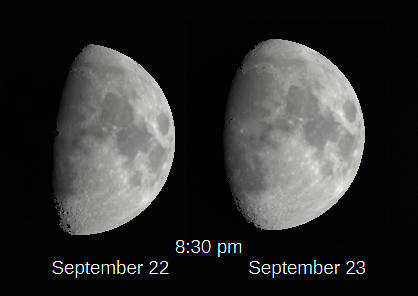
This is Ephemeris for Thursday, September 21st. Today the Sun will be up for 12 hours and 13 minutes, setting at 7:42, and it will rise tomorrow at 7:29. The Moon, 1 day before first quarter, will set at 10:51 this evening.
Tomorrow night, if it’s clear, members of the Grand Traverse Astronomical Society will hold a twilight talk and a star party at the Betsie Valley District Library in Thompsonville, Michigan. It starts at 7 p.m. with a talk about the upcoming solar eclipses by member Dan Dall’Olmo. There will be a minor partial solar eclipse next month on the 14th, and a much greater partial eclipse April 8th. The total part of the April eclipse can be seen less than a day’s drive away in Indiana and Ohio. Featured will be the first quarter Moon and some of the stars of the waning nights of summer. If Friday night is cloudy the event will be postponed until Saturday night. (It’s looking like Saturday night might be the better night, but a decision can be made as late as 5 pm the day of the event) The season of fall starts Saturday with the autumnal equinox.
The astronomical event times given are for the Traverse City/Interlochen area of Michigan (EDT, UT –4 hours). They may be different for your location.
Addendum
Ephemeris: 09/20/2023 – Let’s find out where the naked-eye planets have wandered off to
This is Ephemeris for Wednesday, September 20th. Today the Sun will be up for 12 hours and 17 minutes, setting at 7:44, and it will rise tomorrow at 7:28. The Moon, 2 days before first quarter, will set at 10:10 this evening.
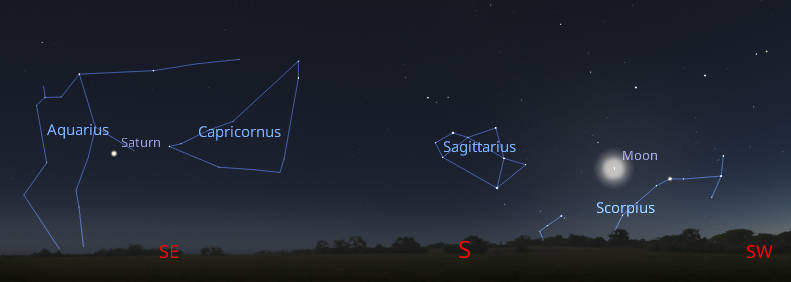
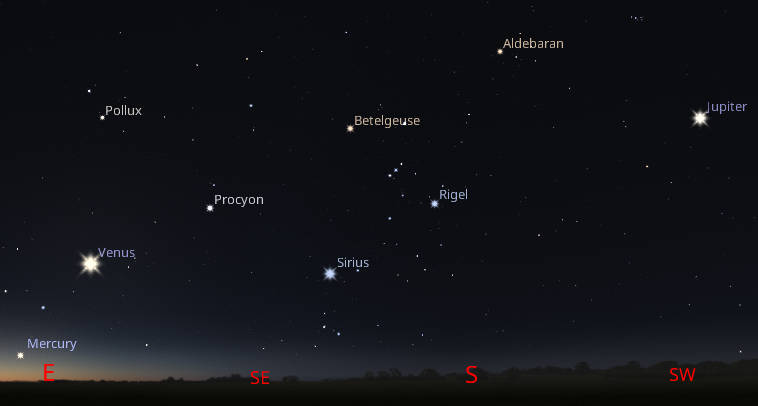
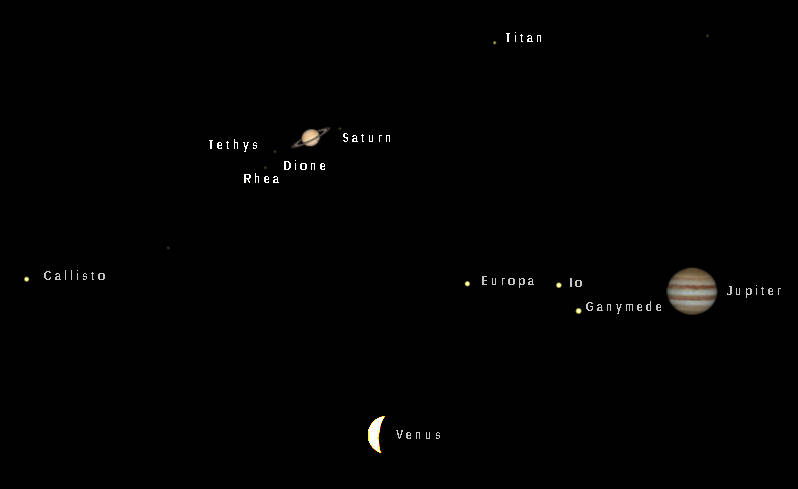
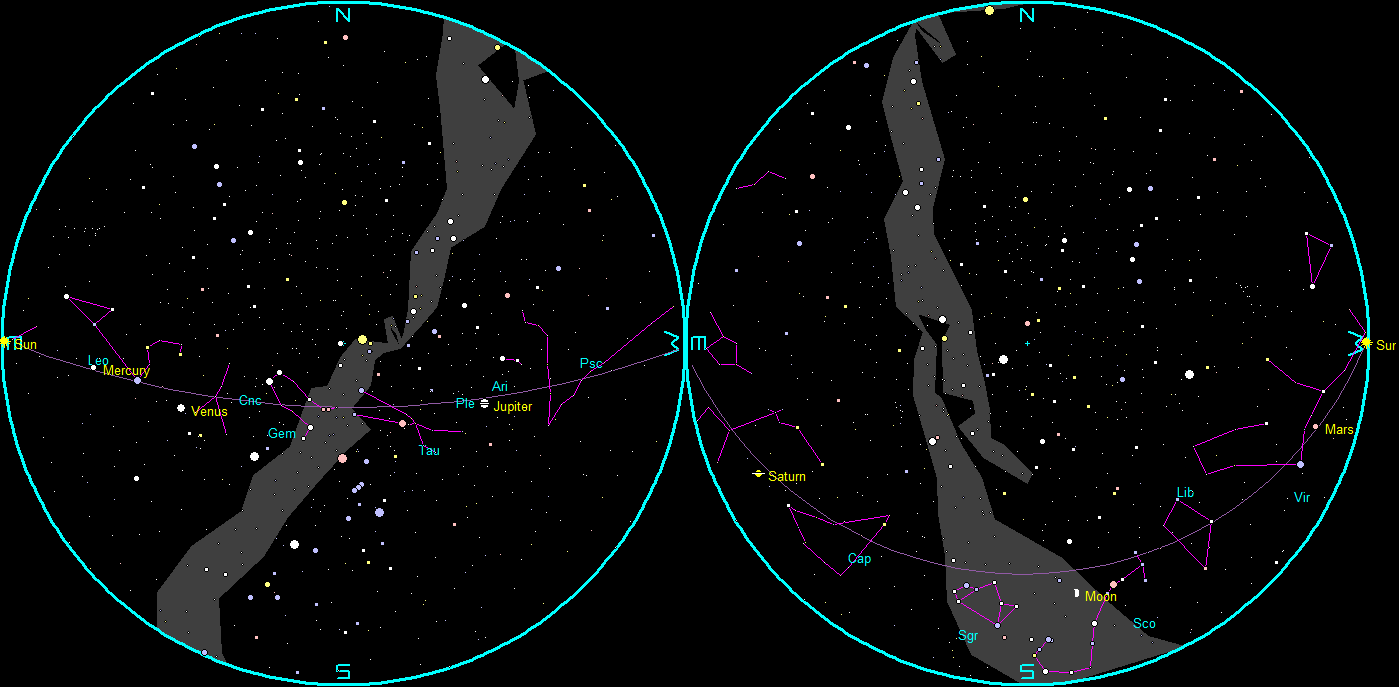
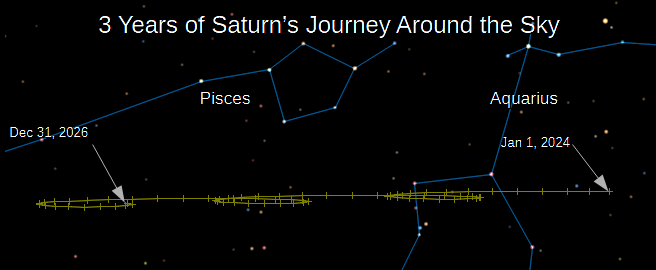
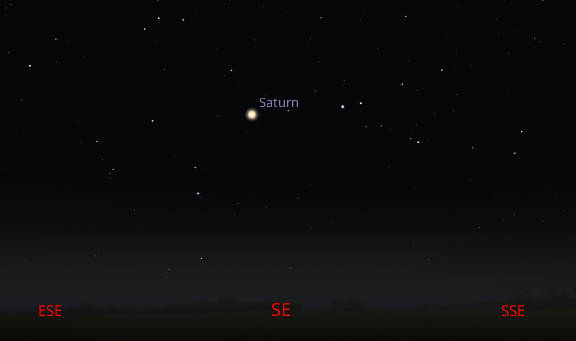
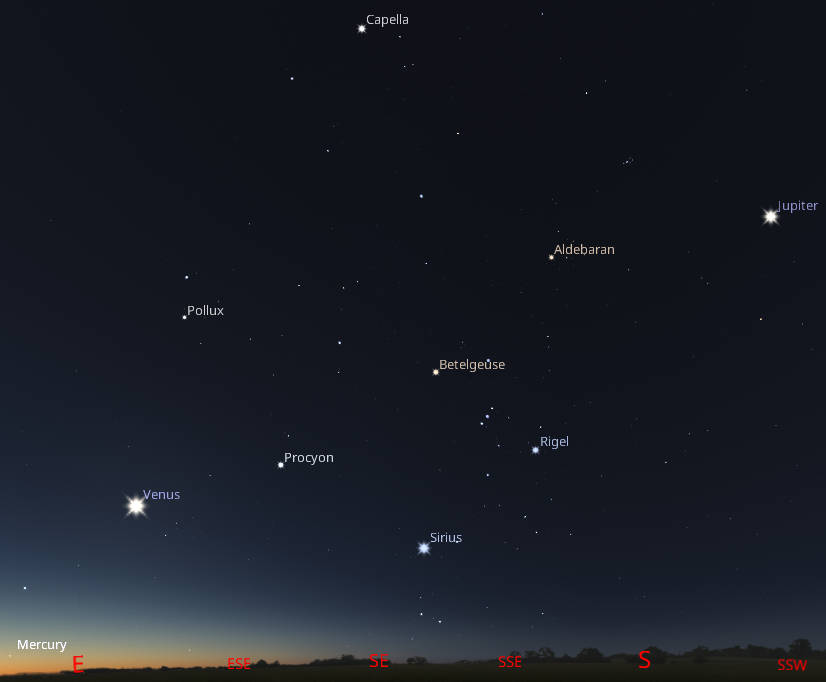
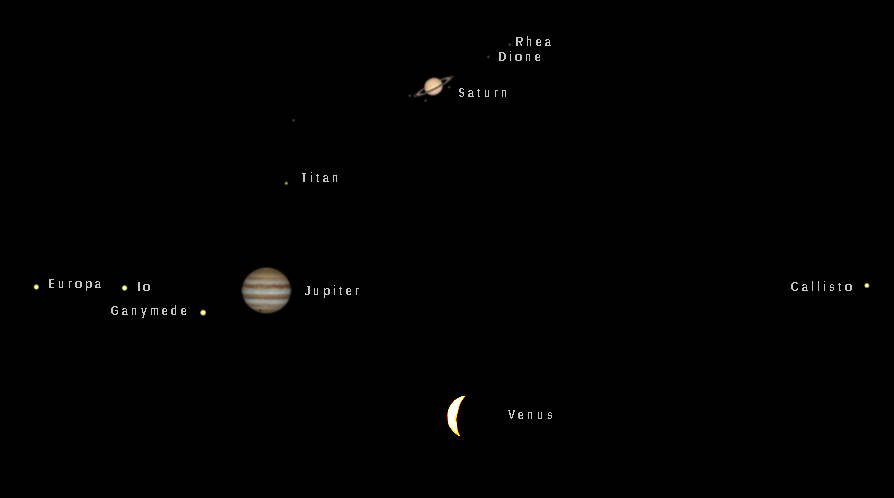
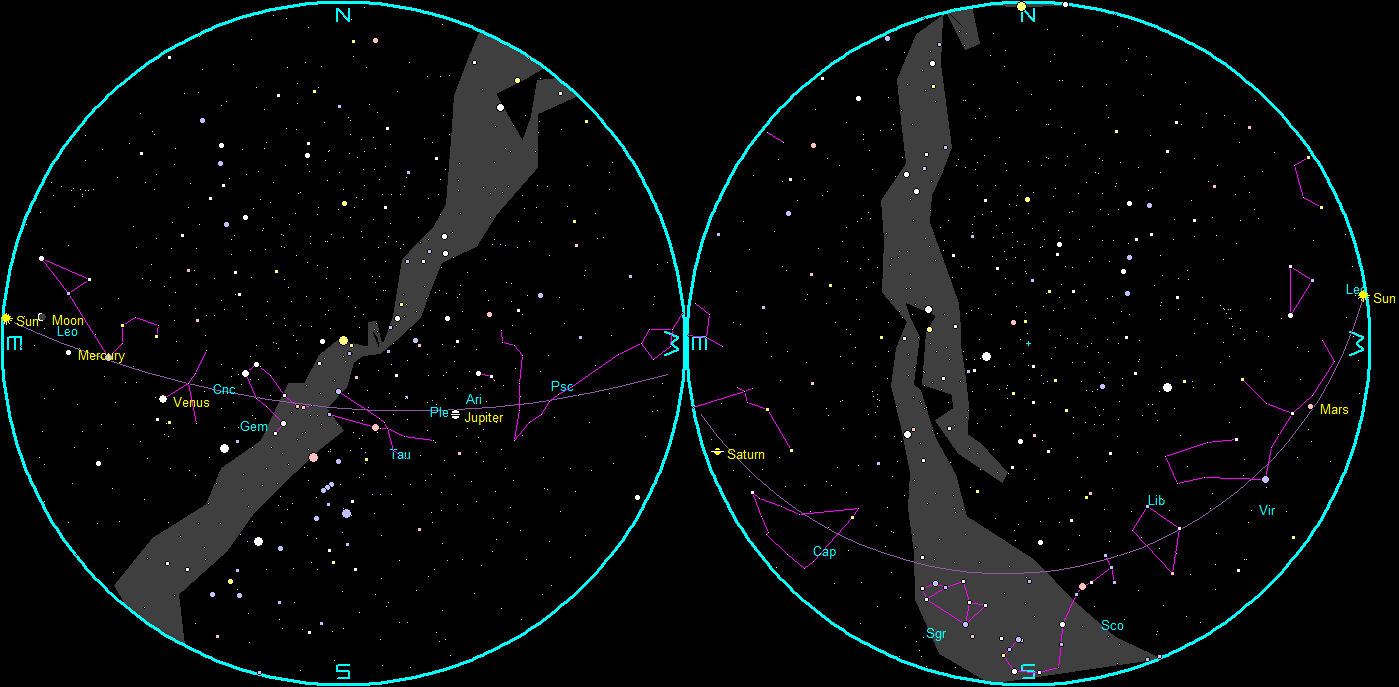
Let’s find out where the naked-eye planets have wandered off to. Four of those five planets are now visible, but Mars is too close to the Sun to be seen. Saturn is the sole evening planet visible. It can be spotted in the southeast in the evening. And it will still be visible throughout the morning hours until it sets at 5:15 am. Saturn is in retrograde or westward motion now, against the stars of Aquarius. Jupiter, Venus and Mercury are the morning planets. Jupiter will rise at 9:35 pm. It is a week into its retrograde motion, which will last the rest of this year. Venus is our brilliant morning star, at its brightest, and will rise in the east-northeast at 4:07 am. Tiny Mercury will have risen by 6 am, and be visible in the east by around 6:30.
The astronomical event times given are for the Traverse City/Interlochen area of Michigan (EDT, UT –4 hours). They may be different for your location.
Addendum
Ephemeris: 09/19/23 – How to find Pegasus in the sky
This is Ephemeris for Tuesday, September 19th. Today the Sun will be up for 12 hours and 20 minutes, setting at 7:46, and it will rise tomorrow at 7:27. The Moon, 3 days before first quarter, will set at 9:39 this evening.
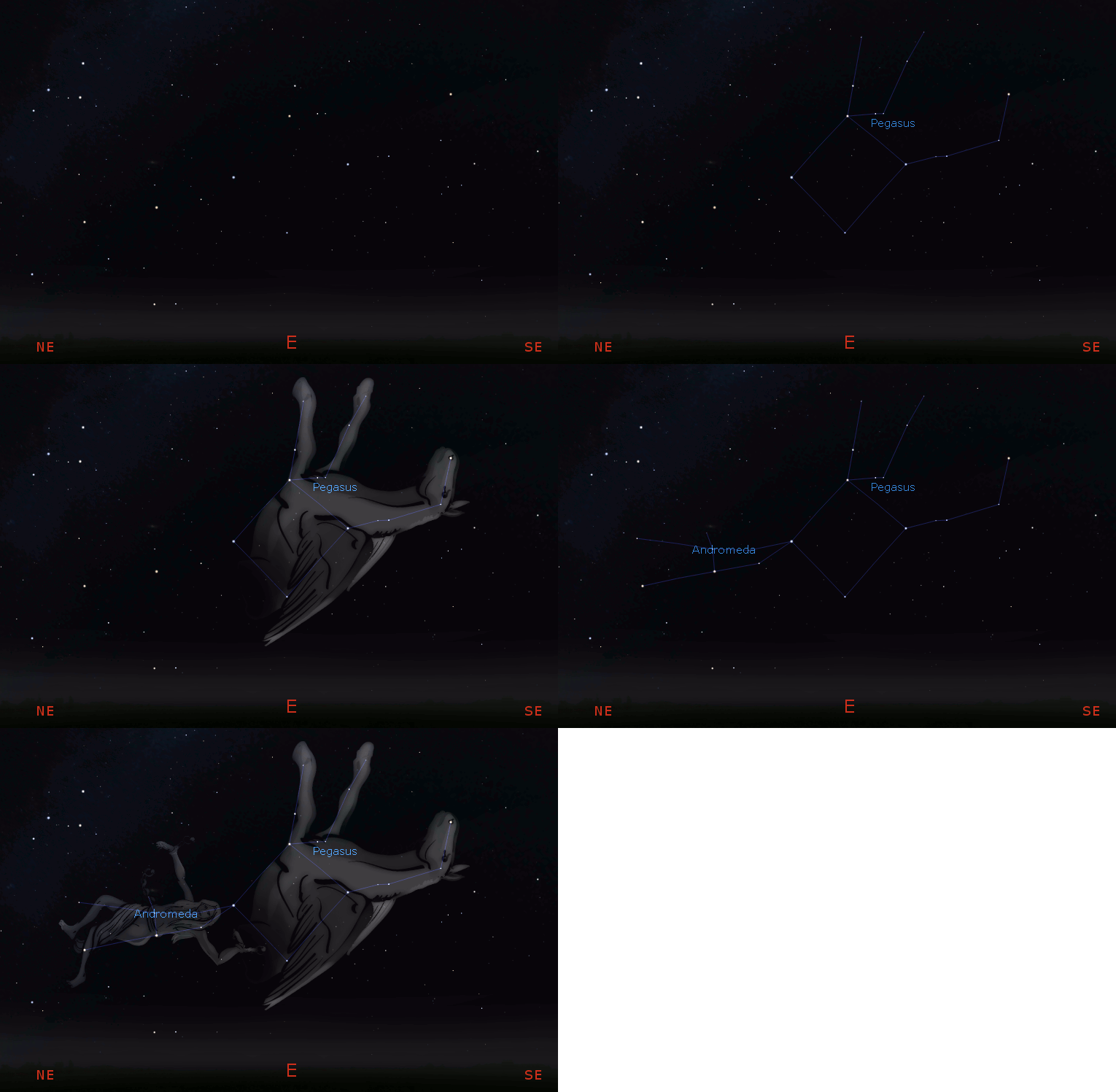
Looking eastward at around 9 pm, one of the great constellations of autumn. A season that will start in four days. It is Pegasus the flying horse of Greek myth. Its most visible feature is a large square of four stars, now standing on one corner. This feature, called the Great Square of Pegasus, represents the front part of the horse’s body. The horse is quite aerobatic, because it is seen flying upside down. Remembering that fact, the neck and head is a bent line of stars emanating from the right corner star of the square. Its front legs can be seen in a gallop extending to the upper right from the top star of the square. From the left star extend, not hind legs but the constellation of Andromeda, the princess rescued with the help of Pegasus.
The astronomical event times given are for the Traverse City/Interlochen area of Michigan (EDT, UT –4 hours). They may be different for your location.
Ephemeris: 09/18/2023 – Saturn the planet and the god of old age
This is Bob Moler with Ephemeris for Monday, September 18th. Today the Sun will be up for 12 hours and 23 minutes, setting at 7:48, and it will rise tomorrow at 7:26. The Moon, halfway from new to first quarter, will set at 9:14 this evening.
The planet Saturn is named after the Roman God of agriculture. He is often depicted as an old man with a scythe. It happens that Saturn is the most distant of the naked eye planets and as such takes nearly 30 years to totter its way around the Zodiac signifying his old age. Saturn is also depicted as Father Time at New Year’s Eve being replaced by the New Year’s baby. Saturn is the Roman Equivalent of the Greek god Cronus, where we get time related words like chronology, chronometer. The planet that is Saturn, appears to be the only planet referred to specifically in the Bible as being the closest planet to heaven. The goddess Ishtar, an equivalent of Venus, is mentioned as the “Queen of Heaven” in Jeremiah (Jer 7:18; 44:19), but not as a planet. The only mention of Venus is in its morning apparition as Lucifer, the Son of Morning, who is also equated with Satan.
The astronomical event times given are for the Traverse City/Interlochen area of Michigan (EDT, UT –4 hours). They may be different for your location.
Addendum
Ephemeris: 09/15/2023 – Rare Friday star party at the Sleeping Bear Dunes
This is Ephemeris for Friday, September 15th. Today the Sun will be up for 12 hours and 32 minutes, setting at 7:53, and it will rise tomorrow at 7:22. The Moon, 1 day past new, will set at 8:20 this evening.
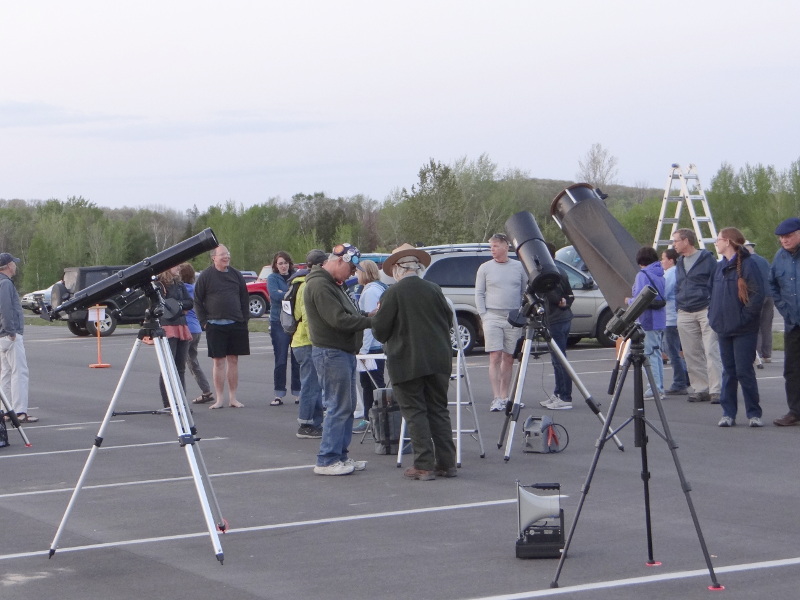
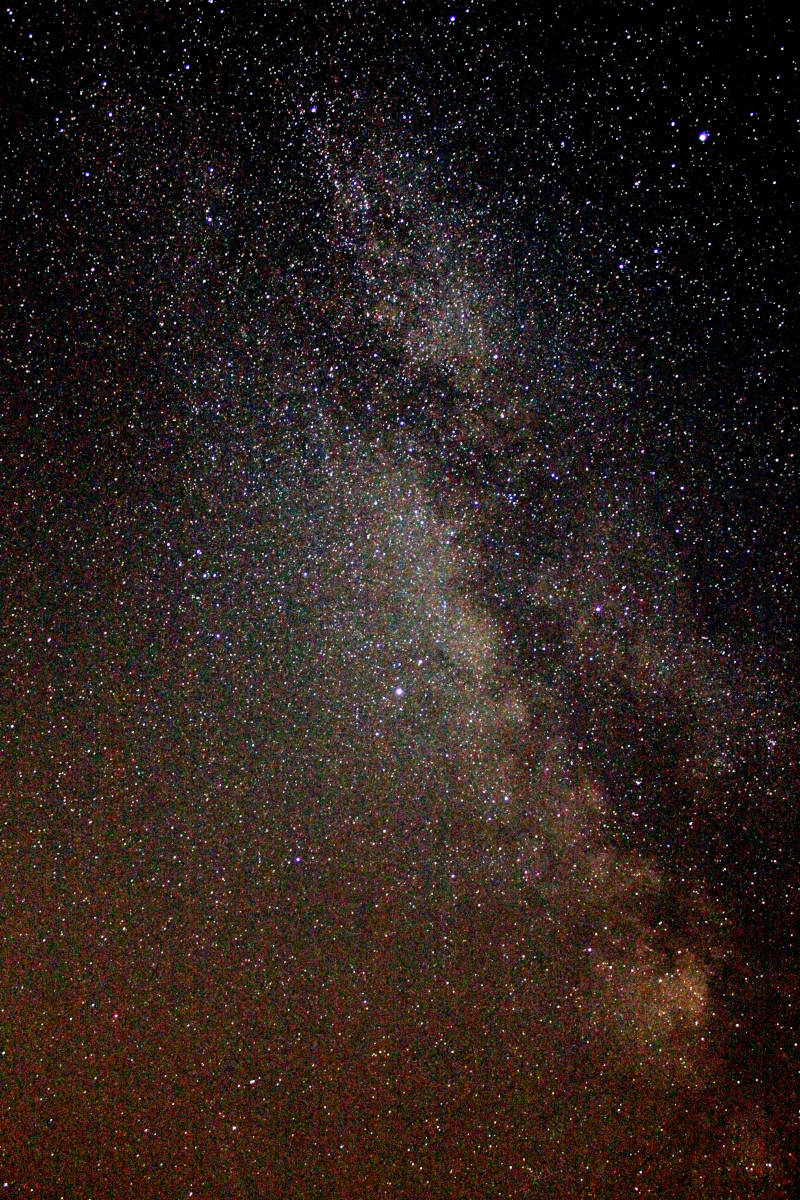
Weather permitting, a sun and star party will be held tonight at the Sleeping Bear Dunes National Lakeshore at the Dune Climb. The solar part will start at 5 pm, while the evening viewing will start around 8:30 pm. These events will be hosted by the park rangers and the Grand Traverse Astronomical Society, who will bring their telescopes to view the heavens, including the planet Saturn and the wonders of the summer Milky Way. The telescopes will be setup in the parking area closest to the dune. As twilight fades Saturn will be about the only object to view, as it gets darker more and more wonders of the Milky Way will be seen. They include star clusters and nebulae, clouds of gas and dust. And maybe we’ll get a peek at the galaxy next door, the Great Andromeda Galaxy.
The astronomical event times given are for the Traverse City/Interlochen area of Michigan (EDT, UT –4 hours). They may be different for your location.
Ephemeris: 09/14/2023 – The stars of Cygnus the swan represent a few different figures
This is Ephemeris for Thursday, September 14th. Today the Sun will be up for 12 hours and 35 minutes, setting at 7:55, and it will rise tomorrow at 7:21. The Moon is new today, and won’t be visible.
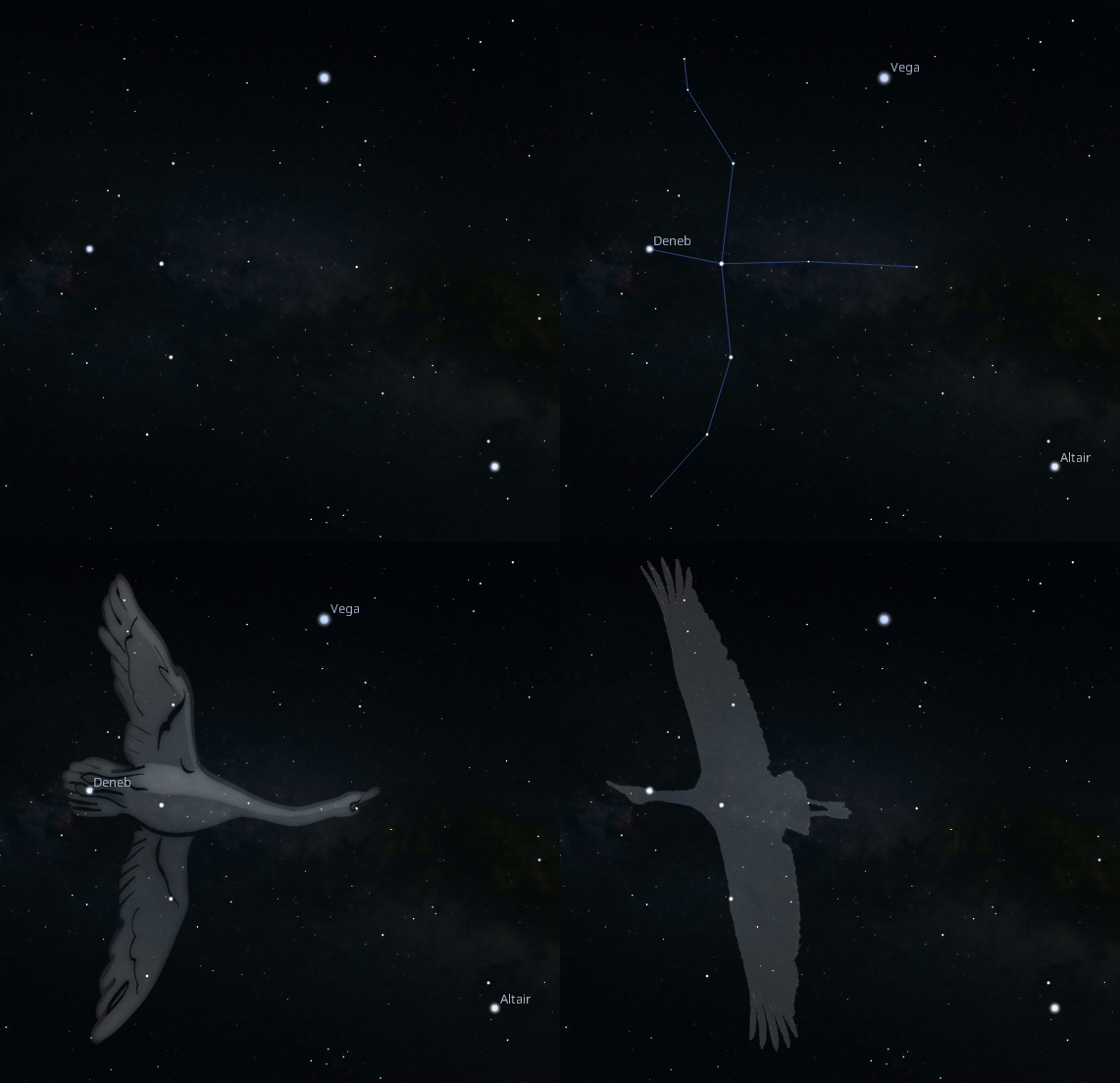
Nearly directly overhead in the evening is the bright star Deneb, part of the Summer Triangle of bright stars It’s at the top of the Northern Cross, an informal constellation or asterism. It makes a perfectly proportioned Christian cross. Deneb is also the tail of Cygnus the swan, seen flying southward through the Milky Way with its neck outstretched. Extra stars added to the Northern Cross extend the wings nicely. To the Anishinaabe native peoples of our area the stars here also represent two constellations, both are birds. The first is Ajijaak, the Sand Hill crane, The other is Bineshi Okanin, the Skeleton Bird, so named probably because the stars make a stick figure of a bird rather than an outline of one.
The astronomical event times given are for the Traverse City/Interlochen area of Michigan (EDT, UT –4 hours). They may be different for your location.
Addendum
Ephemeris: 09/13/2023 – Let’s find out where the naked-eye planets have wandered off to
This is Ephemeris for Wednesday, September 13th. Today the Sun will be up for 12 hours and 38 minutes, setting at 7:57, and it will rise tomorrow at 7:20. The Moon, 1 day before new, will rise at 6:41 tomorrow morning.
Let’s find out where the naked-eye planets have wandered off to. Three of those five planets are now visible but Mars and Mercury are too close to the Sun to be seen. Saturn is the sole evening planet visible. Mercury is now in the morning sky, and should be visible in a week. Jupiter and Venus are officially the only visible morning planets. Saturn can be spotted in the southeast in the evening. And it will still be visible throughout the morning hours morning twilight starts. Saturn is in retrograde or westward motion now, against the stars of Aquarius. Jupiter will rise at 9:59 pm. It is starting its retrograde motion now. Venus is our brilliant morning star, rising in the east-northeast at 4:21 am and be visible until about 7 am.
The astronomical event times given are for the Traverse City/Interlochen area of Michigan (EDT, UT –4 hours). They may be different for your location.
Addendum
Ephemeris: 09/12/2023 – Two small but distinctive constellations by the Summer Triangle
this is Ephemeris for Tuesday, September 12th. Today the Sun will be up for 12 hours and 41 minutes, setting at 7:59, and it will rise tomorrow at 7:19. The Moon, 2 days before new, will rise at 5:37 tomorrow morning.
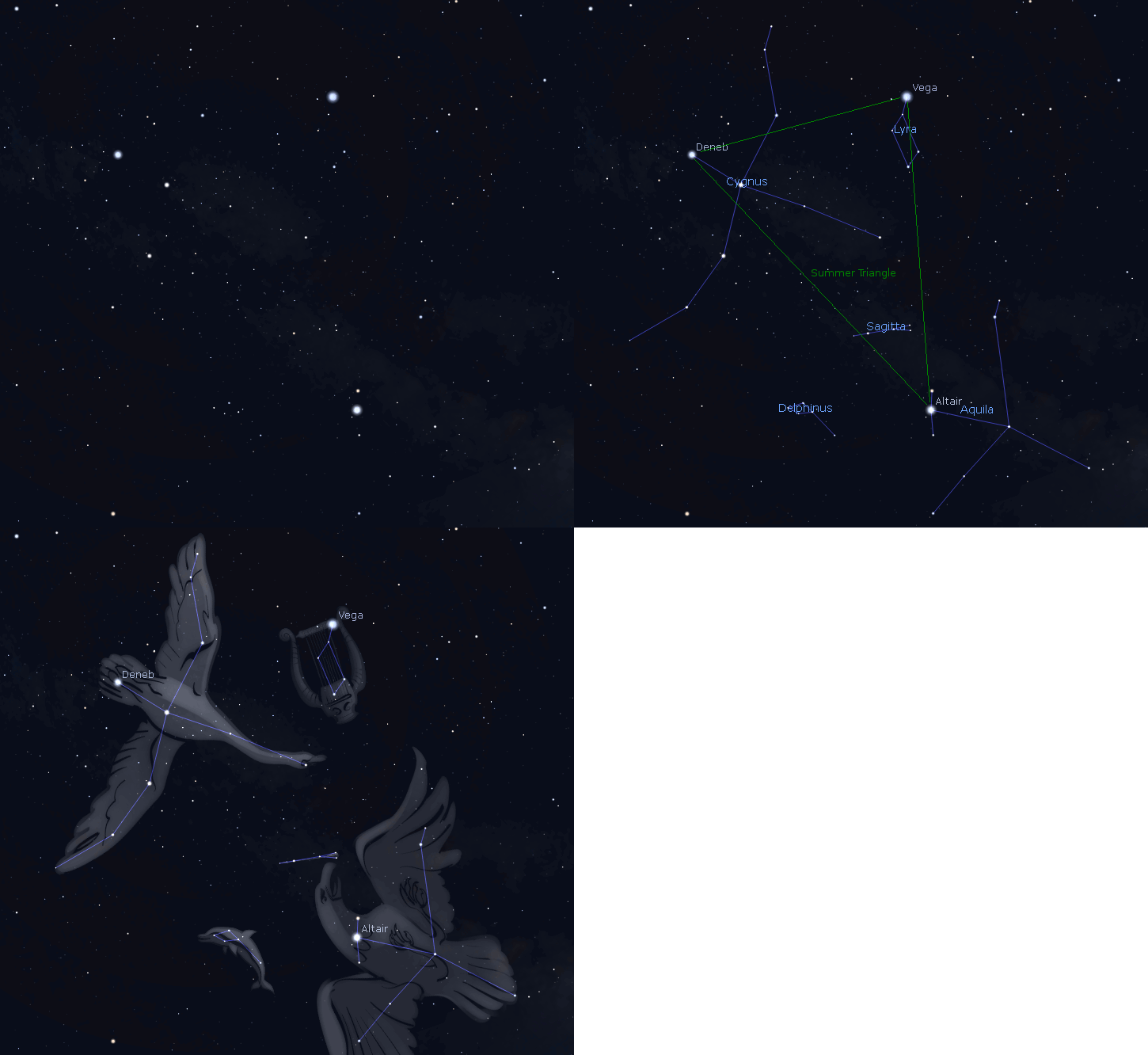
There are two small constellations in and near the Summer Triangle of bright stars. Both are near Altair the bottom star of the triangle in the southeast. The first is Delphinus the dolphin to the left of Altair. Delphinus is made-up of a small squished box of stars with another star below. It does look a dolphin leaping out of the water. The legendary Greek poet Arion, according to myth, was rescued by a dolphin. Also the little squished box is an asterism called Job’s Coffin, though no one knows the origin of that name. The second constellation is above Altair, and within the Summer Triangle. It is called Sagitta the arrow. The stars do line up to look like a short arrow. It’s supposed to represent Cupid’s dart.
The astronomical event times given are for the Traverse City/Interlochen area of Michigan (EDT, UT –4 hours). They may be different for your location.
Addendum
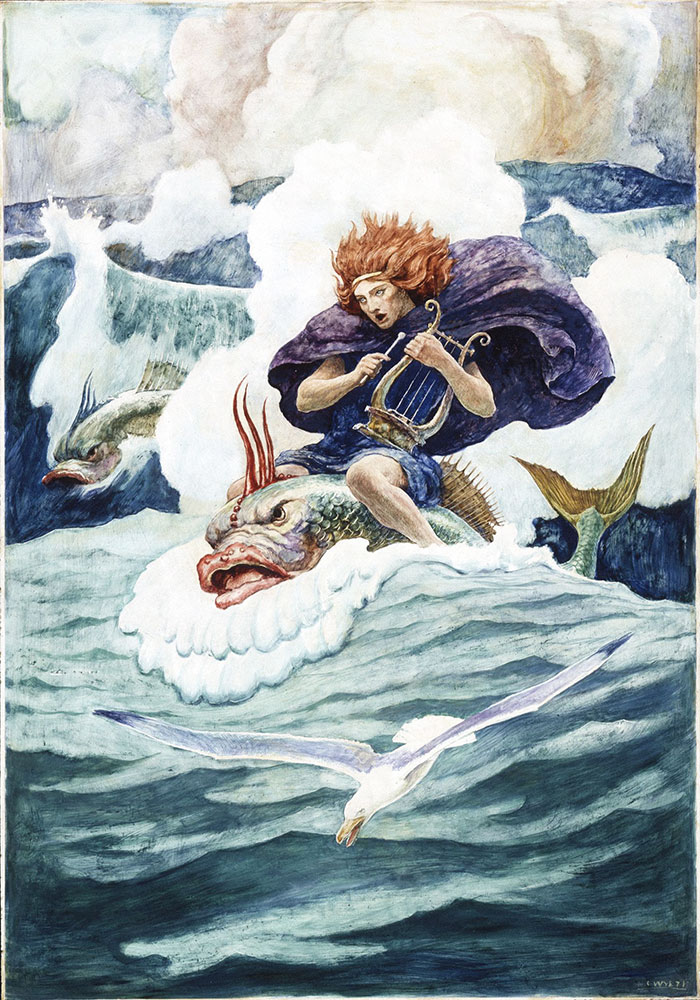
Painting circa 1938.